Independent tourism and recreation in the city of Hamm Historical information about the city of Hamm 1. Foundi...
1. Founding of the city - 1226
The history of Hamm begins on March 4, 1226. Count Adolph von der Mark founded a new settlement after the destruction of Ninbrugge. The city originated in an advantageous location between the Lippe and Aze rivers and soon became an important center of Mark County. The name Hamm is probably due to the ancient designation of the land between the rivers.
2. Medieval period
In the XIII-XV centuries, Hamm quickly developed as a commercial and craft city. Here appeared the market, the city council, the city wall and its own coin workshop. Due to its location on trade routes, the city gained great importance in the region and for some time served as the residence of the Counts of Mark.
3. Hanseatic
In 1469, Hamm joined the Hanseatic League. The city traded linen and other goods, and was also known for the local Hammscher Keut beer. Hanseatic ties strengthened the economic position of the city and connected it with the major trading centers of Northern Europe.
4. Reformation and Religious Change
In the XVI century, the ideas of the Reformation spread in Hamm. By 1562, the Reformed religion was finally established in the city. Religious changes have had a significant impact on the life of the urban community.
5. Thirty Years' War
The seventeenth century was one of the most difficult periods in the history of Hamm. During the Thirty Years' War (1618–1648), the city came under the control of various armies about twenty times. The hostilities led to destruction, economic decline and population decline. In 1666, Hamm came under Brandenburg.
6. XVIII century
In the XVIII century, the city repeatedly suffered from major fires and hostilities. Between 1761 and 1762, Hamm was bombed by the French during the Seven Years' War. After that, the old city fortifications began to be dismantled, and the city was gradually rebuilt.
7. Industrial development of the nineteenth century
The real economic change occurred in the XIX century. In Hamm, metalworking, wire production and other industrial enterprises developed. Especially important was the appearance of the railway in 1847. Hamm quickly became a major railway junction in Westphalia.
The development of transport stimulated trade and industry. Additional importance were the navigable Lippe and later the Datteln-Hamm canal, thanks to which the city received its own port.
8. The coal industry
At the beginning of the XX century, coal mining was actively developing around Hamm. De Wendel, Maximilian, Radbod and Sachsen mines appeared. The city became an important industrial and working center, and the railway junction and port provided transportation of coal and products of enterprises.
9. The first half of the twentieth century
The First World War and economic crises greatly affected the city. After the Nazis came to power in 1933, political opponents of the regime and representatives of the labor movement were persecuted.
During World War II, Hamm was bombed several times due to its railway and industrial importance. Industrial facilities, transport infrastructure and the historic center were severely damaged.
10. Post-war reconstruction
After 1945, Hamm rebuilt residential areas, businesses and transportation infrastructure. At the same time, part of the historical building was lost. Preserved buildings and monuments have become an important part of modern urban culture.
11. Expansion of the city in 1975
In 1975, as a result of administrative reform, several neighboring settlements were added to Hamm: Bokum Heuvel, Heessen, Herringen, Pelkum, Rinern and Wentrop. Due to this, the city has significantly expanded and acquired a modern territorial structure.
12. The Decline of the Coal Industry
In the second half of the twentieth century, Germany began to reduce coal production. The mines around Hamm gradually closed and the city faced the need to rebuild its economy. Former industrial areas have gradually become cultural, recreational and public spaces.
13. Hamm today.
Modern Hamm combines medieval heritage, industrial history and modern urban infrastructure. Historical churches, old city blocks and industrial monuments are preserved in the city, and the railway, canal and port are still of great importance.
A special place is occupied by the Gustav-Lübcke-Museum, dedicated to history, art and culture. In 2026, Hamm celebrates the 800th anniversary of the founding of the city, so the anniversary year is accompanied by numerous cultural and urban events.
Historical heritage
Hamm was founded in 1226, so the city has preserved monuments related to the medieval past. Of interest are Pauluskirche, a historic market square, remnants of old city buildings and other buildings reminiscent of the city's past.
Industrial history
Hamm is especially interesting for travelers who like industrial heritage. The development of the railway, metallurgy and coal industry greatly influenced the appearance of the city. Traces of this era can be seen in former industrial areas and on sites associated with the mining past.
Maximilian Park (Maximilianpark)
One of the main attractions of Hamma is a large park created on the territory of a former coal mine. Its symbol is the huge Glass Elephant, an unusual structure inside a former coal enrichment complex. Today, the park combines gardens, walking areas, playgrounds and cultural events.
Gustav-Lübcke Museum (Gustav-Lübcke-Museum)
The museum allows you to get acquainted with the history and culture of the city, as well as with art and archaeological collections. It is especially suitable for travelers who want to learn more about Hamma not only from the surviving buildings, but also through museum displays.
Parks and nature
Hamm has a large number of green areas. It is convenient to combine excursions with walks, bicycle trips and rest in nature. The Lippe and Aze rivers, canals and surrounding forest park areas create opportunities for a relaxing holiday.
Family tourism
Hamm is well suited for traveling with children thanks to parks, playgrounds, Tierpark Hamm Zoo and various interactive entertainment options. Maximilianpark is especially popular, where you can spend several hours with the whole family.
Cultural activities
The city regularly hosts concerts, theater performances, city holidays, festivals and open-air events. Especially intense is the warm part of the year.
800-year history
Of particular interest is the anniversary of 2026, when Hamm celebrates 800 years since its foundation. Historical sites, exhibitions and city events allow you to see the city through different periods of its development - from a medieval settlement to a modern industrial and cultural center.
Comfort for travelers
Hamm is a major railway junction, so it is convenient to get to it from other cities of North Rhine - Westphalia. The historic center can be viewed on foot, and it is convenient to use city transport to remote parks and areas.
1. High-level hotels
For a comfortable trip, modern 4-star hotels with restaurants, parking, conference rooms and additional services are suitable.
Mercure Hotel Hamm is one of the most notable options in the centre. The hotel is located next to the main train station and pedestrian area. There is a restaurant, bar, sauna, sports area, Wi-Fi and underground parking. The hotel has 142 rooms.
Gut Kump Gastronomie und Hotel is a countryside accommodation option in a historic setting, suitable for those who prefer a more relaxed atmosphere outside the central part of Hamm.
2. Mid-range hotels
This is the most common option for tourists: a separate room with its own bathroom, Wi-Fi, breakfast and a standard set of facilities.
Hotel Alte Mark is a family-run hotel in Hamm Mark. It is housed in historic buildings and has the main building and guest house Altes Pastorat. There are rooms of different categories and suites.
Hotel BENTS wohlfühlen am Hammer Brunnen is a small option next to the Kurpark and the Maximare Wellness Complex. Suitable for relaxing and traveling for a few days.
Hotel Langerbein is a small hotel in Bokum Heuvel, convenient for those who do not need to live directly in the center.
3. Budget hotels
For a short trip, you can choose small hotels and budget hotels. Rooms are usually simpler, but the cost of living is lower.
B&B Hotel Hamm is a practical option in the center near the station. The hotel has single, double and family rooms; all rooms are equipped with their own bathroom, air conditioning and soundproofed windows.
Hotel Breuer is a small hotel designed primarily for inexpensive accommodation.
Hotel Rhynern-Nord is a budget option near the A2 motorway, especially convenient for travelers by car. There are also family rooms in the hotel.
4. Small family hotels and guest houses
Hamma has small private hotels with fewer rooms and a more relaxed atmosphere.
Hotel Grüner Baum is an option in the Rhinern area.
Parkhotel Ribaric is a small hotel in Bokum Heuvel.
Such options are especially suitable for tourists who prefer silence and do not need a large set of services of a large chain hotel.
5. Apartments and apartments
For a few days or weeks, Ferienwohnung is convenient - tourist apartments and apartments. They allow you to cook your own food and usually have a kitchen, living room and several beds. Apartments are officially presented in Hamma, including unusual options such as converted historic buildings.
For example, Alte Mühle and Museumsscheune offer accommodation in unusual historic buildings. This option is especially convenient for families and small groups.
6. Hostels and the most economical accommodation
For single travelers and young tourists, hostels and inexpensive rooms can be considered.
Hostel Hamm by Geronimo is an option with a simpler infrastructure aimed at budget travelers.
In addition, you can look for private rooms and small guesthouses, especially if the main goal is to reduce overnight expenses.
Central Square and St. Paul's Church (Pauluskirche)
The historical center of Hamma is interesting for its ancient buildings, Marktplatz Square and the main Protestant church of the city - Pauluskirche. It is convenient to start your acquaintance with Hamm: the main facilities of the center are not far from each other and are accessible on foot. Transport: From Hamm Main Station (Westf.) to the center can be reached in about 10-15 minutes. City buses are also suitable to stops in the central part.
Gustav-Lübcke Museum (Gustav-Lübcke-Museum)
One of the city's main museums. It features archaeological finds, Hamm history, artwork and an Egyptian collection. The museum is especially convenient for tourists due to its location right next to the station. Transport: from the main train and bus station - about 2 minutes walk. This is one of the most affordable sights of the city without a car.
Maximilianpark (Maximilianpark)
The main modern landmark of Hamma and the former industrial site of the Maximilian mine, turned into a large park. There are gardens, play areas, Butterfly House, places for walks and cultural events. Transport: the park is located about 4-5 km from the center, so walking is inconvenient. From the center you can get by city bus, and by car - in a few minutes. For cyclists, this is also a convenient destination.
The glass elephant (Glaselefant)
The symbol of Hamma is inside Maximilianpark. It is a huge structure with a height of about 35 m, created from the former building of the coal processing factory of the Maximilian mine. Inside is a palm garden and an observation deck overlooking the city and the surrounding area. Transport: no separate transport is required - after arriving in Maximilianpark, the elephant can be reached on foot through the park.
Hamma Zoo (Tierpark Hamm)
A small city zoo, suitable primarily for family holidays. Here you can combine a visit to animals with a walk in the green part of the city. Transportation: located south of the center. From the central part it is most convenient to go by city bus; by car the road takes about 10 minutes depending on the place of departure.
Hamma Kurpark (Kurpark Hamm)
A large green park with walking paths, trees and a calm atmosphere. This is a good option to relax after visiting the center and museums. Transport: the centre can be reached by bus or bicycle; it is also easy to reach the park by car. Depending on the route, the road from the center takes about 10-15 minutes.
Heessen Castle (Schloss Heessen)
A picturesque historical castle in the Heessen area with characteristic step pediments. It is one of the most interesting historical buildings of Hamma. Transportation: located outside the central part. It is more convenient to get by bus or car; for a bicycle, a trip is also possible, but it will take longer.
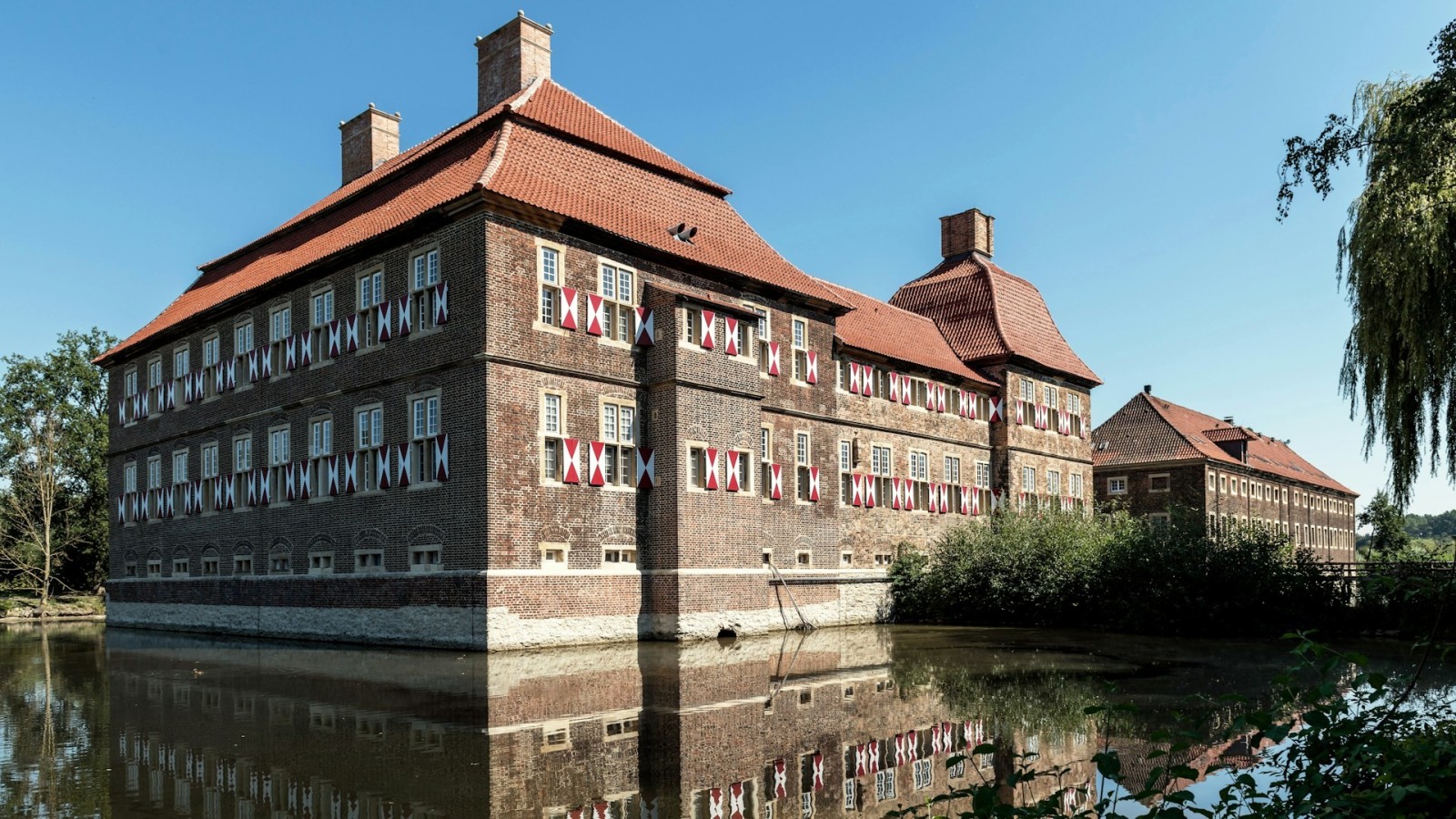
Water Castle (Wasserschloss Oberwerries)
Beautiful Baroque castle surrounded by green territory. It is well suited for those who want to see not only the urban architecture, but also the historical estates of Westphalia. Transport: located in the Wentrop area, so it is better to go from the center by bus or car. A bicycle is also a convenient option thanks to a network of local bike routes.
Sri Kamadchi Ampal Tempel (Sri Kamadchi Ampal Tempel)
An unusual attraction of Hamma is a large Hindu temple in the Wentrop area. The city calls it the largest South Indian temple in Europe. The temple is particularly interesting for its architecture and culture of the Tamil community. Transportation: located outside the center. Public transport will require a bus with a change depending on the place of departure; it is easier to get by car.
Historic houses of the center - Haus Vorschulze, Stunikenhaus and Brauhaus Henin
In the central part, several historical buildings of different eras have been preserved. Among them are Haus Vorschulze of the XVIII century, Stunikenhaus and the oldest residential building in the city - Brauhaus Henin, dating from 1516. Transport: All are in the central area and are best viewed on foot. They are conveniently included in one walk with Pauluskirche and the central square.
Hamma International Jazz Festival (Internationales Jazzfest Hamm)
Music festival with performances of jazz performers. Concerts are held at Kurhaus Bad Hamm and other cultural venues in the city.
Westphalian Music Festival (Westfälisches Musikfestival) – June-July
A series of classical music concerts. Performances are held both in concert halls and in historical and unusual places.
Festival of the Hindu Temple (Tempelfest) – June
A major cultural and religious event at Sri Kamadchi Ampal. The program includes a festive procession and events of Indian and Tamil culture.
KunstDünger - July-August
Summer program in the open air with street theater, circus numbers, acrobatics, music and performances of artists.
Summer concerts Sommerspaß - July-August
A series of free concerts in open areas in the city center. You can hear popular music of different directions.
Kurparkfest Festival (July)
A big summer holiday with live music, entertainment and a family program in Kurpark.
H4 Culture Festival (KulturFest h4) – September
The city center is turning into a large cultural venue. Concerts, dance and theater performances, street performances and family events are held.
Stunikenmarkt (September)
Traditional city fair near Pauluskirche. There are trade tents, attractions, entertainment areas and points with food.
Hamms Bunter Herbst Autumn Festival - October
City autumn program with markets, gastronomic events, music and entertainment.
Herbstleuchten - autumn
A popular light show in Maximilianpark. The park is decorated with light installations, projections and illumination, Glaselefant looks especially spectacular.
Literary Autumn (Literarischer Herbst) – Autumn
Meetings with writers, literary evenings, book presentations and other events for literature lovers.
Carnival events - February-March
The city hosts costumed evenings, performances of carnival clubs, dances and festive events before the beginning of Lent.
Christmas Market (Weihnachtsmarkt) – late November–December
In the center of Hamma, festive shopping houses open with souvenirs, Christmas decorations, food and drinks. Concerts and family entertainment are held.
Winter - December, January, February
During the day, usually about 4-6 ° C, at night about 0-1 ° C. Rain, wet snow and rare frosts are possible. Daylight is short, so for long walks this is not the most convenient period. The temperature of water in open water bodies is usually in the range of 2-6 ° C, so swimming is almost not suitable.
Spring - March, April, May
In March, the air warms up to about 9-10 ° C, in April - to 14-16 ° C, and in May - to 18 ° C in the afternoon. At night in spring, usually from 2–9 ° C. The number of sunny hours is gradually increasing, it becomes more comfortable for walking around the city and cycling. Water in early spring is about 5-8 ° C, by May it can warm up to about 13-15 ° C.
Summer - June, July, August
The warmest period of the year. During the day, usually 21-25 ° C, at night about 12-14 ° C. July and August are the warmest months, although rainy days are possible even in summer. The water temperature in local lakes and reservoirs in warm periods can reach about 20-22 ° C, but depends on the specific reservoir and weather.
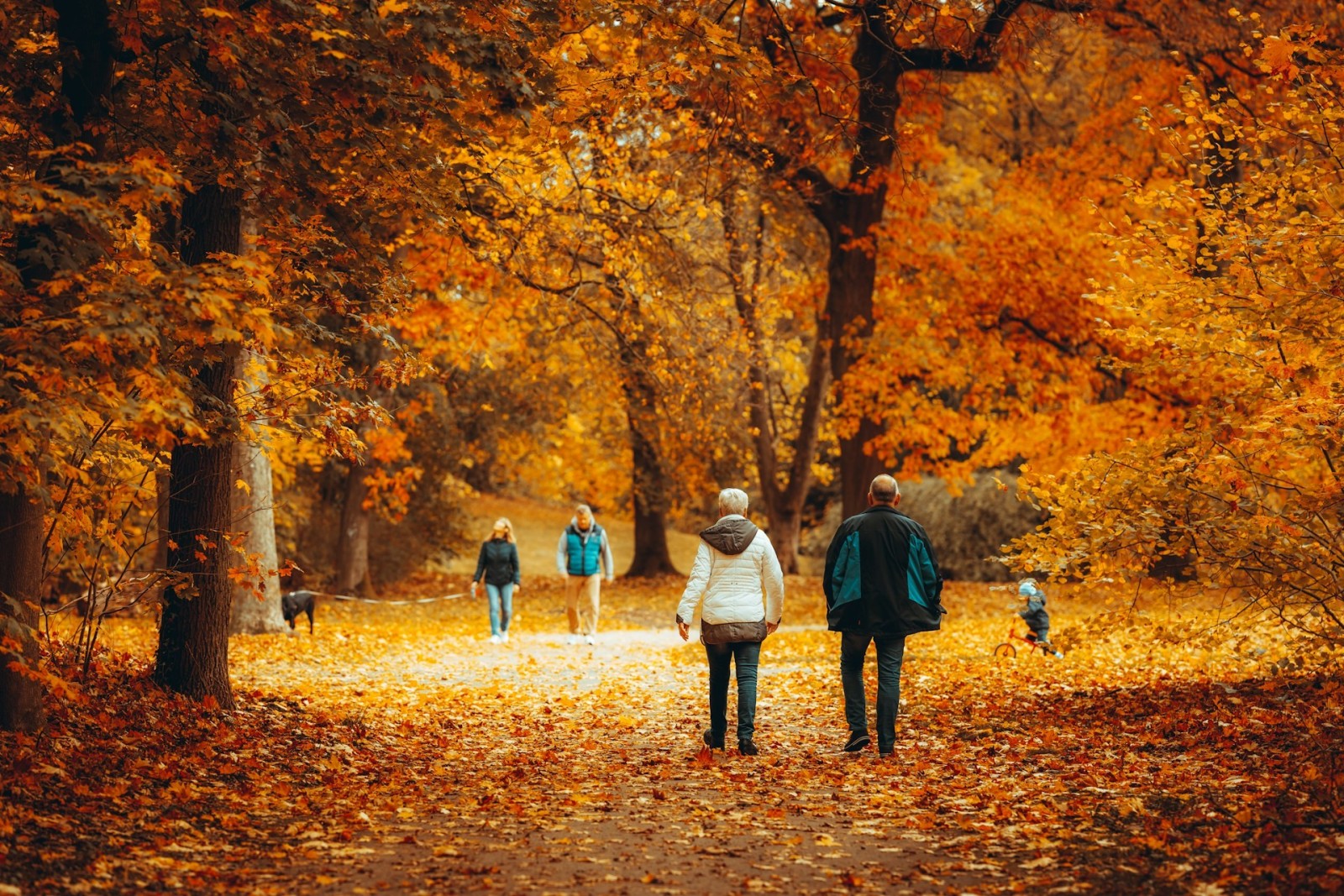
Autumn - September, October, November
September is still quite warm - about 19-20 ° C in the afternoon. In October, the temperature drops to about 14-15 °C, and in November to 9-10 °C. At night it becomes cooler, humidity increases. The water gradually cools: in September it can still be about 16-18 ° C, and in late autumn it becomes cold.
Hamm is located in North Rhine-Westphalia, so the main language of communication is German. In tourist places, hotels, train stations and large establishments, you can often explain yourself in English. In small shops, cafes and remote areas, knowing a few German phrases will be helpful.
Language of communication
The main language is German (Deutsch). In everyday speech, local variants of spoken German and Westphalian dialectal features can be heard. English is widely used in the tourism sector, but you should not rely on it in all situations.
Greetings and courtesy
When addressing strangers, it is customary to use Guten Tag (“good day”) or Hallo (“hello”). In an official setting, it is better to apply to Sie and use the surname or position of the person. Switching to du is usually suggested by the interlocutors themselves.
Punctuality
Germany attaches great importance to the observance of agreements. For excursions, meetings, train or pre-booked event, it is advisable to arrive on time. Being late without warning is considered impolite.
Lines and public spaces
In shops, cash desks, institutions and other places it is customary to observe the queue. Do not talk loudly on public transport or interfere with others. In Germany, garbage sorting rules are also carefully considered.
Regulations on transport
A train or bus ticket must be purchased and used in accordance with the rules of the carrier. It is impossible to enter transport without a valid ticket. On the bike paths should give way to cyclists, and cross the street - at the designated crossings and traffic lights.
Photo and personal space
Do not take close-up photos of strangers without their consent. Particular care should be taken when photographing children, private property and people during religious events.
Religious places
When visiting churches, temples and other religious sites, you should observe the tranquility and requirements of the particular place. In the Sri Kamadchi Ampal temple, it is especially important to follow the visiting rules established by the administration.
Alcohol and smoking
Smoking is prohibited in many enclosed public spaces and public transport; it is necessary to use specially designated places. Drinking alcohol in public places is regulated by local regulations, and driving after drinking alcohol is prohibited within statutory limits.
Environmental protection
In parks, forest areas and attractions, you can not leave garbage, damage plants or violate established rules. In natural and recreational areas, designated paths and recreation areas should be used.
Garbage and waste sorting
In Germany, it is customary to divide household waste into categories: paper, packaging, glass, organic waste and residual garbage. In the hotel or apartment, it is advisable to use appropriate containers.
Hotel rules
It is necessary to observe the established time of silence, do not make noise in the corridors and do not violate the rules of residence. In many German homes especially attentive to the night period of rest. When checking in, you should clarify the rules of a particular hotel.
Basic laws
The tourist must have a valid identity document and comply with German law. Theft, damage to other people's property, hooliganism and other offenses are prohibited. When renting a car, you must comply with German traffic rules, speed limits and parking requirements.
Payment and tip
In cafes and restaurants tips are not strictly mandatory, but for good service usually leave about 5-10% or round the bill. In smaller establishments, it is helpful to have a little cash, although bank cards are widely accepted.
Communication with locals
Germans usually value calm and respectful communication. It is not accepted without the need to interfere in the personal life of the interlocutor. In public places, it is advisable to observe a moderate noise level and respect the personal space of others.
1. Greetings and polite expressions
Hallo! - Hello, Hallo!
Guten Morgen! - Good morning!
Guten Tag! - Good afternoon! - Guten!
Guten Abend! - Good evening! - Guten Abent!
Gute Nacht! - Good night! - Gute nacht!
Auf Wiedersehen! - Goodbye! - Auf Viderzeen!
Tschüss! Bye! - Choos!
Bitte. - Please. - Bitte.
Danke. - Thank you. - Danke.
Vielen Dank. - Thank you very much. - Filan dunk.
Entschuldigung. - Excuse me. - Entschuldigung.
Kein Problem. - No problem. - Kine's a problem.
Ja/Nein. - Yes/No. - Me/Nine.
2. If there's anything to ask
Sprechen Sie Englisch? - Do you speak English? - Sprehan zi English?
Sprechen Sie Russisch? - Do you speak Russian? - Sprehan zi Rusish?
Ich spreche nur ein bisschen Deutsch. - I speak a little German. - Their sprechae noor ain bishan deutsch.
Ich verstehe nicht. - I don't understand. - They're fine.
Können Sie das bitte wiederholen? - Can you repeat it, please? - Könen zi das bitte viderholen?
Sprechen Sie bitte langsamer. - Speak more slowly, please. - Sprehan zi batte langzamer.
Was it bedeutet das? - What does that mean? - Are you poor?
Wo ist...? - Where is ...? - In the East...?
Wie komme ich zu ...? - How do I get to ...? - We've got them zu.
3. At the station and on the bus
Wo ist der Bahnhof? - Where's the station? - East Der Banhof?
Wo ist die Bushaltestelle? - Where's the bus stop? - In the East of Buschaltestall?
Wann fährt der Zug ab? - When does the train leave? - Van fert der zuk up?
Wann kommt der Bus? - When does the bus arrive? - Van Comt Der Boos?
Isst dieser Zug nach Hamm? - Is this train going to Hamm? - East Disar Zuk Nah Hamm?
Wo kann ich eine Fahrkarte kaufen? - Where can I buy a ticket? - Do you want to see them?
Eine Fahrkarte nach Hamm, bitte. - One ticket to Hamm, please. - Aine Farkarte nah Hamm, bitte.
Muss ich umsteigen? - Do I need to change seats? - Mus their Umstein?
Welche Haltestelle ist das? - What's the stop? - Velhae Haltashtallae East Das?
4. At the hotel.
Ich habe eine Reservierung. - I have a reservation. - Their habe aine reservirung.
Ich möchte einchecken. - I want to register. - Their mechte aincheken.
Haben Sie ein freies Zimmer? - Do you have a room available? - Haben zi ain freyes chimer?
Wie viel kostet eine Nacht? - How much does one night cost? - Vfil Costet aine naht?
Ist Frühstück inklusive? - Breakfast included? - East Fruit Inclusive?
Wann gibt es Frühstück? - When is breakfast served? - Wan's dying for me?
Wo ist mein Zimmer? - Where's my number? - In the east mein chimer?
Können Sie mir helfen? - Can you help me? - Könen zi world Helfen?
5. Cafe and restaurant
Einen Tisch für zwei Personen, bitte. - Table for two, please. - Ainen tish für zwei parzonen, bitte.
Kann ich die Speisekarte haben? - Can I have a menu? - Can they di Shaisekarte Huben?
Was empfehlen Sie? - What do you recommend? - Are you Emphelan Z?
Ich möchte das, bitte. - I'd like that, please. - Their mehte das, bitte.
Ohne Fleisch, bitte. - No meat, please. - Ohne flush, bitte.
Ohne Alkohol, bitte. - No alcohol, please. - It's alcohol, bitte.
Die Rechnung, bitte. - Check, please. - Dee Rehnung, Bitte.
Kann ich mit Karte bezahlen? - Can I pay with a card? - Can their mit karte bezalen?
Das schmeckt sehr gut. - Very good. - Das schmekt zar gut.
6. In the store.
Wie viel kostet das? - How much does it cost? - Vfil Costet das?
Haben Sie das in einer anderen Größe? - Is it in a different size? - Haben zi das in ainer andren groce?
Ich möchte das kaufen. - I want to buy this. - Their mehte das kaufeng.
Kann ich mit Karte bezahlen? - Can I pay with a card? - Can their mit karte bezalen?
Haben Sie eine Tüte? - Do you have a package? - Haben zi aine thoute?
Nur schauen, danke. - I'm just looking, thanks. - Noor Chaouen, Danke
Hamm isn’t famous for having as many unique gastronomic products as some other German cities, but you can find interesting local products, wares and souvenirs related to the history of Westphalia and the city’s industrial past.
Westphalian bread and pastry
Traditional dense rye bread, especially Pumpernickel, is a characteristic product of Westphalia. It is convenient to buy it in sealed packaging and bring home.
Westphalian sausage and meat delicacies
You can try regional types of smoked sausages, ham and other meat products. For transportation, it is better to choose products in vacuum packaging and take into account the rules for importing products to the destination country in advance.
Local beer.
Hamm is historically known for brewing and traditional Hammscher Keut beer. Today it is more a historical gastronomic feature of the city than a mass product. You can also choose a regional beer from Westphalia.
Honey and local apiary products
Local honey, propolis and other bee products can be found in shops and regional markets. This is a practical edible souvenir with a long shelf life.
Herbal teas and natural products
In pharmacies, health food stores and specialized shops there are herbal fees, teas, natural cosmetics and care products. This is more of a useful gift than Hamma’s unique medical products.
Cosmetics and care products
You can buy German creams, skin products, natural soap, oils and other cosmetics. When buying medicines, it is worth distinguishing between ordinary care products and medicines: it is better to buy medicines only in a pharmacy and use them according to the instructions.
Souvenirs with the image of the glass elephant (Glaselefant)
The main symbol of Hamm is a huge glass elephant in Maximilianpark. As a souvenir, you can choose a magnet, a postcard, a keychain, a mug or a small figure with its image.
Souvenirs with Hamma symbols
Suitable mugs, T-shirts, bags, postcards and other products with the name of the city, coat of arms or images of its attractions.
1. Documents
To travel, you must have a valid foreign passport or other document entitling you to enter Germany. For EU citizens, a valid national identity card is usually sufficient. For third-country nationals, the requirements depend on citizenship and the basis of entry. A passport for visa-free entry to Schengen must meet the established requirements for the validity period and date of issue.
It is advisable to carry a copy of your passport and keep it separate from the original. It is better not to leave the original without the need for a car or luggage.
2. Health insurance
Before the trip, it is recommended to obtain tourist health insurance covering treatment in Germany and, preferably, medical evacuation or return to the homeland. The German Federal Ministry of Foreign Affairs also recommends that travelers have health insurance with return transportation coverage.
3. Emergency services
112 – ambulance and fire service.
110, police.
116 117 - medical care for diseases where the situation requires medical attention, but is not a threat to life.
115 - Reference service of state institutions.
Numbers 112 and 110 are available in Germany for free.
Number 116 117 is open around the clock for medical cases that are not emergency. If there is an immediate threat to life, call 112.
4. Mobile communications
There are four main mobile network operators in Germany:
Telekom
Vodafone
Telefónica (O2)
1&1
They provide mobile communications and the Internet, and in Hamma there are also numerous rates of virtual operators operating through the networks of large companies.
If a tourist comes from another EU country, it is usually convenient to use roaming under EU rules. For a longer trip, you can purchase a German SIM card or eSIM.
5. Security of documents and money
In the center, at the station and in places of large crowds of people, it is advisable to monitor your wallet, phone and documents. Don’t keep all your money and bank cards in one place. A passport, a large amount of cash and a spare bank card should be stored separately.
6. Safety on the road
When crossing streets, it is necessary to observe traffic lights and use pedestrian crossings. Bicycle paths in Germany are actively used, so before going on such a path, you should make sure that cyclists do not move along it.
7. If your passport is lost
If a passport is lost or stolen, you should contact the police and then contact the consulate of your country. A police theft document may be needed to complete a new document or return home.
8. How long can you stay in Germany?
For third-country nationals who are allowed short-term visa-free entry into Schengen, the standard rule is no more than 90 days in any period of 180 days. This restriction applies to the entire Schengen area and not separately to Germany.
Create a query and local guides will offer you the best options

