Independent tourism and recreation in Kaiserslautern Historical information about the city of Kaiserslautern 1...
1. Antiquity and the emergence of the city
The territory of modern Memmingen was inhabited in ancient times. In the Roman era, important roads passed here, and in the VII-VIII centuries, an Alemannian settlement was formed on the site of earlier settlements. Due to its advantageous location between Upper Swabia, Alga and Bavaria, it gradually became an important trading point.
The first official written mention of Memmingen dates back to 1128. In the XII century, the city was under the rule of the Welfs, and after 1191 it passed to the Stauffen dynasty.
2. Free Imperial City
In 1268, after the end of the Stauffen dynasty, Memmingen began to develop as a free imperial city, directly associated with imperial power. In 1286 and 1296, its city rights were confirmed and extended.
In the XIV-XV centuries Memmingen experienced economic growth. In 1347, a guild constitution was introduced, crafts and trade were actively developed. A paper mill and printing house appeared in the city, and trade links spread far beyond the region.
Large merchant families, primarily the Velinas and Velzers, participated in long-distance trade expeditions. Merchants of Memmingen were associated with European markets, India and Venezuela. This made the city one of the notable shopping centers of Upper Swabia.
3. Reformation and Peasant War
At the beginning of the XVI century Memmingen became one of the centers of the Reformation. Since 1521, Protestant ideas have spread here, which was especially facilitated by the preacher Christoph Schappeler.
The most famous event occurred in 1525, during the Peasant War. Representatives of the peasant associations of Upper Swabia, Algoy and Baltring gathered in Memmingen. Here the famous Twelve Articles were formulated, containing demands for the reduction of duties, the change of church order and the expansion of the rights of peasants.
In the same year, representatives of the peasants created the so-called Christian Union in the city. Thanks to printing, the Twelve Articles quickly spread throughout the German lands. The events of 1525 became an important part of the historical memory of modern Memmingen.
4. Wars of the XVII-XVIII centuries
In the XVII century, the city suffered from numerous military conflicts. During the Thirty Years' War, troops of different sides passed through Memmingen. In 1630, the commander Albrecht von Wallenstein was here for several months, and in 1647 the city experienced a long siege.
At the beginning of the XVIII century Memmingen was occupied by Bavarian troops. However, the independence of the free imperial city was finally lost only during the Napoleonic wars.
5. Accession to Bavaria
On November 30, 1802, Memmingen was occupied by representatives of Bavaria and incorporated into the Bavarian state. In 1805, the city was also involved in military events and was captured by French troops.
After that, a new stage of its history began. Memmingen was gradually transformed from an independent imperial city into a modern Bavarian administrative and commercial center.
6. XIX century: railways and industrial development
In the nineteenth century, the city changed rapidly. A particularly important development was the construction of the railway.
In 1862-1863, the Kempten-Ulm railway line appeared. It was necessary to dismantle part of the eastern city fortifications. In the area of railway tracks and gas plant began to form an industrial area.
In the following decades, new railway lines appeared, industry, trade, education and urban infrastructure developed. Memmingen gradually expanded beyond the medieval walls.
7. XX century and world wars
At the beginning of the XX century the city continued to develop. In 1909, a synagogue was built, and new public buildings and residential neighborhoods appeared near the historic center.
After the First World War, the city experienced political instability. In 1919, the Soviet form of power was established here for several days.
After the Nazis came to power in 1933, democratic institutions were dismantled and political opponents and the Jewish population were persecuted. In 1938, the synagogue was looted and destroyed, and Jewish residents were further persecuted and deported.
At the end of World War II, Memmingen was attacked by air. On April 26, 1945, the city was occupied by American troops.
8. Post-war reconstruction and modernity
After the war, Memmingen rebuilt the destroyed buildings and at the same time received a large number of refugees and settlers. In 1948, the city again received the status of an independent city.
In the second half of the XX century, industry, trade, education and transport developed. The urban area expanded, neighboring settlements joined Memmingen.
Today Memmingen combines a well-preserved medieval centre with modern infrastructure. Its historical heritage is especially connected with the period of the Free Imperial City and the events of 1525, when the Twelve Articles were created here. That is why the history of freedom and urban self-government occupies an important place in the cultural identity of modern Memmingen.
1. The atmosphere of the medieval city
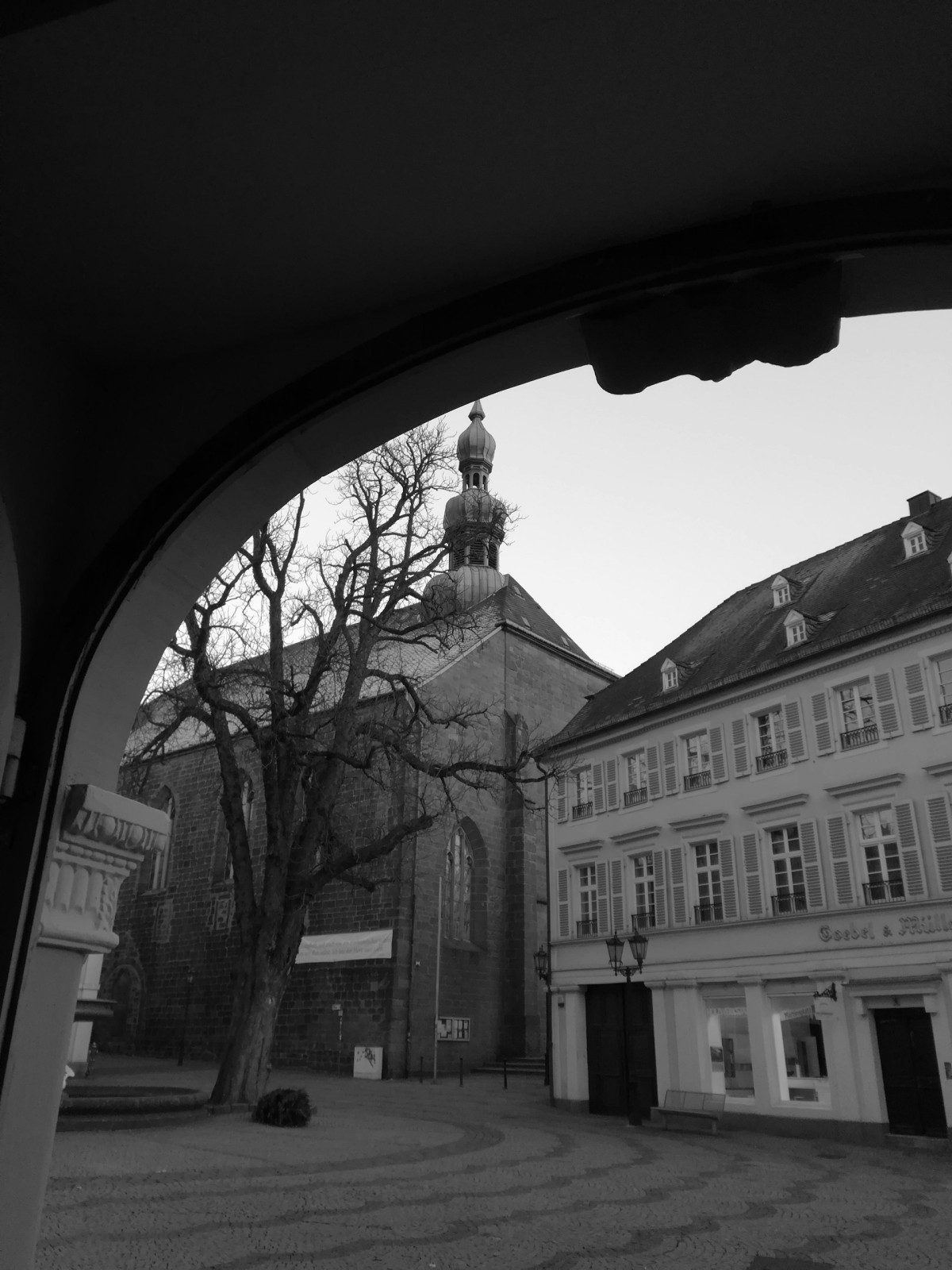
The main advantage of Memmingen is a well-preserved historical center. Here coexist ancient houses of artisans and merchants, colorful facades, city gates, towers and sections of the medieval wall. The city wall is considered the largest historical monument of Memmingen; several gates and towers are preserved, reminiscent of its past as a free imperial city.
It is convenient to walk along the designated city routes. Especially interesting is the Red Route, which passes through the main historical sites of the center.
2. History of Freedom and the Twelve Articles
A special place in the history of the city takes 1525, when the famous "Twelve Articles" were formulated in Memmingen - the demands of peasants during the Peasant War.
Kramerzunft is a former merchant guild house where peasant demands were discussed. Today, this story is one of the main themes of city excursions and the cultural identity of Memmingen.
3. Architecture and attractions
Tourists are attracted by the Town Hall, St. Martin’s Church, Frauenkirche, Sibendaherhaus, ancient guild houses, city gates and towers.
Especially interesting is the church of St. Martin with a Gothic interior. From its tower in good weather opens a panorama of the city and surroundings, up to the Alps.
4. City stream
Through the historic center passes Stadtbach - the city stream, which is one of the characteristic features of Memmingen. In the past, it was used for mills and various crafts, and today there are walking places, cafes and restaurants along it. It is the city creek that is the center of the famous Fischertag holiday.
5. Traditional holidays
Memmingen is interesting not only for architecture, but also for living urban traditions. The most famous holiday is Fischertag, or Fishermen’s Day. Its origin is associated with the medieval custom of annually draining and cleaning the city stream. Today, the holiday is accompanied by processions, historic events and traditional fishing in Stadtbach.
For tourists, this is an opportunity to see Memmingen not as a museum city, but as a place where ancient customs continue to exist in modern urban life.
6. Museums and cultural recreation
The city has museums dedicated to the history of Memmingen, regional culture, art and religious heritage. The historic center also regularly becomes a platform for excursions, exhibitions, concerts and cultural events.
For independent travel, pedestrian routes and an audio guide are especially convenient, allowing you to get acquainted with the city without constant reference to the guide.
7. Rest and gastronomy
In the old town there are cafes, restaurants, bakeries and small shops. The walk can be combined with tasting the traditional cuisine of Swabia and Algoy, as well as regional cheeses and other local products.
Pedestrian streets and squares create a suitable atmosphere for leisurely recreation, shopping and acquaintance with the daily life of the city.
1. High-level hotels
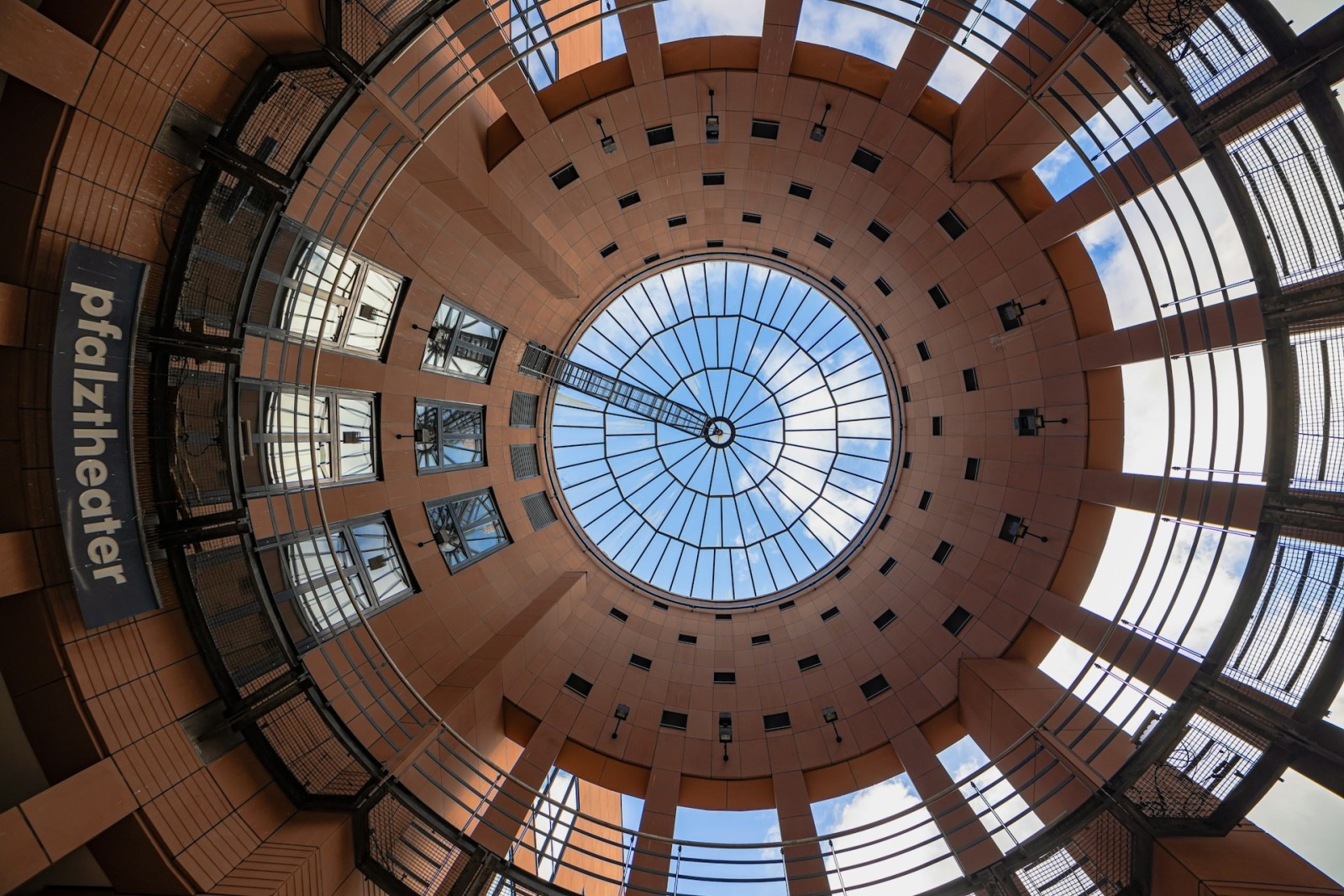
In Memmingen, there are several good four-star hotels suitable for a comfortable stay in the city center. Popular options include Drexel's Parkhotel, located next to the historic center, Hotel Engelkeller and Hotel Weisses Ross. Such hotels are suitable for tourists who are interested in spacious rooms, good service, a restaurant or a convenient location. Memmingen also lists Drexel’s Parkhotel, Hotel Engelkeller and Hotel Weisses Ross as four-star hotels.
2. Mid-range hotels
For most independent travelers, mid-range hotels will be the best option. Among them are Hotel Am Schrannenplatz, located near the old town, Joesepp's Hotel by Hallhof, JOESEPP's Hotel am Schweizerberg Memmingen and Hotel Falken. You can also visit Hotel Weber am Bach and Allgäuhotel Memmingen Nord.
3. Budget hotels
For a short trip without overpayment for additional services, small hotels and hotels of an economical format are suitable. One of the options is B&B Hotel Memmingen. You can also see small private hotels and accommodation options outside the immediate center. Memmingen has a fairly compact historical center, so even living a little further from the main attractions can be convenient.
4. Boarding and guesthouses
Guesthouses are suitable for those looking for a more peaceful and homely atmosphere. These are usually small objects with a limited number of rooms and a simpler set of services. Among the options in Memmingen are Pension Erb, Gästehaus am St.-Ulrich-Platz and Amendinger Ferienzimmer.
5. Apartments
The apartments are especially convenient for families, companies of friends and travelers who stay in the city for a few days. They usually have a kitchen or kitchen area, so you can cook your own food. Among the options are Apartment Storchenfärbe, City-Apartment, WIBapartments and Küchlinhaus.
6. Aparthotels and accommodation for long stays
For business trips or long trips, serviced apartments and boarding houses are suitable. The city features A2 Boarding House Memmingen, BR Boarding House and Küchlinhaus. This format combines a separate living space with amenities that are usually needed for a long stay.
1. Market Square (Marktplatz)
The main square of the historical center of Memmingen. Here are the Town Hall, Steuerhaus and Großzunft – three important historical buildings that form the architectural ensemble of the square. The city market is regularly held here.
Transport accessibility: from the Memmingen railway station to the square can be reached on foot in about 10-15 minutes. The route from the central bus station also takes a few minutes on foot.
2. Town Hall (Rathaus)
One of the most recognizable symbols of the city. The modern appearance of the building combines elements of Renaissance and later design of the facade. The town hall is located directly on the Market Square.
Transport accessibility: It is most convenient to walk from the station or bus center. The bus stop in the area of the central square allows you to get as close as possible.
3. St. Martin's Church (St. Martin)
A large Gothic church in the city center with a historic interior and famous choral decoration. One of the main attractions of Memmingen. The tower offers a panoramic view of the city and surroundings.
Transport accessibility: located in the pedestrian part of the Old Town. From the Market Square - a few minutes walk, from the station - about 15 minutes.
4. House of Seven Roofs (Siebendächerhaus)
One of the most famous historical buildings of Memmingen. The half-timbered building of the XVII century was originally used by tanners for drying leather and skins. Due to the unusual architecture, it became one of the symbols of the city.
Transport accessibility: located in the Old Town near Gerberplatz. It is most convenient to walk. The station can be reached in about 15 minutes.
4. City wall, gates and towers
The medieval city wall is the largest historical monument of Memmingen. Some sections of the wall, five city gates, six towers and several tower ruins have been preserved. Among the most interesting objects are Ulmer Tor, Westertor, Lindauer Tor, Kempter Tor, Hexenturm and the Kohlschanze defensive passage.
Transport accessibility: facilities are located around the Old Town. Most are convenient to explore on foot during the Green Route, which takes about 1.5 hours.
6. Ulm Gate (Ulmer Tor)
Medieval city gate on the north side of the historic center. They are part of the system of old defensive structures of Memmingen.
Transport accessibility: within walking distance of the central part of the Old Town. The Market Square can be reached in about 10 minutes.
7. Vestertor (Westertor)
One of the most characteristic historical gates of the city. Together with the city wall and other towers form the preserved medieval appearance of Memmingen.
Transport accessibility: located on the west side of the Old Town. From the center you can walk in about 10-15 minutes.
8. Kramerzunft (Kramerzunft)
Historical building of the merchant guild, especially known for the events of 1525. It was here that they were associated with the compilation of the famous “Twelve Articles” of the rebellious peasants – an important monument to the history of German freedoms.
Transport accessibility: located in the center, near Market Square and Weinmarkt Street. It is most convenient to walk.
9. Steuerhaus
A historic building originally associated with the financial management of a free imperial city. Located next to the Town Hall and is part of the ensemble of the central square.
Transport accessibility: a few minutes walk from Market Square, Town Hall and St. Martin’s Church.
10. Church of the Virgin (Frauenkirche / Unser Frauen)
A historic church known for medieval paintings associated with the Striegel family. Especially interesting for tourists who are interested in medieval art and religious architecture.
Transport accessibility: located in the Old Town. Siebendächerhaus and Schrannenplatz can be reached on foot in a few minutes.
11. Antoniter and Striegel Museum (Antoniter- und Strigel-Museum)
Cultural object associated with the history of the Antonitsky Monastery and the work of the artists of the Striegel family. Located in the historical part of the city near the main attractions.
Transport accessibility: It is most convenient to visit on foot while walking around the Old Town.
12. City Museum (Stadtmuseum)
The museum is dedicated to the history of Memmingen and the development of the city in different eras. It is located in the historic Hermansbau building.
Transport accessibility: Located within the Old Town and goes well with a visit to St. Martin’s Church and other historic sites.
13. Kreuzherrnsaal (Kreuzherrnsaal)
The historic hall of the former monastery complex, famous for its decorative design and baroque architecture. It is one of the cultural monuments of Memmingen.
Transport accessibility: located in the central part of the city, so it is most convenient to get on foot.
Carnival events (Fasching) - January-February. The city hosts carnival evenings, costumed events, performances and festive programs.
Memmingen blüht ("Memmingen blooms") - May. A spring city holiday with a fair, trade events, entertainment and a program for families. It is usually held on the Saturday before Mother’s Day.
Streetfood-Festival - May. Gastronomic festival with street food, various cuisines and entertainment program.
Memminger Meile ("Memminger Mile") - June A major cultural festival that lasts about three weeks. The program includes concerts, theater, cabaret, exhibitions, street performances, film screenings and events in squares, courtyards and parks. The music program covers different directions - from jazz and classics to pop, indie and punk.
Stadtfest ("City Holiday") - June. A big city festival on the central square with music, gastronomy and entertainment program for residents and tourists.
Kulturnacht (Culture Night) – June An evening of cultural events, when museums, cultural venues and creative organizations offer special programs, concerts, exhibitions and interactive events.
Pflasterspektakel ("Street Performance") - June Street art festival with performances of artists, theater performances and other performances in the city center. It is part of the Memminger Meile cultural program.
Fest der Kulturen ("Feast of Cultures") - July An intercultural city holiday with a family program, international cuisine, music and entertainment.
Kinderfest ("Children's Holiday") - July. One of the oldest and most famous festivals of Memmingen with more than 440 years of history. Students participate in ceremonies, songs and dances, and then pass a festive procession around the city to the venue of the festivities.
Fischertagsvorabend (Eve of Fishermen’s Day) – end of July. On the eve of the main holiday there are processions of musicians and urban traditional groups, festive events in the Old Town and a special concert program.
Fischertag (Fishermen’s Day) is the end of July. The main traditional holiday of Memmingen. In the morning, a large fishing parade takes place, after which about a thousand participants fish in the city stream Stadtbach. The holiday is associated with the centuries-old tradition of cleaning the city stream.
Wallenstein – late July – early August, once every four years. Large-scale historical reconstruction of the events of the XVII century. The city hosts costume processions, theater performances, historical camps, horse performances and craft fairs.
Weinfest ("Wine Festival") - Sept. Autumn city holiday with wine, regional dishes, music and outdoor communication.
Lange Nacht der Kultur ("Long Night of Culture"), Sept. Evening cultural program with concerts, exhibitions, theater and other creative events.
1. Winter - December, January, February
Winter in Memmingen is cool. During the day, the temperature usually keeps about 0 ... + 4 ° C, at night it can drop to -4 ... -2 ° C. Snow, rain and ice are possible. January and February are the coldest months.
The water temperature in small reservoirs of the region is usually in the range of +2 ... +5 ° C, so bathing at this time is not suitable.
2. Spring - March, April, May
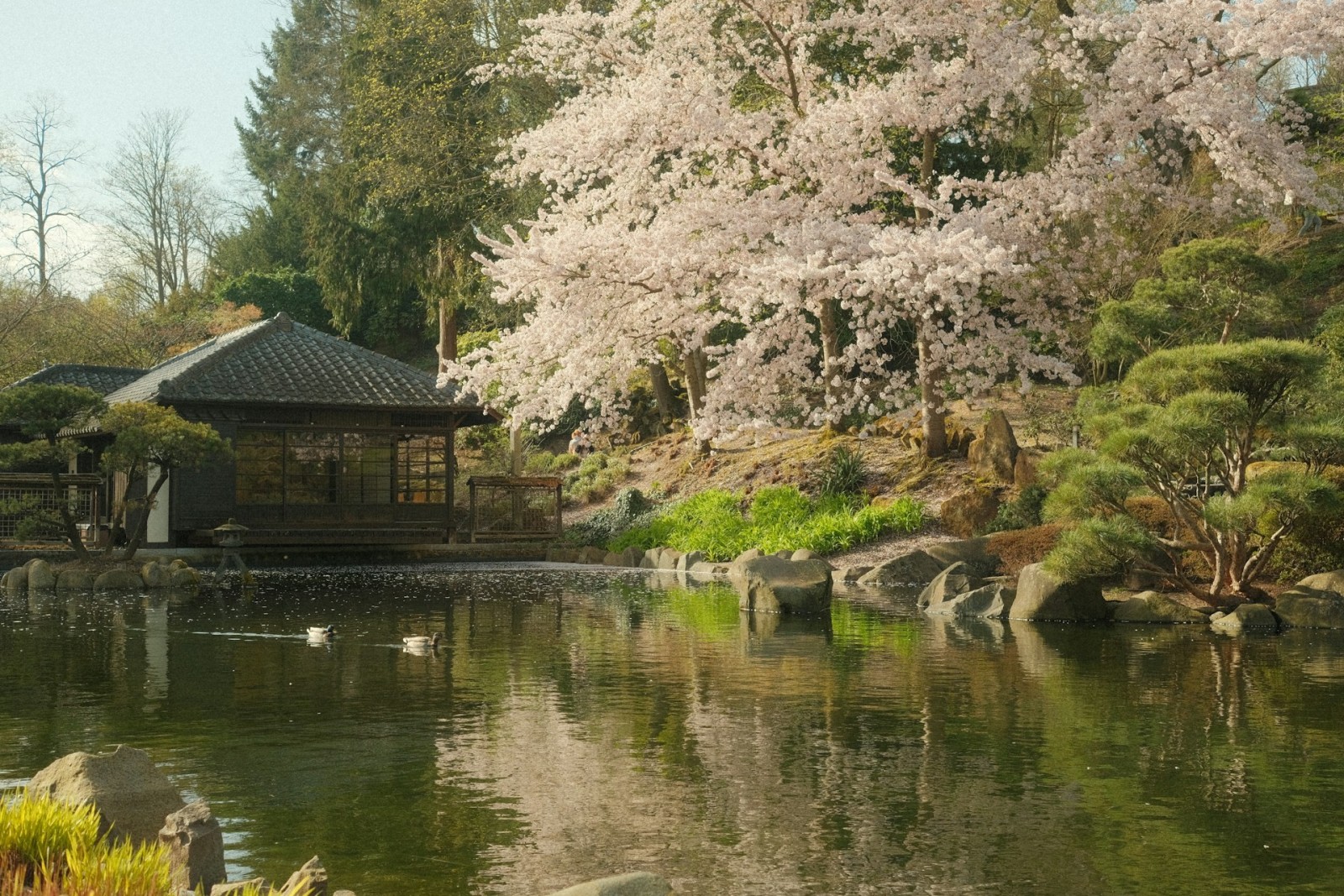
In March, the air gradually warms up to +4 ... +9 ° C, in April - to about +8 ... +13 ° C, and in May daytime temperatures often reach +17 ° C. The nights remain cool.
Water in local lakes and reservoirs warms up gradually: from about +5 ... +8 ° C in March to +15 ... +18 ° C in May.
Spring is good for walking around the historic center, but in May it rains quite often.
3. Summer - June, July, August
Summer is the warmest time of the year. The average daily temperature is about +20 ... +22 °C, and at night usually +11 ... +13 °C. On some hot days, the temperature can be much higher.
The water temperature in the lakes of the region in summer can reach about +18. +23°C, especially in July and August. Memmingen is located in the depths of the continent, so we are not talking about sea water, but about local and regional water bodies.
In summer, there are often short-term rains and thunderstorms, so when traveling to nature, you should have light rain clothes. According to climate data, July is the warmest month.
4. Autumn - September, October, November
In September, comfortable weather is still maintained: in the afternoon about +18 ° C, in October - about +13 ° C, and in November - about +7 ° C. By the end of autumn, the nights become much colder.
The water temperature gradually decreases from about +17. +19 °C in September to +7 ... +10 °C in November.
September is especially convenient for walks and excursions, and October is suitable for a quiet acquaintance with the historical center. In November, the weather becomes cooler and more cloudy.
1. Language of communication
The main language is German (Deutsch). In Memmingen you can hear local versions of the Swabian dialect, but the tourist is enough standard German.
In hotels, restaurants, shops and tourist places, English is often used. When addressing locals, it is polite to start a conversation with Guten Tag or Grüß Gott, then switch to English if German is not enough.
2. Traditions and local color
Memmingen is known for historical city traditions and folk festivals. Especially important are Kinderfest – a traditional children’s holiday and Fischertag – Fishermen’s Day, associated with the centuries-old tradition of cleaning the city stream Stadtbach.
During the festive processions you can meet historical costumes, musical groups and traditional urban associations. Tourists should be calm about the festive ceremonies, do not interfere with the participants of the processions and observe the fences.
3. Conduct in public places
In Germany, it is customary to respect personal space and observe order. Do not talk loudly late at night near residential buildings, litter or occupy places intended for passage.
In the historical center of Memmingen, it is especially important to take care of ancient buildings, city walls, churches and other architectural monuments.
4. Shops and Sundays
In Germany, most shops are closed on Sundays and public holidays. Exceptions are usually shops at stations, gas stations and some other points. Therefore, it is better to purchase products and necessary purchases in advance.
On holidays, it is also worth considering the calmer rhythm of the city and the reduced number of working establishments.
5. Photography
Photography is allowed in most tourist destinations, but restrictions may apply in museums, churches and individual exhibitions. Before shooting inside the object, you should pay attention to the appropriate signs.
It is not recommended to take close-up photos without permission, especially of children and participants in private events.
6. Regulations on transport
Buses and trains must have a valid ticket and comply with the rules of the carrier. Do not enter the transport without payment of fare or block the doors and passages.
When moving around the city, you need to take into account cyclists and pedestrians, cross the road at permitted places and follow traffic lights.
7. Rules in restaurants and cafes
In restaurants, it is customary to calmly wait for service and not rush the staff. The bill is usually paid after the meal is finished.
Tipping is not mandatory in the strict legal sense, but with good service, you can leave a small amount or round the bill.
8. Alcohol and smoking
Alcohol is allowed only in the places prescribed by law and regulations. Restrictions must be observed in restaurants, public buildings and transport.
Smoking in public catering facilities, public transport and other public places is limited by the legislation and internal regulations of a particular institution.
9. Garbage and environmental regulations
In Germany, much attention is paid to waste sorting. Hotels and apartments can have separate containers for paper, glass, packaging and household garbage.
On the streets, in parks and near the city stream Stadtbach can not leave garbage. For walks in natural areas, you should also adhere to the designated paths and rules of a particular territory.
10. Documents and rules of stay
During the trip it is necessary to have a valid identity document. For EU citizens, free movement rules apply, and for citizens of other states, the requirements depend on citizenship, visa regime and purpose of travel.
If a tourist requires a visa, it is necessary to comply with the terms of stay and conditions specified in it. A residence permit may be required for a longer stay in Germany.
1. Basic words and expressions
Hallo - hello - hallo
Guten Morgen - Good Morning by Guten Morgen
Guten Tag - Good afternoon - Guten Tag
Guten Abend - Good Evening by Guten Abent
Grüß Gott - Good afternoon / Hello - Gruce Goth
Auf Wiedersehen - Goodbye - Auf Wiedersehen
Tschüss - for now - chuss
Bitte - please / nothing for bitte
Danke - thank you - danke
Vielen Dank - thank you very much - fillen dank
Entschuldigung - sorry - entschuldigung
Ja - yes - I
Nein - no - nain
Vielleicht - possibly - Fileicht
Gut - good - gut
- Hilfe! - Help!
Toilette - toilet - toilet
Bahnhof - Station - Banhof
Bushaltestelle - bus stop - bushaltestale
Fahrkarte - ticket - Farkarte
Hotel - Hotel - Hotel
Zimmer - Number - Zimmer
Schlüssel - key - schlussel
Restaurant - Restaurant - Restaurant
Speisekarte - menu - Spisekarte
Rechnung - score - rehnung
Wasser - water - vasser
Kaffee - coffee - cafe
Bäckerei - Bakery - Bakery
Supermarkt - Supermarket - Supermarkt
2. Phrases for communication
Sprechen Sie Englisch? - Do you speak English?
Ich spreche nur ein bisschen Deutsch. I only speak German a little bit. - Their shprahe noor ain bishan deutsch
Ich verstehe nicht. - I don't understand. - their fairstee nits
Können Sie das bitte wiederholen? - Can you please repeat? - Kenen zi das bitte viderholen?
Können Sie bitte langsamer sprechen? Can you talk a little slower?
Was it bedeutet das? - What does that mean?
Wie heißt das auf Deutsch? - What do you call it in German?
Können Sie mir helfen? - Can you help me?
Wo ist die Toilette? - Where's the toilet?
Wo ist der Bahnhof? - Where's the station?
Wo ist die Altstadt? - Where's the old town?
Wie komme ich ins Stadtzentrum? How do I get to the center of the city?
Ist es weit? - Is that far?
Können Sie mir den Weg zeigen? Can you show me the way?
3. At the hotel.
Ich habe eine Reservierung. - I have a reservation. - their habe aine reservirung
Ich möchte einchecken. - I'd like to register. - Their mehte ainchaken
Haben Sie ein freies Zimmer? - Do you have a room available?
Für eine Nacht. - For one night. - Fuhr Aine Nacht
Für zwei Nächte. - For two nights. Für Zwei Nehte
Ist Frühstück inklusive? Is breakfast included?
Wann gibt es Frühstück? - When's breakfast? - What's up?
Wo ist mein Zimmer? - Where's my number?
Ich brauche ein neues Handtuch. - I need a new towel. - their brauche ain noes handtuch
4. Restaurant and café
Einen Tisch für zwei, bitte. - Table for two, please. - Ainen tish für zwei, bitte
Die Speisekarte, bitte. - Menu, please. - Spisecarte, bitte
Was empfehlen Sie? - What do you recommend? - What do you recommend?
Ich möchte das bestellen. - I'd like to order this. - Their mehte das bashtellan
Ein Wasser, bitte. - Water, please. - Ain vasser, bitte
Ohne Fleisch, bitte. - No meat, please. - One flush, bitte
Ohne Alkohol, bitte. - No alcohol, please. - One alcohol, bitte
Die Rechnung, bitte. - Check, please. - Di rehnung, bitte
Kann ich mit Karte bezahlen? - Can I pay with a card? - Can their mit carte bezalen?
5. In the store.
Was kostet das? - How much does that cost?
Wie viel kostet das? - How much does that cost?
Ich möchte das kaufen. - I want to buy this. - Their mehte das Kaufen
Haben Sie etwas Günstigeres? - Is there anything cheaper?
Kann ich mit Karte bezahlen? - Can I pay with a card? - Can their mit carte bezalen?
Ich brauche eine Tüte. - I need a package. - their brauche aine tute
Nur schauen, danke. - I'm just looking, thanks. - Nur Shauen, danke
6. At the station and on the bus
Wann fährt der Zug? - When does the train leave?
Wann fährt der nächste Zug? - When is the next train? - Van Firth der Nehste Zug
Wo ist Gleis drei? - Where is the third path / platform?
Ist das der Zug nach München? Is it a train to Munich? - Is it a train to Munich?
Wo kann ich eine Fahrkarte kaufen? - Where can I buy a ticket? - In Kahn their Aine Farkarte Kaufen?
Wo ist die Bushaltestelle? - Where's the bus stop? - East di Buschaltestall?
Fährt dieser Bus ins Zentrum? Is this bus going downtown?
1. Alga cheeses
One of the most distinctive gifts from the region is local cheese. It is worth paying attention to Allgäuer Bergkäse, hay cheeses and other aged varieties of Algoy milk. They are well suited as a gastronomic souvenir.
2. Kaseshpetzle and cheese products
Käsespätzle is one of the famous dishes of the region, which is a small flour dumplings with cheese. The finished dish itself is inconvenient to bring, but you can buy cheese, dry spetsle or ready-made regional sets for cooking at home.
3. Algoy cheese soup
An interesting option for a gastronomic souvenir is Allgäuer Käsesuppe in the bank. It is a regional product based on Algoy cheese and dairy ingredients that is convenient to transport and store.
4. Algoy mountain honey
Berghonig is harvested from the meadow plants of the Algoy mountain regions. Such honey has a pronounced aroma and is well suited as a small edible gift.
5. Herbal teas
You can bring collections from local herbs and alpine plants. This is an easy and convenient souvenir that is suitable for those who prefer natural products.
6. Dandelion products
The region produces unusual products from dandelion - for example, jam or sweet paste from dandelion flowers, as well as other products based on it. This is a more original souvenir than regular jam.
7. Pesto from spruce shoots
Tannenspitzenpesto is an unusual regional product of young fir shoots. It has a characteristic fresh coniferous aroma and can be used as a sauce or additive to dishes.
8. Redhead oil
Leindotteröl is a vegetable oil from the sown red, which belongs to the regional products of Alga. It can be used in salads and cold dishes.
9. Regional sausages and meat products
In Memmingen and the surrounding area you can buy local sausages, meat delicacies and products of small meat productions. Some outlets in the region offer such products along with cheese, honey and other farm products.
10. Sweets and baking
A good gift will be regional pastries, cookies, chocolate and other products of local confectionery and small manufacturers. In Algoy, much attention is paid to traditional pastries and products of small family businesses.
1. Documents required
To travel, you must have a valid passport or other document entitling you to enter Germany. For visa-free tourists from third countries, the document must be issued no more than 10 years ago and remain valid for at least three months after the planned date of departure from Germany. At the border can also be asked to confirm the purpose of the trip, the availability of funds for stay and return.
Citizens of EU countries need a valid passport or ID card to travel to Germany. For citizens of other countries, the need for a visa depends on citizenship.
2. Health insurance
Before the trip, it is recommended to obtain tourist medical insurance. It is desirable that it cover emergency medical care, hospitalization and medical transportation or return to the homeland if necessary.
Even if insurance is not mandatory for a particular traveler, it helps to avoid significant expenses in case of illness or accident.
3. Emergency services phones
112 – ambulance and fire service. The room works around the clock and free of charge from mobile and landline.
110, police.
116117 – on-call medical service for situations where urgent medical advice or assistance is required, but there is no immediate threat to life.
For serious injury, loss of consciousness, severe shortness of breath, severe poisoning or other threat to life should call 112.
4. Mobile communications
There are four main mobile networks in Germany: Telekom, Vodafone, Telefónica (o2) and 1&1. In addition, there are a large number of virtual operators using the infrastructure of these networks.
In Memmingen, a tourist can use both a German SIM card and the roaming of his operator. Before traveling, you should check the cost of mobile Internet and calls in Germany.
5. Safety on the streets
Memmingen is generally convenient for independent walks. The main attractions are compact, but the usual precautions must be followed.
In crowded places, at the train station, in public transport and during major city holidays, it is better to monitor your phone, wallet and documents. Passports and large amounts of money should not be carried in easily accessible outdoor pockets.
6. Safety during festivals
During Fischertag, Kinderfest, fairs and other major events in the city center there are many people. It is necessary to observe the established fences, not to go on the routes of processions and follow the instructions of the police and organizers.
If the trip is for a mass event, it is especially convenient to determine the meeting place in advance in case satellites are lost.
7. Moving around the city
When crossing roads, it is necessary to observe traffic lights and use the indicated crossings. Special attention should be paid to bicycle paths: in Germany, cyclists actively use urban infrastructure, and a pedestrian should not walk on a dedicated cycle lane.
When traveling by bus or train, it is necessary to have a valid ticket and comply with the rules of the carrier.
8. How long can you stay in Germany?
For citizens of countries that are allowed short-term visa-free entry, the standard rule is no more than 90 days in any period of 180 days throughout the Schengen area, not just in Germany.
These 90 days refer to the total stay in all Schengen countries. A simple trip from Germany to another Schengen country does not nullify the deadline.
For a longer stay, an appropriate basis is required – for example, a national visa or a residence permit. The rules depend on citizenship and purpose of stay.
Create a query and local guides will offer you the best options

