Independent tourism and recreation in the city of Cottbus Historical information about the city of Cottbus Cot...
Cottbus (Cottbus), in Lower Luzhny Khoschebuz (Chóśebuz) is one of the historical centers of the Lower Luzhica. Its past is connected with the development of Slavic settlement, medieval trade, textile production, coal industry and modern science.
Ancient period
The first settlements on the territory of modern Cottbus appeared in antiquity. Approximately in the VIII-X centuries there was a Slavic fortified settlement on the shore of the Spree. Its advantageous position contributed to the development of trade and crafts.
Middle Ages
The first written mention of Cottbus dates back to 1156. In the XII-XIII centuries, the settlement gradually turned into a city with a fortress, a market, churches and craft quarters.
Important trade routes passed through Cottbus. The city traded salt, grain, wool and other goods. German and Slavic populations lived in the region at the same time.
Mr. Cottbus.
In the Middle Ages, the city was owned by the noble von Cottbus family. They ruled the city from the end of the XII century to 1445.
This genus is associated with the famous city coat of arms - cancer, which today is a symbol of Cottbus.
Textile flowering
In the XIV-XVI centuries Cottbus became known for the production of cloth and fabrics. In the XV century, local weavers received special privileges, and cottage fabrics began to be sold in other regions of Central Europe.
Textile manufacturing has been the backbone of the urban economy for centuries.
Brandenburg period
In 1445 Cottbus came under Brandenburg. In the XVI century, the city experienced the Reformation and gradually became predominantly Protestant.
The development of the city was hampered by wars, fires and epidemics, which repeatedly caused serious damage to the population and economy.
Thirty Years' War
The War of 1618–1648 was one of the most difficult periods in Cottbus history. Troops passed through the city, requisitions were carried out, diseases spread, and trade and crafts declined.
XVIII century and Huguenots
In the XVIII century, the city began to recover. French Huguenots moved to Cottbus, who brought new crafts and technologies.
They were engaged in the production of silk, stockings, tobacco and other types of trade and production, contributing to the economic development of the city.
Napoleonic era
In 1807 Cottbus passed from Prussia to Saxony. After the Napoleonic Wars in 1815, the city was again part of Prussia.
This opened a new stage of its development within the framework of the rapidly modernizing Prussian state.
nineteenth-century industrialisation
The nineteenth century was a time of industrial growth. The textile industry and railway transport developed particularly rapidly.
Cottbus has become an important transport and industrial center. Gradually, the mining of brown coal in the Lower Luzice became increasingly important.
Early twentieth century
By the beginning of the XX century, Cottbus was a large industrial city. Textile enterprises, railways, trade and culture developed.
In 1908, the city theater opened, which became one of the important cultural centers of the region.
World War II
During World War II, Cottbus was important as an industrial and railway junction. The city was subjected to air raids and in 1945 was in a combat zone.
In April 1945, Cottbus was occupied by Soviet troops.
Cottbus in GDR
After the war, the city entered the Soviet zone of occupation, and in 1949 - part of the GDR.
In the 1950s and 1970s, Cottbus developed rapidly as a center for coal and energy industries. New businesses and residential areas were built.
In 1976, the population of the city exceeded 100,000 people.
After the reunification of Germany
After 1990, many GDR enterprises were uncompetitive. The closure of mines and industrial enterprises led to unemployment and outflow of the population.
The city began to gradually transition from heavy industry to education, science, culture and services.
Modern Cottbus
Today Cottbus is an important university, scientific and cultural center of Brandenburg. Brandenburg Technical University Cottbus-Senftenberg plays an important role.
At the same time, the former coal areas are gradually turning into lakes, green areas and recreational spaces.
A special place is occupied by the Luzhitsk heritage. Kottbus remains one of the main centers of culture of the Serboluzhians, and the city officially uses the German and Lower Luzhitsk names - Cottbus and Chóśebuz.
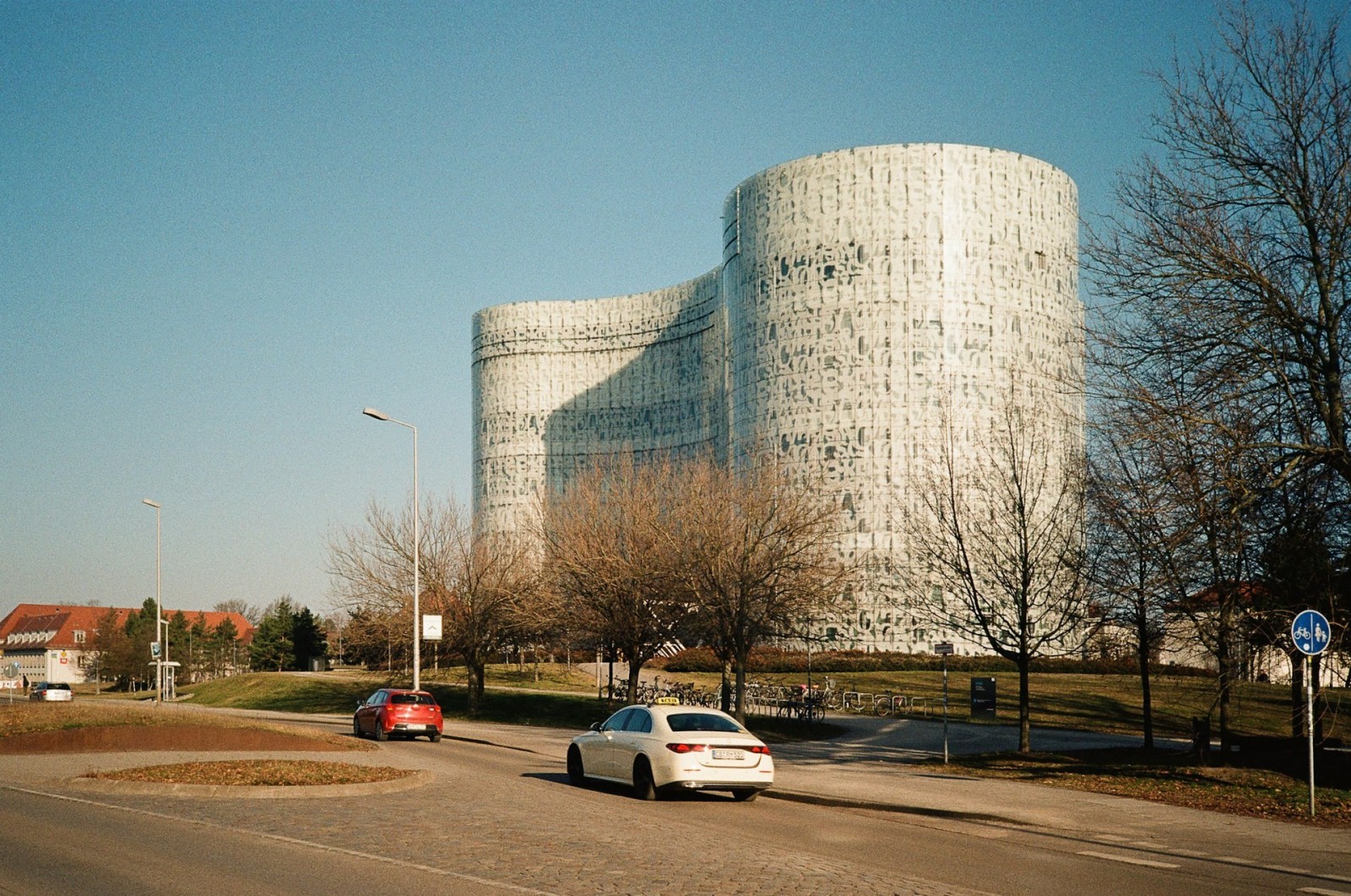
The main attraction of the historical center is the Lutheran Church of St. Nicholas (Klosterkirche) and other ancient buildings that have preserved medieval features. Also of interest are the Old Market (Altmarkt), the city gate and the remains of medieval fortifications.
A special place is occupied by Schloss Branitz Castle with a huge landscape park. This is one of the main attractions of Cottbus: the palace is surrounded by picturesque alleys, lakes and unusual park structures. Here you can combine the inspection of historical architecture with a walk in nature.
Another feature of the city is the Luzhitsk culture. Kotbus is considered one of the main centers of the Serboluzhians, so here you can get acquainted with the Nizhny Luzhitsk language, folk costumes, traditions, crafts and local cuisine.
For nature lovers, the proximity of Spreewald is of great interest – a unique region with numerous arms of the Spree River, forests and small villages. From Cottbus it is convenient to go there for walks, bicycle trips and water excursions.
The city is also attractive for culture lovers. There are museums, theaters, art and cultural centers, and thanks to the university, a modern youth and scientific environment has been formed.
The catbus is well suited for a guided tour for 1-2 days. In one day you can explore the historical center and the main attractions, and in two days add a visit to the castle of Branitsa, museums and a walk around the neighborhood.
The main reasons to visit Cottbus are: the ancient center, the palace and park of Branitsa, the Luzhitsk culture, the proximity of Sprewald, the calm atmosphere and the opportunity to see the less touristic side of Germany.
1. High-level hotels
For a comfortable stay, modern hotels with spacious rooms, restaurants, parking and additional services are suitable.
Best Western Plus Parkhotel & Spa Cottbus is one of the most comfortable options, with a wellness area and good conditions for a relaxing holiday.
Radisson Blu Hotel, Cottbus is a large city hotel, convenient for tourists and business travelers.
Holiday Inn Cottbus by IHG is a modern option in the central part of the city, convenient for exploring the sights.
2. Mid-range hotels
This is the most practical option for most tourists: comfortable rooms, breakfast and a good location without having to overpay for additional services.
SORAT Hotel Cottbus is a popular city hotel in the center, suitable for a sightseeing trip.
Altstadthotel Am Theater is a convenient option for those who want to stay close to the city center and the city theater.
Spree-Waldhotel Cottbus is a quieter option located in the green part of the city.
Hotel & Gasthof Zum Postkutscher is a more homely hotel suitable for short stays.
3. Budget hotels
For an economical trip, you can choose small hotels and simple city hotels. They are suitable for travelers who primarily need a clean room, a comfortable bed and the ability to quickly get to the center.
Options include Garner Hotel Cottbus Süd by IHG, Hotel Dorotheenhof, AHORN Hotel and CITY HOTEL Cottbus.
4. Hostels
Hostels are suitable for young travelers, students and those who want to reduce their living costs. Common or separate rooms are usually available here, and sometimes a shared kitchen and recreation areas.
DJH Youth Hostel Cottbus is an option for budget accommodation, especially convenient for young people and groups.
You can also find small private hostels and guest houses with simpler conditions.
5. Boarding and guesthouses
Guesthouses are often cheaper than large hotels and have a more relaxed, homely atmosphere. This is a good choice for travelers by car or for those planning to spend a few days in Cottbus.
Among these options are Pension & Restaurant Nordstern, Pension Markgrafenmühle, as well as small family hotels in the suburbs.
1. Old Market (Altmarkt)
The main historical square of Cottbus, surrounded by ancient burgher houses. The historical layout of the center is well preserved here, and several important architectural monuments are nearby.
How to get there: From the main train station you can take a tram or bus to the central part of the city, and then walk a few minutes on foot. From other attractions of the center, the square is also convenient to visit on foot.
2. Upper Church of St. Nicholas (Oberkirche St. Nikolai)
One of the main historical churches of Cottbus. Its tall tower is clearly visible above the old town and is an important part of the Cottbus panorama.
How to get there: Located in the center, so you can walk from the Old Market and other central attractions in a few minutes.
3. The Spremberger Turm (Spremberger Turm)
Medieval defensive tower and one of the symbols of the Cottbus. 131 steps lead to the observation deck, and from a height of about 28 meters, a panorama of the city and surroundings opens.
How to get there: located directly in the historical center, on Spremberger Street, so it is most convenient to come on foot from the Old Market or other central sites.
4. State Theatre of Cottbus (Staatstheater Cottbus)
Beautiful building of 1908, made in Art Nouveau style. The theater is considered one of the most notable architectural monuments of the city and is of interest even for those who do not plan to attend the performance.
How to get there: It is close to the historic center. The Old Market can be reached on foot; there are also city tram and bus routes nearby.
5. Museum of Modern Art Brandenburg
A major art museum of Cottbus housed in a historic industrial building of a former power station. It presents works of contemporary art and regularly hosts temporary exhibitions.
How to get there: it is close to the center, so it is convenient to include it in the walking route around the city. The area can also be reached by public transport.
6. The Wendy Museum (Wendisches Museum)
It is especially interesting for travelers who want to learn more about the Lužica Serbs, their language, traditions, national clothes and the history of Lower Lužica.
How to get there: located in the central part of Cottbus, so it is most convenient to combine its visit with a walk around the Old Town.
7. Branitz Palace and Park (Schloss and Park Branitz)
One of the main attractions of the whole Cottbus. The palace is surrounded by the famous landscape park of Prince Hermann von Pückler-Muskau. There are artificial hills, lakes and famous earthen pyramids, one of which became the burial place of the prince.
How to get there: the park is about 4 km from the central station. It can be reached by city bus; there is also a special "Park Express" - Parkeisenbahn, which passes through the Zoo area and ends at the Branitz Park.
8. Cottbus Zoo (Tierpark Cottbus)
The Big City Zoo is located next to Branice Park. Therefore, these two attractions are convenient to combine in one trip. This is a particularly interesting option for families with children.
How to get there: you can take a bus or a tourist park railway, which runs through the zoo area and then goes to Branitsa Park.
9. Spreeauenpark (Spreeauenpark)
A large green park next to the zoo and Branice Park. Suitable for a quiet walk, rest and family visit.
How to get there: it is convenient to combine with a visit to the zoo and Branitsky Park; you can travel between these facilities on foot or by park train.
10. Cottbus Park Railway (Parkeisenbahn)
A small narrow-gauge railway is an unusual sight of the city. The route passes through the green areas, next to the stadium, the zoo and the Branitz Park. The total length of the line is about 4 km.
How to get there: the route begins in the Sandower Dreieck area. It is most convenient to first get there by public transport, and then continue the tour by train.
11. Cottbus Aviation Museum (Flugplatzmuseum Cottbus)
An interesting museum for lovers of technology and aviation history. The exposition is connected with the development of aviation and military aviation infrastructure of the region.
How to get there: The property is outside the compact historic center, so it’s best to use a bus or car.
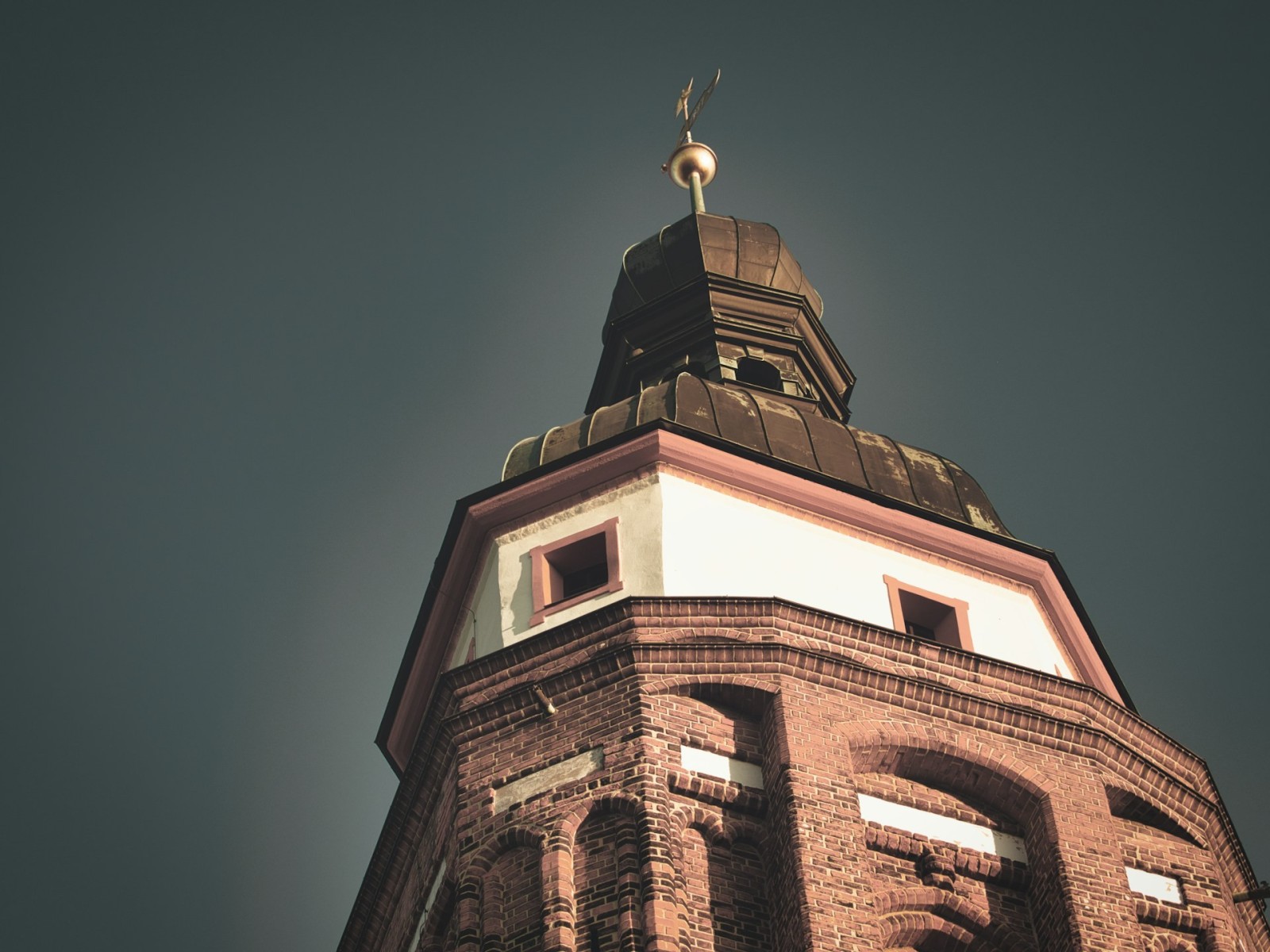
Zug der fröhlichen Leute Carnival (February-March) One of the most famous carnivals in eastern Germany: festive platforms, orchestras, dance groups and carnival clubs pass through the streets.
Carnival gala "Heut steppt der Adler" - Feb. A large festive performance with music, dances, humorous numbers and performances of carnival groups.
Night of the Old Town (Altstadtnacht) is April. The historic center hosts concerts, cultural performances and evening events.
Ei(n)fälle Festival (January-February) Student festival of satire and humor, which is considered one of the notable cultural traditions of Cottbus.
Cottbus City Festival (Cottbuser Stadtfest) - June. One of the biggest city events: several music scenes, concerts, entertainment, fair rides, food and a holiday program in the city center.
Sorbisches/Wendisches Fest (June) Dedicated to the culture of the Serboluzhians: folk dances, music, acquaintance with the traditions, crafts and cuisine of the region are held.
Cottbus Open International Festival (Cottbus Open) – June Multinational holiday with music, dances, cultural performances and dishes of different countries. It is held as part of a city holiday and has a long tradition.
Summer concerts and festivals – June-August The city hosts open-air concerts, performances of local bands, rock, pop, jazz and electronic events. One example is the Brandenburg Technical University summer festival with concerts and entertainment.
Elbenwald Festival (July-August) A major event for fans of fiction, fantasy, games and popular culture, combining concerts, costume programs and thematic entertainment.
Spreeauennacht night is August. Evening cultural event with music and entertainment in the park space of Cottbus.
Day of clubs and associations (Tag der Vereine) – August – September. Local sports, cultural and public organizations present their activities, organize performances and interactive programs.
Pottery holiday (Töpferfest) - September. Visitors can see the craftsmen, purchase ceramics and get acquainted with the traditional crafts of the region.
Lausitzer Herbstmarkt Autumn Market (October) Traditional fair with regional products, handicrafts and goods of local producers.
Night of Creative Minds (Nacht der kreativen Köpfe) - October An evening program during which various institutions, organizations and cultural venues open their doors to visitors and hold special events.
Cottbus International Film Festival (November) One of the most famous cultural events of the city, dedicated primarily to the cinema of Central and Eastern Europe. The city hosts film screenings, meetings with directors and other events.
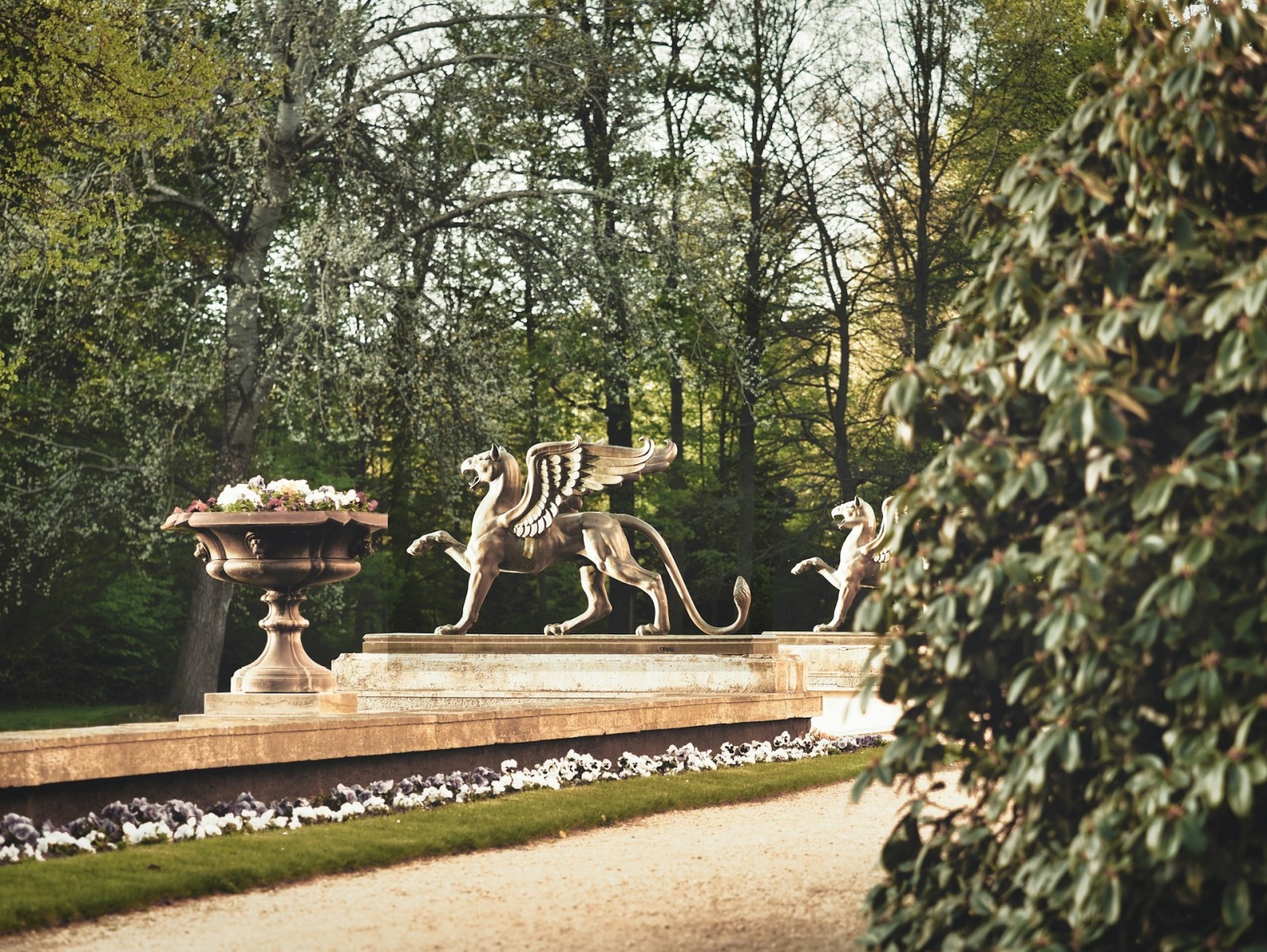
Winter - December, January, February
Winter is relatively mild, but frost and snow are possible.
During the day: approximately -1 ... +5 °C.
At night: about -3... -1°C.
Water temperature: approximately +1 ... +3 °C.
For walks you will need a warm jacket and waterproof shoes. In winter, there are fewer tourists, so it is a quiet time to visit museums, the historic center and cultural events.
Spring - March, April, May
The weather gradually becomes warm and suitable for walks and excursions.
March: during the day about +9 °C, at night about +1 °C, water about +3 °C.
April: day +15 °C, night +4 °C, water about +8 °C.
May: day +20 °C, night +8 °C, water about +12 °C.
May is especially comfortable for exploring the city, trips to Branitsa Park and walks around the neighborhood.
Summer - June, July, August
Summers are warm, sometimes hot. July is the warmest month, with an average daily maximum of around 25–26°C. Precipitation in summer is more frequent, so it is worth considering the likelihood of rain.
June: day +24 °C, night +12 °C, water about +17 °C.
July: during the day +25...26 °C, at night +14 °C, water about +19 °C.
August: day +25 °C, night +13...14 °C, water about +19 °C.
Summer is best for walking, cycling, visiting parks and trips to water bodies.
Autumn - September, October, November
In September, the weather is still quite warm, and then the temperature gradually decreases.
September: during the day about +20 °C, at night +9 °C, water about +16 °C.
October: day +14 °C, night +5 °C, water about +11 °C.
November: day +8 °C, night +2 °C, water about +7 °C.
September is especially convenient for excursions: there is no strong summer heat, but the weather remains comfortable.
Language of communication
The main language in Cottbus is German. In everyday life, standard German is used, but Kotbus is located in the historical region of Lower Luzhica, so the influence of the Lower Luzhitsky language is noticeable here. The Luzica Serbs are the indigenous Slavic population of the region, and their cultural heritage is particularly prominent in names, holidays, traditions and local institutions.
In touristic places, hotels, restaurants and large shops it is often possible to explain in English. Russian is not a widespread means of communication, so it is advisable for a tourist to have a translator or know a few basic German phrases.
Traditions and customs
Greetings and addresses. It is customary to use the polite treatment of Sie with strangers. In shops and restaurants, it is enough to say Guten Tag (“Good afternoon”) or Hallo (“Hello”).
Punctuality. In Germany, it is customary to come on time for excursions, meetings, concerts and other events. Even a few minutes late is better to warn in advance.
Lines. You should observe the order of the queue and not try to get ahead of other visitors.
Silence. Do not talk loudly in public transport, residential areas and especially near residential buildings at a later time. On Sundays and holidays, many noisy activities are limited.
Lužicka traditions. When visiting Kotbus, you should respect the culture of the Serboluzhians. Language, national costumes or local customs should not be ridiculed. At cultural events you can see traditional dances, music and clothing.
Churches and religious buildings. In temples, it is necessary to observe silence, do not interfere with worship and adhere to the established rules of photography.
Tips. In restaurants and cafes tips are not strictly mandatory, but usually leave about 5-10% for good service or just round the bill amount.
Garbage. Garbage must be disposed of in containers intended for it. In Germany, great attention is paid to cleanliness and sorting of waste.
Bicycles. The catbus is convenient for cyclists. It is impossible to go without the need to go on a dedicated bike path, and when crossing the road it is necessary to monitor not only cars, but also bicycles.
Basic laws and regulations
Documents. During the trip, you must have a valid passport and other documents necessary for entry and stay in Germany.
Traffic rules. Pedestrians should cross the road in permitted places and observe traffic lights. Even in the absence of cars, switching to a red light is not recommended.
Smoking. In Germany, smoking is restricted in public buildings, public transport and other places where it is prohibited by special signs. You should always pay attention to the signs.
Alcohol. Alcohol consumption is not allowed everywhere. You can not disturb public order, be in a state of strong intoxication in public places or create danger for others.
Photo and video. In museums, theaters, churches, and individual events, photography may be restricted. Before shooting people close-up, it is desirable to obtain their consent.
Natural areas. In parks, forests and areas around water bodies, it is necessary to observe signs, not to damage plants and not to leave debris.
Public transportation. The ticket must be purchased and, if necessary, composted before the start of the trip. Ticketless travel can lead to a fine.
Historical objects should not be damaged. In Cottbus there are many ancient buildings, monuments and elements of urban architecture, so it is forbidden to put inscriptions on them, climb onto buildings or damage them in any way.
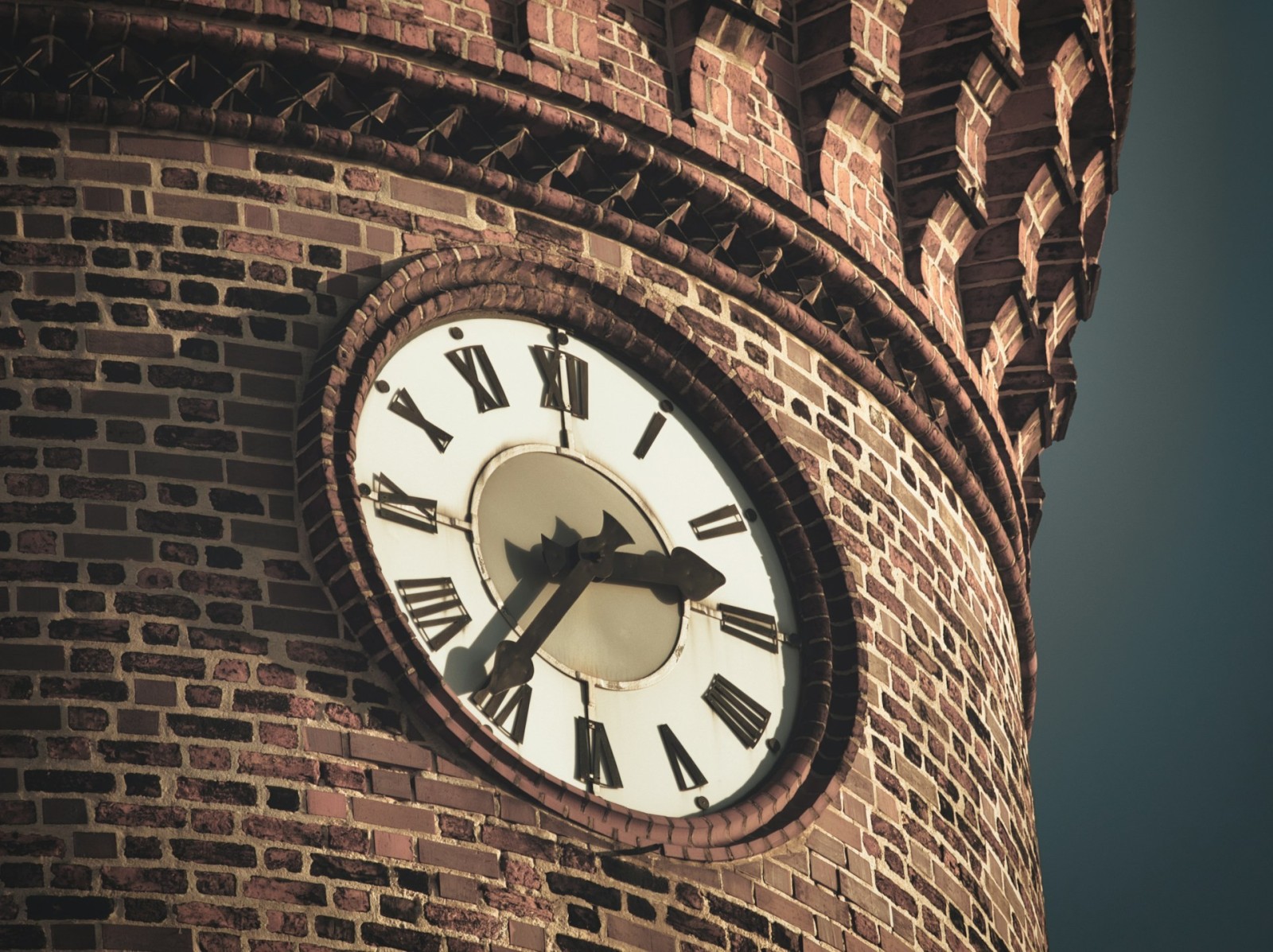
Greetings and polite words
Hallo! Transcription: Hallo!
Guten Morgen! Transcription: Guten Morgen!
Guten Tag! - Good afternoon! Transcription: So Guten!
Guten Abend! - Good evening! Transcription: Guten Abent!
Auf Wiedersehen! - Goodbye! Transcription: Auf Viderzeen!
Tschüss! Transcription: Chuss!
Bitte. - Please. Transcription: Bitte.
Danke. - Thank you. Transcription: Danke.
Vielen Dank! Transcription: Filan Dunk!
Entschuldigung! Transcription: Entschuldigung!
Kein Problem. - No problem. Transcription: Kine is a problem.
Ja/Nein. - Yes/No. Transcription: Me/Nine.
If you don't understand German
Sprechen Sie Englisch? - Do you speak English? Transcription: Sprahan Z'English?
Sprechen Sie Russisch? - Do you speak Russian? Transcription: Sprahan zi Rusish?
Ich spreche nur ein bisschen Deutsch. I only speak German a little bit. Transcription: Their shprahe noor ain bishan deutsch.
Ich verstehe nicht. - I don't understand. Transcription: They're fine.
Können Sie das bitte wiederholen? - Can you repeat it, please? Transcription: Könen zi das bitte viderholen?
Bitte sprechen Sie langsamer. - Please speak more slowly. Transcription: Bitte Sprehen Z Langzamer.
Können Sie das aufschreiben? - Can you write this down? Transcription: Könen zi das aufsreiben?
At the hotel.
Ich habe eine Reservierung. - I have a reservation. Transcription: Their habe aine reserve.
Ich möchte einchecken. - I want to register. Transcription: Their mechte aincheken.
Wann ist der Check-out? - When's the eviction? Transcription: Van East Der Check Out?
Ist das Frühstück inklusive? - Breakfast included? Transcription: East Das Fruit Inclusive?
Gibt es WLAN im Zimmer? - Is there Wi-Fi in the room? Transcription: Gibt es velan them Zimmer?
Wo ist mein Zimmer? - Where's my number? Transcription: East mine zimmer?
Ich brauche ein Handtuch. - I need a towel. Transcription: Their brauhe ain handtuch.
At the station and on public transport
Wo ist der Bahnhof? - Where's the station? Transcription: East Der Banhof?
Wo ist die Straßenbahn? - Where's the tram? Transcription: To the East? Strasenban?
Wo ist die Bushaltestelle? - Where's the bus stop? Transcription: In the east bushaltestall?
Ich brauche eine Fahrkarte nach Cottbus. - I need a ticket to Cottbus. Transcription: Their brauhe aine farkarte nah kotbus.
Wie viel kostet die Fahrkarte? - How much is the ticket? Transcription: Vifil Costet de Farkarte?
Wann fährt der nächste Zug? - When does the next train leave? Transcription: Van fart der nekste zuk?
Auf welchem Gleis? - Which way? Transcription: Auf Welham Glais?
Ist das der richtige Zug? - Is this the right train? Transcription: East das der richtigue zuk?
How to ask the way
Entschuldigung, wo ist die Altstadt? - Excuse me, where's the old town? Transcription: Entschuldigung, East Dialstadt?
Wie komme ich zum Stadtzentrum? How do I get to the city center? Transcription: What do you think?
Wie komme ich zum Schloss Branitz? - How to get to the Branitz Palace? What do you think?
Ist es weit? - Is that far? Transcription: East S. White?
Kann ich zu Fuß gehen? - Can I walk? Transcription: Can their tsu fus geen?
Nach links. - Left. Transcription: Nah linx.
Nach rechts. - To the right. Transcription: Nah rechts.
Geradeaus. - Straight. Transcription: Geradeaus.
1. Food and local products
Luzhitsk sausages and meat delicacies – smoked sausages and meat products are popular in the region, which can be bought in local butcher shops and markets. For transportation, it is better to choose products in vacuum packaging.
Luzhitsky honey is a good edible souvenir. You can find flower, lime and forest honey from local apiaries.
Sea buckthorn products - drinks, syrups, jams and other sea buckthorn products are common in Brandenburg and Lower Lusatia. They are well suited as a small gift.
Regional jams and jams – especially from berries and fruits grown in Brandenburg. A convenient option if you want to bring something edible, but not too heavy.
Luzhitsk pastries and sweets - in the region you can try traditional pastries, as well as buy local confectionery.
Beer of local breweries is another option for a gastronomic souvenir, although when transporting it is necessary to take into account the customs rules of the destination country.
2. Luzicki and Sorbian souvenirs
Products with Luzhitsk ornaments are one of the most characteristic options for a gift from Cottbus. It can be wipes, textiles, ceramics, small decorative items and accessories.
Painted Easter eggs are a traditional craft. Complex paintings and ornaments make such eggs an unusual souvenir, especially if the trip is in the spring.
Sorb dolls in traditional costumes are a decorative gift associated with the culture of the Luzhitsk Serbs.
Handmade ceramics - plates, mugs, bowls and decorative products with regional ornaments. A practical option for those who prefer not to buy purely decorative souvenirs.
Textiles with traditional patterns - small towels, handkerchiefs, tablecloths or other products with meadow motifs.
3. Useful and health-improving products
Herbal teas - you can buy mixtures of local herbs and plants. They are an easy and inexpensive souvenir.
Herbal balms and cosmetics - in the region there are natural remedies based on herbs, oils, honey and plant extracts. When buying, you should choose ordinary cosmetic products, and not drugs that promise a therapeutic effect.
Honey products - honey, propolis cosmetics and products based on bee products can be a practical gift.
Natural soap and care cosmetics - a compact version of the souvenir, which is convenient to transport.
It is better not to buy medicines as a tourist souvenir unnecessarily. For a trip home, it is more practical to choose tea, cosmetics, honey and other ordinary goods that are not medicines.
4. Souvenirs with Cottbus symbols
Magnets and postcards with Cottbus are the easiest option, especially with images of the Old Market, the Spremberg Tower or the Branitz Palace.
Souvenirs depicting cancer are an unusual symbol of the city. Cancer is present on the coat of arms of Cottbus and is associated with the history of the local noble family von Cottbus.
Miniatures of the Spremberg Tower are a good gift for those who want to bring a symbol of the city.
Souvenirs with the palace and the park of Branitsa - postcards, small paintings, calendars and decorative products.
Books about Cottbus and Lower Luzhica are especially interesting publications about local history, culture and Luzhitsk traditions.
Cottbus is generally considered a calm and safe city for tourists. Basic precautions are standard in Germany: monitor documents and valuables, follow traffic rules, use official public transport and have health insurance.
1. Documents required
For travel it is necessary to have:
a valid foreign passport;
visa, if it is required for the citizenship of the traveler, or a document confirming the right to visa-free entry;
confirmation of accommodation reservation;
return ticket or documents confirming travel plans;
health insurance;
It is advisable to have copies of passport, visa and insurance separately from the originals.
For entry, the passport must meet the requirements of Germany: in particular, at the time of the planned departure from Germany, it must remain valid for at least three months and be issued no more than 10 years ago. At border control, you may be asked to confirm the purpose of the trip and the availability of sufficient funds for stay and return.
2. Health insurance
It is recommended that the traveler obtain medical insurance for the entire period of the trip. It should cover treatment abroad and preferably include medical evacuation and return.
To apply for a Schengen visa, insurance is required, valid throughout the Schengen area and for the entire period of stay, with a minimum coverage of 30,000 euros.
Even if a tourist has European health insurance or other coverage, it is worth checking before traveling whether it applies specifically to Germany and what costs are paid.
3. Emergency services phones
The main numbers that should be saved on the phone:
112 - Ambulance and Fire Service. The number is used for life-threatening, severe injuries, serious illness and fire. Call is free.
110, police. The number is used in an attack, security threat, crime or other serious danger.
116 117 - on-call medical services for urgent but non-life-threatening problems when normal medical offices are closed.
If the situation is really life-threatening, call 112 instead of 116 117.
4. Mobile communications
There are four main mobile networks in Germany:
Telekom Deutschland;
Vodafone;
Telefónica Germany (O2);
1&1.
The German Federal Network Agency notes that different operators use these networks, and the quality of coverage may vary depending on the location.
In Cottbus, both the German SIM/eSIM and the roaming of the operator of their country will suit the tourist. Before traveling, it is advisable to check the cost of mobile Internet and the possibility of using roaming in Germany.
5. How long can you stay in Germany?
For most tourists from countries that are allowed short-term visa-free entry, the rule is no more than 90 days in any period of 180 days. These 90 days are considered not only for Germany, but for the entire Schengen area.
The same restriction usually applies to holders of a Schengen visa: even a multi-year multiple-entry visa does not entitle them to stay in Schengen for more than 90 days in each 180-day period.
EU citizens have a different right of stay as they are subject to the rules of free movement within the EU. There are also separate rules for holders of national D visas and residence permits.
Create a query and local guides will offer you the best options

