Independent tourism and recreation in the city of Leverkusen Historical information about the city of Leverkus...
Leverkusen is a relatively young city in Germany: as a single city it has existed since 1930, but some settlements on its territory have been known since the XI-XIII centuries. The modern city was formed from Wisdorf, Opladen, Hitdorf, Schlebush and other historical settlements.
1. Medieval settlements
The first written mention of local settlements belong to the XI-XIII centuries. Among the oldest are Wiesdorf, Bürrig, Hitdorf, Opladen, Rheindorf and Schlebusch.
Of particular importance was Opladen, located on the Wupper River. Thanks to the bridge over the river and its favorable position, it gradually became an important commercial and administrative center.
Hitdorf developed due to its location on the Rhine. Already in the XIV century, it is mentioned as a river port through which trade went.
2. Rhine and flooding
The proximity of the Rhine brought not only trade advantages, but also serious problems. Particularly severe flooding occurred in 1571 and 1657. They destroyed houses and changed the riverbed, forcing residents to move settlements.
Until the XIX century, the territory of modern Leverkusen remained mainly rural: there were villages, farms, forests and small handicrafts.
3. The Railroad and the Beginning of Industrialization
The situation changed in the nineteenth century. In 1845, the railway connected the territory of the future Leverkusen with the most important cities of the region. Later, railway lines appeared in Opladen and other settlements.
Thanks to the combination of the Rhine, railways and the proximity of Cologne and Düsseldorf, the territory became attractive for industry.
4. Carl Leverkus and the origin of the name
The most important figure was the chemist and entrepreneur Carl Leverkus. In 1860-1861, he moved the production of the ultramarine dye to the Rhine, in the Wisdorf area.
Near the factory there was an industrial settlement called Leverkusen. It was from him that the name of the whole city was derived.
5. The arrival of Bayer
The real industrial boom began in 1891 when Farbenfabriken vorm. Friedr. Bayer & Co. moved production to Leverkusen.
Working quarters, roads, schools, shops, medical and sports facilities quickly appeared around the chemical enterprise. Bayer became not just a major employer, but in fact one of the forces that shaped the city itself.
In 1912, Bayer moved its headquarters here, finally cementing Leverkusen’s status as a major center of the chemical industry.
6. Establishment of the city in 1930
Until 1930, the city of Leverkusen did not exist.
On April 1, 1930, Wisdorf, Schlebush, Steinbüchel and Reindorf merged to form the city of Leverkusen with a population of about 42,000 people.
The name of the industrial settlement became the name of the new city.
7. World War II
During the Nazi regime, Leverkusen’s industry worked for Germany’s war economy. Bayer was part of IG Farben.
The city has been under air attack because of the strategic importance of chemical production. Forced labor was used in enterprises.
In 1945, Leverkusen was occupied by American troops, after which the restoration of the city began.
8. Post-war development
In 1951, Bayer was restored. During the period of the German economic miracle, Leverkusen developed rapidly: residential areas, roads, schools and public institutions were built.
In 1955, the city received the status of a city that is not part of the district, and in 1963 the population exceeded 100,000 people.
One of the symbols of the city was Bayer-Kreuz - a huge light logo of Bayer, installed in 1933 and subsequently turned into a business card of Leverkusen.
9. Expansion of the city in 1975
The modern appearance of Leverkusen finally formed after the administrative reform of 1975. He was joined by:
Paid (Opladen)
Bergisch Neukirchen (Bergisch Neukirchen)
Hitdorf.
The population has increased to about 170 thousand people.
This is why modern areas of Leverkusen are so different: some have retained the features of old villages and small towns, others have formed around the Bayer industry.
10. Leverkusen today
Today, Leverkusen is a large city between Cologne and Düsseldorf, where industrial heritage is combined with modern residential areas, culture and green areas.
The main feature of its history is the extremely rapid transition from rural settlements to one of the most important industrial centers in Germany.
For the tourist, the opportunity to see different historical layers is especially interesting: medieval settlements, old Opladen, Rhine Heathdorf, industrial heritage of Bayer and modern Leverkusen.
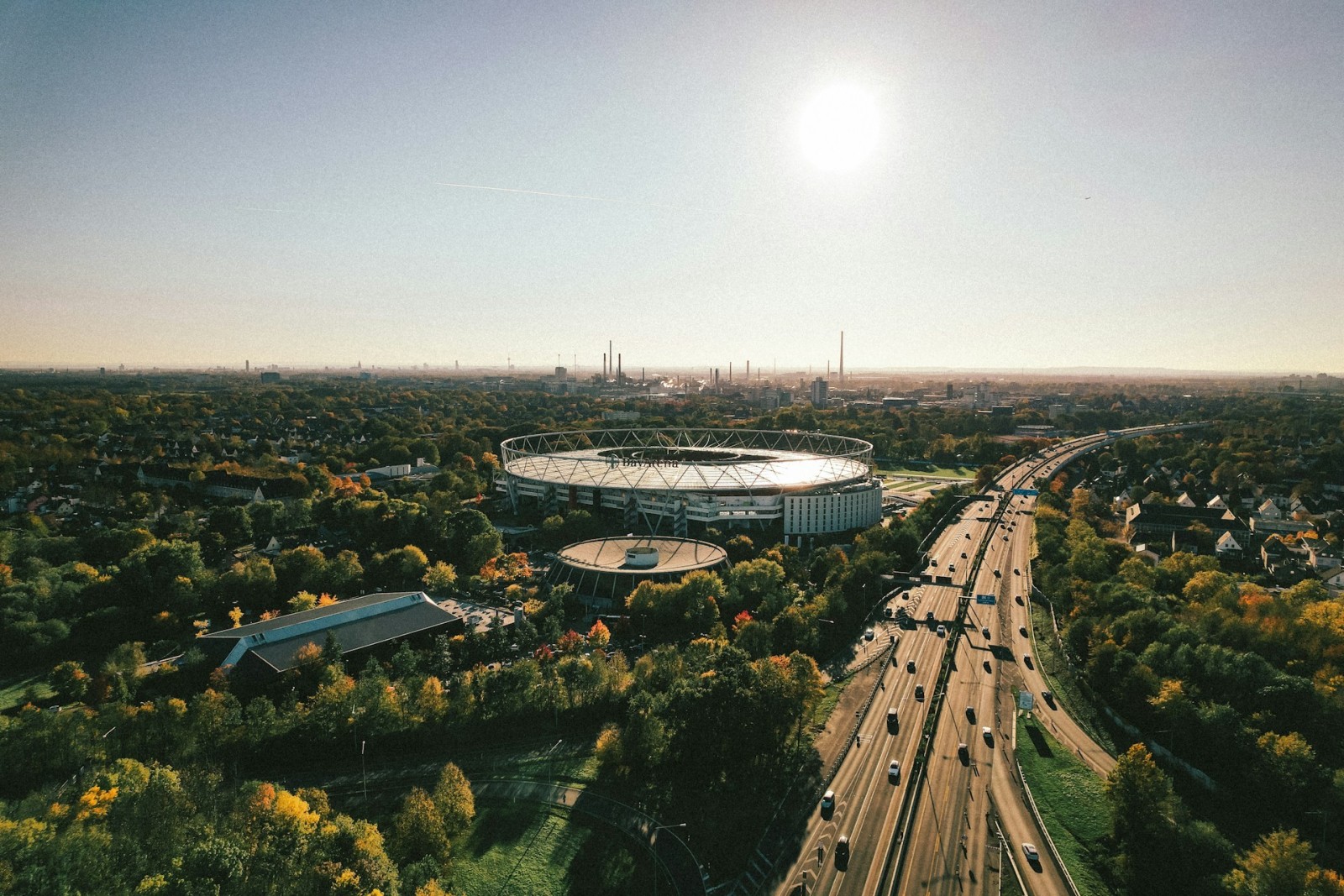
Leverkusen is an interesting city of North Rhine-Westphalia, located between Cologne (Köln) and Düsseldorf (Düsseldorf). This is not a classic tourist city with a lot of medieval buildings, but a place that is especially well suited for those who want to combine industrial heritage, modern culture, sports, parks and nature walks.
The main feature of Leverkusen is an unusual combination of a large industrial city and green areas. Here, next to the huge industrial complex Chempark are a Japanese garden, historical parks, palaces, museums and walking trails.
1. Japanese Garden - the main unusual attraction
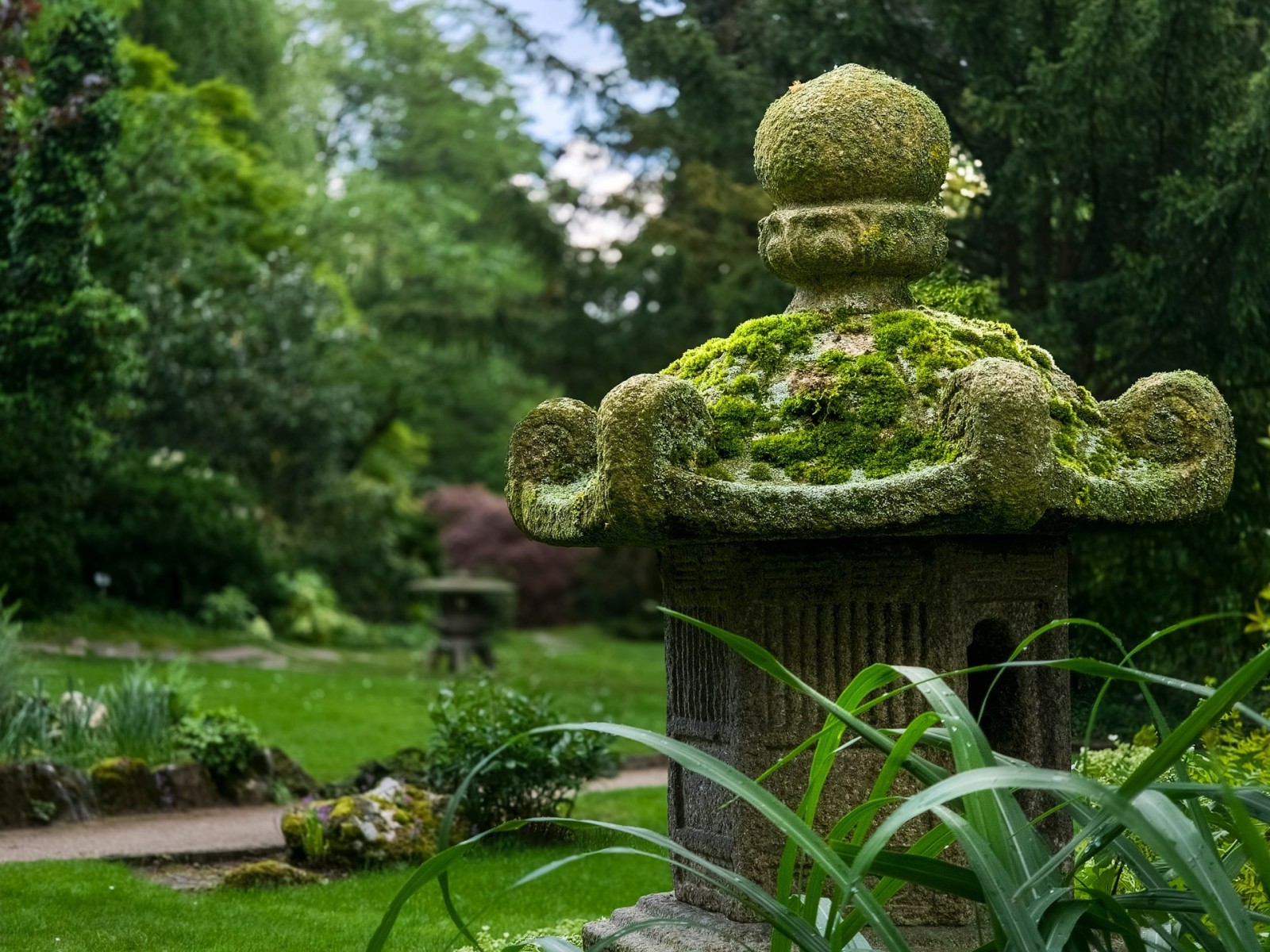
Japanisher Garten Leverkusen is one of the most unusual places in the city. The garden was created in 1912 on the initiative of Karl Duisberg and occupies about 15,000 m2. There are ponds with koi carp and turtles, stone lanterns, East Asian plants, a tea house and the famous Mikado Bridge.
The garden is located near the Chempark industrial area. This creates an unusual contrast: Japanese traditional aesthetics and the modern chemical industry. Entrance is free.
2. Morsbroch Castle and Art
Museum Morsbroich is located in the picturesque castle of Morsbroich. There are works of modern art, and around the castle there is a park with sculptures.
For a tourist, this is a good place for a quiet walk: you can combine a visit to the museum, historical architecture and the park in one trip. The museum is considered one of Leverkusen’s notable cultural sites.
3. Industrial Leverkusen
The main image of the city is associated with Bayer and the chemical industry. Therefore, Leverkusen is especially interesting for fans of industrial tourism.
One of the symbols of the city is Bayer-Kreuz - a huge light emblem of Bayer, clearly visible at a great distance. City officials call it one of the main symbols of Leverkusen along with the water tower.
This urban landscape is very different from traditional German cities: here you can see how industry has literally shaped the modern look of the city.
4. Parks and nature recreation
Leverkusen is much greener than you would expect from an industrial city. There are numerous parks, forests, reservoirs and walking routes.
Especially interesting is Neuland Park, located near the Rhine. There are themed gardens, large lawns, sports and playgrounds, mini golf and places for recreation. The park appeared after the regional garden exhibition in 2005.
For hiking, you can choose the route "Around Leverkusen" (Rund um Leverkusen) with a total length of about 62 km, divided into ten sections. Also of interest are the Bürgerbusch forest, the Dhünn and Wupper river valleys, and the Leverkusener Obstweg fruit route.
5. Rhine and water walks
Rhine makes Leverkusen attractive to those who like to walk by the water. The city has promenades, green areas and places of rest, where you can spend a few hours away from the bustle of the city.
In summer, it is especially pleasant to combine a walk in the parks with a visit to the Rhine and local recreation areas.
6. Sport and football tourism
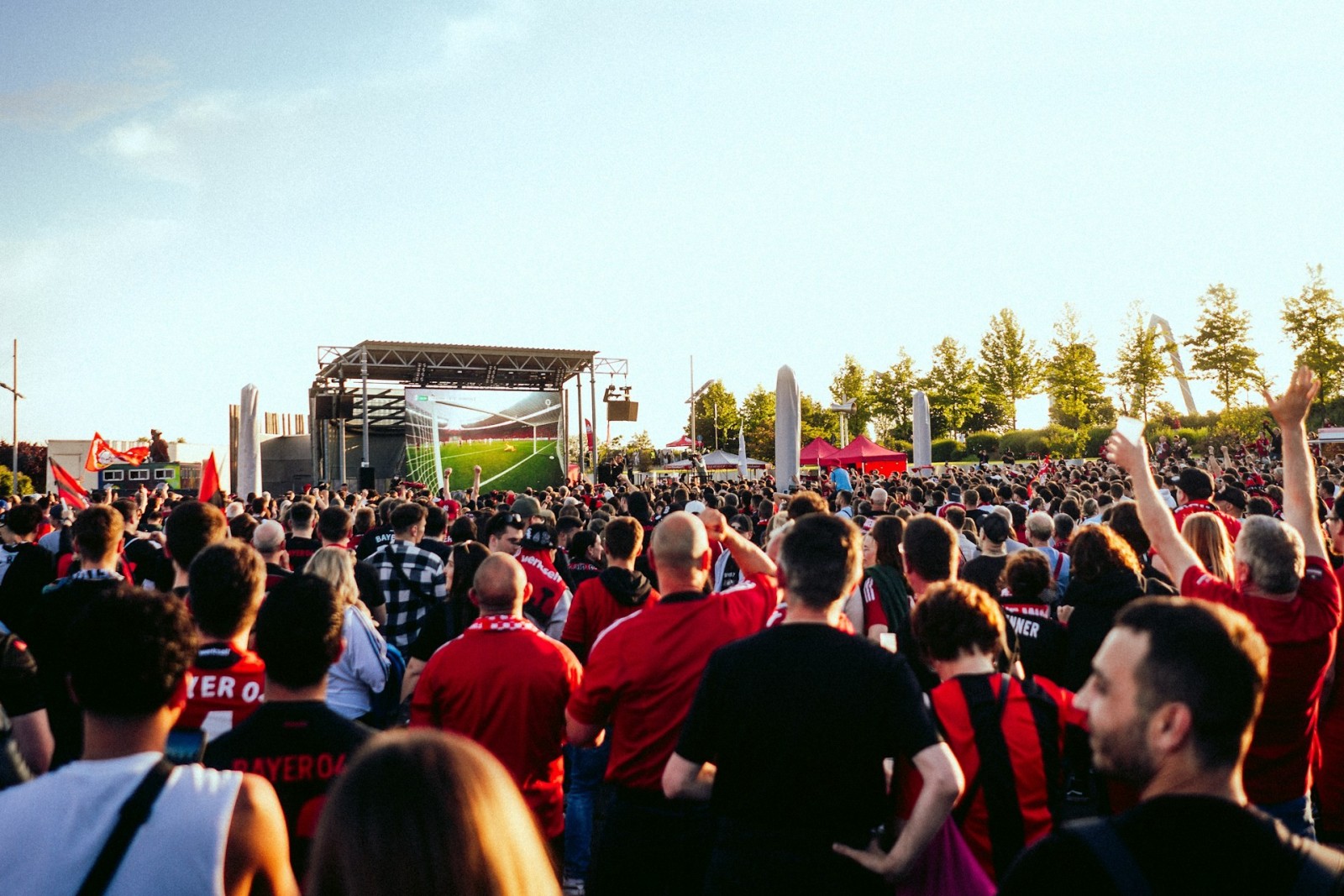
For football fans, Leverkusen is primarily associated with the Bayer 04 Leverkusen football club. A visit to the city can be combined with a football match, acquaintance with the sports infrastructure and the atmosphere of fans.
Therefore, the city is of interest not only for cultural tourists, but also for fans of German football.
7. Museums and city history
Those who want to learn more about the history of Leverkusen should pay attention to several museums:
The Morsbroich Museum is a contemporary art.
Industrial Museum (Industriemuseum Freudenthaler Sensenhammer) - industrial history and traditional production
Villa Römer – Haus der Stadtgeschichte – the history of Leverkusen himself
The Colony Museum (Kolonie-Museum) is a history of workers’ settlements.
1. High-level hotels and increased comfort
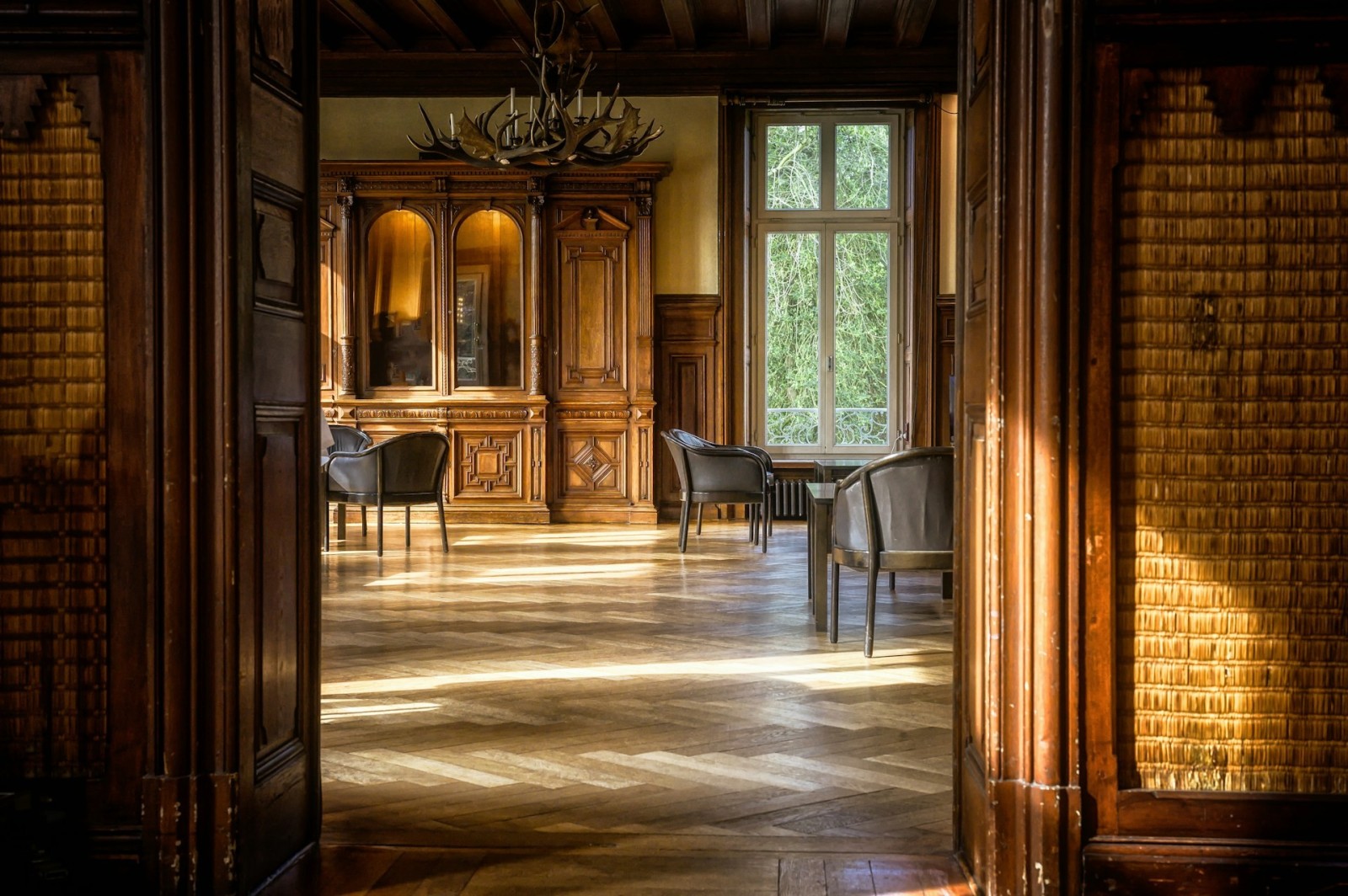
This is the most comfortable option for tourists who appreciate spacious rooms, a good breakfast, restaurants, parking and additional services.
Kasino Leverkusen is one of the most famous options. Located next to Bayer Chempark and a Japanese garden, it is especially convenient for exploring the industrial part of the city and the sights of the area. The hotel has a restaurant, breakfast, Wi-Fi and room service.
Hotel Arkade Leverkusen is a comfortable family hotel in Wiesdorf, near the center. Suitable for both a tourist trip and for travelers by car.
Kristallhotel Fettehenne is an option in the Rheindorf area, more focused on quiet living. Convenient for those who prefer not to stay in the center.
2. Mid-range hotels
This is the most universal category for an ordinary tourist. Usually there is a separate bathroom, Wi-Fi, breakfast for an additional fee or included in the fare, and the location allows you to quickly reach the center and the station.
Nikii City Hotel - Leverkusen is a modern option in the central part of the city. The hotel is located about 1 km from the train station, has modern rooms, Wi-Fi, bar, parking and fitness room.
Nikii Boutique Hotel - Leverkusen - a more stylish option with a modern design. Suitable for tourists who care about design and comfort, but do not require a large resort hotel.
Leoso Hotel Leverkusen is a traditional city hotel, convenient to stay during a short trip.
The CURVE Hotel BayArena Leverkusen is a good option for football tourists and visitors to Bayer 04 Stadium. The hotel is located near BayArena and has a convenient location for trips around the city.
3. Budget hotels
If the main goal is to spend less on overnight stays and spend most of the time on excursions, it is worth considering inexpensive hotels and small family hotels.
Stay Inn Hotel Köln Leverkusen City is one of the economical accommodation options in the city.
Hotel-Pension Schlafpunkt GmbH - Leverkusen - a small accommodation option in the Quettingen area, more like a quiet family hotel.
Villa Fürstenberg (die.Villa) is a small accommodation option in the Opladen area, which may be of interest to travelers looking for a more intimate atmosphere.
Inexpensive hotels are especially advantageous when booking in advance. Prices in Leverkusen vary significantly depending on the exhibitions in Cologne, football matches and major events. Booking services now provide more than a hundred accommodation options in the city and surroundings.
4. Boarding and guesthouses
For economical travel, you can choose Pension (boarding house) or Gästehaus (guest house). Usually these are small properties for several rooms, where the atmosphere is more homely than in a chain hotel.
Pension Zwei A Altstadt is a variant in the historical part of the Opladen. It is suitable for those who do not need many services of a large hotel.
Such options are especially convenient for individual tourists, couples and travelers who plan to stay in the city for several days.
5. Apartments and Aparthotels
Apartments are a good choice for a long trip or family trip. They usually have a kitchen or kitchenette, so you can cook and save on restaurants.
Limehome Leverkusen Wiesdorfer Platz is a modern option for apartment accommodation in the Wisdorf area.
ipartment Leverkusen is an apart format, especially convenient for a longer stay.
There are also separate Ferienwohnung (holiday apartments) and small apartments. Among the inexpensive options in the city are, for example, Apartments Leverkusen City and npartment – Leverkusen City.
1. Japanese Garden (Japanischer Garten)
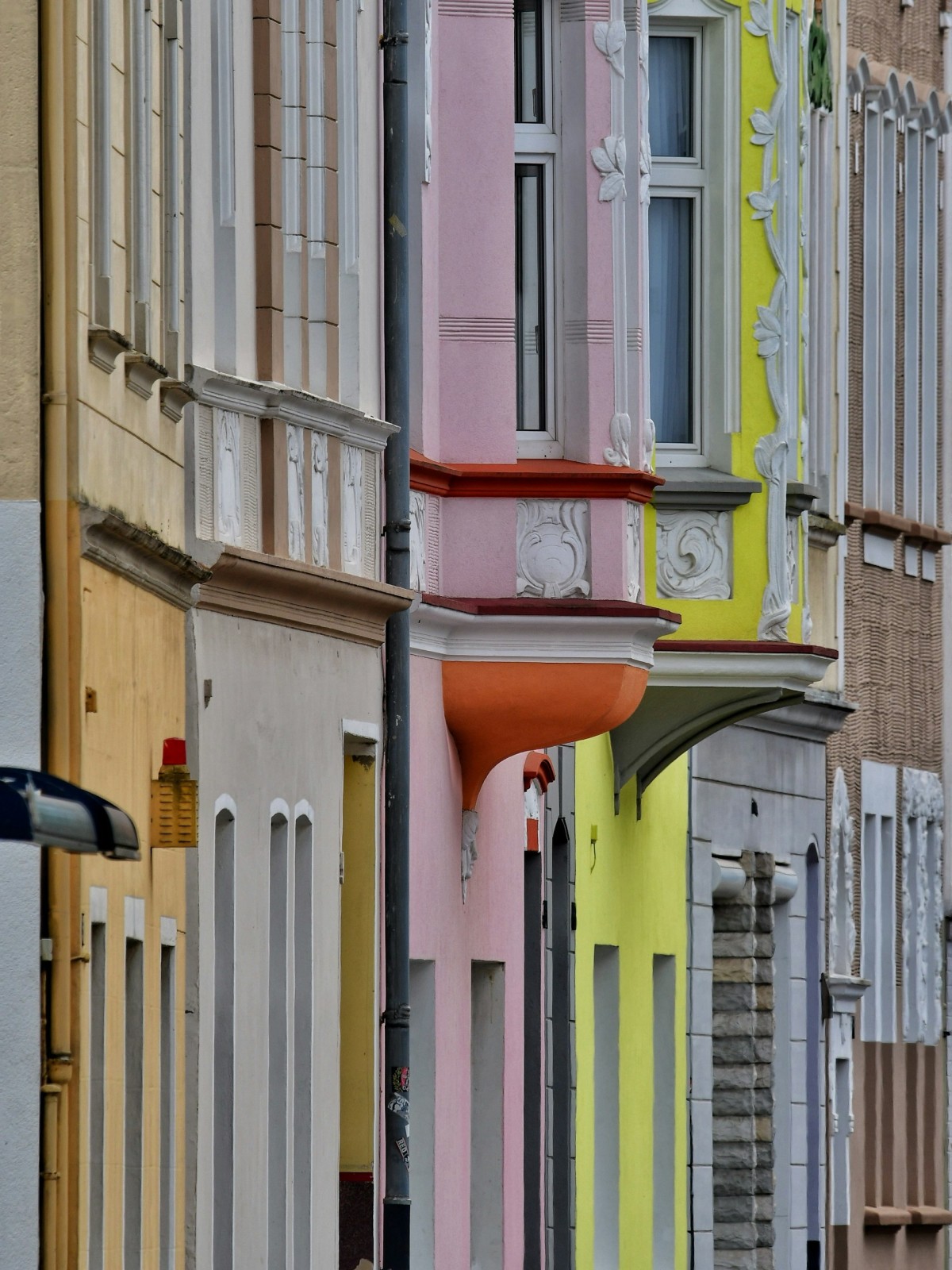
Japanisher Garten Leverkusen is one of the most famous sights of the city. The garden was created in 1912 and covers about 15,000 m2. Here you can see ponds with koi carp, East Asian plants, stone lanterns, sculptures and the Mikado Bridge. The contrast between a traditional Japanese garden and the nearby Chempark industrial complex is particularly unusual. Entrance is free.
Transport: from Leverkusen Mitte it is convenient to go by city bus towards Chempark, then a few minutes walk. It can also be reached by bicycle.
Time to visit: 1-1.5 hours.
2. Carl Duisberg Park (Carl-Duisberg-Park)
A large landscape park is directly adjacent to the Japanese Garden. It is pleasant to walk among old trees, lawns, alleys and decorative elements. Therefore, these two attractions are convenient to visit together.
Transport: The same routes as the Japanese Garden.
Time to visit: about 1 hour.
3. Castle of Morsbroch (Schloss Morsbroich)
Schlosspark des Museum Morsbroich is one of Leverkusen’s most interesting historical sites. The castle is surrounded by a picturesque park, and the museum is dedicated to contemporary art.
This is a good option for tourists who want to see not only the industrial Leverkusen, but also its historical side.
Transport: From Leverkusen Mitte you can take a city bus to the Alkenrath area, then walk. The car entrance is also convenient.
Time to visit: 1.5-2 hours.
4. Bay Arena (BayArena)
BayArena is the home stadium of Bayer 04 Leverkusen Football Club and one of the main modern attractions of the city.
For football fans, this is almost a must. You can combine a visit to the stadium with a football match or excursion program, if it is held.
Transport: From Leverkusen Mitte it is convenient to travel by bus or S-Bahn/bus service towards the Manfort/Bismarckstraße area. During matches, there is usually a reinforced transport connection.
Visit time: 1-3 hours depending on the program or match.
5. Neuland Park (Neuland-Park)
Neuland Park is a large park near the Rhine with an area of about 25 hectares. It originated in the former industrial zone and was completely transformed into a regional garden exhibition in 2005.
There are themed gardens, playgrounds, sports areas, mini golf, places for recreation, cafes and venues for events. The park is especially suitable for families and cyclists.
Transport: Leverkusen Mitte can be reached by bus or walk/bicycle. For motorists, the entrance is convenient from the A1/A59 side.
Time to visit: 1.5-3 hours.
6. Chempark Industrial Complex and Bayer Symbol
Chempark is an important part of the history of modern Leverkusen. It was Bayer’s industrial development that actually shaped the city in the twentieth century.
Nearby is the famous Bayer-Kreuz - a huge light logo of the company, which has become one of the symbols of the city.
Transport: The area is well connected to Leverkusen Mitte and the bus network. The industrial complex itself is an active industrial territory, so free access to production facilities is limited.
Time to visit: 30-60 minutes to explore the area and views.
7. Museum of Industry: Freudenthaler Sensenhammer
Industry Museumsfun Sensenhammer e.V. is a former sickle factory that preserves historic production facilities and equipment.
It is one of the best attractions to explore the pre-Bayer industrial history of the region. It is especially interesting for those who love technical museums and industrial heritage.
Transport: located in the Schlebusch area. The center will require a bus followed by a short walk.
Time to visit: 1-2 hours.
8. Villa Römer (Villa Römer)
Villa Römer - Haus der Stadtgeschichte is a historic building in the Opladen district, associated with the history of the city. There are exhibitions dedicated to the past of Leverkusen and its individual districts.
This is a particularly good site for those who want to understand what the region was like before the advent of Bayer’s major industry.
Transport: The most convenient way to get to Opladen is by regional train or bus, then on foot.
Time to visit: about 1 hour.
9. Hitdorf and the Rhine crossing (Hitdorfer Hafen / Rheinfähre)
Hitdorf is located directly off the Rhine. Here are the port, walking areas and the historic ferry crossing over the Rhine.
The place is especially pleasant in summer: you can combine a walk by the river, a bicycle trip and rest on the shore.
Transport: from the center of Leverkusen it is better to go by bus to Hitdorf. By car, the area is also easily accessible. A bicycle is one of the most enjoyable ways to get here.
Time to visit: 1.5-3 hours.
10. Wuppermund Navigable Bridge (Schiffsbrücke Wuppermündung)
This is an unusual historical site at the confluence of Wupper into the Rhine. It is interesting primarily for tourists who love technical structures, the history of transport and walks by the water.
Transport: It is most convenient to get by bus or bicycle, then walk along the river.
Time to visit: 30-60 minutes.
11. Wildpark Reuschenberg (Wildpark Reuschenberg)
This is a small natural park with animals, located in the green part of Leverkusen. A good option for families with children and for those who want to take a break from city attractions.
Transport: by bus to Reuschenberg, then on foot.
Time to visit: 1-2 hours.
1. Carnival (Karneval) - February
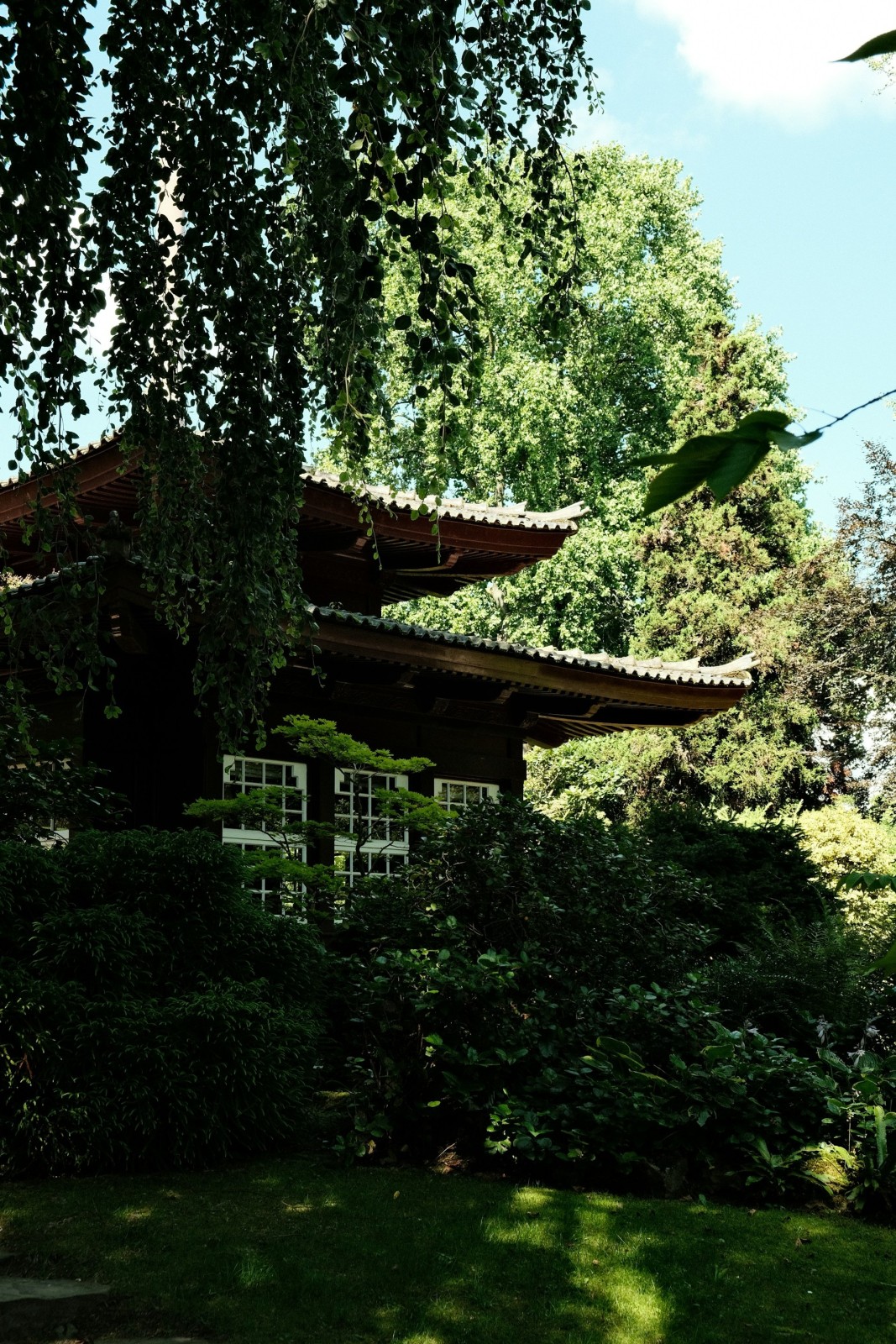
The most colorful traditional event of the city.
In February, carnival processions, costume events, concerts and festive meetings of carnival societies are held in Leverkusen. Weiberfastnacht and Rosenmontag are particularly important.
One of the central events is the carnival procession in Wiesdorf, where the streets are filled with decorated platforms, music and participants in costumes.
Best time: Feb. Who will especially like it: those who want to see the real festive atmosphere of the Rhineland.
2. Spring concerts and cultural events (March-April)
In spring, an active season of concerts, theater performances and cultural events begins. An important venue is Forum Leverkusen - KulturStadtLev, where concerts, performances, humorous shows and other performances take place.
City fairs and events are also held in the Leverkusen districts in spring.
Best time: March-April.
3. LEVliest! - Book Festival (Spring)
LEVliest! is Leverkusen’s literary week dedicated to books and reading. The program includes meetings with writers, readings, discussions and other literary events. The festival is interesting for those who prefer calm cultural tourism.
Best time: spring.
4. International Museum Day (May)
In May, the city's museums join the Internationaler Museumstag. On this day you can get on special excursions, exhibitions and events dedicated to history and art.
Especially interesting is the Museum Morsbroich and its historic castle with a park.
Best time: May.
5. Schlebuscher Volks- und Schützenfest - June
One of the largest traditional folk holidays of Leverkusen.
In the Schlebusch district, there are several days of fairs, attractions, concerts, performances and a traditional holiday of rifle societies. In 2026, the event took place on 4-7 June in Wuppermannpark, a pedestrian area and market square.
For tourists, this is one of the best ways to see local German traditions not in the museum, but directly in the city life.
6. Jecke Meile Leverkusen - June
An unusual summer event dedicated to carnival culture. In the pedestrian zone of Shlebush, scenes are set, carnival groups perform, family entertainment works and carnival carts are demonstrated.
Best time: early June.
7. Open-air festivals and concerts - June-September
In the summer, the number of concerts in open areas increases in the city. Performances are held in parks, cultural centers and small music clubs.
One of the famous places is topos - Leverkusen - a jazz club where music performances regularly take place.
Concerts and cultural programs are also held at Bayer Erholungshaus and other venues in the city.
Best time: June-September.
8. Bierbörse - August
Leverkusener Bierbörse is a popular summer festival dedicated to beer and gastronomy.
Visitors can try various beers, street food, listen to music and spend an evening outdoors. In 2026, the event was scheduled for August 7-9 in the Neue Bahnstadt Opladen area.
Best time: Aug.
Spring - March-May
Spring is gradually becoming warmer and sunnier.
March: about 10°C during the day and 2-3°C at night. The weather is changeable, rain is possible.
April: about 14–15 °C during the day and 5–6 °C at night. One of the relatively dry months, suitable for walks and excursions.
May: about 18-19 °C during the day and 9-10 °C at night. Nature is already green, it becomes comfortable to spend a lot of time outside.
For travel: May is one of the best months of spring.
Summer - June - August
Summer is the most comfortable period for exploring the city, parks and walks along the Rhine.
June: about 21–22 °C during the day and 12–13 °C at night.
July: around 23–24 °C during the day and 15 °C at night is the warmest month.
August: about 23 °C during the day and 15 °C at night. The weather is usually pleasant, but short-term rains and thunderstorms are possible.
In summer, it is especially convenient to visit the Japanese Garden, Neuland-Park, Schloss Morsbroich, the Rhine and other outdoor attractions.
Autumn - September - November
September: about 19–20 °C during the day and 11–12 °C at night. Summer weather is often still present.
October: about 14–15 °C during the day and 8–9 °C at night. It's getting cooler and rainier.
November: about 9–10 °C during the day and 4–5 °C at night. Days are shorter, the amount of cloudy weather increases.
For travel: the first half of September is especially good for walks and excursions.
Winter - December - February
Winter in Leverkusen is mild compared to many regions of Central and Eastern Europe.
December: about 6°C during the day and 1-2°C at night.
January: about 5-6 °C during the day and about 0-1 °C at night is the coldest period.
February: about 6-7 °C during the day and about 0 °C at night. Frost and snow are possible, but the stable snow cover for the city is uncharacteristic.
In winter, it is better to focus on museums, theaters, concerts, shopping centers and Christmas events, rather than long walks.
Leverkusen is located in North Rhine-Westphalia (Nordrhein-Westfalen), so the main language of communication is German. The city is located in the Rhineland, where the local culture of communication is more relaxed and open than in some other regions of Germany.
Language of communication
German is the main and official language. It is served in shops, restaurants, hotels, transport and government agencies.
English is widely used in hotels, tourist places, restaurants and among young people. However, it is not necessary to rely exclusively on English outside tourist sites.
Russian is not a common language of service. There are enough Russian-speaking residents in the region, but it is better to use German or English in official institutions and most establishments.
Addressing people
In Germany, it is customary to distinguish between the official Sie (“you”) and the informal du (“you”).
With strangers, employees of hotels, shops, banks and government agencies, it is safer to start with Sie. The transition to “you” usually occurs after a proposal from the interlocutor.
Guten Tag or Hallo can be used for greetings. A handshake in a formal situation is still possible, although a verbal greeting is sufficient in everyday communication.
Punctuality
Germans traditionally value punctuality. If you have agreed to meet at 15:00, it is advisable to come by about this time, and not be late for 15-20 minutes.
For excursions, trains, restaurants with reservations and business meetings, it is better to arrive a little in advance.
Lines and public spaces
In shops, cash desks, cafes and other establishments, you should observe the queue and not try to pass without a queue.
In public transport, it is advisable to let passengers go first, and only then go.
On buses and trains, you should speak quietly and not disturb other passengers.
Silence.
In Germany, it is very important to observe silence in residential areas.
It is especially important to avoid loud music, shouting and noisy parties late at night. Residential houses are usually especially strict about the period of night rest - from about 22:00 to 6:00.
On Sundays, it is also advisable not to make too much noise, such as using noisy machinery unnecessarily.
Tipping
In restaurants and cafes, tipping is not strictly mandatory, but for good service it is customary to leave them.
Usually you can focus on about 5-10% of the amount. When paying with a card, you can call the total amount already taking into account tips.
In the taxi you can also round the amount.
Restaurants and cafes
In Germany, you shouldn’t expect a waiter to come to the table all the time. After a meal, you can ask for a bill:
Die Rechnung, bitte. - Check, please.
If you want to pay separately:
Getrennt, bitte. - Separately, please.
In some restaurants, it is advisable to book a table in advance, especially in the evening and on the days of major events.
Alcohol
Alcohol is legal but should be used responsibly. Beer and wine have an important place in the local culture, but being drunk or aggressive in a public place can lead to problems with the police.
It is especially important not to drive after drinking alcohol.
Smoking
Smoking is prohibited in many closed public places, restaurants and public transport. For this purpose, specially designated places are used.
Do not smoke near children, at the entrances to buildings or where there are appropriate prohibitions.
Garbage and waste sorting
In Germany, much attention is paid to garbage sorting. Hotels, apartments and public spaces may have separate containers for paper, glass, packaging and organic waste.
You should not throw garbage on the street - fines can be applied for this.
Plastic and glass bottles with Pfand collateral can be handed back to stores and received a deposit.
Photography rules
In public places, it is usually possible to photograph buildings, streets and attractions. But you should not take close-up pictures of people without permission, especially children.
In museums and exhibition centers, it is necessary to look at the rules of a particular object: sometimes photography is prohibited or allowed only without a flash.
Bicycles
Leverkusen is well suited for cycling. Cyclists must comply with the rules of the road.
Do not walk on a specially designated bike path if a separate area is provided for pedestrians. When crossing the road, you need to pay attention not only to cars, but also to cyclists.
Public transport
In buses and trains, you must have a ticket before the start of the trip, if a pre-purchase or validation is provided for a particular mode of transport.
Ticketless travel in Germany can result in a substantial fine. Therefore, it is better for a tourist to figure out in advance what ticket is required and whether it should be composted.
Documents
When traveling, you should carry a valid passport or other identity document, as well as the necessary documents for entering the Schengen area.
It is advisable to keep a copy of the passport and insurance policy separately from the originals.
1. Greetings and courtesy
Hallo! Hello! / Hello! Transcription: [Hallo]
Guten Morgen! - Good morning!
Guten Tag! - Good afternoon! - Hello!
Guten Abend! - Good evening!
Gute Nacht! - Good night!
Tschüss! - Bye!
Auf Wiedersehen! - Goodbye!
Bitte! - Please.
Danke! - Thank you!
Vielen Dank! - Thank you very much.
Entschuldigung! - Excuse me!
Kein Problem! - No problem!
Gern! Gerne! - With pleasure! Please!
2. If you don't know German
Sprechen Sie Englisch? - Do you speak English?
Sprechen Sie Russisch? - Do you speak Russian?
Ich spreche nur ein bisschen Deutsch. - I speak German only a little.
Ich verstehe nicht. - I don't understand.
Können Sie das bitte wiederholen? - Can you say it again?
Können Sie bitte langsamer sprechen? - Could you speak more slowly?
Was it bedeutet das? - What does that mean?
Wie sagt man das auf Deutsch? - How do you say that in German?
Können Sie mir helfen? - Can you help me?
3. At the hotel.
Ich habe eine Reservierung. - I have a reservation.
Ich habe ein Zimmer reserviert. - I've booked a room.
Auf welchen Namen? - What name?
Mein Name ist - My name is...
Wann ist der Check-in? - When is the settlement?
Wann ist der Check-out? - When's the eviction?
Ist das Frühstück inklusive? - Is breakfast included?
Wo ist mein Zimmer? - Where's my number?
Können Sie mir ein Taxi rufen? - Can you call me a taxi?
Mini-dialogue at the hotel
Tourist: Guten Tag! Ich habe eine Reservierung. I have a reservation.
Rezeption: Auf welchen Namen?
Tourist: Auf den Namen Müller.
Rezeption: Einen Moment, bitte. One minute, please.
4. Restaurant and café
Einen Tisch für zwei, bitte. - Table for two, please.
Die Speisekarte, bitte. - Menu, please. [Speizecarte, bitte]
Was empfehlen Sie? - What do you recommend?
Was wast typisch für Leverkusen? What is typical of Leverkusen?
Ich nehme das. - I'll take it.
Ich möchte - I'd like to.
Ein Bier, bitte. - One beer, please.
Ein Wasser ohne Kohlensäure, bitte. - Water without gas, please.
Die Rechnung, bitte. - Check, please. [Di Rehnung, Bitte]
Kann ich mit Karte bezahlen? - Can I pay with a card?
Zusammen, bitte. - Together, please.
Getrennt, bitte. - Separately, please.
Dialogue in the cafe
Tourist: Guten Tag. Einen Tisch für zwei, bitte. Hello there. Table for two, please.
Bedienung: Natürlich. Hier, bitte. Sure. Here you go.
Tourist: Was empfehlen Sie?What do you recommend?
Bedienung: Probieren Sie unser Tagesgericht. Try our dish of the day.
Tourist: Gut. Das nehme ich. Good. I'll take that.
5. At the station.
For trips around the region, the words:
der Bahnhof - station [Der Banhof]
der Zug - train [der zuk]
der Bus - Bus [Der Boos]
die Straßenbahn - tramway
die U-Bahn - subway
die S-Bahn, the city's electric train
die Haltestelle - stop [di'halteshtelle]
die Fahrkarte (ticket)
der Fahrplan - Schedule [Der Pharplan]
Die Abfahrt - Departure
Die Ankunft - Arrival
Useful questions
Wo ist der Bahnhof? - Where's the station?
Wo ist die Bushaltestelle? - Where's the bus stop?
Wann fährt der nächste Zug? - When does the next train leave?
Wie komme ich nach Köln? - How do I get to Cologne?
Fährt dieser Zug nach Düsseldorf? Is this train going to Düsseldorf?
Wo muss ich umsteigen? - Where do I need to move?
Wie viel kostet die Fahrkarte? - How much is the ticket?
1. Food and drink
Moritz Fiege beer is a good option for exploring the beer culture of the Ruhr region. You can bring several bottles or cans, if the rules of alcohol allow.
Rhine sausages and meat delicacies are traditional German sausages, smoked meats and meat products. Veterinary and customs restrictions must be taken into account for transportation by air and across borders.
Mustard is German mustard of different types: spicy, sweet, grainy. A convenient and inexpensive gastronomic souvenir.
Rhine sweets - chocolate, marzipan, biscuits, waffles and seasonal pastries. They are well suited as small gifts.
Honey and local bee products can be found in markets and small farm fairs.
Coffee and tea - German coffee, herbal and fruit tea mixtures are convenient to transport, and the choice in stores is large.
2. Products related to the region
Leverkusen is especially characterized by products and souvenirs with the symbols of the Rhineland and the Ruhr region.
You can look up:
products depicting the Rhine;
regional sweets;
mugs called Leverkusen;
local beers;
Nordrhein-Westfalen gastronomic sets;
products labeled Ruhrgebiet or Rheinland.
Such gifts better convey the atmosphere of the region than ordinary German souvenirs.
3. Useful pharmacy products
In German Apotheke and cosmetics stores you can buy products that tourists often bring home:
Herbal teas are chamomile, mint, sage, melissa and various mixtures.
Bath salts are a practical and relatively compact gift.
Cosmetics based on thermal water and mineral components - creams, lotions and skin care products.
Creams for hands and feet – German pharmacy cosmetics is known for a good ratio of price and quality.
Sunscreens - creams with SPF and after tanning.
Herbal remedies for colds - teas, lozenges and other over-the-counter remedies. When choosing drugs, it is important to take into account contraindications and instructions, and prescription drugs without an appropriate purpose should not be purchased.
4. Souvenirs linked to Bayer
The history of Bayer is closely connected with the development of Leverkusen, so souvenirs with the company’s symbols are especially interesting.
It can be purchased:
Bayer mug;
T-shirt or cap;
pens and stationery;
historical postcards;
books about the history of Bayer and Leverkusen;
Small objects with the image of Bayer-Kreuz.
For a person interested in the history of industry, such a gift will be much more interesting than a standard magnet.
5. Bayer 04 Leverkusen Souvenirs
For a football fan, the most obvious choice is the Bayer 04 Leverkusen attributes:
football shirt;
scarf;
cap;
flag;
cup;
keychain;
football;
Souvenir products with the symbols of the club.
A particularly good option is to purchase such a thing directly in the BayArena area.
6. Souvenirs with industrial themes
Leverkusen and the entire Rhine-Ruhr region have a rich industrial past. Therefore, interesting souvenirs will be:
a miniature miner's lamp;
miner's figure;
metal models of industrial equipment;
postcards with old factories;
books on the industrial history of the region;
decorative products made of metal;
Souvenirs marked Ruhrpott.
This gift is especially suitable for collectors and people interested in the history of German industry.
Leverkusen is considered a fairly safe city for tourists. Serious crimes in tourist areas are rare, but the usual precautions should be followed, especially at train stations, on public transport, near major events, football matches and in the evening.
1. What documents are needed
To travel to Leverkusen, you must have:
Foreign passport – valid during the trip; to enter Schengen it must meet the requirements for the validity period.
Schengen visa if it is required for the citizenship of the tourist.
Tickets or itinerary confirmation may be required at border control.
Confirmation of residence - hotel reservation, apartment or invitation.
Health insurance is especially important for Schengen visa holders.
It is advisable to have copies of passport, visa and insurance separately from the originals.
If a tourist travels with a visa, border guards may also ask to confirm the purpose of the trip and the availability of sufficient funds for the stay.
2. Health insurance
For tourists, insurance is very desirable even when it is not a separate mandatory document for a specific entry regime.
For a Schengen visa, health insurance must cover emergency medical care, hospitalization and repatriation; the minimum amount of coverage is 30,000 euros, and insurance must be valid throughout the Schengen area and for the entire duration of the trip.
It is better to choose a policy that additionally includes:
hospital treatment;
call an ambulance;
emergency dentistry;
medical transportation;
repatriation;
baggage insurance;
civil liability.
If a tourist has an EHIC/European Health Insurance Card, it can make it easier to get the necessary public health care, but does not replace full travel insurance.
3. Emergency services phones
The main numbers that should be saved on the phone:
112 is a single emergency number: ambulance, firefighters and rescuers.
110, police.
116 117 - medical care in non-emergency situations and on duty medical service.
116 116 – blocking certain bank cards and other services.
115 is the German State Information Service.
If there is an immediate threat to life, serious injury, fire or crime, call 112 or 110.
4. Mobile communications
In Germany, tourists can use both a German SIM card and roaming of their operator.
Main mobile networks in Germany:
Telekom Deutschland is the D1 network.
Vodafone is a D2 network.
Telefónica Germany/o2 is the E2 network.
1&1 is a mobile network that actively develops its own infrastructure.
The German Federal Network Agency confirms the existence of these main networks, with many virtual operators using the infrastructure of one of them.
In Leverkusen, as in the large city of North Rhine – Westphalia, mobile communication is generally well developed. Before traveling, it is advisable to check:
Does roaming work?
the cost of mobile Internet;
Is roaming allowed in Germany at your rate?
Is there a limit to the amount of data?
5. What to pay attention to the tourist
The most common problems that a tourist may face:
pickpocketing at train stations and in crowded transport;
Theft of unattended items;
fraud near tourist and transport facilities;
problems after consuming large amounts of alcohol;
Theft of bicycles;
minor conflicts during major football and carnival events.
It is especially worth watching things in the Leverkusen Mitte area, at railway stations, during carnival and near BayArena on match days.
On evening walks, it is better to use illuminated streets and not to demonstrate expensive equipment, large amounts of money and documents.
6. Security on the Rhine
When resting near the Rhine, care must be taken. Leverkusen has promenades, the port of Heathdorf and walking areas, but the Rhine is not the usual safe beach for swimming.
Strong currents, shipping, whirlpools and a sharp change in water level make self-bathing potentially dangerous. Especially do not go into the water near shipping areas and ports.
7. Rules of conduct
The tourist should be aware of several German rules:
Do not cross the road at a red light.
Do not walk on bicycle paths without necessity.
Have a valid ticket on public transport.
Keep quiet in residential areas, especially at night.
Do not throw garbage in the wrong place.
Do not take close-up pictures of people without their consent.
Don't leave things unattended.
Do not drive after drinking alcohol.
8. How long can you stay in Germany?
For tourists who are allowed visa-free entry to Schengen, the standard rule is no more than 90 days in any 180-day period.
It is important that these 90 days are counted not only for Germany, but for the whole Schengen area. For example, if a tourist spent 20 days in France, then 30 days in the Netherlands and then came to Leverkusen, out of the standard 90 days, he will only have 40 days.
Departure from Germany to another Schengen country does not nullify the period.
For stays longer than 90 days, a German national visa or residence permit is usually required.
Create a query and local guides will offer you the best options

