Independent tourism and recreation in Oberhausen Historical information about the city of Oberhausen 1. The fi...
1. The first settlements and origin of the city
Oberhausen is located in the federal state of North Rhine-Westphalia in western Germany. Its history is closely connected with the development of the Ruhr region. In the Middle Ages, the territory of the modern city was a countryside with small settlements, fields, forests and estates. The inhabitants were engaged in agriculture, livestock and crafts.
The name of the city is associated with the local estate and settlement, near which a railway station later appeared. Until the XIX century, there was no major urban center, and agriculture remained the basis of local life.
2. The Railroad and the Beginning of Industrialization
Decisive changes began in the 1840s, when the development of railway communication turned Oberhausen into an important transportation hub. The railway connected the industrial areas of the Ruhr with other regions of Germany and facilitated the transportation of coal, metal and industrial products.
Soon, enterprises, warehouses and working settlements began to appear around the station. Found in the Ruhr region deposits of coal contributed to the development of mining industry, metallurgy and mechanical engineering. The former rural area gradually turned into an industrial center.
3. The rise of coal and metallurgy
In the second half of the XIX century Oberhausen became one of the important centers of heavy industry in Germany. Mines, metallurgical plants, machine-building enterprises and railway workshops developed here.
A special role was played by the industrial complex Gutehoffnungshütte, which produced metal, equipment and machinery for mines, railways and other industries. The enterprises employed thousands of people and attracted immigrants from different parts of Germany.
Industrial growth changed the face of the city: working quarters, schools, churches, shops and public institutions were built. One notable example of a working-class settlement was Eisenheim, founded in 1846. With the growth of the population, labor organizations and trade unions were formed, advocating for better working conditions.
4. Obtaining city rights and unification of territories
In 1862 the municipality of Oberhausen was established, and in 1874 the settlement received city rights. The development of industry was accompanied by the construction of roads, residential buildings and administrative buildings.
The modern city was formed as a result of the merger of several industrial territories. Oberhausen developed around a railway station and metallurgical enterprises, Sterkrade was associated with metallurgy and mechanical engineering, and Osterfeld with early iron and coal production.
In 1929 these territories were united into one city. This made it possible to create a large municipal center, which preserved several historical districts with their own characteristics.
5. Oberhausen in the early twentieth century
At the beginning of the XX century, the city continued to develop as an industrial center. Gutehoffnungshütte enterprises produced steel, bridge structures, equipment and machines. Residential quarters increased, the transport network expanded, and public institutions opened.
The First World War of 1914-1918 disrupted the habitual life of citizens. Industry worked for the war economy, many men were mobilized, the population faced shortages of goods and rising prices. After the war, economic hardship, inflation, and labor conflicts complicated the situation of working families.
Despite instability, industry continued to be the backbone of Oberhausen's economy.
6. World War II and its consequences
After the Nazis came to power in 1933, independent trade unions were liquidated and political opponents were persecuted. Oberhausen's industrial enterprises became an important part of the German war economy. During the war, forced labor was used.
Because of the large factories, railway junctions and metallurgical enterprises, the city was subjected to aerial bombardment by the Allies. Residential buildings were destroyed, production facilities and transport infrastructure were damaged.
In the spring of 1945, the war ended, leaving behind human losses, a shortage of housing and goods, and the need for a large-scale reconstruction of the city.
7. Post-war recovery and economic recovery
After 1945, residents and city authorities began rebuilding homes, roads, railways and businesses. The resumption of industrial production provided jobs and contributed to the economic revival of the region.
Gradually, cultural life also developed. A new theatre opened in 1949 and the first West German Short Film Days were held in 1954. Over time, this event turned into the International Short Film Festival in Oberhausen, which gained fame far beyond the city limits.
In the post-war decades, Oberhausen remained an important industrial center, but dependence on the coal and steel industries gradually created economic risks.
8. The Heavy Industry Crisis
Since the second half of the XX century, the coal and metallurgical industry of the Ruhr region has faced serious difficulties. Declining demand for some coal, rising costs and international competition have led to production cuts and plant closures.
For Oberhausen, this meant losing jobs and changing lifestyles. Many families have been linked to mines and factories for generations, so the industrial crisis has affected not only the economy but also the social fabric of the city.
One of the symbols of the industrial past was the Oberhausen gasometer. After the termination of operation in 1988, the building was not demolished, but converted into an exhibition space. In the 1990s, it became one of the city’s most famous cultural sites.
9. Urban transformation and tourism development
In the 1990s, Oberhausen began actively rebuilding former industrial areas. One of the main projects was the creation of the Neue Mitte Oberhausen.
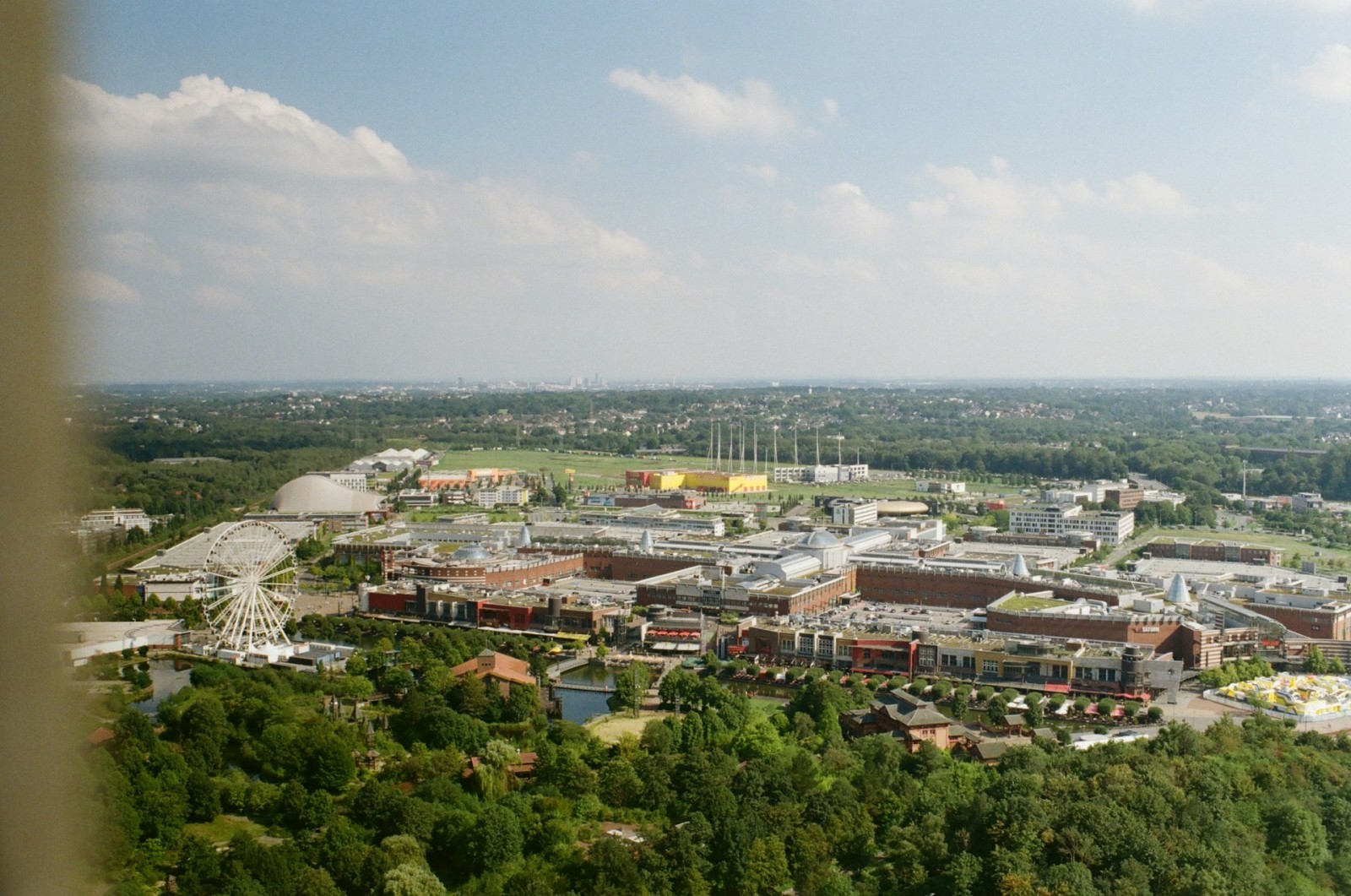
In 1996, the CentrO shopping and entertainment center opened, around which restaurants, walking areas and entertainment facilities appeared. The new complex has helped develop services, attract visitors from other cities in the Ruhr region and create jobs outside of traditional industry.
At the same time, the city began to pay more attention to the preservation of industrial heritage. Former factory buildings, work settlements and industrial structures have gained new cultural significance.
An important historical site is the smelter of St. Antony-Hütte, founded in 1758 in Osterfeld. It is considered one of the earliest centers of iron production of the Ruhr region and helps to understand the origins of the industrial development of this territory.
10. Modern Oberhausen and its historical significance
Today, Oberhausen combines industrial heritage with trade, culture, tourism and modern public spaces. The gasometer, the historic Eisenheim labor colony, museum sites, and former industrial grounds recall a time when the city was defined by mines, metallurgy, and engineering.
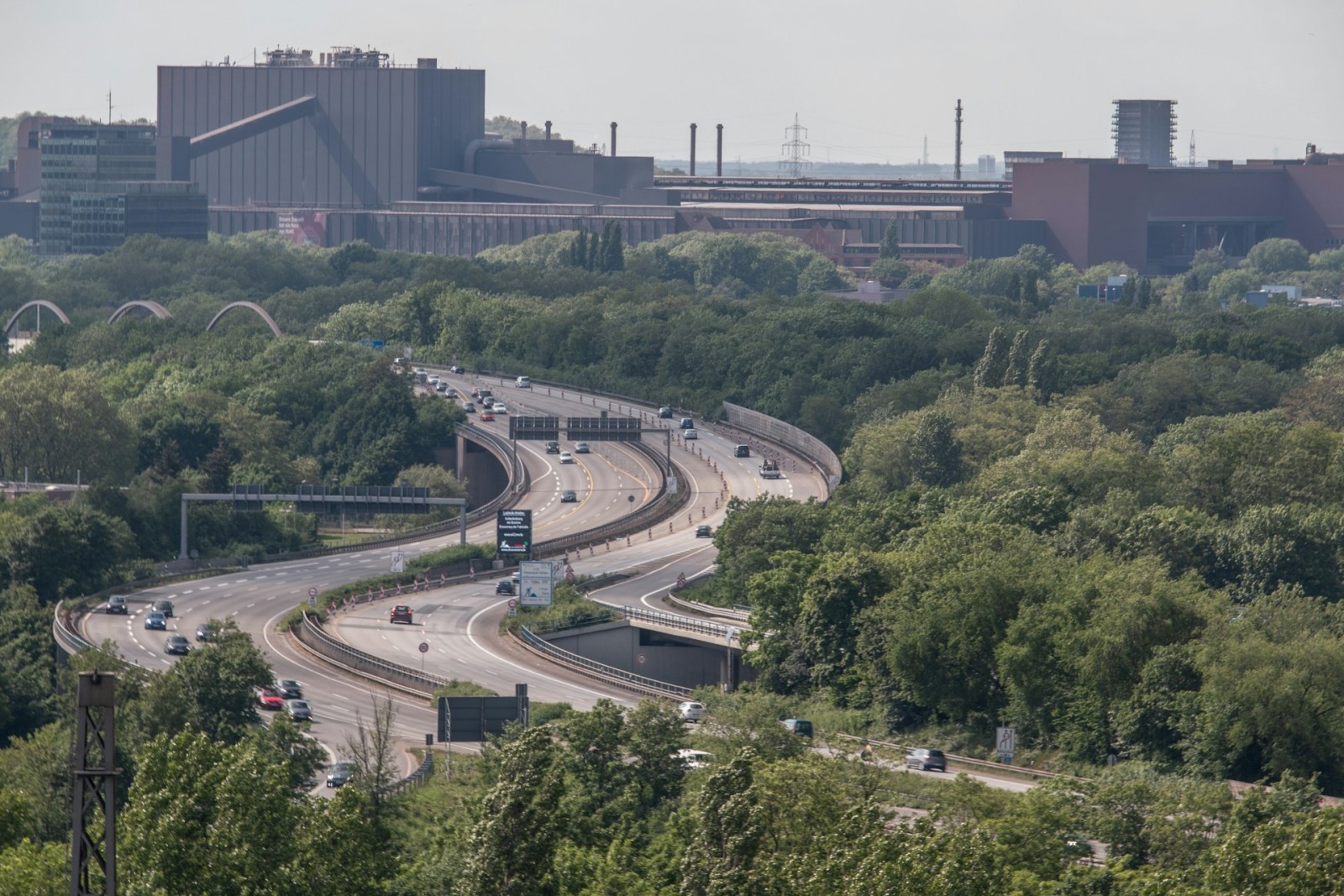
1. Industrial heritage. Oberhausen attracts tourists with the history of industrial development of the Ruhr region. Former factory areas, old working quarters and industrial structures allow you to get acquainted with the past of the city and see how industrial facilities received a new purpose.
2. Gasometer Oberhausen Gasometer Oberhausen One of the main symbols of the city is the former gasholder, turned into an exhibition space. Large-scale art and scientific and educational exhibitions are held here, and from the upper level panoramic views of the city and the surrounding area open.
3. Trade and entertainment. The Centr O complex in the Neue Mitte area combines shops, restaurants, cafes and entertainment facilities. It is suitable for family holidays, shopping and walking, especially in rainy weather.
4. Historic worker settlements. Eisenheim introduces visitors to the life of miners and factory workers of the XIX-XX centuries. The surviving houses and the layout of the quarter allow you to imagine how families lived during the period of the industrial rise of the Ruhr.
5. Museums and history of metallurgy. St. Antony-Hütte tells about the early development of iron production in the region. The museum exhibits help to understand how small businesses have gradually transformed the Ruhr into one of Germany’s leading industrial regions.
6. Cultural life. Oberhausen is known for the International Short Film Festival, theatrical productions, exhibitions and concerts. During the year, cultural events are held here, which make the city interesting not only for lovers of industrial history.
7. Rest with the kids. In the city and its surroundings there are entertainment centers, playgrounds, family restaurants and spaces for walking. The shopping and entertainment district of Neue Mitte is especially convenient for families looking to combine shopping and leisure.
8. Parks and walking trails. Despite its industrial past, Oberhausen has green spaces, parks and places to relax. Walking through different areas allows you to see the contrast between historical buildings, former factory sites and modern urban environment.
9. Convenient transport links. The city is located in the center of the Ruhr agglomeration, so it is convenient to include it on a trip to western Germany. Rail links and regional public transport make it possible to reach neighbouring cities including Essen, Duisburg and Dortmund.
10. Regional cuisine and gastronomy. In restaurants and cafes, you can try traditional dishes of North Rhine - Westphalia, German sausages, potato dishes, schnitzels and pastries. In the shopping and entertainment areas there is a wide range of establishments with German and international cuisine.
1. High-level hotels - 4 stars
Hotels of this category are suitable for tourists who appreciate comfortable rooms, quality service, restaurants and additional services.
Parkhotel Oberhausen is a comfortable hotel with a restaurant, bar and sauna. Suitable for family holidays, business trips and acquaintance with the city.
Hotel Oberhausen Neue Mitte affiliated by Meliá is located next to Westfield Centro. Convenient for shopping, visiting exhibitions, concerts and family entertainment.
NH Oberhausen is located in the central part of the city, near the train station. Suitable for tourists planning trips to the Ruhr region.
Hotel & Restaurant Schmachtendorf is a hotel with a restaurant in a quieter part of the city. Suitable for travelers who prefer to relax away from busy shopping areas.
2. Mid-range hotels - 3 stars
Such hotels offer comfortable rooms, private bathroom and basic services at a reasonable cost.
Holiday Inn Express Oberhausen is a modern hotel near Westfield Centro. Convenient for short trips and visits to entertainment facilities.
Hotel Residenz Oberhausen is located in the central part of the city. Suitable for families and tourists planning to stay for a few days.
Hotel Zur Post is a small hotel in the Shterkrade area, convenient for exploring the northern part of the city and traveling by public transport.
3. Budget hotels
Inexpensive hotels are suitable for tourists who need practical accommodation without additional costs for premium service.
Super 8 by Wyndham Oberhausen is a budget chain hotel in the Neue Mitte area, close to shops and entertainment facilities.
B&B Hotel Oberhausen am Centro is a practical option for a weekend trip, shopping mall or concert.
Elaya hotel oberhausen is a hotel in the central part of the city, convenient for access to shops, cafes and public transport.
4. Hostels and guesthouses
Hostels and small boarding houses reduce the cost of living. They are suitable for solo travelers, young people and tourists who spend most of their time outside the hotel.
In Hostel Veritas is a budget hostel in a building with an industrial history. Suitable for independent travel in Oberhausen and neighboring cities.
Haus Union Oberhausen is a simple accommodation option for tourists who are interested in affordable cost and the ability to use urban transport.
Private guesthouses and boarding houses offer separate rooms and sometimes breakfast. Before booking, it is recommended to clarify the availability of your own bathroom and accommodation conditions.
1. Gasometer Oberhausen Gasometer Oberhausen
Type: industrial architecture, exhibitions, panoramic views.
The gasometer is the main attraction of the city and one of the most famous monuments of the industrial heritage of the Ruhr region. The former gas storage facility has been converted into an exhibition space, where large-scale exhibitions dedicated to art, nature, science and the surrounding world are held. From the upper level of the building you can see the city and the surrounding area.
Transport accessibility: From Oberhausen Hauptbahnhof main train station, you can take a bus or tram to the Neue Mitte stop and then walk. It is convenient to get by car on the A42 motorway; there are parking lots nearby.
2. Shopping and entertainment center Westfield Centro
Type: shopping, restaurants, family vacation.
Westfield Centro is a large shopping and entertainment complex located in the Neue Mitte area. There are numerous shops, cafes, restaurants and entertainment facilities. There are other popular tourist sites nearby, so visiting the center is convenient to combine with sightseeing.
Transport accessibility: From the centre of Oberhausen you can take the city bus or tram to the Neue Mitte stop. Large parking areas are provided for motorists.
3. Aquarium SEA Life Oberhausen
Type: family vacation, marine and freshwater fauna.
SEA LIFE introduces visitors to the underwater world. The aquarium presents various types of fish and other aquatic animals, thematic exhibitions and underwater tunnels. It is a popular place for families with children and nature lovers.
The aquarium is located near Westfield Centro. Neue Mitte stop can be reached on foot. When traveling by car, it is convenient to use the parking lots of the shopping and entertainment complex.
4. LEGOLAND Discovery Centre Oberhausen
Type: children's entertainment and interactive exhibitions.
LEGOLAND Discovery Centre offers play areas, models of famous buildings from the LEGO constructor, interactive rides and entertainment for children. The center is especially suitable for families with children of primary school age.
Accessibility: located in Westfield Centro. It is convenient to get to it by bus or tram to the Neue Mitte stop, and then walk. Parking is available for the shopping complex.
5. Oberhausen Palace and Ludwig Art Gallery (Schloss Oberhausen, LUDWIGGALERIE)
Type: historical architecture, art, exhibitions.
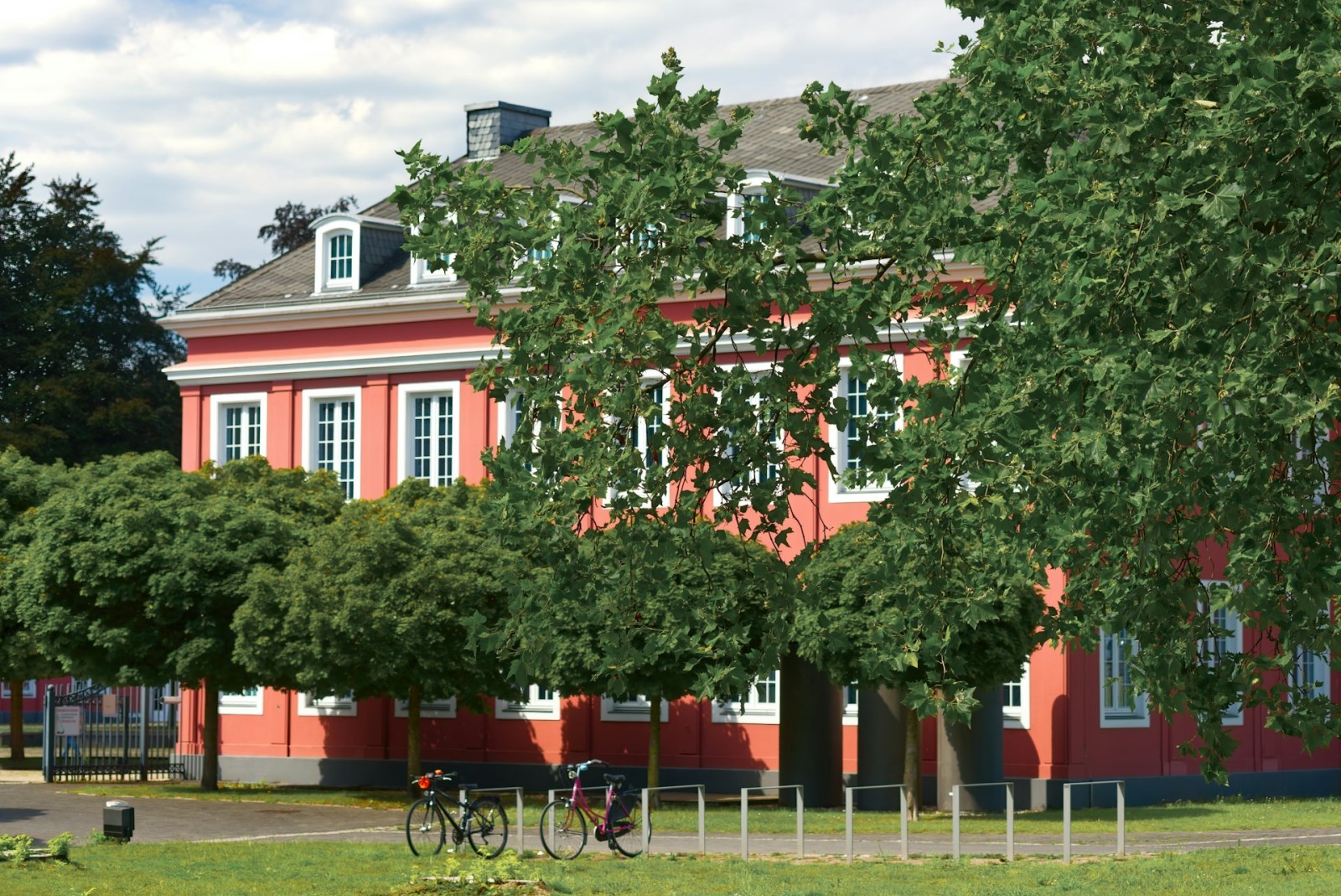
The Oberhausen Palace is a classical architectural structure that houses the Ludwig Art Gallery. Exhibitions of painting, photography, graphics and modern art are held here. The building is surrounded by Kaisergarten Park, so a visit to the gallery can be combined with a walk in nature.
Transport accessibility: from Oberhausen Hauptbahnhof you can take the city bus to the stop Schloss Oberhausen. There are parking spaces near the palace.
6. Kaisergarten Park (Kaisergarten)
Type: nature, walks, rest with children.
Kaisergarten is one of the famous Oberhausen city parks. There are walkways, green areas, playgrounds and a small zoo with animals. The park is suitable for relaxing holidays, family walks and picnics.
Transport accessibility: The park is next to the Oberhausen Palace. It can be reached by bus to stops in the Schloss Oberhausen area. From the central areas you can also come by bicycle or car.
7. Slinky Springs to Fame (Slinky Springs to Fame)
Type: modern art, architecture, walks.
This unusual pedestrian bridge over the Rhine-Herne Canal is distinguished by a spiral design and bright design. It connects walking spaces and serves as a notable example of contemporary art in an urban environment. It is especially interesting to explore the bridge during the evening walk.
Transport accessibility: The bridge is located next to Kaisergarten and the Oberhausen Palace. It is most convenient to combine a visit with a walk in the park. The Schloss Oberhausen stop can be reached on foot.
8. Eisenheim (Siedlung Eisenheim)
Type: Historical architecture, industrial heritage.
Eisenheim is one of the oldest working-class settlements in the Ruhr region, construction began in 1846. The surviving houses allow you to get acquainted with the living conditions of working families during the industrialization of Germany. This place is especially interesting for those who study the history of industry and social development of the city.
Transport accessibility: the settlement is located in the Osterfeld area. From the center of Oberhausen can be reached by city bus and then walk. By car, it is more convenient to use navigation by the name of the settlement and the nearest permitted parking places.
9. St. Antony-Hütte (St. Antony-Hütte)
Type: Museum of Industrial History.
The smelter of St. Anthony was founded in 1758 and is considered one of the earliest centers of iron production in the Ruhr region. The museum tells about the development of metallurgy, iron production technologies and the emergence of an industrial region.
Transport accessibility: the facility is located in the Klosterhardt area. From the city center you will need a bus ride with a possible transfer and a small pedestrian plot. It is usually easier to get by car; you should check the operating mode of the museum before visiting.
10. LVR-Industriemuseum Peter-Behrens-Bau
Type: industrial architecture, design, history of technology.
The Peter Behrens building originally served as the main warehouse of the Gutehoffnungshütte industrial complex. Today it is associated with the activities of the industrial museum and is of interest to lovers of architecture, engineering and production history. The expositions acquaint visitors with the development of industry and design.
Transport accessibility: The museum is located on Essener Straße. From the main train station you can get by public transport in the direction of Neue Mitte, and then walk. When traveling by car, the availability of parking and the mode of operation of exhibition spaces should be taken into account.
11. Fondern Castle (Burg Vondern)
Type: Medieval architecture, history of the region.
Fondurn Castle is a historical structure associated with the past of the territory of Oberhausen. It features the traditional architecture of the ancient Lower Rhine castles and is used for cultural events. This is a good place to get acquainted with the history of the city before the industrial boom.
Transport accessibility: The castle is located in the Osterfeld district. It can be reached by city bus followed by a short walk. The car should focus on the nearest permitted parking.
12. Rhein-Herne-Kanal (Rhein-Herne-Kanal)
Type: walking, cycling routes, industrial landscapes.
The Rhine-Herne Canal plays an important role in the industrial history of the Ruhr region. Today, its shores are used for walking, cycling and outdoor recreation. The canal offers views of the gasometer, modern public spaces and industrial facilities.
Transport accessibility: Walking routes can be accessed from Neue Mitte or from Kaisergarten. Buses run along nearby streets, and bike paths allow you to travel between several attractions without a car.
13. Theater Oberhausen (Theater Oberhausen)
Type: theater, cultural events.
The City Theatre offers dramatic productions, modern performances and cultural programs. It will be interesting for travelers who want to get acquainted with the cultural life of the city outside of museums and shopping centers.
Transport accessibility: The theatre is located in the central part of Oberhausen. The main train station can be reached on foot or by city bus, depending on the route chosen.
Events and entertainment in Oberhausen
1. Spring activities
1. Spring Fair and Folk Festivities (Frühlingskirmes) - in spring, fairs with rides, trade tents, treats and entertainment for the whole family can be held in the city and neighboring areas. The dates and program change annually.
2. Carnival events (Oberhausener Karneval) - Carnival season begins in November, but its culmination falls on the period before Lent, usually in February or early March. The city hosts costumed evenings, performances of carnival societies and street processions.
3. Concerts and theatrical productions - in the spring you can visit concerts, comedy shows, theater performances and musical performances. The programs organize concert venues, the Oberhausen Theatre and the cultural centers of the city.
2. Summer holidays and festivals
1. Sterkrader Fronleichnamskirmes is one of the largest and most famous events in the city. It usually takes place in late May or June, during the feast of the Body and Blood of Christ. On the streets, rides, trade tents and points with food are installed, entertainment programs are organized. The fair attracts a large number of visitors from different parts of Germany.
2. Olgas Rock Music Festival is an open-air summer festival dedicated to rock music and other modern trends. Performances are held in open areas, and the atmosphere of the event is suitable for lovers of live music and youth culture. The festival is traditionally associated with Olga Park in Osterfeld.
3. Ruhr in Love is a large-scale electronic music event held in Oberhausen and attracted DJs and dance music fans. Before the trip, it is worth checking whether the next event is planned in the city: the venue and the status of the festival may change.
4. Summer Music Night in the city center (Musik-Sommer-Nacht) - musical performances on city venues, concerts and outdoor entertainment programs. This is an opportunity to combine a walk in the center with listening to live music.
5. Concerts and shows in Rudolf Weber-Arena - in summer and in other seasons, German and foreign performers perform here, large-scale shows and sports and entertainment events take place. The program depends on tours.
3. Autumn activities
1. Schmachtendorfer Krööößkirmes is a traditional district event, usually held in autumn. Visitors are waiting for rides, treats and family entertainment.
2. Koenigshardt Fair (Königshardter Wottelkirmes) is a local autumn festival with folk festivals, shopping tents and entertainment program. It preserves the tradition of Oberhausen district fairs.
3. Gasometer Oberhausen exhibitions – throughout the year there are large-scale thematic exhibitions dedicated to nature, art, science and history. Autumn is suitable for visiting exhibitions, especially in rainy weather.
4. Concerts, musicals and comedy shows - the active theatrical and concert season begins in autumn. Performances are held at the Metronom Theater, Rudolf Weber-Arena, Ebertbad and other cultural spaces.
4. Winter holidays and Christmas markets
1. Christmas markets near Westfield Centro (Centro Weihnachtsmärkte) - festive fairs usually open in November and last until December. There are decorated shopping houses, sell gifts, handmade goods, sweets and traditional winter treats.
2. The City-Adventszauber Oberhausen (City-Adventszauber Oberhausen) is a pre-Christmas celebration with music, performances, themed evenings and entertainment. It creates an atmosphere of traditional German Advent.
3. St. Martin’s Day is celebrated on November 11. Children’s processions with lanterns, songs and events related to the St. Martin tradition are held in different areas.
4. Christmas (Weihnachten) – December 24-26, residents celebrate a family holiday. In the previous weeks, the city is decorated with illuminations, fairs and special concerts are held.
5. New Year's events (Silvester) - Restaurants, concert venues and entertainment venues offer holiday programs at the end of December. The format of events depends on the specific organizer.
5. Carnivals and traditional folk holidays
1. Oberhausen Carnival Procession (Karnevalszug Oberhausen) takes place in the carnival season, usually in February or early March. Participants in costumes move through the city streets, and spectators are going to watch festive platforms, musical groups and performances of carnival associations.
2. The opening of the carnival season (Hoppeditz Erwachen) is traditionally held on November 11. It symbolizes the beginning of the carnival period and is accompanied by performances, music and meetings of carnival societies.
3. The Choice of the City Prince of Carnival (Prinzenkürung) is a ceremonial event where the main Carnival Prince of the season is presented. Usually held in November and accompanied by a festive program.
4. The EVO Kinderkarneval is a family event with costume performances, music and entertainment for children. It is held during the carnival season.
Winter: during the day usually +4 ... +8 ° C, at night about -1 ... +4 ° C. Possible frosts, wet snow, rain and cloudy days. This is a good time to visit museums, shopping malls, theaters and Christmas markets.
Spring: at the beginning of the season, the temperature is about +6 ... +12 ° C, and by the end of spring it rises to +17 ° C. +20 °C. Parks and gardens become particularly attractive, although cool days and short rains are possible in spring.
Summer: the warmest period. During the day, usually +21 ... +25 ° C, at night +12 ... +15 ° C. Sometimes the temperature rises above +30 ° C. Summer is suitable for walking, cycling routes, visiting parks, festivals and outdoor areas.
Autumn: at the beginning of the season in the afternoon about +18... +21 °C, and by November the temperature usually drops to +8 ... +10 °C. The number of cloudy days increases, it becomes cooler and rains more often. September and the first half of October are suitable for walking and sightseeing.
1. Language of communication
The official and main language of communication in Oberhausen is German. In everyday life, literary German is used, as well as regional features of speech characteristic of the Ruhr region. In hotels, major shopping malls, museums and tourist establishments, many employees can communicate in English. However, in small shops, cafes and outside tourist areas, knowing German will be an advantage.
2. Traditions and rules of conduct
Welcome. When you meet someone, you say hello. In a formal setting, a handshake is common, but not necessarily in every situation. In shops and small establishments politely say hello at the entrance and thank you at the exit.
Polite treatment. When communicating with strangers, use Sie's formal appeal. It is better to switch to informal du after the suggestion of the interlocutor.
Punctuality. If you are booked for a tour, meeting or event, come on time. If you are late for a pre-arranged meeting, it is advisable to warn.
Personal space. Do not hug strangers without permission, touch them or take close-up photos.
Behavior at the table. Before eating, it is customary to wish others a pleasant appetite - Guten Appetit. If a crowded cafe offers to sit down at a common table, first ask if there is room available.
Tips. In restaurants and cafes you can leave a tip for good service. Often the amount is rounded or added about 5-10%, but there is no mandatory fixed size.
Attitude to alcohol. Beer and wine are part of the local culture, but avoiding alcohol is considered normal and requires no explanation.
Clean and sort waste. Garbage should be disposed of in containers intended for it. In many places, paper, packaging, organic waste and glass are separately collected.
3. Laws and restrictions that are important to follow
Keeping quiet. Do not make noise in residential areas at night. On Sundays and holidays, it is especially important to avoid high-profile household work and activities that interfere with neighbors. Specific restrictions depend on the situation and local regulations.
Traffic rules. Cross the road at permitted crossings and observe traffic lights even in the absence of cars. Cyclists need to use designated areas for movement and comply with the requirements for lighting the bicycle.
Public transportation. The ticket must be purchased and, if provided for by its type, activated or composted before the start of the trip. Check the travel conditions and the validity of the ticket.
Smoking. Observe smoking bans in public buildings and other designated places. Electronic cigarettes may also be subject to restrictions.
Alcohol. In Germany, the purchase and consumption of beer and wine is allowed from the age of 16, strong alcoholic beverages from the age of 18. There are additional restrictions for specific situations and places.
Documents. When traveling, carry a valid identity document and, if necessary, a visa or documents confirming the right to stay in Germany.
Photography. Consider people’s right to privacy: Do not post photos of strangers in situations where they can expect privacy without permission.
Public order. Do not leave garbage, do not damage city property and do not violate the rules of conduct in parks, museums, shopping centers and events. There are fines for some violations.
1. Basic words and greetings.
- Hallo! - Hallo!
Guten Morgen! - Guten Morgen - Good morning!
Guten Tag! - Guten Tag! - Good afternoon!
Guten Abend! – Guten Abent – Good evening!
Gute Nacht! - Gute Nacht! - Good night!
Auf Wiedersehen! - Auf Viderzeen - Goodbye!
Tschüss! - Chuss - Bye!
Bitte. - Please, please.
Danke. - Thank you.
Vielen Dank! - Philen Dunk - Thank you very much.
Entschuldigung! - Entschuldigung - Excuse me!
Es tut mir leid. I'm sorry. I'm sorry. I'm sorry.
Ja. - I am.
Nein. - Nain - No.
Vielleicht. - Possibly.
Kein Problem. - No problem.
Natürlich. - Of course.
Alles klar. - All right, all right.
2. Phrases for communicating with locals
Wie geht es Ihnen? - Vi gate es inen. - How are you?
Gut, danke. Okay, thank you.
Wie heißen Sie? - Vi heisen zi - What's your name?
Ich heiße ... their haise ... My name is ...
Ich komme aus ... - their come aus ... - I came from ...
Ich bin Tourist/Touristin. Bin Tourist/Tourist – I am a tourist/tourist.
Sprechen Sie Englisch? – Sprechen Zie Englisch? – Do you speak English?
Sprechen Sie langsam, bitte. Speak more slowly, please.
Ich verstehe nicht. I don't understand.
Können Sie mir helfen? - Kenen zi mia helfen - Can you help me?
Können Sie das wiederholen? - Kenen zi das viderholen - Can you repeat it?
Was bedeutet das? - you bedoitet das? - What does that mean?
Ich spreche nur ein wenig Deutsch. I speak German only a little bit.
Können Sie das aufschreiben? - Kenen zi das aufshraiben - Can you write it down?
3. How to ask the way and navigate the city
These expressions will come in handy when looking for a train station, hotel, stop, museum or Westfield Centro shopping center.
Wo ist der Bahnhof? – Where is the station?
Wo ist die Bushaltestelle? - Where is the bus stop?
Wo ist die Straßenbahnhaltestelle? - in the East de strasenbanhalthale - Where is the tram stop?
Wie komme ich zum Stadtzentrum? - How to get to the city center?
Wie komme ich zum Westfield Centro? – How to get to Westfield Centro?
Ist es weit von hier? - Is it far from here?
Kann ich zu Fuß gehen? - Can you walk?
Wie lange dauert es? - Vi Lange dauert es - How long will it take?
Links. - Linx - Left.
Rechts. - Rachts - Right.
Geradeaus. - Garadeaus - Straight.
Hier. - Here.
Dort. - There.
Ich habe mich verlaufen. - their hub mih furlaufen - I got lost / lost.
Können Sie mir das auf der Karte zeigen? - Can you show this on the map?
4. Public transport and tickets
Eine Fahrkarte, bitte. One ticket, please.
Ein Ticket nach Düsseldorf, bitte. One ticket to Düsseldorf, please.
Wie viel kostet die Fahrkarte? - How much is a ticket?
Wo kann ich ein Ticket kaufen? - Where can I buy a ticket?
Muss ich das Ticket entwerten? - Muss ich das Ticket entwerten? - Is it necessary to compost a ticket?
Wann fährt der nächste Zug? – van färt dea nehste zuk – When does the next train depart?
Von welchem Gleis fährt der Zug ab? - Von Welham Glais färt dea zuk ap - From what platform does the train depart?
Ist dieser Sitz frei? - Is this place free?
Wo muss ich umsteigen? - In their mus umstein - Where do I need to transplant?
Hat der Zug Verspätung? - Hat dea zuk ferspatung? - Is the train delayed?
Ich möchte zum Hauptbahnhof. - their mehte tsum hauptbanhof - I want to get to the main station.
1. Local food and food
Currywurst is a fried sausage with tomato sauce and curry, a popular street food in the Ruhr area.
Rheinischer Sauerbraten (Rheinischer Sauerbraten) - roasted from pickled meat with sour and sweet sauce.
Himmel und Ääd is a traditional dish of mashed potatoes, apples and often fried blood sausage.
Westphalian Pumpernickel (Westfälischer Pumpernickel) is a dense dark rye bread that is conveniently transported in factory packaging.
Rhine apple syrup (Apfelkraut) is a thick sweet spread of boiled apples.
Sugar beet syrup (Zuckerrübenkraut) is a traditional sweet product suitable for breakfast and baking.
Local honey and regional delicacies are a good choice for a gastronomic gift.
2. Health benefits
Herbal teas - chamomile, mint, fennel and ready-made tea mixtures.
Lollipops with sage and honey - help alleviate irritation in the throat.
Hand creams and lip balms are practical tools for everyday care.
Sunscreens - creams with SPF and lip balms with sun protection.
First aid kits, patches and care products for minor skin damage are useful purchases for travel.
Choose medicines and vitamins taking into account contraindications and rules of import to the country of destination.
3. Souvenirs from Oberhausen
Magnets and postcards with Oberhausen gasometer are one of the most recognizable symbols of the city.
T-shirts, mugs and bags with inscriptions Ruhrgebiet and Ruhrpott are souvenirs reflecting the culture of the Ruhr region.
Commemorative goods of the city fair in Shterkrad are badges and other items with the symbolism of the event.
Books and catalogs of exhibitions are a good gift to lovers of art and history.
Souvenirs with industrial themes – key chains and decorative products with images of mines, factories and industrial architecture.
1. Rest safety in Oberhausen
Oberhausen is a German city in the federal state of North Rhine-Westphalia. Tourists are advised to follow standard precautions: keep an eye on personal belongings, do not leave documents and money unattended, use official transport and avoid poorly lit deserted places at a later time.
1. Documents. Foreign tourists must have a valid passport. Depending on the citizenship and purpose of the trip, a Schengen visa, residence permit or other documents confirming the right to enter and stay in Germany may be required. It is recommended to keep copies of your passport, visa and insurance policy separate from the originals.
2. Health insurance. Before the trip, it is advisable to obtain tourist medical insurance covering emergency care, hospital treatment and medical transportation to the homeland. A Schengen visa usually requires a policy covering at least 30,000 euros, valid throughout the Schengen area. Holders of the European Health Insurance Card (EHIC) should note that it does not replace full travel insurance and does not cover all possible expenses.
3. Personal safety. In shopping centers, at the station, markets and during mass events, it is necessary to monitor bags, phones and wallets. It is not recommended to show large amounts of cash. When renting a car, do not leave things in sight in the cabin.
4. Transportation security. When using buses, trams and trains, you should observe the rules for the carriage of passengers and check the validity of tickets. You need to cross the road along the designated crossings, and when riding a bicycle, follow the road rules.
5. Loss of documents. If a passport is stolen or lost, you should contact the police, obtain confirmation of the incident and contact your country’s embassy or consulate for a temporary document.
2. Emergency services phones
In Germany, there are the following rooms, which can be used during a holiday in Oberhausen.
110, police. Call in case of theft, assault, threats or other situation requiring urgent police intervention.
112 – ambulance and fire service. It is used for serious injuries, life-threatening, fire and other emergencies.
116 117 - on-duty medical service. For situations where a doctor is required, but there is no immediate threat to life, for example, if the disease is outside the usual hours of work of medical offices.
Emergency calls to 110 and 112 are free. When you call, tell me where you are, what happened and if there are any victims.
3. Mobile operators in Germany
The main German mobile networks are available in Oberhausen:
Deutsche Telekom is one of the largest operators in the country.
Vodafone Germany provides mobile communications and mobile internet.
O2 Telefónica Germany is a mobile operator under the O2 brand.
These operators provide communication in the region, but the quality of reception can vary depending on the specific building and area.
Tourists can use their SIM card when roaming internationally or purchase a German SIM card or eSIM if the device supports it. For EU citizens, roaming is usually at home, but restrictions and additional costs depend on the tariff.
4. How many tourists can stay in Germany without leaving the country?
The permissible period of stay depends on the citizenship and documents of the traveler.
Up to 90 days in any 180-day period. This is the general rule of short stay in the Schengen area for citizens of countries eligible for visa-free entry, as well as for holders of the corresponding short-stay Schengen visa. Days spent in other Schengen countries are also counted.
If a Schengen visa is issued. It is necessary to comply with the dates of validity specified in the visa, the number of days allowed for stay and the number of entries. The permitted period may be less than 90 days.
For EU and EEA citizens. Free movement rules are in place, so the 90/180 day limit does not apply. Separate requirements may apply for long-term residence.
National visa or residence permit. The term is determined by the conditions of the issued document and the relevant German rules.
Departure from Germany to another Schengen country does not nullify the period of stay. It takes into account the total number of days in the entire zone, not just in Germany.
For most short-term tourists, the guide is no more than 90 days within 180 days if their documents allow for such a period.
Create a query and local guides will offer you the best options

Install the app «PersonalGuide»
www.personalguide.ru

