Independent tourism and recreation in the city of Pforzhai n Historical information about the city of Pforzhai...
1. Ancient settlements and Roman origin
Pforzheim is located in the southwest of Germany, in the federal state of Baden-Württemberg, at the confluence of the Enz, Nagold and Würm rivers. Due to its advantageous location, this area has been used since antiquity for trade and movement between the Rhine Valley and the Schwarzwald mountain range.
Around 90 AD, the Roman settlement of Portus arose here, serving as a small trading and transport point. The Roman presence is evidenced by archaeological finds, including a roadstone discovered in 1934 and dated to 244. In 259-260, the settlement suffered from the invasions of the Alemanni, but life in this area continued.
2. The Early Middle Ages and the Emergence of the City
After the departure of the Romans, the territory was influenced by Germanic tribes and later by the Franks. The population was engaged in agriculture, crafts and trade. Gradually, the settlement gained importance due to its location on river routes.
The first written mention of Pforzheim dates back to 1067. In about 1080 he was granted the right to hold a market, which contributed to the influx of traders and the development of local economy.
In the XII-XIII centuries, the city expanded, city administration was formed, the importance of artisans and merchants grew. Around 1200, city rights were documented. An important role in the life of Pforzheim was played by the Baden Margraves, whose possessions were in this region.
3. Middle Ages and Cultural Development
In the XIII-XIV centuries, Pforzheim experienced a period of economic recovery. Trade, crafts and church institutions developed. The city gradually became a noticeable administrative and economic center.
In 1455 Johannes Reuchlin was born here – a famous German humanist, lawyer and connoisseur of ancient languages. He made a significant contribution to the study of the Hebrew language and the development of European humanistic thought.
In 1496, a printing house of Thomas Anschelm opened in Pforzheim, where the works of Reichlin and other authors were published. Thanks to this, the city participated in the dissemination of new scientific and cultural ideas.
4. Pforzheim in the era of the Baden Margraves
In 1535, after the division of the Baden House, Pforzheim became the residence of one of the branches of the Margraves of Baden-Durlach. This increased its political importance and contributed to the development of administrative life.
In 1556, the Margrave Charles II introduced Lutheranism into his possessions. The Reformation changed the religious and social life of the city. However, in 1565 the residence was moved to Durla, and Pforzheim lost the status of the main seat of the rulers. After that, its development relied mainly on crafts and trade.
5. The destruction of the seventeenth century
The Thirty Years’ War of 1618–1648 brought devastation, famine, epidemics, and population decline to Pforzheim. The city repeatedly came under the control of various military forces, the inhabitants suffered from looting and requisitions.
New disasters occurred during the War of the Palatinate Succession. In 1689, French troops plundered and set fire to the city twice, and in 1692 it was again destroyed. Much of the old building was lost and restoration took many years.
6. Recovery and start of industrial development
At the end of the XVII and the beginning of the XVIII century Pforzheim was gradually restored. Crafts, trade and rafting of forests along rivers developed, along which wood from the Black Forest was sent to other regions.
In 1700 there was an enterprise for the production of woollen fabrics and stockings. In 1725, the city became the site of the so-called “Pforzheim Women’s Rebellion”, associated with a protest against the tax policy of the authorities.
The decisive event was in 1767, when the margrave Karl Friedrich allowed the entrepreneur Jean François Otrand to open a watch manufacturer. Soon production expanded to include jewelry.
7. The Emergence of the Golden City
In 1768, a school of jewelers and watchmakers opened in Pforzheim, preparing qualified craftsmen. Around the first enterprises gradually appeared workshops for the manufacture of jewelry, watches and products from precious metals.
In the XIX century, the jewelry industry became the basis of the city's economy. Products were supplied to different countries, enterprises grew, new jobs and residential areas appeared. Pforzheim received the nickname “Goldstadt” (Goldstadt), which retains to this day.
The development of railway communication has improved transport links and facilitated the delivery of raw materials and finished products. By the end of the XIX century, the city gained fame as one of the leading European centers of jewelry production.
8. The first half of the twentieth century
World War I disrupted trade ties and caused shortages of raw materials. In the post-war years, businesses faced economic difficulties, inflation and unstable demand. Despite this, jewelry production remained an important part of the urban economy.
After the Nazis came to power in 1933, Pforzheim, like other German cities, was under dictatorship. In November 1938, the city synagogue was destroyed. In 1940, 195 Jews from Pforzheim were deported to the Gürs camp in France, many of whom were victims of Nazi persecution.
During World War II, the city's industrial importance made it one of the targets of Allied air attacks.
9. The bombing of 1945
On February 23, 1945, British aviation launched a massive air strike on Pforzheim. The fires engulfed a large part of the city. About 17,600-18,000 people died, and about 80 percent of the city’s buildings were destroyed.
The bombing virtually erased the historic center, including residential neighborhoods, public buildings and businesses. Thousands of residents lost their homes. In April 1945, the city was occupied by French troops, and after the war began a large-scale restoration.
The memory of the tragedy of February 23 is annually preserved in commemorative events dedicated to the dead and the need to prevent new wars.
10. Post-war reconstruction and modern city
After the war, Pforzheim had to be almost rebuilt. Residential neighborhoods, roads, businesses and public institutions were restored. The new center received a modern layout, so today the city is noticeably different from the pre-war one.
In the 1950s and 1960s, the jewelry industry again became an important part of the economy. Professional education, trade and other industries developed. In 1971-1975, several neighboring settlements were added to Pforzheim, expanding its territory.
Today, Pforzheim remains an important industrial and regional center of Baden-Württemberg. It is known for its jewelry traditions, the processing of precious metals and the memory of the humanist Johannes Reichlin. Despite the loss of a significant part of historical buildings, museums and memorial sites preserve the memory of its centuries-old history.
Pforzheim went from a Roman settlement to a medieval trading center, then became the residence of Baden margraves and the famous center of the jewelry industry. Having survived war and destruction, the city has managed to rebuild its economy and maintain its distinctive identity as the Golden City.
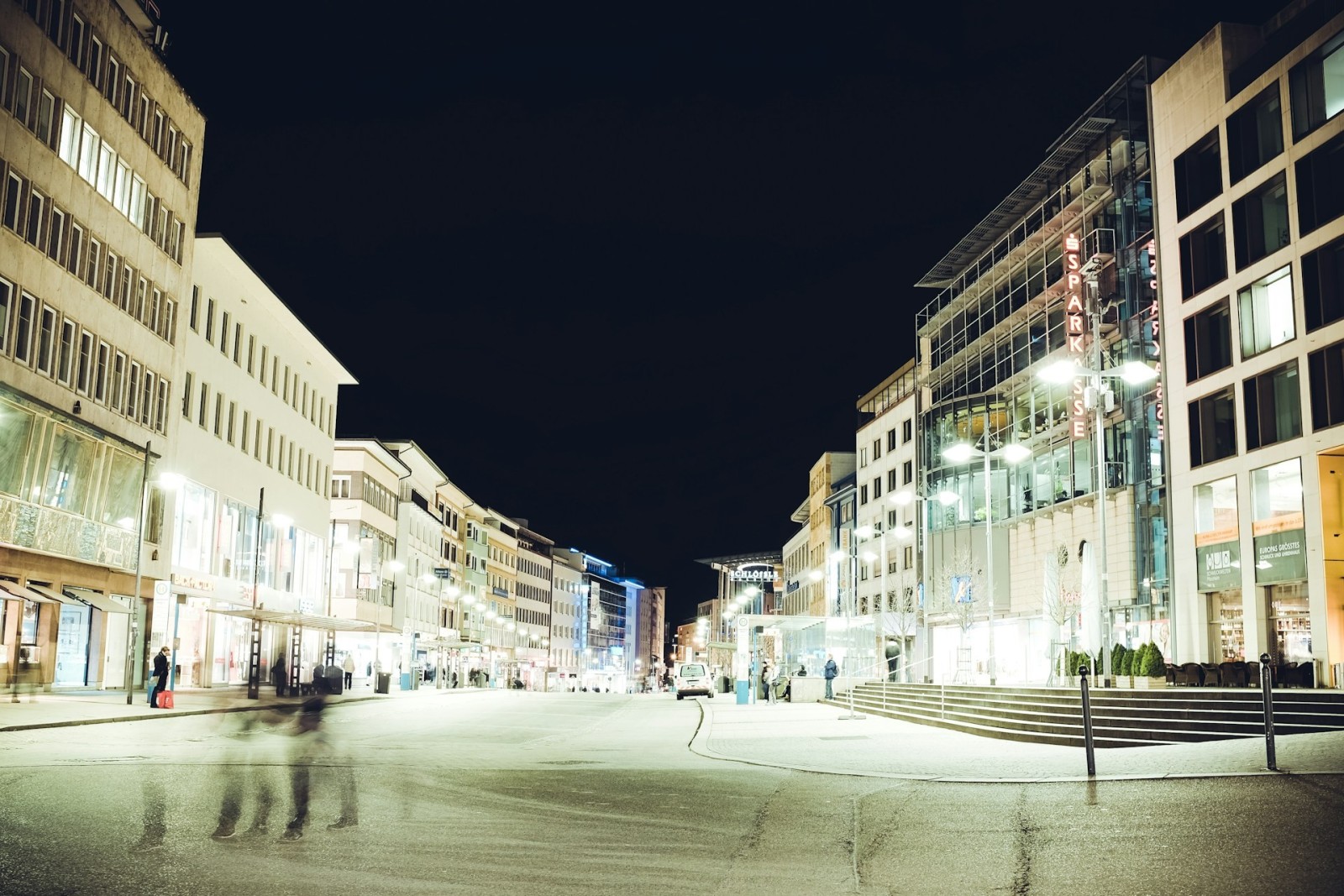
1. Jewelry and Cultural Heritage
The main feature of Pforzheim is a close connection with the production of jewelry. The city for centuries was one of the important centers of the jewelry industry in Europe. This tradition is reflected in museums, exhibitions and educational institutions dedicated to the design, watchmaking and processing of precious metals.
Travelers should pay attention to the Museum of Jewelry Art, which presents jewelry from different eras and cultures. The expositions allow you to trace the development of jewelry technologies, compare artistic styles and learn how materials and methods of manufacturing products have changed.
Of interest is the legacy of Johannes Reichlin, a humanist born in Pforzheim in the fifteenth century. His name is associated with the development of humanistic thought and the study of ancient languages. Thanks to this, the city is interesting not only for lovers of industrial history, but also for those who are fond of the culture and history of the European Renaissance.
2. Attractions and walks around the city
Despite extensive destruction during World War II, Pforzheim has preserved places to explore its history. Among the interesting objects are the Church of St. Michael, associated with the medieval past of the city, as well as memorial sites dedicated to the events of 1945.
The town hall and post-war buildings demonstrate the architectural approaches of the second half of the XX century. Walking through the central streets allows you to see how Pforzheim was recovering from the destruction and turned into a modern regional center.
Fans of a relaxing holiday will suit city parks and river embankments. Pforzheim is located in a picturesque area at the confluence of Enz, Nagold and Würm, so the river valleys and green areas create opportunities for walking, recreation and photography.
3. Nature and active recreation
One of the advantages of Pforzheim is its proximity to the Black Forest, known for its dense forests, hills, valleys and hiking trails. The city is often seen as a starting point for nature trips and exploring southwestern Germany.
In the vicinity, walking, cycling routes and trips to small settlements of the region are available. Travelers can combine visiting city museums with outdoor activities.
Of particular importance is the Westweg route, one of the well-known long-distance pedestrian routes of the Black Forest. Pforzheim is considered its northern starting point. This makes the city attractive for fans of multi-day hikes and independent travel.
4. Gastronomy and local atmosphere
In Pforzheim you can get acquainted with the cuisine of Baden-Württemberg, which combines German and South German culinary traditions. Local establishments offer meat dishes, sausages, soups, potato side dishes, pastries and seasonal dishes from regional products.
In restaurants and cafes, you can try Swabian dishes, for example, maultashen - large products from dough with filling, as well as spetsle - soft egg noodles. In the region, dishes with mushrooms, seasonal vegetables and forest berries are popular.
The city atmosphere is calmer than in the major tourist centers of Germany. It is convenient to combine a visit to cultural sites with a rest in a cafe, walks along shopping streets and acquaintance with the daily life of local residents.
1. Four-star hotels of increased comfort
Parkhotel Pforzheim is one of the most famous hotels in the city, located in the center by the river Enz, next to the congress center and the city theater. It offers spacious rooms, a restaurant, a wellness area and facilities for business events. Suitable for tourists who appreciate comfort, high level of service and convenient location.
Best Western Queens Hotel Pforzheim-Niefern is located in nearby Nifert-Eschelbronne, near Pforzheim and the A8 motorway. Suitable for families, motorists and travelers who plan to explore the surrounding area. Among the advantages are a restaurant, parking and amenities for business trips.
2. Mid-price hotels
ibis Styles Pforzheim is a modern hotel in the central part of the city, close to the pedestrian zone and the Museum of Jewelry Art. Suitable for independent tourists and business travelers. Offers modern rooms and Wi-Fi; thanks to the location, many city attractions are accessible on foot.
Mercure Hotel Pforzheim is a practical option for travelers by car, located closer to the motorway. Suitable for short stops, business trips and travel in southwest Germany. When choosing, it is worth considering the distance to the central attractions.
Hotel Hasenmayer is a traditional family hotel with a restaurant and cafe in the northern part of the city. Suitable for those who prefer a more relaxed accommodation and plan trips around the neighborhood. Especially convenient for motorists.
3. Inexpensive hotels and hotels
Hotel Gute Hoffnung is a city hotel in the central part of Pforzheim. Suitable for tourists who are interested in the availability of shops, cafes and attractions. This is a simple option without redundant services, focused on practical living.
Hotel Flößerstube (now also known as Hotel Jasmin) is a small budget hotel near the city centre. It offers basic amenities including Wi-Fi and its own bathroom in the rooms. Before booking, it is recommended to carefully study the latest reviews and clarify the condition of the room, the conditions of occupancy and the availability of parking.
Hotel Feiertag is an inexpensive option for a short stay. Suitable for travelers who require simple accommodation without additional services. When choosing, it is worth checking the transport accessibility and distance to the center.
4. Apartments and apartments for independent living
The apartments are especially convenient for families, companies of friends and tourists who plan to spend a few days in Pforzheim. Having a kitchen allows you to cook your own food and reduce the cost of restaurants.
Goldstadt Apartments Pforzheim - furnished apartments for short and long stays. Suitable for those who prefer a home environment and independence from the hotel schedule.
Goldstadt Classic Suite - City Apartment am Schlössle - apartments in the central part of the city with a modern interior and independent occupancy. Convenient for couples and independent travelers who want to live close to city facilities.
OK Apartments - apartments with kitchen and Wi-Fi, located in a convenient for walking part of Pforzheim. This format is suitable for tourists who want to have more space than in a regular hotel room.
1. Museum of Jewelry (Schmuckmuseum Pforzheim)
The Museum of Jewelry Art is one of the main attractions of Pforzheim, known as the Golden City. The exposition presents jewelry of different historical eras, products made of precious metals, works in the Art Nouveau style and objects of modern design. The museum allows you to get acquainted with the development of jewelry and understand why the city has gained international fame in this industry.
Transport accessibility: The museum is located in the Rouchlinhaus building, in the city garden by the Nagold River. From the main railway station you can walk in about 15-20 minutes or use the city bus and walk from the nearest stop.
2. Technical Museum of Jewelry and Watch Industry (Technisches Museum der Pforzheimer Schmuck- und Uhrenindustrie)
The museum is dedicated to the industrial history of Pforzheim. Here you can see the equipment, tools and mechanisms used in the manufacture of jewelry and watches. The exposition introduces the production processes, development of technologies and the work of craftsmen, thanks to which the city has become one of the most important centers of jewelry production in Germany.
Transport accessibility: The museum is located on Bleichstraße. From the central part of the city you can walk in about 15-20 minutes or use the city bus. Before visiting, it is worth checking the opening hours: the museum is not open every day and can work on a limited schedule.
3. Gasometer Pforzheim Gasometer
The gasometer is a former industrial structure turned into an unusual exhibition space. Inside, large-scale panoramic compositions with a 360-degree view are demonstrated. Visitors can immerse themselves in depicted historical eras, natural landscapes and other thematic worlds. This is one of the most unusual cultural venues in the city, interesting for adults and children.
Transport accessibility: the facility is located in the eastern part of Pforzheim, next to Enzahuenpark Park. From the center you can get by city bus with a change depending on the route, and then walk a little. It is convenient to get by car from the A8 motorway through the eastern entrance to the city. There's parking nearby.
4. St. Michael's Palace Church (Schlosskirche St. Michael)
The Church of St. Michael is one of the most important historical monuments of Pforzheim. It is connected with the medieval history of the city and the Baden rulers. Inside you can see architectural details of different periods, stained glass windows and the tomb of representatives of the Baden House. The church is of particular interest to travelers interested in the history, religious architecture and fate of the city before the destruction of World War II.
Transport accessibility: The church is located on Schloßberg, near the center and the main station. From the station you can walk in about 10-15 minutes. Due to the location on a hill in some parts of the path there are climbs.
5. Mount Wallberg and the Bomb Victims Memorial (Wallberg)
Wallberg is a hill formed from the wreckage of buildings destroyed during an air raid on February 23, 1945. Today it is a memorable place, reminiscent of the tragedy in which many residents of Pforzheim died. From the top there is a panoramic view of the city and the surrounding hills. A visit to Wallberg allows you to combine a walk in nature with an acquaintance with the history of the Second World War.
Transport accessibility: the area of Valberg can be reached by city bus, after which you will need to walk along the climbing paths. You can drive closer to the hill by car, but it is better to specify the specific parking place and the availability of the route in advance. Comfortable shoes are recommended for visiting.
6. The Wild Park of Pforzheim
Wild Park is located in a forest area on the southern outskirts of the city. It is home to deer, boars, goats and other animals characteristic of European forests and various regions of the world. The park is suitable for family walks, watching animals and relaxing in nature. On the territory there are walking paths, recreation areas and areas for visitors. Entrance to the park is free, but parking for cars can be paid.
Transport accessibility: City buses run to the park, including route 5 to the Hochschule/Wildpark stop. We have to walk from the stop. You should take the car along Tiefenbronner Straße Street; there are parking spaces nearby.
7. Enzauenpark Park (Enzauenpark)
Enzahuenpark is a large urban park near the river Enz, created after the regional horticultural exhibition in 1992. There are green lawns, walking paths, playgrounds and places to relax by the water. The park is suitable for family walks, picnics, sports and seasonal activities. In the warm season, it becomes one of the popular places of rest for residents and tourists.
Transport accessibility: the park is located in the eastern part of Pforzheim, near the Gazometer. It can be reached by city buses, including routes 1 and 10, depending on the stop and schedule. It is convenient to drive from the A8 side through the Pforzheim-Ost exit; there are parking lots nearby.
8. City Museum of Pforzheim (Stadtmuseum Pforzheim)
The city museum introduces the history of Pforzheim and the daily life of its inhabitants in different eras. The expositions tell about the development of the city, crafts, urban culture and events that influenced its appearance. This is a suitable place for those who want to better understand Pforzheim’s past and the reasons why there are relatively few old buildings in modern development.
Transport accessibility: the museum is located in the historic district of Bötzingen. From the center you can get by city bus or use regional transport if the selected stop is nearby. Before traveling, it is recommended to check the timetable and opening hours of the museum.
9. Archaeological site of Kappelhof (Archäologischer Schauplatz Kappelhof)
The archaeological site of Kappelhof allows you to get acquainted with the ancient history of Pforzheim and its Roman past. Here are archaeological evidence of early settlement and development of the area in the ancient era. This is a small but interesting stop for travelers who need to see not only modern city sites, but also traces of ancient history.
Transport accessibility: the site is located in the city and is accessible from the central part on foot or by city bus. When planning a visit, you should specify the possibility of inspection: access to archaeological sites and operating hours may differ from conventional museums.
10. Embankments of the rivers Enz and Nagold
Pforzheim is located at the confluence of three rivers - Enz, Nagold and Wurm. The river banks create pleasant conditions for walking, relaxing and exploring the green corners of the city. Here you can walk, ride a bike and see the city from the other side – away from busy streets and shopping districts.
Transport accessibility: central sections of the embankments are within walking distance from the center and the main station. More remote walking areas can be reached by city bus. For cyclists, routes along the rivers are available, including destinations associated with the Enztal Bicycle Road.
1. Ohsle Wine Festival (Oechsle-Fest)
Late August - early September
One of the most famous annual festivals of Pforzheim. It is dedicated to the winemaking traditions of the Baden-Württemberg region and is named after Ferdinand Ochsle, who developed a way to measure the density of grape must. There are pavilions on the city grounds where you can taste local wines and regional dishes. The holiday is accompanied by live music and performances of musical groups.
2. The Winter World of Pforzheimer Winterwelt
From mid-November to early January
Winter entertainment space for families and tourists. Usually there is an outdoor skating rink, playgrounds for icestock and places for rest with hot drinks and seasonal dishes. The event creates a festive atmosphere in the city center and is suitable for visiting with children.
3. Pforzheim Gold Market (Goldener Pforzheimer Weihnachtsmarkt)
Late November - December
The Christmas market takes place in the city center. On the shelves sell handicrafts, jewelry, souvenirs and traditional German sweets. Visitors can try mulled wine, fried almonds and other seasonal treats. The festive program may also include musical performances and lighting performances.
4. Medieval Christmas Market (Mittelaltermarkt)
Advent, before Christmas
The market brings visitors to the atmosphere of medieval Europe. Here you can see artisans, traditional trading tents, historical costumes and musical performances. This is a good opportunity to get acquainted with the craft traditions of the region and purchase unusual gifts.
5. The Enz Light Festival (ENZ leuchten)
Usually during the warm season; dates change
City event associated with festive lighting and design of public spaces. The program may include light installations, musical elements and entertainment activities. Before the trip, it is worth checking whether the festival is held in the selected period.
6. Autumn Lights of Pforzheimer Herbstglühen
autumn
City holiday with entertainment program, musical performances and events in the center. Sometimes it coincides with a Sunday afternoon when shops get a work permit. This is the right time for walking around the center, shopping and exploring city life.
7. Children's Festival of Pforzheim (Kindertag Pforzheim)
Warm season; exact date depends on program
Family event with entertainment for children, games, creative activities and various performances. It is designed primarily for families with children and helps to get acquainted with the city in a relaxed atmosphere.
8. Musical project "Play Me!" (Spiel Mich!)
Usually in the summer.
A music initiative where pianos can be placed in public places for free play. Residents and tourists get the opportunity to perform music on their own, and passers-by listen to spontaneous concerts. The format makes music available outside of concert halls.
9. Concerts and cultural evenings
Throughout the year
Pforzheim hosts classical music concerts, orchestra performances, theater productions, comedy shows, touring music programs and other cultural events. One of the main venues is the Congress Center Pforzheim. Concerts and opera productions are also included in the program of the city theater. Open-air concerts can be held in the summer.
1. Winter
December, January, February
The average daily temperature is usually about +3 ... +7 ° C, at night it ranges from about -2 to +2 ° C. Frost, snowfall and ice are possible, but stable snow cover does not always happen.
In winter, it is convenient to visit museums, jewelry exhibitions, historical buildings and cultural events. In December, the Christmas markets and the festive decoration of the city center are an additional advantage.
The water temperature in the rivers Enz and Nagold is usually approximately +2 ... +7 ° C. Swimming at this time of year is not suitable for a regular tourist holiday.
2. spring
March, April, May
It gradually warms in the spring. In March, the daily temperature often reaches +8 ... +12 ° C, in April - +13 ... +17 ° C, and in May - +17 ° C. +20°C. At night in early spring, frosts are still possible, and by the end of May the temperature is more often kept above +7 ° C.
Parks, promenades and surroundings of the city become especially attractive for walking. Spring is suitable for sightseeing, trips to the Black Forest and hiking routes. In May, it is already warm enough for long excursions in the open air.
The water temperature in the rivers in spring gradually rises from about +4 ... +8 ° C in March to +10 ... +15 ° C in May, but depends heavily on precipitation and a particular reservoir. For swimming, the water is usually cool.
3. Summer.
June, July, August
Summer is the warmest period of the year. The average daily temperature is usually +21...+26 °C, and on hot days can exceed +30 °C. At night, the temperature is more often in the range of +11 ... + 15 ° C. Thunderstorms and short-term heavy rains are possible.
This is the most suitable period for walking in parks, visiting Gazometer, trips to the Black Forest, cycling routes and outdoor activities. In summer, the Ochsle Wine Festival is also usually held.
The water temperature in rivers and nearby bodies of water can reach about +16. +22 °C, but depends on weather, current and depth. The Enz River is not a universal place for swimming: local restrictions and safety must be considered before entering the water.
4. autumn
September, October, November
In September, the daily temperature often stays around +18. +22 °C, in October it drops to about +13 ... +16 °C, and in November - to +7 ... +10 °C. The nights become cooler, the likelihood of rain, fog and the first frost increases.
The beginning of autumn is well suited for walks and excursions: the weather is still quite mild, and the forests of the Black Forest acquire autumn shades. During this period, you can visit city holidays, markets and cultural events. In November, it is more comfortable to combine walks with visits to museums and other premises.
The water temperature in the rivers in autumn gradually decreases: from about +14 ... +19 ° C in September to +5 ... +10 ° C in November. These values are indicative and depend on the specific reservoir.
1. Language of communication
The official language of Pforzheim is German. In everyday life, residents use literary German, and local dialects, including Swabian, are also common in the region. In touristic places, hotels, museums and some restaurants you can communicate in English.
Russian does not belong to the main language of service, so tourists should know a few German words and expressions or use an interpreter.
2. Greetings and rules of courtesy
In Germany, it is customary to say hello when entering small shops, hotels, offices and other establishments, especially if you directly contact an employee. Greetings and gratitude are considered an important part of communication.
When referring to unfamiliar adults, it is better to use the formal “Sie” – “You”. Addressing “du” is usually appropriate between friends, relatives, and people who have already agreed to communicate informally.
In public places, it is customary to respect personal space, not interrupt the interlocutor and observe the queue. A greeting and a handshake are enough, if appropriate.
3. Punctuality and arrangements
Germans usually take their time seriously. For excursions, meetings, events and pre-booked services, it is advisable to arrive on time. If you are late, it is best to warn the host.
In restaurants, hotels and when ordering excursions, it is necessary to specify the reservation conditions, check-in time and possible additional payments in advance.
4. Rules of conduct in public places
In Pforzheim, as in other German cities, cleanliness should be maintained, garbage should not be left in parks and streets, urban property should not be damaged and private property should be respected.
In residential areas, loud music and noisy conversations should be avoided at night. Many locations have a night silence from around 22:00 to 6:00; specific requirements may depend on local regulations and living conditions. On Sundays and holidays, noise restrictions are often stricter.
5. Food and Restaurant Traditions
In restaurants, it is customary to welcome staff, calmly wait for service and pay the order according to the bill. In many establishments, you can ask for a separate bill if the company wants to pay separately.
Tipping in Germany is usually reserved for good service. Often the amount is rounded up or added about 5-10%, but this is not a mandatory fixed payment.
Smaller cafés and bakeries may prefer cash, so it’s helpful to have some euros with you, even if the bulk of the costs are paid by credit card.
6. Shops and Sundays
In Germany, most regular shops and supermarkets are closed on Sundays and public holidays. Exceptions are possible for some establishments at stations, gas stations, bakeries and shops operating under special rules.
Food, medicines and other necessary goods are better to purchase in advance. Restaurants, cafés, museums and tourist facilities can operate on their own schedules, so their visiting hours are worth checking separately.
7. Waste sorting and respect for the environment
In Germany, much attention is paid to the separate collection of waste. Hotels and apartments can have separate containers for paper, packaging, organic waste and mixed garbage. Glass is sometimes referred to as a special container.
Attention should be paid to the designations and instructions in the place of residence. Pfand bottles can be returned in special machines in stores if they accept the appropriate type of container.
8. Traffic laws and regulations
Travelers must comply with German traffic rules, cross the road at permitted crossings and take into account traffic lights. Cycling lanes are primarily for cyclists, so pedestrians should not take them unnecessarily.
When traveling by car, speed limits and parking rules must be observed. If you rent a car, specify the terms of the contract and the requirements for the driver's license in advance.
In public transport, it is necessary to have a valid ticket and comply with the conditions of its use. Tickets requiring composting or activation should be issued before the start of the trip. Payment controls are carried out regularly, and travel without a valid ticket can result in a significant fine.
9. Alcohol, Smoking and Public Order
Alcohol should be consumed taking into account local restrictions and the rules of a particular institution or event. It is forbidden to drive a car while intoxicated.
Smoking may be prohibited in public premises, in certain areas and in specially designated areas. It is necessary to comply with the established signs and requirements of staff.
You cannot threaten others, damage property, disturb public order or ignore the legitimate demands of the police and other authorized services.
10. Visiting churches, museums and memorials
When visiting churches, it is recommended to observe silence and respect the people who came to the service. During worship, one should not speak loudly or interfere with parishioners.
In museums, it is necessary to take into account the rules of photography, do not touch the exhibits without permission and follow the instructions of employees. In Pforzheim, memorial sites associated with the destruction of the city during the Second World War and the memory of the dead deserve special respect.
11. Documents and compliance with legislation
During the trip, it is necessary to have a valid passport or other document that is suitable for entry and stay in Germany in accordance with the citizenship and status of the traveler. If necessary, you should arrange a visa in advance or check the conditions of visa-free entry.
It is recommended to have medical insurance for the entire period of the trip, as well as copies of important documents separately from the originals. If you are traveling by car, you should take a driver's license and documents for the vehicle.
It is necessary to comply with the permitted period of stay in the Schengen area, if the corresponding restriction applies to your trip. The rules may vary depending on citizenship, visa or residence permit.
1. Greetings and polite expressions
Guten Morgen - Good morning. Transcription: Guten Morgen.
Guten Tag - Hello, good afternoon. Transcription: "guten so."
Guten Abend - Good evening. Transcription: Guten Abent.
Hallo! Hello! Hello there! Transcription: "halo."
Auf Wiedersehen - Goodbye. Transcription: "auf viderzeen."
Tschüss! Bye! Transcription: "chus."
Bitte - Please; please. Transcription: "bitte."
Danke - Thank you. Transcription: "danke."
Vielen Dank - Thank you very much. Transcription: "filene dunk."
Entschuldigung - Excuse me. Transcription: Entschuldigung.
Es tut mir leid - I'm sorry, sorry. Transcription: "This is the world of light."
Gern geschehen - You're welcome. Transcription: "Gearn Geschéen."
Kein Problem - No problem. Transcription: "Kine problems."
Ja-Yes. Transcription: "I."
Nein - No. Transcription: "Nine."
2. Acquaintance and everyday communication
Wie heißen Sie? - What's your name? Transcription: "Wi Haisen Zi?"
Ich heiße ... - My name is... Transcription: "their haise..."
Freut mich, Sie kennenzulernen. - Nice to meet you. Transcription: "Fruit mich, zi kenentsulernan."
Wie geht es Ihnen? - How are you? Transcription: "Vi Gate es Inen?"
Gut, danke. Und Ihnen? - All right, thanks. And you? Transcription: "Gut, danke. und inen?"
Ich komme aus...I am from... Transcription: "Their come aus..."
Ich bin Tourist/Touristin. I'm a tourist/tourist. Transcription: "their bin tourist/tourist."
Ich spreche nur ein wenig Deutsch. - I speak a little German. Transcription: "their shprahe noor ain venig deutsch."
Sprechen Sie Englisch? - Do you speak English? Transcription: "Sprahen zi English?"
Können Sie bitte langsamer sprechen? - Could you speak more slowly? Transcription: "Kyonen zi bitte Langzamer Shprahan?"
Ich verstehe nicht. - I don't understand. Transcription: "their fursteeth nicht."
Können Sie das bitte wiederholen? - Could you say it again? Transcription: "Kyonen zi das bitte viderholen?"
3. Useful questions in the city
Wo ist das Stadtzentrum? - Where is the city center? Transcription: "In East Das Statcentrum?"
Wo ist der Bahnhof? Where is the train station located? Transcription: "In the East Der Banhof?"
Wo ist die Bushaltestelle? - Where is the bus stop? Transcription: "In the East di Buschaltestaele?"
Wie komme ich zum Stadtzentrum? - How do you get to the city center? Transcription: "Whi kome their tsum statecentrum?"
Ist es weit von hier? - Is that far from here? Transcription: "ist s s veit von chir?"
Kann ich zu Fuß gehen? - Can I walk? Transcription: "Kan their zu fus geen?"
Können Sie mir den Weg zeigen? - Can you show me the way? Transcription: "Kyonen zi world den veg zeigeng?"
Ich suche das Schmuckmuseum. I'm looking for a jewelry museum. Transcription: "their zuhe das shmukmuseum."
Wo kann ich ein Taxi nehmen? - Where can I get a taxi? Transcription: "Wou kan their ain taksi nemen?"
Wie lange dauert der Weg? - How long will the road take? Transcription: "Wi Lange Dawert Der Veg?"
4. Public transport and tickets
Eine Fahrkarte, bitte. - One ticket, please. Transcription: Aine Farkarte, Bitte.
Eine Tageskarte, bitte. - One ticket for the whole day, please. Transcription: "Aine Tageskarte, Bitte."
Wie viel kostet die Fahrkarte? - How much is the ticket? Transcription: "Vi fil Costet di Farcarte?"
Fährt dieser Bus ins Zentrum? - Is this bus going downtown? Transcription: "Firt Deser Bus Ins Centrum?"
Wo muss ich aussteigen? - Where do I have to go? The Quran says, “To Moses their austeigen?”
Wann fährt der nächste Zug? - When does the next train leave? Transcription: "Van Firth der nekste zuk?"
Isst dieser Platz frei? - Is this seat free? Transcription: "Ist Disar Place Frei?"
Hat der Zug Verspätung? - Is the train late? Transcription: "Hat der zuk ferschpatung?"
Ich möchte zum Hauptbahnhof. - I want to get to the main station. Transcription: "Their mehte tsum hauptbanhof."
Können Sie mir helfen? - Can you help me? Transcription: "Kyonen zi world helfen?"
1. Local products and gastronomic souvenirs
Pforzheim is located in Baden-Württemberg, near Schwarzwald. Here you can buy regional products and sweets.
Rathausgold honey is an unusual local product obtained from bees kept on the roof of the city hall.
Goldschatz and Goldstadtpralinen are sweet gifts associated with the image of Pforzheim as the Golden City.
Regional honey and fruit jams are products of local beekeepers and manufacturers.
Golden salt and pepper Goldstadt - original souvenir seasonings for cooking.
Regional wines and fruit drinks are the beverages produced by Baden-Württemberg.
Schwarzwald cherry cake is the region’s famous dessert, which is worth trying during your trip.
2. What to try from the local cuisine
Spätzle are traditional egg pasta served with meat, cheese or sauce.
Maultaschen - products made of dough with filling, usually from meat and spinach.
Schupfnudeln (Schupfnudeln) - products from potato dough, which are often fried.
Brezeln is a traditional German pastry.
Regional sausages and meat products are products of local producers that are worth trying on the spot.
3. Jewelry and valuable souvenirs
Pforzheim is called the “Golden City” due to the developed traditions of jewelry production.
Silver and gold jewelry - rings, earrings, bracelets and pendants.
Jewelry with precious and semi-precious stones - products of local jewelry workshops.
Author's jewelry - original gifts from local designers.
Watches and jewelry accessories are practical souvenirs, when buying which you should specify the country of production.
Inexpensive souvenirs Goldstadt - keychains, small accessories and products with the symbols of the city.
1. What documents are required to have
Passport or other suitable document for travel. Requirements depend on citizenship. Citizens of EU countries usually need a valid passport or national identity card recognized for travel.
Visa. Citizens of countries that have a visa regime require a valid Schengen visa for a short-term tourist visit.
Confirmation of residence. It is advisable to have confirmation of booking a hotel, apartment or other accommodation.
Ticket back or further route. You may be asked to present it when crossing the external border of the Schengen area.
Confirmation of funds. In some cases, border guards may ask to confirm the availability of money for accommodation and return home.
Driving license and documents for the car. These are necessary if you are planning to drive a car; you should also check whether your license is recognized in Germany.
Copies of important documents. It is recommended to keep electronic copies of the passport, insurance policy and bookings separately from the originals.
For short-term travel, the passport of a non-EU national must normally be issued within the last ten years and valid for at least three months after the intended departure from the Schengen area.
2. Health insurance
Before traveling, it is recommended to obtain medical insurance valid in Germany for the entire period of travel.
The policy should preferably cover:
Emergency medical care.
Hospitalization and treatment in case of accident.
Emergency call and medical transportation.
Repatriation to the homeland for medical reasons.
If necessary, treatment of injuries during walking and other activities.
A Schengen visa usually requires health insurance coverage of at least EUR 30,000, valid throughout the Schengen area.
EU citizens are advised to take the European Health Insurance Card (EHIC) if they are eligible. It provides access to the necessary state medical care under the conditions provided for by the health care system of the host country, but does not replace full travel insurance.
3. Emergency services phones
The following numbers apply in Germany:
112 – ambulance and fire service. Call in case of serious injuries, life threat, fire and other emergencies.
110, police. It is used for crimes, security threats and other situations that require urgent police intervention.
116 117 - on-duty medical service. For medical problems that require the help of a doctor, but do not pose an immediate threat to life.
116 116 – blocking of bank cards and certain other electronic means of access. It can be useful if you lose a credit card; the availability of a particular service depends on the issuing organization.
Calls to 112 and 110 are free. When calling, let us know what happened, where you are, how many people were injured and what assistance is needed.
4. Mobile operators and communications
There are several major mobile operators in Germany:
Deutsche Telekom is a large mobile operator with its own network.
Vodafone Germany – mobile communication, Internet and services for travelers.
Telefónica Germany (O2) – mobile and Internet; the O2 brand is widely represented in the German market.
1&1 is a mobile operator offering rates for calls and mobile internet.
For a short trip, you can use your operator’s roaming SIM card or purchase a German SIM card/eSIM. Before traveling, you should check the cost of the Internet and calls: roaming conditions within the EU and outside it vary. SIM cards purchased in Germany may require identification and a document.
In Pforzheim, mobile communication is available in the city, but the signal quality depends on the operator and the specific location. In the forest areas of the Black Forest, coverage may be less stable.
5. How many tourists can stay in Germany without leaving
The length of stay depends primarily on the citizenship and documents of the traveler.
EU citizens, including Latvian citizens. For a short tourist trip to Germany, a visa is not required, and the restriction of 90 days within 180 days does not apply to them. For stays longer than three months, the free movement of EU citizens may apply.
Citizens of countries with visa-free entry into the Schengen area. It is usually allowed to stay up to 90 days in any 180-day rolling period.
Citizens of countries with visa regime. A Schengen visa is usually required for a tourist trip. The permissible period is determined by the conditions of the visa and the general rule of short stay.
Holders of a German national visa or residence permit. The period of stay is determined by the relevant document and its conditions.
Important: 90 days are calculated in total throughout the Schengen area, not separately for each country. Departure to the neighboring Schengen country does not nullify this period. Travel beyond 90 days usually requires a suitable long-term basis and appropriate authorization.
Create a query and local guides will offer you the best options

Install the app «PersonalGuide»
www.personalguide.ru

