Independent tourism and recreation in the city of Ulm Historical information about the city of Ulm Ulm is one...
Ulm is one of the oldest cities in southern Germany, located on the Danube, near the confluence of the Iller River. Its history dates back more than a thousand years, and the development of the city was largely determined by its favorable position on trade routes, the status of a free imperial city, river trade, crafts and later industry. Today, Ulm is particularly famous for its huge Gothic cathedral, historic Fisherman's Quarter, antique houses and connection to the name of Albert Einstein.
1. Ancient settlements
The history of the territory of modern Ulm began long before the appearance of the city. Archaeological finds indicate the existence of settlements in the vicinity from about 5000 BC. e. Already in the Bronze Age, important land routes connecting the regions of Central Europe with the Danube passed through this territory.
Of particular importance was the situation at the Danube. The river was not only a natural border and a source of water, but also a convenient transport route. Due to this, the territory of the future Ulm gradually became a place of intersection of trade and military routes.
2. The emergence of Ulm in the Middle Ages
The official written history of the city begins on July 22, 854. On this day, East Frankish King Louis of Germany signed the document at the royal residence, which was called Hulma. This is the first surviving written mention of Ulm.
However, by this time the settlement already existed. In the area of the modern city was the royal residence - Königspfalz, where the rulers stayed during travels to their possessions. Around the palace gradually appeared houses of artisans, outbuildings and commercial premises.
Thanks to the presence of the royal court, Ulm quickly gained political significance. Meetings of the nobility were held here, important issues of the state were resolved. For example, in 1077 in Ulm, opponents of King Henry IV announced his removal. Later, Henry IV himself arrived in the city after the famous campaign in Canossa, thus demonstrating the preservation of his power.
3. The Stauffen Age and the Turning into a City
In the XII century, Ulm was closely associated with the Stauffen dynasty. The rulers of this dynasty sought to strengthen the city and turn it into one of the main centers of Swabia.
Particularly important was the reign of Emperor Frederick I Barbarossa. He repeatedly held in Ulm large meetings of the nobility – imperial congresses. By this time, the city had already received city rights and was gradually turning from a royal residence into a full-fledged trade and craft center.
Development has not always been peaceful. In the first half of the twelfth century, Ulm was drawn into the struggle between the Stauffens and the Welfes. In 1131, the troops of Henry the Proud ravaged the settlements around the royal residence, and in 1134 the old fortifications were finally destroyed.
After that, Ulm was restored and strengthened. The city walls became an important part of its further development.
4. Trade boom
In the XII-XIII centuries, Ulm gradually became one of the important trading centers of southern Germany. Its advantageous position made it possible to control the movement of goods between the regions of Central Europe, Italy and the territories along the Danube.
Salt, iron, wine, grain and other goods passed through the city. Later, wool, fabrics and leather products received special importance. Ulm was linked to major trade routes through the Alps to northern Italy and further to major European markets.
In the XIII century, Ulm received the status of a free imperial city. This meant that the city was directly subordinate to the emperor and had considerable independence. For the city nobility and merchants, this status was a huge advantage.
5. Ulm as a Free Imperial City
In the XIV-XV centuries, Ulm experienced one of the most significant periods of its development. The city became an independent city republic with its own system of government, laws, trade and army.
Ulm expanded his possessions beyond the city wall, acquiring villages and lands in the vicinity. Wealthy merchants and artisan associations gained a great influence on urban politics.
A particularly important event was the adoption of the Grand Oath (Großer Schwörbrief) in 1397. This document defined the system of city administration and the distribution of power between the patricians and craft shops. It became a kind of city constitution and a symbol of Ulm’s political independence. The tradition of the annual oath is preserved in modern urban culture.
6. Construction of the Ulm Cathedral
One of the main symbols of the wealth of medieval Ulm was the construction of a huge city church - the modern Ulm Cathedral (Ulmer Münster).
The first stone was laid on June 30, 1377. Unlike many medieval cathedrals, the construction was largely financed by the townspeople themselves. This shows how powerful and wealthy the city's merchants and artisans were.
Work continued for centuries with great interruptions. The huge size of the building was to demonstrate Ulm’s wealth and independence. At the end of the XIX century, the construction was finally completed, and the cathedral tower reached 161.53 meters, becoming the tallest church tower in the world.
7. Textile production and “Ulm brachent”
One of the main sources of wealth of the city was the production of fabrics.
Especially famous was Ulm brachent (Ulmer Barchent) - a strong fabric made of cotton and linen. Since the XIV century, the production and trade of this fabric has become an important branch of the economy.
Ulm fabrics were sold far beyond Swabia - up to Venice, Milan, England and other European shopping centers. The city has even instituted strict quality controls to preserve the reputation of local producers.
In the XV century, the wealth of the city reached a significant level. Ulm became not only the commercial but also the artistic center of southern Germany. Architecture, sculpture, painting, printing and crafts developed.
8. Reformation
In the sixteenth century, religious changes in Europe seriously affected Ulm.
In 1530, the inhabitants of the city decided to convert to Protestantism. Ulm became one of the most important Protestant cities in southern Germany. It changed church life, education and political relations within the city.
However, religious conflicts and wars gradually undermined the economic situation of the city.
9. Thirty Years' War and the Hard XVII Century
The Thirty Years' War of 1618–1648 was a particularly difficult ordeal.
Ulm had an important strategic position, so troops of various armies passed through the city. Military expenditures, requisitions, starvation and disease have caused enormous damage.
In 1634-1635, a plague epidemic broke out in the city. It killed about 5,000 people, which was a huge demographic catastrophe. After the war, the city was also forced to pay large compensations.
At the end of the XVII and the beginning of the XVIII century, Ulm again found itself in the center of military conflicts. In 1688, the city and its possessions were devastated by the French army, and in 1702 Ulm was unexpectedly occupied by Bavarian troops. For several years the city was under military occupation and suffered heavy financial losses.
10. Economic crisis and bankruptcy
After many years of war, Ulm could not regain its former position as a leading trading center.
The city was simultaneously affected by wars, epidemics, debts and changing European trade routes. In 1770, Ulm was effectively bankrupt.
It became a symbol of the end of medieval prosperity. The city has retained its importance in the region, but its political and economic influence has declined significantly.
11. Napoleonic Wars
A new turning point came at the beginning of the XIX century.
Between 1802 and 1803, Ulm lost its status as a free imperial city. After the dissolution of the Holy Roman Empire, the city first came under Bavaria.
In 1805, near Ulm, one of the most important battles of the Napoleonic Wars took place - the surrender of the Austrian army after being surrounded by Napoleon's troops.
In 1810, Ulm passed to Württemberg. At the same time, part of the territories on the right bank of the Danube passed to Bavaria, and later the city of Neu-Ulm was formed there. Thus arose the modern special position of two cities on different sides of the Danube.
12. Ulm fortress
In the nineteenth century, Ulm regained its military importance. After the creation of the German Confederation, the powerful Federal Fortress of Ulm (Bundesfestung Ulm) was built here.
It became one of the largest serf systems in Europe. Its fortifications covered not only Ulm, but also the territory of modern Neu Ulm.
The construction of the fortress seriously affected the appearance of the city. Around Ulm, bastions, forts, barracks and other military structures appeared.
Later, the development of military equipment made the old fortifications less necessary, and at the end of the XIX century began the process of dismantling them. Some of the buildings, however, have survived to our days.
13. Industrialization and the railway
In the nineteenth century, Ulm began to change rapidly.
A particularly important development was the emergence of the railway. The city was connected with other major centers of southern Germany, which greatly accelerated trade and industrial development.
The old medieval walls gradually ceased to meet the requirements of the growing city. Ulm began to expand beyond the historical center.
Machine building, equipment production, transport industry and other industrial enterprises developed. The Danube continued to be used for the transportation of goods, and the railway strengthened Ulm’s position as a transport hub.
14. Completion of the cathedral
A special event occurred in 1890 - after several centuries of work, the main tower of the Ulm Cathedral was completed.
Its height was 161.53 meters. At that time it was the tallest church tower in the world. Even today, the cathedral remains one of the main architectural symbols of Germany.
The completion of the cathedral became a kind of symbol of the revival of the city after difficult periods of its history.
15. Ulm in the early twentieth century and Albert Einstein
Ulm is associated with the name of one of the most famous scientists of the XX century - Albert Einstein.
Einstein was born in Ulm on March 14, 1879. Although his family soon moved out of the city, Ulm retained a close connection to his name and today actively uses this heritage in the cultural and scientific identity of the city.
In the XX century, Ulm gradually turned from a predominantly commercial and craft city into an industrial, scientific and technical center.
16. World War I and the period of the Weimar Republic
The First World War had a serious impact on the economy and population of the city. After 1918, Ulm found himself in a state of political instability typical of Germany.
During the period of the Weimar Republic, the city continued to develop industry, but economic crises, inflation and unemployment seriously complicated the life of the population.
In 1933 the National Socialists came to power. Ulm, like other German cities, was ruled by the Nazi dictatorship.
17. Ulm during Nazi Germany
During the Nazi regime, the city was persecuted by political opponents, Jews and other groups.
The Ulm Jewish community was destroyed and many were deported and killed.
One of the most famous episodes of resistance was the activity of Hans and Sophie Scholl, who were born in Ulm. They later became members of the anti-Nazi group Weiße Rose.
Their connection to the city has become an important part of the modern historical memory of Ulm. Today, the city pays great attention to preserving the memory of the victims of Nazism and people who opposed the dictatorship.
18. Destruction during World War II
World War II was one of the most tragic pages in Ulm’s history.
The city had important industrial and transport facilities and was subject to air attacks. The most severe destruction occurred in December 1944.
Much of the historic center was destroyed or severely damaged. Hundreds of residents were killed, residential neighborhoods, businesses and historic buildings were destroyed. In the official history of the city, 1944 is celebrated as the period of its most severe destruction.
19. Post-war reconstruction
After 1945, Ulm had to rebuild the city.
The historic center was destroyed so badly that the question arose: to restore the old Ulm or to build a modern city.
We ended up on a mixed path. Some historical buildings were restored, and modern architectural structures appeared nearby.
Of particular importance were the restoration of the area around the cathedral and the gradual return of the historical appearance of the Fisherman and Leather quarters.
20. Establishment of the University of Ulm
A new page in the history of the city opened the development of science and education.
The University of Ulm was founded in 1967. Its emergence gradually changed the economy of the city and strengthened specialization in medicine, natural sciences, engineering and technology.
Another important educational project was the Ulm Higher School of Design (Hochschule für Gestaltung Ulm), founded in the 1950s. It became one of the most influential centers of modern design and in many ways continued the traditions of the Bauhaus. Its alumni and faculty have influenced industrial design, graphics and visual culture far beyond Germany.
21. Ulm is becoming a “city of science”
In the second half of the XX century, the city's economy was increasingly associated not only with industry, but also with research, medicine, engineering and high technology.
In 1986, Ulm officially began to develop the concept of the “city of science” (Wissenschaftsstadt Ulm). A modern scientific and technological environment has formed around the university and research institutions.
At the same time, the city expanded, adding neighboring settlements. In the 1970s, the territory of Ulm increased significantly.
22. Modern Ulm
In the late XX - early XXI century, Ulm continued the transformation of the center.
In 1993, work was completed on the renovated Münsterplatz and a new urban space around the cathedral was opened. In the 2000s, the development of the so-called Neue Mitte Ulm, a combination of modern architecture and historic urban surroundings, continued.
Today, Ulm is an interesting combination of different eras. In one city coexist medieval walls, Gothic cathedral, old houses of the Fisherman's Quarter, buildings of the XIX century, post-war architecture and modern scientific institutions.
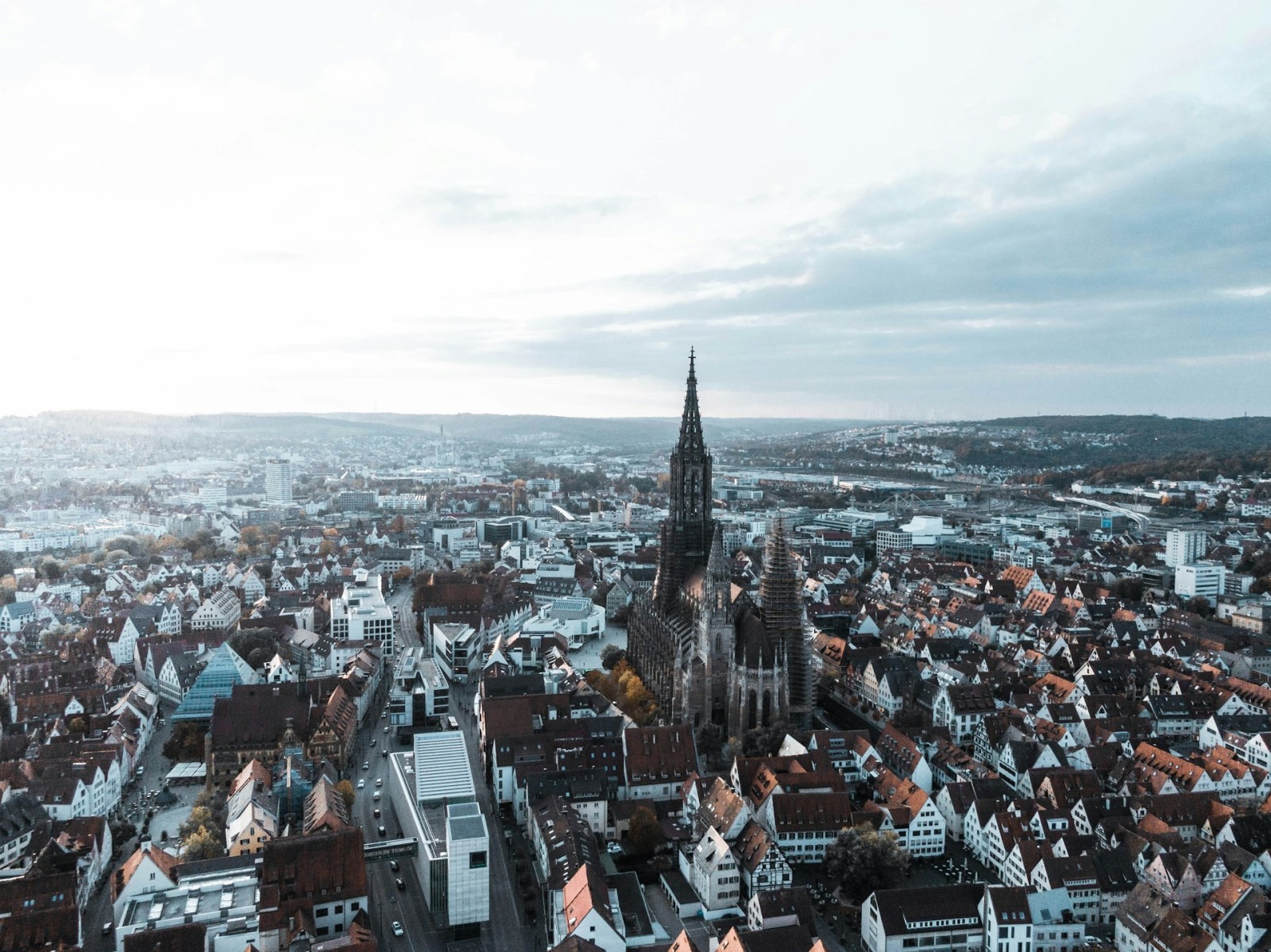
1. A unique symbol of the city - Ulm Cathedral
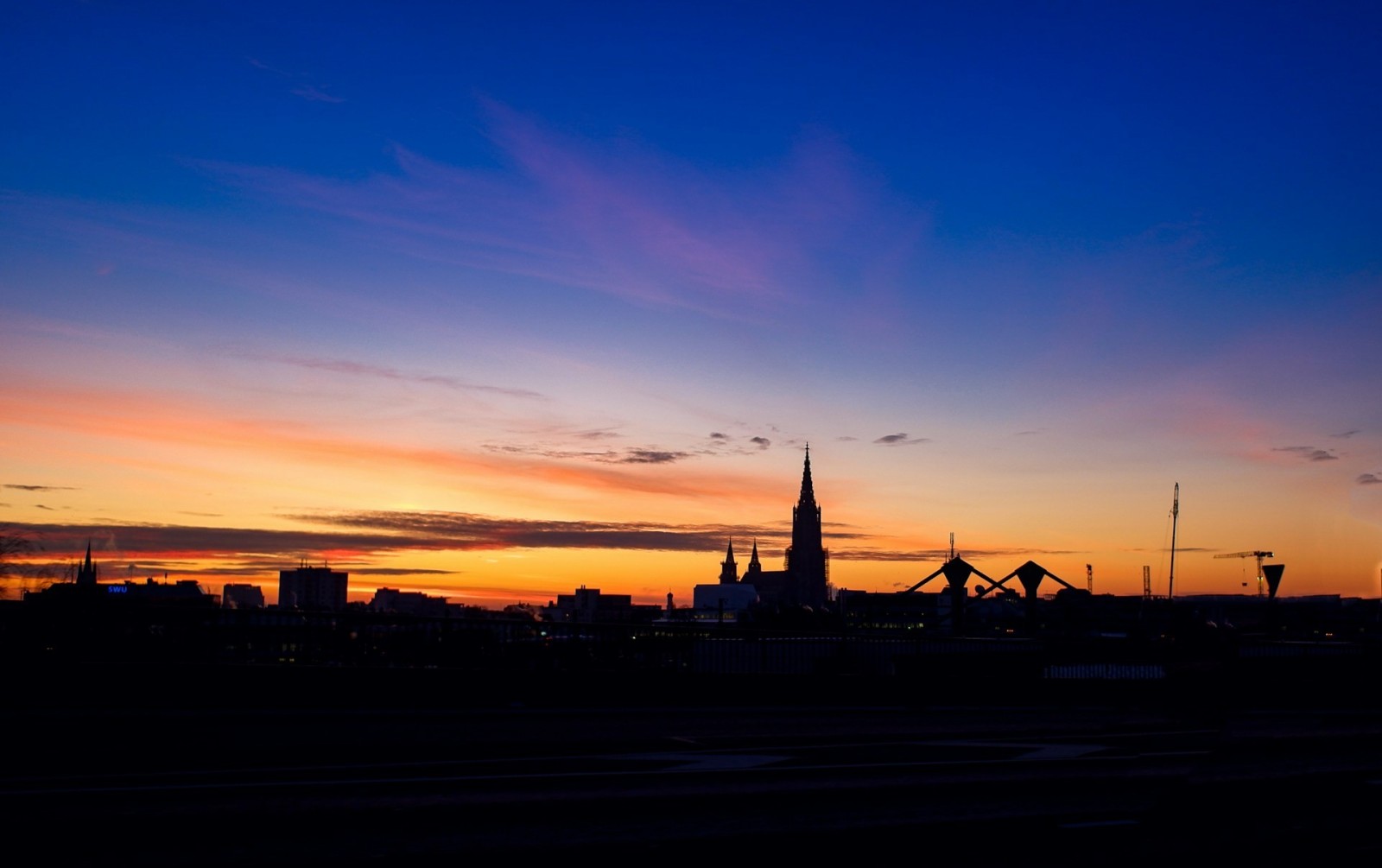
The main reason to come to Ulm is Ulm Cathedral (Ulmer Münster). Its 161.5 m high tower is the tallest church tower in Germany. The cathedral dominates the cityscape and looks particularly spectacular from Münsterplatz Square.
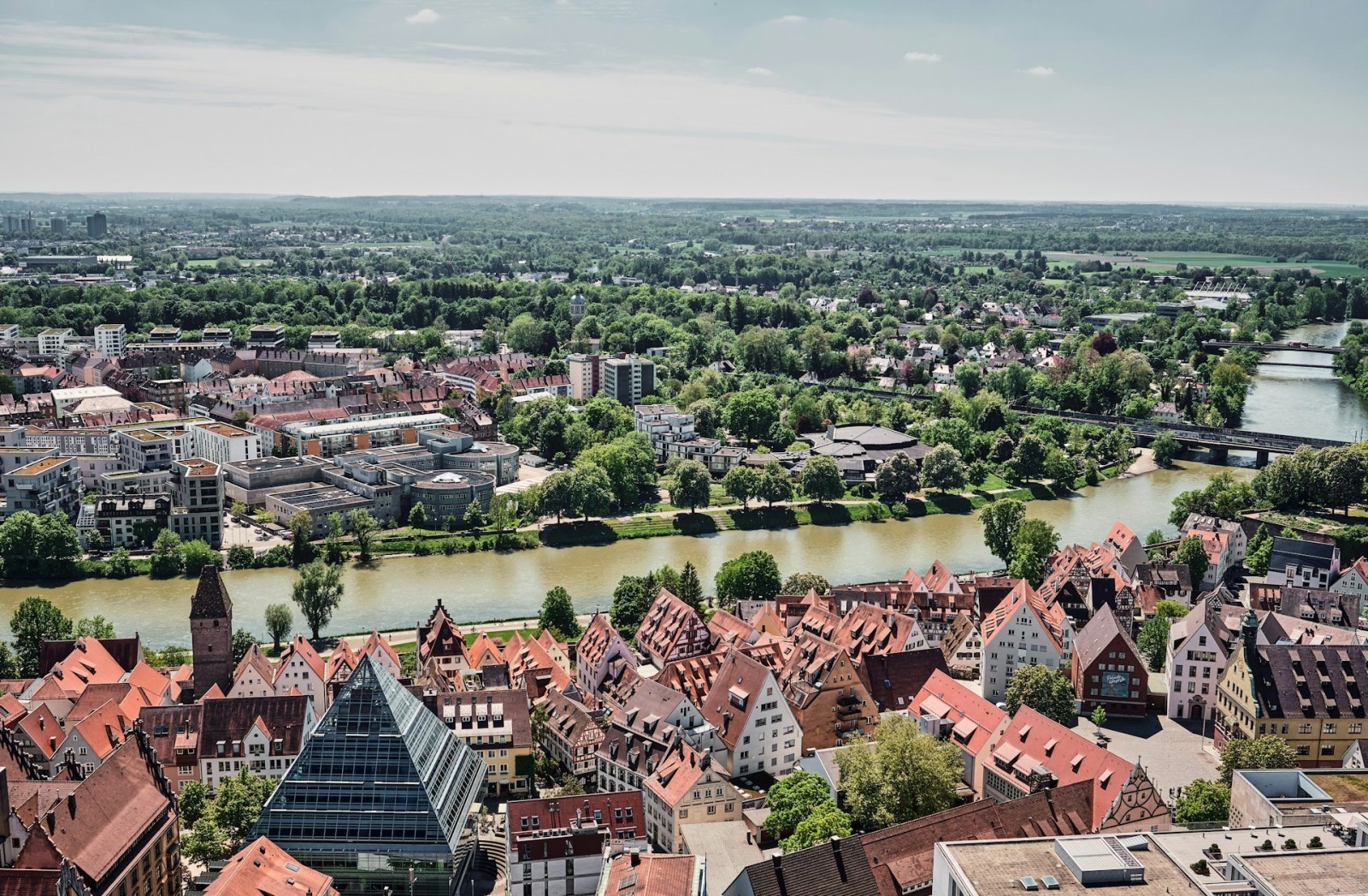
For tourists, not only the appearance of the building is of interest, but also the opportunity to climb the tower and look at the city from a great height. In good weather, a panorama of Ulm, the Danube and the surrounding region opens.
2. Atmospheric Old Town
The historic center of Ulm is well suited for leisurely walks. Especially interesting are the old quarters of Fischerviertel and Gerberviertel, areas of fishermen and tanners.
Here are preserved half-timbered houses, small streets, bridges across the Blau River and ancient buildings. Thanks to the water, colored facades and narrow streets, this area looks very different from the main square near the cathedral.
One of the most famous buildings of the quarter is the Crooked House (Schiefes Haus), an unusual historical house with a noticeably inclined facade.
3. Medieval atmosphere and history
Ulm is especially interesting because its historical center allows you to literally go through several centuries of German history.
Here you can see the old town hall, medieval towers and the remains of city fortifications, the Oath House (Schwörhaus), old trading buildings and the city wall. Therefore, Ulm is suitable not only for ordinary sightseeing, but also for travelers interested in the history of Germany.
4. Combination of old and modern architecture
One of the most interesting features of Ulm is the contrast between historic buildings and modern architecture.
Near Ulm Cathedral are the Stadthaus, a modern city library, a synagogue and other modern structures. Thanks to this, the city looks not like an open-air museum, but like a living modern city that has preserved its historical heritage.
5. Danube and walks by the water
Ulm is located on the Danube, so the trip can be combined with walks along the river. The riverscape complements the old part of the city.
Neu-Ulm is located across the Danube, so the traveler actually gets the opportunity to visit two cities in one trip. They have a different architectural atmosphere: the historical Ulm is located on the same bank, and Neu-Ulm has a more modern look.
6. Museums and cultural recreation
Ulm is interesting not only for architecture. The city has museums dedicated to art, history, culture and certain areas of science.
Of particular interest are the collections related to the medieval history of the city, the culture of the Danube, the history of the migration of the Danube Swabs and the development of the region. The city also has theaters and cultural venues.
A separate topic is Albert Einstein, who was born in Ulm. His name is a prominent part of the cultural image of the city.
7. Ulm for lovers of unusual attractions
In addition to the main sites, the city has smaller and lesser-known places that make the walk more interesting: ancient towers, remains of a fortress, fountains, small squares and hidden corners of the old city.
The Federal Fortress of Ulm (Bundesfestung Ulm) is a large-scale system of fortifications of the XIX century, which is considered one of the important monuments of military architecture of the region.
8. Green areas and rest in nature
After exploring the historic center, you can switch to a more relaxing holiday in parks and gardens. In the city and its surroundings there are green areas, walking routes and places to relax by the water.
Especially interesting is the botanical garden of the University of Ulm, which allows you to combine a walk with acquaintance with the plant world.
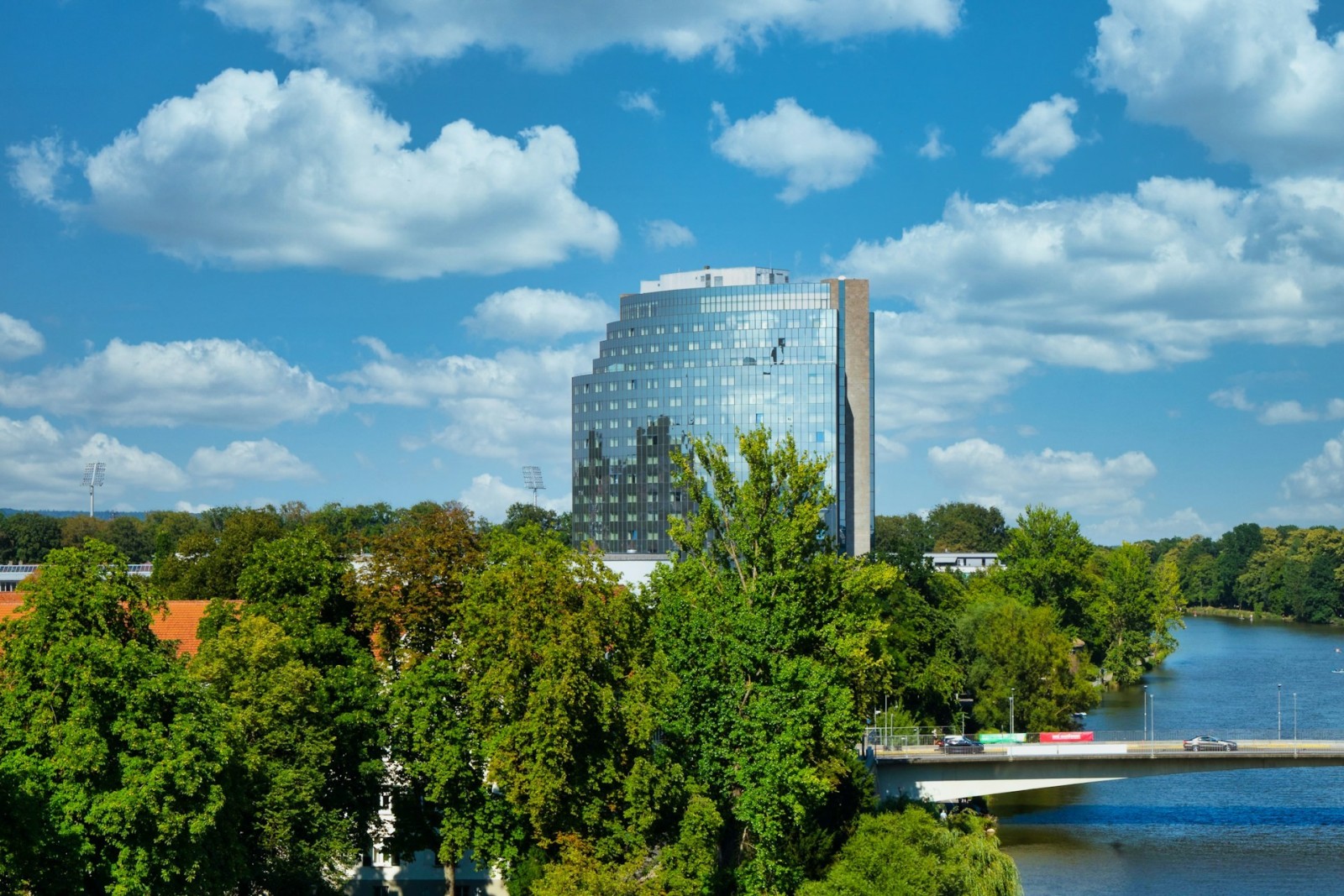
1. High-level hotels
This category includes large hotels with spacious rooms, restaurants, good service, additional amenities and convenient location.
Maritim Hotel Ulm is one of the most famous major hotels in the city. Suitable for tourists, families and business travelers. The hotel has a swimming pool and other additional amenities; it is located near the historic centre and the Danube.
Leonardo Royal Hotel Ulm is a modern hotel with comfortable rooms, a restaurant and amenities for business trips. A good option for those who want to combine a high level of comfort with proximity to the center.
Hotel Schiefes Haus is an unusual historic hotel in the famous “Curve House” of Ulm. Suitable primarily for those who want to stay directly in the ancient part of the city and get an unusual experience of living.
2. Mid-range hotels
This is the most versatile option for most travelers: good comfort without the high cost of premium hotels.
Comfor Hotel Ulm is a convenient option in the central part of the city, about 10-15 minutes walk from the main station and near the Ulm Cathedral. The hotel has about 100 rooms, including economical and family options.
Hotel Goldenes Rad is a popular central hotel next to Ulm Cathedral and the main streets of the old town. It is well suited for independent tourists who need the most convenient location.
RiKu Hotel Ulm is a modern budget and design hotel almost next to the cathedral. The historic center and shopping streets are within walking distance.
Motel One Ulm is a modern city hotel on Münsterplatz, especially convenient for a short trip when you want to live directly in the center.
3. Budget hotels
For an economical trip, you can choose small hotels and chain hotels with a basic set of services.
B&B Hotel Ulm is a practical option for tourists who are interested in low cost and standard accommodation. The University of Ulm also places it in the economical category of accommodation.
ibis budget Ulm City is one of the options for the most economical living in the city. Rooms are small, but suitable for short stops and travel without special requirements for hotel infrastructure.
Hotel Ulmer Stuben is a simpler city hotel, suitable for a short trip or overnight stay on the way to another city.
4. Hostels
Hostels are suitable for young travelers, single tourists and those who want to significantly reduce their living costs.
Brickstone Hostel Ulm/Neu-Ulm is a cost-effective hostel in nearby Neu Ulm. This is a good option for travelers who do not need to live directly in Ulm: the center can be reached by public transport.
DJH Scholl-Hostel Ulm is a youth hostel focused primarily on low-cost accommodation for groups, young tourists and budget travelers. The University of Ulm also lists it among the cost-effective options.
5. Apartments and apartments
The apartments are especially convenient when traveling for a few days, for families or a group of friends. Usually there is a kitchen or kitchen area, so you can cook and save on restaurants.
Ulm and neighboring Neu Ulm offer separate city apartments, studios and small apartments. This option is also convenient for a longer stay.
Soulfactory Apartments in Neu Ulm is an example of modern accommodation of an apartment type, suitable for those who prefer a more independent format of living.
1. Ulm Cathedral (Ulmer Münster)
The main symbol of the city and its most famous landmark. It is a grand Gothic temple with the highest church spire in the world. Hundreds of steps lead to the observation deck, and from the height opens a panorama of Ulm, the Danube and the surrounding area.
How to get there: the cathedral is located in the very center, on Münster Square (Münsterplatz). From the main railway station - about 10-15 minutes walk. You can also get there by tram or bus to the central part of the city.
2. Fishing and Leather Quarter (Fischerviertel und Gerberviertel)
One of the most picturesque areas of Ulm with half-timbered houses, small bridges, canals of the Blau River and narrow streets. Many buildings are built directly above the water. It is especially pleasant to walk, photograph old architecture and visit cafes and restaurants.
How to get there: from Ulm Cathedral only a few minutes walk. From the main station - about 10 minutes walk. The nearest stop is Steinerne Brücke, where bus number 5 goes.
3. Ulm Town Hall (Ulmer Rathaus)
The historic town hall next to the cathedral is one of the most notable buildings of the old city. It is known for its richly decorated facade, ancient paintings and astronomical clocks.
How to get there: located in the central part of the old town, next to Munster Square. It is most convenient to walk from the cathedral - a few minutes.
4. The Crooked House (Schiefes Haus)
Famous historic half-timbered house in the Fisherman's quarter. The building is noticeably tilted and is considered one of the most unusual architectural objects of Ulm. Today it is used as a hotel.
How to get there: located directly in Fischerviertel, so it is most convenient to combine a visit with a walk around the block. From the cathedral - a few minutes walk.
5. The City Wall and the Butcher Tower (Stadtmauer und Metzgerturm)
Preserved sections of the medieval city wall allow you to imagine what the fortified Ulm looked like in the past. Especially interesting is the Metzgerturm Tower, one of the recognizable elements of the old fortifications.
How to get there: located near the Fisherman's Quarter and the Danube. They are easily reached on foot from the cathedral or the historic center.
6. The Danube Embankment (Donauufer)
The promenade is suitable for quiet walks and relaxation after exploring the historic center. It offers views of the Danube, urban fortifications and the neighboring Neu-Ulm, located on the other bank.
How to get there: from the Fisherman's quarter you can almost immediately go to the Danube. From the central part of the city, the path also takes about 10-15 minutes on foot.
7. Federal Fortress of Ulm (Bundesfestung Ulm)
The Ulm fortress of the XIX century is one of the largest surviving systems of military fortifications in Europe. It consists of numerous forts and separate fortifications scattered throughout the city.
Especially interesting are Fort Obererer Kuhberg and Wilhelmsburg.
How to get there: Individual forts are located outside the compact historical center, so it is more convenient to use public transport or a bicycle to visit them. The route to a particular fort depends on the selected object.
8. Wilhelmsburg (Wilhelmsburg)
A huge fortification on a hill, part of the Federal Fortress system. In addition to the historical value, it is interesting panoramic views of Ulm.
How to get there: from Ulm Cathedral on foot about 30 minutes, by bicycle about 15 minutes. Bus number 7 goes to the stops Kliniken Michelsberg or Wilhelmsburgkaserne, from where you need to walk about 700 m. You can also take tram 2 to Lehrertal, then walk about 800 m.
9. Viblingen Monastery (Kloster Wiblingen)
A former Benedictine monastery on the southern outskirts of Ulm. Especially impressive are the late Baroque church and the ornate library. It is one of the best attractions outside the historic center.
How to get there: you can reach the Wiblingen area by city bus, after which you can walk to the monastery complex. It is also easy to get by car, but for a tourist without a car, public transport is more convenient.
10. Museum of Bread and Art (Museum Brot und Kunst)
An unusual museum dedicated to the history of bread, nutrition, agriculture and art. The exhibition shows how important bread was for the development of European culture and society.
How to get there: It is located in the central part of Ulm, so the museum is convenient to include in the hiking route through the old town.
11. Ulm Central Library (Stadtbibliothek Ulm)
A modern library building known for its unusual architecture. It shows the contrast between the medieval center of Ulm and the modern architecture of the city.
How to get there: located in the central part of the city, close to the main tourist routes. The easiest way is to walk from Ulm Cathedral.
12. Botanical Garden of the University of Ulm (Botanischer Garten der Universität Ulm)
Large green area with different types of plants, greenhouses and thematic areas. A good option for those who want to pause after a walk through the historic center.
How to get there: the garden is located in the area of the university campus, so it is more convenient to go from the center by public transport. There are trams and buses to the university part of the city; the specific route depends on the place of departure. The city network includes separate lines linking the center with the university district.
13. Museum and cultural area of the center
In the central part of Ulm there are several museums and cultural venues, including the Museum of Ulm, the Archive of the Graduate School of Design of Ulm (HfG-Archiv) and other exhibition spaces. Due to the compactness of the center, they are conveniently combined into one pedestrian route. The UlmCard tourist card also includes visits to a number of museums and exhibitions.
14. Ulm Zoo (Tiergarten Ulm)
A small zoo is located in Friedrichsau. It is especially interesting for families with children and those who want to add natural attractions to the historical program.
How to get there: from the center you can use public transport or a bicycle. The road will take much longer on foot, so a bus or tram is more convenient for families with children.
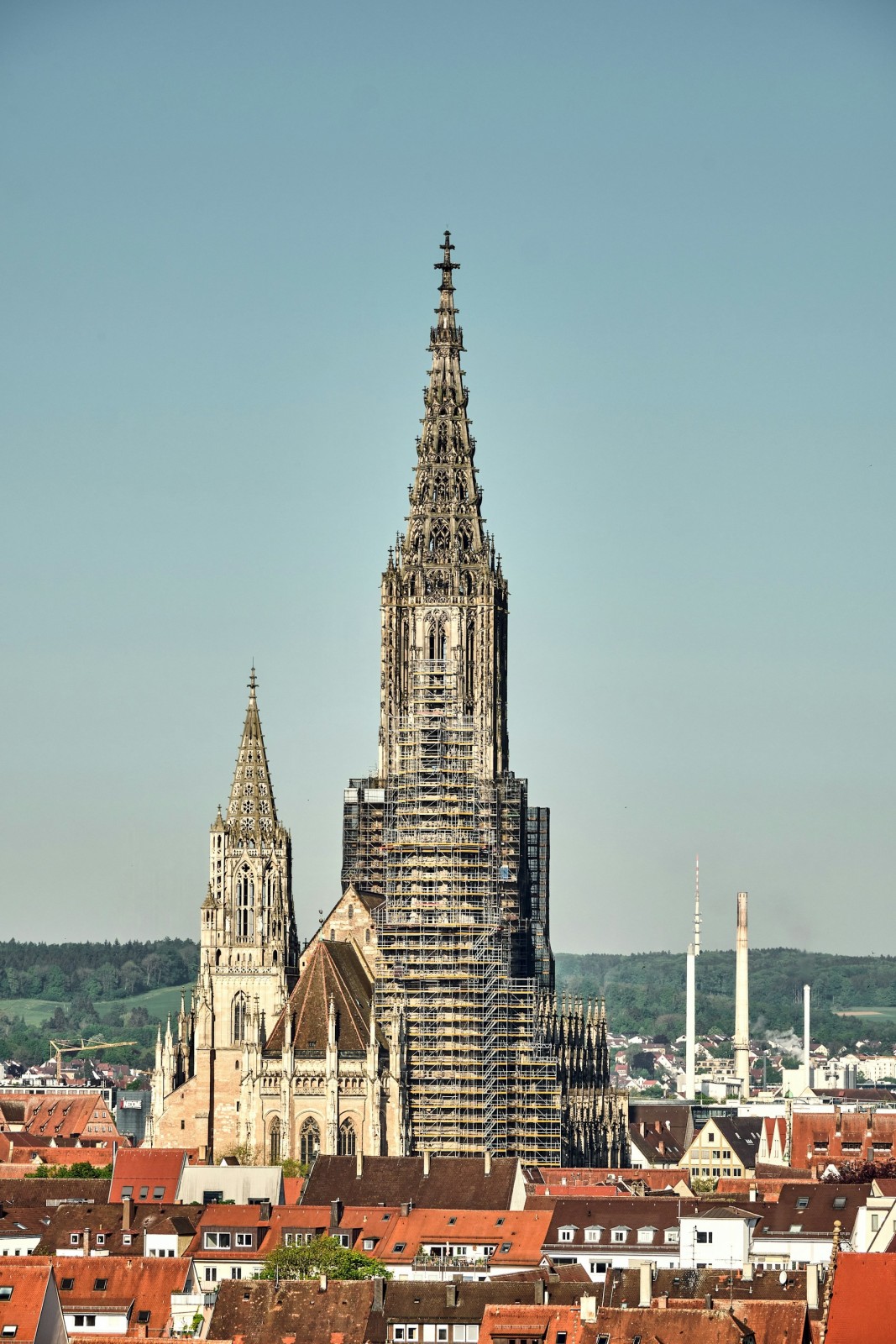
1. Ulm Carnival (Ulmer Narrensprung)
January-February. Traditional carnival procession with dressed participants, masks, costumes, music and street performances. This is one of the main winter folk events of the city, especially interesting for those who want to see the local traditions of Swabia.
2. Ulm Cultural Night (Ulmer Kulturnacht)
September. A large urban cultural event, during which museums, theaters, concert venues and other institutions hold special programs. The city hosts concerts, performances, exhibitions, literary events and various creative performances.
3. International Danube Festival (Internationales Donaufest)
July, every two years. One of the largest cultural events of Ulm and Neu-Ulm. For about ten days, concerts, dance performances, literary events, exhibitions, fairs and gastronomic programs take place on the banks of the Danube. Participants represent the cultures of different countries of the Danube region.
The culture market is especially interesting, where you can get acquainted with national cuisine, crafts, music and traditions of different countries.
4. Feast of the Oath – Schwörmontag
July. The main traditional holiday of Ulm and one of the most unusual urban events in Germany. It takes place on the penultimate Monday of July.
In the morning, the head of town delivers a historic Swearing Speech (Schwörrede) from the balcony of Schwerhaus. After that, the main part of the holiday begins - Nabada.
5. Nabada (Nabada)
July. Bright water carnival on the Danube, which is the culmination of Schwermontag. Participants descend the river on decorated rafts, boats and various homemade structures. The procession involves musical groups and thematic boats.
The name Nabada is literally associated with the descent along the Danube. The route by water is about 7 km, and after it, concerts and festive events take place in the city.
6. Serenade of Lights (Lichterserenade)
July. A romantic evening event on the Danube, which takes place on the Saturday before Schwermontag. After dark, thousands of small red lights float down the river, creating an unusual sight against the backdrop of the historic center of Ulm. In suitable weather, the holiday is accompanied by fireworks.
7. Ulm Folk Festival (Ulmer Volksfest)
July. A big traditional holiday with rides, entertainment, music, beer gardens and numerous activities for families and adults. The holiday takes place in the Friedrichsau district and is one of the largest national holidays in the region. Its tradition dates back to the XV century.
8. Festival "Ulm tent" (Ulmer Zelt)
May-July. Large concert and cultural program with performances of musicians, comedians and artists of different genres. This is one of the most notable musical events of the city, designed for a wide audience.
9. Ulm Wine Festival (Ulmer Weinfest)
August. A popular city holiday on the square near the Ulm Cathedral. Here you can try various wines, dishes of regional cuisine and spend an evening to music. The festival is especially popular among local residents and visitors to the city.
10. Ulmer City Schwaben Genuss Tage
June. A celebration of regional cuisine and gastronomy. In the city center, tastings, trading platforms and programs dedicated to the products and culinary traditions of Swabia are organized.
11. Day of the Fortress (Tag der Festung)
June. Special day dedicated to the Federal Fortress of Ulm. Separate forts and fortifications are opened, excursions and thematic events are held to better understand the military history of the city.
12. Outdoor concerts
May-August. Ulm and neighboring Neu Ulm regularly host summer open-air concert series. The program meets classical music, jazz, rock, pop and other directions. Especially attractive concerts at the venues near the Danube and in the green areas.
13. Ulm Christmas Market (Ulmer Weihnachtsmarkt)
November-December. One of the most famous Christmas markets in southern Germany. It takes place in the square in front of the Ulm Cathedral and combines festive decoration, craftsmen's products, souvenirs, local food, hot drinks and musical performances.
1. Winter - December, January, February
Winter in Ulm is cool, sometimes frosty and snowy.
Air temperature:
During the day, usually about +2 ... +4 ° C;
at night about -3... -1 °C;
during periods of cooling, the temperature can drop below -10 ° C.
In the Danube in winter about +3 ... +5 ° C, so swimming is almost not suitable.
For a trip, this is a calm period: there are fewer tourists, but the daylight is short, snow, fog and cloudy weather are possible. In winter, Ulm is especially interesting due to the Christmas market and the festive decoration of the center.
2. Spring - March, April, May
Spring begins cool, but by May it becomes warm enough for long walks.
Air temperature:
March: around +9 °C in the afternoon and 0... +1°C at night;
April: about +14 °C during the day and +4 °C at night;
May: about +18 °C during the day and +8 °C at night.
Water temperature: In March about +6 ° C, in April about +8 ° C, in May about +13 ° C.
May is already well suited for excursions, walks around the old town and trips around the neighborhood. In the spring you should have a raincoat or a small umbrella.
3. Summer - June, July, August
Summer is the warmest time of the year and one of the best times to explore Ulm. The average maximum temperature is about +21 °C in June and +23 °C in July-August. July is usually the warmest and at the same time one of the rainiest months.
Air temperature:
June: approximately +21 °C during the day, +11 °C at night;
July: about +23 °C during the day, +13 °C at night;
August: about +23 °C during the day, +13 °C at night.
In June-August, the water in the Danube on average can warm up to about +20 ° C, but the temperature is highly dependent on the weather and current.
In summer, it is especially convenient to combine sightseeing with walking along the Danube and visiting city festivals. It is necessary to consider the possibility of short-term downpours and thunderstorms.
4. Autumn - September, October, November
In September, the weather is still relatively warm, and then the temperature gradually decreases.
Air temperature:
September: about +18 °C during the day and +9 °C at night;
October: about +13 °C during the day and +5 °C at night;
November: about +6 °C during the day and +1 °C at night.
Water temperature:
September - about +16 °C;
October - about +10 °C;
November is about +6 °C.
September is especially pleasant for hiking, while October and November are more suitable for museums, architectural attractions, and a cultural program.
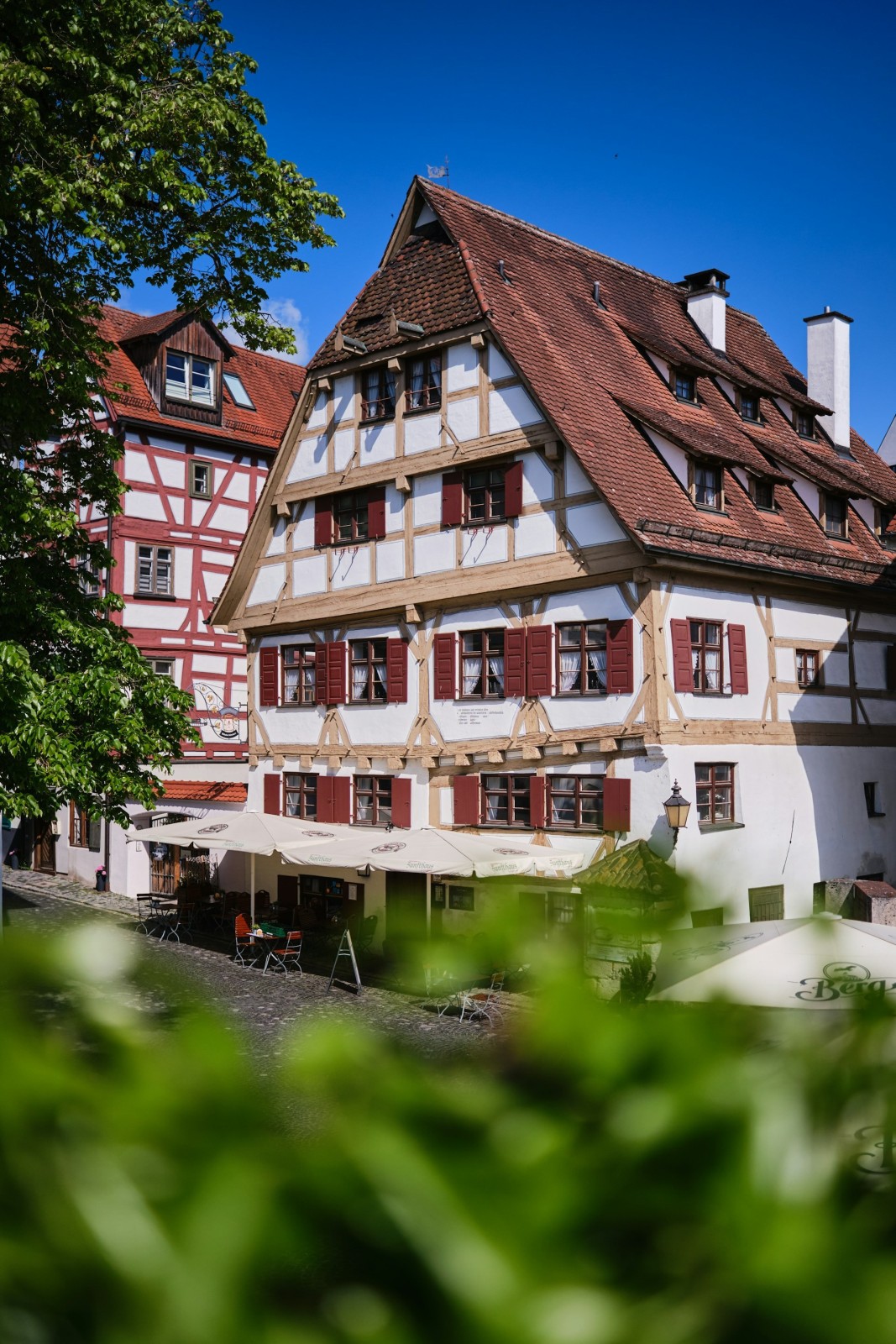
1. Language of communication
The main language in Ulm is German (Deutsch). Standard German is used in everyday life, but features of the Swabian dialect are common in the region. The tourist has enough knowledge of standard German.
In touristic places, major hotels, museums and restaurants it is often possible to explain in English. However, a few German phrases will be useful and well received.
2. Communication and personal space
In Germany, it is customary to respect the personal space of the interlocutor. Do not talk too loudly in public places, interrupt people or address strangers too familiar.
When you first meet adults, it is better to use Sie - a polite appeal "you". The transition to du is usually by mutual consent.
In shops, hotels, museums and other institutions, it is customary to say hello when addressing an employee and thank after receiving help.
3. Punctuality
Punctuality is very important in Germany. For excursions, business meetings, excursion buses and pre-booked events, it is better to arrive in advance.
If you are late for a meeting or booking, it is advisable to warn about this.
4. Conduct in public places
In Ulm, as in other German cities, order and respect should be observed.
Not recommended:
make noise at night;
Leave garbage on the streets and in parks;
Destroy historical buildings and monuments;
cross the road at a red traffic light;
Enter fences at historical sites;
disturb other visitors in museums and temples.
The city has local public order regulations, including restrictions related to noise, parking, public spaces and environmental requirements.
5. Ulm traditions
A special place in urban culture is occupied by the Feast of the Oath (Schwörmontag). This is an old tradition of Ulm: the head of the city speaks from the balcony of Schwerhaus and publicly reports to residents. Then there is the famous Nabada procession on the Danube.
Tourists should be calm about local traditions and do not interfere with the participants of festive events. During major holidays, some central streets and stretches of the waterfront can be heavily crowded.
6. Visiting churches
When visiting Ulm Cathedral and other active temples, you should observe the usual rules of behavior:
speak softly;
Do not interfere with worship;
Do not take pictures where it is prohibited;
Do not use flash during service;
dress with restraint.
Entrance to the temple for tourists does not mean that you can behave like on a regular excursion site.
7. Rules in restaurants and cafes
Restaurants usually wait first for the waiter to show a free table if the establishment works with service on the spots.
The bill is often paid after meals. Tipping is not mandatory, but with good service, it is customary to leave about 5-10% or just round the amount.
In Germany, it is not customary to rush the waiter with the expectation - you can safely ask:
Die Rechnung, bitte - "Invoice, please."
8. Alcohol and smoking
Drinking alcohol is permissible in specially designated places, but it is impossible to appear in public places in a state of strong intoxication and disturb order.
Smoking is prohibited in many enclosed public spaces and public transport. You should pay attention to special designations and use the allotted places.
9. Traffic rules
Pedestrians need to cross the street at pedestrian crossings and follow traffic lights. Special attention should be paid to bicycle paths: in German cities, cyclists actively use dedicated lanes and paths, and a pedestrian should not go without having to walk on them.
Cyclists, in turn, need to follow traffic rules and traffic lights.
10. Photography and filming
It is possible to photograph city streets, squares and most attractions, but there may be restrictions inside museums, churches and individual historical sites.
Do not take close-up photos of people without permission, especially children and participants in private events.
11. Documents
Foreign tourists are advised to carry a passport or other identity document in accordance with the rules of entry. For citizens of countries requiring a visa, it is necessary to comply with the conditions of the issued visa. To enter Germany, non-EU/EFTA nationals generally require a valid recognised passport or substitute document.
1. Greetings and polite words
Hallo! Hello! / Hello! Transcription: Hallo
Guten Morgen! Transcription: Guten Morgen
Guten Tag! - Good afternoon! / Hello!Transcription: So Guten
Guten Abend! - Good evening! Transcription: Guten Abent
Auf Wiedersehen! - Goodbye! Transcription: Auf Viderzeen
Tschüss! - Bye! Transcription: Chauss
Bitte. - Please. Transcription: Bitte
Danke. - Thank you. Transcription: Danke
Vielen Dank! - Thank you very much!Transcription: Philan Dunk
Entschuldigung! Transcription: Entschuldigung
Kein Problem. - No problem. Transcription: Kaine problems
Ja/Nein - Yes/No. Transcription: I/Nayne
2. If you don't understand German
Sprechen Sie Englisch? - Do you speak English? Transcription: Sprahan zi English?
Sprechen Sie Russisch? - Do you speak Russian? Transcription: Sprahan zi Rusish?
Ich spreche nur ein bisschen Deutsch. - I speak a little German. Transcription: Their Sprehe Noor Ain Bishan Deutsch
Ich verstehe nicht. - I don't understand. Transcription: Their fursteeth.
Können Sie das bitte wiederholen? - Can you repeat it, please? Transcription: Kenen zi das bitte viderholen?
Bitte sprechen Sie langsamer. - Please speak more slowly. Transcription: Bite Sprehen Zi Langzemer
Können Sie mir das aufschreiben? - Can you write this down for me? Transcription: Könen zi mir das aufsreiben?
3. At the hotel.
Ich habe eine Reservierung. - I have a reservation. Transcription: Their habe aine reservirung
Ich habe ein Zimmer reserviert. - I booked a room. Transcription: Their hub ain zimmer roservirt
Ich möchte einchecken. - I'd like to register. Transcription: Their fur.
Wann ist der Check-out? - When's the departure? Transcription: Van East Der Checkout?
Ist das Frühstück im Preis inbegriffen? - Is breakfast included? Transcription: Is East Das Fruit a price tag?
Gibt es WLAN im Zimmer? - Is there Wi-Fi in the room? Transcription: Hipt es valan them zimmer?
Wo ist mein Zimmer? - Where's my number? Transcription: East mine zimmer?
4. At the station and on public transport
Wo ist der Bahnhof? - Where's the station? Transcription: East Der Banhof?
Wo ist die Straßenbahn? - Where's the tram? Transcription: East di Strasenban?
Wo ist die Bushaltestelle? - Where's the bus stop? Transcription: In the East of Buschaltestall?
Ich möchte eine Fahrkarte nach Ulm. I'd like a ticket to Ulm. Transcription: Their mechte aine farkarte nah ulm
Wie viel kostet die Fahrkarte? - How much is the ticket? Transcription: Vfil Costet de Farcarte?
Wann fährt der nächste Zug? - When does the next train leave? Transcription: Van fart der nekste zuk?
Auf welchem Gleis? - What platform? Transcription: Auf Welham Glais?
Hält dieser Zug in Ulm? Does this train stop in Ulm?Transcription: Helt Dizar Zuk in Ulm?
Ist das der richtige Bus? - Is this the right bus? Transcription: East das der richtigue boos?
5. How to ask the way
Entschuldigung, wo ist das Ulmer Münster? - Excuse me, where's Ulm Cathedral? Transcription: Entschuldigung, in East Das Ulmar Munster?
Wie komme ich zum Bahnhof? - How do I get to the station? Transcription: What do you think?
Ist es weit? - Is that far? Transcription: East S. White?
Kann ich zu Fuß gehen? - Can I walk? Transcription: Can their tsu fus geen?
Nach links. - Left. Transcription: Nah linx.
Nach rechts. - To the right. Transcription: Nah rechts
Geradeaus. - Straight. Transcription: Garadeaus
Hier. - Here. Transcription: Hir
Dort. There. Transcription: Dort
6. Restaurant and café
Einen Tisch für zwei Personen, bitte. - Table for two, please. Transcription: Ainen tish für zwei parzonen, bitte
Die Speisekarte, bitte. - Menu, please. Transcription: Dee Chaisekarte, Bitte
Was empfehlen Sie? - What do you recommend? Transcription: Are you Emphelan Z?
Ich möchte das bestellen. - I'd like to order this. Transcription: Their mechte das bashtellan
Ohne Fleisch, bitte. - No meat, please. Transcription: One fluish, bitte
Ohne Alkohol, bitte. - No alcohol, please. Transcription: One alcohol, bitte
Die Rechnung, bitte. - Check, please. Transcription: Dee Rehnung, Bitte
Kann ich mit Karte bezahlen? - Can I pay with a card? Transcription: Can their mit karte bezalen?
1. Ulm Pasta (Ulm-Nudla)
One of the most characteristic edible souvenirs of Ulm is Ulm-Nudla, a special pasta with the name and symbolism of the city. It is convenient to bring home as it is well kept and suitable as a small gift. This product is officially presented among the souvenirs of the city.
2. Swabian cuisine
From Ulm, you should bring products related to traditional Swabian cuisine:
dried egg noodles and other types of pasta;
mixtures for the preparation of Swabian dishes;
local mustard and sauces;
honey
jams and fruit products;
regional sweets;
Dry cookies and long-term baking.
To buy such products, it is convenient to look at the city market in Münsterplatz, where bread, cheese, meat products, vegetables, herbs, coffee, tea and regional delicacies are presented.
3. Swabian sweets and pastries
A good gift will be local sweets, chocolate, cookies and confectionery products. It is especially convenient to buy products in a package with the image of the Ulm Cathedral - such a gift is also a gastronomic souvenir.
4. Bread and bread products
Ulm is especially interesting for bread lovers. The Museum of Bread and Art (Museum Brot und Kunst) is dedicated to the history of bread, agriculture, food and their role in culture. Therefore, thematic bread products, bread mixtures and pastries can become an unusual souvenir from the city.
For transportation, it is better to choose dry products of long-term storage, not fresh bread.
5. Herbal teas and useful plant products
As a practical gift, you can buy herbal teas, dried herbs, honey and other plant products. These are not unique Ulm medicines, but they fit well with the regional tradition of using natural products.
When buying medicines, it is better to choose ordinary pharmacy or certified products, rather than buying unknown drugs “for treatment” without consulting a doctor.
6. Local products from the urban market
Especially interesting is the market in Münsterplatz, which operates several times a week. There you can find fresh regional products, cheese, sausages, bread, vegetables, fruits, herbs, coffee, tea and delicacies. This is a good option if you want to buy not a standard tourist souvenir, but a real product from the region.
7. Chocolate and candy with symbols of Ulm
A practical option for gifts is chocolate, candy and other sweets with the image of the Ulm Cathedral, the town hall or other city symbols. They are inexpensive, take up little space and are suitable for gifts to colleagues and friends.
1. What documents are needed
A valid foreign passport is required for travel. For visa-free tourists, the passport must be issued no more than 10 years ago and remain valid for at least 3 months after the expected date of departure from Germany. The border may also be asked to confirm the purpose of the trip, the availability of funds for the trip and the possibility of returning.
If a citizen of your country requires a Schengen visa, it must be obtained before traveling. It is also desirable to have:
confirmation of accommodation reservation;
tickets or route information;
confirmation of financial resources;
a copy of the passport;
Travel health insurance.
2. Health insurance
Travel health insurance is recommended before travel. It is desirable that it cover treatment abroad and the costs of medical transportation or return to the home country.
To obtain a Schengen visa, health insurance must be valid throughout the Schengen area and for the entire duration of the trip, and the minimum insurance amount is 30,000 euros.
3. Emergency services phones
112 – ambulance and fire service. The room works around the clock and free of charge from mobile and landline.
110, police.
116 117 - medical duty for situations where urgent medical care is required, but there is no immediate threat to life.
For serious injury, loss of consciousness, severe shortness of breath, suspected heart attack or other life-threatening condition, 112 should be called.
4. Mobile communications
There are four main mobile networks in Germany:
Telekom;
Vodafone;
Telefónica (O2);
1&1.
In addition to their own SIM cards, there are a large number of virtual operators using one of these networks. The German Federal Network Agency notes that the quality of coverage may vary depending on the location and operator.
For a short trip, it is usually convenient to use your operator’s roaming or travel SIM/eSIM with the internet.
5. How long can you stay in Germany?
For citizens of countries that are allowed visa-free entry into the Schengen area, the standard rule is no more than 90 days in any period of 180 days. This restriction applies to the entire Schengen area, not just Germany.
That is, you can’t spend 90 days in Germany, then go to France or Austria for a short time and get a new 90-day period.
For EU/EEA and Swiss citizens, there are other rules for free movement and residence. For stays of more than 90 days for the purpose of work, study or long-term residence, separate rules and permits also apply.
Create a query and local guides will offer you the best options

