Independent tourism and recreation in the city of Worms Historical information about the city of Worms Worms i...
Worms is one of the oldest cities in Germany, located on the banks of the Rhine. Its history spans several millennia. The city is known for its Roman past, medieval heyday, Jewish heritage, the legends of the Nibelungs and the events of the Reformation.
1. Ancient period
The territory of Worms was inhabited already in the V millennium BC. Thanks to the fertile lands and the proximity of the Rhine, agricultural and commercial settlements appeared here early. Later, the region was inhabited by Celtic and Germanic tribes.
2. Roman era
The Romans included the settlement in the system of their possessions on the Rhine. It was called Borbetomagus. Roads, trade, agriculture and military infrastructure developed. The Rhine became the most important transport route, which determined the further importance of the city.
3. The Age of Burgundians and Franks
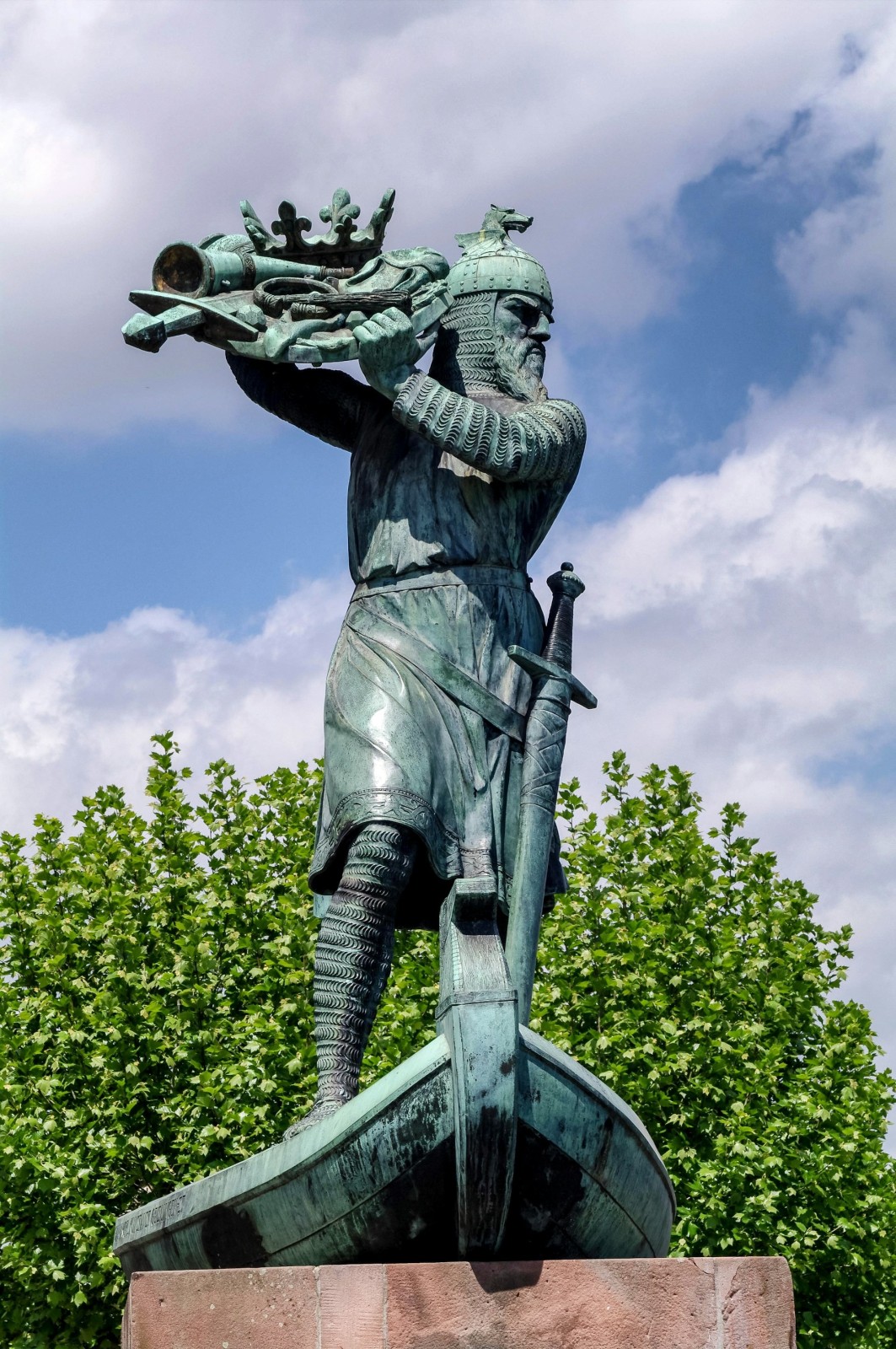
During the Great Migration, Worms was associated with the Kingdom of Burgundy. It was with these events that later the legends of Nibelung, Siegfried and Krimhild began to be associated.
After the collapse of the Burgundian state, the territory passed to the Franks. Under Charlemagne, Worms became an important royal center and meeting place.
4. Medieval heyday
In the XI century Worms significantly strengthened its position. Bishop Burhard played an important role, during which the city infrastructure was developed and the religious center was strengthened.
In 1074, King Henry IV granted the residents important trading privileges. Gradually, the city achieved greater independence and became one of the most important imperial cities of the Holy Roman Empire.
5. Jewish community
From the XI century Worms was one of the most important centers of Jewish culture in Europe. Together with Mainz and Speyer, he was a member of the CUM association, which played an important role in the development of the Ashkenazi tradition.
The community was repeatedly subjected to persecution and pogroms, but continued to exist. Worms is associated with an ancient synagogue, a Jewish cemetery and the memory of prominent rabbis and scholars.
6. Cathedral and Nibelungi
In the XII century, the famous St. Peter's Cathedral was built - one of the main Romanesque cathedrals in Germany. Worms also became one of the most important venues for the Song of the Nibelungs. Historical events and legends became so closely intertwined over time that the image of the Nibelungs became part of the city’s identity.
7. Worms and the Reformation
The most famous event in the history of the city occurred in 1521, when the Worms Reichstag was held here.
Before the Emperor Charles V appeared Martin Luther, who was required to abandon his writings and views. Luther refused to renounce his convictions. After that, the Edict of Worms was issued, declaring it illegal.
The events of 1521 made Worms one of the main symbols of the European Reformation.
8. XVII-XVIII centuries
Worms suffered greatly during the Thirty Years' War (1618–1648). Even more serious was the disaster of 1689, when the city was captured and much of its construction was destroyed by fire.
Worms was gradually restored, but many medieval buildings were lost.
9. The Napoleonic Era and the XIX Century
In the early nineteenth century, the old political order of the Holy Roman Empire ceased to exist. Worms lost its status as a free imperial city and became part of the Grand Duchy of Hesse.
The nineteenth century brought a new wave of development. Railways, the Rhine and industry contributed to the growth of trade. Winemaking, production and transportation developed, and Worms gradually became a modern industrial city.
10. XX century
During the First World War, the city faced economic difficulties. Under the Nazi regime, the fate of the Jewish community became particularly tragic: the residents were persecuted, deported and destroyed, and the historic synagogue was destroyed in 1938.
During World War II, Worms was bombed, which affected industrial areas and historic buildings.
11. Post-war period
After 1945 the city was rebuilt. Gradually, more and more attention was paid to the preservation of historical monuments associated with the Roman era, the Middle Ages, the Nibelungs, Jewish culture and the Reformation.
In 2021, the Jewish monuments of Worms, Mainz and Speyer as part of the FUM site were included in the UNESCO World Heritage List.
12. Worms today
Modern Worms is an industrial, commercial and cultural center on the Rhine. The main features of the city are St. Peter’s Cathedral, the Nibelung heritage, Jewish history, the memory of Martin Luther and the winemaking traditions of the region.
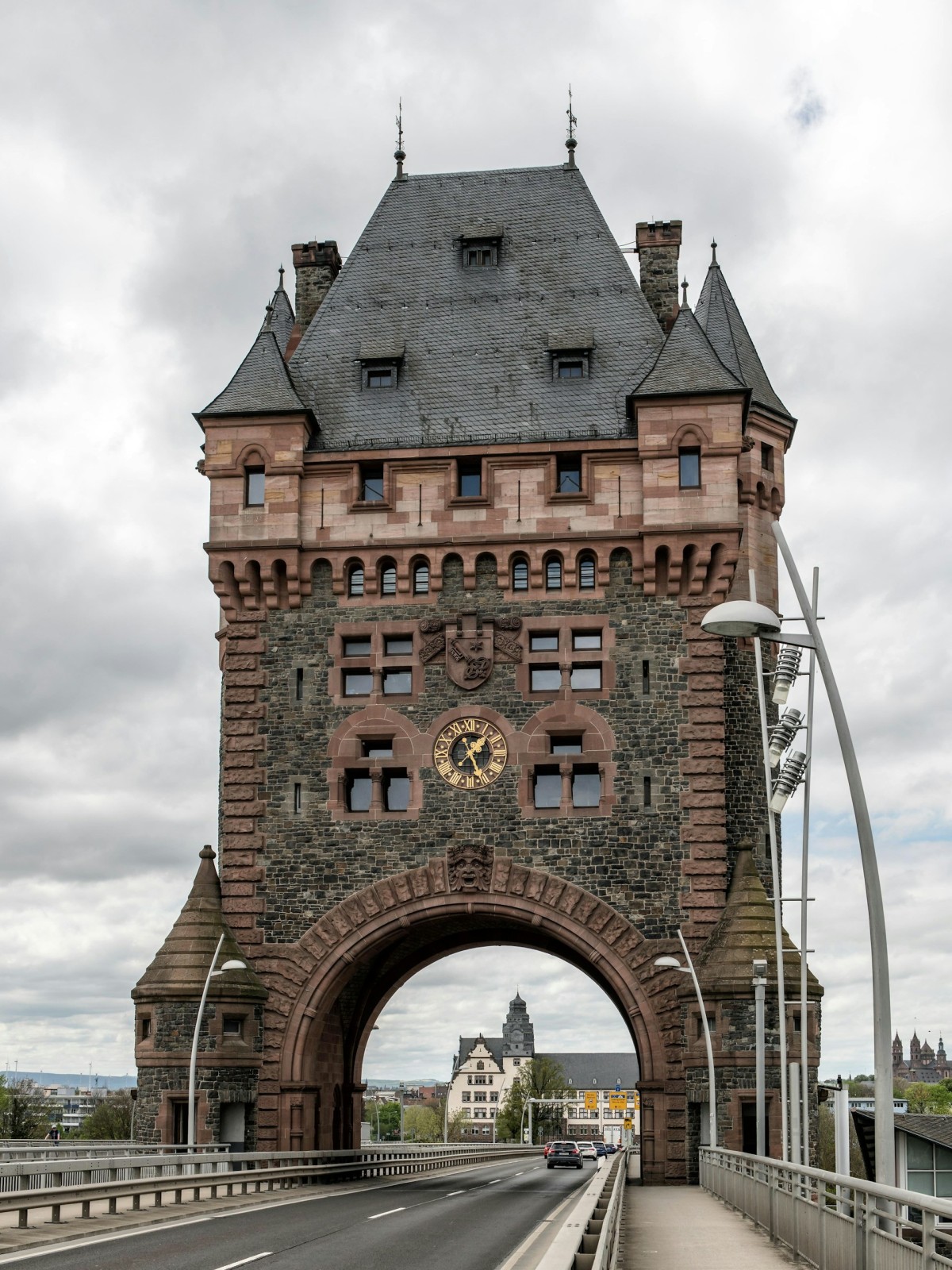
Worms is one of the most interesting historical cities in Germany for travelers who want to combine the architecture, history, culture and nature of the Rhineland. The city is not overloaded with tourists, so it is convenient to visit at a calm pace.
The main feature of Worms is a huge historical heritage. Here you can see the Cathedral of St. Peter, medieval city quarters, ancient Jewish monuments and places associated with Martin Luther. Due to this, the city is especially interesting for lovers of history and architecture.
The legendary Nibelung heritage also plays an important role. Worms is considered one of the main places associated with the Song of the Nibelung. The city has monuments and other objects reminiscent of Siegfried, Krimhild and other heroes of the medieval epic.
A separate area is Jewish cultural heritage. The historical synagogue, the ancient cemetery and other monuments tell about the centuries-old history of the Jewish community of Worms. Together with the Mainz and Speyer sites, this heritage is of international importance.
Worms is also interesting because of the Reformation. It was here that the famous Reichstag took place in 1521, at which Martin Luther defended his religious views. For tourists, this is an opportunity to see places associated with one of the most important events in European history.
Another attractive side of the city is the wine tradition. Worms is located in the Rhine Hesse region, famous for vineyards and the production of German wines. The trip can be combined with a visit to wineries and tasting regional varieties.
For walks, the historical center, the embankment of the Rhine and the green areas of the city are suitable. Due to its compactness, the main attractions can be viewed on foot in one or two days.
Worms is especially suitable for lovers of history, medieval architecture, religious and Jewish heritage, literature and legends, wine tourism and quiet urban travel. It is a good option to stop while traveling around the Rhineland and the route between other historic cities in Germany.
1. High and mid-range hotels
Dom Hotel is one of the most convenient options for tourists who want to live in the central part of the city. Suitable for exploring the historical center and the main attractions.
DORMERO Hotel Worms is a modern accommodation option with a more spacious hotel infrastructure. Suitable for both tourist and business trips.
Parkhotel Prinz Carl is an option for travelers who want a calmer atmosphere and a higher level of comfort.
Weingut und Weinhotel Sandwiese is an interesting option for exploring not only Worms, but also the wine culture of Rhine Hesse.
2. Mid-range hotels
Hotel Kriemhilde is a convenient option in the central part of Worms, especially for tourists who want to be close to historical sights.
Asgard Hotel is a classic city hotel with a convenient location for a few days.
Central Hotel Garni is a small hotel option in the central part of the city, suitable for short stays.
Hotel Hüttl – Garni is a compact garni hotel aimed primarily at tourists who need a convenient place to stay and basic hotel services.
3. Budget hotels
For economical travel, you can consider small city hotels and garni hotels. They usually offer a simpler set of services, but can significantly reduce living costs.
These options include Hotel Hüttl, Central Hotel Garni, as well as some smaller hotels such as Hotel Montenegro and Hotel Faber.
4. Hostels
Rheinhessen-Jugendherberge Worms is a youth hostel suitable for independent travelers, students and tourists who want to save on accommodation. This format is especially convenient for short stops.
Hostels usually offer shared rooms and sometimes separate rooms, so when booking it is worth choosing the most suitable format.
5. Boarding and guesthouses
Guesthouses and Gästehaus are a good compromise between hotel and private accommodation. In Worms and its surroundings there are small family guest houses.
Weingut und Gästehaus Schmitt and Hotel Wein- und Gästehaus Falkenhof are interesting. They are especially suitable for those who want to combine living with acquaintance with the wine traditions of the region.
6. Apartments and apartments
Ferienwohnung is one of the common accommodation options in Worms. These are separate apartments or houses that are particularly convenient for families, companies of friends and travelers planning to stay for a few days.
Among the options are Nibelungen-Apartments, Altstadtferienwohnung Schlereth, Nibelungen-Appartement-Worms and other apartments in the central areas of the city.
The main advantage of this format is the presence of a kitchen and more space compared to a regular hotel room.
7. Accommodation in wine-producing areas
If you want a more peaceful atmosphere, you can choose housing in the areas of Worms and the nearest wine-growing settlements. There are wine hotels, Gästehaus and small family boarding houses.
This option is especially interesting for road travel and acquaintance with the vineyards of the Rhine Hesse.
1. St. Peter's Cathedral (Wormser Dom St. Peter)
The main symbol of the city and one of the most famous Romanesque cathedrals in Germany. It was built in the XII-XIII centuries and belongs to the famous imperial cathedrals of the Rhineland. The cathedral rises above the historical center and is especially well perceived along with the surrounding ancient buildings.
Transport: located in the heart of Worms. From the main station you can walk in about 15-20 minutes. There are also buses to the central part of the city. It is most convenient to visit the cathedral along with Domplatz Square, the Old Town and other central attractions.
2. Monument to Martin Luther (Lutherdenkmal)
One of the largest monuments of the Reformation in the world, erected in 1868. The central figure of the composition is Martin Luther, around whom other Reformation figures and historical characters are represented.
Transport: Located on Lutherplatz Square near the historic center. From the cathedral you can walk in about 10-15 minutes. The monument is conveniently included in the pedestrian route to the places of the Reformation.
3. The Jewish Cemetery of the Holy Sand
One of the most important monuments of the Jewish history of Worms and a UNESCO World Heritage Site as part of the CUM complex. The cemetery is considered the oldest surviving Jewish cemetery in Europe; the oldest burials date back to the XI century.
Transportation: located near the historic center. From the cathedral and the central part of the city can be reached on foot, as well as using the city bus. A visit is conveniently combined with a visit to the monuments of Jewish heritage.
4. Synagogue and CUM complex
The historic Worms synagogue complex is associated with the centuries-old history of the Jewish community. It includes a synagogue, a women’s gallery, other historical premises and a mikvah – a ritual bath. The objects belong to the complex of Jewish heritage of Speyer, Worms and Mainz.
Transportation: located in the historic center. From the cathedral you can walk in about 5-10 minutes. It is most convenient to visit with the Jewish cemetery.
5. Rhineland
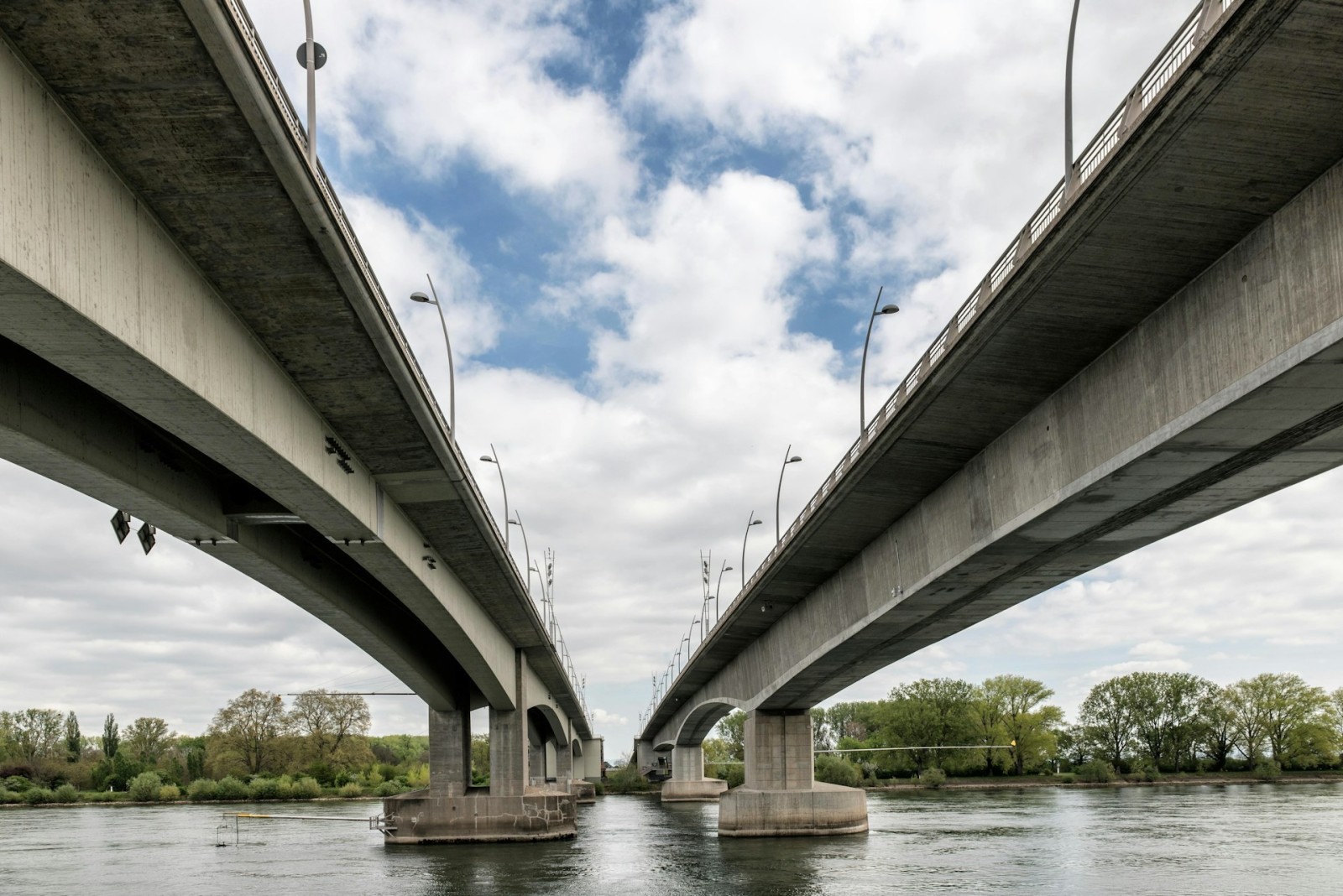
The Rhine is the most important natural and historical part of Worms. The river is associated with the commercial development of the city, the legends of the Nibelungs and the modern walking area. Here you can combine a walk with an inspection of the Nibelung Tower and the bridge.
Transport: From the historic center to the embankment can be reached on foot. This is a good continuation of the route after visiting the cathedral and the old city.
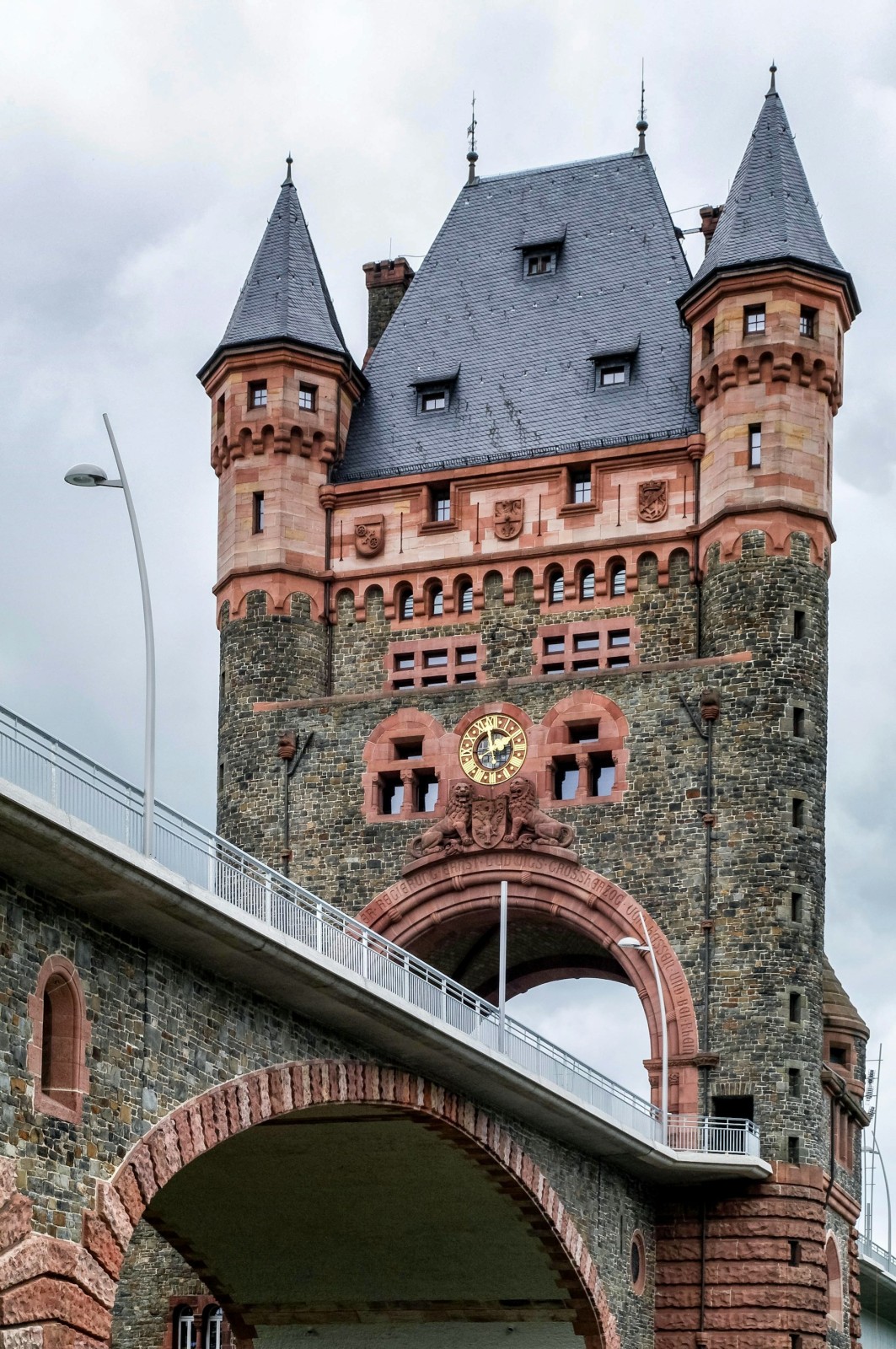
6. Nibelung Tower (Nibelungenturm)
The historic tower on the Nibelung Bridge over the Rhine. It is associated with modern urban symbols and the legendary Nibelung heritage.
Transport: located east of the historic center, outside the main pedestrian zone. The bridge area can be reached on foot or by public transport, and then continue walking along the Rhine. By car, the entrance is more convenient, but it is better to look for parking in permitted places.
7. Nibelung Museum (Nibelungenmuseum)
The museum is dedicated to “Songs of Nibelung” and the history of perception of this epic. It is housed in the medieval city wall and towers, so the architecture itself is part of the exhibition.
At the same time, it is important to take into account the current change: the traditional Nibelung Museum was finally closed by the city council in 2024 due to technical and construction reasons. Now the city is working on a new format for presenting materials about the Nibelungs in the City Museum.
Transport: The former museum building is in the centre. From the main station you can take buses 401, 404, 408 and 409 to the area of Marktplatz or Römischer Kaiser, after which you can walk.
8. Museum der Stadt Worms im Andreasstift
The museum tells the story of Worms from antiquity to the present. It is especially interesting for those who want to get a holistic view of the development of the city, and not limited to individual historical periods.
Transport: located in the historic center, so it is convenient to reach it on foot from the cathedral and other central sites.
9. Holy Trinity Church (Dreifaltigkeitskirche)
A large Protestant church of the seventeenth century, associated with the religious history of Worms and the Reformation. It is included in the route to places associated with Luther’s stay in the city.
Transport: located in the center, close to the main historical sights. It is better to visit on foot as part of the Reformation route.
10. St. Martin's Church (Martinskirche)
One of the oldest churches in Worms. It is connected with the historic center and the route along which, according to urban tradition, Martin Luther passed after his arrival in Worms in 1521.
Transport: located in the central part of the city, so it is most convenient to get on foot.
11. Heilshofpark (Heylshofpark)
A historical site associated with the events of the Worms Reichstag in 1521. It was here that the Episcopal Palace was located, where important events related to Luther took place. The palace itself was later destroyed by a fire in 1689, and today in its place is a park with information materials.
Transport: the park is located in the historical center, almost next to the cathedral. It's easy to walk.
12. Heilshof Museum (Museum Heylshof)
Art Museum located near the historical center. Its collection is primarily associated with painting, graphics and decorative arts.
Transport: located in the center, so it is most convenient to walk from the cathedral, square and other museums.
13. Hernsheim Palace (Schloss Herrnsheim)
A former aristocratic residence in the Hernsheim area on the outskirts of Worms. The palace is surrounded by a historical park and is of interest to those who want to see not only the medieval center, but also later architecture.
Transportation: located farther from the historic center. It is most convenient to get by city bus or car; the trip can be combined with a walk in the park. The palace is one of the important sights of Worms.
14. Worms Zoo (Tiergarten Worms)
Suitable for family holidays and travelers with children. The zoo is located in the green part of the city and allows you to complement the historical program with a more relaxed walk.
Transport: located about 1.5 km from the central part according to the tourist map of the city. To the area you can use city transport, and then walk.
"Worms Blossoms" (Worms blüht auf) - April Spring city holiday with decoration of the center, fairs, music, entertainment and programs for families. A good time to explore the city after winter.
Worms Wine Mile (Wormser Weinmeile) – April-May Festival of local wine, dedicated to the winemaking traditions of the Rheinhessen region. You can try local wines, regional dishes and listen to music.
Spectaculum Worms is one of the most atmospheric festivals in the city. Historical and medieval themes, costumed participants, craft fairs, music, performances and reconstructions create the atmosphere of a medieval city.
Pfingstmarkt (Wormser Pfingstmarkt) - May-June Great traditional fair, dedicated to the holiday of Pentecost. There are attractions, shopping arcades, various pavilions and food points.
Nibelung festival productions (Nibelungen-Festspiele) – July The main theatrical event of Worms, dedicated to the legends of the Nibelungs. Performances take place in the open air near Worms Cathedral and usually become one of the main cultural events of the city.
Worms Cultural Night (Wormser Kulturnacht) - June Night cultural program with concerts, theater performances, exhibitions, dances and other events at various venues of the city.
Festival "Jazz and Joy" (Worms: Jazz & Joy) - August One of the most famous music festivals of Worms. Several open areas around the cathedral host concerts of jazz, blues, soul, rock and other directions. The festival attracts thousands of spectators; in 2026 there were 33 concerts on four stages.
Backfest (Wormser Backfischfest) - late August - early September The most famous folk festival of Worms and one of the largest wine and folk festivals on the Rhine. The holiday lasts nine days and includes attractions, festive tents, music, wine events, procession, fireworks and traditional entertainment. A special tradition is the knightly contest on the water (Fischerstechen), during which participants try to push an opponent into the water. It doesn’t happen every year because it depends on the water level in the Rhine.
Open Monuments Day (Tag des offenen Denkmals) - September In September, historical buildings and monuments are opened, which in normal times may not be available to tourists. Excursions, lectures and special cultural programs are held.
SchUM-Kulturtage – October–November A series of events dedicated to the Jewish heritage of Worms, Mainz and Speyer. The program includes lectures, concerts, exhibitions, excursions and cultural meetings.
Worms Wine Fair (Wormser Weinmesse) - November Autumn event for wine lovers, which presents wines of Reinhessen and neighboring wine regions.
Worms Christmas (Wormser Weihnacht) – end of November – December Traditional Christmas market with decorated squares, wooden houses, souvenirs, sweets, hot drinks, music and festive atmosphere.
Concerts and theatrical productions - throughout the year, the city regularly hosts concerts of classical and modern music, theater performances, musicals, humorous shows and performances of famous artists. The main venues are WORMSER and Lincoln Theater. For example, in the theater season 2026/27 alone, more than 130 events of various genres are planned.
1. spring
March: about +7–12 °CApril: about +11–17 °CMay: about +15–21 °C
Spring is gradually becoming warm and sunny. In March it is still cool, and in April and May it is already comfortable to walk around the historical center, visit the cathedral, museums and the embankment of the Rhine. May is especially suitable for long walks and trips to the surrounding wine-growing areas.
Water temperature: in natural water bodies and the Rhine in the spring is usually cool, about +8-16 ° C, so swimming is suitable only for fans of cold water.
2. Summer.
June: about +19–24 °CJuly: about +21–26 °CAugust: about +20–26 °C
Summer is the warmest time of the year. July is usually the hottest month, the average temperature is around +20–21 °C, and daily values often reach +25 °C and above. In some periods, strong heat waves with a temperature of about +30 ° C and above are possible.
This is the best time to walk around the city, travel along the Rhine, visit festivals and wineries. In the summer, short-term downpours and thunderstorms are possible.
Water temperature: in local lakes and equipped places for swimming in summer, usually about +20-25 ° C, and in the warmest periods, the water can warm up even more. The Rhine is much cooler and is not the main place for swimming.
3. autumn
September: around +16–21 °C October: around +11–16 °C November: around +6–10 °C
The beginning of autumn remains quite warm and well suited for travel. In September, the summer weather still remains, and in October it becomes cooler. November is already characterized by a short daylight, high humidity and more frequent cloudy days.
Water temperature: approximately +18–20 °C in September, then gradually decreases to +10–14 °C in November.
4. Winter
December: about +3–7 °C January: about +2–6 °C February: about +3–8 °C
Winter in Worms is relatively mild. Severe frosts are rare, although short-term cold snaps are possible. The average January temperature is about +2-3 °C, and daily highs are usually several degrees above zero.
Snow is possible, but sustained snow cover is uncharacteristic for the city. In winter there are more cloudy and humid days, so for long walks the period is less comfortable.
Water temperature: about +3-7 °C; for normal bathing, the water is too cold.
1. Language of communication
Worms' main language is German. In hotels, restaurants, museums and tourist areas, staff often speak English, especially in the city centre. Russian is not widely used, so it is advisable to know a few simple German phrases.
In everyday communication in Germany, it is customary to address strangers in the polite form of Sie (“Zi”). Calling “you” – du (“du”) – is usually used between friends, acquaintances, and people who have offered to switch to informal communication.
2. Traditions and characteristics of behavior
Punctuality. In Germany, the observance of agreements and time is highly valued. For excursions, meetings and reservations, it is better to arrive in advance.
Politeness. When entering small shops, hotels and other establishments, it is appropriate to say hello - Guten Tag (guten tag). When addressing employees, it is advisable to use a polite form.
Silence and respect for others. It is not customary to speak loudly in public transport, museums and residential areas. It is especially important to observe silence in the evening and at night.
Lines. In shops, cash desks and other public places, you should observe the queue and not try to pass without a queue.
Photo and video. In museums and religious buildings, you need to pay attention to the rules of shooting. If photography is prohibited, it should be observed.
Religious places. Worms has many historic churches and Jewish heritage sites. When visiting temples and cemeteries, you should behave calmly, not make noise and respect religious symbols.
The Holy Sand Cemetery. This is a functioning historical Jewish cemetery, so it is especially important to observe silence, do not have picnics and do not treat the territory as an ordinary tourist attraction.
3. Basic laws and regulations
Documents. The tourist must have a valid passport or other identity document. For foreign citizens, documents confirming the legality of stay in Germany are also important.
Alcohol. Alcohol consumption is regulated by the rules of specific public places and events. You cannot drive in a state of alcoholic intoxication.
Smoking. In public areas, public transport and many other enclosed places, smoking is prohibited. Specially designated areas should be used.
Garbage. Garbage should be disposed of in designated containers. In Germany, much attention is paid to waste sorting.
Traffic rules. Pedestrians need to use the crossings and observe traffic lights. Bicycle lanes are primarily for cyclists, so you should not walk on them unnecessarily.
Parking. The car can only be left in permitted places. In downtown Worms, it is particularly important to pay attention to traffic signs and restrictions.
Drugs and prohibited substances. It is not allowed to move across the border and store prohibited substances. Individual rules in Germany may depend on the specific substance and circumstances, so tourists should not rely on a general understanding of German law.
1. Greetings and courtesy
Hallo! Transcription: Hallo!
Guten Morgen! Transcription: Guten Morgen!
Guten Tag! - Good afternoon! Transcription: Guten is right!
Guten Abend! - Good evening! Transcription: Guten Abent!
Auf Wiedersehen! - Goodbye! Transcription: Auf Viderzeen!
Bitte. - You're welcome. Transcription: Bitte.
Danke. - Thank you. Transcription: Danke.
Vielen Dank! Transcription: Filan Dunk!
Entschuldigung! Transcription: Entschuldigung!
Kein Problem. - No problem. Transcription: Kine is a problem.
2. Phrases for communication
Sprechen Sie Englisch? - Do you speak English? Transcription: Sprehan zi English?
Sprechen Sie Russisch? - Do you speak Russian? Transcription: Sprehan zi Russish?
Ich spreche nur ein bisschen Deutsch. - I speak a little German. Transcription: Their sprechae noor ain bishaen deutsch.
Ich verstehe nicht. - I don't understand. Transcription: They're fine.
Können Sie das bitte wiederholen? - Can you repeat it, please? Transcription: Kenen zi das bitte viderholen?
Können Sie bitte langsamer sprechen? - Can you speak more slowly? Transcription: Kenen zi bitte Langzamer Sprehan?
Was it bedeutet das? - What does that mean? Transcription: Are you poor?
Ich brauche Hilfe. - I need help. Transcription: Their brauche hilfe.
3. At the hotel.
Ich habe eine Reservierung. - I have a reservation. Transcription: Their habe aine reservirung.
Ich möchte einchecken. - I want to register. Transcription: Their mechte aincheken.
Haben Sie ein freies Zimmer? - Do you have a room available? Transcription: Haben zi ain freyes zimmer?
Wie viel kostet ein Zimmer pro Nacht? - How much does a room cost per night? Transcription: What's the matter with the nacht?
Ist das Frühstück inklusive? - Breakfast included? Transcription: East Das Fruit Inclusive?
Wann gibt es Frühstück? - When is breakfast served? Transcription: Van Gybt Es Fruit?
Wo ist mein Zimmer? - Where's my number? Transcription: East mine zimmer?
Ich möchte auschecken. - I want to move out. Transcription: Their mechte auscheken.
4. Cafe and restaurant
Einen Tisch für zwei Personen, bitte. - Table for two, please. Transcription: Ainen tish für zwei parzonen, bitte.
Die Speisekarte, bitte. - Menu, please. Transcription: Spaisakarte, bitte.
Was empfehlen Sie? - What do you recommend? Transcription: Are you Emphelan Z?
Ich möchte das bestellen. - I'd like to order this. Transcription: Their mehte das beshtellen.
Ein Wasser, bitte. - Water, please. Transcription: Ayn Vasser, Bitte.
Die Rechnung, bitte. - Check, please. Transcription: Dee Rehnung, Bitte.
Kann ich mit Karte bezahlen? - Can I pay with a card? Transcription: Can their mit karte bezalen?
Das war sehr lecker. - It was delicious. Transcription: Das var zer lekker.
5. Shopping.
Wie viel kostet das? - How much does it cost? Transcription: Vi Fill Costet das?
Haben Sie das in einer anderen Größe? - Is it in a different size? Transcription: Haben zi das in einer andren groce?
Kann ich das anprobieren? - Can I try this on? Transcription: Can they das anprobiren?
Ich nehme das. - I'll take it. Transcription: Their neme das.
Nur schauen, danke. - I'm just looking, thanks. Transcription: Nur Shawen, danke.
Haben Sie eine Tüte? - Do you have a package? Transcription: Haben zi aine thoute?
6. Transport and road
Wo ist der Bahnhof? - Where's the station? Transcription: East Der Banhof?
Wo ist die Bushaltestelle? - Where's the bus stop? Transcription: In the east bushaltestall?
Wie komme ich zum Dom? - How do I get to the cathedral? Transcription: Do you have a tsum house?
Wann fährt der nächste Zug? - When does the next train leave? Transcription: Van Fart der nexte zug?
Wo kann ich ein Ticket kaufen? - Where can I buy a ticket? Transcription: Is that what they say?
Wie viel kostet die Fahrkarte? - How much is the ticket? Transcription: What do you think?
Isst dieser Zug direkt nach Worms? - Is this train going straight to Worms? Transcription: East Disar Zug Direct Nah Worms?

1. Local food and drink
Reinhessen wines are one of the best options for a gastronomic souvenir. There are numerous vineyards in the vicinity of Worms, so you can buy local white and red wines, especially from Riesling, Silvaner and Pinot varieties.
Worms wine Liebfrauenmilch is a historically famous wine associated with vineyards near Liebfrauenkirche. Today, the name is known far beyond the city, although modern local producers offer more diverse and quality regional wines.
Grape juice is a good non-alcoholic option that can be purchased from local winemakers.
Regional sausages and meat products – traditional German sausages, smoked meats and delicacies can be found in local butcher shops and farm shops.
Rhine and Rhine-Hessen bakery products are a good option for exploring the local cuisine. Particularly common are various types of rye and mixed bread, buns and pastries.
2. Sweets and Gastronomy Souvenirs
Chocolate and Nibelung-themed candies are an original gift that is easy to transport. In the shops of Worms you can find products with images of Siegfried, Krimhild and other characters of local legends.
Carrots and Christmas sweets are especially interesting during winter fairs.
Honey of local apiaries is a practical gastronomic souvenir that is well suited for those who do not want to buy alcohol.
Mustard and regionally produced sauces are a compact gift option that can be used at home.
3. Healthy and Healthy Products
In Worms there are no well-known medicinal products comparable to the products of famous German resorts, but you can buy ordinary German health products.
Herbal teas - chamomile, mint, melissa and mixtures for evening rest.
Herbal balms and creams are traditional German pharmacy and cosmetics.
Mineral water and natural drinks are found in shops and supermarkets, but they should not be attributed to a special unique medical status.
Natural cosmetics - creams, skin care products, oils and soaps of German production can become a practical gift.
When buying medicines, it is better to choose ordinary pharmacy products and not to purchase drugs with the expectation of treating specific diseases without consulting a doctor.
4. Souvenirs related to Worms history
The miniature of Worms Cathedral (Wormser Dom) is one of the most recognizable souvenirs of the city.
Souvenirs with Martin Luther - postcards, books, small figures and other items associated with the stay of the reformer in Worms.
Souvenirs with Nibelung – images of Siegfried, Krimhild, the dragon Fafnir and other characters of the legend.
Books about the Nibelungs are especially interesting publications with the history of the legend and its connection with Worms.
Postcards with a historical center are an inexpensive and easy gift option.
5. Jewish Heritage Souvenirs
Worms is one of the most important historical centers of Jewish culture in Germany. Therefore, interesting souvenirs can be books, postcards and reproductions dedicated to the Jewish heritage of Worms and the SchUM complex.
Such items are better to buy in official cultural institutions and museum stores, as they usually have a more meaningful historical reference to the city.
1. What documents are needed
A valid foreign passport is required for travel. To enter Germany, the passport must be valid for at least 3 months after the intended date of departure from Germany and must have been issued no more than 10 years ago. Depending on citizenship, a Schengen visa may also be required.
It is advisable to have with you:
foreign passport;
visa or document confirming the right of stay, if required;
confirmation of accommodation reservation;
return ticket or documents on the further route;
Confirmation of sufficient funds for travel;
copies of the main documents separately from the originals.
Border guards can ask for confirmation of the purpose of the trip, living conditions and the availability of funds for stay and return home.
2. Health insurance
Before traveling, it is recommended to obtain travel health insurance valid in Germany and other Schengen countries.
It is desirable that the policy covers:
emergency medical care;
hospitalization;
treatment in case of accident;
transportation to a medical institution;
If necessary, medical evacuation or return home.
To obtain a Schengen visa, health insurance is a mandatory requirement, and even for a visa-free trip, the German Foreign Ministry recommends having insurance covering medical care and returning home.
3. Emergency services phones
112 – ambulance and fire service. The room works around the clock and free of charge from mobile and landline. It is used in life-threatening, severe injuries, serious illness, fire and other emergencies.
110 - German police.
116117 - medical care for urgent, but not life-threatening conditions, when an ambulance is not required.
There is also an official NORA application for emergency writing in Germany. It can be especially useful for people who find it difficult to communicate by voice on the phone.
4. Mobile communications
There are four main mobile networks in Germany:
Telekom Deutschland;
Vodafone;
Telefónica Germany (O2);
1&1.
Along with major operators, there are many companies that use the infrastructure of these networks. The quality of communication may vary depending on the specific area and operator.
For a short trip, it is usually convenient to use your operator’s roaming or travel SIM/eSIM with the internet. Having mobile internet is especially useful for navigating, translating from German and calling a taxi.
5. How long can you stay in Germany?
For citizens of countries that do not require a visa for short-term travel, the standard rule is no more than 90 days in any 180-day period throughout the Schengen area, not just in Germany. A similar rule applies to short-term Schengen visa holders.
That is, you can not spend 90 days in Germany, then for a few days to go, for example, to France or the Netherlands and again get a new 90 days: the days of stay are counted throughout the Schengen area.
Since April 10, 2026, the Entry/Exit System (EES) has been fully operational, which digitally registers the entry and exit of third-country nationals for short-term trips. It does not change the 90/180 rule, but allows you to control the duration of stay more accurately.
For EU/EEA and Swiss citizens, the rules are different: the 90/180 limit for them as regular short-term tourists does not apply.
Create a query and local guides will offer you the best options

