Independent tourism and recreation in the city of Piraeus Historical information about the city of Piraeus 1....
1. The oldest settlements and origin of the city
The history of Piraeus begins long before the emergence of classical Athens. Due to its convenient location on the coast of the Saronic Gulf and natural bays, this area has been used for fishing and navigation since ancient times. Gradually Piraeus became the most important sea outlet of Athens to the Aegean Sea and the Mediterranean.
2. The rise of Piraeus in the V century BC
At the beginning of the fifth century BC, the Athenian statesman Themistocles appreciated the strategic importance of the local bays and advocated the development of the fleet. Piraeus began to be fortified and turned into a large naval base. In the middle of the fifth century BC, the architect Hippodam developed a regular layout of the city with straight streets and organized quarters. The port became a center of trade, shipbuilding and sea transportation.
3. Ancient harbors and sea power of Athens
Piraeus included three main harbours: Kantar, destined mainly for trade, Zeia and Munichia, which were of important naval importance. There were shipyards, warehouses, shopping areas and workshops. The port received goods from different regions of the Mediterranean, and local merchants provided Athens with food, raw materials and handicrafts.
4. Long Walls and the Peloponnesian War
To protect the sea communication with Athens in the V century BC built long walls connecting the city with the port. They allowed to maintain the supply of the sea even during the siege. During the Peloponnesian War between Athens and Sparta, Piraeus was of great strategic importance. After the defeat of Athens in 404 BC, part of the fortifications were destroyed, and the fleet was significantly weakened.
5. Hellenistic and Roman periods
In the fourth century BC, Piraeus gradually regained some of its commercial and military importance. However, after the subjugation of Athens to Macedonia, its independence decreased. In 86 BC, the Roman commander Sulla captured Athens and Piraeus, causing serious damage to port facilities. In the following centuries, the city gradually lost its former position, although maritime activity did not completely cease.
6. Middle Ages and Ottoman domination
In the Middle Ages, Piraeus remained a small coastal settlement. Its harbour was named Porto Leone - "Lion Port", associated with a large stone statue of a lion at the entrance to the harbor. In the XV century, the territory was under Ottoman domination. The port continued to be used for local shipping and trade, but no longer played a role in the region’s economy.
7. Revival after Greece gained independence
In the XIX century, after the liberation of Greece from Ottoman rule, Piraeus began to revive. After Athens was proclaimed the capital of an independent state in 1834, a modern port was needed to supply and develop the capital. In the 1830s, systematic construction of the city began, streets, residential neighborhoods and shopping districts were formed.
8. Industrial growth in the XIX - early XX century
In the second half of the XIX century, Piraeus became a major commercial and industrial center. Shipbuilding, sea transportation, factories, warehouses and enterprises for processing raw materials were developed. The population grew rapidly due to immigrants who came in search of work. The port became an important part of the Greek economy and the main maritime hub of Athens.
9. Arrival of refugees from Asia Minor
After the events of 1922, numerous Greek refugees from Asia Minor arrived in Piraeus. They brought craft skills, trade traditions, musical and culinary customs. Resettlement changed the population and cultural image of the city. Closely connected with this environment is the development of Rebetica, the direction of Greek city music, which became part of the cultural heritage of Piraeus.
10. World War II and Reconstruction
During World War II, Piraeus suffered bombardment and destruction of port infrastructure. Military actions disrupted trade and industrial production. After the war, the restoration of berths, warehouses, roads and enterprises began. In the following decades, the city expanded again, strengthening the position of the main maritime center of Greece.
11. Modern Piraeus
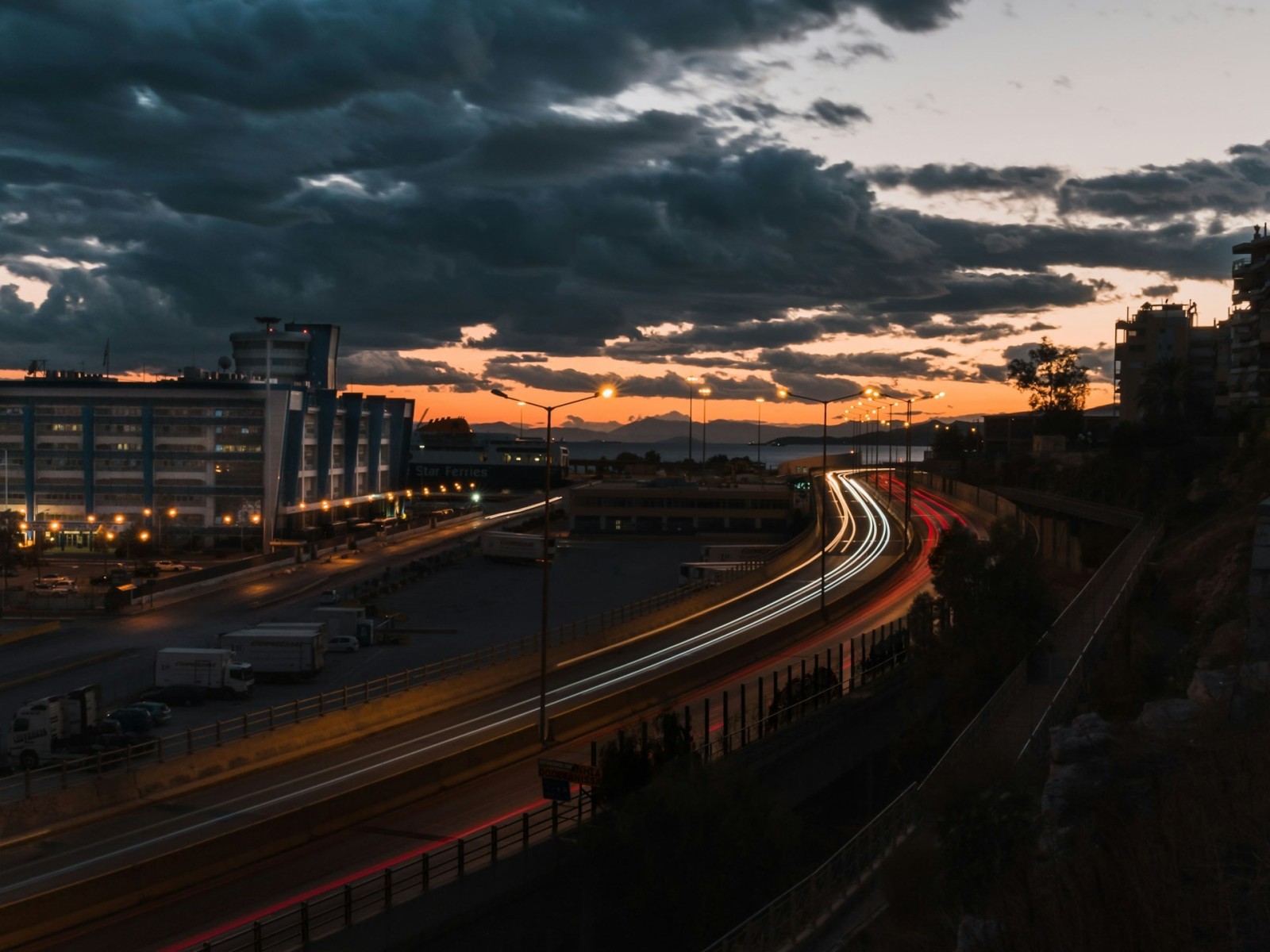
Today Piraeus is a major port city within the Athenian agglomeration. It serves freight and passenger services, including ferry routes to the Greek islands. The city also has developed shipping, logistics, trade and tourist infrastructure. Historic harbors, archaeological sites, old buildings and coastal areas recall its centuries-old history, from the naval base of ancient Athens to the modern international port.
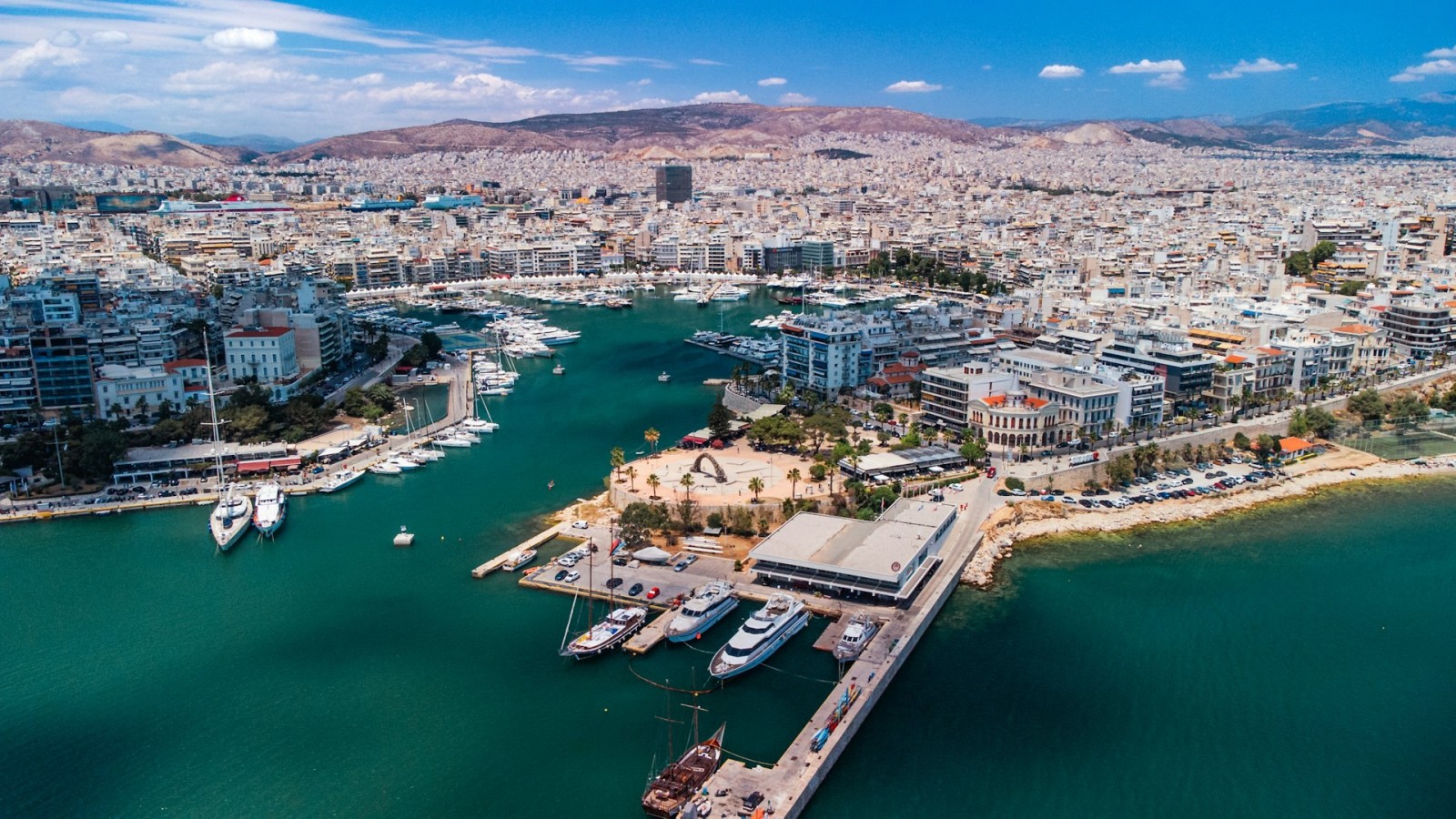
1. The tourist attraction of Piraeus
Piraeus is a major port city of Greece, located on the coast of the Saronic Gulf near Athens. It attracts travelers with seascapes, yacht marinas, fish restaurants, archaeological heritage and the lively atmosphere of a Greek port city. Piraeus is conveniently used as an independent destination for exploring the coastal life of Greece and as a starting point for trips to the Aegean islands.
2. Sea walks and picturesque harbors
One of the main advantages of Piraeus is its embankments and bays. In the area of Microlimano you can see fishing boats, yachts and restaurants near the water. Marina Zeya is suitable for walking along the piers, observing yachts and relaxing in a cafe. In the evening, the coastal areas are particularly lively, and the sea views create a suitable atmosphere for leisurely rest and photography.
3. Historical and cultural heritage
Piraeus has a rich history associated with the sea power of ancient Athens. Travelers are interested in archaeological finds, remains of ancient fortifications, old churches and buildings of the XIX-XX centuries. The Piraeus Archaeological Museum introduces the history of the region and the sculpture of the ancient period. A walk through the old quarters allows you to see how traditional architecture coexists with modern port facilities.
4. Greek cuisine and gastronomic tourism
Piraeus is known for fish taverns and seafood restaurants. Here you can try fried fish, squid, octopus, mussels, Greek salad, meze and traditional dishes with olive oil and local herbs. In coastal establishments often offer dishes from fresh catch. To get acquainted with the daily life of the city, it is worth visiting local cafes and small bakeries.
5. Rest by the sea and entertainment
Although Piraeus is primarily known as a port, its surroundings are suitable for walking by the water, relaxing on the promenades and visiting coastal areas. Fans of the sea atmosphere can go for a boat trip or take advantage of the ferry service to the islands. The city also has shops, cafes, cultural venues and establishments where you can spend an evening after excursions.
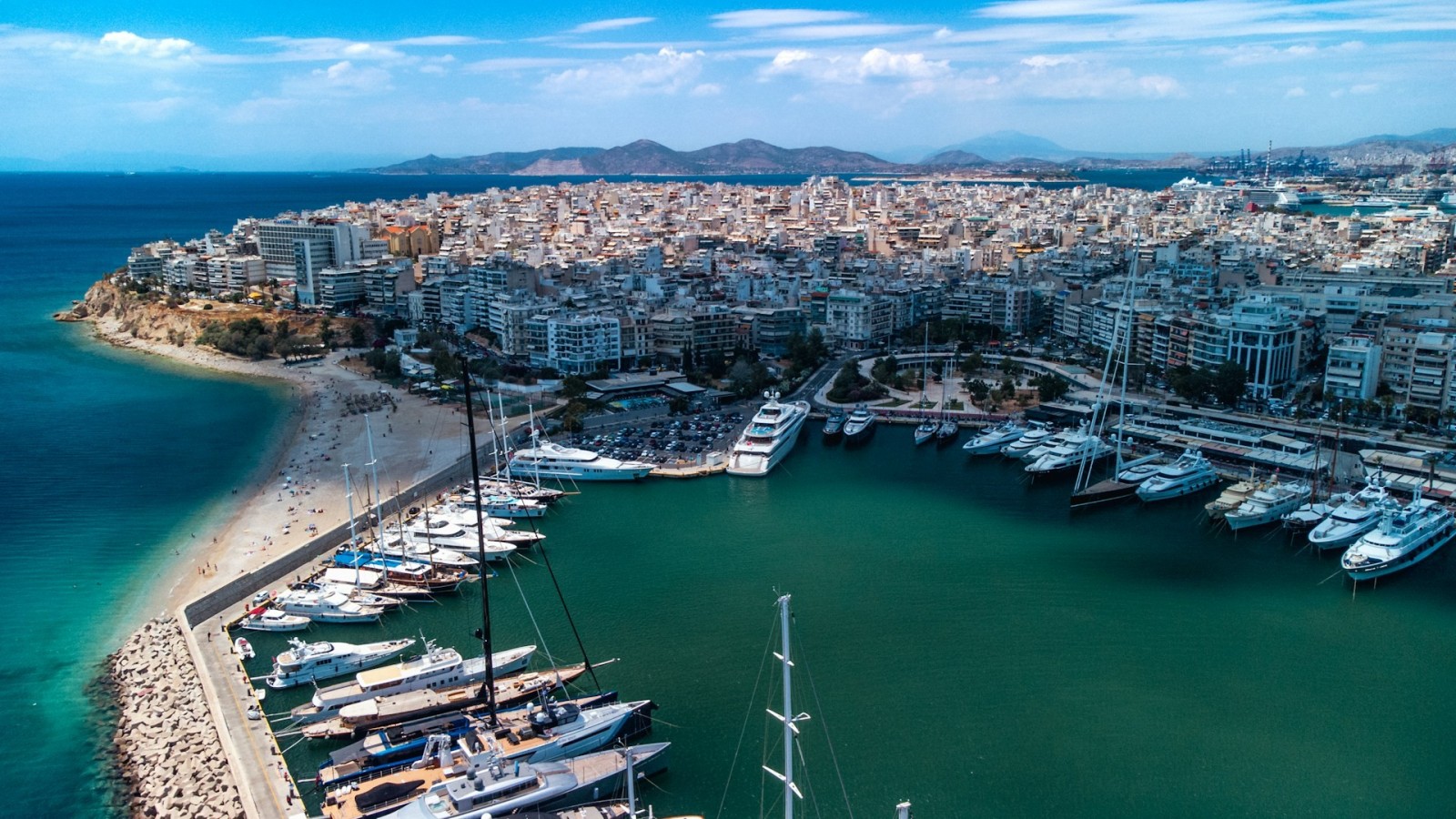
1. Five-star and luxury hotels
Suitable for travelers who appreciate a high level of service, spacious rooms, restaurants and additional amenities. In Piraeus, the choice of hotels of this level is less than in the central areas of Athens, but there are modern city hotels.
Piraeus Theoxenia Hotel is a five-star city hotel in the center of Piraeus. Suitable for business trips and a comfortable stay near the port, shops and transport.
Mitsis N'U Piraeus Port is a modern four-star hotel with a convenient location for cruise and ferries passengers.
Athenarum Portus Life & Style Hotel is a stylish city hotel with modern rooms, a restaurant and convenient access to the metro and port.
2. Four-star hotels of medium and high price level
This is a suitable option for tourists who are interested in comfort, modern equipment and convenient location without necessarily choosing the most expensive hotel.
The Port Square Hotel is a modern hotel near the transport hub and passenger port. Convenient for short stops before leaving for the islands.
Mural Piraeus Hotel is a boutique hotel with modern design, located next to the metro station and the main transport routes.
Gallery Suites & Residences Piraeus is an aparthotel with spacious rooms and accommodation options with a kitchenette. It is also suitable for a longer stay.
3. Three-star hotels
Such hotels are designed for tourists who need a separate room, private bathroom, Wi-Fi and access to public transport. This is a common option for stopping for one or two nights before the ferry.
Piraeus City Hotel is a practical hotel in the city center, convenient for trips to Athens and the passenger port.
Piraeus Port Hotel is a small city hotel for travelers who need to get to the port quickly.
Noufara Hotel is a central hotel with easy access to shops, cafes and public transport.
4. Budget hotels and economy class hotels
This option is suitable for independent travelers, tourists with a limited budget and those who need mainly a place to sleep.
Lilia Hotel is a small hotel next to Marina Zeya and the Pasalimani district, where cafes and restaurants are located.
Achillion Hotel is a city hotel for short stays before traveling to the Greek islands.
Faros 1 Hotel is a budget option in the central part of Piraeus, near the port infrastructure.
FILON Hotel is a small hotel aimed at passengers of ferries and tourists who are interested in the location near the port.
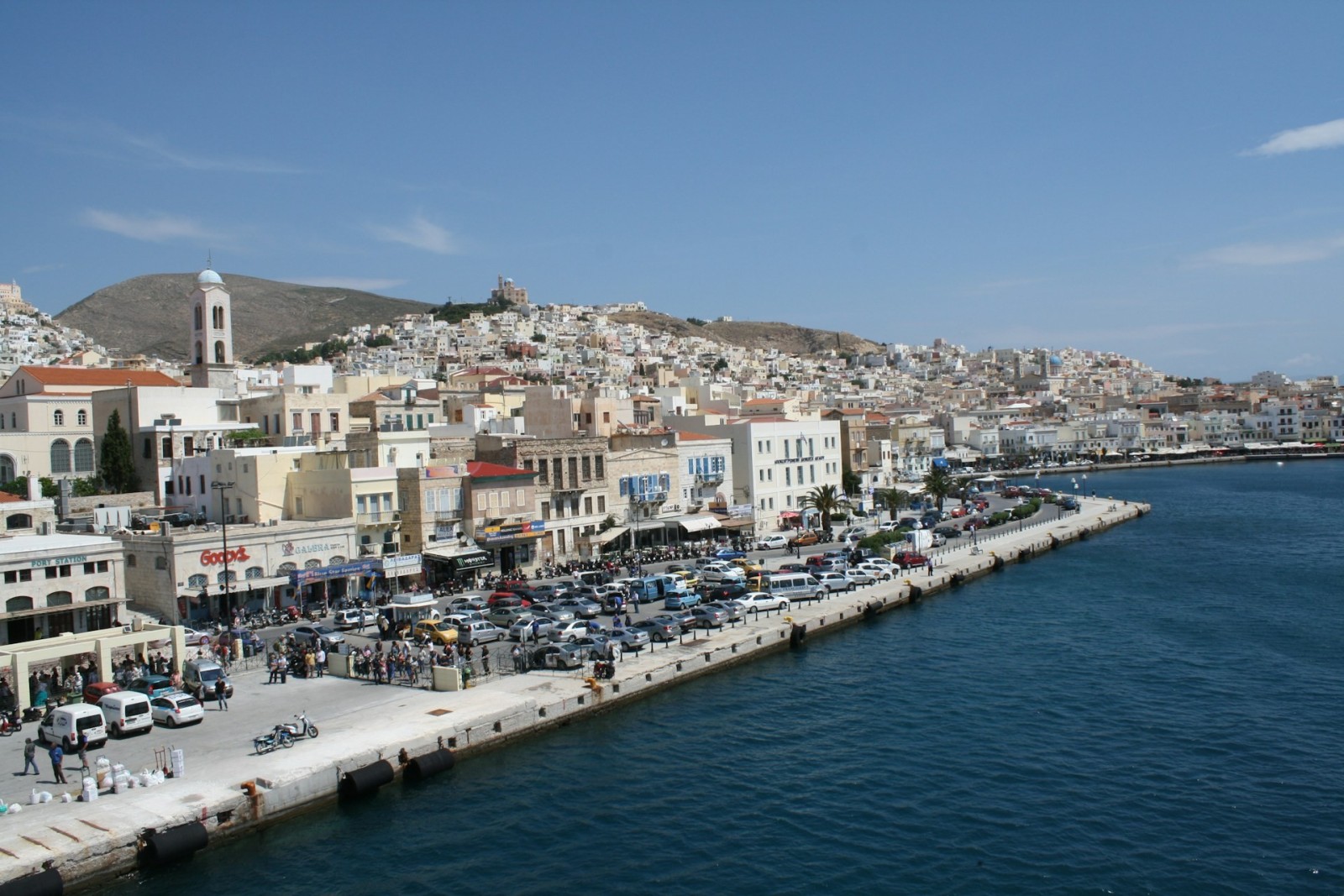
1. Piraeus Archaeological Museum
The Piraeus Archaeological Museum introduces the history of the ancient port and the sea power of Athens. The collection presents antique sculptures, bronze statues of Athena and Artemis, tomb reliefs and archaeological finds of different eras. Nearby are the ruins of the ancient Zei Theatre.
Transport accessibility: The museum is located about a 10-minute walk from the passenger port. The nearest metro station is Dimotiko Theatro, Line 3. The area can also be reached by city buses.
2. Maritime Museum of Greece
The Maritime Museum of Greece is dedicated to the history of Greek navigation from antiquity to the present. There are ship models, navigation instruments, documents, maps and exhibits related to the Navy and merchant shipping.
Transport accessibility: The museum is located near Zeya Marina. From the central part of Piraeus you can walk, take a bus or taxi. A visit is conveniently combined with a walk along the embankment.
3. Marina Zeya and Pasalimani
Marina Zeya is a picturesque harbor with yachts, pleasure berths, cafes, bars and restaurants. In ancient times, the naval base of Athens was located here. Today it is a popular place for walking, relaxing by the water and exploring modern port life.
Transport accessibility: from the center of Piraeus can be reached on foot or by city bus. The trip is convenient to combine with a visit to the Maritime and Archaeological Museums.
4. Microlimano
Microlimano is a small harbor at the foot of Castella Hill. It is known for fishing boats, yachts and seafood restaurants located along the water. This is a suitable place for lunch, an evening walk and watching the marine life of the city.
Transport accessibility: from the center of Piraeus can be reached by bus or taxi. From the marina Zei here can be reached on foot, but the route takes more time due to the location of the bays and terrain.
5. Castle Hill and the Church of the Prophet Elijah
Castella is a historic highland district with winding streets, stairs and neoclassical buildings. From the upper points there are views of the port, the Saronic Gulf and the coast. In the area of the church of the Prophet Elijah, it is convenient to watch the sunset and relax in small cafes.
Transport accessibility: you can take a bus or taxi from the center of Piraeus. Inside the area there are many climbs and stairs, so you need comfortable shoes for a walk.
6. Piraeus Municipal Theatre
The Municipal Theatre of Piraeus is an outstanding monument of neoclassical architecture of the XIX century, opened in 1895. The building is considered one of the symbols of the city. Theatrical productions, concerts, exhibitions and cultural events are held here.
Transport accessibility: The theatre is located in Kore Square and directly next to the Dimotiko Theatro metro station line 3. From the central part of the port you can walk.
7. St. Nicholas Church
The Church of St. Nicholas is dedicated to the patron saint of sailors and is closely related to the maritime traditions of Piraeus. The temple attracts with its architecture, expressive facade and location near the port area.
Transport accessibility: the church is located in the central part of Piraeus, so it can be reached on foot from the port and the nearest transport stops. When visiting, you should observe the rules of conduct in the current Orthodox church.
8. Municipal Art Gallery of Piraeus
The gallery is located in a historic neoclassical building of a former post office. Its collection includes works by contemporary Greek artists. This place is suitable for those who are interested in the painting, culture and architecture of the city.
Transport accessibility: The gallery is located in the central area of Piraeus. It is convenient to reach it on foot from the metro station Dimotiko Theatro or by public transport. Before visiting, it is worth clarifying the schedule of exhibition halls.
9. Peiriki Coast
Peiriki is a coastal area with a walking road, rocky shores, fishing places and views of the Saronic Gulf. There is less sense of a large transport hub and more opportunities for a quiet walk by the sea. There are taverns in the area where fish and seafood are served.
Transport accessibility: from the center of Piraeus can be reached by bus or taxi. To get acquainted with the coast, it is convenient to allocate about an hour for a walk, and if you want to stay in a restaurant - more time.
10. Central passenger port of Piraeus
The port is not only a transport hub, but also an important part of the history and daily life of the city. From here, ferries depart to many Greek islands, including Crete, the Cyclades and the islands of the Saronic Gulf. In the port area you can observe the movement of ships and get acquainted with the scale of the Greek sea traffic.
Transport accessibility: The port is connected to Athens by metro lines 1 and 3, commuter rail and buses. When going to the island, you need to check the specific terminal in advance: the distance between the berths can be significant.
1. Days of the Sea (Imeres Thalassas) - May-June The main annual city festival of Piraeus, dedicated to maritime history and culture. The program usually includes concerts, excursions, exhibitions, sports events, walks on historic ships and family entertainment. Events are taking place in different areas, including Zeya Marina and Pasalimani.
2. Carnival in Piraeus (Apokries) - February-March, before Lent. The city organizes festive processions, performances of dance groups, music on the streets, costume performances and entertainment for children. On Clean Monday, it is customary to launch kites and arrange family picnics. Dates change every year.
3. Feast of Flowers (late April to mid-May) In the Canary Square, a flower fair is arranged with ornamental plants and flowers for gardens and balconies. The event marks the onset of spring and is suitable for a quiet walk around the city.
4. Easter in Greece (Orthodox Easter) - March-April. One of the most important religious holidays in the country. In Piraeus, church services, processions and family meetings are held. In the Easter period you can get acquainted with Greek traditions, festive dishes and decoration of temples. Dates depend on the Orthodox calendar.
5. Piraeus Taste Festival – Seafood & More – usually September to early October The Gastronomic Festival is dedicated to seafood, Greek regional products and culinary traditions. The program may include tastings, culinary master classes, musical performances and thematic events in the areas of Microlimano, Pasalimani and Peiriki.
6. Traditional Feast of Sparos Fish - usually as part of autumn gastronomic events. Visitors are offered fish dishes, traditional snacks, live Greek music and dancing. Such events introduce the sea cuisine and gastronomic traditions of Piraeus. Specific dates and venues should be specified before travel.
7. Christmas in Piraeus – December – early January. The city is decorated with festive illuminations, Christmas villages and fairs appear on the squares. Children’s programs, concerts of the municipal philharmonic orchestra, performances of artists and family entertainment are organized. One of the central events is the lighting of lights on the main Christmas tree near the Municipal Theatre.
8. New Year celebrations – December 31 – January 1. Festivities, concerts and family programs are held in the city center and squares. Restaurants and entertainment venues may offer special New Year's Eve dinners. The conditions and program depend on the specific year.
9. Summer concerts and theater performances - June-September. In Piraeus and neighboring areas of the Athenian region there are musical evenings, theatrical productions, performances of Greek performers and open-air events. Additional concerts can be found in cultural spaces, near marinas and on city venues. The specific repertoire changes every season.
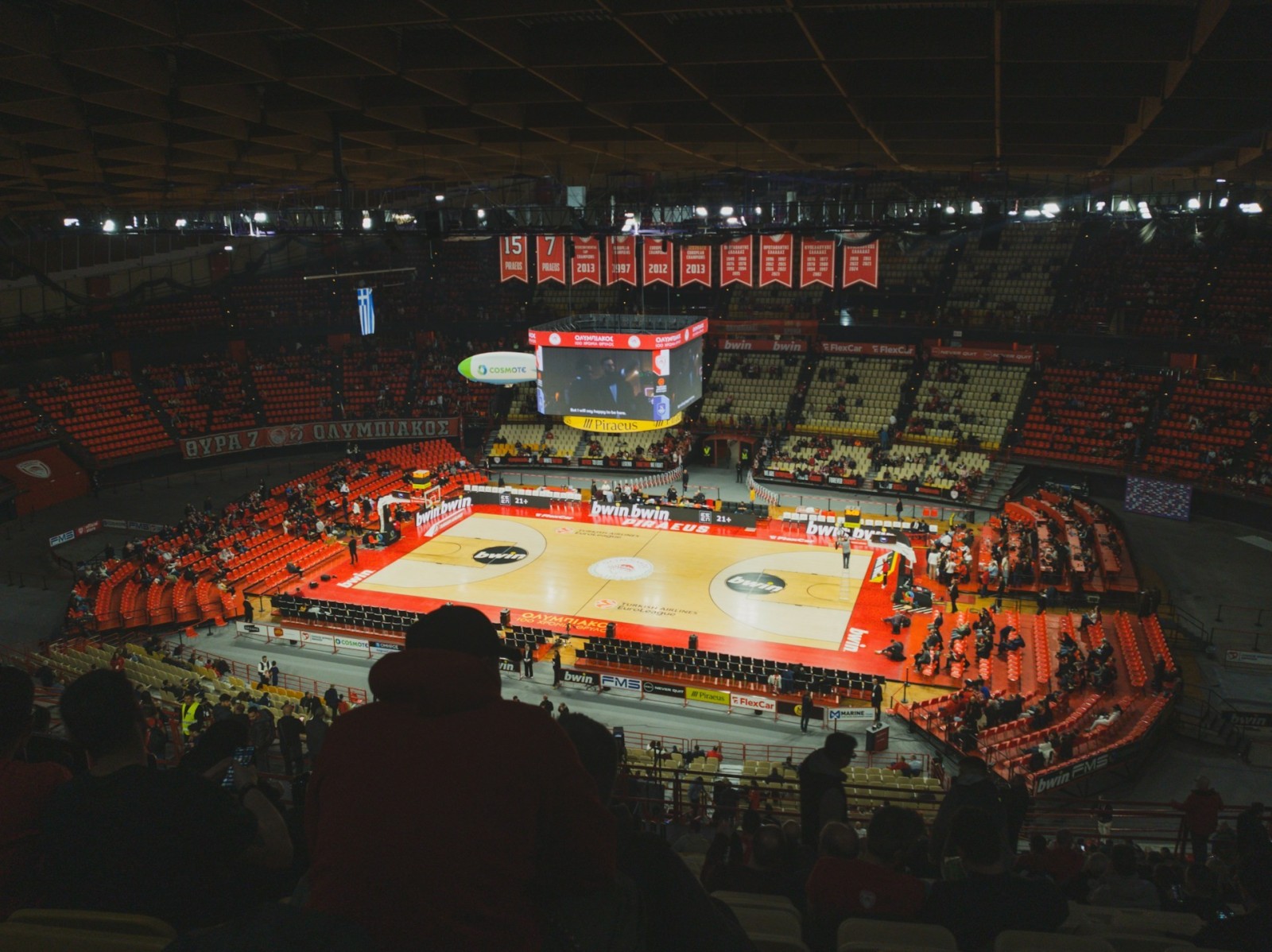
10. Cultural and sporting events of the city - throughout the year. In Piraeus, art exhibitions, film screenings, photo projects, sports competitions and educational programs are held. A separate interest for football fans is the local sports culture associated with the Olympiacos club. The schedule of matches and cultural events depends on the season.
1. spring
Air temperature: approximately +16 ... +25 °C. In March it is still cool, and in May warm weather is often established.
Water temperature: about +15 ... +19 °C. For most tourists, the sea is cool for a long swim.
Spring is suitable for visiting museums, historical buildings, port areas and walks along the embankments. In April and May, there is usually less heat than in summer.
2. Summer.
Air temperature: about +30 ... +34 ° C during the day, sometimes above +35 ° C during heat waves.
Water temperature: about +22 ... +26 °C. In July and August, the sea is usually warmest.
Summer is suitable for sea trips, relaxing on the coast, visiting coastal restaurants and trips to the islands. July and August can be very hot, so it is better to plan excursions in the morning or evening, and avoid prolonged stay in the direct sun during the day.
3. autumn
Air temperature: approximately +18... +29 °C in September and October; in November it becomes cooler - about +15 °C +19°C in the afternoon.
Water temperature: about +24...+25 °C in September, +22...+23 °C in October and +19...+20 °C in November.
September and the first half of October are suitable for combining excursions with swimming: the sea remains warm, and the summer heat gradually weakens. In November, the likelihood of rain increases, so it is better to provide classes indoors.
4. Winter
Air temperature: usually around +12... +15 °C during the day, at night about +5 ... +8 °C.
Water temperature: about +14 ... +17 °C.
In winter, Piraeus is suitable for quiet walks around the city, visiting museums, exploring local cuisine and trips to Athens. Rain, wind and cool evenings are possible. The season is usually not suitable for swimming.
1. Language of communication. In Piraeus, as in all of Greece, the official language is Greek. In touristic places, hotels, restaurants, shops and in the port, English is often spoken. Russian is much less common, so it is advisable to know a few simple Greek expressions to travel. Street names and stops are usually written in Greek letters, sometimes duplicated in Latin.
2. Greetings and courtesy. When entering a small shop, cafe or hotel, it is customary to say hello. Greeks value friendly communication, respectful treatment and a calm tone. It is customary to thank for help, and when addressing strangers, it is better to start with a polite greeting.
3. Tradition and religion. Greece has Orthodox traditions, so when visiting churches and monasteries, you should choose restrained clothing: cover your shoulders and knees. Inside the temple, it is necessary to speak quietly, do not interfere with worship and do not take pictures where it is forbidden. During religious holidays, some establishments and shops can work on a reduced schedule.
4. Behavior in public places. In restaurants and cafes, it is customary to calmly communicate and not attract excessive attention with loud conversations. Order should be observed in the queues. When photographing locals, especially children, it is best to ask permission beforehand. In markets and small family establishments, friendly communication helps to establish contact.
5. Meals and tips. Lunch and dinner may take place at a later time than in some other European countries. Taverns often order several dishes for everyone. Tipping is usually not mandatory, but with good service, you can leave about 5-10% of the bill or round the amount. Before paying, it is worth checking whether the service is included in the bill.
6. Basic rules and laws. It is necessary to have an identity document with you, or keep it in a safe place and be able to present it if necessary. Traffic rules, speed limits, parking requirements and public transport rules should be observed. Smoking is prohibited in many closed public areas. Penalties may apply for alcohol use in public places, noise, disturbance of order and damage to property depending on the circumstances.
7. Silence and public order. In residential areas, there are hours of silence, which depend on the season. Do not turn on loud music at night, make noise near residential buildings or arrange conflicts in public places. Serious violations may result in fines or other penalties.
8. Alcohol and prohibited substances. It is forbidden to drive in a state of intoxication and use or store illegal drugs. When transporting prescription drugs that may relate to controlled drugs, it is desirable to have a prescription and doctor's documents.
1. Greetings and polite expressions
In Piraeus, Greek is useful in cafes, shops, markets, public transport and when communicating with locals. Even a few simple phrases will help to establish contact. The transcription below conveys the approximate pronunciation of Greek words in Russian letters.
Γεια σας - I'm Sas - Hello, goodbye (polite form).
).εια σου - I su - Hello (informally).
Καλημέρα - Kalimera - Good morning; good afternoon until the afternoon.
Καλησπέρα - Calispera - Good evening.
Καληνύχτα - Kalinuchta - Good night.
Ευχαριστ. - Efharistó - Thank you.
Παρακαλ. - Paracaló - Please, please.
Συγν.μη - Signs - Sorry.
-Ne-Yes.
.χι - Ohi - No.
Δεν καταλαβαίνω - Dan catalaveno - I don't understand.
- Milate Anglica? - Do you speak English?
2. Phrases for communication in cafes and restaurants
να τραπέζι για δύο, παρακαλ - Ena dio, paracaló - Table for two, please.
να δω το μενού; - Boró at the time? - Can I see the menu?
- What do you think? - What do you recommend?
θα ήθελα έναν καφέ - Sa'tela enan cafe - I'd like coffee.
να μπουκάλι νερό, παρακαλ - Ena bukali naro, parakalo - A bottle of water, please.
.ωρίς ζάχαρη - Horís zahari - Without sugar.
.ωρίς κρέας - Horís Creas - Without meat.
Éίμαι αλλεργικός / αλλεργική - Íme alerikos / alerikos I have allergies (male/female).
Ton λογαριασμό, παρακαλ - Ton logariasmó, paracaló - Account, please.
Mπορ να πληρ σω με κάρτα; - Boró on the pleroso me karta? - Can I pay with a card?
3. Phrases for shopping and payment
- Poso cani? - How much does it cost?
^ "Phosso Kostizi". How much does it cost? (more neutral)
Eίναι πολύ ακριβό - Íne poli acrivó - It's very expensive.
χετε κάτι πιο φθηνό; Éhete káti pyo phtinó? - Do you have anything cheaper?
θα το πάρω - I'll take that.
Δεν το θέλω, ευχαριστ - Dan to Salo, Efharistó. - No, thanks, I don't need that.
Mπορ να πληρ σω με μετρητά; - Boró on the pliróso me me metritá? - Can I pay in cash?
Απόδειξη, παρακαλ. - Apodixi, paracaló - Check, please.
Πού είναι το σούπερ μάρκετ; Po íne that super marquet? - Where's the supermarket?
Δέχομαι ευρ ; - Dehome euro? - Do you accept euros? In most Greek institutions, the euro is the standard currency, so this phrase is rarely needed.
4. Transport, port and ferries
For Piraeus, phrases related to the port are especially useful: ferries to the islands of the Saronic Gulf and other Greek islands depart from here.
What is the meaning of the verse? - Where's the port?
Πού είναι ο σταθμός του μετρό; - Pu íne o stafmós that master? - Where's the subway station?
Πού είναι η στάση του λεωφορείου; - Pu íne and take that leophoríu? - Where's the bus stop?
Από ποια πύλη φεύγει το πλοίο; - Apopo pía píli faïa to pío? - Which exit does the ferry leave from?
Is that what you want? - What time does the ferry leave?
Eίναι αυτό το σωστό λεωφορείο; Íne aftó that hundred leophorio? - Is this the right bus?
να εισιτήριο για το κέντρο, παρακαλ One ticket to the center, please.
Πόσο διαρκεί η διαδρομή; - Poso djarkí and diadromí? - How long is the trip?
χω χαθεί - Echo hatí - I got lost/ lost.
MRπορείτε να μου δείξετε στον χάρτη; - Borité na mu díxate ston harti? - Can you show me on the map?
5. Hotel and accommodation
ниеχω κράτηση - Ého Krátisi - I have a reservation.
I have a reservation in my name.
What do you mean, check-in? - What time is the check-in?
What do you mean, check-out? - What time is it?
χει το δωμάτιο Wi-Fi; Is that domatio Wi-Fi? - Is there Wi-Fi in the room?
The air conditioning is not working.
MRπορ να αφήσω τις αποσκευές μου; - Boró on afíso tis aposcaves mu? - Can I leave my luggage?
ρειάζομαι ένα ταξί - Chryazome en taxí - I need a cab.
Mπορείτε να με βοηθήσετε; - Boríte on me voitisete? - Can you help me?
πάρχει φαρμακείο κοντά; - Iparchi pharmacio conda? - Is there a pharmacy nearby?
1. Unique dishes and local products
Fried octopus. A traditional seaside dish served with lemon and olive oil.
Sardines, mullet and squid. Popular seafood, grilled or fried.
Meze. A range of small snacks: olives, cheeses, vegetables, fish dishes and sausages.
Baklava and galactobureco. Layer desserts with nuts or milk cream and syrup.
Souvlaki. Pieces of meat on skewers served with bread, vegetables and sauce.
Greek yogurt with honey. A popular dessert and breakfast option.
2. What to bring from food
Extra virgin olive oil. A universal product for cooking salads and hot dishes.
Kalamata olives. Greek olives with a rich taste, convenient for transportation in sealed packaging.
Thyme honey. An aromatic product that can be used in desserts and drinks.
Oregano and mountain tea. Dried herbs that occupy little space and are stored for a long time.
Halva and Lucum. Traditional sweets suitable for gifts.
Masticha from Chios Island. Aromatic resin, which is used in sweets, chewing gum and cosmetics.
3. Useful products and cosmetics
Olive oil cosmetics. Soap, hand creams and body products.
Food with masticha. Toothpaste, chewing gum and cosmetics.
Natural sea sponges. Body care accessory.
Grass fees. Mountain tea, sage and other dried herbs.
1. Travel documents.
Foreign passport or national ID card. Requirements depend on citizenship. EU citizens can enter Greece with a valid national identity card if it is recognized as a travel document.
Visa. Citizens of countries with visa-free entry are generally allowed to stay in Greece for up to 90 days in any 180-day period. Citizens of other countries may require a Schengen visa.
Confirmation of residence and return route. It is advisable to have a hotel reservation, tickets back or to the next country and proof of the availability of travel funds: the border authorities may request this information.
Copies of documents. Keep electronic copies of your passport, visa, tickets and insurance policy separate from the originals.
Children's papers. When traveling with minors, check the child’s document requirements and, if applicable, the departure consent in advance.
For citizenship not specified in these general rules, the conditions of entry must be specified separately.
2. Health insurance.
Before the trip, it is recommended to obtain tourist health insurance covering sudden illnesses, injuries, hospitalization and medical transportation.
Check if the policy covers water sports and other planned activities.
If you are insured in an EU country, take the European Health Insurance Card (EHIC). It entitles you to the necessary medical care in the state system under the conditions applicable to local insured persons, but does not replace travel insurance and does not cover all costs.
Keep the number of the insurance company and the procedure for applying for help. In case of non-urgent appeal, first contact the insurer if the conditions of the policy require it.
3. Greek emergency services.
112 is the single European emergency number.
100, police.
166 - Emergency medical care.
199 Fire Department.
108 Coast Guard.
1571 – Tourist Police; check room availability and language support before calling.
The number you need to keep on your phone is 112. Calls are free.
Government of Greece +2
4. Mobile operators and communications.
There are three main mobile operators in Greece:
COSMOTE is one of the largest operators with a wide coverage network.
Vodafone Greece - mobile communication, Internet and travel SIM-offers.
Nova - mobile communication and the Internet.
In Piraeus, it is usually possible to use mobile internet and communication, but signal quality can vary in buildings, port areas and during trips to the islands.
If you have a SIM card of an EU/EEA country, check the roaming conditions of your fare: in most cases, the principle of “roaming like home” with established restrictions applies. For tourists from other countries, you can consider a local SIM card or eSIM. An ID card may be requested when purchasing.
5. How long can you stay in the country without leaving?
For nationals of countries that are allowed short-term visa-free entry, the standard limit is 90 days in any 180-day period.
These days are counted collectively throughout the Schengen area, not separately for Greece. A short trip to another country does not nullify the period.
If you have a Schengen visa, you must comply with the terms and conditions specified in the visa.
For stays longer than 90 days, an appropriate national visa or residence permit is usually required.
EU citizens have the right to stay in Greece under different conditions; registration requirements may apply for long-term residence.
The exact date depends on the citizenship and status of the traveler. Before traveling, you should check the entry rules applicable to you and count the days.
Create a query and local guides will offer you the best options

Install the app «PersonalGuide»
www.personalguide.ru


