Independent travel and view of the city of Amman! A brief history of the city of Amman Amman is the capital an...

Excursion to Wadi Mujib requires good physical training, because there is a small walking tour. The picturesque gorge with huge ov …

The tour will take place in the northern part of Jordan and its first point will be a place called Umm Kais or Gadara, where you w …

Amman, the modern capital of Jordan, is considered one of the oldest places on our planet. Its history dates back to the Stone Age …

The Jordanian coast of the Dead Sea is located in a unique climatic reserve and is considered a natural hospital. It is a very qui …

We invite you to take a short trip to the holy places of Jordan. First you will go to the Jordan Valley to the Baptism Site of Jes …

This tour perfectly combines acquaintance with the holy places of Jordan and rest on the hot springs of the Main. After leaving th …

In Jordan, hot springs are located in a mountainous desert area, in the Mayin Gorge near the Dead Sea. Main Spa has more than 65 h …
 Guide license
Thank you for choosing this amazing country for a trip that will begin with our meeting at the airport or at the border. …

My services: Individual Guide ServicesInterpreter and tour guidePhotographer servicesPersonal driver servicesTransfer …
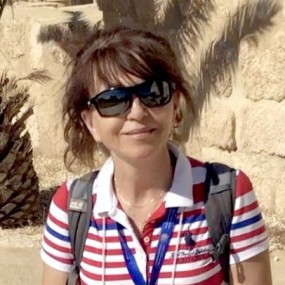
Discover Jordan through the eyes of someone who knows and loves it as home! Petra, Wadi Ram Desert, Jarash, Dead Sea, …

A magnificent nine-day program that includes both exclusive and new attractions of Jordan - the city of Es Salt, Desert Castles, U …

Feel all the beauty of Jordan’s nature, get a boost of vivacity in an active excursion program with hiking routes in the green Ajl …

I invite you to take a tour of Amman, the capital of Jordan. Immerse yourself in the atmosphere of this unusual eastern city wi …

The program will provide an opportunity to see the main exciting sights of Jordan - Petra and Wadi Ram, spend a night in the deser …
Amman is the capital and largest city of Yarmouk (Jordan), which is one of the oldest settlements in the world. The history of this city dates back more than four thousand years, and it has undergone many changes, becoming an important cultural, economic and political center of the region.
Ancient roots: Amman was founded by ancient Ammonites in the third millennium BC. In ancient times, the city was called Rabat Ammon, and it was part of the Ammonite kingdom. It was then conquered by the Romans and became known as Philadelphia.
Roman era: During the period of Roman rule (II century BC - VII century AD), the city flourished as a cultural and commercial center. During the Roman time, an amphitheater, temples and water supply were built.
Byzantine and Islamic era: In the 7th century, the city came under Arab rule, and the Islamic character began to prevail. Over the following centuries, Amman was the object of controversy and military conflict, but at the same time it served as a cultural and educational center.
Ottoman era: In 1516, Amman was captured by the Ottoman Empire and became part of its possessions. The Ottomans contributed to the architecture of the city, leaving behind mosques and other buildings.
XX century: At the beginning of the twentieth century, Amman became part of the Hashemite Kingdom and underwent significant changes under the influence of modernization and infrastructure development. In 1921, Amman became the capital of the newly formed Hashemite kingdom of Yarmouk (later Jordan).
Modernity: Today, Amman is a large city with a population of more than four million people and is the political, economic and cultural center of Jordan. The city is known for its modern architecture, numerous museums, restaurants and picturesque parks. Tourists can visit historical sites such as the Roman Amphitheatre, the citadel and the Yarmouk Museum.

Amman is a fascinating historical city that combines ancient cultural riches and a modern look. Here are a few aspects that can attract travelers and tourists to this unique city:
Amman has a rich cultural heritage, giving tourists the opportunity to immerse themselves in the atmosphere of ancient times. The Roman amphitheatre, citadel and Yarmouk Archaeological Museum are just a few of the many historical sites where visitors can appreciate the architectural prowess and richness of history.
Culinary pleasures: Amman offers a variety of culinary experiences. Street food, traditional dishes and modern restaurants provide travelers with the opportunity to enjoy the rich taste of local cuisine. Markets like Souk al-Jumma provide the opportunity to sample authentic dishes and buy local produce.
Picturesque views: The city is located on hills, which provides beautiful panoramic views of Amman. Some of the most attractive views open from the citadel, making it a popular destination for tourists and photographers.
Modern atmosphere: Amman is a city that combines antiquity and modernity. Modern shopping centers, boutiques and cafes coexist with historical monuments, creating a unique atmosphere. Tourists can enjoy the modern cultural scene and shopping after visiting ancient sites.
Local hospitality: The people of Amman are known for their warm welcome and hospitality. Tourists can feel at home, interacting with friendly locals, visiting traditional places and participating in local events.
With this combination of rich history, cultural diversity and modern look, Amman is an attractive destination for tourists looking to discover a unique experience in the heart of the Middle East.
Amman offers a variety of accommodation options, ranging from high-end luxury hotels to more economical options. Here are a few levels of hotels and examples of popular places to stay:
Luxury hotels:
Four Seasons Hotel Amman: This five-star hotel offers luxurious rooms, a high level of service, a spa, restaurants with a diverse menu and excellent views of the city.
Intercontinental Amman: Luxury hotel with a wide range of amenities including swimming pool, fitness center, restaurants with world cuisine and stylish rooms.
Medium level:
Amman Marriott Hotel: This 4-star hotel offers comfortable rooms, restaurants, bars, swimming pool and fitness center. Located in the city center, which is convenient for sightseeing.
Amman Rotana: Modern hotel with excellent service, restaurants, bar and beautiful views of the city.
Economical options:
Nomads Hotel: This is a hostel that offers affordable prices for accommodation in common rooms. It has a common kitchen, spacious common areas and a friendly atmosphere.
Jordan Tower Hotel: This mid-range hotel provides more affordable accommodation options with comfortable rooms and public areas. It's downtown.
Apartments and guesthouses:
The Boutique Hotel Amman: This hotel offers apartments with its own kitchen and private bedrooms, making it a great choice for families and long stays.
Darna Divers Village Guest House: It is a cozy place with a characteristic guest house and spacious rooms, ideal for those who prefer a more homely atmosphere.
Travelers in Amman can choose a suitable accommodation option depending on their preferences and budget.
The city of Amman offers many unique historical and cultural attractions that travelers can explore. Here are a few key locations and information on accessibility:
Roman Amphitheatre: This magnificent archaeological site was built in the second century AD and is one of the largest amphitheaters in the region. Located in the city center, it is easy to reach by taxi, bus or pedestrian.
Amman Citadel: Ruins of ancient fortresses including the Temple of Hercules, Umayyad Palace and the Tower of Caligula form the citadel, providing stunning views of the city. Transport to the citadel can be organized by taxi, bus or even walking route, as it is located on a hill.
Yarmouk Museum: This museum offers an extensive collection of artifacts from the antiquity and history of the region. It is easily accessible by transport and is located in the city center.
St. George's Church: One of the oldest churches in Amman, it is an important religious and historical site. Transport to the church is convenient as it is located in the city center.
King Abdullah Mosque: This modern mosque is the largest in Amman and one of the most important religious sites. It is located near the center and is easily accessible by transport.
Sook al-Jumma: It is a traditional market where tourists can enjoy shopping for souvenirs, spices and local produce. The market is easily accessible by transport and is located in the city center.
Transport accessibility: Amman has a well-developed public transport system, including buses and taxis. Taxis are widespread and convenient to move around the city. There is also a taxi service through mobile apps. Hiking trails are also a popular way to get around in the city center, where many attractions are within walking distance of each other.

Amman offers a variety of events and festivals throughout the year, reflecting the city’s rich cultural heritage and modern atmosphere. Here are some popular events that can attract tourists:
February:
March:
May:
June:
September:
October:
December:
These events provide tourists with the opportunity to immerse themselves in the culture and lifestyle of Amman, enjoy local music, art and gastronomy. However, it is worth remembering that activities can change, so it is recommended to check the current information before traveling.
Amman lies in a subtropical desert climate, meaning hot summers and cool winters. The air in the city is humid, rainfall is low, and the climate varies depending on the time of year. Here is a general description of the climate in different seasons:
Summer (June-September):
Autumn (October-November):
Winter (December-February):
Spring (March-May):
The best time to visit Amman varies depending on the preferences of tourists. Spring and autumn are often considered the best times because of the pleasant weather.

Language of communication: The official language in Jordan, including Amman, is Arabic. English is also widely used in tourist areas, hotels, restaurants and other tourist services. Many residents of Amman speak English at the level of communication, which will facilitate communication for foreign tourists.
Traditions and customs:
Clothes: A conservative style of dress should be followed, especially when visiting places of religious significance. Women often wear long skirts or trousers, while men wear long pants.
Photos: Before taking photos of local residents or religious sites, it is best to obtain permission, especially in places where it may be perceived as a violation of privacy or religious traditions.
Respect for local customs: It is important to respect local traditions and customs. For example, during the month of Ramadan, it is best to avoid eating and smoking in the streets in public during the day to respect fasting.
Communication: Friendly and respectful communication is appreciated. A greeting involves a handshake, and it can often be accompanied by additional welcoming words.
Laws:
Alcohol: The sale and consumption of alcohol is permitted in some places, but limited. This should be taken into account when visiting public places and intracity vehicles.
Smoking: Smoking is prohibited in public places and intracity vehicles. Violation of this rule may result in a fine.
Religious monuments: When visiting places of religious significance, decency and respect should be observed. For example, in a mosque you need to take off your shoes before entering.
In general, it is important to remember that Jordan is a country with deep cultural traditions and respect for local customs and laws contributes to a pleasant and safe journey.
Basic phrases in Arabic can make your trip to Amman more comfortable and enrich your experience with locals. Here are some useful words and phrases:
Greeting:
Thank you.
Apology:
Shopping:
Food and drink:
Orientation:
Farewell:
Useful phrases:
Transcription does not always convey the exact nuances of pronunciation, so it is recommended to listen to phrases in Arabic and clarify the pronunciation with locals for more accurate reproduction.
Amman, like most Middle Eastern capitals, is generally considered relatively safe for tourists. However, as in any other city, it is important to exercise caution and follow basic safety precautions:
Documents:
Insurance:
Emergency services:
Mobile operators:
Duration of stay:
Basic precautions:
Overall, Amman is a friendly and welcoming city. Compliance with basic safety measures and reasonable behavior will help you enjoy your holiday in this unique city.
Create a query and local guides will offer you the best options