Independent tourism and recreation in the city of Sligo Historical information about the city of Sligo Sligo i...
Sligo is a historic city in the north-west of Ireland, located at the mouth of the Garavog River, near the Atlantic Ocean. It is the administrative and cultural center of the county of the same name. The history of the city is associated with ancient Celtic settlements, medieval fortifications, maritime trade and the literary heritage of Ireland.
The name Sligo comes from the Irish word Sligeach, meaning "a place rich in shells," which refers to the marine resources of the local coast.
1. Ancient history and the first settlements
The territory of modern Sligo was inhabited in the Stone Age. Ancient residents were engaged in agriculture, fishing and hunting, built funerary structures and stone monuments.
The most important archaeological complex of the region is Carrowmore, where megalithic tombs and stone circles dating back about 5000-6000 years have been preserved.
With ancient legends associated with the mountain Noknarea (Knocknarea), on top of which is a stone mound, considered the burial place of the legendary Queen Medb. These monuments testify to the importance of the region long before the appearance of the medieval city.
2. Celtic period and early Middle Ages
In ancient times, the area was ruled by Irish Gaelic rulers and was part of the historic Connacht region. Here the Celtic language, traditions, oral creativity and religious customs were preserved.
With the spread of Christianity, monastic settlements appeared in the region. The monks were engaged in religious education, rewriting manuscripts and preserving historical traditions.
The proximity of the river and the sea coast facilitated trade and contacts with other parts of Ireland.
3. The foundation of the city and the arrival of the Normans (XIII century)
An important stage began in the XIII century with the arrival of Anglo-Norman feudal lords. Around 1239-1245, the military commander Maurice Fitzgerald organized the construction of fortifications near the Garavog River.
In 1245, the castle appeared here, which became the center of military and administrative administration. In 1252-1253, a Dominican monastery was founded, known today as Sligo Abbey.
In the following decades, the settlement was repeatedly attacked and destroyed. In 1270, the troops of the Irish ruler O'Donnell destroyed the castle and the city fortifications. Despite the conflicts, Sligo gradually became an important regional center.
4. Medieval development of the city
In the XIV-XVI centuries Sligo developed as a commercial and administrative center. The basis of the economy was fishing, trade in agricultural products, wool and fabrics, as well as handicraft production.
A special role was played by Sligo Abbey, which was repeatedly rebuilt after fires and military conflicts. Its architecture has preserved Gothic elements, stone jewelry and a medieval altar of the XV century.
5. XVI-XVII centuries: English domination and wars
In the sixteenth century, the English crown strengthened control over Ireland. In 1603, Sligo received the right to hold markets and fairs, and in 1612-1613 acquired official municipal status.
During the uprising of 1641, the city was in the center of armed clashes. In 1642, Sir Frederick Hamilton captured and burned a large part of the settlement.
At the end of the seventeenth century, Sligo experienced new military events during the Wilhelm War. After the sieges of 1689 and 1691, English power was finally consolidated in the region.
6. XVIII century: development of trade and port
In the eighteenth century, Sligo was rebuilt from wartime destruction and became an important trading port in northwestern Ireland.
Through the port exported grain, oats, barley, wool and agricultural products. Shipping, textile production, crafts, trade and hotel business developed.
The city gradually expanded, merchant houses, warehouses, shops and public buildings appeared.
7. Nineteenth Century: The Great Hunger and Economic Change
In the nineteenth century, Sligo experienced significant social upheavals. In 1832, the city suffered from a cholera epidemic that claimed about 1,500 lives.
Between 1845 and 1852, the Great Irish Famine led to widespread poverty, population decline and emigration. The port of Sligo became one of the important points of departure of the Irish to North America and Great Britain.
In the second half of the century, the city began to recover. Railway communication, trade, banking and industry developed. In 1865, the town hall was built, preserved as a historical architectural object.
8. The beginning of the XX century and the struggle for independence
At the beginning of the XX century, Sligo became a member of the national movement for the independence of Ireland. Nationalist organizations and trade unions were active here.
During the War of Independence (1919–1921), Irish Republicans clashed with British forces in the region.
After the Anglo-Irish Treaty, the city became part of the Irish Free State, formed in 1922. In the following years, the economy and public life gradually recovered.
9. The Literary Legacy of William Butler Yates
A special place in the history of Sligo is occupied by the poet and playwright William Butler Yates, who received the Nobel Prize for Literature in 1923.
Although he was not born in the city, his family was closely associated with the region, and the local mountains, lakes and Celtic legends had a great influence on his work.
In the works of Yeats, images of Mount Ben Balben, Loch Gill Lake and Irish mythological heroes are often found.
In 1939 the poet was buried in the village of Drumcliffe at the foot of Ben Balben. His tomb became a famous place of literary tourism.
10. Modern Sligo
In the second half of the XX century, the city developed as a regional center of trade, education, health and industry. The importance of tourism has gradually increased due to ancient monuments, the Atlantic coast and literary heritage.
Today, Sligo combines historical buildings, modern shopping facilities, cultural institutions and tourist infrastructure. It serves as a starting point for travel through the picturesque areas of northwestern Ireland.
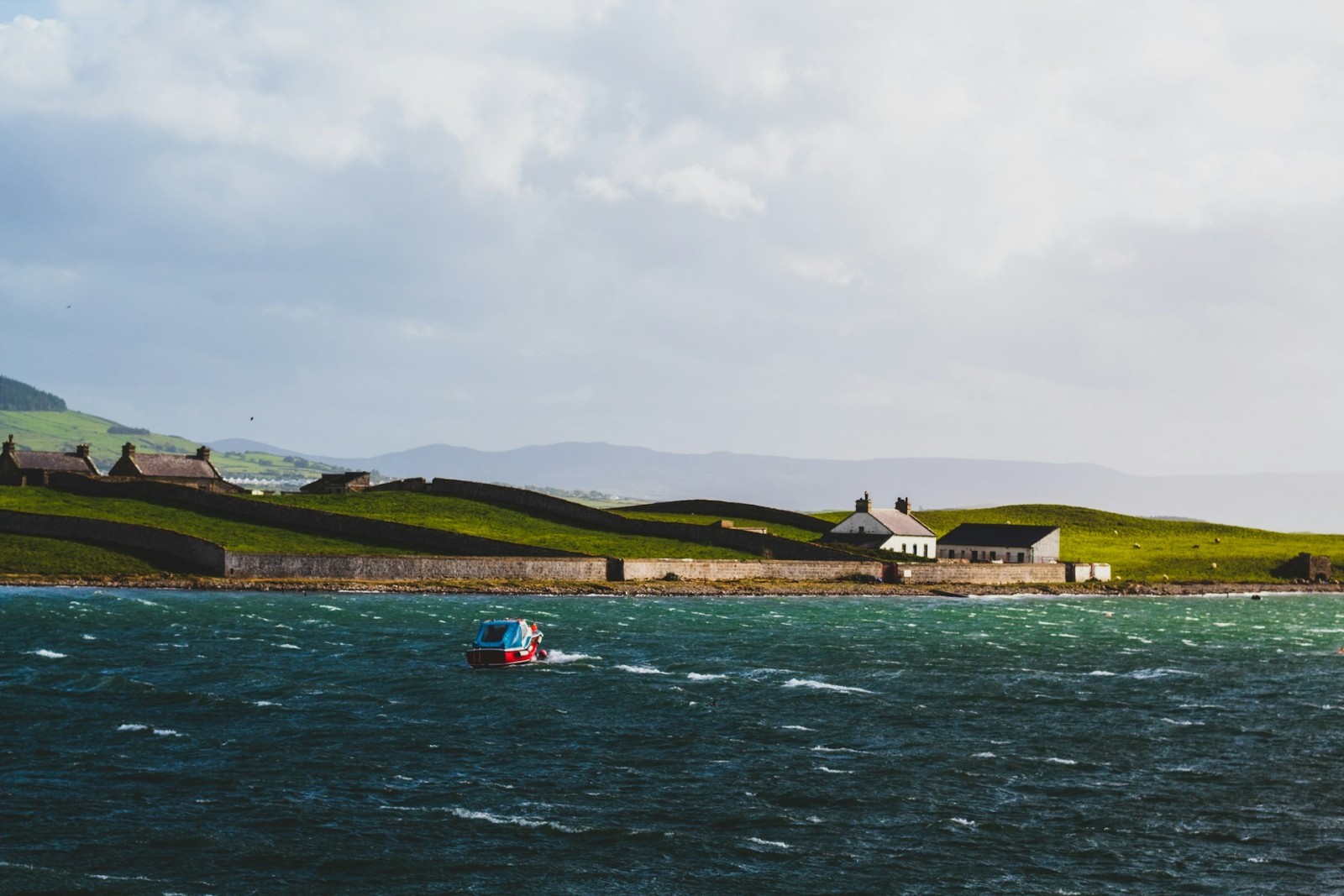
1. Scenic nature. The main feature of Sligo is the diversity of natural landscapes. Nearby are Mount Ben Balben, Noknarea Hill, Gill Lake and the sandy beaches of the Atlantic coast. This is a great place to walk, take pictures and get acquainted with the nature of Ireland.
2. Beach rest and the ocean. In the vicinity are the popular beaches of Strandhill and Rosses Point. Here you can surf, walk along the ocean, relax in coastal cafes and watch the picturesque sunsets.
3. Historic heritage. The city has preserved the ruins of the medieval Dominican Abbey of Sligo, ancient buildings, churches and historic streets. Fans of ancient history should visit the megalithic complex Carrowmore - one of the largest prehistoric necropolises of Ireland.
4. Literary atmosphere. Sligo is closely associated with the life and work of the poet William Butler Yates. His works are inspired by local landscapes and Irish legends. In the vicinity is the village of Drumcliffe, where he is buried.
5. Irish culture. The city has traditional pubs where you can hear live folk music, get acquainted with local customs and taste national dishes. Musical and cultural events are held throughout the year.
6. Active tourism. Sligo is suitable for hiking, cycling, surfing, fishing and sea excursions. Especially popular routes around Ben Balben and walks along the coast.
7. Gastronomy. Local restaurants offer fresh fish, seafood, mussels, traditional Irish dishes, pastries and local cheeses. In pubs, you can try Irish stew and potato dishes.
8. Relax. Unlike the major tourist centers of Ireland, Sligo retains the atmosphere of a small cozy city. It is convenient to combine walks in the historical center with trips to natural attractions.
1. High-level hotels - 4 stars
Suitable for tourists who prefer a high level of comfort, restaurants, spa services, swimming pools and additional amenities.
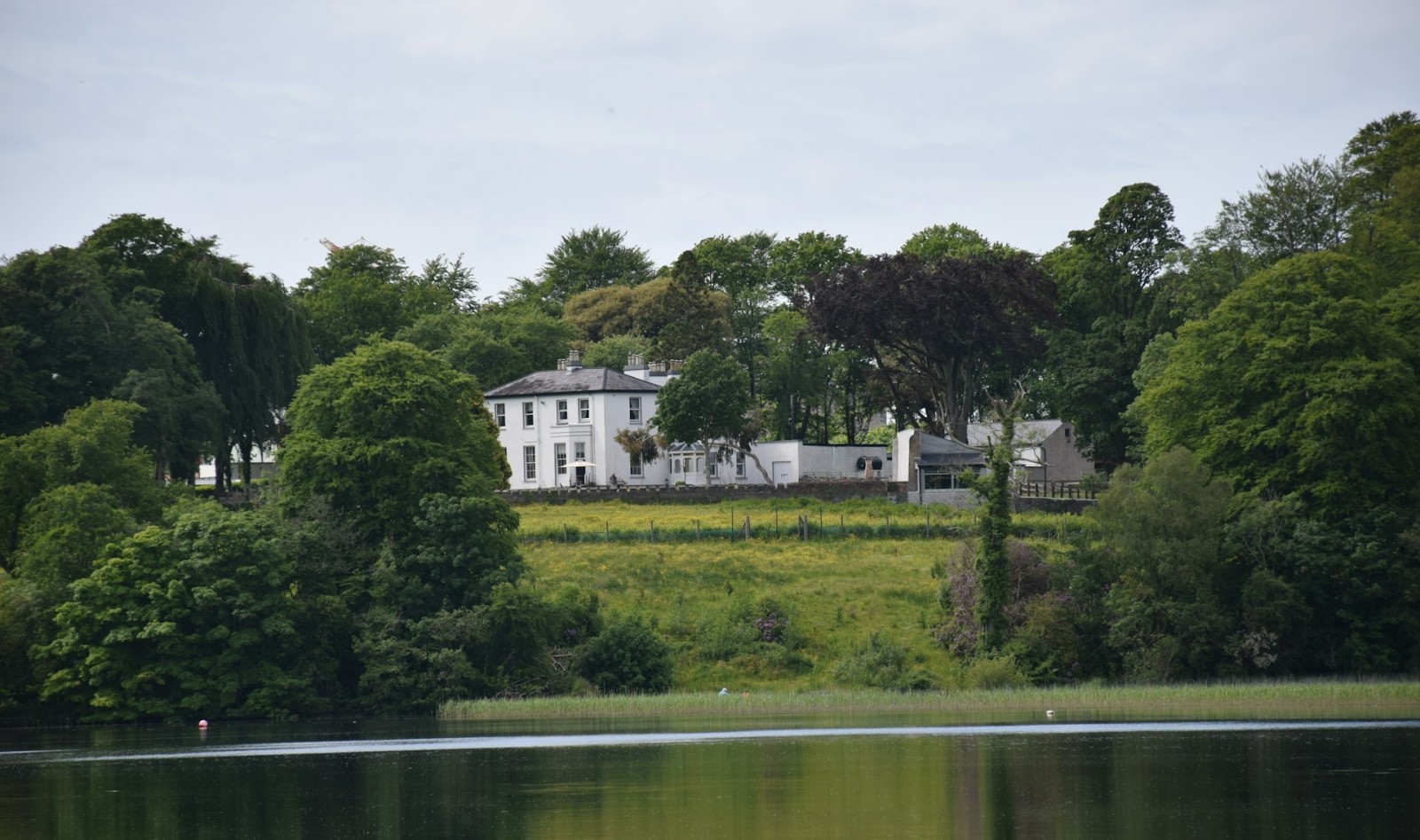
The Glasshouse Hotel is a modern hotel in the center of Sligo, located by the river Garavog. It has original architecture, comfortable rooms and a convenient location near shops, restaurants and attractions.
Radisson Blu Hotel & Spa, Sligo is a hotel outside the center, in the Ballincar district. It offers spa services, swimming pool, restaurant and recreational opportunities with views of the surrounding natural landscapes.
Sligo Park Hotel & Leisure Club is a hotel with a swimming pool, sports and wellness center. Suitable for family holidays and travelers by car.
Clayton Hotel Sligo is a hotel on the grounds of a former estate, with spacious rooms, a restaurant, a swimming pool and family amenities.
The Address Sligo is a hotel in the city center, convenient for exploring historical streets, shops, cafes and cultural sites.
2. Mid-range hotels – 3-4 stars
They offer comfortable rooms, breakfasts, restaurants and a standard set of services at a more moderate cost.
Riverside Hotel is located by the river, near the center. Suitable for short trips and independent acquaintance with the city.
Sligo Southern Hotel & Leisure Centre is a hotel close to the train station and the centre. It has a restaurant and wellness complex.
Strandhill Lodge & Suites is a small hotel complex in the coastal village of Strandhill, suitable for relaxing by the ocean, walking and surfing.
Castle Dargan Hotel is a country hotel in a historic estate, offering relaxing holidays, golf and spa treatments.
3. Guesthouses and Family Mini-Hotels (B&B)
B&B is a common format of accommodation in Ireland, in which tourists are accommodated in small guesthouses, often with breakfast. This is a good way to experience local hospitality.
Pearse Lodge is a family-run guest house near downtown Sligo, with breakfast and parking.
Iorras Bed and Breakfast is a cozy family option in the Ballincar area, convenient for trips to the coast and the city.
Park House B&B is a small guest house on Pierce Road, suitable for a quiet stay.
Benbulben Farmhouse B&B is a countryside option in the Drumcliffe area with picturesque views of Mount Ben Balben.
1. Sligo Abbey is a medieval Dominican monastery of the XIII century. Church ruins, a courtyard with arcades, ancient tombstones, sculptures and a carved altar of the XV century have been preserved. It is one of the main historical monuments of the city. It is located in the central part of Sligo, so it is convenient to reach it on foot from the railway and bus stations.
2. The Model Museum and Art Centre is a cultural space with the Nyland family’s art collection, exhibitions of Irish artists, temporary exhibitions and concert events. Suitable for acquaintance with modern art and culture of the region. Located near the center, it can be reached on foot or by city bus.
3. The Cathedral of the Immaculate Conception (Cathedral of the Immaculate Conception) is a majestic Catholic cathedral of the XIX century, built in the neo-Romanesque style. It is distinguished by a high bell tower, arched windows, stained glass windows and a spacious interior. It is located in the central part of the city, accessible on foot and by public transport.
4. Carrowmore Megalithic Cemetery is one of the largest complexes of prehistoric burial structures in Ireland. There are dozens of stone tombs and megalithic monuments dating back about 6,000 years. Located about 4 km from the center of Sligo. It is most convenient to get by car or taxi, public transport directly to the complex is limited.
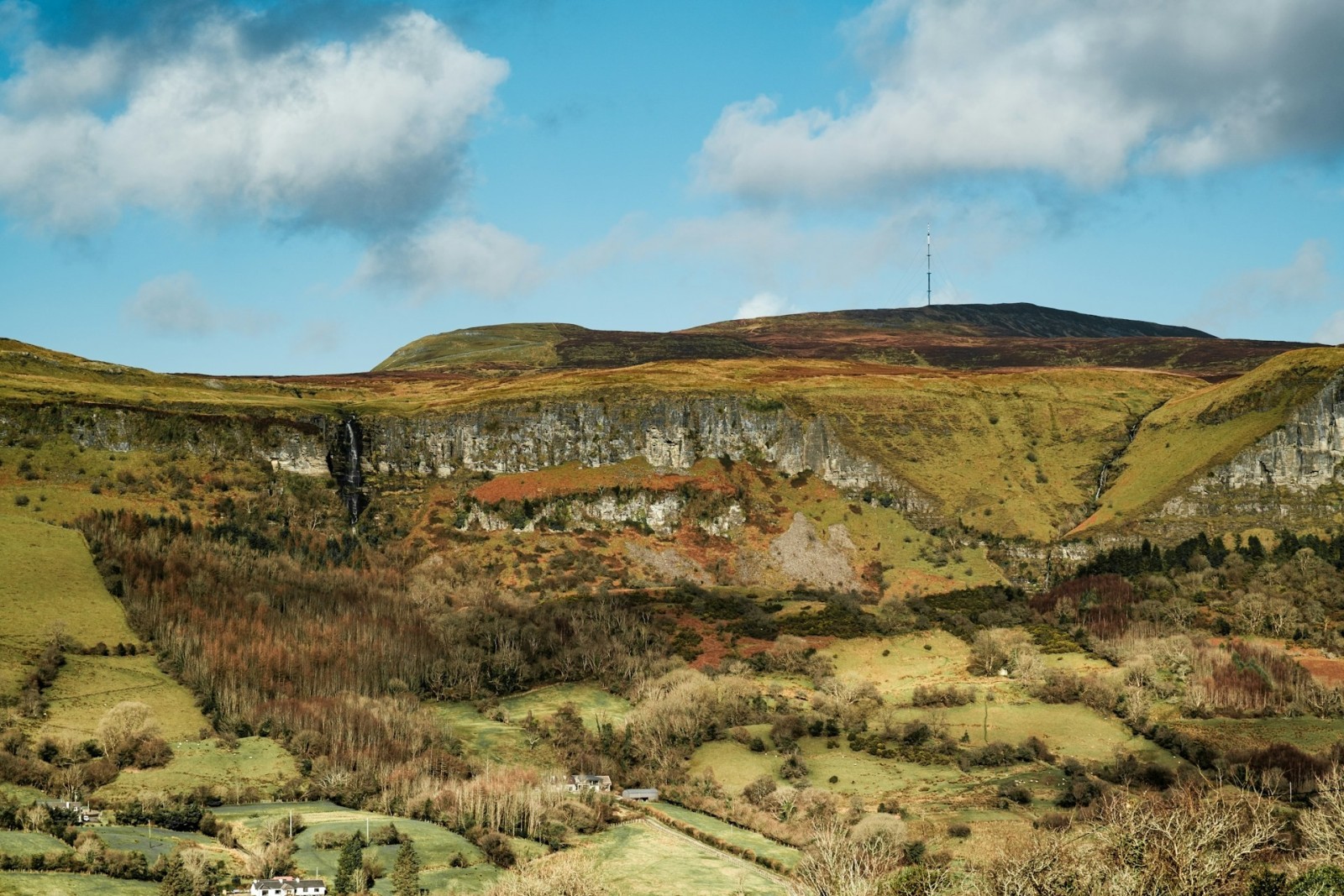
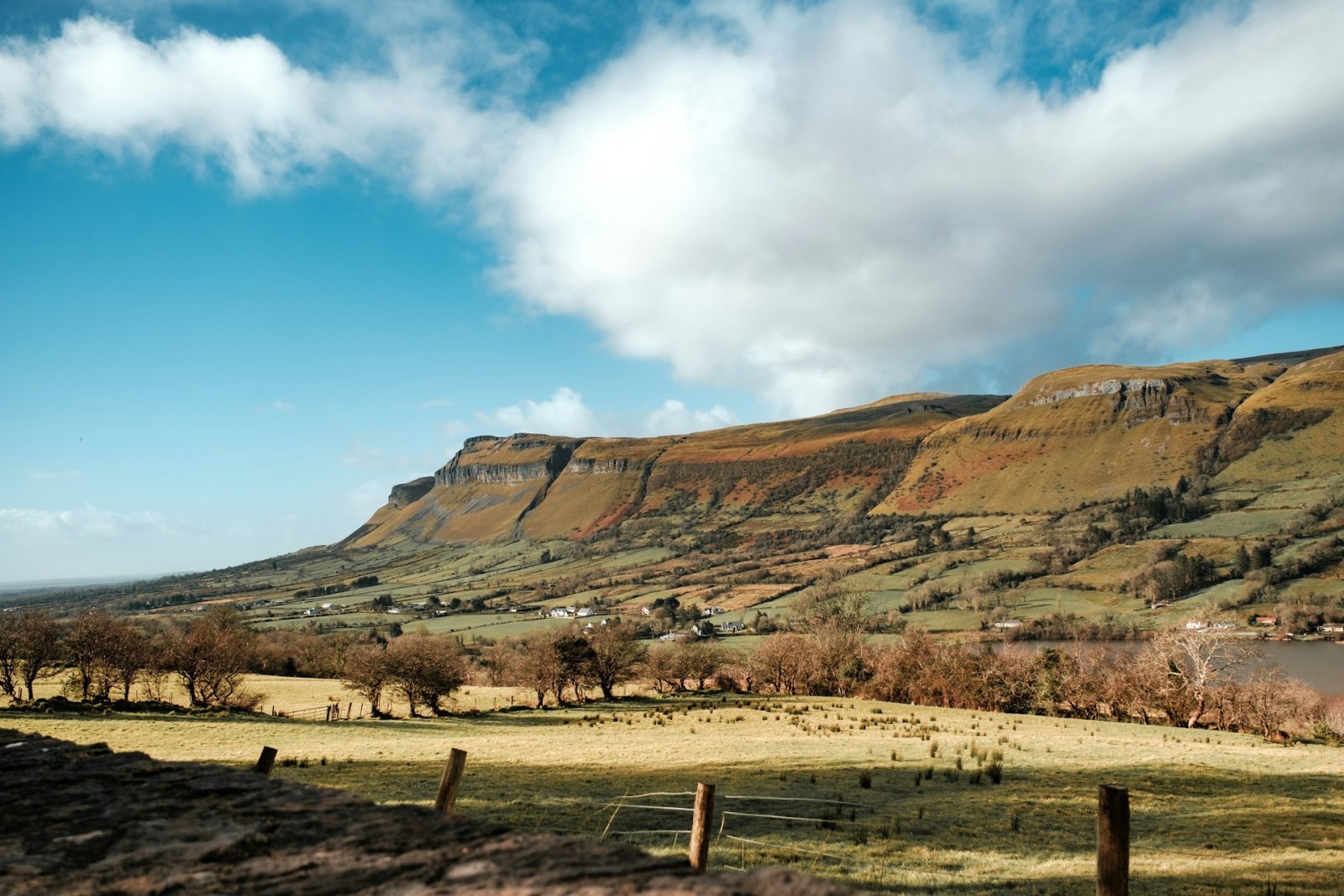
5. Mount Ben Balben (Benbulben) is a famous mountain with a flat top and steep rocky slopes, which has become a symbol of Sligo County. Hiking trails are laid here, with views of the valleys, the Atlantic coast and the surrounding mountains. It is located about 10-15 km from the city. You can get there by car or taxi.
6. Drumcliffe and the Tomb of William Butler Yeats is a historic church and cemetery where the famous Irish poet William Butler Yeats is buried. There is also an ancient Celtic cross and the remains of a medieval round tower. Located about 8 km north of Sligo. It is more convenient to travel by car or taxi.
7. Strandhill Beach is a popular Atlantic coast with a wide sandy beach, strong waves and surfing schools. Here you can practice water sports, walk along the ocean and visit local cafes. Located about 8 km from Sligo. Available by bus, taxi and car.
8. Knocknarea and Queen Maeve's Cairn is a famous natural and archaeological site. At the top of a hill about 327 meters high is an ancient stone mound associated with the legendary Queen Maeve. From the top there are panoramic views of Sligo Bay and the Atlantic coast. It is located about 10 km from the city. Before the beginning of the route it is more convenient to get by car or taxi, then you need to walk.
9. Loch Gill Lake is a picturesque freshwater lake surrounded by forests and hills. It is known for its small islands, beautiful coastal landscapes and a connection to Yeats’ poetry. Here are popular boat trips, fishing and hiking routes. Located about 5 km from the center of Sligo. The nearest walking areas can be reached by car, bicycle or taxi.
10. Parkes Castle (Parke's Castle) is a restored manor-fortress of the XVII century on the shore of Loch Gill Lake. Inside are historical premises, household items and materials about the life of Irish families. Especially attractive is the architecture of the castle and the surrounding lake landscapes. It is located about 15-20 km from Sligo. Public transport directly to the castle is limited, so a car or taxi is recommended.
1. St. Brigid's Day (February) The holiday is dedicated to one of the patroness of Ireland. Cultural events, master classes, exhibitions and traditional rites of meeting spring are held.
2. So Funny Sligo (So Funny Sligo Comedy Festival) Includes performances by Irish and foreign comedians, humorous shows and evening performances.
3. St. Patrick’s Day Festival – March One of Ireland’s most important holidays. Sligo hosts festive parades, concerts, street performances, dances and family events.
4. Feis Shligigh Festival of Irish Music and Dance – April–May Dedicated to traditional Irish culture, folk music, dance and the national language. The program includes competitions, performances and master classes.
5. Sligo Chamber Music Festival (May) It brings together Irish and international classical music artists. Concerts of chamber ensembles and musical meetings are held.
6. Yeats Day (Yeats Day) is June. Dedicated to the famous Irish poet William Butler Yates, associated with Sligo. Literary readings, excursions, exhibitions and cultural events are organized.
7. Wild Atlantic Shanty Festival - June A celebration of maritime culture and traditional seafarers’ songs. It includes musical performances, concerts and thematic events in coastal communities.
8. Cairde Sligo Arts Festival – July One of the city’s notable cultural events. The program includes street performances, theater performances, circus performances, exhibitions, dances and concerts.
9. Sligo International Jazz Festival – July It gathers jazz musicians from different countries. Concerts, musical master classes, improvisational performances and evening jam sessions are held.
10. Yeats International Summer School (July-August) A literary event dedicated to Yeats and Irish literature. Includes lectures, seminars, discussions and meetings with researchers and writers.
11. Tubbercurry Old Fair Day Festival (August) A traditional folk festival with a fair, historical reconstructions, craft exhibitions, music, dance and family entertainment.
12. Sligo Heritage Week (August) Dedicated to the history and cultural heritage of the region. Historical excursions, exhibitions, lectures, visits to monuments and archaeological sites are held.
13. Taste of Sligo Food Festival - Sept. It represents the region’s gastronomic traditions, local products, Irish cuisine and farmers’ products. The program includes tasting, culinary events and meetings with manufacturers.
14. Culture Night Sligo – September. National cultural event, during which museums, galleries, theaters and cultural venues hold free exhibitions, concerts, excursions and creative meetings.
15. The Sligo Baroque Festival (September) Dedicated to classical Baroque music. Concerts with the participation of Irish and foreign musicians, performances of ensembles and music programs are held.
1. Spring (March-May)
Air temperature: in March +7 ... +11 ° C, in April +9 ... +13 ° C, in May +12 ... +16°C.
Water temperature: approximately +8 ... +12 °C.
Weather: gradually becomes warmer, the duration of daylight hours increases, nature comes to life. Precipitation and windy days persist.
Features of rest: walks in the historical center, visiting museums, trips to Loch Gill Lake and Ben Balben Mountain are suitable. For relaxing on the beaches and swimming, the water is still cold.
2. Summer (June-August)
Air temperature: in June + 15 ... + 18 ° C, in July + 16 ... + 20 ° C, in August + 16 ... +19°C.
Water temperature: approximately +13... +16°C.
Weather: the warmest and most comfortable period of the year. The days are long, with plenty of opportunities for excursions and walks, but rain and Atlantic winds are possible even in summer.
Features of rest: the best period for hiking, visiting the beaches of Strandhill and Rosses Point, surfing, sea walks and participation in music and cultural festivals.
3. Autumn (September-November)
Air temperature: in September +14 ... +17 °C, in October +11 ... +14 °C, in November +8 ... +11 °C.
Water temperature: approximately +11 ... +14 °C.
Weather: gradually colder, the number of rainy and windy days increases. In September, there are still comfortable conditions for walking, and by November it becomes noticeably cooler.
Features of rest: a good time to visit museums, historical sights, literary events and music festivals. Nature acquires autumn colors, especially in the area of Loch Gill Lake.
4. Winter (December-February)
Air temperature: in December +6 ... +9 ° C, in January +5 ... +8 ° C, in February +5 ... +9 ° C.
Water temperature: approximately +9 ... +11 °C.
Weather: Winter is mild but wet and windy. It often rains, fog and rare snow are possible. Severe frosts do not happen often.
Features of the holiday: the period is suitable for exploring the historical center, museums, cathedrals, traditional Irish pubs and Christmas events. For long walks along the coast you will need warm waterproof clothes.
1. Language of communication
In Sligo, the main language of communication is English. The official language of Ireland is Irish (Gaeilge), which is used in education, culture, public institutions and national traditions.
Most residents speak fluent English. Irish is more common in some rural areas of the country. Signs and signs may contain names in two languages.
In tourist places, hotels, restaurants, shops and museums, problems with communication in English usually do not arise.
2. Traditions and customs
1. Hospitality and friendliness. The Irish appreciate friendly communication, friendliness and sense of humor. When meeting, it is customary to greet, smile and maintain a relaxed conversation.
2. Pub culture. Traditional Irish pubs are an important part of public life. Here communicate, listen to live music, get acquainted with the local culture. Other visitors should be respected and not be noisy or aggressive.
3. Musical traditions. In Sligo popular Irish folk music, traditional dances and singing. Tourists can attend musical evenings and cultural events.
4. Respect for history. The region is associated with the work of the poet William Butler Yeats. Local residents take care of literary heritage, ancient monuments, churches and archaeological sites.
5. St. Patrick's Day celebration. March 17 is Ireland’s main national holiday. There are parades, concerts, folk festivals and thematic events.
6. Observe the queue. In shops, buses, museums and other public places, it is customary to calmly wait for your turn and not try to pass without it.
7. Punctuality. For excursions, pre-booked events and meetings, it is recommended to arrive on time.
8. Respect for nature. When visiting beaches, mountains, lakes and historical territories, you can not leave garbage, damage plants, disturb animals and spoil monuments.
3. Laws and rules of conduct
1. Documents. During the trip, you must have a valid passport or other document authorized for entry. The visa regime depends on the citizenship of the tourist.
2. Alcohol. The sale and consumption of alcohol is regulated by law. Minors under 18 are not allowed to buy alcohol. It is not recommended to appear in public places in a state of strong intoxication.
3. Smoking. Smoking is prohibited in enclosed public spaces, including restaurants, cafes, bars and public transport. It is necessary to use specially designated places.
4. Prohibited substances. Possession, acquisition and distribution of illegal drugs are punishable by law.
5. Traffic rules. There's left-hand traffic in Ireland. Drivers and passengers are required to wear seat belts. Using a phone while driving without an authorized hands-free system is prohibited.
6. Speed mode. Speed limits, road signs and parking rules must be observed. Particular care should be taken on narrow rural roads.
7. Protection of historical sites. It is forbidden to damage ancient buildings, archaeological sites, churches and other objects of cultural heritage.
8. Public order. Vandalism, aggressive behavior, damage to property and violation of public peace are prohibited.
9. Environmental protection. You can not throw garbage on the streets, beaches and natural areas. The rules for visiting national parks and protected areas should be observed.
10. Photography. When filming locals, especially children, it is advisable to obtain prior permission. In museums and churches, restrictions must be taken into account.
1. Greetings and everyday communication
Hello - Hello - (hallow).
Hi - Hello - (hey).
Good morning - Good morning.
Good afternoon - Good afternoon - Good afternoon.
Good evening - Good evening - Good evening.
Good night, good night, good night.
How are you? - How are you?
I'm fine, thank you - I'm fine, thank you.
Nice to meet you - Nice to meet you.
Good-bye, good-bye.
See you later, see you later.
Have a nice day, have a nice day.
2. Polite words and expressions
Please - Please - (please).
Thank you, thank you, thank you.
Thank you very much - Thank you very much.
You're welcome, you're welcome.
“Excuse me, excuse me.”
I'm sorry, I'm sorry.
No problem, no problem, no problem.
Yes, yes.
No, no, no.
Of course, of course.
That's fine - It's okay.
Could you help me? - Can you help me? - Can you help me?
3. Phrases for hotel and accommodation
I have a reservation, I have a reservation.
I would like to book a room - I would like to book a room.
Do you have a free room? - Do you have a room available?
How much is one night? How much does one night cost?
Is breakfast included? Is breakfast included?
What time is check-in? - What time is the check-in?
What time is check-out? - What time is it? - What time is it?
Can I leave my luggage here? Can I leave my baggage here?
The room is very comfortable (the room is very comfortable).
Could I have another towel? - Can I have another towel?
1. Unique local products and dishes
Irish Stew is a traditional dish of lamb or beef with potatoes, onions and carrots.
Atlantic salmon is a fish served baked or smoked.
Oysters and mussels are popular seafood of the local coast.
Irish soda bread is a traditional pastry based on flour, soda and buttermilk.
Boxty - potato cakes with meat, fish or vegetable fillings.
Irish farm cheeses are aged cheeses made from cow, goat or sheep’s milk.
Brambrack is a sweet bread with raisins and dried fruits.
Irish honey is a natural product of local producers.
2. Useful products and natural remedies
Seaweed - used in the preparation of soups, salads and seasonings.
Sea salt with algae is the original seasoning for fish and meat dishes.
Cosmetics based on seaweed - creams, lotions, scrubs and soap.
Herbal teas are mixtures of plants presented in specialized stores.
Handmade soaps are natural products with vegetable oils.
These products may be interesting for care and nutrition, but are not medicines.
3. Unique souvenirs and products of local masters
Celtic jewelry - pendants, bracelets and rings with traditional ornaments.
Wool products - scarves, hats, gloves and blankets from Irish wool.
Handmade ceramics – cups, plates and vases with images of Irish landscapes.
Souvenirs with Ben-Balben - postcards, paintings and magnets depicting the famous mountain.
Products dedicated to Yeats - books, postcards and memorable items with quotes from the poet.
Sea glass products - jewelry and decorative compositions.
1. General security. Sligo is considered quite a quiet city for tourists. In the center and popular vacation spots, you should observe the usual precautions: watch your bags and phones, do not leave things in the car, avoid poorly lit streets at night. On the coast, you need to take into account strong waves, currents and changeable weather, especially during walks on the rocks and swimming.
2. Required documents. A valid foreign passport will be required for the trip. Depending on your citizenship, you may need a short stay “C” Irish tourist visa. It is advisable to carry:
return tickets or confirmation of a further route;
hotel reservation or address of residence;
confirmation of the availability of funds;
health insurance;
passport and visa copies separately from the originals.
Ireland is not part of the Schengen area, so the Schengen visa itself does not give the right to enter the country.
3. Health insurance. It is recommended to obtain travel insurance for the entire period of the trip. It should cover medical care, hospitalization, emergency transportation and return to their homeland. For walks along the coast, surfing and other active entertainment, it is worth checking the availability of appropriate coverage. EU citizens are advised to take the EHIC European Health Insurance Card if they are eligible.
4. Emergency phones.
112 - a single emergency number;
999 Police, Ambulance and Fire Service
Tourist SOS: +353 1 666 9354 – assistance to tourists affected by crime.
Calls to 112 and 999 are free. The Police of Ireland is called Garda.
5. Mobile operators. The main operators in Ireland are Eir, Vodafone and Three. Virtual operators Tesco Mobile, 48, Lycamobile, GoMo and Virgin Media are also available. Mobile and internet services are usually available in and around Sligo, but coverage may be weaker in remote coastal areas and rural areas.
6. Term of stay in the country. For short-term tourists, the maximum permitted stay is usually 90 days. For citizens of countries requiring a visa, a short-stay C visa is issued. The final period of stay is determined by the immigration officer at entry and indicated in the passport. EU, EEA and Swiss citizens are allowed to stay in Ireland for more than 90 days, subject to free movement conditions. For longer residence, citizens of other countries require a permit.
Create a query and local guides will offer you the best options

Install the app «PersonalGuide»
www.personalguide.ru
