Independent tourism and recreation in the city of Husavik Historical information about the city of Husavik 1....
1. The First Settlements and the Viking Age
The history of Husavik is connected with the Norwegian navigator Gardar Svavarsson, who, according to Icelandic legends, about 860 was off the coast of the island and spent the winter here. He built a temporary dwelling, thanks to which the settlement received the name Húsavík, which translates as “the bay of houses”. Later, Scandinavian settlers began to arrive here, engaged in cattle breeding, fishing and agriculture.
2. Medieval development
In X-XIII centuries Husavik remained a small rural and fishing settlement. Residents raised sheep, fished, produced dairy products and traded with neighboring communities. In 1262-1264, Iceland recognized the power of the Norwegian crown, and later came under the control of the Danish monarchs. This affected the trade and economic development of the region.
3. Trade and sulphur mining
In the XVI-XIX centuries, an important role in the economy of Husavik was played by the sulfur trade, which was mined in the geothermal areas of northern Iceland. Raw materials were exported by sea to European countries for the production of gunpowder. Thanks to the convenient harbor, the settlement gradually turned into a significant trading point.
4. Development of the city in the XIX century
In the nineteenth century, Husavik became an important center of trade, fishing and agriculture. In 1882, one of the first cooperative associations in Iceland was established to help local residents jointly sell products and purchase goods. The port, public institutions and urban infrastructure were developed.
5. Architecture and the twentieth century
At the beginning of the XX century, the city acquired a more pronounced urban appearance. In 1907, the famous wooden church of Husavik was built, which became one of the main architectural symbols of the settlement. In the XX century, fishing, port economy and seafood processing were actively developed. In 1950, Husavik was granted official municipality status.
6. Tourism development and whale watching
In the second half of the XX century, the city began to attract tourists due to the rich marine fauna of the Bay of Skjaulvandi. In 1995, commercial whale watching tours were organized here. In 1997, the Whale Museum opened, dedicated to marine mammals and the history of whaling. Gradually, Husavik became one of the main centers of sea tourism in Iceland.
7. Modern Husavik
In 2006, the city became part of the municipality of Nordühring. In the XXI century, hotel business, excursion services and ecological tourism are actively developing. In 2018, the GeoSea geothermal complex with pools of heated sea water was opened.
Husavik received additional international fame in 2020 after the release of the film Eurovision: The Story of the Fire Saga, in which the city became the birthplace of the main characters. Today, Husavik is known as the “capital of whale watching”, while preserving the traditions of fishing and the historical heritage of the first Icelandic settlements.
1. Whale watching
The main tourist feature of Husavik is sea excursions on whale watching. In the Bay of Skiaulvandi you can see humpback whales, minke whales, white-faced dolphins and sometimes blue whales. Excursions are held on traditional wooden ships and modern boats. This is one of the most popular entertainment among foreign tourists.
2. Natural attractions
The surroundings of the city are distinguished by beautiful mountain landscapes, volcanic formations, waterfalls and geothermal territories. Husavik serves as a convenient starting point for trips to Lake Mivatn, Godafoss Falls, lava fields and geothermal springs. Fans of outdoor activities are available hiking routes, photo walks and bird watching.
3. Geothermal rest
Especially popular is the GeoSea complex, located on the rocky coast. Its pools use heated sea water, and visitors have panoramic views of the bay and the surrounding mountains. Swimming in geothermal water against the background of northern landscapes is considered one of the most memorable impressions of visiting the city.
4. Historical and cultural heritage
Husavik is interesting for its history of the first Scandinavian settlers. Tourists can visit the wooden church of 1907, the Whale Museum and local historical exhibitions. The city also houses the Exploration Museum, dedicated to the history of space exploration and preparing astronauts for expeditions.
5. Architecture and atmosphere of the city
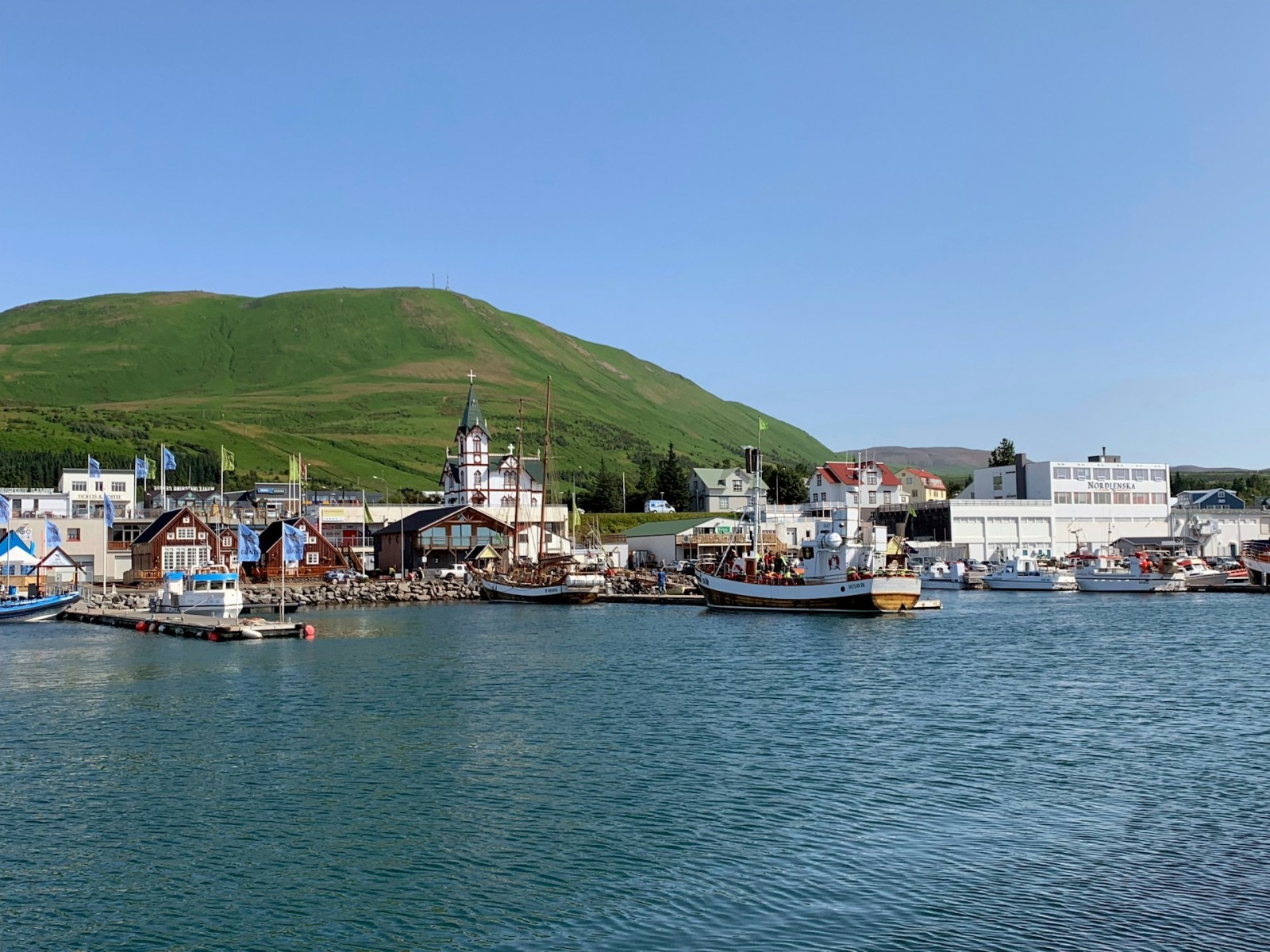
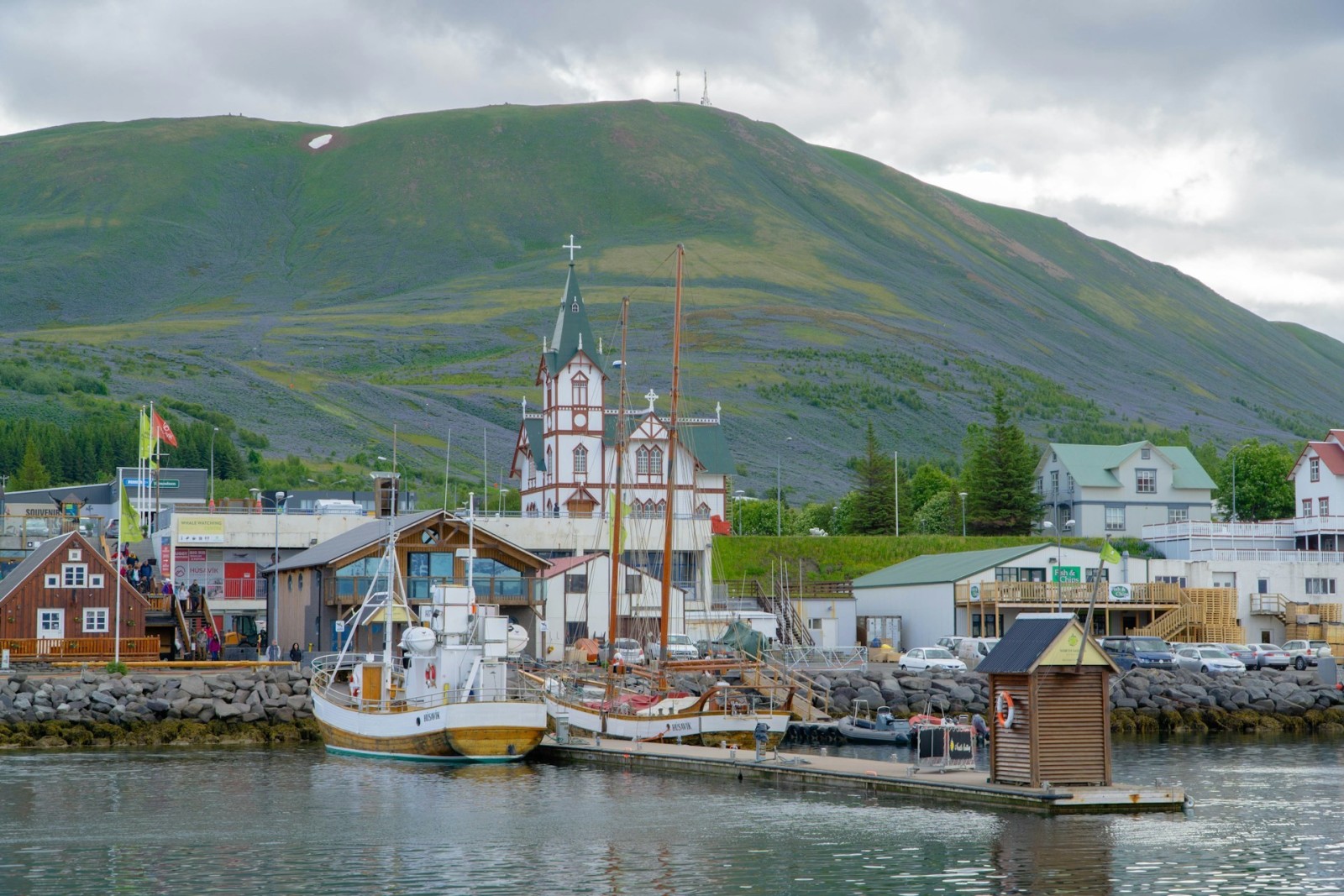
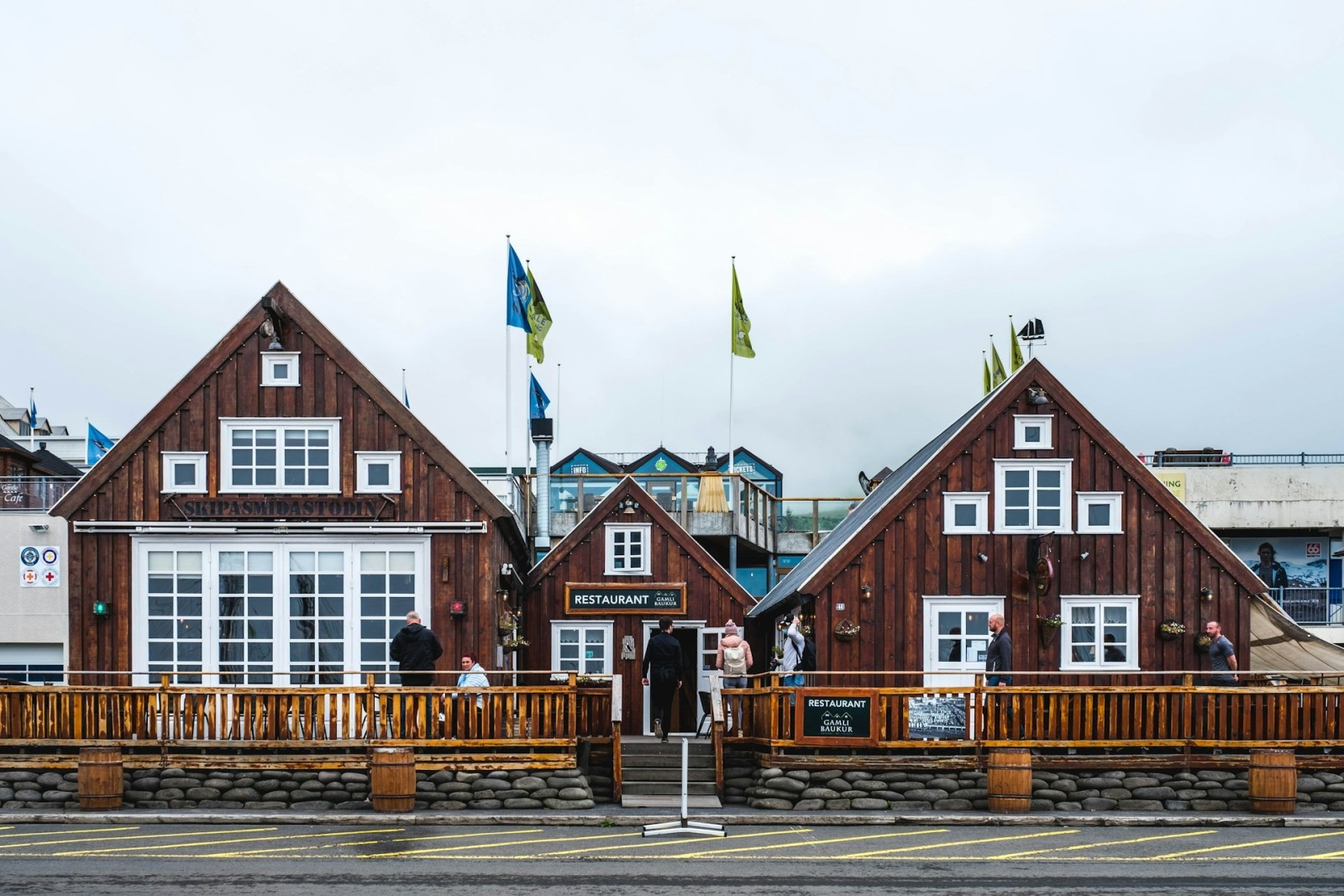
The city is characterized by cozy northern architecture: colorful houses, wooden buildings, small shops and cafes. Particularly charming is the harbor, where fishing and sightseeing vessels are moored. Walking along the waterfront allows you to get acquainted with the daily life of the Icelandic coastal settlement.
6. Gastronomic tourism
In the restaurants of Husavik, you can try traditional Icelandic fish and seafood dishes, seafood soups, lamb, smoked fish and local dairy products. Small cafes offer pastries, desserts and northern cuisine. Particularly popular are fresh cod, salmon and Arctic char.
7. Entertainment and recreation
In addition to sea excursions, tourists can go kayaking, fishing, watching sea birds, hiking and trips along northern natural routes. In winter, you can observe the Northern Lights, take pictures of snow-capped mountains and get acquainted with the winter landscapes of Iceland.
1. Comfortable hotels of medium and high level
Husavik is dominated by 3-4 star hotels and small hotels with modern rooms, private bathrooms, breakfasts, parking and additional services. Some have restaurants, bars and rooms overlooking the bay.
Popular options:
Fosshotel Húsavík is one of the most famous hotels in the city, located near the harbor. Offers modern rooms, restaurant, bar and convenient access to sightseeing berths.
Hótel Húsavík is a small family hotel with a cozy atmosphere, convenient location and rooms overlooking the city and the surrounding mountains.
Húsavík Cape Hotel is a hotel with a convenient location between the city center and the GeoSea geothermal complex.
2. Guesthouses and mini-hotels
Guesthouses are one of the most common ways of accommodation in Husavik. They are suitable for tourists who prefer a calm atmosphere, home comfort and more affordable prices. Some facilities have shared kitchens and bathrooms, others offer separate rooms with their own amenities.
Examples of popular options:
Árból Guesthouse is a cozy family guest house in a historic building, next to the city park area and close to the harbor.
Port Guesthouse is a small guest house with a modern interior and a convenient location in the center.
Höfði Guesthouse - accommodation in a historic wooden house, suitable for exploring the atmosphere of the old town.
Saltvík Guesthouse is a country guest house with beautiful views of the bay and the surrounding mountains.
3. Apartments and apartments for tourists
The apartments are suitable for families, companies of friends and travelers planning to stay for a few days. They are usually equipped with a kitchen, refrigerator, bathroom and appliances, which allows you to cook your own food and save on restaurants.
Popular options:
Skjálfandi Apartments are family apartments in the central part of the city, near the harbor.
Gamli Skólinn Húsavík is an aparthotel in a historic former school building with equipped kitchens.
Bjarnabúð is an apartment with the possibility of self-cooking and a convenient location near the promenade.
4. Economical accommodation options
Small guest houses, hostels and rooms with common amenities are available for tourists on a budget. This format is especially suitable for independent travelers and young people.
Consider:
Post-Plaza Guesthouse is a guest house in the central part of the city with a shared kitchen.
Húsavík Guesthouse is a simple accommodation option for tourists who are more interested in location and cost than additional services.
Guesthouse Sigtún is a small guest house with practical living conditions.
Árbót Hostel is a budget option outside Husavik, located on the farm grounds. Suitable for travelers by car.
1. Whale Museum (Húsavík Whale Museum)
One of the main attractions of the city, dedicated to whales, marine mammals and the history of whaling. The exhibition presents skeletons of various whales, including a huge skeleton of a blue whale about 22 meters long, information materials about the marine ecosystem and the peculiarities of life of these animals.
Transport accessibility: The museum is located next to the city harbor, at Hafnarstét 1. From the central part of the city you can walk in a few minutes. It is convenient to combine a visit to the museum with a sea tour.
2. Husavík Harbour (Húsavík Harbour)
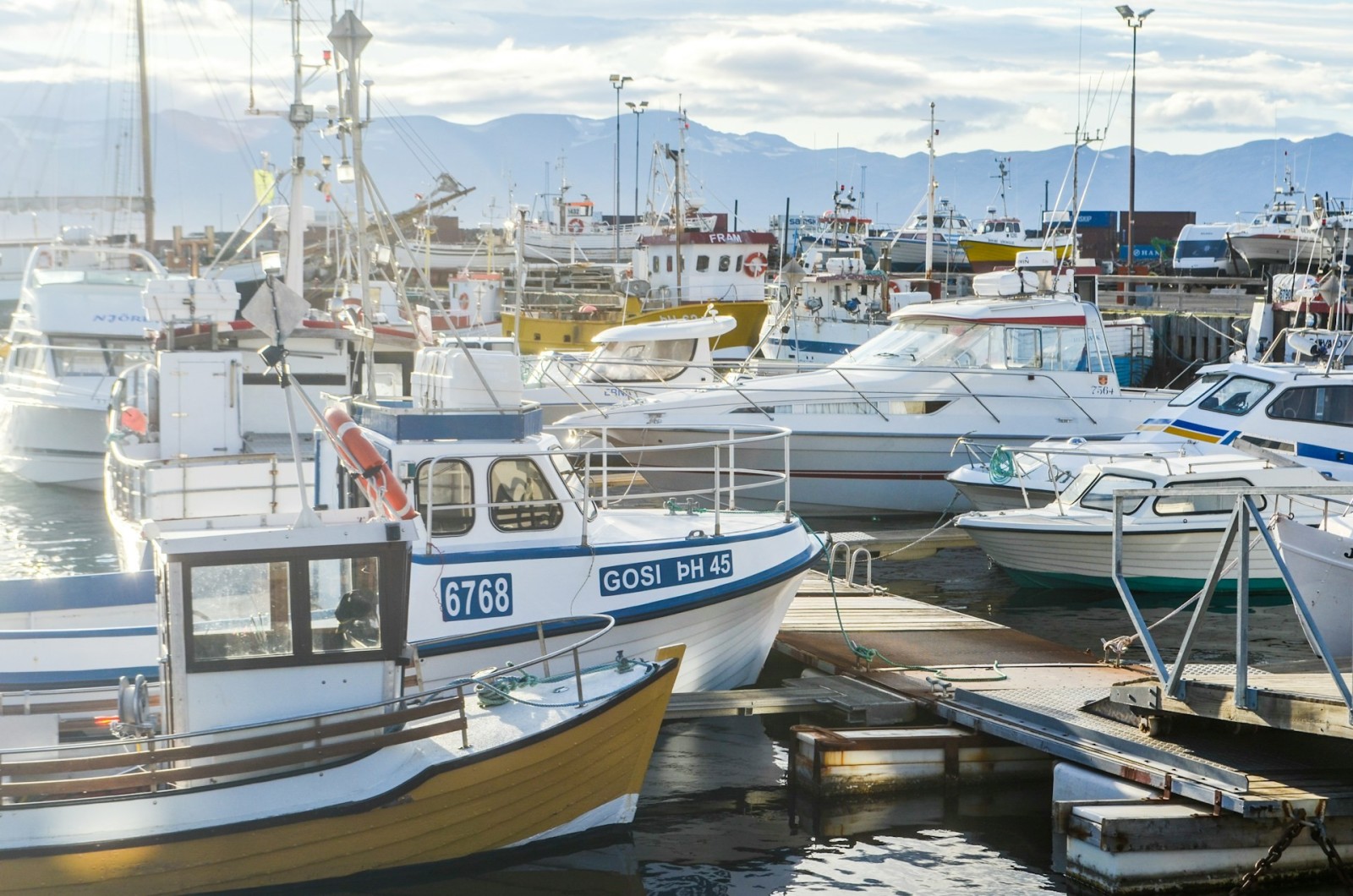
The city harbor is the historical and tourist center of Husavik. There are fishing boats, sightseeing ships, berths and small restaurants. From here go sea trips to watch whales, dolphins and sea birds. The harbour is also a good place to photograph mountain scenery and get to know the everyday life of the coastal city.
Transport accessibility: located in the city center. The harbor is easily accessible on foot from almost any central hotel. The car can be left in nearby parking spaces.
3. Husavík Wooden Church (Húsavíkurkirkja)
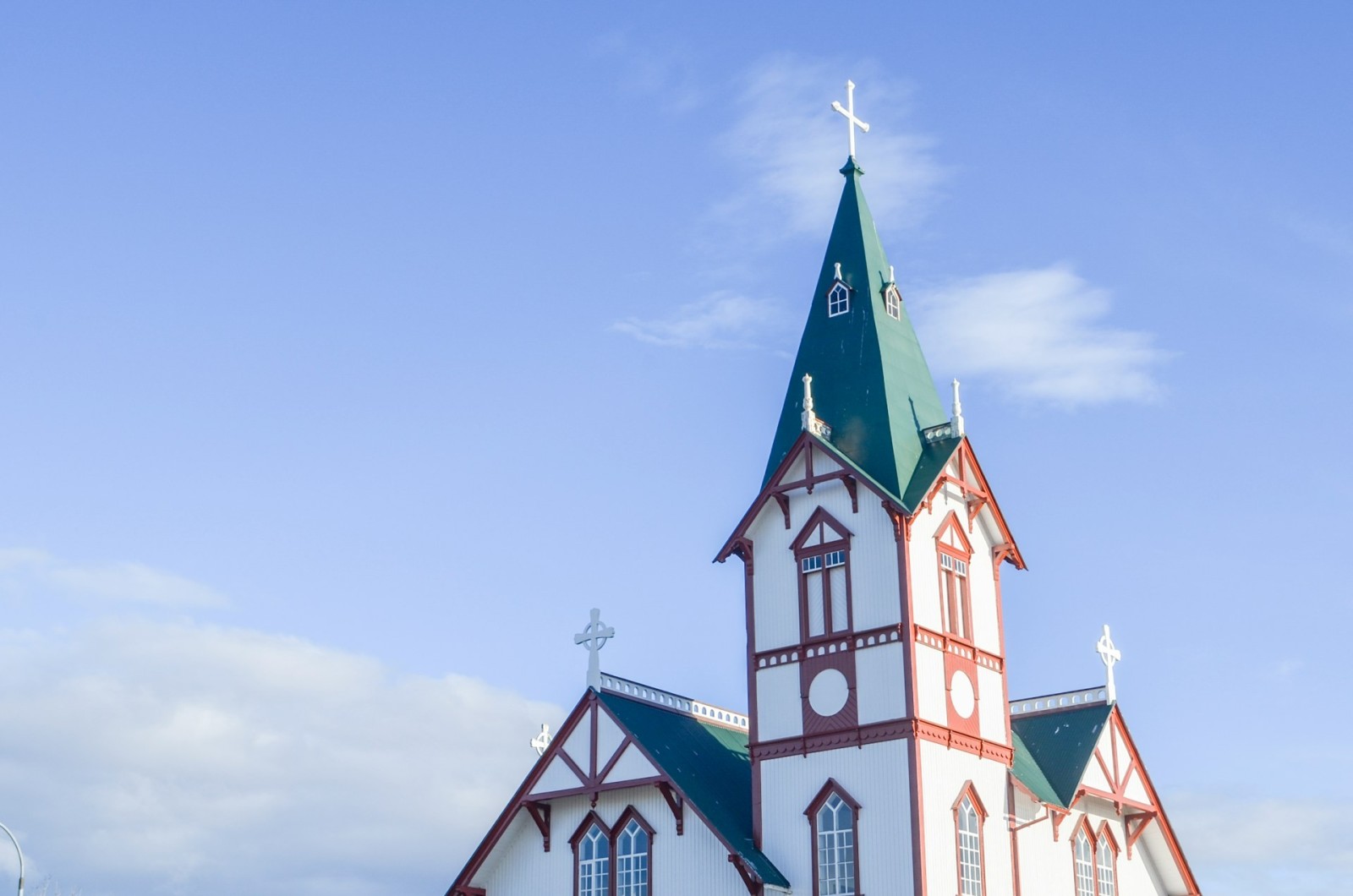
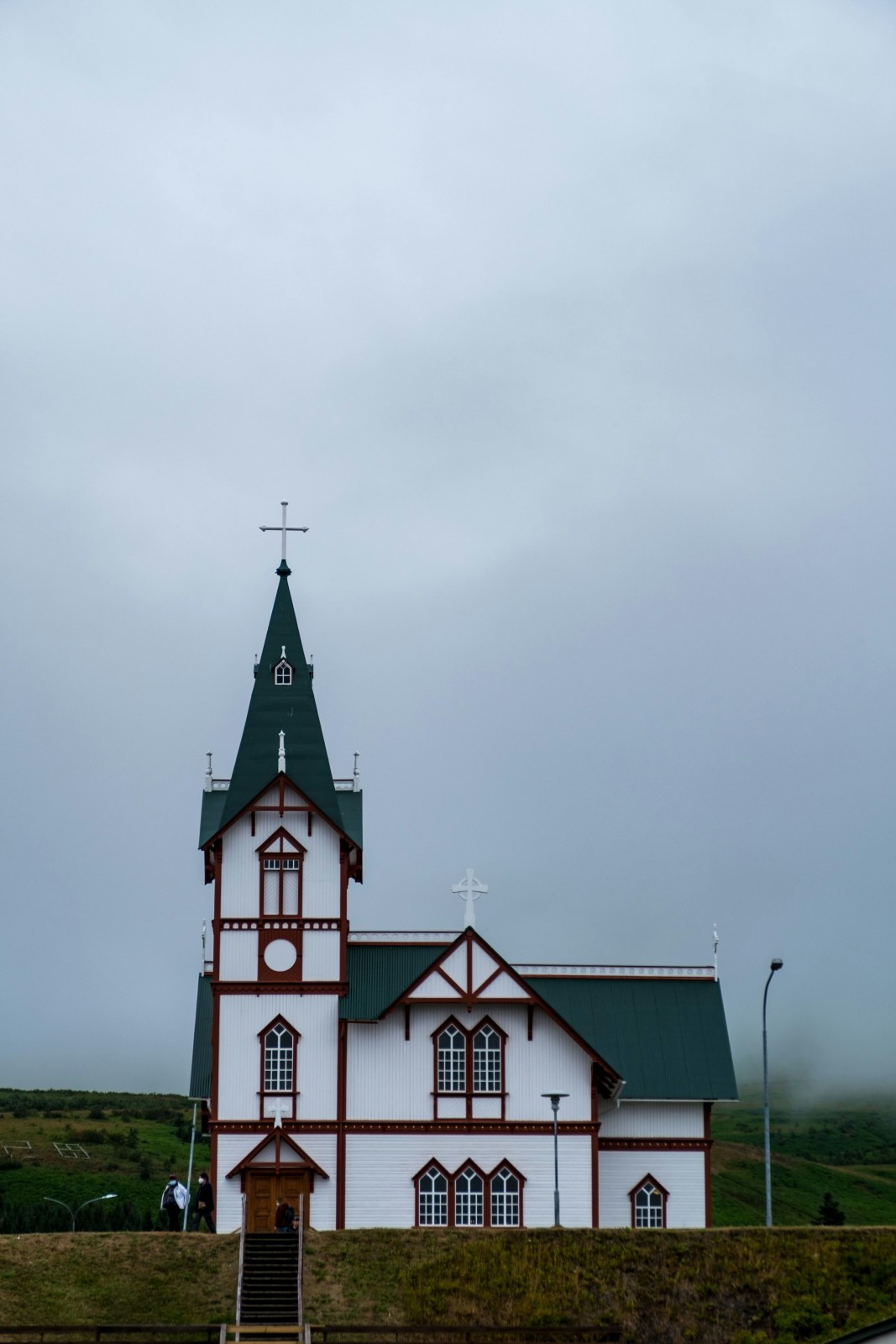
The church of 1907 is one of the most recognizable architectural monuments of the city. The building is built in the traditional Icelandic style, is distinguished by a light wooden facade, a characteristic tower and an expressive interior. The church is of historical and cultural value and is a popular place for photography.
Transport accessibility: located in the central part of Husavik, close to the main streets, shops and harbour. It is most convenient to walk.
4. GeoSea (GeoSea Geothermal Sea Baths)
One of the most unusual sights of the city. The complex is located on the rocky coast and offers swimming in geothermal warm sea water. The water temperature is usually around 38–39 °C. The pools offer panoramic views of the Bay of Skjaulvandi, the mountains and the North Atlantic. Here you can combine rest, wellness procedures and acquaintance with the natural features of Iceland.
Transport accessibility: the complex is located on a hill near Cape Khusavikurhofdi. From the city center you can walk, but the road goes uphill. You can also use a car or taxi. Parking is provided.
5. Husavík Museum (Húsavík Museum / Safnahúsið)
The museum introduces visitors to the history of northern Iceland, the development of fishing, agriculture, navigation and the daily life of the local population. The collections present historical objects, photographs, archival materials, works of art and exhibits related to the traditional way of life of the region.
Transport accessibility: located on Stórigarður 17, near the center. You can walk from the harbor or take a car.
6. Museum of Space Exploration (Exploration Museum)
An unusual museum dedicated to the history of geographical discoveries, Arctic exploration and space research. Special attention is paid to the training of American astronauts of the Apollo program, who in the 1960s trained in the volcanic landscapes of Iceland, resembling the surface of the moon.
Transport accessibility: located in the central part of Husavik, on Höfði street. It is convenient to walk from the harbor and the main hotels.
7. Mount Husavíkurfjall
The mountain, about 417 meters high, is located just outside the city and is a popular place for hiking. From the top there are beautiful panoramic views of Husavik, the Bay of Skjaulvandi and the surrounding mountain ranges. The climb takes about an hour and is suitable for tourists with basic physical training.
Transport accessibility: the beginning of the route can be reached on foot from the city or by car. In some cases, climbing to the top points is possible on the road on an all-wheel drive car. Weather conditions and trail conditions must be taken into account.
8. Lake Botnsvatn (Botnsvatn)
A picturesque lake southeast of Husavik, surrounded by hills and green areas. It is a popular place for walking, cycling, bird watching and relaxing in nature. In the vicinity there are walking paths and beautiful places for photography.
Transport accessibility: From the city can be reached on foot or by bicycle. A car entrance is also available.
9. Husavikurhofdi Cape and Husavik Lighthouse (Húsavíkurhöfði)
Coastal cape with beautiful views of the Bay of Skjaulvandi. There is a small lighthouse here, and the surrounding area is suitable for walking and watching sea birds. From the hill open panoramas of the harbor, city and mountains on the opposite shore of the bay.
Transport accessibility: you can reach the cape by car, after which you can walk a short distance on foot. It is convenient to combine a visit with a trip to GeoSea.
10. Excursions on whale watching (Whale Watching)
This is Husavik's main tourist attraction. Sea walks are held along the Bay of Skjaulvandi, where you can see humpback whales, minke whales, dolphins and various sea birds. Excursions are organized on traditional wooden ships and speed boats. The duration of a standard walk is usually 2-3 hours.
Popular tour organizers are North Sailing and Gentle Giants.
Transport accessibility: all major sightseeing vessels depart from the city harbour. The piers are easily reached on foot from the central part of the city.
1. Spring events (March – May)
The Mývatn Winter Festival is a regional event with cultural programs and winter entertainment. Takes place in the area of Lake Mivatn, near Husavik.
Easter celebrations (Páskar) are a family holiday with traditional treats, chocolate eggs and meetings with loved ones. Thematic events can be held in the city and surrounding areas.
The opening of the tourist whale watching season - the number of sea excursions is gradually increasing in the spring. Tourists come to watch humpback whales, dolphins and other marine animals.
2. Summer events (June – August)
Sjómannadagurinn is a traditional Icelandic holiday dedicated to fishermen and maritime professions. It is celebrated on the first Sunday of June. The coastal towns host family events, seaside entertainment and festive gatherings.
National Day of Iceland (Þjóðhátíðardagurinn) - 17 June celebrates the country's independence. Concerts, festive performances, processions and folk festivals are held.
Marudágar (Mærudagar/Candy Days) is the main annual city event of Husavik, usually held on the last weekend of July. The city is divided into three districts, each of which is decorated in its own color: pink, green and orange. The program includes concerts, dances, street performances, family entertainment, competitions and fairs. This is the most interesting time to explore the local culture.
Summer music concerts – in the summer season, local musical groups, choirs and performers perform at city venues and during festive events.
The Summer Solstice Festival (Jónsmessa) is a traditional Icelandic holiday associated with the shortest night of the year. In different settlements, nature meetings and small festive events are arranged.
3. Autumn events (September – November)
Autumn cultural events - in the city and neighboring settlements there are art exhibitions, theater performances, musical performances and meetings of local creative associations.
Northern Region Festivals – Tourists can visit music and cultural events in Akureyri and other cities in northern Iceland.
Preparation for the Christmas season - festive decorations appear in November, small craft fairs and events are held for families with children.
4. Winter holidays (December – February)
Christmas (Jól) is Iceland’s main winter family holiday. The streets are decorated with lights, festive meetings, musical performances and family events are held.
Christmas festivities at the Husavik Museum (Christmas at Húsavík Museum) is a festive fair with local craftsmen, live music, gingerbread competition, treats and gifts.
New Year (Gamlárskvöld) - accompanied by festive meetings, fireworks and traditional family celebrations.
Torrablót is a traditional Icelandic winter holiday with national dishes, folk music and friendly feasts. It is usually held in January or February.
1. Spring (March-May)
Spring in Husavik comes gradually. In March and April, cold weather persists, snowfall, frost and strong winds are possible. In May, it becomes noticeably warmer, the duration of daylight hours increases, nature begins to awaken.
Air temperature: from -2 to +7 °C.
Water temperature: from +2 to +5 °C.
Features: melting snow, changing weather, increasing daylight hours.
Tourist opportunities: walking around the city, visiting museums, the first sea excursions to watch whales.
2. Summer (June-August)
Summer is the best time to visit Husavik. The weather becomes relatively mild, the days are very long, and in June there are phenomena of white nights. July and August are considered the warmest months. This is the best time for sea trips, whale watching and travel to the natural attractions of northern Iceland.
Air temperature: from +8 to +14 °C, sometimes higher.
Water temperature: from +7 to +10 °C.
Features: long daylight, cool nights, periodic rains and winds.
Tourist opportunities: whale watching, hiking, excursions to waterfalls and Lake Mivatn, visiting GeoSea, summer festivals.
3. Autumn (September-November)
In autumn, the temperature gradually decreases, the amount of precipitation increases, the winds increase. Relatively comfortable conditions for excursions are still possible in September, but in October and November the weather becomes cold and unstable. The nights are getting longer and you can see the Northern Lights.
Air temperature: from -2 to +10 °C.
Water temperature: from +5 to +8 °C.
Features: increased winds, rains, first snowfalls, reduced daylight hours.
Tourist opportunities: watching the Northern Lights, visiting museums, geothermal recreation and walking around in good weather.
4. Winter (December – February)
Winter in Husavik is cold, snowy and windy. Daylight is very short, blizzards, ice and temporary restriction of traffic on the roads are possible. The temperature often falls below zero. But in winter you can observe the Northern Lights and enjoy the atmosphere of the snow-covered northern city.
Air temperature: from -7 to +2 °C.
Water temperature: from +2 to +4 °C.
Features: snowfall, frost, short daylight, strong winds.
Tourist opportunities: watching the Northern Lights, winter photo walks, visiting museums and relaxing in geothermal pools.
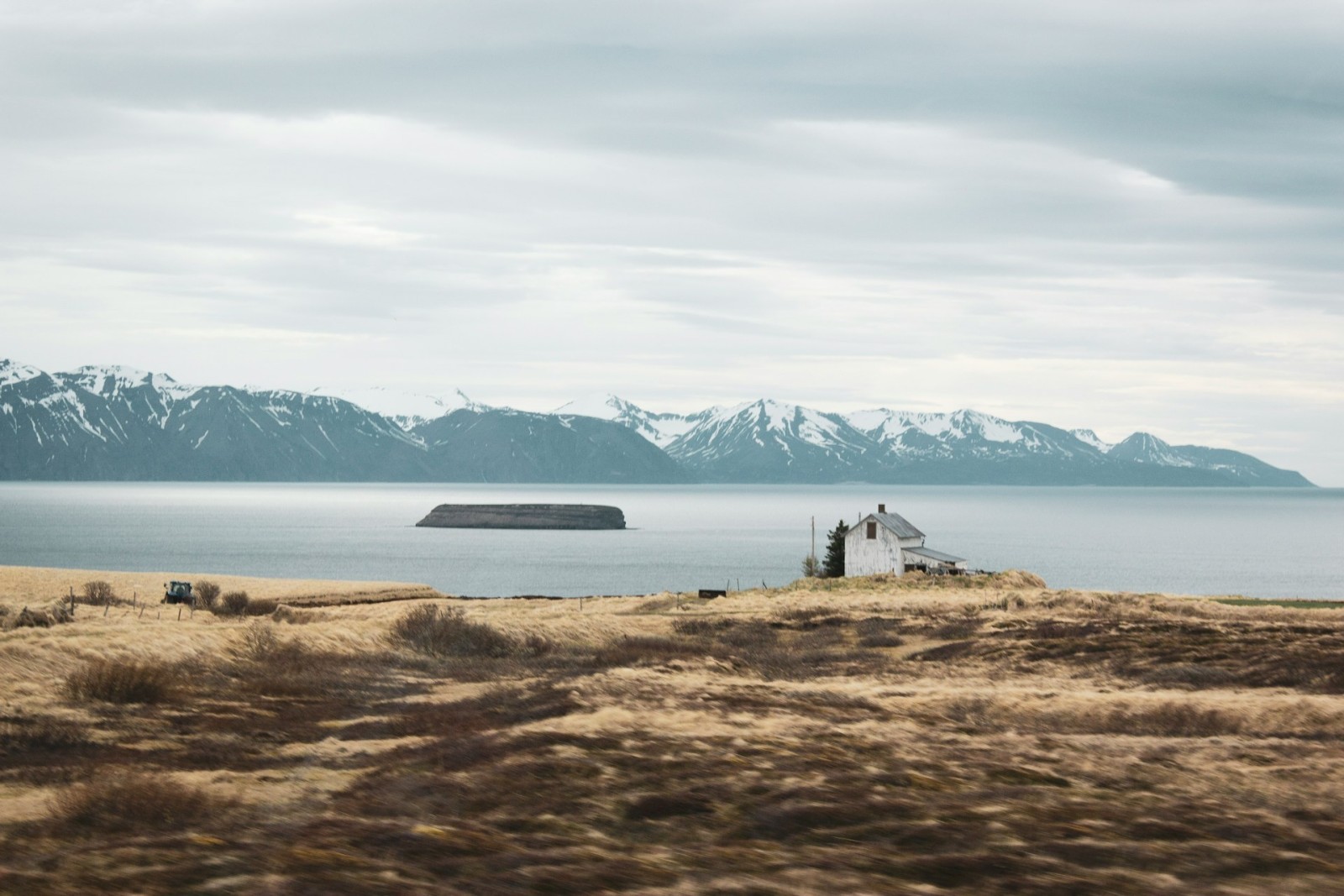
1. Language of communication
The official language of Iceland is Icelandic. In Husavik, which receives many foreign tourists, English is widely spoken. It can be used in hotels, restaurants, tourist centers, museums and during whale watching excursions.
Many people also know Danish and other European languages. Russian is much less common, so it is advisable to have a basic knowledge of English or use an interpreter to travel.
Icelanders are generally friendly to tourists and welcome visitors trying to say a few words in the local language.
2. Traditions and characteristics of behavior
1. Respect for nature. Icelanders care about the environment. You can not leave garbage, break plants, damage volcanic moss and go off the designated tourist routes.
2. Calm communication. Locals value courtesy, restraint and respect for personal space. It is not accepted to talk loudly in public places and impose conversation on strangers.
3. Name address. In Iceland, even older people and representatives of official institutions are addressed by name. Formal titles are not used as often as in many other countries.
4. Visiting swimming pools and thermal baths. Before entering public pools and geothermal baths, including GeoSea in Husavik, you should wash thoroughly with soap without a swimsuit in a specially equipped shower. It's an important sanitary rule.
5. Punctuality. For excursions, sea walks and organized events, it is advisable to come in advance. Being late can lead to loss of space in the group.
6. Tips. Tipping is not mandatory in Iceland: service is usually included in the price. Additional remuneration can be left at will for particularly good service.
7. Attitude to animals. While watching whales, it is necessary to follow the instructions of the crew, not to try to attract the attention of animals on their own and not to interfere with them.
3. Basic laws and regulations for tourists
1. Compliance with environmental requirements. It is forbidden to travel by car outside the roads and designated routes. There are serious fines for such violation. Protected natural areas should not be damaged and restrictions should not be ignored.
2. Traffic rules. In Iceland, the movement is right-handed. The driver and passengers must use seat belts, and the passing lights must be turned on even during the day. Speed limits should be observed and fast-changing weather should be taken into account.
3. Alcohol. It is impossible to buy alcoholic beverages in ordinary supermarkets. Strong alcoholic beverages are sold in state specialty stores Vínbúðin, as well as in licensed bars and restaurants. The age to buy alcohol is 20 years.
4. Smoking. Smoking is prohibited in many enclosed public spaces, including restaurants, public hotel areas and establishments. It is necessary to use specially designated places.
5. Drugs. The possession, use and distribution of prohibited narcotic substances are punishable by law. This applies to substances that may be legal in other countries.
6. Camping. For the night, you should choose official campsites or places where accommodation is allowed. You can not set up a camp on private territory without the consent of the owner.
7. Documents. Foreign tourists must have a valid passport or other document recognized for crossing the border, as well as a visa if required. It is recommended to keep documents in a safe place and carry copies of them.
8. Photography. When shooting people, it is advisable to ask permission in advance. On the territory of museums, private facilities and some tourist sites, it is necessary to observe the established rules of photography.
1. Main greetings and polite expressions
Hello, hello, hello. Pronunciation: Hutlow.
Good afternoon, Góðan daginn. Pronunciation: Goutan daiyin.
Gott kvöld - good evening. Pronunciation: Gotta quelt.
Góða nótt — good night. Pronunciation: Goua note.
Bless - goodbye, bye. Pronunciation: Bless.
Takk, thank you. Pronunciation: Tuck.
Takk fyrir - thank you very much, thank you. Pronunciation: Tuck firir.
Vinsamlegast - please (in a polite request). Pronunciation: Winsamlegast.
Ja, yes. Pronunciation: Yow.
Nei, no. Pronunciation: Nay.
Afsakið -- sorry, sorry. Pronunciation: Ausakid.
Ekkert mál - no problem, no problem. Pronunciation: Eckert maul.
2. Useful words for everyday communication
Ja, yes.
Nei, no.
Kannski - maybe, maybe.
Hér is here.
Þar is there.
Now, now.
Í dag - today.
Á morgun is tomorrow.
Í gær - yesterday.
Vatn is water.
Matur is food.
Kaffi is coffee.
Te is tea.
Bjór is beer.
Baðherbergi is a bathroom.
Salerni is a toilet.
Hótel is a hotel.
Verslun is a store.
Bensínstöð is a gas station.
Höfn is a port.
Strætó is a bus.
Bátur is a boat.
Hvalur is a whale.
Veður is the weather.
Sundlaug - pool.
3. Phrases for hotel and accommodation
Ég er með bókun. - I have a reservation.
Ég vil bóka herbergi. - I want to book a room.
Er herbergi laust? - Is there a room available?
Hvað kostar ein nótt? - How much does one night cost?
Hvenær er innritun? - When's the settlement?
Hvenær þarf ég að skrá mig út? - When do I have to leave?
Er morgunmatur innifalinn? - Breakfast included?
Er Wi-Fi hér? - Is there Wi-Fi?
Get ég fengið lykilinn? - Can I get the key?
Get ég fengið annað handklæði? - Can I get another towel?
4. Phrases for cafes and restaurants
Matseðillinn, takk. - Menu, please.
Borð fyrir tvo, takk. - Table for two, please.
Hvað kostar þetta? - How much does it cost?
Hvað mælirðu með? - What do you recommend?
Ég vil fá fisk. - I want a fish.
Má ég fá vatn? - Can I have some water?
Eitt kaffi, takk. - One coffee, please.
Ég er grænmetisæta. - I'm vegetarian/vegetarian.
Ég er með ofnæmi fyrir... - I'm allergic to...
Reikninginn, takk. - Check, please.
Þetta var mjög gott. - It was delicious.
Takk fyrir matinn. - Thanks for the food.
1. National dishes and local products
Icelandic lamb is the meat of local sheep used for roasting, soups and stewed dishes.
Fish soup (Fiskisúpa) is a traditional dish of fresh fish, seafood, vegetables and cream.
Cod and Arctic char are a popular northern fish served fried, baked or smoked.
Smoked lamb (Hangikjöt) is a traditional dish with a characteristic aroma of smoking.
Skir (Skyr) is a thick dairy product with a high protein content.
Rye bread (Rúgbrauð) is a dense, slightly sweetish bread, sometimes baked using geothermal heat.
Dried fish (Harðfiskur) is a traditional protein snack eaten with butter.
Kleinur is an Icelandic fried donut with cardamom.
Local jams are products from northern berries and rhubarb.
2. Drinks and Gastronomy Souvenirs
Húsavík Öl is a local craft beer.
Brennivín is a traditional strong alcoholic drink with the aroma of cumin.
Icelandic chocolate – comes with licorice, sea salt and berry additives.
Salt licorice (Lakkrís) is a popular national sweet with an unusual taste.
Icelandic sea salt is suitable for cooking fish, meat and vegetables.
Herbal teas are mixtures of local plants that can be brought as a fragrant souvenir.
3. Useful and health-improving remedies
Mineral cosmetics – creams, masks and lotions with geothermal minerals.
Means with seaweed - cosmetics for skin care.
Mineral salt for baths - used for home relaxation procedures.
Icelandic herbal teas are aromatic teas from local plants that are not medicines.
Protective balms and creams are useful for skin care in cold and windy climates.
In Husavik, it is also worth visiting the GeoSea geothermal complex with heated sea water and views of Skjaulvandi Bay.
1. Required documents for travel
For a trip to Husavik, a tourist is recommended to have:
The passport must meet the requirements of the Schengen area. As a rule, for third-country nationals, it must be issued no more than 10 years ago and valid for at least three months after the intended departure from Schengen.
Schengen visa – is necessary for citizens of countries for which visa-free entry is not provided.
Round-trip tickets – it is advisable to have confirmation of a return flight or further route.
Confirmation of residence – reservation of a hotel, apartment or other place of accommodation.
Confirmation of funds – cash, bank cards or account statements.
Driving license – necessary when renting a car. Some national permits may require an international driving permit.
Copies of documents - it is recommended to keep separate from the originals and have electronic copies of the passport, visa and insurance policy.
Iceland is part of the Schengen area, so when traveling from other Schengen countries, it is necessary to take into account the days already used.
2. Health insurance
For travel, it is recommended to obtain medical insurance for the entire period of stay.
It is desirable that the policy covers:
Emergency medical care and hospitalization.
Treatment of injuries and accidents.
Medical transportation and evacuation.
Help with cold and frostbite.
Accidents during sea excursions and whale watching.
Active rest, walking and trips to natural attractions.
Repatriation to the homeland for medical reasons.
European health insurance card holders are advised to take it with them. It entitles you to the necessary state medical care under the conditions applicable to insured residents of Iceland, but does not replace full travel insurance.
It is especially important to check whether the policy covers search and rescue operations and helicopter evacuations.
3. Emergency services phones
Iceland has a single emergency number, 112. You can contact the police, fire service, ambulance and rescue services.
Main telephones:
112 - Unified emergency service, around the clock.
1700 Medical Consulting Service.
1770 – on-duty medical care outside working hours.
1777 - information on the condition of roads and road conditions.
+354 444 1000 – police (non-emergency appeals in the capital region).
It is recommended to install the application 112 Iceland, which allows you to transmit to rescuers location coordinates in the event of an emergency.
4. Mobile operators and communications
There are three main mobile operators in Iceland:
Síminn is one of the largest operators in the country, providing extensive coverage of mobile communications and the Internet.
Nova offers mobile, internet and prepaid SIM cards.
Sýn (Vodafone) is a mobile operator with 4G and 5G services.
Tourists can use international roaming, local SIM card or eSIM electronic SIM card. In Husavik, mobile communication is available, but outside settlements, coverage can be unstable.
Before the trip, it is recommended to clarify the roaming conditions with your operator and download offline cards.
5. Safety rules and possible hazards
Weather conditions. The weather can change quickly, so you need to have waterproof clothes, warm shoes and protection from the wind.
Sea excursions. When watching whales should follow the instructions of the crew, use life jackets and take into account the likelihood of cancellation of walks due to the weather.
Road trips. Before leaving, it is necessary to check the condition of the roads. Some routes are gravel-covered and require an all-wheel drive car.
Natural hazards. You can not approach dangerous coastal areas, go beyond the fences and independently explore volcanic areas.
Bathing. Sea water in northern Iceland is cold, so swim only in equipped places.
Personal items. Despite the low crime rate, documents, money and electronic devices are best stored in a safe place.
Natural phenomena. Warnings about storms, earthquakes and volcanic activity should be checked before travel.
To check weather conditions and road conditions, it is recommended to use the official SafeTravel Iceland service.
6. How many tourists can stay in Iceland without leaving the country?
Iceland is part of the Schengen area, so the length of the tourist stay depends on the citizenship and visa status of the traveler.
Citizens of visa-free countries can stay in Iceland for up to 90 days in any 180-day period.
Tourists with a short-term Schengen visa can stay in the country within the period and number of days specified in the visa, but usually not more than 90 days in 180 days.
Citizens of EU and EEA countries have the right to stay in accordance with the rules of free movement; for long-term residence there are additional requirements.
Tourists wishing to stay for more than 90 days must obtain an appropriate residence permit if it is required for their category.
Important: Days spent in other Schengen countries are also included in the total limit of 90/180 for short stays.
Create a query and local guides will offer you the best options

Install the app «PersonalGuide»
www.personalguide.ru
