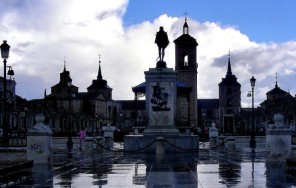
Independent travel and view of the city of Alcalá de Henares! History of Alcalá de Henares Alcalá de Henares i...
Alcalá de Henares is a historic city in Spain, located in the autonomous community of Madrid, in the central part of the country. The city has a long and rich history that spans several thousand years, from Roman times to the present day. Alcalá de Henares is not only famous for its ancient history, but is also an important cultural and educational center, as well as the hometown of the famous writer Miguel de Cervantes, whose works made Spain famous all over the world.
1. Ancient history and foundations of the city
Alcalá de Henares was founded in ancient times, and its history dates back several millennia. The name of the city probably comes from the Arabic word "Al-Qal'a", which means "fortress", indicating its strategic location. However, on the site of the modern city there were more ancient settlements, starting from the Bronze Age and the Roman era.
Roman period
During the Roman Empire, Alcala was known as "Complutium", and this name persisted for centuries. According to historical records, the city was an important commercial and administrative center in the Roman province of Tarraco. The Romans left many traces in the city, including the remains of an amphitheatre, aqueducts and restaurants, as well as Roman baths. These archaeological sites give an idea of the importance of the city in the Roman era.
Medieval Period: Arabs and the Christian Reconquista
After the fall of the Roman Empire, the city was conquered in 711 by the Arabs, and Alcala became part of Al-Andalus, Muslim Spain. This period lasted until 1083, when the city was conquered by Christians during the Reconquista. During this period, the city became an important fortress on the border of Christian and Muslim lands.
After the Reconquista, Alcala underwent a number of changes, including re-planning in accordance with Christian traditions, and becoming an important administrative and religious center.
2. Alcala in the Renaissance and Middle Ages
Since the XV century, Alcalá has become an important cultural and educational center. In 1499, the University of Alcalá de Henares was founded in the city, which was a landmark event for the whole region. The university quickly gained importance in Spain and became one of the leading educational institutions in Europe during the Renaissance.
Founding of the university
The University of Alcalá de Henares was founded by decree of Cardinal Jiménez de Cisneros. He played a huge role in spreading knowledge and science in Spain and beyond. The university was the first institution in the country to receive a royal charter. Not only the humanities, but also the natural sciences and philosophy were taught here. The university gave rise to many academic traditions, many of which have survived to this day.
Particular attention should be paid to the fact that Alcalá de Henares became one of the centers of Spanish humanistic thought during the Renaissance. Many outstanding personalities studied here, including the famous Spanish writer and philosopher Juan Luis Vives, as well as a number of other thinkers.
Miguel de Cervantes
Alcalá is also known as the hometown of the great Spanish writer Miguel de Cervantes (1547–1616), author of Don Quixote, one of the most influential books in world literature. Cervantes was born in Alcalé de Henares in 1547, and although he lived in different parts of Spain, his hometown has always played an important role in his life and work.
The University of the City undoubtedly influenced Cervantes’ worldview, as well as his deep understanding of the social and cultural issues of his time. In memory of Cervantes, a monument was erected in the city, and several streets and squares bear his name. His life and work became a symbol of the cultural heritage of Alcalá de Henares.
3. The Golden Age and Modernity
City in the Golden Age
In the sixteenth and seventeenth centuries, Alcalá continued to prosper due to its university and strategic location. The city became an important cultural center, where literature, art, architecture and philosophy were actively developed. German and French humanism, as well as Spanish Baroque culture, are reflected in the city’s architecture and intellectual life.
At this time, a number of historic buildings were built in Alcalá, many of which have survived to the present day. One of the most famous is the City Palace (Palacio de Ciriaco), which served as the residence of local aristocrats.
The Golden Age and Scientific Heritage
With the advent of the Golden Age in the XVI-XVII centuries, Alcalá was recognized as one of the most important centers for science and culture. The city continued to maintain the traditions of its university, and many famous scholars and writers of the time, such as Cervantes, left their mark on its history.
Modernity and cultural heritage
Today Alcalá de Henares remains an important educational and cultural center of Spain. The University continues to play a significant role in the life of the city, and its historical and cultural monuments attract tourists from all over the world. The city is also an important centre for festivals, concerts and theatre performances.
4. Attractions of Alcala de Henares
University of Alcalá: One of the oldest universities in Spain, famous for its architecture and history.
Cervantes House: The house where Miguel de Cervantes was born has now been transformed into a museum dedicated to the life and work of the great writer.
Place Jiménez de Cisneros: Beautiful square with historic buildings, including the university.
Church of San Ildefonso: Gothic church, which is one of the significant monuments of religious architecture of the city.
City wall: Remains of medieval fortress walls that protected the city during the Reconquista.
5. The modern importance of the city
Today Alcalá de Henares is not only an important cultural and educational center, but also one of the most beautiful historical cities in Spain, which attracts tourists with its architecture, monuments and literary heritage. The city also actively participates in various cultural events such as the Cervantes Festival, theater performances, concerts and art exhibitions.
Alcalá de Henares has retained its status as an important educational center and continues to be a place where modern trends in science and culture develop.

1. Historical heritage and architecture
Alcalá de Henares has a long and rich history, and this is evident in its architecture. The city is famous for its ancient buildings, majestic monasteries and churches, as well as beautiful university complexes.
Cervantes House Museum: One of the main attractions of Alcalá is the home of Miguel de Cervantes. This house has been transformed into a museum where you can learn a lot about the life and work of the great Spanish writer. For literature lovers, this is a must stop.
University of Alcalá: This university was founded in 1499 and is one of the oldest and most prestigious educational institutions in Spain. The architecture of its buildings combines elements of Renaissance and Baroque. The exterior of the university complex, especially its facades and courtyards, makes a strong impression.
Church of San Ildefonso: This magnificent Gothic church, built in the XV-XVI centuries, is one of the symbols of the city. The interior and architectural details of the church are a real pearl of the city.
City walls and towers: The remains of the fortress walls and medieval towers that once protected the city from external threats are preserved in Alcalá. A walk through these historic sites gives travelers a chance to see how the city has evolved over time.
2. City for lovers of literature and arts
Alcala de Henares is not only a city connected with history, but also a real cultural mecca. It hosts numerous festivals, theater performances and exhibitions, as well as celebrations dedicated to Miguel de Cervantes.
Cervantes Festival: Every year, Alcalá hosts a cultural festival dedicated to Cervantes and his work. During this period, the city is filled with literary readings, theater productions, concerts and exhibitions. This is a great opportunity to immerse yourself in the world of Don Quixote and other works of the great writer.
Museums and galleries: There are many museums to visit in Alcalá, including the Archaeological Museum, which features ancient artifacts, and the Museum of Modern Art, which offers interesting exhibitions of works by both Spanish and international artists.
Theatres and concert halls: The city is also famous for its theatre traditions. The La Strada Theatre and the Teatro Cervantes Concert Hall host regular cultural events including theatre productions, music concerts and dance shows.
3. gastronomy
Spanish cuisine is an integral part of the culture, and in Alcalá de Henares tourists can enjoy not only traditional dishes, but also local delicacies. There are many restaurants and cafes where you can taste authentic Spanish dishes.
Tapas and local dishes: Alcalá has many cafes and restaurants that offer excellent tapas – small portions of traditional Spanish snacks. Particular attention should be paid to local dishes, such as soup with rice and beans or dried meat.
Wine Service: Alcalá is located in the wine region and produces excellent wines, including white and red varieties. Tourists can visit local wineries and taste the best wines of the region.
Chocolate and sweets: Spain is known for its sweets, and in Alcalá you can taste delicious cakes and pastries from local pastries. Chocolate products and traditional sweet pies are especially popular.
4. Walking around the city and natural beauty
Alcala de Henares is not only historical monuments, but also picturesque streets and squares that create an incredible atmosphere for walking.
Place Jiménez de Cisneros: One of the main squares of the city, around which there are many historical buildings. Holidays and local events are often held here. The square is also surrounded by cozy cafes and restaurants where you can taste local delicacies.
Green areas and parks: Alcalá is surrounded by beautiful natural landscapes, and walking through its green streets and parks is a great way to enjoy the tranquil atmosphere of the city. For example, Condé Salinas Park is a great place for family walks, picnics and outdoor recreation.
River Harama: This river flows through Alcala and its surroundings offer excellent opportunities for outdoor activities such as hiking and cycling along the shore.
5. Comfort for travelers
Alcalá de Henares is just 35 kilometers from Madrid, making it a great place for day trips or short weekends. The city is easily accessible by train, bus or car, allowing travelers to easily get here from the Spanish capital.
In addition, in Alcalá you can easily find various accommodation options: from historic hotels to cozy inns and modern hotels with good service.

1. Luxury and medium-sized hotels (4-5 stars)
For those who prefer a high level of service, comfort and convenience, Alcalá de Henares offers several luxurious and elegant hotels located in the city center. These hotels often offer additional services such as spa treatments, swimming pools, fitness centers, and restaurants and bars.
Parador de Alcalá de Henares (4 stars)
Description: This is one of the most famous and elegant hotels in the city, located in a building that used to be a monastery. The Parador de Alcalá perfectly combines a historic atmosphere with modern amenities. Guests are offered comfortable rooms as well as a restaurant with traditional Spanish cuisine.
Services: restaurant, conference rooms, free Wi-Fi, round-the-clock reception.
Advantages: proximity to the main attractions of the city, elegant interior and attention to detail.
Hotel Isla de La Garza (4 stars)
Description: Hotel in a cozy location near the river Harama. It is a hotel with modern facilities that offers beautiful views and a high level of comfort.
Services: indoor pool, restaurant, gym, free Wi-Fi, parking.
Advantages: location in nature, convenience for business trips, relaxing atmosphere.
Hotel El Encin Golf (4 stars)
Description: This is an elegant hotel with a view of the golf course, located in a picturesque area just 15 minutes drive from Alcalá. It offers a high level of service and convenience for holidaymakers and business travelers.
Services: golf course, restaurant, spa treatments, fitness center, free Wi-Fi, conference rooms.
Advantages: calm atmosphere, ideal for those looking for a relaxing holiday away from the bustle of the city.
2. Middle class (3 stars)
For travelers who want to maintain a balance between comfort and reasonable price, Alcalá offers mid-range hotels with good amenities and city centre location.
Hotel Puerta de Alcalá (3 stars)
The cozy hotel, located in the historic center of the city, offers tourists comfortable rooms and proximity to major attractions such as the Cervantes House Museum.
Services: restaurant, bar, free Wi-Fi, tourist information.
Advantages: excellent location, comfortable rooms, affordable prices.
Hotel Cervantes (3 stars)
Description: This hotel is located in the center of Alcalá and offers all the necessary amenities for a comfortable stay. Cozy rooms and proximity to the main historical sites make it an excellent choice for tourists.
Services: restaurant, free Wi-Fi, round-the-clock reception.
Advantages: convenient location, good price for such conditions.
3. Economical options (1-2 stars)
For tourists looking for more budget accommodation options, Alcalá de Henares has hostels and economical hotels with basic amenities. This is a good solution for those who want to save on housing, while gaining comfort and convenience.
Hostal Cibeles (2 stars)
Description: Hostel in the city center, which is ideal for those who do not require special facilities, but appreciates affordable prices and good location.
Services: free Wi-Fi, round-the-clock reception, air conditioning.
Advantages: low prices, convenient location.
Hostal Complutense (1 star)
Description: An inexpensive hostel located near the main attractions of the city. It’s a good choice for budget travelers who don’t need much luxury, but who appreciate comfort.
Services: free Wi-Fi, air conditioning, common recreation areas.
Advantages: inexpensive prices, simplicity and convenience, convenient location for exploring the city.
4. Apartments and apartments
If you are planning a longer stay in Alcalá de Henares or want more space and convenience, short-term rental apartments or apartments may be suitable for you.
Apartamentos Alcalá Plaza
Description: Modern apartments with fully equipped kitchen, comfortable bedrooms and bathroom. Great for those who prefer self-cooking and a longer rest.
Services: kitchen with household appliances, free Wi-Fi, parking, laundry.
Advantages: Ideal for long-term living, full autonomy and independence.
Apartamentos Doña Juana
Description: Cozy apartments in the historic city center with an excellent location, which are ideal for couples or small groups. The apartments are equipped with everything necessary for a comfortable stay.
Services: kitchen, air conditioning, free Wi-Fi.
Advantages: excellent price and convenience for a long stay.
5. Guesthouses and hostels
For youth travelers, students or those looking for a social atmosphere, Alcalá de Henares has several hostels and guest houses with affordable prices.
Albergue Alcalá (hostel)
Hostel for young people and students, where you can stay for a very modest fee. This is ideal for those who want to meet other travelers and not spend money on expensive hotels.
Services: common kitchen, free Wi-Fi, common areas for recreation.
Advantages: low price, excellent atmosphere for communication.
Universitaria Giner de los Ríos
Description: This is a student dormitory that also receives tourists. Here you can find cheap rooms and atmosphere of students, which is ideal for youth travel.
Services: shared kitchen, free Wi-Fi, laundry.
Advantages: very low prices and convenient location for visiting the university and other attractions of the city.

1. Cervantes House Museum
Description: This house is the birthplace of the great Spanish writer Miguel de Cervantes, the author of the famous novel Don Quixote. Inside the building there is a museum where you can see exhibits related to the life and work of the writer. Here is information about his family, educational process and first literary experience.
Address: C/Mayor, 48.
What to see: Expositions dedicated to the life of Cervantes, copies of his works, documents of the Renaissance.
2. University of Alcalá de Henares
Description: One of the oldest universities in Spain, founded in 1499. The university is an architectural masterpiece of the Renaissance. There are magnificent courtyards here, as well as the famous Jimenez de Cisneros Square - the center of the cultural life of the city.
Address: C/ Colegios, 2.
What to see: Historical architecture, university courtyards, restaurant and cafe on campus.
3. Church of San Ildefonso
Gothic church of the XV-XVI centuries, one of the most important historical religious buildings of the city. The church attracts attention with its architectural details and beautiful stained glass windows.
Address: Plaza de San Diego.
What to see: Stained glass, sculptures, Gothic style, interior decoration.
4. City walls and towers
Description: Remnants of medieval fortress walls that once protected the city from attacks. Some of these walls and towers have been preserved and restored and are an important part of Alcalá’s architectural heritage.
What to see: Towers "Cerro de los Santos" and "Torre del Homenaje", as well as fragments of the fortress walls.
5. Plaza de Jiménez de Cisneros
Description: It is one of the main squares of Alcalá de Henares, named after Cardinal Jiménez de Cisneros, who founded the university. There are Renaissance buildings and many cafes, restaurants where you can enjoy local cuisine.
What to see: Magnificent architecture, historical square, cafe with terraces.
6. Archaeological Museum of Alcala de Henares
Description: Museum, which presents archaeological finds related to ancient cultures that lived in the city and its surroundings. Exhibits include Roman, Arab and medieval artifacts.
Address: C/ San José, 5.
What to see: Roman mosaics, Arabic artifacts, finds related to the Reconquista era.
7. Condé Salinas Park
Description: This is a beautiful city park, which is an ideal place for relaxation and walks. The park is located in a picturesque part of the city and offers travelers green alleys, a pond and various areas for active recreation.
Address: C/Alcalá, 1.
What to see: Spacious green areas, lake, picnic areas.
8. Theatre of Cervantes (Teatro Cervantes)
Description: One of the oldest theaters in Spain, built in the XIX century, it has been restored and continues to function as the cultural center of the city. Theatrical performances, concerts and other cultural events are held here.
Address: C/Cánovas del Castillo, 1.
What to see: Historical architecture of the theater, stage and halls for concerts and performances.
Transport accessibility of attractions
Alcalá de Henares has a good transport infrastructure, which makes it easy to reach the main attractions of the city and from other parts of the region.
1. Train
The Alcalá de Henares railway station is located in the city center, just a few minutes from the historic center. It connects the city with Madrid and other major cities in the region.
Railway lines: Regular trains run on the Madrid-Alcalá de Henares route and the journey takes about 40-50 minutes.
Suitable for travelers who want to save time on the way from Madrid or other nearby cities. The railway connection makes it easy to reach the main attractions of the city.
2. The bus.
The bus station in Alcalá de Henares is also well connected to Madrid and other localities of the region. Many buses heading to Alcala arrive at the bus station, which is just a 10-minute walk from the historic city centre.
Suitable for: travelers who prefer convenient and economical bus routes.
3. Hiking
Alcalá de Henares is a compact city and many attractions are within walking distance of the city centre. Walking through the historic streets of Alcalá allows you to enjoy the architecture and atmosphere of the city.
4. Car
For travelers who come by car, Alcalá de Henares offers convenient parking in the vicinity of the main attractions. If you are traveling around the region, a car can be a convenient option to get around.
Suitable for: those who want to visit the surroundings of the city and nearby settlements.
5. Taxi and bicycle rental
Taxis and bicycle rentals are additional ways to get around Alcalá. Bicycles can be convenient for exploring the city, especially on sunny days, when walks in parks and historic areas give you the opportunity to enjoy the nature and atmosphere of the city.

spring
1. Cervantes Festival (Festival Cervantino)
When: May
Description: It is one of the most significant cultural events of the city, which is dedicated to the life and work of Miguel de Cervantes, the great Spanish writer born in Alcalá de Henares. Within the framework of the festival, theater productions, literary readings, concerts and exhibitions are held. Many events take place in the historic buildings of the city, including the University and the Cervantes House Museum.
What awaits tourists: Theatrical and musical performances, meetings with writers, lectures, exhibitions, master classes.
2. Easter holidays (Semana Santa)
When: April (depending on the year, dates may change)
Description: As in most Spanish cities, Alcalá hosts the traditional religious festivals of Easter. Easter week includes processions that move through the historic streets of the city. This is a time when you can see the vibrant costumes, drums and music, as well as experience the religious and cultural traditions of the region.
What awaits tourists: Religious processions, local festivals, music and dance.
Summer.
3. Festival of Theatre in Alcalá (Festival de Teatro Clásico de Alcalá)
When: July
Description: This festival is held annually and is dedicated to classical theater literature. As part of the event, productions of famous plays and dramatic works, including works by Cervantes, are held on the streets of the city. Many open-format performances take place in historical squares and theaters of the city.
What awaits tourists: Theatrical performances in open areas, master classes and lectures on theatrical art, cultural events for the whole family.
4. Museum Nights (La Noche de los Museos)
When: June
Description: On the night of museums, the city’s various cultural institutions open their doors to visitors until late at night. In Alcalá you can visit historical museums, including the Archaeological Museum and the Cervantes Museum, and enjoy free entrance and special night excursions.
What awaits tourists: Museum tours, night cultural events, concerts, street performances.
5. Carnivals (Carnavales)
When: February (early spring)
Description: Carnivals are bright holidays with costumed processions, street performances, music and dances. Traditional carnival events take place in Alcalá, where residents and tourists can see colorful parades and enjoy the cheerful atmosphere.
What awaits tourists: Parades, street performances, dances, costume events, concerts and entertainment shows.
autumn
6. Festival of Books and Reading (Festival de la Palabra)
When: September
Description: This festival is dedicated to literature and the written word. It involves not only local writers, but also international authors. The festival includes lectures, master classes, meetings with writers, as well as various cultural events and exhibitions.
What awaits tourists: Meetings with famous writers, literary readings, book presentations, presentations of new publications.
7. Festival of Musical Theatre (Festival de Teatro Musical)
When: October
Description: At this time of year, Alcalá hosts musical theatre events including musicals, operas and other types of musical performances. This festival attracts theater and music lovers, presenting unique productions.
What awaits tourists: musicals, opera, musical performances, street performances.
Winter
8. Christmas holidays and fairs (Navidad)
When: December - January
Description: Like many Spanish cities, Alcalá hosts Christmas markets and Christmas celebrations. The city is decorated with lights, festive processions, concerts and fairs are held, where you can buy souvenirs, local products and Christmas sweets.
What awaits tourists: Christmas markets, street performances, Christmas music, traditional Spanish treats.
9. Feast of the Three Kings (Día de Reyes)
When: January 6
Description: This is an important event in Spain, especially for children. On the day of the Three Kings, traditional carnival processions are held, where the Three Kings participate, giving gifts to children. It is one of the brightest holidays in the Spanish calendar, when the streets of the city are filled with colorful parades.
What awaits tourists: Three Kings Parade, street performances, costume events.

1. Spring (March - May)
Air temperature: In spring, the temperature gradually rises. In March, the daytime temperature is around 12-16°C, but nights can be cold (about 3-7°C). In April, the temperature begins to increase, reaching 16-20 ° C during the day, and at night the average is about 6-10 ° C. May is already a real spring, with temperatures around 20-24°C during the day and 12-15°C at night.
Water temperature: In spring, the water temperature in the rivers and reservoirs of the city will be quite cool - about 12-16 ° C. Swimming in the water may not be very comfortable, especially in early spring.
Spring is one of the most pleasant times of the year to visit the city as temperatures are comfortable and nature begins to blossom. Spring also hosts important cultural events such as the Cervantes Festival and Easter holidays.
2. Summer (June - August)
Summers in Alcalá de Henares can be hot, especially in July and August, when daytime temperatures reach 32-36°C and higher. Nights tend to stay warm - around 18-22°C, but can be quite hot, especially on days with high humidity. In June, the temperature is slightly milder - about 26-30 ° C.
Water temperature: In the summer months, the water in local water bodies heats up to 18-22 ° C, which makes it a little more comfortable for swimming, but for a full beach holiday it is better to choose the coast, since Alcala does not have large bodies of water for recreation.
Season Features: Summer is the peak of the tourist season. The weather is hot, so prepare for high temperatures, especially in July and August. Despite the heat, summer is also known for its festivals such as Theatre Festival and Carnivals. At this time of year, night cultural events are also particularly popular.
3. Autumn (September - November)
Air temperature: In autumn, the temperature begins to gradually decrease. In September afternoon temperatures can still be quite high, around 24-30°C, but the nights get cooler - around 14-18°C. In October, the temperature drops to 16-20 ° C during the day and about 8-12 ° C at night. November is already quite a cool month, with daytime temperatures around 10-14°C and nighttime temperatures around 3-6°C.
Water temperature: In September and October, the water in rivers and reservoirs is still relatively warm - about 16-20 ° C, but in November the temperature drops to 10-14 ° C, which makes swimming less comfortable.
Seasonal features: Autumn is one of the best times to visit Alcalá. The weather is mild and comfortable for walking around the city and visiting historical sights. This time of year hosts interesting cultural events such as the Book Festival and Musical Theatre Festival. Autumn is also known for its wine and gastronomic events.
4. Winter (December to February)
Winter in Alcalá de Henares can be quite cold, especially at night. Daytime temperatures range from 5-12°C in December and January to 8-14°C in February. Nights can be particularly cold, often below zero – around 0-5°C, with possible frost.
Water temperature: In winter, the water temperature in rivers and other bodies of water will be cool - about 6-10 ° C, which makes swimming in this season extremely uncomfortable.
Winter is a quiet season for tourists to Alcalá when the city is less crowded and accommodation prices can be lower. Although the temperature is low, the winter season is ideal for those looking to enjoy Christmas markets, festive events like the Three Kings Festival, and street performances and concerts. At this time of year, you can enjoy the atmosphere of traditional Spanish Christmas.

Language of communication in Alcala de Henares
1. Official language: Spanish (Castile)
In Alcalá de Henares, as throughout Spain, the official language is Spanish (or Castilian). It is the primary language spoken by locals and is also used in government offices, shops, restaurants and on the streets.
Dialects: In Alcalá de Henares, no other dialects or languages are spoken, such as in Catalonia (Catalan), the Basque Country (Basque) or Galicia (Galician). However, in major cities such as Madrid, it is sometimes possible to find people speaking English or French, especially in touristic places.
2. English
In Alcalá de Henares, many residents have a basic knowledge of English, especially in tourist areas, hotels, restaurants and the train station. However, in less touristic places such as shops and markets, the level of English may be low. Therefore, for comfortable communication, it is better to know at least a few phrases in Spanish or use a translator on a smartphone.
Useful phrases in Spanish:
Hola - Hello (common greeting)
¿Cómo estás? - How are you?
Por favor - Please
Gracias - Thank you
Disculpa, ¿hablas inglés? - Excuse me, do you speak English?
¿Cuánto cuesta? - How much does it cost?
Donde está el baño? - Where's the toilet?
La cuenta, por favor - bill, please.
Traditions and customs in Alcalá de Henares
1. Greetings and courtesy
In Spain, it is very important to be polite, especially when dealing with locals. When meeting, the word “Hola” is usually greeted, and in an informal setting, “¿Qué tal?” or “¿Cómo estás?” may be used.
Spaniards often exchange kisses on the cheeks (one on each side), even if they have just met. This is especially true for women, but can also occur between men and women.
Forms of courtesy: It is important to use the words "por favor" (please) and "gracias" (thank you) in everyday conversations, as well as to treat strangers with respect, using the forms "usted" (you) instead of the more informal "tú" (you) when talking about older people or those who are older in status.
2. Dining traditions
In Spain, lunch (especially in non-tourist regions) often takes longer than in other countries. Lunch is usually the main course of the day, and it can last from 1 to 2 hours, starting with the first course (sopa or ensalada), then moving on to the second (for example, meat or fish with a side dish), and ending with dessert or fruit.
Spaniards usually eat late: lunch - at 13:30-15:30, and dinner - at 20:30-22:00.
In restaurants, it is customary to leave a tip (10% of the bill), if the service was good. However, tipping is not mandatory, and this is decided by the client.
3. siesta
In Spain, the tradition of siesta – day rest, especially in the summer months. This is usually between 14:00 and 17:00, when many shops, institutions and restaurants close for leisure. It is important to keep this in mind when planning your day, especially in small towns and villages.
Legislation and norms of conduct
1. Alcohol
In Spain, alcohol is allowed for people over the age of 18. It is important to comply with local laws and regulations, not to drink alcohol on the streets or in public places, if it is prohibited.
In Alcalá de Henares (as in many other cities in Spain) it is not usually forbidden to drink alcohol on the outdoor terraces of cafes and restaurants, however, drinking alcohol on the streets may be prohibited in some areas.
2. Smoking
Smoking in Spain is prohibited in public enclosed places such as restaurants, bars, museums, theaters and public transport. It is common to smoke outside, but it is important to follow the rules and not smoke near the entrances to closed public buildings.
3. Traffic and safety
Pedestrians have the right to cross the road at pedestrian crossings, and drivers are obliged to give way to pedestrians. However, it is important to always be careful on the road, especially in large cities.
In Spain, traffic rules are strictly enforced, including a safety belt (required in a car for all passengers) and a speed limit. Breaking the rules can lead to fines.
4. Personal space and respect
In Spain, personal space is appreciated, but in comparison with other countries in southern Europe, the Spaniards do not hesitate to be closer to each other. This is especially evident in meetings where people often exchange kisses on the cheeks, which is the norm.
Personal questions should be avoided, especially the first time. If you’re not familiar, it’s worth talking about neutral topics like weather, travel, or culture first.
5. Law and order
Spain has strict drug laws. Violation of the drug law, whether it is consumption or sale, can lead to serious consequences, including imprisonment.
In public places and on beaches, nudity is not allowed, except for specially designated areas (for example, beaches or swimming pools).
6. Holidays and weekends
There are many holidays in Spain, such as Christmas (December 25), Three Kings Day (January 6), Easter (Semana Santa), Spain Day (October 12), and others. Shops and establishments may be closed on holidays, but many tourist sites and restaurants remain open.
On the days of fiestas and big holidays there can be mass festivities and street processions, for example, in honor of the Festival of Cervantes or Carnival.
Tips for Travellers in Alcalá de Henares
Be open and friendly, but respect the privacy of the locals.
Greet people with politeness, using "usted" in official situations and "tú" for close friends or people your age.
If you don’t speak Spanish, use simple phrases in Spanish – locals will appreciate your efforts.
Respect local customs and traditions, especially regarding alcohol and smoking.
Keep an eye on your personal belongings in tourist areas, as pickpockets can be active in places with a large flow of people.

Greetings and goodbyes
- Hello! [Ola]
Buenos días - Good morning! [Buenos diaz]
Buenas tardes - Good afternoon! [Buenas Tardes]
Buenas noches - Good evening! Good night! [Buenas Nights]
Adiós - Bye! Goodbye! [Adios]
Hasta luego - See you soon! [Asta Luego]
Hasta mañana - See you tomorrow! [Asta Manyan]
Nos vemos - See you later! [Wemos nose]
Appeals and forms of courtesy
Por favor - Please [Por Favor]
Gracias - Thank you [Gracias]
De nada - Please (in response to gratitude)
Perdón - Excuse me [Pardon]
Disculpa – Sorry, Sorry [Disculpa]
¿Cómo estás? - How are you? [Como Estas]
¿Cómo está usted? - How are you? (formally)
Muy bien - Very good [Muy bien]
Mal - Bad [Mal]
Asi asi (asi asi)
While in a restaurant or cafe
¿Cuánto cuesta? - How much does it cost? [Quanto Cuesta]
La cuenta, por favor -- bill, please.
Tienenen menú en inglés? - Do you have a menu in English? [Tjenen menu en ingles?]
¿Qué me recomienda? - What would you recommend? [What do you mean?]
Agua sin gas - Water without gas
Agua con gas - Water with gas
Una cerveza, por favor - Beer, please.
Un vino tinto/blanco - Red/white wine [Un vino tinto/blanco]
¿Tiene algún plato típico? Do you have any traditional dishes? [Tiene Algun Plato Tipico?]
Shopping and shopping
¿Dónde está...? - Where is...? [Donde Es'ta...?]
¿Cuánto cuesta esto? - How much does it cost? [Quanto Questa esto?]
¿Aceptan tarjetas de crédito? - Do you accept credit cards? [Aseptan Tarhetas de Credito?]
Tienenen talla más grande? - Do you have a bigger size? [Tienn taya mas grande?]
Solo estoy mirando - I'm just looking. [Solo esta mirando]
¿Puede ayudarme? - Can you help me? [Pouede ayudarme?]
¿Dónde está el probador? - Where's the fitting room? Donde es'ta el probador?
Transportation.
¿Cómo llego a...? - How do you get to...? [Como o o o o o o o o o o o o o o o o o o o o o o o o o o o o o o o o o o o o o o o o o o o o o o o o o o o o o o o o o o o o o o o o o o o o o o o o o o o o o o o o o o o o o o o o o o o o o o o o o o o o o o o o o o o o o o o o o o o o o o o o o o o o o o o o o o o o o o o o o o
¿Dónde está la estación de tren/autobús? Where is the train station/bus station? Donde es'ta la Estacion de tren/autobus?
Un billete de ida y vuelta, por favor - A round trip ticket, please.
¿Cuánto cuesta un billete a Madrid? How much is a ticket to Madrid? [Quanto Cuesta un Biyete à Madrid?]
¿A qué hora sale el tren? - What time does the train leave? What about sale el tren?
In emergency situations
¡Ayuda! - Help me!
Llama a la policía - Call the police.
He perdido mi pasaporte - I lost my passport
Me siento mal - I feel bad.
¿Dónde está el hospital más cercano? - Where's the nearest hospital? Donde es'ta el spital mas sercano?
Tengo una emergencia - I have an emergency.
1. Food and Drink: What to Try and What to Bring
Traditional Spanish dishes
Cocido madrileño is a traditional Madrid dish found in Alcalá de Henares. It is a hearty meat soup with chickpeas, potatoes, meat and sausages. It is ideal for cold days and is an important part of Madrid cuisine.
Tortilla española (Spanish tortilla) It is an omelet with potatoes, eggs and onions, often served as a snack or main course. It can be found in almost every restaurant.
Churros con chocolate – These are sweet fried dough sticks that are served with thick hot chocolate. Especially popular for breakfast or as a dessert.
Aceitunas – Spain is famous for its olive production, and Alcalá de Henares is no exception. Olives here can be of different types and tastes - from salty to pickled with various spices.
Drinks.
Vino de la tierra (local wine) – Alcalá and its surroundings produce high quality wines, such as in the Tarasso area. Local wineries offer excellent red and white grapes that are worth a try.
Cerveza (beer) – Spanish beer, especially when combined with local snacks, will be a great souvenir for foam lovers. Brands such as Mahou and Estrella are popular.
Licor de hierbas (herbal liqueur) – This herbal liqueur is a traditional drink often consumed in Spain after lunch or dinner.
Local delicacies and sweets
Tarta de Alcalá is a local dessert that can be tasted in Alcalá de Henares. It is a traditional cake, often made with almond cream and decorated with powdered sugar. It is delicious and is a great souvenir in the form of sweetness.
Polvorones are Spanish biscuits, especially popular during holidays like Christmas. It is tender and crumbly, often with nuts or other fillings.
2. Remedies: what can be found in Alcala de Henares
Medical and natural products
Honey with herbs – In Spain, various types of honey are produced, including honey with herbs, which is used not only as a sweetness, but also as a natural remedy. It can serve to strengthen the immune system as well as to soothe the throat.
Olive oil – Spain is known for its high-quality olive oils, and Alcalá de Henares is no exception. Olive extra virgin oil is not only a culinary basis, but also a popular natural remedy for skin and hair care.
Herbal teas – In Spain, teas with medicinal herbs are widely used. Herbs such as chamomile, mint, thyme and lavender are considered beneficial for digestion, relaxation and sleep.
Aloe Vera Gel – In Alcala, you can find natural skin care products, such as aloe vera gels, which are ideal for moisturizing and healing the skin.
Lavender and chamomile oil – Spaniards often use essential oils for relaxation and aromatherapy, and this can be a great purchase for those looking for natural remedies.
3. Souvenirs and gifts: what to bring from Alcalá de Henares
1. Ceramics and handicrafts
Ceramics – In Alcalá de Henares you will find many shops selling ceramics, especially handmade. These can be various dishes, figurines, plates with images of local landscapes and cultural symbols.
The local pottery is known for its bright colors and unique designs, making it a great souvenir for those who appreciate the Spanish craft.
2. Textiles and textiles
Spanish wool and cotton products – Local shops can offer you beautiful natural fabric products such as bedspreads, shawls, tablecloths made from local materials. It is also a good reminder of your journey.
Scarves and scarves – This is a universal souvenir that will be both practical and beautiful. Spain is known for its textile production and quality fabrics and accessories can be found in Alcalá.
3. Spanish wines and liqueurs
Wine – As mentioned, high-quality wines are produced in the vicinity of Alcalá, which can be an excellent souvenir for wine tasting lovers. Local wines from the Tarasso region are especially appreciated.
Liqueurs and tinctures – Spanish liqueurs such as nut liqueur or herbal liqueur can also be a good gift.
4. Books and works of art
Since Alcalá de Henares is the hometown of the great writer Miguel de Cervantes, souvenirs related to his life and work are a wonderful gift. You can find various books, commemorative publications and products with the image of Cervantes.
Paintings and artworks – Local artists often offer paintings with views of Alcalá and its surroundings. This is the perfect souvenir for those who want to take home a piece of the city.
5. Traditional Spanish products
Fans – These decorative and practical accessories are a symbol of Spanish culture. Fans can be found in different colors and with different patterns, making them a great souvenir or gift.
Spanish leather products – Spain is famous for high-quality leather products, and Alcala is no exception. These can be bags, wallets, belts and shoes.
1. Documents required to visit Spain
For citizens of EU and EAEU countries:
Passport or national identity card: If you are a citizen of the European Union or a country within the European Economic Area (EEA), you do not need a visa document to enter Spain. It is enough to have a passport or national identity card (ID).
For citizens of other countries:
Visa: For citizens of non-EU countries, a Schengen visa is required (unless you fall under the visa-free exemption). The visa is issued for short-term travel (up to 90 days) and can be for tourist, business or guest visits.
Passport: For citizens of countries that need a visa, it is important to have a valid foreign passport with a valid visa for the duration of your stay.
Duration of stay:
If you are a tourist, you can stay in Spain without leaving for up to 90 days within 180 days if you are a citizen of a Schengen country or hold a Schengen visa. After this period, you need to leave the country or renew your visa (if possible).
Citizens of some countries (such as the United States, Canada, Australia and some Latin American countries) can stay in Spain without a visa for up to 90 days, but they should make sure that their passports are valid at the time of entry and at the end of it.
2. Insurance
Health insurance:
European Health Insurance Card (EHIC): If you are an EU citizen and have European health insurance (or EHIC), you will be able to receive health care under the same conditions as locals. However, it is important to check in advance whether your insurance covers all the necessary treatments (such as repatriation or treatment in private clinics).
Private travel insurance: If you are not an EU citizen or would like to have additional protection, it is recommended that you obtain travel health insurance with coverage for medical emergencies, repatriation and loss of luggage.
Accident insurance: It is also useful to purchase insurance covering risks such as accidents or loss of luggage. This insurance will provide you with additional protection in case of unexpected events.
Insurance recommendations:
Travel insurance can be issued online through international insurance companies or through travel agencies. Make sure your insurance covers:
Emergency medical care.
Treatment in hospitals and pharmacies.
Repatriation.
Loss of baggage or documents.
3. Emergency services in Spain
In Spain, the emergency services system works efficiently and quickly. Here are the basic emergency numbers you may need in any situation:
Emergency services (police, fire, ambulance): 112
This number works throughout Spain and is universal for calling all emergency services (police, ambulance, firefighters).
Police (Guardia Civil): 062
This is a special number for communication with the national police, Guardia Civil, which deals with safety and order on the roads.
Fire service: 080
To call firefighters.
Ambulance: 061
To call an ambulance in case of illness or injury.
Telephone for tourists: 902 102 112
This is the tourist support number. Through it you can get information about medical services, legal issues, etc.
4. Mobile operators and the Internet
Spain has a well-developed mobile network and many operators provide services for both locals and tourists.
Connection of mobile Internet and communication:
In Spain, there are major mobile operators: Movistar, Vodafone, Orange, Yoigo.
SIM cards for tourists: If you want to use mobile and internet, you can purchase prepaid SIM cards for tourists. These cards can be bought at airports, train stations or operator stores. Depending on the operator and the package, you can get enough data and minutes for calls in Spain.
Mobile Internet: Most operators have mobile rates with unlimited Internet, as well as cheap packages for using the Internet at a bargain price. If your carrier supports roaming in Spain, you can use your SIM card, but it is worth knowing the roaming conditions in advance to avoid high bills.
Popular operators:
Movistar is one of the largest operators, with excellent coverage and communication quality.
Vodafone is also a popular operator with good coverage and international rates.
Orange offers good packages for tourists.
Yoigo is one of the most economical operators with affordable rates for tourists.
5. Accommodation: What you need to know
As mentioned, tourists can stay in Spain for no more than 90 days for 180 days. They must then leave the country or apply for a visa extension (if possible).
If you are planning a longer stay, you must apply to local authorities for a residence permit (for example, on a work visa, study visa or for family reasons).
Create a query and local guides will offer you the best options