Independent tourism and overview of the city of Madrid in Spain! History of the City of Madrid The city of Mad...

El Pardo You can write a lot about El Pardo, the most beautiful and historically important suburb of Madrid, but by far the best …

Today we will make a truly fabulous journey to a small Spanish town, which gave the world led by the likes of Miguel de Cervantes …

The Escorial and the Valley of the Fallen are another page in Spanish history. An excursion to the Escorial and Valley of the Fal …

The reservoir, 70 km from the capital, is located in the municipality of San Martín de Valdeiglesias, in the foothills of Sierra d …

A green oasis in the heart of hot Madrid! Shady alleys, romantic boating, murmur of streams and fountains... Peacocks, swans, ubiq …

Are you familiar with Madrid as a vibrant, vibrant and dynamic metropolis? Then it's time to look a little deeper - the Prado Muse …

Fashion and comfort are the two main criteria by which modern people choose their shoes. Spanish shoes meet these criteria. If Ita …

Restaurants will offer food and national Spanish and Mediterranean cuisines. In the bars, you will be served incredibly …

Madrid, the capital of Spain, is located in the heart of the Kingdom. It can be said that this is a relatively young cit …

Tourist services in Madrid, Toledo, Segovia. Interpreter guide. Individual excursions. Excursions to the Prado. Express …

We offer individual excursions: the Prado Museum, where we can touch the masterpieces of world painting Velázquez, El Gr …
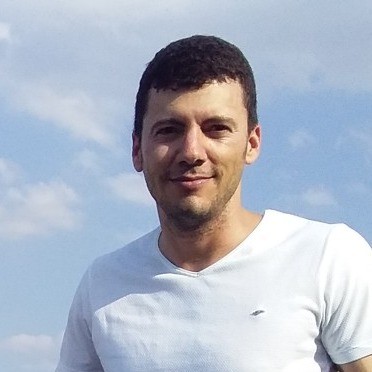
Meeting at the airportExcursions in Madrid and surroundingsWritten translationSupport at exhibitions and conferencesTran …
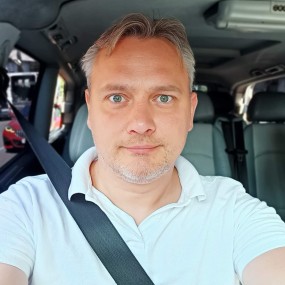
Excursions and transfer in Madrid by car Peugeot 5008 and Mercedes Viano up to 7 passengers.Multi-day excursions in Spai …

Individual tours of Madrid and the suburbs. Excursions to the Prado Museum. Gastronomic tour. Visiting the wine grounds. …
The city of Madrid, the capital of Spain, has a rich history dating back more than a thousand years. In ancient times, these lands were inhabited by Celts and Iberians. During the period of Roman rule (mid-I millennium BC), on the site of modern Madrid there was a village known as Magrit, which became part of the Roman province.
During the Muslim rule (IX-XI centuries), Madrid was an important outpost and was called Mayrit. In 1085, the Fernando king of Castile took Mayrit, and began a Christian era in the history of the city.
In the fourteenth century, King Alfonso XI appropriated the city to the crown of Castile, and Madrid began to develop as a commercial and administrative center. However, only in the sixteenth century, under Philip II, Madrid was proclaimed the official capital of Spain (1561). During this period of construction, many historic buildings were built, including the Palace of Real, which became a cultural and administrative center.
In the following centuries, Madrid experienced periods of prosperity and decline, including the Austrian and Bourbon eras. In the nineteenth century, the city became the focus of political and social change, and in the twentieth century was influenced by civil war and a long period of dictatorship under the leadership of Francisco Franco.
After Franco's death in 1975 and the restoration of democracy, Madrid continued its development as a major political, economic and cultural centre. Today, the city is one of the key cities in Europe, attracting tourists with its rich heritage, museums, theaters and dynamic atmosphere.

Madrid, the capital of Spain, is an exciting journey into history, culture and a dynamic atmosphere. Here are some attractive aspects of the city that may interest tourists:
Cultural Heritage: Madrid is rich in historical monuments, magnificent architecture and many museums. Visit the Royal Palace, the Prado, the Thyssen-Bornemisza Museum and the Rein Sofia Museum to immerse yourself in the art and culture of Spain.
Parks and Gardens: The city is famous for its beautiful parks such as Retiro and Casa de Campo. These places provide an opportunity to relax from the bustle of the city, enjoying green alleys, lakes and sculptures.
Culinary pleasures: Madrid is a real gourmet paradise. Try traditional dishes such as paella and jamon in cozy taverns or restaurants. Experiment with a variety of tapas and enjoy Spanish wines.
Lively nightlife: Madrid is known for its vibrant nightlife. A visit to areas such as Chueca or Lavapiez will give you the opportunity to immerse yourself in the atmosphere of bars, clubs and flamenco plazas.
Shopping: Shopping enthusiasts will find paradise in Madrid, especially on Gran Via and in the areas of Malasagna and Salamanca. Here you can find shops of world brands, boutiques and markets with unique things.
Festivals and events: Madrid comes to life with various festivals and events throughout the year. Festival San Isidro, Tortilla Parade, Madrid Fashion Week – all this creates a unique atmosphere of celebration.
The city of Madrid provides a unique blend of tradition and modernity, attracting tourists with its diversity and the opportunity to enjoy the life of the Spanish capital.
Comfort, prices and level of service in the hotel sector of Madrid can vary depending on the selected area, hotel category and season. Overall, Madrid offers a wide range of accommodation options, ranging from budget hotels to luxury historic hotels. Here's an overview:
Budget hotels and hostels:
Mid-range hotels:
Boutique hotels and high-level hotels:
Historic and luxury hotels:
When choosing a hotel, also consider the location. Central areas such as Gran Vía or Puerta del Sol are usually more expensive, but provide easy access to the main attractions. While more remote areas can be quieter and cheaper.
Prices may vary depending on the season, events and other factors. It is recommended to book a hotel in advance, especially during popular periods.
Madrid has many amazing attractions located in different parts of the city. Here are a few key locations and approximate distances from the center:
Royal Palace (Palacio Real) Located in Oriente Square, a short walk from the central square of Puerta del Sol. The distance is about 1-2 kilometers.
The Prado Museum (Museo del Prado) One of the greatest art museums in the world. Located east of the center, about 2-3 kilometers from Puerta del Sol.
Park Retiro (Parque del Retiro): One of the largest green spaces in the city center. The distance from Puerta del Sol is about 1.5 kilometers.
Reina Sofía Museum: National Museum of Modern Art. Located south of the center, 2-3 kilometers from Puerta del Sol.
Place Puerta del Sol: The central square of the city, known for its shops, restaurants and cultural events.
The Thyssen-Bornemisza Museum: Located between Prado and Reina Sofia, about 2 kilometers from Puerta del Sol.
Plaza de Cibeles (Plaza de Cibeles): A historic square with a fountain symbolizing the city of Madrid. It is located near the central area, 1-2 kilometers from Puerta del Sol.
These are just a few examples, and Madrid has many more interesting places and attractions that make it a unique tourist destination.

The climate in Madrid is characterized as continental with dry and hot summers, as well as cool and relatively dry winters. Here is an overview of the climate throughout the year:
Summer (June - August):
Autumn (September to November):
Winter (December to February):
Spring (March-May):
Madrid is generally characterized by a stable and dry climate, making it an attractive place to visit at any time of the year. However, if you prefer to avoid high temperatures, spring and autumn can be more comfortable periods to travel.

Language of communication: The official language in Spain is Spanish (castellano). In Madrid, most people speak Spanish and you can easily find information in Spanish. However, many people in touristic places and public places can also speak English.
Traditions and customs:
Greeting: Greetings in Spain often include a kiss on the cheek. This is common among friends and family, but not necessarily in a business setting.
Lunch and dinner: Spaniards usually have dinner late, after 20:00. Restaurants and cafes can be closed for lunch from 14:00 to 16:00.
Siesta: In some regions of Spain, there is a tradition of siesta, with many shops and offices closing to relax in the middle of the day.
Tapas: Traditional Spanish snacks such as tapas provide a great opportunity to try a variety of local dishes.
Festivals: Spain is known for its festivals and festivals. Participation in such events can provide a unique experience of local culture.
Laws and regulations:
Smoking: Smoking is prohibited in public areas, including restaurants and bars.
Drinking regime: Alcohol consumption laws differ from other countries. In Spain, alcohol is allowed on the streets, but you have to be responsible.
Clothes in churches: When visiting churches, respect their rules by covering your shoulders and legs, especially if you are a woman.
Safety: Be mindful of your things in crowds, especially in touristic places. In Madrid, as in any major city, there is a risk of petty crime.
Compliance with these traditions, customs and laws will help you to feel the atmosphere of the city and avoid misunderstandings during your trip to Madrid.

Madrid is a city full of various events, festivals and festivals throughout the year. Here are some popular events that may interest tourists:
San Isidro Festival: This festival, held in May, is dedicated to the patron saint of Madrid, San Isidro Labrador. The city is filled with music, dances, bullfights and carnivals.
La Paloma Parade: In August, Madrid celebrates the La Paloma Festival, which includes color parades, traditional dances and musical performances.
Mercedes-Benz Fashion Week Madrid: In February and September, Madrid welcomes the fashion world to its fashion week. The event attracts the attention of designers, fashion designers and stylists.
Festival of the Dragon (Festival del Dragón): In September, this vibrant festival dedicated to Chinese culture is held in the city's Chinatown. The program includes traditional dances, music and costumes.
Madrid Gastronomy Week (Madrid Gastronomic Week) In October, gourmets can enjoy a variety of dishes and drinks in restaurants around the city.
Madrid Marathon (Madrid Marathon): Every year in April, a marathon is held, attracting runners from all over the world. The marathon combines sporting achievements and the beauty of the city.
International Art Fair ARCOmadrid: It is an international event in February featuring works by contemporary artists from around the world.
Queen's Day (Fiesta de la Virgen de la Paloma) In early August, Madrid’s patroness, Virgen de la Paloma, is celebrated. The city is filled with festive processions and musical performances.
These events provide a great opportunity to immerse yourself in the atmosphere of Madrid culture, and each of them brings its own unique contribution to the life of the city.

When traveling to Madrid, it will be helpful to know a few basic words and phrases in Spanish. Here are some key words and expressions translated into Russian and transcripted:
Greetings and general phrases:
In a restaurant or cafe:
In the store:
In transport:
At the hotel:
City orientation:
Numbers:
These phrases will help you communicate and navigate more easily in Madrid. Spaniards generally welcome attempts by tourists to communicate in Spanish, even if your level is not very high.

Spain, including Madrid, is known for its rich culture, traditional cuisine and unique souvenirs. Here are some items that can be great souvenirs and gifts from Madrid:
Olive oil:
Jamon and Chorizo:
Wine and cider:
Flavors for making paella:
Flamenco accessories:
Ceramics and mosaic products:
Medical herbs and oils:
Tourist magnet or local postcards:
Don’t forget about copyrighted merchandise, artwork and unique local items that can be found in markets and local art shops.
Madrid is generally considered a relatively safe city, however, as in any major city, general precautions should be followed. Take only necessary documents and valuables with you, be attentive to your surroundings, and avoid high-crime areas at night.
Documents and insurance:
Emergency services:
Mobile operators: There are various mobile operators in Madrid. You can purchase a local SIM card or use roaming from your mobile operator. Some popular Spanish operators include Movistar, Vodafone, Orange and Yoigo.
Duration of stay without departure: According to the general rules of the Schengen area, tourists can stay in Spain without leaving for up to 90 days in a period of 180 days. If you plan to stay longer, you may need a visa. It is important to familiarize yourself with the specific rules and requirements for your country of citizenship, as these may vary.
Create a query and local guides will offer you the best options


