View and travel to the city of Seville in Spain! Historical information about the city of Seville Seville is o...
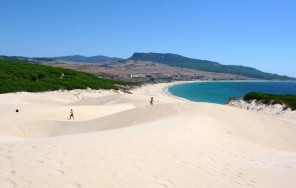
In the program - the oldest port of Europe Cádiz, fabulously beautiful Seville and tasting the best sherry and tapas in the "wine …

During the tour we will see: 14th century City Hall; Mamelon Square; The Domesk family house. Alcazar of the 12th century, fam …

An individual excursion to Seville can start from any resort town of Costa del Sol. Excursion to the capital of Andalusia, includ …

An individual excursion to Seville can start from any resort town of Costa del Sol. Excursion to the capital of Andalusia, includ …

Subjects: Arabic roots of Andalusia; Arabic poetry; Emir-poet Almutamides; history of the construction of the Cathedral; documenta …

An easy historical and gastric tour is a unique opportunity to see authentic Seville, and feel the rhythm of the locals. During t …

An individual tour of Seville can last from 3 to 6 hours depending on the desire of tourists. The guide meets tourists in a prede …

Cordoba reviewMedina Asahara or the flower of Al-AndalusAlmodovar CastleVisit to the Alvear winery
 Guide license
Hello there. Welcome to my page. My name is Julia Pogorelova, I have been living in Spain since 2002 and I am a license …

Going on a trip to Spain, looking for a guide-interpreter in the cities of Andalusia? If you are on this site, the prob …
 Guide license
Excursions and tours in Seville and Andalusia: There are ready-made programs, but any of them can be adapted for you. …

Granada Alhambra and Gardens Generalife, also the Historical Center of Granada Royal Shrine Capilla Real, the Cathedral, …
Seville is one of the oldest and most beautiful cities in Spain and is the capital of the autonomous community of Andalusia. The history of Seville dates back thousands of years and is connected with various civilizations.
The Phoenicians, Carthaginians and Romans left their mark on the region before the arrival of the Byzantines in the sixth century. In 711, the Moors conquered Seville and it became part of the Emirate of Cordoba. In the X-XI centuries, the city became a center of culture, science and art under the influence of the Moorish ruler Al-Mutamid.
In 1248, after years of fighting, Seville was taken by the Castilian kings Ferdinand III and Isabella I, which led to the completion of the reconquest. Since then, the city has become a center of cultural and economic development in Spain.
The Age of Discovery also affected the prosperity of Seville, as the port of the city became a key for trade with America. In the XVI century, the Gothic Cathedral Church of Santa Maria de la Sed was built, as well as the royal alcazar - a magnificent palace with Arab and Moorish elements.
Seville was the center of Spanish culture in the Golden Age (Siglo de Oro) in the seventeenth century, when the creativity of writers, artists and musicians flourished. In the XIX century, the city became a place of important industrial and technological changes.
Today, Seville is a picturesque and touristy city with a rich cultural heritage, vibrant architecture and lush festivals such as Feria de Abril and Semana Santa.

Seville, the pearl of Andalusia, has a unique combination of cultural wealth, architectural splendor and warm Spanish atmosphere, making it an exciting destination for travelers and tourists alike.
Historic Heritage: Seville is steeped in history, ranging from Arab alkazars and the Gothic Cathedral of Santa Maria de la Ced to the old narrow streets in the Santa Cruz and Triana districts. Travelers immerse themselves in centuries-old culture and art, walking through ancient squares and narrow alleys.
Flamenco and art: Sevilla is famous for its flamenco - passionate Spanish dance and music. Tourists can visit traditional tablaos (performance venues) and enjoy exciting performances full of emotion.
Gastronomy: Seville is a gourmet paradise. Here you can taste exquisite Andalusian cuisine, such as salmorejo, gazpacho and paella. Cafes and restaurants with cozy terraces invite you to enjoy the local cuisine in a pleasant environment.
Festivals and holidays: The city comes to life during traditional festivals such as Feria de Abril and Semana Santa. These bright and fun events provide a unique opportunity to immerse yourself in Spanish culture, enjoy music, dance and festive atmosphere.
Warm climate: Seville enjoys a Mediterranean climate with hot summers and mild winters. This makes the city an attractive place to visit at any time of the year, especially for those who want to enjoy the sun and warm air.
Picturesque gardens and parks: The Alcázar, with its magnificent gardens and fountains, and the Maria Luisa Park are oases of greenery and beauty where tourists can relax and enjoy nature.
All these factors make Seville a unique and attractive place for those looking for a fascinating and culturally immersive journey.
Seville has many amazing sights, each reflecting the rich history, culture and architecture of this Spanish city. Here are a few of the main places to visit and information on transport accessibility:
Alcázar and the Cathedral of Santa Maria de la Ced: These architectural masterpieces are located in the historical center of the city. The Alcázar is a royal palace built in Moorish style, and the cathedral is the third largest in the world and the burial place of Christopher Columbus. Both facilities are within walking distance of the central areas.
Maria Luisa Park: This magnificent park is one of the most beautiful places in Seville. Located next to Plaza España, the park is easily accessible by public transport, including buses and trams.
Triana: The historic district, located on the other bank of the Guadalquivir River, is known for its pottery and traditional Andalusian atmosphere. The Isabella II Bridge connects Triana to the central part of the city.
Metropol Parasol: It is a modern architectural structure, also known as the Mushrooms of Seville. It is located in the city center and provides excellent views of the city. Near this place there are many bus stops and metro stations.
Arc de Triomphe: Located near the Alcazar and the Cathedral, this arch is another significant architectural landmark of the city. It is easily accessible from central areas.
Museum of Fine Arts Bellas Artes: This museum is one of the most important art centers in Spain. It is located in the Alfalfa area and is accessible via public transport.
Transport in Seville includes buses, metro and trams. The city also has a well-developed taxi and bicycle rental system. Travelers can easily move between the main attractions using different modes of transport or prefer walking to enjoy the unique atmosphere of Seville.

The climate in Seville is characterized by a Mediterranean type with hot summers and mild winters. This makes the city attractive for travelers all year round, but each season has its own characteristics:
Spring (March – May): Spring in Seville is pleasant and comfortable. Temperatures gradually rise, reaching in late spring from 20 ° C to 30 ° C. This period is considered one of the best to visit the city, as the weather is magnificent and nature comes to life.
Summer (June to August): Summer in Seville can be very hot, with temperatures exceeding 40°C. This is a period when locals prefer to spend time in the shade and refrain from active outdoor activities in the late morning and late evening hours. However, this time is also great for those who love the hot Mediterranean summer.
Autumn (September-November): Autumn in Seville is also a pleasant time to visit. Temperatures stabilize and the air becomes cooler. Daytime temperatures can range from 20°C to 30°C, making autumn a favorable period for city walks and sightseeing.
Winter (December to February): Winters in Seville are mild and moderate. Daytime temperatures usually range from 10°C to 20°C. In winter, the least amount of rain falls. This time of year is suitable for those who prefer to avoid the heat and crowds of tourists.
In general, Seville offers a variety of climatic conditions throughout the year, making it an attractive place to visit at any time, depending on the tourist’s preferences.

Seville offers a variety of accommodation options, ranging from luxury hotels to more affordable options such as hostels and apartments. Here are some examples of popular hotels and more cost-effective options:
Hotels:
Hotel Alfonso XIII, a Luxury Collection Hotel (5 stars):
EME Catedral Hotel (5 stars):
Hotel Casa 1800 Sevilla (4 stars):
Economical options:
Hostel One Catedral:
Pensión Doña Pepa:
Hotel Don Paco:
Apartments:
Apartamentos Murillo:
Sevilla Central Suites Apartamentos Puerta Jerez:
La Banda Rooftop Hostel:
The choice depends on traveler preferences and budget. Seville has many options for different tastes and needs.

When traveling to the city of Seville in Spain, it is important to respect local traditions, customs and obey the laws. Here are a few main aspects to consider:
Language of communication:
Traditions and customs:
Late dinners: The typical dinner time in Spain is quite late, usually after 21:00. Be prepared for restaurants and cafes to be closed in the middle of the day and open for dinner later.
Siesta: Many shops and small businesses may close for siesta, usually from 14:00 to 17:00. This is a time when many Spaniards rest.
Flamenco is an important part of Andalusian culture. Visit traditional tablao or flamenco bars to enjoy this unique Spanish art.
Address by name and surname: In Spain, it is customary to address each other by name and surname. Respect this custom, especially in formal situations.
Laws and regulations:
Smoking: Smoking in public places is restricted. Indoors, public transport and restaurants, smoking is prohibited. Follow these areas for smoking.
Clothes in churches: When visiting churches and monasteries, you should be dressed respectfully: long trousers or skirts covering your knees, and closed shoes.
Public transport: Be mindful of public transport regulations and remember to buy tickets before boarding a bus or train.
Safety: As in any other city, be vigilant about your values, especially in touristic places.
Compliance with these traditions, customs and laws will help you create a positive impression and enjoy an authentic Spanish experience in Seville.

Seville is famous for its festivals and festivals, which reflect the rich cultural and historical tradition of the region. Here are some popular events in the city:
Semana Santa (Holy Week): It is one of the most important and impressive religious events in Spain. On the week before Easter, street processions carrying images of saints take place throughout the city. The festival represents the passion and resurrection of Christ.
Feria de Abril (April Fair): An annual spring event dedicated to various aspects of Spanish culture. During the week there are parades on traditional horses, flamenco dances, musical performances and a fair with attractions.
St. John's Day (June 23-24): St. John’s Night is a time when the city bursts with lights and a festive atmosphere. People gather by the Guadalquivir River to mark the beginning of summer, launching glowing balls into the air and having fun festivities.
Andalusia Day (February 28): Andalusia Day celebrations include parades, traditional dances and flamenco, as well as cultural events reflecting the region’s national pride.
The Biennial Flamenco Festival: This event is held every two years and is one of the most significant flamenco festivals in the world. The best artists and dancers gather so fans can enjoy unique performances.
Columbus Day (October 12): This day is dedicated to the discovery of America by Christopher Columbus. The city hosts parades, concerts and cultural events.
These events make Seville a vibrant and culturally rich city, attracting thousands of tourists and creating a unique atmosphere.

Security in Seville:
Seville, like most cities in Spain, is usually a safe place for tourists. However, as in any major city, basic precautions should be followed:
Careful handling of values: Be careful with personal belongings and valuables, especially in touristic places and public transport.
Avoid dark and empty streets: If possible, avoid late walks in the streets, especially in low-light and uncrowded areas.
Do not leave things in the car: If you rent a car, do not leave valuables in the cabin, even if the car is parked in a public parking lot.
Beware of pickpockets: Keep a close eye on your bags and wallets, especially in crowds.
Follow the rules of the road: Cross the road carefully, watch traffic lights, and use footpaths.
Documents and insurance:
Passport and visa: The passport must be valid. Citizens of most countries need a visa to enter Spain.
Traveler's insurance: It is recommended to have travel insurance, which includes health insurance and accident insurance.
Emergency services:
Mobile operators:
Several mobile operators operate in Seville, such as Movistar, Vodafone, Orange and Yoigo. Before traveling, check out the possible SIM card connectivity options for local fares.
Living without leaving Spain:
The rules of residence in Spain for tourists depend on their citizenship. Citizens of EU and Schengen countries can live in Spain without leaving for 90 days every 180 days. Citizens of other countries may be subject to different visa and residence regulations. It is important to know in advance the specific requirements for your citizenship and visa type.
Create a query and local guides will offer you the best options