Journey and independent view of the city of Toledo in Spain! A brief history of the city of Toledo Toledo is a...

I invite you to take a trip to Toledo in a car that can accommodate up to 6 passengers. Toledo is an ancient city, numbering more …

Toledo is a city that cannot be expressed in words or photographs. It is a place where history lives and breathes, and where every …

Dear friends! We offer you a fascinating and informative excursion from Madrid to an ancient private winery in the suburbs of Mad …
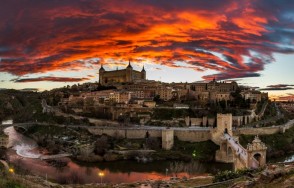
I’ll pick you up from a hotel in Madrid and take you on a fascinating tour of the medieval city of three cultures of Toledo. The …

We have all read, not read, but heard of Don Quixote, a cunning hidalgo who became famous for his eccentricities during his advent …

For those who do not have the opportunity or desire to stay in Madrid for three days, a one-day individual tour from Madrid to thr …

An excursion to Toledo in the evening can be a great way to experience this historic city. First, in the evening the city becomes …

We offer individual excursions: the Prado Museum, where we can touch the masterpieces of world painting Velázquez, El Gr …

Individual excursions in Russian in Madrid, Toledo, Segovia, Escorial, Avila, Aranjuez, Chinchon, Alcala de Henares. Mee …

Individual tours of Madrid and the suburbs. Excursions to the Prado Museum. Gastronomic tour. Visiting the wine grounds. …

Restaurants will offer food and national Spanish and Mediterranean cuisines. In the bars, you will be served incredibly …

All types of individual excursions in Madrid, Toledo, Segovia, Aranjuez and Chinchon. Private car tours are just for you …
Toledo is a historic city in the center of Spain, located in the Castilla-La Mancha region, on the banks of the Tagus River. The city has a rich history, rich in cultural and architectural sights.
Ancient history: The city has more than two thousand years of history. In ancient times it was a settlement of the Celts, then the Romans, and after the collapse of the Roman Empire became one of the key cities of the Visigothic Kingdom.
Islamic influence: In 711 Toledo was conquered by Muslims, and until the XI century the city was the cultural and educational center of al-Andalus. During this period, many famous mosques and palaces were built, including the Alcazar.
Restoration of Christian Dominion: In 1085, Toledo was captured by the Castilian king Alfonso VI, marking the beginning of the Reconquista in the region. The city became a symbol of Christian restoration and tolerance, where Muslim, Jewish and Christian cultures coexisted.
Art and architecture: Toledo is famous for its architectural wealth. Here you can see a mixture of styles - from Moorish and Gothic to Renaissance. The famous Toledo Cathedral is a magnificent example of Gothic architecture, and the Mesquita del Christiano Mosque is an example of the architectural influence of Moorish culture.
The XVI century was the Golden Age for Toledo, when the city became a center for the production of steel and the production of artistic products from metal and leather. Many workshops were established and the city became famous for its swords and armor.
Modernity: Today, Toledo continues to attract tourists with its historical heritage. The city was included in the list of UNESCO World Heritage Sites. In addition, it remains an important cultural and artistic center, attracting artists, artists and historians from around the world.
Thus, Toledo continues to play a key role in the history and culture of Spain, preserving its unique place among cities rich in history and heritage.

The city of Toledo in Spain is an exciting historical journey that promises tourists a unique experience and impressive visual memories. Here are some attractive aspects that may interest travelers:
Historical wealth: Toledo is a living museum, on every corner of which you can find architectural and cultural treasures testifying to its rich history. It combines the influences of Moorish, Christian and Jewish cultures, creating a unique atmosphere.
Tolerance and diversity: Toledo is famous for its history of tolerance and coexistence of different religions and cultures. It is a place where Krishna, a mosque and a synagogue stand side by side, symbolizing amazing diversity and cultural exchange.
Architectural splendor: Gothic Cathedral, Alcazar, ancient bridges and streets, drowning in the atmosphere of antiquity - all this makes up the rich architectural landscape of Toledo. The city not only provides historical memory, but also inspires with its beauty.
Craft traditions: Toledo is known for its traditional workshops for the manufacture of swords and metal art products. Travelers can not only enjoy the beauty of these works of art, but also buy unique souvenirs.
Convenient location: The city is just an hour’s drive from Madrid, making it a great option for a day tour. Medieval walls and magnificent views of the Tahoe Valley add to Toledo’s indescribable charm.
Festivals and events: Toledo comes to life during various festivals and events such as the Semana Santa (Holy Week) and the Festival of Ancient Castilian Music. These events give the city even more colors and emotions.
Thus, Toledo is not only a place to immerse yourself in history, but also to enjoy the beauty, cultural treasures and traditional Spanish hospitality.
The city of Toledo features different hotel levels and accommodation options, from luxury top-class hotels to more affordable and cost-effective options. Here are some examples of popular hotels of different levels and alternative options:
1. Luxury hotels:
2. Middle class:
3. Economy options:
4. Apartments:
5. Hostels:
The choice depends on the budget, preferences and style of travel. Toledo provides a variety of options to meet the needs of different categories of tourists.

The city of Toledo has a rich cultural heritage and historical attractions, providing tourists with an amazing experience. The main places of interest include:
Council of Toledo (Catedral de Toledo): This Gothic cathedral is a magnificent example of Spanish Gothic architecture. Inside the cathedral are works of art such as paintings by El Greco, as well as a treasure chapel and sacristia.
Alcázar de Toledo: This palace was built on the foundations of a Roman fortress and was used in different periods of history - from the castle to the military academy. The Alcázar served as the inspiration for the castle in Miguel de Cervantes' Don Quixote.
The Mezquita del Cristo de la Luz Mosque: This mosque was built in the ninth century and is a unique combination of Moorish and Christian styles. It is one of the few remaining mosques in Toledo.
Bridge of St. Martin (Puente de San Martín): Built in the thirteenth century, this stone bridge offers stunning views of the Tahoe River and the city. Its towers are characteristic elements of medieval architecture.
Castillo de San Servando (Castle of San Servando) This castle, since the VII century, was an important fortress in the history of Toledo. It has now been converted into a hotel providing the opportunity to stay in an atmospheric historic building.
The Puente de Alcántara Bridge: Another beautiful bridge over the Tahoe River provides stunning views of the old town. This bridge is also a great place for photos.
Monastery of San Juan de los Reyes: This monastery was built at the end of the XV century and served as a Moorish gate for the house of Tristan and Isolde. It stands out for its beautiful Gothic architecture and decorated courtyard.
Toledo is quite compact and many attractions are in the old town. Travelers can easily walk from one attraction to another, enjoying the narrow streets and atmosphere of the old town. The main places of interest are easily accessible and most are in close proximity to each other.

The city of Toledo in Spain is active throughout the year, offering various events, festivals and holidays. Here are some popular events that may be of interest to visitors:
Semana Santa (Holy Week): It is one of the most important religious events in Spain. Semana Santa in Toledo impresses with its processions, traditional dresses and religious atmosphere. Events take place during the week before Easter.
Festival of ancient Castilian music: This festival takes place in June and invites musicians to perform ancient Castilian music. Concerts and performances are held in various historical places of the city.
Toledo Day (Día de Toledo): On May 23, Toledo celebrates its day. On this day the city is filled with a festive atmosphere with parades, cultural events and festivals.
The Corpus Christi Festival: This Catholic holiday is celebrated in June and includes religious processions, street theater performances and colorful decorations along the streets.
International Festival of Magic: The Magic Festival is held in October and gathers wizards and artists from all over the world. Magical performances, street shows and master classes make this festival exciting for all ages.
Festival of Knights in Saint Martin (Fiesta de San Martín): This festival, which takes place in November, celebrates the memory of St. Martin. The program includes traditional knightly tournaments, parades and craft fairs.
Toledo Carnival: In February, Toledo hosts a carnival with bright costumes, street parades, musical events and fun on the streets of the city.
Do not forget that events and dates can change, so it is recommended to check the current program of events before traveling.

The city of Toledo is located in the center of Spain and has a continental climate with characteristic hot summer weather and cool winters. Here is a description of the climate at different times of the year:
Summer (June-August):
Autumn (September-November):
Winter (December-February):
Spring (March-May):
Best season to travel to Toledo: Spring and autumn are considered the best times to visit Toledo. The climate during these periods is comfortable and tourists can avoid the extreme heat of summer and cooler winter temperatures. The spring months, especially May, can offer beautiful green vegetation and flowering gardens.

In the city of Toledo in Spain, Spanish (Castile) is the official and most common language of communication. Most tourist destinations and hotels can speak English, but knowing a few Spanish phrases can be helpful and appreciated by locals.
Traditions, customs and laws:
Greetings and communication:
Lunch and dinner:
Typical dishes and drinks:
Etiquette and respect:
Visits to churches and places of cultural significance:
Safety and traffic rules:
Stay informed of local events:
Observing etiquette and respecting local traditions and customs will help you enjoy an authentic travel experience in Toledo and throughout Spain.

Knowing basic Spanish words and phrases can make your trip to Toledo more comfortable and enjoyable. Here are some basic expressions with translation and transcription:
Greeting:
Introduction and general phrases:
Communication at the restaurant:
Orientation in the city:
Shopping:
Assistance:
Farewell:
Keep in mind that being friendly and trying to use Spanish even in simple situations is usually appreciated by locals.

Security in the city of Toledo:
Toledo, like many other tourist towns in Spain, is generally considered safe to visit. However, as in any other place, elementary precautions must be observed:
Beware of pickpockets:
Be careful at night:
Road safety:
Emergency situations:
Medical care:
Documents and insurance:
Passport and visa:
Health insurance:
Insurance against loss and theft:
Phones of mobile operators:
Spain has a variety of mobile operators. In the city of Toledo, as in other tourist destinations, there should be good coverage of the main operators:
Living without leaving Spain:
Tourists can stay in Spain without leaving for up to 90 days in any 180-day period. This rule applies to many citizens, but it is important to check the specific rules and requirements for your citizenship and visa category. If you need to stay longer, you may need a special visa or permit.
Create a query and local guides will offer you the best options