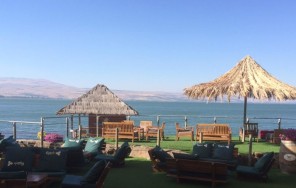
It’s hot in the summer, but your vacation program will be designed so you won’t feel it. Excursions can be, at your request, not f …
2000 €
group
Oh. Haifa
Independent tourism and recreation in the city of Haifa
Historical information about the city of Haifa
Haifa is a major port city in northern Israel, which is one of the largest cities in the country. The city is located on the Mediterranean coast and is surrounded by picturesque hills. Haifa’s history is rich, stretching back thousands of years.
Ancient: The history of Haifa begins long before our era. Various archaeological finds indicate that the area around Haifa was inhabited in ancient times. The city was conquered by various peoples, including the Phoenicians and Romans.
The Middle Ages: In the Middle Ages, Haifa was ruled by Muslims, Crusaders, and later the Mamluks. The city played an important role in trade and exchange of cultural influences between East and West.
The Ottoman Empire: In the 18th century, Haifa became part of the Ottoman Empire, where multicultural life flourished. There were Muslim, Christian and Jewish communities here. During this period, mosques, churches and synagogues were built in Haifa.
The British Mandate Era: In the 1920s, Haifa became part of the British Mandate in Palestine. The city became an important commercial and industrial center. However, in 1947, following the UN decision to partition Palestine, Haifa became a disputed city, leading to conflict and a struggle for control.
Modernity: As a result of the 1948 Israeli War of Independence, Haifa remained under Israeli control. The city became an important economic center and industrial port. Technological and scientific industries developed here.
Religious and cultural monuments: Many historical and cultural monuments can be found in Haifa, including the Baha'i Gardens, a sacred site for Baha'is, and the Old City, with its old buildings and narrow streets.
Today, Haifa is an innovation and technology center, home to many outstanding scientific and research institutions. The city is also known for its vibrant cultural life and many activities.
Haifa is not only a historically important city, but also a modern center of science, technology and culture, combining a rich cultural heritage with dynamic development in the modern world.
The interesting city of Haifa
Haifa is a fascinating and multifaceted city on the Mediterranean coast, which has a unique combination of rich history, cultural diversity and modern development. Here are some attractive features of the city that may interest travelers and tourists:
Baha'i Gardens: One of the most famous and delightful places in Haifa is the Bahai Gardens. These magnificent terraced gardens tower over the city and offer stunning views of the Mediterranean Sea. It is a sacred place for Baha'is and attracts tourists with its beauty and spiritual atmosphere.
Historical sights: The old city of Haifa impresses with its architecture, narrow streets and atmosphere of antiquity. Tourists can stroll through the streets where ancient buildings, mosques, churches and synagogues are preserved, immersed in the rich history of the city.
Multinational atmosphere: Haifa is famous for its multi-ethnic and multicultural appearance. In this city peacefully coexist different religions and ethnic groups. Tourists can enjoy a variety of cuisine, languages and traditions, creating a unique experience of immersion in a variety of cultures.
Mediterranean beaches: Dimmed by the Mediterranean sun, the local beaches offer an excellent opportunity for relaxation and relaxation. Tourists can enjoy the sea breeze, swim in the clear waters and enjoy the cafes and restaurants located on the shore.
Technological and scientific progress: The city is a center of innovation and technology, attracting professionals and entrepreneurs from all over the world. Tourists can visit scientific centers, museums and exhibitions, where the latest achievements in science and technology are presented.
Scenic parks and nature trails: Haifa is surrounded by picturesque parks and nature trails that invite tourists for walks and picnics. The city tries to preserve its green infrastructure, while creating comfortable conditions for outdoor recreation.
Events and festivals: Haifa is always alive with cultural events and festivals. Tourists can find themselves at concerts, exhibitions and gastronomic festivals, where they can enjoy the atmosphere of the city and get acquainted with its creative energy.
Haifa is a city that promises travelers a fascinating and diverse experience combining history, culture and modern innovation.
In the city of Haifa, you will be met by private guides and will offer individual, individual excursions.
Options for accommodation in the city of Haifa
Haifa offers a variety of accommodation options, including hotels of various comfort levels, apartments and hostels. Here are some examples from different levels:
1. Luxury hotels: In this category you are waiting for luxury rooms, a high level of service and convenience.
The Dan Carmel Hotel: This five-star hotel is set in the hills, offering magnificent views of the city and the sea. It is known for its luxury rooms, high-end restaurants and a full range of services.
The Carmelo Hotel: Another example of an upscale hotel that offers stylish interiors, a pool with panoramic views and extensive recreation areas.
2. Middle-class hotels: Mid-range hotels provide comfortable conditions, but at more affordable prices.
Crowne Plaza Haifa: This four-star hotel offers modern rooms, a business center and a spa. Located in the city center, it provides easy access to the main tourist sites.
The Colony Hotel: Cozy four-star hotel in the old town, offering stylish rooms and quality service.
3. Economical options: For budget travelers, Haifa has inexpensive hotels, apartments and hostels.
Port Inn: This hostel provides affordable rooms, shared spaces to relax and a kitchen for self-cooking.
Art Gallery Hotel: This economical hotel is located in the city center and offers simple but cozy rooms at an affordable price.
4. Apartments and apartments: For those who prefer longer-term accommodation or are looking for extra space, apartments can be a great choice.
Haifa Luxury Apartments: They provide a wide range of apartments with their own kitchen and amenities for a comfortable stay.
Haddad Guest House: A guest house offering apartments with a private bathroom and a traditional kitchen.
The choice depends on your preferences, budget and length of stay in the city. Haifa provides a variety of options for all kinds of travelers.
What to see in Haifa
Haifa, being one of the largest cities in Israel, has many interesting attractions. Here are a few of them and information about accessibility:
1. Baha'i Gardens: This is probably one of the most famous places in Haifa. Baha'i Gardens are located on the slope of Mount Carmel and offer amazing views of the city and the Mediterranean Sea. Access to the gardens is by bus, taxi or walking routes.
2. Old Town: The historical center of the city with narrow streets, architectural monuments and various cultural places. Transport: buses, taxis, and it is a great place to walk.
3. Port of Haifa: A picturesque port with a promenade, fish restaurants and shops. Access: public transport, taxi, car.
4. Museum of Fine Arts: Here you will find a collection of Israeli and international works of art. Transport: buses, taxis.
5. Bahai Temple: Known as the Baha'i Holy Place, the temple is a unique architectural landmark. Access: buses, taxis.
6. MadaTech Science and Technology Museum: An interactive museum dedicated to science and technology. Access: buses, taxis.
7. Ghani Hai Park: One of the largest city parks where you can enjoy nature and walks. Access: buses, taxis.
Transport:
Buses: Haifa has a well-developed public transport network, including buses that connect the main areas of the city and its surroundings.
Taxi: Taxis in Haifa are easily accessible and provide a convenient and fast way to get around the city.
Hiking trails: Many of the attractions, especially in the old town, can be visited by pedestrians, providing the opportunity to enjoy the atmosphere of the city.
Car rental: For those who prefer freedom of movement, car rental is also available.
The flexible transport system makes Haifa accessible to tourists and provides convenience when visiting various attractions in and around the city.
Cultural life and activities in Haifa
Haifa is a city that hosts many interesting events and festivals throughout the year. Here are some popular events at different times of the year:
1. March to April:
Film Week Festival: The annual film festival dedicated to Israeli and world cinema. Takes place in city theaters.
2. May:
World of Art Festival: An event bringing together different forms of art, including music, dance, fine arts. Events are held in various parts of the city.
3. June - July:
Dance on the Sea Festival: International Dance Festival, which hosts performances of dancers and companies from different countries. The venue is often open areas near the sea.
4. September:
International festival "Cabaret in Haifa": An event dedicated to cabaret art and art performance, where you can enjoy performances by artists from all over the world.
5. October - November:
Festival "Gastronomic Week": An event dedicated to Israeli and world cuisine, with the participation of famous chefs and master classes.
6. December - January:
Festival of Light "Winter Candles": An event designed to give the city a festive mood using light installations and decorations.
7. Year-round:
Concerts and events in cultural centers: Haifa offers a rich cultural program in venues such as the Haifa Cultural Center and the MadaTech Arts Center.
Please note that specific events dates may vary depending on the year. Travellers are advised to check the current programme and events before travelling.
What weather is suitable for a trip to the city of Haifa
Haifa, located on the Mediterranean coast of Israel, has a Mediterranean climate characterized by mild winters and hot summers. Here is a general characteristic of the climate at different times of the year:
1. Winter (December to February):
Air temperature: 12°C - 17°C.
Water temperature: about 18°C.
Haifa can be cool in winter, but temperatures rarely fall below 10°C. More rain falls at this time of year.
2. Spring (March-May):
Air temperature: 15°C - 25°C.
Water temperature: Starts to rise, but is usually still cool.
Spring brings pleasant temperatures, flowering and green vegetation.
3. Summer (June to August):
Air temperature: 25 ° C - 30 ° C and above.
Water temperature: about 26°C.
Summer in Haifa is quite hot and dry. July and August are the warmest months.
4. Autumn (September-November):
Air temperature: 20°C - 25°C.
Water temperature: still comfortable.
Autumn in Haifa is quite mild, keeping warm, and can be a great time to visit.
Best season to travel: The best time to visit Haifa is spring and autumn, when temperatures are pleasant and nature blossoms. At this time of year, the extreme heat of summer and the cooler weather of winter can be avoided. The spring months, especially April and May, can offer excellent conditions for relaxing and visiting various attractions.
Language of communication, traditions and customs of Haifa
The official language in Israel is Hebrew, but many Israelis speak English, and English is often used in tourism and business. Russian is also quite common, especially among some locals and tourist officials.
Traditions and customs: There are many traditions and customs in Israel, and respect for them is important for a comfortable interaction with the local population.
Saturday (Shabbat): Saturday is a day of rest and prayer in Israel. Many shops and restaurants close on this day. Try to avoid noisy activities in public places.
Religious places: When visiting religious sites such as synagogues, churches, and mosques, respect local customs. For example, when visiting a synagogue, men should wear a headdress.
Clothes: Dress in Israel is generally conservative, especially in more religious communities. In religious neighborhoods, such as Jerusalem, it is recommended to wear closed clothing.
Laws: Compliance with the laws in Israel is important for your safety and respect for local regulations.
Alcohol: Alcohol purchases are limited to certain hours, and alcohol is not sold at all in some places during the Sabbath.
Safety: There is a high level of security in Israel. Try to follow the instructions of local authorities and be vigilant in public places.
Monuments: Respect local rules when visiting historical and religious sites. Photography may be prohibited in some places.
Advice on cultural interaction:
Greeting: It is customary to address each other by name and greet with a handshake.
Tip: Usually left in restaurants and cafes (about 10%).
Public places: In public places, try to be more reserved and respectful, especially in religious or traditional communities.
Compliance with traditions, customs and laws will help you create a positive impression and enjoy a pleasant and carefree holiday in Haifa and other parts of Israel.
Popular phrases and dialogues with translation for a trip to Haifa
In Israel, the main language of communication is Hebrew. Here are a few basic Hebrew words and phrases that can be helpful while visiting Haifa:
Shalom:
Translated: Hello/Hello.
Transcription: [shalom]
Toda (Toda):
Translation: Thank you.
Transcription: [so-yes]
Boker tov:
Translation: Good morning.
Transcription: [bo-ker tov]
Erev tov:
Translation: Good evening.
Transcription: [e-rev tov]
Kamo Oved (Kama oved):
Translation: How much does it cost?
Transcription: [ka-ma o-veda]
Taxi (Taksi):
Translation: Taxi.
Transcription: [tac-si]
Menu (Menu):
Translated: Menu.
Transcription: [me-well]
Pharmacy (Apteka):
Translated: Pharmacy / Pharmacy.
Transcription: [up-teca]
Wi-Fi:
Translated: Wi-Fi.
Transcription: [wi-fi]
Yes (Ken):
Translation: Yeah.
Transcription: [Ken]
No (Lo):
Translation: Nope.
Transcription: [lo]
Excuse me (Slicha):
Translation: Sorry/Sorry.
Transcription: [if-ha]
Help (Ezra):
Translation: Help.
Transcription: [e-zra]
Where's the toilet? (Eifo ha-sherutim?):
Translation: Where's the toilet?
Transcription: [hey-fo ha-she-ru-tim]
Please (Bevakasha):
Translation: Please.
Transcription: [be-wa-ka-sha]
These phrases can be useful when interacting with locals, in restaurants, shops, and in everyday life. Knowing at least basic Hebrew words and phrases can create a more enjoyable and comfortable travel experience.
What to try and what souvenirs and gifts to bring from the city of Haifa
Haifa, like many other cities in Israel, offers unique and interesting products, medicines and souvenirs. Here are a few things to consider as gifts or memorabilia from your trip:
1. Tahini:
Tahini is a paste of finely ground sesame seeds. Israel is known for its quality tahini, which can be purchased in various varieties, including classic, with the addition of honey, or maddened with spices.
2. Hummus:
Hummus is a dish made from boiled and crushed chickpeas, tahini and olive oil. In Israel, you will find a variety of hummus flavors, including options with vegetables, olives or greens.
3. Olive oil:
Israel produces high-quality olive oil. This can be a great gift for cooking lovers.
4. Baha'i sweets:
In the Bahai Gardens area of Haifa, you can find unique sweets created by local craftsmen. It can be candy, cookies or other sweet treats.
5. Sea salt with herbs:
Mediterranean salt, enriched with local herbs, can be a wonderful acquisition. This is not only a delicious addition to cooking, but also a stylish souvenir.
6. Cosmetics based on Dead Sea minerals:
Dead Sea mineral skin care products such as creams, masks and soaps are popular and useful souvenirs.
7. Red wine:
Israel produces high quality wines. In the Haifa region you can find excellent red grape varieties such as Cabernet Sauvignon or Merlot.
8. Spices and condiments:
A variety of spices, such as zaher, tahini or sumah, can give your dishes that very taste of Israel.
9. Ceramics and handicrafts
There are markets in Haifa where you can buy unique ceramics, handmade crafts and other art objects.
10. Books and publications about the culture, history and cooking of Israel can be a wonderful gift for those interested in a deeper understanding of the country.
Keep in mind that importing some products and souvenirs may be subject to customs regulations, so it’s a good idea to check your country’s restrictions and requirements.
What to have for a safe holiday in the city of Haifa
Security in Haifa, Israel:
Documents:
Passport: Tourists must carry a passport with a valid visa (if required). The passport should be stored in a safe place, as well as make copies of documents.
Visa: Check the visa requirements for your country and get one if necessary.
Insurance:
Health insurance: It is recommended to have health insurance that covers the costs of medical care if necessary.
Travel insurance: Consider purchasing travel insurance, which can cover travel cancellations, loss of luggage and other unforeseen situations.
Emergency services:
Police: 100
Ambulance: 101
Fire service: 102
Mobile operators:
There are several mobile operators in Israel. Before you visit the country, check which operators provide international roaming services and choose the best one for your needs.
Safety in public places:
In general, Haifa is considered a relatively safe city. Follow standard precautions such as handling valuables carefully, avoiding dark streets at night, and following public safety rules.
Duration of stay without leaving the country:
At the time of my last update in January 2022, there is a 90-day visa-free stay rule for citizens of many countries. However, the rules and laws may change, so it is advisable to check for up-to-date information before travelling.
Please note that the terms and conditions may change and it is advisable to check with the Israeli Embassy in your country or official sources for up-to-date information before your travel.
The site uses a web analytics service
Yandex Metrics
using cookie technology to make the site more convenient. You can prevent the processing of cookies in the browser settings.
Details in Privacy policy.


 Guide license
 Guide license
 Guide license
 Guide license
 Guide license
 Guide license