Travel and view the city of Hong Kong in China! History of Hong Kong City The city of Hong Kong, with its stun...

The statue of a giant bronze Buddha, 27 m high, was installed on the peak of Ngon Pin of Lantau Island.We will be taken to the mou …

Tour Hong Kong 7 hours Russian guide in Hong Kong. Yurlov Alexander is a Russian guide in Hong Kong. My program: Meet you at th …
This is not just a sightseeing tour. It’s an immersion into the soul of Hong Kong through its brightest and most unexpected facets …
 Guide license
Interpreting Services in China from $150Contracting and procurement services from 1%Virtual visits to exhibitions from $ …

I also provide services: Guide to tourist destinations Guangzhou, Shenzhen, Zhuhai, Foshan and Macau.We offer more than …
 Guide license
Tour operator "Eastern Son" has been successfully operating in the tourist market in Beijing since 2003. We offer a full …
The city of Hong Kong, with its stunning skyscrapers, turbulent trade and unique blend of cultures, is not only Asia’s economic hub, but also a historic witness to many changes and cultural interactions. Hong Kong’s past is a story of East-West clashes, wars and occupations, and a search for identity in a world full of geopolitical events.
Ancient history and first settlements: Hong Kong, with its beautiful bays and rich nature, has roots dating back to ancient times. Ancient settlements of the Neolithic era indicate that these lands were inhabited long before the beginning of our era. Fishing villages and trading points served as a bridge between the great cultures of ancient China and India.
The Coming of Europeans and the First Opium War In the XIX century, Europe is on the scene, and a new stage in the history of Hong Kong begins. The First Opium War led to the transfer of British territory, opening a new chapter in the development of the city. The height of the colonial era was marked by the construction of the port, railways and the creation of a unique cultural synthesis that would characterize Hong Kong throughout its history.
World War II and Japanese occupation: The dramatic events of World War II touched this corner of the world. The Japanese occupation in 1941 was a test for a population whose histories were imposed by foreign dictatorships. However, with the end of the war, Hong Kong rose like a phoenix from the ashes, retaining its unique energy.
The post-war revival and economic boom: After the war, Hong Kong embarked on an economic miracle. Rapid development, transformation into a global financial center and becoming an international trading hub have made it a magnet for entrepreneurs and innovators from around the world. The city has become a symbol of Asian economic dynamism.
Return to Chinese sovereignty and "one country, two systems": 1997 marked Hong Kong's return to Chinese jurisdiction, but under the principle of "one country, two systems", which provided it with relative autonomy. This transition symbolized a cultural and political challenge, but the city continued its existence while maintaining an economic dynamic.
2019 protests and challenges: The 2019 protests marked a new turn in Hong Kong’s history. Citizens took to the streets to defend their rights and freedoms, emphasizing their desire for democracy. These events have left a deep imprint on public consciousness, highlighting the difficulty of balancing cultural uniqueness with political reality.
Modernity and challenges: Today, Hong Kong is a city that is not only a symbol of economic prosperity, but also of political challenges. Questions about self-determination, the balance of Beijing’s influence and the future of “one country, two systems” face this metropolis. But within this challenge, Hong Kong continues to be an inspiring source for those seeking freedom and opportunity.
Conclusions: Hong Kong, like a living legend, in its history reflected not only rapid economic growth, but also the resilience of its population in the clash of cultures and ideologies. Perhaps its future will continue to provide the global community with lessons on how to remain unique in the face of change and how a city can become more than just a financial institution.

Welcome to the world of the amazing combination of Eastern exoticism and Western brilliance – Hong Kong! This city-state on the coast of southern China takes you on an exciting adventure where millennial traditions merge with modern splendor. Prepare for an incredible experience!
Exotic culture: Hong Kong is a place where the traditions of the East meet the modernity of the West. Ancient temples, fairs filled with the aromas of Asian cuisine, and cultural festivals liven up the streets. Visitors can immerse themselves in the mysterious world of traditional Chinese art and then move into the epicenter of modern fashion and design.
Gastronomy Heritage: Hong Kong is famous for its variety of culinary experiences. From street eateries with traditional delicacies to luxury restaurants with outstanding chefs, here everyone finds something to their liking. Try the exquisite dishes of Cantonese, Sichuan and Hunan cuisine and you will discover a new world of tastes.
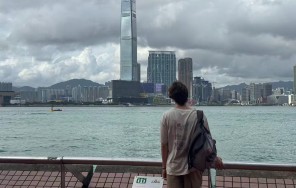
Modern architecture: Hong Kong is a city where skyscrapers and natural beauty meet. Tall buildings such as the famous IFC skyscraper create an impressive urban landscape. A walk along the Victoria embankment, a sense of wind at a height and fabulous views are unique experiences that will remain with you forever.
Shopping and entertainment: Hong Kong is a shopping paradise. From global brands in central areas to unique finds in street markets, everything can be found here. The poster of the city is always full of events, from high art exhibitions to street holidays and nightclubs. Everyone will find something to their liking.
Natural beauty: Despite its urban appearance, Hong Kong offers oases of natural beauty. National parks, islands and picturesque areas away from the hustle and bustle create an ideal opportunity for relaxation and relaxation.
A city where modern metropolis and traditional culture merge, Hong Kong delights with its unique atmosphere. Here, every street, every market, every cafe is part of an incredible story that you can feel and appreciate.
Immerse yourself in the world of Hong Kong, where Eastern traditions and modern innovations meet. Incredible visual impressions, taste sensations and amazing moments await you on this exciting journey!
The city of Hong Kong has many unique and exciting attractions, offering a variety of experiences. Here are a few of them and approximate distances from the city center:
1. Yui Arrow (International Commerce Centre):
2. The Victoria Harbour:
3. Victoria Peak (Victoria Peak):
4. Lantar Boulevard (Avenue of Stars):
5. Lantau Island (Lantau Island):
6. Hong Kong Oceanarium (Ocean Park):
7. Central District (Central District):
8. Tram line Two Dragon Mountains (Peak Tram):
The city infrastructure provides convenient access to many of Hong Kong’s attractions. Metro, buses, taxis and ferries provide various transport options for tourists.
Keep in mind that Hong Kong is a compact city with an extensive public transport system, making it easier to move between different areas and attractions.

Hong Kong has a subtropical climate characterized by distinct seasons. In general, the year is divided into four seasons:
Spring (March-May): In spring, Hong Kong is warm and humid. Average temperatures range from 18°C to 27°C. At this time of year, nature comes alive, various plants bloom, and this can be a good time to visit parks and gardens.
Summer (June to August): In summer, Hong Kong is hot and humid. Average temperatures rise to 28°C-32°C. At this time there can be strong humidity and quite a lot of precipitation. It is also the season of active tropical cyclones (hurricanes), which can lead to rainy periods.
Autumn (September-November): Autumn in Hong Kong is comparatively cooler and drier than summer. Average temperatures range from 22°C to 28°C. This period is considered one of the best for travel due to the more comfortable conditions.
Winter (December-February): In winter, Hong Kong is cool and dry. Average temperatures range from 12°C to 20°C. This is a time when it is pleasant to walk around the city and enjoy various activities.
If you prefer more comfortable conditions and avoid extreme heat and humidity, it is best to visit Hong Kong between autumn and spring. However, any time of year is suitable for travel, depending on your preferences and plans.

Hong Kong offers a variety of accommodation options, ranging from cost-effective options to high-end luxury hotels. The level of service is usually high, and the city attracts both business travelers and tourists. Here is the approximate order of prices and level of service:
Economy class (budget options):
Middle class (3-4 stars):
Top class (5 stars):
Elite class (boutique hotels and exclusive options):
Hong Kong is also known for its numerous apartments and hotels of various categories, which can provide alternatives to traditional hotels. It is important to consider your preferences and budgetary constraints when choosing to live in Hong Kong.
When traveling to Hong Kong, it is important to respect local traditions, customs and obey the laws. Here are a few recommendations:
1. Respect for culture and religion:
2. Purchase and trade:
3. Behavior in public places:
4. Photos:
5. Basic safety rules:
6. Etiquette in food:
7. Awareness of laws:
8. Awareness of holidays and mourning days:
Observing etiquette and respecting local customs will help make your stay in Hong Kong enjoyable and selflessly positive.

Hong Kong is famous for its variety of cultural events, holidays and festivals. Here are a few of them:
Chinese New Year (January-February): The most important holiday in the Chinese calendar, celebrated with noisy parades, colorful fireworks and traditional dragon and lion dances.
Spring Festival (February): A holiday associated with the arrival of spring and the beginning of the new agricultural year. It includes flower exhibitions, cultural events and parades.
Duanwu Festival (May-June): A traditional Chinese holiday dedicated to the memory of ancestors and celebrated by swimming merry dragons and treating sticky rice caramel.
Festival of the Way (August): A festival of candles, which is celebrated with lanterns and candles that illuminate the night sky. Traditionally celebrated in many temples and places of prayer.
Hong Kong International Film Festival (April): A major film event attracting film stars from all over the world and giving the public the opportunity to enjoy cinematic art.
Sunflower Festival (November): One of the largest and most popular music events in Hong Kong, featuring both local and international stars.
Flora Festival (March-April): A flower event featuring thousands of colourful flowers and decorations. Popular venues are Victoria Park and Central.
Lichey Night Market (June-July): A holiday of summer evenings, which offers a variety of street food, handmade goods and entertainment.
These events create a vibrant and rich cultural atmosphere in Hong Kong, attracting both locals and tourists.

The security situation in Hong Kong can change and it is important to keep up to date. There have been mass protests and demonstrations in Hong Kong in recent years, and while the situation may be calmer now, it is recommended to follow the news and official safety tips before travelling.
As for documents to travel to China, you will definitely need a visa. Visa requirements may change, so it is recommended to check the current information on the website of the Chinese consulate or embassy. In addition, the following are usually required:
Passport: A valid passport with sufficient validity.
Visa: China requires a visa for most foreign nationals. Visa procedures may vary depending on the country of residence. Be sure to check the requirements at the nearest Chinese consulate or embassy.
Tickets: Booking tickets to enter and exit the country may be required when applying for a visa.
Insurance: It is recommended to have health insurance covering your stay in China.
Confirmation of booking: Sometimes a confirmation of a hotel or accommodation reservation is required.
Photos: A few photos that meet the requirements of Chinese visa services.
In addition, citizens of some countries may require a visa to travel to Hong Kong. Check the current requirements at the Hong Kong Consulate.
Before traveling, it is recommended to contact the nearest Chinese embassy or consulate for accurate and up-to-date information on visa and security issues.
Create a query and local guides will offer you the best options