Journey and independent view of the city of Riga in Latvia! A brief history of the city of Riga Riga is the ca...

The tour consists of two parts: a walking tour of the Old Town and road trip to the areas of the 19-20th century, the so-called Ne …

The Latvian Ethnographic Open Air Museum was founded in 1924 and is one of the oldest ethnographic museums in Europe. Today the mu …

Riga Art Nouveau, Riga Art Nouveau or Riga Art Nouveau is a widely spread architectural style in the Latvian capital. In total, ab …

Having seen our capital Riga - it's time to go to the city on the wave-Jurmala, relax, explore and inhale the sea and pine air. J …

Old Riga (Vecriga) is one of the oldest cities on the eastern coast of the Baltic Sea. In the Old Town you can plunge into the atm …

In the modern artistic appearance of Riga everything is mixed as in a kaleidoscope: different eras, different styles. Buildings on …

Meeting place: at the entrance to the Opera House or at your hotel if it is in the city centre. You will see the best sights of t …
 Guide license
Welcome to Riga! License LIVERIGA Nr. 680 (Riga Tourism Development Bureau) - I conduct walking and car excursions in …

Classics – Riga, Jurmala, Sigulda, Rundale, Cesis, Liepaja, Ventspils, Tervete, Kuldiga, the land of Baron Munchausen an …

I offer services in Russian, Swedish, German and Norwegian.I offer individual, family and group toursI can accompany you …

Group excursions, individual excursions, meeting at the airport, transfer, car rental
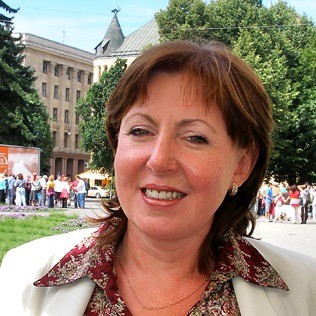
I give excursions to Old Riga and the Boulevard Ring, to the districts of the city built in the famous architectural sty …

Excursions to the Greater Riga Center (aka "Imperial Center"), which was formed in the late 19th - early 20th century. I …

Excursion - Magic Tales of Old Riga, 2 hours (from 55 Eur) Riga House of Blackheads, and the whole Town Hall Square is a …
Riga is the capital and largest city of Latvia, located on the shore of the Gulf of Riga of the Baltic Sea. The city is the cultural, economic and historical center of the country. Here is the detailed history of the city of Riga:
Ancient past: Early references to settlements on the site of modern Riga date back to the ninth century. It was the territory where the trade routes of the Varangians and Slavs met. In 1158, the German missionary Bernard von Bolheim founded a knightly fortress on the banks of the Daugava River, which became the starting point for the formation of the city.
Hanseatic League and Prosperity: In the XIII century Riga joined the Hanseatic League, a trade association that included many cities in Northern Europe. This period is characterized by the construction of many churches and beautiful buildings, such as the Houses of the Great and Small Guilds, symbolizing the power and prosperity of the city.
Authority of the Livonian Order: At the end of the XIII century, Riga and the surrounding territories came under the rule of the Livonian Order, a Catholic knightly order created to fight the pagans and seize lands in the Baltic.
Reformation and Counter-Reformation: In the XVI century, the Reformation took place in Riga, and the city passed to the Protestant faith. In the XVII century, during the Thirty Years' War, Riga survived the invasion of Swedish troops, and then came under the control of Poland. In the XVIII century it became part of the Russian Empire.
Independence and the Soviet period: In 1918, after the First World War, Latvia declared its independence and Riga became the capital of the new state. Subsequently, as a result of the Molotov-Ribbentrop Pact, Latvia was occupied by the Soviet Union in 1940, then by Nazi Germany, and then again by the Soviet Union in 1944.
Period of independence: Latvia regained its independence in 1991 after the collapse of the Soviet Union. Since then, Riga and Latvia have been developing as sovereign states. The city transformed its economy and became a center of tourism and cultural events.
Architecture and culture: Riga is famous for its unique architecture, presented mainly in the Art Nouveau style, as well as medieval and Hanseatic buildings. The Old Town of Riga has been included in the UNESCO World Heritage List. The city is also known for its numerous museums, theaters and festivals.
Today Riga is a dynamic European city, combining a rich historical heritage with modern development and cultural diversity.

Riga, the capital of Latvia, has a unique charm, combining a rich historical heritage with a modern look. Here are some attractive features of the city that can attract the attention of travelers and tourists:
Architectural wealth: Riga is famous for its amazing architecture, especially the Art Nouveau style presented in buildings built in the early XX century. The narrow streets of the Old Town, the buildings of the Guilds, the Houses of the Great and Small Guilds, as well as various churches create a unique atmospheric landscape that attracts lovers of history and architecture.
Old Town: The old town of Riga, included in the list of UNESCO World Heritage Sites, impresses with its medieval charm. Narrow streets, stone bridges, arched gates and beautiful squares create an atmosphere that immerses visitors in a historical fairy tale.
Cultural Events: Riga is a cultural center with a rich program of museums, theaters and festivals. For example, Riga Castle offers art exhibitions, and the Oskars Kalpaks Museum is dedicated to the history of Latvia during the Great War. In addition, the city actively participates in the organization of festivals and events, attracting creative people from all over the world.
Culinary joys: Riga cuisine is a real discovery for gourmets. In the restaurants of the city, you can enjoy traditional dishes such as Riga black bread, herring under a fur coat, and a variety of fresh fish options. Riga is also known for its cozy coffee shops and pastry shops.
Active nightlife: Riga offers a rich nightlife, including numerous bars, clubs and cafes. Bars in the Old Town, where you can taste local drinks and enjoy the atmosphere of the street, attract both locals and tourists.
Parks and natural corners: The city has beautiful green parks such as Basteecheska Park and Esplanade, where visitors can enjoy nature and privacy.
Multifaceted Shopping Zone: Riga provides a wealth of shopping opportunities, especially in the Alberts and Esplanade area, home to elegant boutiques, antique shops and local craft shops.
These unique features make Riga an amazing place to travel, attracting those who appreciate the cultural heritage, exquisite architecture and cozy atmosphere.
Riga offers a wide range of accommodation options, from luxury hotels to more affordable and cost-effective options. Here are a few hotel levels and examples of popular representatives in each category:
Luxury hotels:
Medium level:
Budget hotels:
Hostels and guesthouses:
Apartments and apartments:
Guesthouses and private rooms:
These options provide a variety in price range and preferences, meeting the needs of different categories of tourists in Riga.

The city of Riga is rich in many historical and cultural attractions, and the transport infrastructure provides convenient access to these places. Here are some key attractions and information about transport accessibility:
Old Town (Vecrīga):
Riga Castle (Rīgas pils):
Dome Cathedral (Doma baznīca):
Riga Central Market (Rīgas Centrāltirgus):
Riga Zoo (Rīgas Zoodārzs):
National Library of Latvia (Latvijas Nacionālā bibliotēka)
Latvian History Museum (Latvijas Vēstures muzejs)
Television Tower (Rīgas Televīzijas torņis)
The transport system in Riga includes buses, trams, taxis and pedestrian zones, which ensures the convenience of moving between key attractions. It’s also worth noting that many of these places are relatively close together, allowing you to explore the city on foot.

Riga offers a variety of events and festivals throughout the year. Here are some popular events that may interest tourists:
Winter (December to February):
Spring (March-May):
Summer (June - August):
Autumn (September to November):
Year-round events:
Riga is very active in cultural and entertainment activities throughout the year. So, regardless of the time of your visit, you will probably find interesting events that match your preferences.

The city of Riga is in a temperate climatic zone with pronounced seasons. Here is an overview of the climate at different times of the year:
Spring (March-May):
Summer (June - August):
Autumn (September to November):
Winter (December to February):
Best season to visit: The best time to visit Riga in terms of weather and various activities is summer (June-August). At this time of year, the city comes to life, parks blossom, and many festivals and cultural events are held. However, in each of the seasons Riga offers its own unique charms, and the choice depends on the preferences of travelers.

Language of communication: The official language in Latvia is Latvian. However, many residents of Riga, especially in the areas of tourism and service, speak English, Russian and German. In the central parts of the city and in touristic places, you will most likely be able to communicate in English. However, showing respect for the local language is always appreciated.
Traditions and customs:
Greeting: Greetings in Latvia may involve shaking hands, especially at the first meeting. Friends and family can exchange kisses on the cheek.
Respect for personal space: Latvians usually value their personal space. When communicating, try not to invade it.
Shoes in the house: Take off your shoes when entering the house to keep clean.
Punctuality: Meetings and activities usually start and end on time. Punctuality is appreciated.
Dress with taste: In Riga, it is customary to dress neatly and tastefully, especially in restaurants and theaters.
Photos: Before you take a photo of people, especially locals, ask permission.
Laws and regulations:
Alcohol: The laws on alcohol consumption in public places are quite strict. Drunken acts in public places can lead to fines.
Public events: When attending cultural and social events, the rules of order and silence should be observed.
Non-cash payment policy: The use of credit and debit cards is widespread in Riga. However, make sure you have cash in case cards are not accepted in all places.
Transport: Follow the rules of the road and use public transport with a ticket. Penalties for violating traffic rules can be quite high.
Tobacco legislation: Smoking laws restrict smoking in public places, restaurants and cafes. In this regard, it is important to comply with these rules.
When visiting Riga, it is important to be attentive to local traditions and laws in order to create a pleasant impression and respect local customs.

Acquaintance with basic words and phrases in Latvian can greatly facilitate your trip to Riga. Here are some useful expressions:
Sveiki! (Switting)
Labrīt! (Labrith)
Labdien! (Labdien)
Labvakar! (Labwakar)
Atvainojiet (Atvinoyet)
Paldies (Paldies)
Lūdzu (Ludzu)
Jā (I)
Nē (No)
Cik tas maksā? (Tsik Tas Maxa)
Kur ir tuvākā peldvieta? (Kur Ir Tuvaka Peldvieta)
Kur ir tuvākais restorāns? (Kur Ir Tuvakais Restaurant)
Es ne runāju latviski. (I don't run Latvians)
Vai jūs runājat angliski? (Wai Yus Runayat English)
Kur ir tuvākā aptieka? (Kur ir tuvakaya apteka)
Knowing these phrases and words can help in everyday situations and facilitate communication with locals in Riga.

The city of Riga, like most European capitals, is generally considered relatively safe for tourists. However, as in any other city, it is necessary to observe elementary precautionary rules:
Watchfulness in the crowd: Be careful in crowded places, especially on public transport and tourist sites where pickpockets may operate.
Compliance with traffic rules: Follow the rules of the road, especially when crossing streets and using public transport.
Night watchfulness: At night, try to avoid abandoned areas and be vigilant, especially if you are in an unfamiliar part of the city.
Careful handling of personal belongings: Do not leave valuables unattended, especially in cafes, restaurants or public transport.
Documents: When visiting Latvia, it is important to have the following documents:
Passport: The passport must be valid for the entire period of stay in the country.
Visa: Citizens of most countries require a visa to enter Latvia. Check the visa requirements according to your citizenship.
Insurance: It is recommended to have health insurance covering the costs of medical care if necessary.
Emergency services:
Mobile operators: There are various mobile operators in Latvia, such as LMT, Tele2 and Bite. SIM cards can be bought at operator stores or at the airport.
Duration of stay: Citizens of many countries can stay in Latvia without a visa for a certain period of time. However, for detailed information on how long you can stay without leaving, it is recommended to check the current rules in accordance with your citizenship at the Consulate of Latvia or on the official website of the Ministry of Foreign Affairs of Latvia.
Create a query and local guides will offer you the best options