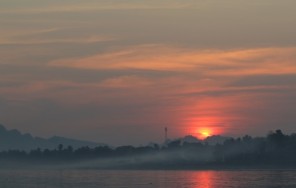
Independent tourism and recreation in the city of Mandalay!
History of the emergence of the city of Mandalay
Mandalay, Myanmar’s third largest city, is one of the most historically significant and culturally rich places in the country. Here are some key points in his story:
The city was founded in 1857 by King Mindon of Myanmar as the new capital. He replaced the capital Amarapura to consolidate his influence and provide better protection against British colonialists.
Mandalay quickly became the cultural and religious center of Myanmar. Numerous Buddhist temples, monasteries and pagodas appeared in the city. One of the most famous and revered temples is the Mahamuni Pagoda, which dominates the cityscape.
Colonial era: In the late nineteenth century, British India had a significant impact on Myanmar, including Mandalay. The city was occupied by British troops in 1885, which led to the end of the Burmese royal Konbaung dynasty and the annexation of Myanmar by the British Empire.
World War II and Independence: During World War II, Myanmar was under Japanese occupation. In 1945, after the defeat of Japan, Myanmar became a British colony again. In 1948, Myanmar gained independence.
Modernity: Today, Mandalay remains an important center of culture, religion and economy in Myanmar. The city is known for its markets, including Zeigyong Market, one of the largest markets in the region. It is also a key hub for trade and tourism, attracting thousands of visitors from around the world.
Cultural attractions: In addition to the Mahamuni Pagoda, Mandalay is famous for other historical and architectural attractions such as Kralau Buddhist Monastery, Kutodo Ka Pagoda, Zeigen Market and many others.
Development and challenges: With the development of Myanmar’s tourism and economy, Mandalay has witnessed significant growth and infrastructure changes. However, as in many developing countries, the city faces challenges in infrastructure, resource management and cultural heritage conservation.
Mandalay's history is an important part of Myanmar's history as a whole, and its rich cultural heritage continues to attract the attention and interest of both locals and tourists.
Interesting places for entertainment in Mandalay
Mandalay, shimmering with the colors of history and culture, is an unsurpassed place for travel and adventure. This is why this city is so attractive for tourists:
Cultural wealth: Immerse yourself in Myanmar’s rich cultural heritage while exploring the ancient temples, pagodas and monasteries that adorn every corner of Mandalay. One of the most impressive sites is the Mahamuni Pagoda, dominating the city for its grandeur and history.
Authentic experience: Walking through traditional Mandalay markets, such as Zeigyong Market, will offer you a unique opportunity to experience the local culture, enjoy local goodies and buy gifts and souvenirs.
Stunning views: Delightful landscapes and views of Mandalay will definitely leave unforgettable impressions in you. Climb Mandalay Hill for magnificent views of the city and the surrounding area, especially during sunset.
Historic quarters: A walk through the historical quarters of Mandalay will allow you to feel the atmosphere of antiquity and mystery, as well as get acquainted with architectural masterpieces that convey the rich history of this city.
Cultural events and festivals: Visit Mandalay during traditional festivals and events to immerse yourself in local culture, traditions and customs, as well as enjoy vibrant festive parades and performances.
Friendly residents: Meet the smiling and hospitable people of Mandalay who will gladly share their traditions, stories and culture with you, creating a unique atmosphere of warmth and warmth.
Adventure opportunities: From visiting the monastery on the island of Inwa to boating along the Ayrowaddi River or hiking in the picturesque surroundings, in Mandalay you will find fascinating adventures and new discoveries.
Don’t miss the opportunity to immerse yourself in the magic of Mandalay, a city that attracts and inspires with its beauty, history and hospitality.
Mandalay offers a variety of accommodation options, from high-end luxury hotels to more economical options that are suitable for budget travelers. Here are some examples:
Luxury hotels of the highest class:
Amara Grandeour Heritage: This luxury hotel offers upscale rooms and top-notch amenities including a spa, fine dining restaurants and a pool with panoramic city views.
Sedona Mandalay Hotel: The hotel, located on the river bank, offers luxurious rooms with magnificent views, a rich selection of restaurants and bars, as well as a spa and swimming pool.
Mid-range hotels:
Novotel Mandalay: This hotel offers comfortable rooms and good amenities at a reasonable price. It is located near the main attractions of the city.
IBIS Stiles Mandalay Park: Stylish hotel with comfortable rooms and friendly service. The perfect choice for travelers who value value value for money.
Economical options:
Hostels: There are many hostels in Mandalay with affordable prices for budget travelers. Some of them include Hostel Yoe Yoe Lay and Nylon Hotel.
Guesthouses and mini-hotels: Guesthouse and mini-hotel accommodation options are also popular among budget travelers. They usually offer simple but clean rooms at affordable prices.
Renting housing through online platforms: Another option is to rent through online platforms like Airbnb or Booking.com. This can be a good option for those who prefer a more autonomous accommodation and want to experience the atmosphere of living in the city.
Regardless of budget and preferences, there is always a suitable accommodation option in Mandalay that will help make your stay in this exciting city as comfortable and memorable as possible.
Attractions in Mandalay
Mandalay is a city replete with historical and cultural attractions, each offering a unique perspective on Myanmar’s rich heritage. Here are some of Mandalay’s main attractions and ways to get there:
Mahamuni Pagoda: This majestic Buddhist temple is one of the most revered shrines of Myanmar. It is located in the south of the city and is easily accessible by taxi, rented car or public transport.
Kralau Buddhist Monastery: Built from thousands of wooden pillars, this monastery is a magnificent architectural wonder. It is located on the east bank of the Ayrowaddi River and is accessible by taxi or organized tours.
Mandalay Hill: Climbing Mandalay Hill offers amazing views of the city and its surroundings. The mountain is located in the northern part of the city and is easily accessible both by taxi and public transport, as well as through organized excursions.
Kutodo Ka Pagoda: This temple inspires with its mystical appearance and beautiful views of the river. It is located in the western part of Mandalay and can be reached by taxi or rented car.
The mouth of the Ayrowaddy River: A walk along the waterfront of the Ayrowaddy River provides the opportunity to enjoy magnificent views and an observation of local life. This place is easily accessible on foot from the central parts of the city.
In terms of transport accessibility, taxis, tuk-tuks, rental cars and public transport such as buses and minibuses are available in Mandalay. Taxis and rental cars provide a convenient way to reach any point of the city or its surroundings. In addition, many attractions can be visited on foot or through organized tours.
Events and entertainment in Mandalay
Mandalay and Myanmar generally host various cultural and religious events, festivals and festivals throughout the year. Here are some of them:
New Year in Myanmar (Thingyan): This is the most popular and picturesque holiday in Myanmar, which is usually celebrated in April. Thingyan, also known as the Burmese New Year, is celebrated with massive street water battles, dancing and musical performances. Events are also organized in Mandalay to celebrate this holiday.
Festival of Light (Thadingyut): This festival, also known as the festival of lighting, marks the completion of a three-month Buddhist fast and comes usually in October. In Mandalay, you can see streets decorated with lights and candles, as well as various cultural events.
Burmese New Year (Thingyan): Myanmar, including Mandalay, also celebrates the Burmese calendar New Year, which comes in April. This is a time of joy and fun when the streets are filled with people, dances and songs.
Andau Pagoda Festival: This festival, which takes place in Andau, near Mandalay, celebrates the annual cleansing of shrines and sacred relics. This is a time when thousands of Buddhists gather to take part in rituals and festivities.
Musical and cultural concerts: Throughout the year, various musical and cultural events can be held in Mandalay, including concerts by local and international performers, theater productions and exhibitions.
These are just a few examples of events and celebrations that can take place in Mandalay throughout the year. Each of these events offers a unique opportunity to immerse yourself in the rich culture and traditions of Myanmar. Before the trip, it is better to clarify the schedule of events so as not to miss any amazing event.
Weather and the best season to travel to Mandalay
Mandalay is located in the tropical climatic zone and is characterized by three main seasons: the dry season, the rainy season and the transition season between them. Here’s how the climate changes at different times of the year:
Dry season (November - April):
At this time of year, sunny and dry weather prevails in Mandalay.
The air temperature can rise to high values, often reaching more than 35 ° C.
The dry season is considered the best time to visit Mandalay due to the more comfortable weather and minimal rainfall.
Transition season (May - July):
In the transition season, the first rains come and the humidity increases.
Temperatures remain high but begin to decline as the rainy season approaches.
This period may be less predictable with respect to weather, with possible periods of heavy downpours.
Rainy season (August - October):
At this time of year, Mandalay experiences intense rains and high humidity.
The air temperature may be lower than in the dry season, but the humidity makes the atmosphere more unpleasant.
Traveling to Mandalay during the rainy season can be less pleasant due to the likelihood of long downpours and conditions not so favorable for excursions and walks.
The best time to visit Mandalay is usually between late November and early April, when the dry season prevails. At this time, the weather is usually more stable, with less rainfall and more pleasant temperatures, making it an ideal time for sightseeing and active holidaymakers.
Language of communication, traditions and customs in Mandalay
When visiting Mandalay and Myanmar in general, it is important to respect local traditions, customs and laws to leave a good impression and avoid misunderstandings. Here are some of them:
Language of communication: The official language of Myanmar is Burmese (Myanmar). In the city of Mandalay, many people can speak English, especially in touristic places, but knowing basic phrases in Burmese can be helpful and show your respect for the local culture.
Respect for Buddhist shrines: Buddhism plays an important role in the lives of many locals. When visiting Buddhist temples and shrines, you should observe the rules of etiquette, including taking off your shoes before entering and dress modestly.
Respect for local culture: It is important to respect local culture and traditions. For example, not touching the head of local residents is considered disrespectful by local perceptions.
Clothes: When visiting local temples and shrines, it is recommended to wear closed clothing and avoid overly revealing clothing in public places.
Monuments and National Symbols: Photography of monuments and national symbols, including Buddha images, should be done with respect and respect for local traditions.
Smoking and alcohol prohibition: In Myanmar, there is a ban on alcohol and smoking in many Buddhist temples and other shrines. This should be taken into account and the relevant prohibitions should be observed.
Laws and regulations: Follow local laws and regulations to avoid unpleasant situations. For example, in Myanmar, it is illegal to carry or use money with an image or related to the Burmese military regime, so be mindful of local laws.
Compliance with these traditions, customs and laws will help you enjoy a pleasant and safe journey to the city of Mandalay and its surroundings.
Popular phrases and dialogues with translation for a trip to Mandalay
Here are some basic words and phrases in Burmese (Myanmar) that can be helpful when traveling to Mandalay:
Greetings and general phrases:
"Mingalarbar?" Hello!
"Ne zu ba?" (Ne zu ba?) - How are you?
"Jazu ba" (Chàzu ba) - Okay.
"Kya zu ba la?" (Kya zu ba la?) - What's your name?
"Min pya zau ne" - My name is...
Thank you.
Chezu ba de - Thank you.
"Zu be" - Please (in response to "thank you").
Relevant phrases:
"Si ne" - Excuse me.
Be du nei - Bye.
Purchase and trade:
"Cyar de la?" (Kyat de la?) - How much does it cost?
- De la, how much?
"Za di le" - How much does it cost?
"Nei" is expensive.
Directions and orientation:
"Min htar for de?" (Min htal za de?) - How do you get to...?
Di za de? - Where is it?
"Min ne da be di?" (Min ne da be di?) - How do you get to this place?
Ta ji - Straight.
No ji - Left.
"Me ji" - Right.
These phrases will help you communicate more easily with locals and immerse yourself in the atmosphere of Myanmar during your trip to Mandalay.
Food, medicines, souvenirs and gifts in memory of the city of Mandalay
In Myanmar and, accordingly, in Mandalay, there are many unique and interesting things that can be purchased as souvenirs or brought home as medicinal products or delicacies. Here are a few of them:
Chaho: Chaho is a traditional Myanmar medicine that is used to treat colds, coughs and other minor ailments. This natural product is made from bark and herbs and can be purchased at local markets or pharmacies.
Lotus stems: In Myanmar, the lotus is a symbol of purity and spirituality. Lotus stems grown in and around Mandalay can be a wonderful souvenir or even used as decor.
Traditional Burmese clothing: It is not uncommon to find traditional Burmese clothing in Myanmar, such as longi (the national dress for men) and longyi (the national skirt for women). They can be an interesting and authentic souvenir.
Silk products: Myanmar is known for its quality silk fabrics and products. In Mandalay you can find many shops and markets where silk saris, scarves, scarves and other products are sold.
Cha and coffee: Myanmar produces excellent tea and coffee, which can be a great souvenir or gift. Especially popular in Myanmar is lafe, a local variant of mint that is often consumed as a drink.
Wooden carvings: Masters from Myanmar are known for their skill in wood carving. In Mandalay, you can buy various wooden souvenirs such as masks, Buddha figures, jewelry and much more.
Purchasing such souvenirs will help preserve the memory of your trip to Mandalay and Myanmar, as well as allow you to enjoy the local culture and craftsmanship.
Rest safety, documents, insurance, telephones, Internet in Mandalay
Security in the city of Mandalay and in Myanmar generally varies depending on various factors, such as the political environment, current events and general crime. Here are a few tips for ensuring safety and preparing for a trip to Myanmar:
Documents and insurance:
To travel to Myanmar, you will need a passport valid for at least 6 months after the date of entry.
It is recommended to have international health insurance that covers medical expenses, evacuations and other emergencies.
Keep copies of important documents, such as passport and insurance, in a separate place from the originals.
Emergency services:
In the event of an emergency in Myanmar, you can call the police on 199, firefighters on 191 and ambulance on 192.
You can also use mobile phones to call emergency services if you have a network connection.
Connected mobile operators:
Several mobile operators operate in Myanmar, including MPT (Myanmar Post and Telecommunication), Telenor and Ooredoo. You can purchase a local SIM card from one of these carriers to ensure communication during your stay.
Duration of stay without leaving Myanmar:
Tourists usually receive a visa for 28 days of stay in Myanmar with the right to a single entry.
It is possible to extend the visa at local immigration offices for additional days or weeks if you plan to stay in the country for a long time. However, the duration of the extension may vary depending on the decision of the immigration authorities.
Keep in mind that the security situation and travel requirements may change, so it is advisable to check the latest news and safety tips from your country’s government authorities before traveling to Myanmar. You should also use caution and common sense when traveling.
The site uses a web analytics service
Yandex Metrics
using cookie technology to make the site more convenient. You can prevent the processing of cookies in the browser settings.
Details in Privacy policy.