Kendouja National Botanical Garden is the country’s premier botanical garden, originally known as the Government Botanical Garden …

The Naypyido Fountain Garden, located in the capital city of Myanmar, was founded in 2008 and operates daily all year round. The e …

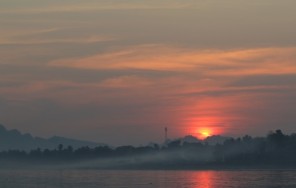
The Chinduin River is a 1,100-kilometer long river that flows in western Myanmar, on the border with India. It carries its waters …

Sung Woo Ponya Shin Paya Temple is located on one of the 37 hills of the Sagaing Hills chain in Burma. This temple was built by a …

The Mandalay Royal Palace is 145 km northeast of Bagan. Mandalay was built in the XIX century from teak wood, it was the forbidden …

Mahagandayon Monastery is located in the small ancient city of Burma Amarapura, which is 11 kilometers from Mandalay. This is the …

The city of Mandalay is located in Burma and one of its main attractions is the ancient Mandalay Palace, which at the beginning of …

Umin Tounze Caves are located on Sagain Hill in Myanmar and are a popular tourist attraction. In fact, in this case, the caves are …

Bagaya Chiaoun is one of the largest and most ancient wooden monasteries in Myanmar. It is located in the small town of Amarapura, …

Shweinbin Monastery, which is a traditional Burmese building, is located in the southwest of Mandalay. Built in 1895 by Chinese me …

One of the symbols of Myanmar is the famous wooden bridge U Bein, which is entirely made of teak (local tree) and is the longest w …
Mandalay is a cultural and historical gem of Upper Myanmar, a city with a special atmosphere of the old kingdom and living traditions. Founded as a royal capital in the nineteenth century and known for its wooden heritage, it combines monumental history, Buddhist rituals and the daily lives of artisans and merchants.
In the man-made heritage of Mandalay and its surroundings, the Royal Mandalay Palace and the old forts, impressive in their scale and history, stand out especially. Among the monasteries and religious buildings are the Mahagandayon Monastery and the famous Bagaya in Amarapura, the wooden masterpieces of Etoumashi and Shweinbin, as well as the Song Woo Ponya Shin Paya Temple on the Sagaing Hills. An unusual symbol of the region is the U Bain Bridge, collected from teak, and the National Botanical Garden of Kendouja presents collections of plants and well-groomed alleys.
Nature around Mandalay gives calm landscapes: Sagaing hills with their relief and caves Umin-Tounze, rivers and coastal spaces with picturesque views, botanical corners and green areas in and near the city. The Chindouin River and other waterways of the region form panoramas that you want to see from the embankments or hills during sunset.
On our website, all these points are collected on an interactive map: you can see the sights of Mandalay, read short informative descriptions and lay a personal route to places of interest. Convenient filters and marked points will help to plan a day or a whole route of travel around the city and its surroundings.
You can explore Mandalay on your own, walking aimlessly through the streets and entering monasteries, or use the services of experienced local guides. Excursions will allow you to hear live stories, learn about iconic places and see hidden details that are not noticeable during a cursory inspection - guides help turn a walk into an exciting and informative journey.
Come to Mandalay to experience its special atmosphere, discover ancient temples and wooden monasteries, enjoy the scenery and local culture. Plan your itinerary, book guided tours and explore new discoveries in this unique corner of Myanmar.