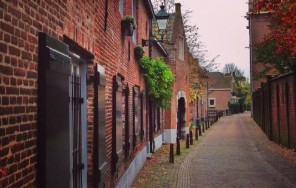
Independent tourism and recreation in the city of Hertogenbos Historical information about the city of Hertoge...
1. Foundation of the city
Hertogenbos, also known as Den Bos, is located in the south of the Netherlands, in the province of North Brabant. The city originated in the area where the rivers Dommel and Aa meet. Previously, these lands belonged to Brabant dukes and were used for hunting. The name ’s-Hertogenbosch translates as “the forest of the duke”.
The traditional date of foundation is 1185. Duke Henry I granted the settlement city rights and trade privileges, which contributed to the development of crafts, trade and the influx of population.
2. Medieval heyday
In the XIII-XV centuries Hertogenbos became a major commercial and administrative center of Brabant. Due to its location near river routes, agricultural products, fabrics, metal products and other goods were sold here. Craftshops, markets and public institutions developed.
The growth of the city was accompanied by the construction of stone walls, gates and defensive structures. Rivers, wetlands and canals provided additional protection. Gradually, a historical center with a market square and dense medieval buildings was formed.
3. Jerome Bosch and Cultural Heritage
Hertogenbos is known as the birthplace of the painter Hieronymus Bosch, who lived around 1450-1516. He became famous for his fantastic images, complex allegories and religious subjects that influenced European art.
During his lifetime, the city experienced economic and cultural growth. The most important monument of the era was the Cathedral of St. John, the construction of which lasted several centuries. Its Gothic architecture reflects the richness of the city and the importance of religion in medieval life.
4. Religious conflicts of the sixteenth century
In the sixteenth century, the Netherlands became engulfed in religious contradictions and the struggle against the power of the Spanish Habsburgs. Hertogenbos maintained a predominantly Catholic character and supported Catholic rule. The unrest associated with the Reformation and the iconoclastic movement also affected local church life.
During the Eighty Years' War, the city became an important military stronghold of the Spanish Crown. Its fortifications and strategic position made capture particularly difficult.
5. Siege of 1629
One of the most important events was the siege of Hertogenbos by the troops of the Republic of the United Provinces under the command of Frederick Heinrich of Orange. The city was protected by powerful walls and wetlands.
The besiegers carried out large-scale engineering work: they built dams, changed the direction of water flows and drained part of the surrounding territories. In the autumn of 1629, the city capitulated and came under the authority of the Republic. This event weakened the position of the Spanish crown in the region and changed the religious and political life of the city.
6. XVII-XVIII centuries: fortress city
After the capture, Hertogenbos retained great military importance. Its fortifications were improved taking into account the development of artillery, and the city remained an important point of defense of the southern borders of the Republic.
Economic development was constrained by political constraints and religious differences. The Catholic population faced restrictions in religious life, and serf status made it difficult to expand urban development. Trade and crafts continued to play an important role in the local economy.
7. French period and nineteenth century
In 1794, Hertogenbos was captured by French revolutionary troops. Subsequent political changes changed the system of government and gradually expanded the rights of the Catholic population. After the defeat of Napoleon, the city became part of the Netherlands.
In 1815, Hertogenbos became the capital of North Brabant. In the second half of the XIX century, the weakening of serf restrictions allowed the construction of new quarters outside the old walls. Transport, trade and industry developed, and the city gradually turned from a military fortress into an administrative center.
8. XX century and World War II
At the beginning of the XX century Hertogenbos continued to expand: residential areas were built, urban services and transport infrastructure were developed. During World War II, the Netherlands was under German occupation. Residents of the city faced restrictions, persecution and economic hardship.
After the liberation of the country in 1945, reconstruction began. Population growth required the construction of new homes, schools, medical facilities and roads. The city strengthened its importance as the administrative and economic center of North Brabant.
9. Modern Hertogenbos
In the second half of the XX century, the city authorities began to pay more attention to the preservation of historical heritage. The old center received a protected status, restorations of buildings and fortifications were carried out, public spaces were renewed.
Today, Hertogenbos combines historical architecture and modern urban infrastructure. Its main attractions are St. John’s Cathedral, an ancient market square, fortifications and Binnendeise underground waterways. The city also supports cultural projects related to Jerome Bosch.
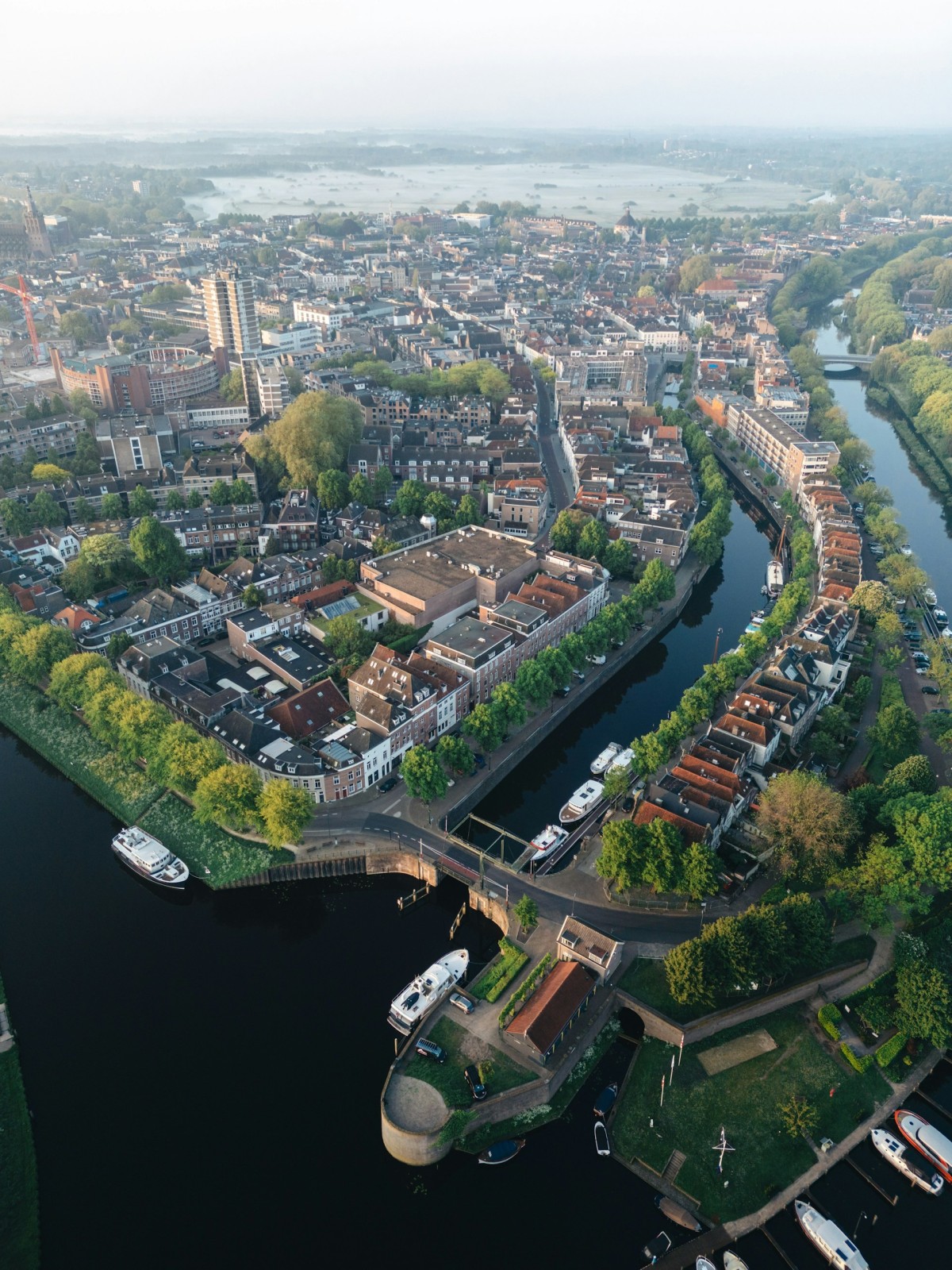
1. The overall attractiveness of the city
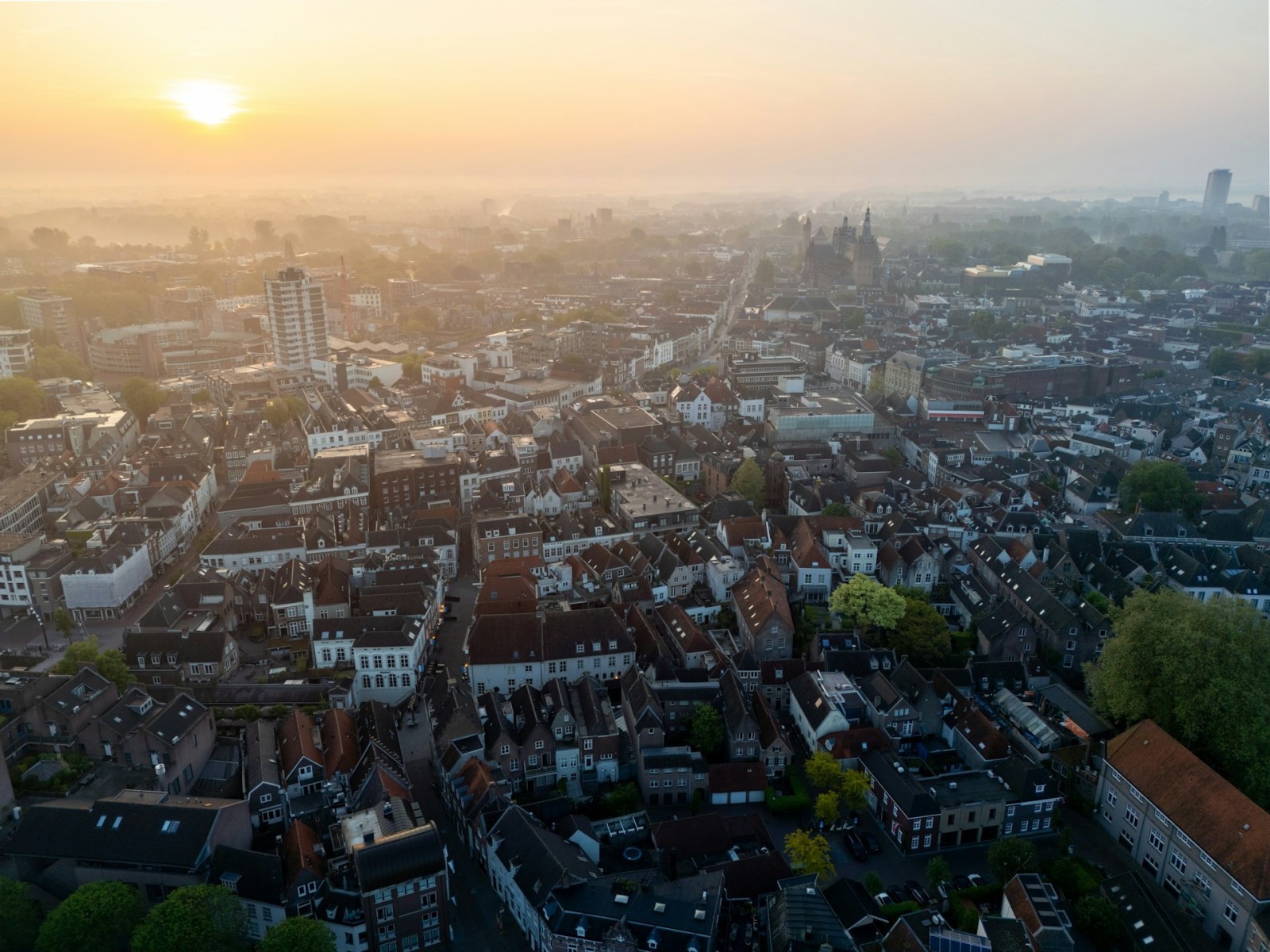
Hertogenbos, also known as Den Bos, is an ancient city in the south of the Netherlands that attracts tourists with its medieval architecture, picturesque canals, cozy streets and distinctive culture of the province of North Brabant. Here the historical heritage is harmoniously combined with modern shops, restaurants, cafes and cultural spaces. The city is suitable for leisurely walks, acquaintance with Dutch history and gastronomic tourism.
2. Historic Centre and Architecture
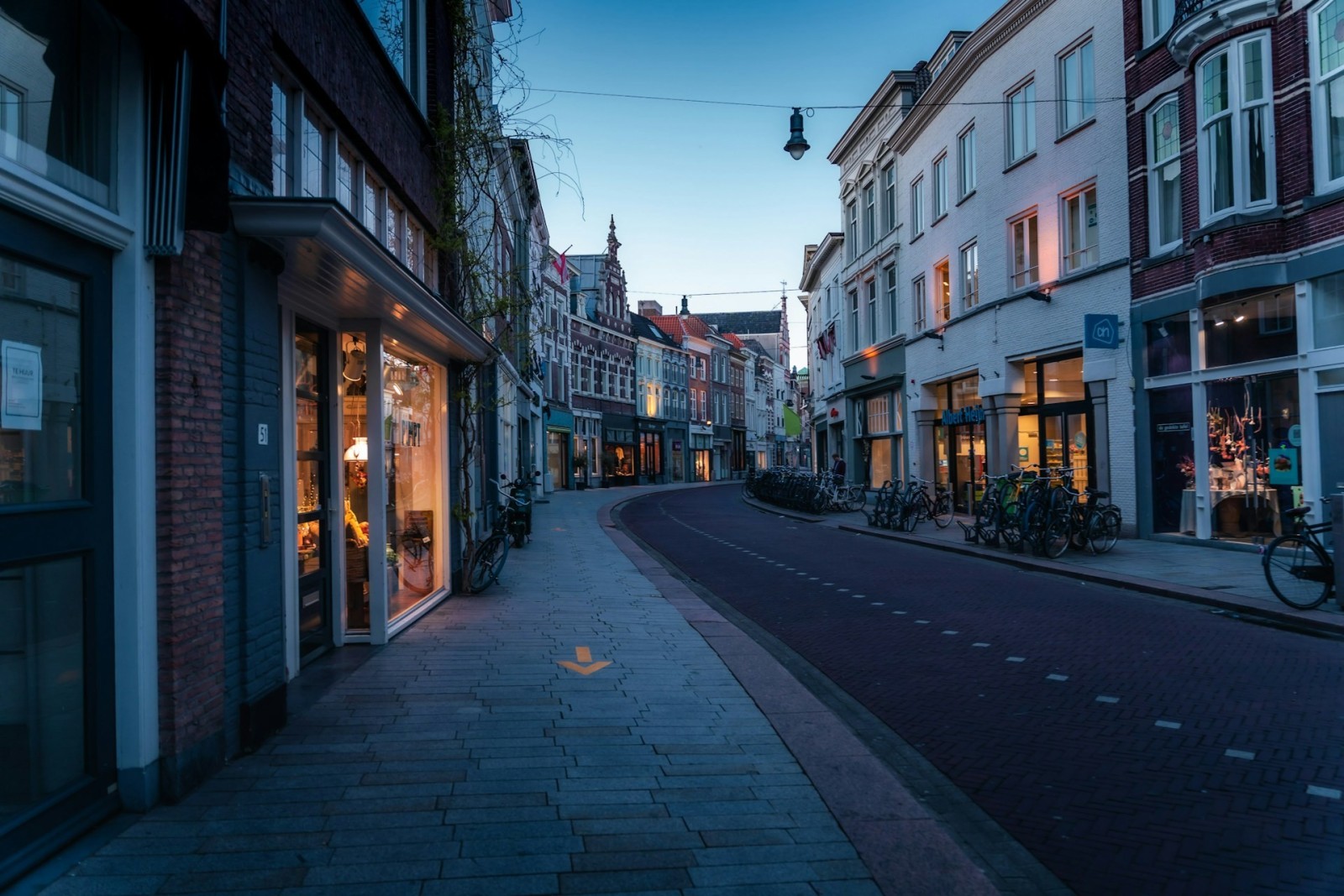
The heart of Hertogenbos is an old town with narrow streets, brick houses, ancient facades and lively squares. The central market square is surrounded by cafes, restaurants and historic buildings. It is pleasant to walk, view the architecture, relax on the open terraces and observe the daily life of local residents.
A special atmosphere is created by the preserved fragments of medieval fortifications and the ancient layout of the streets, reminiscent of the time when Hertogenbos was an important trading fortress.
3. St. John's Cathedral
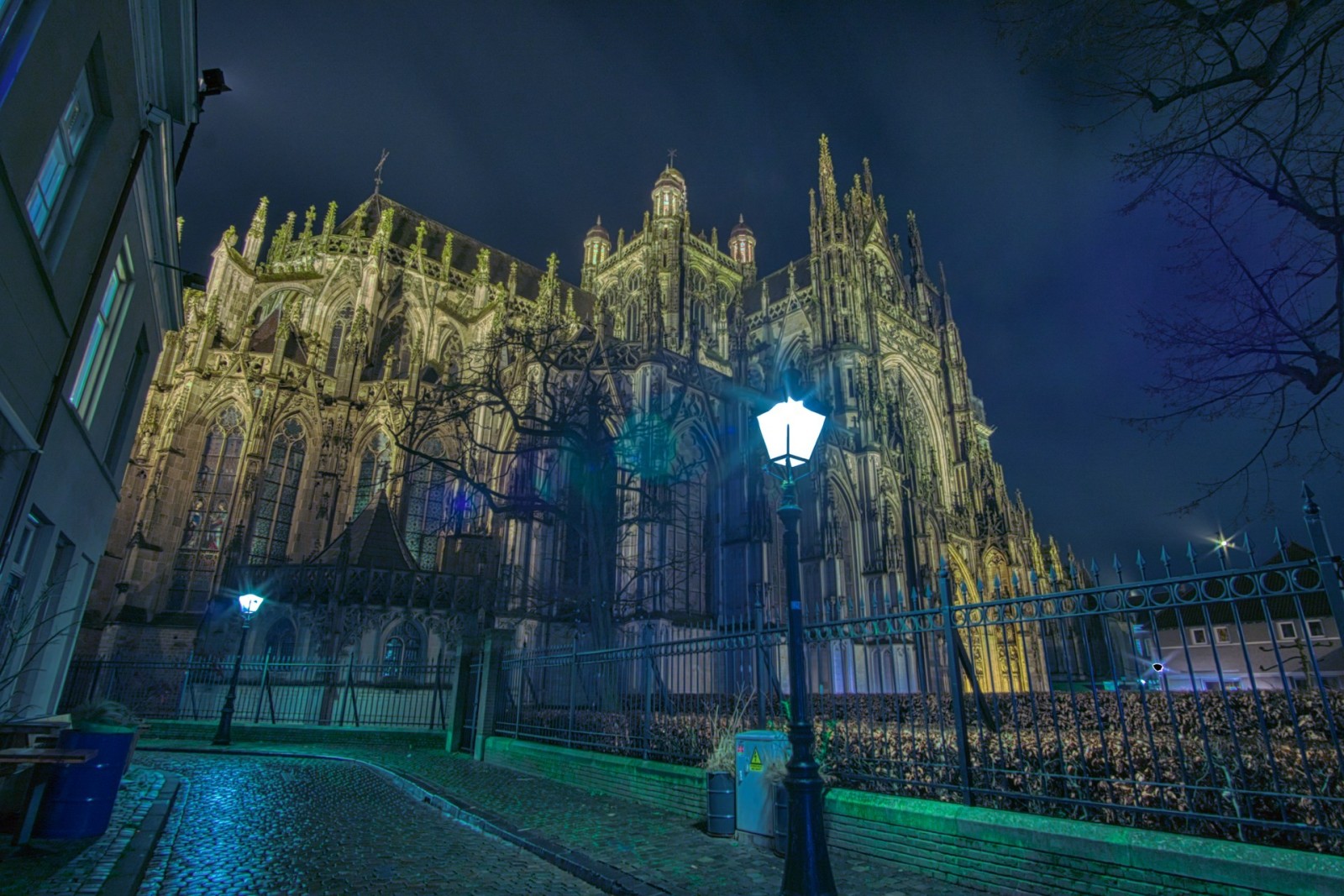
The main architectural landmark of the city is the Cathedral of St. John, an outstanding example of Gothic architecture of the Netherlands. Its construction lasted several centuries. The cathedral impresses with high vaults, stained glass windows, sculptures and complex decorative design. It is interesting not only for believers, but also for lovers of history, architecture and medieval art.
4. Canals and underground waterways
Hertogenbos is known for the unusual system of Binnendeise water channels, some of which pass under the buildings of the historic center. Previously, these waterways were used for household needs, transportation of goods and protection of the city. Today, they have become one of the most unusual features of the local tourist route.
Travelers can take a boat tour to see the city from the water, explore the ancient bridges and learn how the canal system developed. Such walks are especially interesting for those who want to get acquainted with the city outside the usual walking routes.
5. The Legacy of Jerome Bosch
Hertogenbos is associated with the name of the famous Dutch artist Hieronymus Bosch, known for fantastic images and unusual religious compositions. Its heritage has become an important part of the cultural image of the city.
Visitors are interested in exhibitions, thematic routes and cultural projects dedicated to the artist and art of the Northern Renaissance. Even for those who do not plan to visit museums, familiarity with the history of Bosch helps to better understand the cultural identity of Hertogenbos.
6. Museums and cultural life
The city has museums and exhibition spaces dedicated to the history of the region, art and local traditions. They allow you to learn about the medieval past, religious history and development of North Brabant. During the year, concerts, theater performances, art exhibitions and city holidays are held.
The cultural life of Hertogenbos makes it attractive not only for lovers of ancient architecture, but also for tourists who prefer modern art, music and creative events.
7. Gastronomy impressions
One of the features of the city is the local sweetness Bossche bol - a large round cake made of custard dough with filling from whipped cream, covered with chocolate. It is considered a gastronomic symbol of Hertogenbos, so almost every guest should try dessert.
In local cafes and restaurants, you can also get acquainted with Dutch and Brabant cuisine, try cheeses, pastries and seasonal products. The historic center offers many establishments for breakfast, lunch and evening rest.
1. High-level hotels – 4 stars and above
In Hertogenbos and its surroundings there are modern hotels with spacious rooms, restaurants, bars, parking and additional services. They are suitable for tourists who appreciate comfort, business travelers and guests planning a long stay.
The Den, 's-Hertogenbosch, a Tribute Portfolio Hotel is a modern design hotel in the Paleiskwartier area, near the train station. Suitable for comfortable rest, business trips and acquaintance with the city.
Good Seasons Hotel Den Bosch is a hotel in the historic center, next to St. John’s Cathedral. Convenient for tourists who want to explore the main attractions on foot.
The Duke Boutique Hotel is a boutique hotel in the city center with individually decorated interiors. Suitable for couples and travelers who prefer small hotels with a special atmosphere.
2. Average price hotels – 3-4 stars
This is a common option for tourists who need a separate room, private bathroom, Wi-Fi and convenient location without overpaying for additional services. In this category you can find both modern hotels and small hotels in historic buildings.
Boutique Hotel Jeroen is a small hotel near the historic center, suitable for short tourist trips.
Duke Studio Hotel is an option with studio accommodation. Suitable for guests who are interested in independence and a more homely atmosphere.
Fletcher Hotel-Restaurant's-Hertogenbosch is a hotel outside the historic center that can be convenient for car trips. When choosing, it is worth considering the distance to attractions and transportation costs.
3. Boutique hotels and historic hotels
Boutique hotels usually feature a small number of rooms, original design and more individual service. Some are housed in old town houses, so guests can feel the atmosphere of historic Hertogenbos.
Boutique Hotel - B&B De Blauwe Pauw is a bed and breakfast hotel suitable for those who prefer a calm atmosphere and personal approach.
Le Diez Boutique Hotel is a small boutique hotel in the old part of the city, convenient for walking through historic streets and visiting cafes.
4. Apartments and studios
Renting apartments is convenient for families, companies of friends and tourists who stay in the city for a few days or longer. In such options, there can be a kitchen, refrigerator, dining area and washing machine, which allows you to cook yourself and reduce food costs.
The Duke Apartments are apartments in the central part of the city, suitable for independent living.
Maison BON Apartments is an option for those who prefer a separate living space instead of a standard hotel room.
The Guest Apartments is another option for independent living in an urban environment.
5. Guesthouses and B&B
B&B is an accommodation format in which a tourist is provided with a room or a small room, often with breakfast. Such places are often located in residential buildings and have a more homely atmosphere. They are suitable for travelers who are important coziness and the opportunity to get acquainted with the local way of life.
B&B Achter de Kan is a guest house within walking distance of the historic center. Suitable for a short rest and acquaintance with the city.
Ververs, slapen. - a small accommodation option in the central part of the city.
B&B CharmeHotel CUBACASA Centrum Den Bosch is a guest house in the center, convenient for tourists who want to combine walks around the city with a holiday in a small institution.
6. Economical hotels and inexpensive rooms
For budget travelers, simple hotels and rooms are suitable without a large set of additional services. As a rule, the cost depends on the location, size of the room, availability of breakfast and amenities. The most affordable options should be searched not only in the center, but also near the station or in neighboring areas.
Hotel All-In is a small hotel to consider when looking for a simple accommodation in the city.
Fletcher Hotel-Restaurant's-Hertogenbosch - may prove to be an affordable option depending on the dates, especially for travelers by car.
For savings, it is useful to compare the cost of a room without breakfast and breakfast, check the possibility of free cancellation and take into account the city tourist tax if it is charged separately.
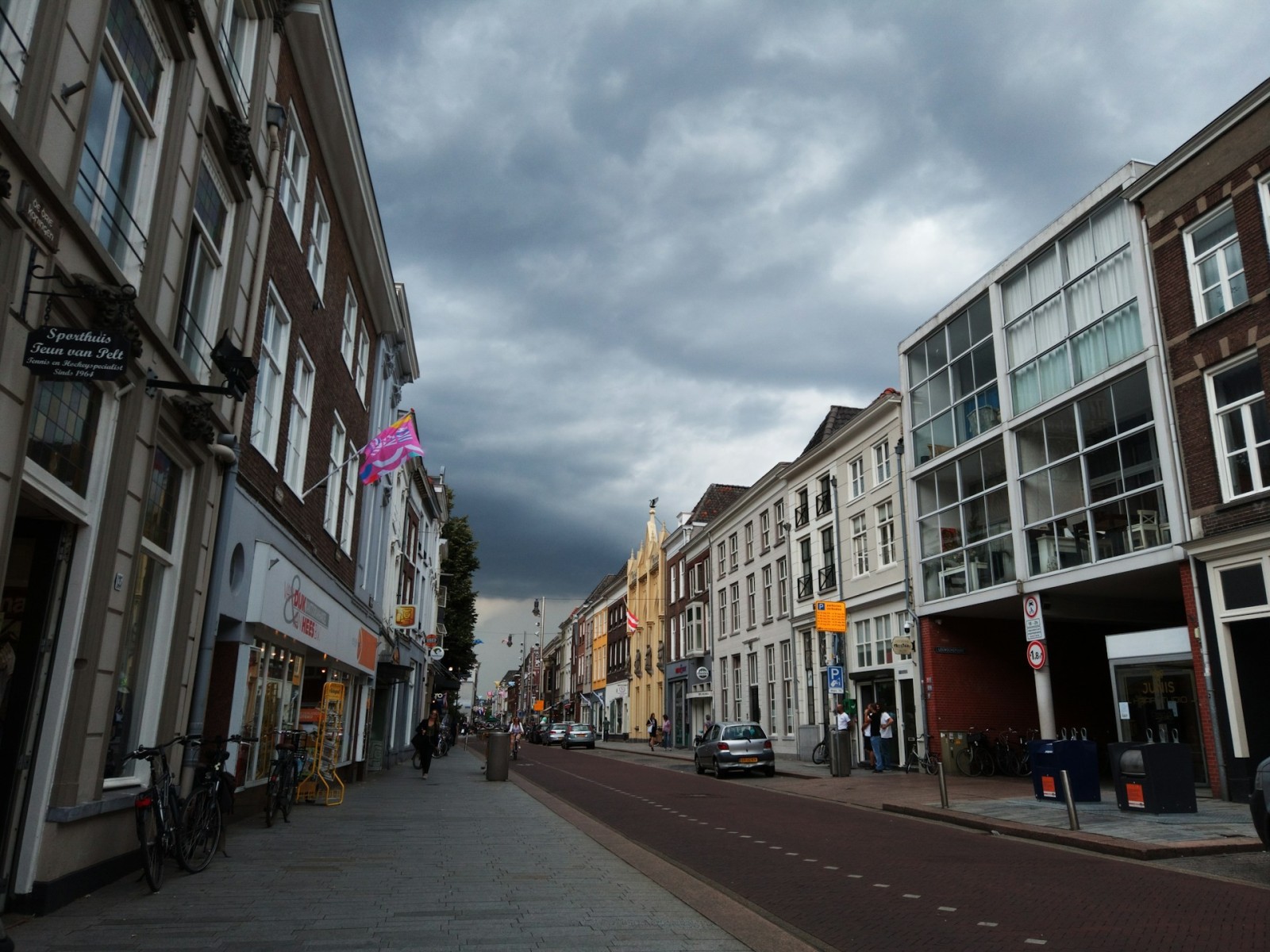
1. St. John's Cathedral (Sint-Janskathedraal)
The main attraction of Hertogenbos is the majestic Gothic cathedral, the construction of which began in the Middle Ages and lasted several centuries. The building is known for high vaults, stained glass, carved sculptures and rich interior decoration. Particular attention is drawn to the numerous stone figures on the outer facade.
The cathedral is located in the historic center of the city, near the market square. From the railway station you can walk in about 15-20 minutes. City buses are also available with stops in the central part. The last part of the way is more convenient to walk.
2. Market Square (Markt)
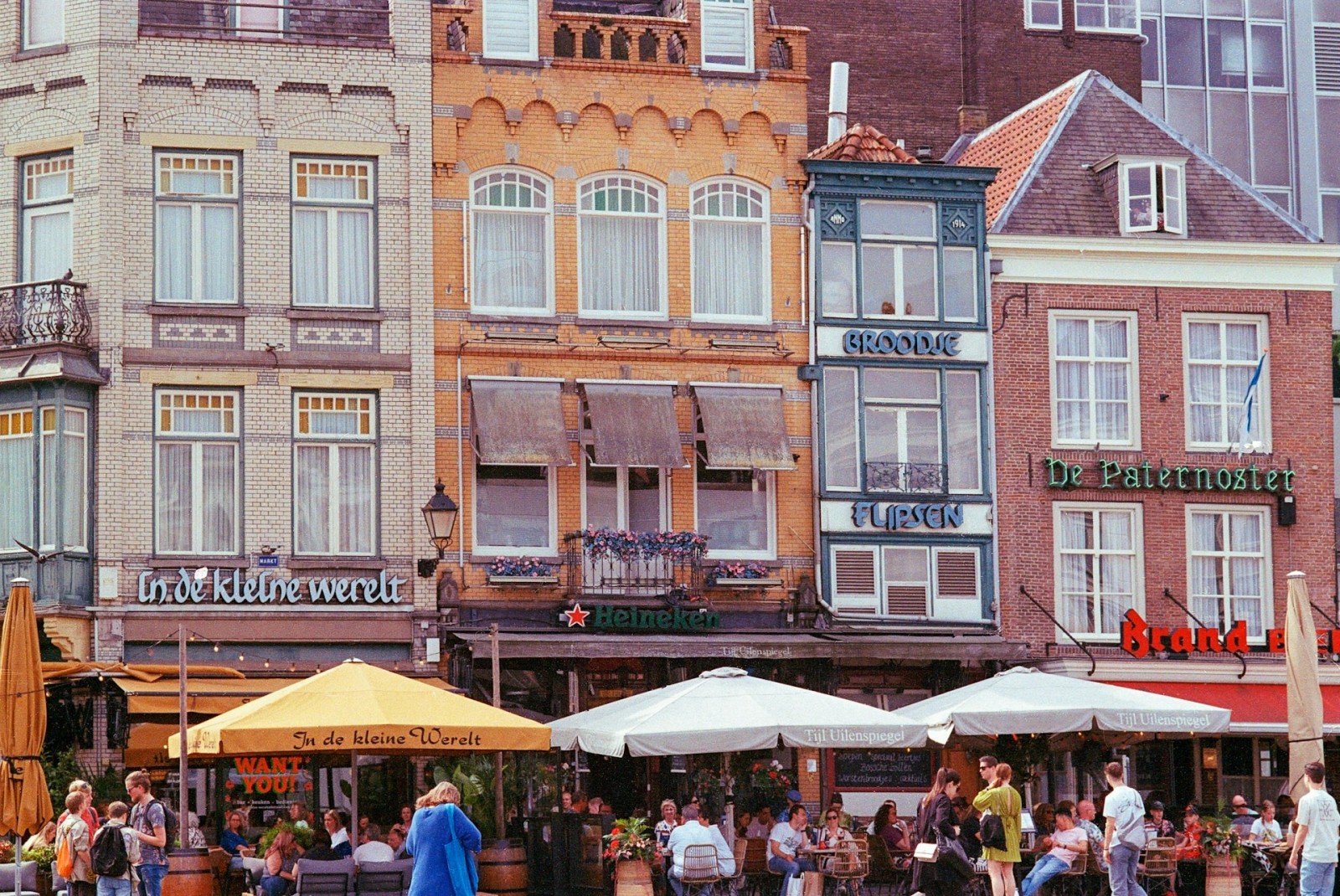
The Market Square is the historic heart of Hertogenbos. Here are preserved old buildings, traditional facades and trading houses, reminiscent of the rich past of the city. Around the square are cafes, restaurants and shops, and markets and social events are held throughout the year.
The square is in the center of the old town. From the station to it can be reached on foot in about 10-15 minutes. A bus ride is also possible, but due to the proximity of the main attractions, the walk is usually more convenient.
3. Binnendieze Channels (Binnendieze)
Binnendeize is an unusual system of historic waterways, some of which run under the buildings and streets of the old city. In the past, the canals were used for household needs, water diversion, transportation of goods and defense. Today they allow you to see Hertogenbos from an unusual angle.
In the warm season, boat tours can be conducted along the accessible sections of the canals. Places of departure are usually close to the historical center. From the station to the main points of the route you can walk in about 15 minutes. The schedule of excursions and the availability of individual sites depend on the season and water level.
4. Noordbrabants Museum
The North Brabant Museum introduces visitors to the history, art and culture of the region. The expositions present works of art, historical materials and exhibitions dedicated to the development of the province. It is a good place to explore local traditions and artistic heritage.
The museum is located in the central part of the city, in a historic building. The train station can be reached on foot in about 15 minutes. A bus ride can be convenient in unfavorable weather, but nearby stops will also require a little walk.
5. Design Museum (Design Museum Den Bosch)
The museum is dedicated to contemporary design, decorative arts and visual culture. His exhibitions introduce the development of subject design, ceramics, jewelry and artistic trends of different eras. It is especially interesting for those who want to see not only the historical, but also the modern cultural side of the city.
The museum is located in the central part of Hertogenbos, next to other cultural institutions. From the station you can walk in about 15-20 minutes. A bus ride to the center is also possible, but the last few minutes are usually more convenient to walk.
6. Cruithuis Museum (Museum Kruithuis)
Cruithuis is a historical defensive building of the XVI century, originally designed to store gunpowder. It recalls the military past of Hertogenbos and its role as a fortified city. Today, there are exhibitions and events dedicated to the history, defenses and development of the city.
The central station can be reached on foot in about 20-25 minutes. If you wish, you can use the bus to a stop in the center and continue on foot. Before visiting, it is worth checking the opening hours and exhibition schedule.
7. The House of Hieronymus Bosch (Huis van Bosch)
This historic house in the market square is associated with the life of the famous artist Hieronymus Bosch. The visit helps to learn more about the medieval urban environment in which its artistic world was shaped. The attraction is especially interesting for lovers of painting and history of the Northern Renaissance.
The house is located in the heart of the city, so it is convenient to include it in the walking route through the market square and old streets. From the station, the road takes about 10-15 minutes on foot. The possibility of visiting and the format of the exhibition should be clarified in advance.
8. The historic harbor of Brede Haven
The ancient harbor recalls Hertogenbos’ trading past, when waterways played an important role in the transportation of goods and the development of the urban economy. Today it is a picturesque place with historic buildings and water, suitable for a relaxing stroll and taking pictures of the architecture.
The harbor is close to the center and is accessible on foot from the station in about 10-15 minutes. It is convenient to visit on the way to the Binnendeize canals and other attractions of the old city.
9. Oeteldonks Gemintemuzejum Museum
The museum is dedicated to the carnival traditions of Hertogenbos. It tells about the holiday of Oyteldonk, its symbols, costumes, flags and customs, which occupy an important place in the local culture. This is a good choice for tourists who want to understand the life of North Brabant.
The museum is located in the historical center, so it is convenient to walk from the market square in about 5-10 minutes. Opening hours can be limited, so it’s best to schedule your visit in advance.
1. Oeteldonkse Carnaval (Oeteldonkse Carnaval)
Time: February or early March, before Lent.
Carnival is the main traditional festival of Hertogenbos. During the celebrations, the city receives the symbolic name of Oyteldonk, the streets are filled with processions, music, costumed groups and street festivities. Participants wear traditional costumes and scarves, and the center hosts performances of brass bands and festive meetings. Carnival is especially interesting for tourists who want to get acquainted with the culture of North Brabant.
2. Jazz Festival in Duketown
Time: May or June, often during Pentecost.
One of the most famous music festivals in the city. Concerts are held in the squares and open stages of the historic center. The program includes Dutch and foreign jazz musicians, young performers and famous bands. Many performances are held in the open air, so the festival allows you to combine acquaintance with the city and musical rest.
3. Festival of Modern Theatre Festival Cement
Holiday: usually March.
The festival is dedicated to new areas of theater and performing arts. The program presents experimental performances, dance productions, performances and projects of young directors. Events are held in theaters and cultural spaces of Hertogenbos. The festival is suitable for lovers of modern art and unusual scenic forms.
4. The Bosch Parade Artistic Parade
Time: usually June.
Bosch Parade is an unusual cultural event, during which floating art compositions created by artists and members of creative teams move along the Dommel River. The images are often inspired by the fantastic art of Hieronymus Bosch. You can watch the parade from the banks of the river. The event is especially attractive for lovers of art, unusual sights and photography.
5. Opera Festival Op de Parade
Time: usually June.
The festival introduces the audience to the open-air opera art. The performances take place at Parade Square, next to St. John's Cathedral. Opera singers, choirs and orchestras can participate in the program. Historical architecture creates a special atmosphere, and the open format allows you to get acquainted with classical music even for those who rarely attend opera houses.
6. Boulevard Theatre Festival
Time: Aug.
Boulevard is a major festival of performing arts, combining theater, dance, music, circus performances and performances. Performances are held in theater halls, temporary pavilions and in open areas. The program includes both traditional productions and experimental projects. This is one of the main summer cultural events of the city.
7. The Bossche Kermis City Fair
Holiday: Usually August.
A traditional fair with rides, playgrounds, shopping kiosks and entertainment for children and adults. It creates a lively atmosphere and is suitable for family holidays. On the days of the fair, individual streets and squares can be occupied by attractions, so tourists should take into account possible changes in traffic in advance.
8. Bourgondisch’s-Hertogenbosch Festival
Time of the event: usually September.
The festival is dedicated to the cuisine of North Brabant, local products and restaurant culture. Visitors can try regional dishes, pastries and other gastronomic specialties. The event takes place in the central part of the city and is suitable for travelers who like to experience local traditions through food.
9. Opening of the Carnival Season – November 11
Time: November 11.
On this day, preparations for the next carnival of Auteldonc begin. The center hosts festive meetings, musical performances and events related to local customs. The streets are decorated with traditional symbols, and residents gather in establishments and squares. This is a good opportunity to get acquainted with the carnival culture before the mass February celebrations.
10. Contemporary Music Festival November Music
Time: Nov.
The festival is dedicated to modern academic music, jazz, electronics and experimental directions. The program involves composers, soloists, orchestras and international musical groups. Concerts are held in theaters and cultural spaces of the city. The event is interesting for those who want to get acquainted with new musical directions.
1. Spring (March-May)
Spring in Hertogenbos is cool, gradually turning into mild and comfortable weather. In March, the air temperature is usually about +5 ... +11 ° C, in April - +7 ... +15 ° C, and in May - +11 ... +19 ° C. It is possible to rain, wind and sudden changes in the weather, so you should take a wet jacket for walks.
The water temperature in lakes and reservoirs during this period gradually increases from about +6 ... +9 ° C in March to +12 ... +16 ° C in May. For swimming, the water is usually cold.
Spring is suitable for exploring the historic center, visiting museums, walking along the Binnendieze canals and exploring the city's cafes. In May, the weather is usually more pleasant for long walks.
2. Summer (June-August)
Summer is considered one of the most convenient times to travel. The average daily air temperature is usually within +20. +24 °C, although during hot periods it can rise above +30 °C. Nights are usually cooler - about +12 ... +15 ° C. Rain and thunderstorms are possible even on warm days.
The water temperature in lakes and other open bodies of water in summer is usually about +18 ... + 22 ° C, sometimes higher in hot weather. The temperature depends on the specific water body and weather conditions.
Summer is especially suitable for walking along the canals, visiting parks, cycling trips, outdoor excursions and participating in music and theater festivals. Many cultural events take place in June, July and August.
3. Autumn (September-November)
In early autumn, relatively warm weather persists: in September, the afternoon is usually about +17. +20°C. In October, the temperature drops to +13 ... +15 ° C, and in November - to about +8 ... +10 ° C. Nights become colder, the number of cloudy days increases, it often rains.
The water in lakes and open reservoirs gradually cools down: in September, it can keep a temperature of about 16. +19 °C, in October - about +12 ... +15 °C, and in November it becomes much colder. These values are indicative and depend on the specific reservoir.
Autumn is suitable for travelers who prefer quiet excursions, museums, architecture and gastronomic routes. September is especially convenient for walking around the historic center, and in late autumn it is better to plan in advance visits to attractions in the premises and take an umbrella.
4. Winter (December-February)
Winter in Hertogenbos is comparatively mild but damp and windy. The daily temperature is usually around +5... +7 ° C, at night it can drop to 0 ... + 3 ° C. Sometimes there are frosts and snowfalls, but stable snow cover is infrequent. This time of year is characterized by cloudiness, high humidity and short daylight.
Water in lakes and other open bodies of water is usually cold - about +3 ... +7 ° C. Swimming during this period is not suitable for most tourists.
In winter, you can get acquainted with historical buildings, visit museums, taste local dishes and spend time in a cafe. In the pre-Christmas period, the city acquires a festive atmosphere thanks to seasonal decorations and events.
1. Language of communication in Hertogenbosch
The official language of the Netherlands is Dutch. In Hertogenbos, the locals communicate mainly in Dutch, and in everyday speech you can hear the Brabant dialect characteristic of the province of North Brabant. Some local expressions and pronunciations differ from standard Dutch.
English is widely spoken, especially among young people, hotel staff, restaurant workers, sellers and representatives of the tourism industry. Therefore, travelers usually manage to explain themselves in English in most situations. German can also be useful, but its prevalence depends on the interlocutor.
2. Greetings and standards of courtesy
In the Netherlands, it is customary to say hello when entering small shops, cafes and other establishments, as well as thank for the service rendered. When dating usually use a handshake, if the situation involves formal communication. More casual forms of greeting are common among close acquaintances.
Locals appreciate goodwill, respect for personal space and a calm tone of conversation. Do not impose a conversation on strangers or ask too personal questions at the first meeting.
In communication, the Dutch often speak directly and openly. This manner does not usually mean rudeness: it is a common feature of the local culture.
3. Punctuality and arrangements
In the Netherlands, punctuality is very important. If you have booked a tour, a table in a restaurant or a meeting, it is advisable to arrive on time. In case of delay, it is better to warn in advance.
In restaurants and hotels, it is customary to comply with the conditions of booking, and inform about the cancellation in advance. In public places, you should not create unnecessary noise, interfere with other visitors or occupy places intended for people with reduced mobility.
4. Traditions and local holidays
Hertogenbos is famous for the carnival Oeteldonk - one of the main city holidays. During carnival events, residents wear themed costumes, participate in processions, musical performances and street festivities. Guests can join the holiday, observing the rules of the organizers and respecting local traditions.
The city also hosts musical, theatrical and gastronomic events. During festivals, you should learn in advance about the closure of streets, changes in traffic and the rules for entering the sites.
In everyday life, residents value the balance between work and personal time. In the evening and on Sundays, some small stores can work on a reduced schedule, so it is better to plan your purchases in advance.
5. Food culture and tipping
In cafes and restaurants, it is customary to observe the queue, calmly communicate with the staff and pay the order in accordance with the bill. In the Netherlands, payment by bank card is widespread, but some institutions can only accept certain payment methods.
Tipping is usually not required as service is factored into the cost of the order. If you like the service, you can round the amount or leave a small additional amount.
In Hertogenbos, the dessert Bossche bol is especially known - a large chocolate cake with a filling of whipped cream. It is eaten in cafes and pastry shops; it is a popular local gastronomic tradition.
6. Rules of conduct in public places
In the historical center, museums, churches and other cultural sites, it is necessary to observe the established rules of visiting. In religious buildings, it is advisable to behave calmly, do not interfere with worship and pay attention to restrictions when photographing.
The Netherlands is known for its bicycle infrastructure. Bicycle lanes are primarily for cyclists, so pedestrians should not walk on them unnecessarily. Before moving, make sure the movement is safe.
Garbage should be disposed of in containers intended for it. For violation of parking rules, throwing garbage in the wrong place and some other violations may be charged fines.
7. Basic laws that are important for tourists
Documents. Foreign tourists are required to have a valid passport and, if required, a visa or documents confirming the right to stay. The allowed period of stay in the Netherlands and the Schengen area must be respected.
Alcohol. Buying and drinking alcohol is allowed from the age of 18. You cannot drive a car or other vehicle while intoxicated.
Smoking. Smoking is prohibited in many enclosed public places, including restaurants and bars. E-cigarettes are also regulated by separate regulations; these restrictions must be observed.
Drugs. Despite the special policy of the Netherlands regarding some light drugs, this does not mean that they are completely legalized. There are restrictions on the sale, storage, use and transportation, and regulations may vary depending on the substance and circumstances.
Bicycles and road traffic. Traffic lights, road signs and traffic rules should be observed. When renting a bicycle, it is important to clarify the terms of rental and the rules for its return.
Public order. Theft, vandalism, threats, violence and other illegal actions are prohibited. Disturbance of public order can result in a fine or police intervention.
Photography. People should not be filmed without permission in situations affecting their privacy. Museums and individual buildings may have their own restrictions on photography.
1. Greetings and polite expressions
Dutch - pronunciation - translation
Hallo -- halo -- hello, hello.
Goedemorgen - "hude morchen" - good morning.
Goedemiddag — "hude-midah" — good day.
Goedenavond — "hude-avont" — good evening.
Dag - "yes" - hello, goodbye.
Tot ziens, that zins, goodbye.
Tot straks, that straks, see you soon.
Alsjeblieft - "als-ye-blift" - please on "you"; also when transferring something.
Alstublieft - "Als-Tu-Blift" - please, polite form.
Dank je wel - "dank ye led" - thank you.
Dank u wel - "dank yu led" - thank you very much, polite form.
Graag gedaan — "hurrah hae-dan" — please, you're welcome.
Sorry. Sorry. Sorry.
Pardon — Pardon — excuse me, let me pass.
Geen probleem — "hain problems" — no problem.
2. Phrases for communicating with locals
Spreekt u Engels? - Spreekt u Engels? - Do you speak English?
Ik spreek geen Nederlands - I don't speak Dutch.
Ik spreek een beetje Nederlands - "Ik spreek en beitye Nederlands" - I speak a little Dutch.
Kunt u mij helpen? - "Kunt yu mei helpen?" - Could you help me?
Kunt u dat herhalen? - "Kunt yu date haer halan?" - Could you say it again?
Kunt u langzamer spreken? - "Kunt y lang-zamer spreken?" - Could you speak more slowly?
Ik begrijp het niet - "ic beh-hripe et nit" - I don't understand that.
"Wat betekent dit?" - "Wat bataykent dit?" - What does that mean?
Hoe heet u? - What's your name?
Mijn naam is... - "Main we are..." - My name is...
Aangenaam — "an-hae-nam" — very nice.
Waar komt u vandaan? - "War komt u fan daan?" Where are you from?
Ik kom uit Letland – “Ik kom out letland” - I'm from Latvia.
3. Words and expressions in cafes and restaurants
Useful when ordering food, drinks and local dishes
Een tafel voor twee, alstublieft — "en tafel for twei, als tu blift" — Table for two, please.
De menukaart, alstublieft - "de manu-cards, als-tu-blift" - Menu, please.
Wat raadt u aan? - "wat rat yu an?" - What would you recommend?
Ik wil graag... - "Ik wil graah..." - I'd like to..
Mag ik water, alstublieft? — wah ik water, als tu blift? - Can I have some water, please?
Een koffie, alstublieft — en kofi, als tu blift — One coffee, please.
De rekening, alstublieft - "de rakening, als-tu-blift" - Account, please.
Kan ik met pin betalen? - Kan ik met pin betalen? - Can I pay with a credit card?
Is it dit vegetarisch? - Is it dit vehetaris? - Is it a vegetarian dish?
Heeft u iets zonder vlees? - "Heift y yits zonder flues?" - Do you have anything without meat?
Ik heb een allergie voor. . . - I'm allergic to...
Het was heerlijk - "You're heerlach" - it was delicious.
1. Unique local products and dishes
1. Bossche bol is the famous chocolate dessert. This is the main gastronomic visiting card of Hertogenbos: a large round cake filled with whipped cream and covered with chocolate glaze. It is better to try it in the local confectionery, and as a gift to choose products in a special package. Because of the delicate filling, desserts must be transported in compliance with the temperature regime.
2. Brabantse worstenbroodjes are Brabant sausages in dough. Traditional snack of the province of North Brabant, which is a baked dough with meat filling. It is often eaten for breakfast, during holidays or as a quick snack. For transportation, it is worth choosing packaged products with the specified storage conditions.
3. Brabantse kaas are North Brabant cheeses. The region produces a variety of cheeses from cow's milk: from soft young to more aged varieties. As a souvenir, small vacuum packaging is suitable, which is more convenient to transport and store.
4. Dutch waffles stroopwafels. Thin waffles with caramel filling are one of the country’s most recognizable sweet foods. They are sold in supermarkets, confectionery and souvenir shops. Unlike Bossche bol, they are easier to carry in luggage.
5. Drop is a traditional licorice candy. In the Netherlands, sweet and brackish licorice sweets of various forms are popular. They can be an unusual gift for lovers of new tastes. If you have not tried licorice before, it is better to buy a small package.
6. Hagelslag is a chocolate sprinkle for bread. This product is widely used in the Netherlands: chocolate pellets are used to make simple sandwiches. This is an inexpensive and easy souvenir that can be found in almost any supermarket.
2. Drinks and gastronomic gifts
1. Dutch hot chocolate and cocoa. Powder mixtures and quality cocoa are convenient to bring home: they do not require refrigeration and are suitable for gifts.
2. Local beer. In Hertogenbos and the province of North Brabant you can find the products of regional breweries. This souvenir is suitable for adult beer lovers. Before buying, it is necessary to clarify the rules for importing alcohol into the country of destination.
3. Mustard and sauces. Dutch mustard, mayonnaise and other sauces can become a practical gastronomic souvenir. For travel, it is more convenient to choose small factory packages with a sealed cover.
4. Coffee and tea. In the city stores you can buy Dutch blends of coffee, leaf tea and gift sets. This is a universal option for those who do not want to carry perishable products.
3. Souvenirs associated with Hertogenbos
1. Souvenirs depicting Hieronymus Bosch. The artist was born in Hertogenbos, and his name is closely associated with the cultural heritage of the city. As a gift, postcards, art books, notebooks, posters and small objects with reproductions of his works are suitable.
2. Products with Oeteldonk symbols. During the carnival, the city is traditionally associated with frog symbols. You can buy badges, scarves, patches, mugs and other items with local festive attributes. This is a particularly characteristic souvenir from Hertogenbos.
3. Ceramics and dishes. Mugs, plates and small decorative items depicting the historic center, St. John’s Cathedral or canals are suitable for the home collection. It is better to choose items indicating the place of production, if the local ownership of the product is important.
1. General safety of rest in Hertogenbosch
Hertogenbos is a city in the southern part of the Netherlands, where tourists can walk independently in the historical center, visit museums, cafes and canals. During the trip, as in other European cities, it is recommended to monitor personal belongings, observe traffic rules and plan your return to the hotel in the evening.
Basic precautions:
Keep an eye on your wallet, phone and documents in crowded places, at the train station, during festivals and carnivals.
Do not leave bags and valuables unattended in cafes, terraces and public transport.
Be careful when crossing the streets: there are many cyclists in the city, and bike paths often pass near the sidewalks.
In the evening, stick to lighted streets, especially if you do not know the area well.
When renting a bicycle, check the parking rules and use a reliable lock.
Keep a copy of the passport separate from the original, and electronic copies of documents in a secure place.
Before attending mass events, check entry rules, traffic restrictions, and ways to get back to the hotel.
2. Travel documents
The requirements depend primarily on the nationality of the traveler and the reason for entering the Netherlands.
Passport or other recognized travel document. Check the validity of the document and the requirements of the country of entry. For many non-EU travellers, a passport must have been issued for the past 10 years and remain valid for at least three months after the planned departure from the Netherlands.
Visa or document confirming the right of entry. If a citizen of your country needs a Schengen visa, it should be issued in advance. EU citizens and some other categories of travelers do not require a visa for a tourist trip.
Confirmation of residence. Keep the hotel reservation, the apartment or the address of the place where you plan to stay.
Return ticket or travel plan. The border authorities may request proof of intention to leave the Schengen area within the time limit allowed.
Confirmation of availability of funds. If necessary, you may be asked to show a bank statement, cash or other evidence of the ability to pay for accommodation and return travel.
Insurance policy. It is recommended to have a document with the conditions of medical coverage and contact insurance company.
Driving license and documents for the car. You will need them if you are planning to drive or rent a car.
The exact list of documents must be determined by the citizenship of the traveler and the method of entry.
3. Health insurance and health protection
Travel health insurance. It is recommended to issue a policy for the entire period of the trip. It should cover emergency medical care, hospital treatment, necessary medicines and, preferably, medical transportation to the homeland.
To obtain a Schengen visa. Health insurance must normally be valid in all Schengen countries during the trip and have coverage of at least EUR 30,000, including emergency treatment and repatriation.
What to check in the policy. Clarify the size of the franchise, exceptions, the procedure for asking for help and the phone of the round-the-clock support service. If cycling or other active activities are planned, check the appropriate coverage.
Medical records. If you are taking prescription drugs, take them in their original packaging. Some medications may require a prescription or additional documents.
European Health Insurance Card. If you are eligible for an EHIC, take it with you: it can give you access to the necessary public health care under the conditions applicable to insured persons in the Netherlands. It is not a substitute for travel insurance and does not usually cover private treatment and homecoming.
Visa insurance requirements and recommended coverage are described in official Dutch regulations.
4. Emergency services phones
112 - Emergency call
Uniform emergency number
Police, ambulance or fire department in the event of an imminent life-threatening, serious incident, fire or crime being committed. The call is free.
0900-8844 - Police
Police for non-urgent matters
For reporting incidents where immediate intervention is not required, for example if you discover theft after it has been committed. From abroad, the number +31 34 357 8844 is used.
Number 112 is specifically for emergency situations.
If you need medical care that does not pose an immediate threat to life, consult a general practitioner (huisarts) or on duty medical service (huisartsenpost). Contact can be obtained from the hotel or insurer. Do not use the number 112 for a regular appointment with a doctor.
5. Mobile operators and communications
There are three main mobile network operators in the Netherlands:
KPN is a national mobile network with 4G and 5G services.
Vodafone is a mobile operator with coverage throughout the country.
Odido is a mobile operator with 4G and 5G services.
All three operators serve the Netherlands, including Hertogenbos.
The following communication options are available to the tourist:
Roaming your SIM card. Convenient for a short trip, but check the cost of mobile Internet and calls in advance.
Local SIM card. Suitable for longer rest. The conditions of registration and the need to present the document depend on the tariff and the seller.
eSIM. A convenient option for a compatible smartphone, allowing you to connect mobile Internet without a physical SIM card.
If you have a SIM card from an EU/EEA operator, home roaming is usually the principle, but there may be limits on data volume and fair use. For SIM cards from other countries, the conditions may differ significantly.
Before traveling, keep the contacts of the hotel, insurance company and emergency services. For navigation, it is useful to download the offline map of Hertogenbos in advance.
6. How many tourists can stay in the Netherlands without leaving?
Citizens of the EU, EEA and Switzerland. A visa is usually not required for a short visit. For stays longer than three months, additional conditions may apply depending on the circumstances of residence.
Citizens of countries with visa-free entry. It is generally allowed to stay in the Netherlands and other Schengen countries for up to 90 days in any 180-day period.
Citizens of countries that require a Schengen visa. The duration of the trip is determined by the visa and the allowed dates of stay; the standard limit of short stay is up to 90 days within 180 days.
It is important to consider all Schengen countries. Days spent, for example, in Germany, France or Belgium are also counted in the total short-term stay limit. A short trip to a neighboring country does not nullify the calculation.
For a stay of more than 90 days. Usually, an appropriate national permit, long-term visa or residence permit is required, depending on the purpose of the trip and citizenship.
Create a query and local guides will offer you the best options

Install the app «PersonalGuide»
www.personalguide.ru