Independent tourism and recreation in the city of Miass Historical information about the city of Miass The his...

Our destinations: rafting on the river Ai, Chusovaya, Yuryuzan, WhiteHike to Taganay, Zyuratkul, Iremel, Arkaim, Sugoma …
 Guide license
My excursion programs are designed for people who want to feel the atmosphere of the real Urals. I conduct bus and walk …
The history of Miass is closely connected with the mining of the Southern Urals, gold mining, the development of the railway and large-scale industry. Today it is one of the notable cities of the Chelyabinsk region, located in the picturesque part of the Southern Urals. The city emerged as a factory settlement, then turned into one of the largest centers of gold mining in the Urals, and in the XX century received a powerful industrial, scientific and technical base.
Foundation of the city
The official birth date of Miass is November 18, 1773. It was then that the Berg Collegium approved permission for Illarion Luginin, the owner of the Zlatoust plant, to build a copper smelting enterprise on the Miass River. The settlement in this area existed even before the official foundation of the plant.
The new plant was called Petropavlovsk-Miasssky. Its construction took place during the period of active development of the mining industry of the Southern Urals, when numerous ore mining and processing enterprises were created in the region.
In 1777, the plant began work. Initially, the basis of the economy was copper smelting: copper ore deposits were developed nearby, and a working settlement was gradually formed around the industrial enterprise.
From copper smelting to gold mining
The copper industry was not Miass’s main source of wealth. Already at the end of the XVIII century, significant reserves of gold were discovered in the vicinity.
In 1797, residential gold was discovered here for the first time in the Southern Urals. Soon, the first gold mines appeared, and in 1798, a gold washing factory worked on the Miass Pond dam.
This was a turning point in the history of the settlement. Gradually, gold became more important than copper, and Miass became a major center of the mining industry.
The Golden Age of Miass
Gold mining developed especially rapidly in the first half of the XIX century. In 1823, a large-scale search for gold began in the river valleys. Gold-containing placers were found not only directly near Miass, but also in the basins of the Miass, Atlan, Big and Small Iremel rivers.
In some places, the gold content was so high that a relatively small volume of sand produced a significant amount of precious metal.
By the 1830s, Miass had become one of the largest gold mining areas in the Urals. In 1836, dozens of mines and gold placers were developed here. In the years 1830-1837, the annual production reached about 52-61 poods of gold.
A great role in the development of gold mining was played by the famous metallurgist and engineer Pavel Petrovich Anosov, who led the Zlatoust mountain district. During his reign, the gold mines of Miass occupied one of the leading positions not only in the Urals, but also in Russia.
It was thanks to gold that Miass became known as the “golden valley”. Mining of the precious metal determined the economic life of the city for much of the XIX century.
Development of the settlement in the XIX century
The growth of industry led to a rapid increase in population. If in 1865 in Miass factory lived about 9.7 thousand people, by 1882 the population reached almost 15 thousand.
The city gradually became not only an industrial, but also a commercial center. Grain trade was important: before the construction of the railway, large flows of grain from Bashkiria passed through Miass.
Mills, slaughterhouses, leather, soap-making and other industries developed. By the end of the XIX century, the settlement had dozens of streets, thousands of houses, shopping areas and large public buildings.
The Railway and the Changing Role of the City
An important event was the construction of the railway Zlatoust - Chelyabinsk, completed in 1892.
The railway connection connected the region with other industrial and commercial centers of the country, but at the same time changed the previous economic routes. A significant part of the commercial importance of the old factory settlement gradually decreased.
Nevertheless, the railway created conditions for the further industrial development of Miass and later became one of the factors in the transformation of the city into a major industrial center.
The Revolution and the First Decades of the Soviet Period
After the Revolution of 1917 and the Civil War, the Miass industry experienced a severe crisis. Many enterprises were experiencing shortages of fuel, raw materials and labor.
In 1920, about 23,700 people lived in the city, but by 1923 the population had fallen to about 17,600 due to difficult economic conditions, famine and disease.
Gradually, the industry began to recover. An important role was played by the sawdust, gold mining, forestry and talc production. In 1920, the Miass Gold District was established, and later gold mining enterprises entered the Uralzoloto Trust system.
Industrialization of the 1930s
In the 1930s, Miass began to rapidly transform from an old mining settlement into a modern industrial city.
The forestry industry developed, talc production expanded, and new enterprises were built. In 1939, construction of a large ball bearing plant began.
In parallel, a new industrial infrastructure was formed: power plants, roads, construction organizations and new residential areas.
It was during this period that the foundations for the future of industrial Miass were laid.
The Great Patriotic War
A particularly important stage was the Great Patriotic War.
In 1941, enterprises and production facilities from the western regions of the USSR were evacuated to Miass. One of the most important decisions was the creation of automobile production on the basis of evacuated workshops of the Moscow Automobile Plant.
Enterprises that produced ammunition, electrical equipment and other products for the front also arrived in the city.
In January 1942, one of the evacuated enterprises produced the first products for the front. Military orders gave a powerful impetus to the development of industry and dramatically changed the importance of Miass.
Residential areas began to form around new businesses. The city gradually expanded far beyond the old factory settlement.
Building the automotive industry
After the war, automobile production became one of the main directions of the Miass economy.
The enterprise, which later became known as the Ural Automobile Plant (UralAZ), became one of the main manufacturers of heavy trucks in the country. Machines brand "Ural" have been widely used in industry, construction, army and other areas.
The development of the car factory required a large number of specialists and workers, so residential neighborhoods, schools, hospitals, cultural institutions and sports facilities were actively built in the city.
It was the postwar decades that largely formed the modern appearance of Miass.
Scientific and industrial Miass
In the late 1950s - 1960s, the city received another important direction of development - scientific and defense production.
To the north of the old part of the city, large defense enterprises and design organizations were established. Among them, a special place was taken by the design bureau, which later became the State Rocket Center named after Academician V.P. Makeev.
In parallel, a new residential area was formed - Mashgorodok. Here lived specialists, engineers, designers and employees of enterprises.
Thus, Miass gradually became a city where the automotive industry, mechanical engineering, rocket and space technology, instrumentation and other high-tech areas were simultaneously developing.
Miass in the 1970s-1980s
During the Soviet period, the city continued to grow actively. By the 1980s, tens of thousands of people were working in Miass’s large enterprises.
In addition to automotive and defense production, mining enterprises, the production of building materials, metallurgy, instrumentation and other industries developed.
New residential neighborhoods, schools, hospitals, cultural palaces and sports facilities appeared in the city.
On May 5, 1982, Miass was awarded the Order of the Red Banner of Labor for his achievements in economic and cultural development, as well as his significant contribution to the victory in the Great Patriotic War.
Miass after the collapse of the USSR
The 1990s were a difficult period for the city. The transition to a market economy led to a reduction in production, problems in large enterprises, increased unemployment and a decrease in living standards.
Some businesses were closed or reorganized, while others were able to adapt to new economic conditions. At the same time, private business and new industrial companies began to develop actively.
Gradually, the economy of the city became more diverse. Along with traditional engineering, enterprises of the defense complex, the automotive industry, instrumentation and other industries have been preserved.
Miass today.
Modern Miass is markedly different from the old factory settlement of the XVIII century. Today it is a major industrial, scientific and technical center of the Southern Urals, but at the same time a city with a rich natural and historical heritage.
Its peculiarity lies in the combination of the old mining Miass, Soviet industrial districts and modern urban environment.
Of great importance for tourist attraction are the surrounding natural areas, primarily Lake Turgoyak, Ilmensky Reserve, mountains and numerous natural monuments. Therefore, modern Miass is interesting not only as an industrial city, but also as a starting point for traveling in the Southern Urals.
Nature is the main reason to come
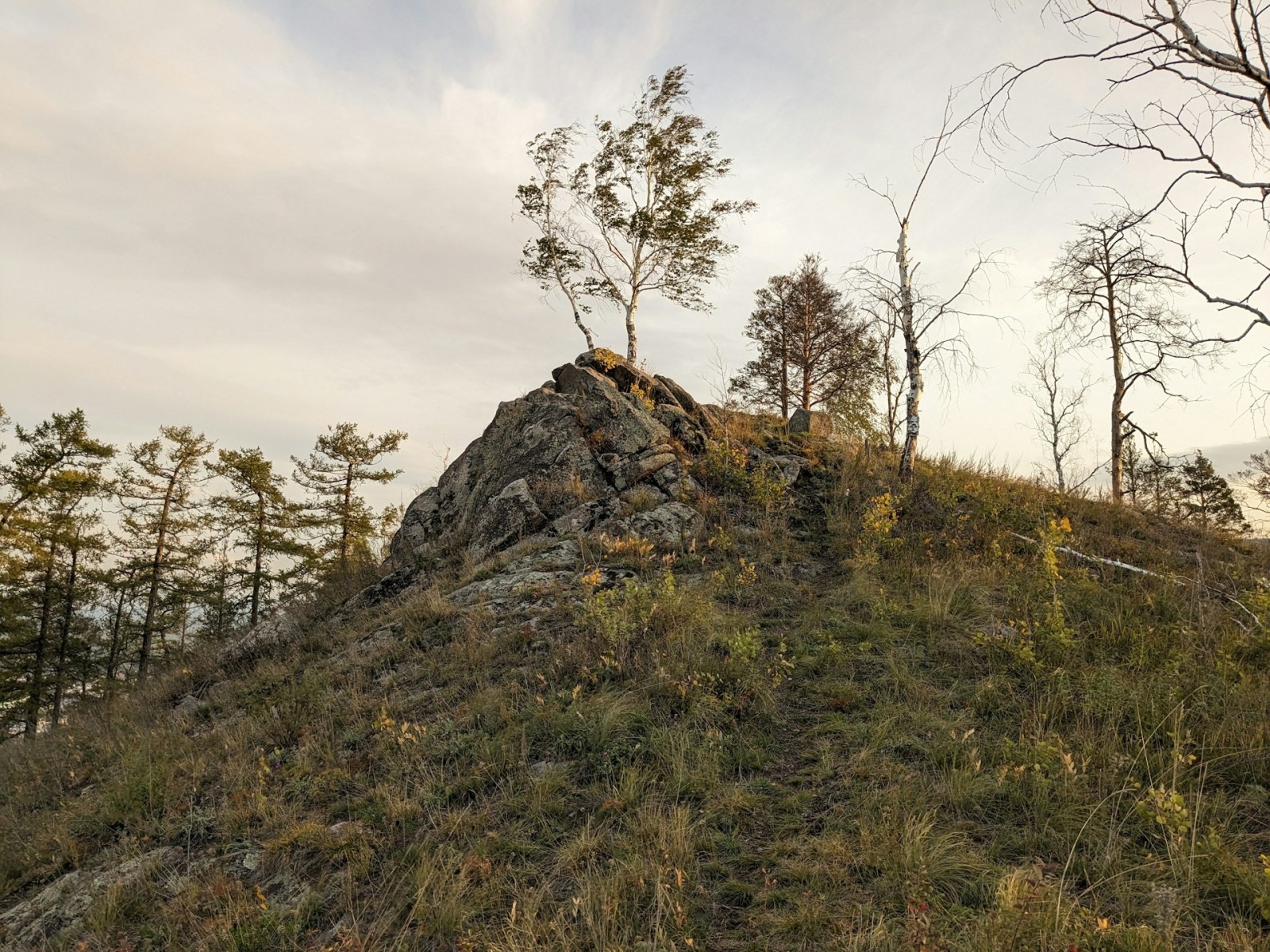
The main tourist advantage of Miass is its location among the natural attractions of the Southern Urals. In the immediate vicinity are Lake Turgoyak, Ilmen State Reserve, mountain ranges, forests and numerous small lakes. The natural potential is considered one of the main tourist resources of the Miass urban district.
Especially famous is Turgoyak - one of the most picturesque and clean lakes of the Urals. In summer, people come here for beach rest, swimming, boating and sappords, fishing and water entertainment, and in other seasons for walking along the shore, taking photos and relaxing in nature.
No less interesting is the Ilmensky Reserve, famous for its unique combination of mountain landscapes, minerals, forests and rare natural objects. Its natural science museum is considered one of the most significant geological and mineralogical museums in Russia.
History and atmosphere of the old city
Miass is interesting not only nature. The historical part of the city has preserved the atmosphere of the old Ural mining settlement, the history of which begins in 1773.
Here you can see ancient urban buildings, buildings associated with the development of gold mining, merchant houses and monuments of industrial history. Of particular interest is the Miass City Museum of Local History, which allows you to learn about the foundation of the city, the gold rush, the development of industry and the life of local residents.
For a tourist, this is a good way to see not only a modern city, but also to understand how a large industrial center grew out of a small copper smelter.
City of Gold
Miass has an unusual historical heritage - gold was actively mined here during the XIX century. Thanks to numerous deposits, the city became one of the most important centers of gold mining in the Southern Urals.
Therefore, the trip can be supplemented by acquaintance with the history of gold mines, mining and Ural minerals. For lovers of geology, Miass is especially interesting due to the Ilmen Mountains and the richest mineral collections.
Cars and Industrial Tourism
Modern Miass is known not only for nature, but also for industry. The city is one of the centers of the Russian automotive industry, primarily due to the production of Ural trucks. At the same time, a large scientific and technical complex associated with the rocket, space and defense industry was formed here.
This creates opportunities for industrial and technical tourism. Lovers of cars and engineering will be interested to learn about the history of production of famous Ural trucks and industrial development of the city.
High-level hotels
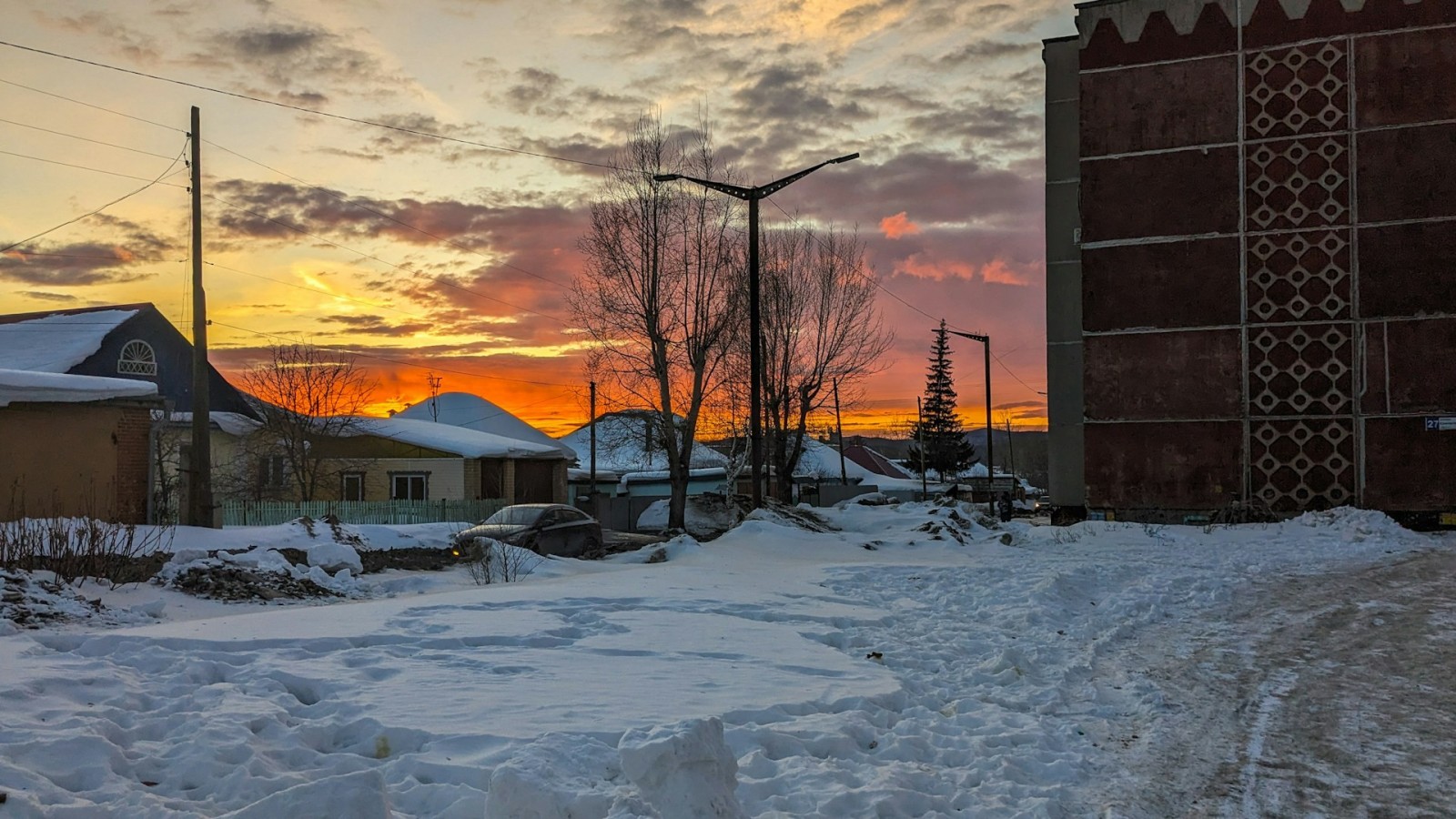
For a comfortable stay, you can choose resort hotels and 4-star hotels.
Peak is a modern hotel on the territory of the resort "Sunny Valley". Suitable for outdoor activities, especially in winter, as well as for family trips. The hotel provides breakfast, spa area, sauna and other amenities.
Business Residence & SPA is an apart-hotel on the territory of the Sun Valley. A good option for those who are interested in increased comfort, spa and the ability to stay for a few days.
Krutiki Resort is a resort hotel in the area of Lake Turgoyak. The main advantage is the location among nature and proximity to the lake. On the territory there are SPA, swimming pool, baths and other opportunities for recreation.
Turgoyak City is an option of accommodation directly near Lake Turgoyak. It is of interest primarily for tourists who want to spend more time in nature and relax by the water.
Mid-range hotels
For excursion or business trip, it is not necessary to choose a resort complex. In Miasse itself, there are mid-range hotels with a more affordable cost of living.
Ilmen is one of the traditional urban options. The hotel is located near the train station, so it is convenient for travelers coming by train.
Palitra is a city hotel suitable for short trips and stays for a few days.
SV, hotel - another option of urban accommodation of the average price level.
Miasquit is a practical option for tourists who primarily need standard hotel conditions and a convenient location in the city.
MIASS is a hotel option in the central part of the city, which can be convenient for both tourists and traveling for work.
Small hotels
There are many small hotels and mini-hotels in the city. They are suitable for tourists who spend most of their time on excursions and nature, and the hotel is used mainly for overnight stays.
For example, Hotel Naberezhnaya is located in the urban part of Miass and is suitable for a short stop.
The main advantage of small hotels is a calmer atmosphere and often more affordable cost than that of large resort complexes.
Hostels and budget accommodation
For young travellers, single tourists and those looking to cut costs, Miass has hostels.
Green Hostel. Budget accommodation in the city.
Hostel Transit is suitable primarily for a short stop.
Polykarp Hostel and Polykarp Holiday Base are low-cost accommodation options for travelers who care more about price than a wide range of hotel services.
Hostels are especially convenient for those who travel one or a small company and do not want to overpay for a separate hotel room.
Guesthouses
Guest houses are one of the most interesting options for recreation in the Turgoyak area. They allow you to live closer to nature and often have a homely atmosphere.
Turgoyak hut is a guest house in the village of Turgoyak, convenient for rest near the lake.
Guest House Lake - accommodation option directly in the area of Turgoyak.
Fanil has a small guest house in Miass.
For a family trip or vacation for a few days, a guest house is often more convenient than a regular hotel room.
Lake Turgoyak
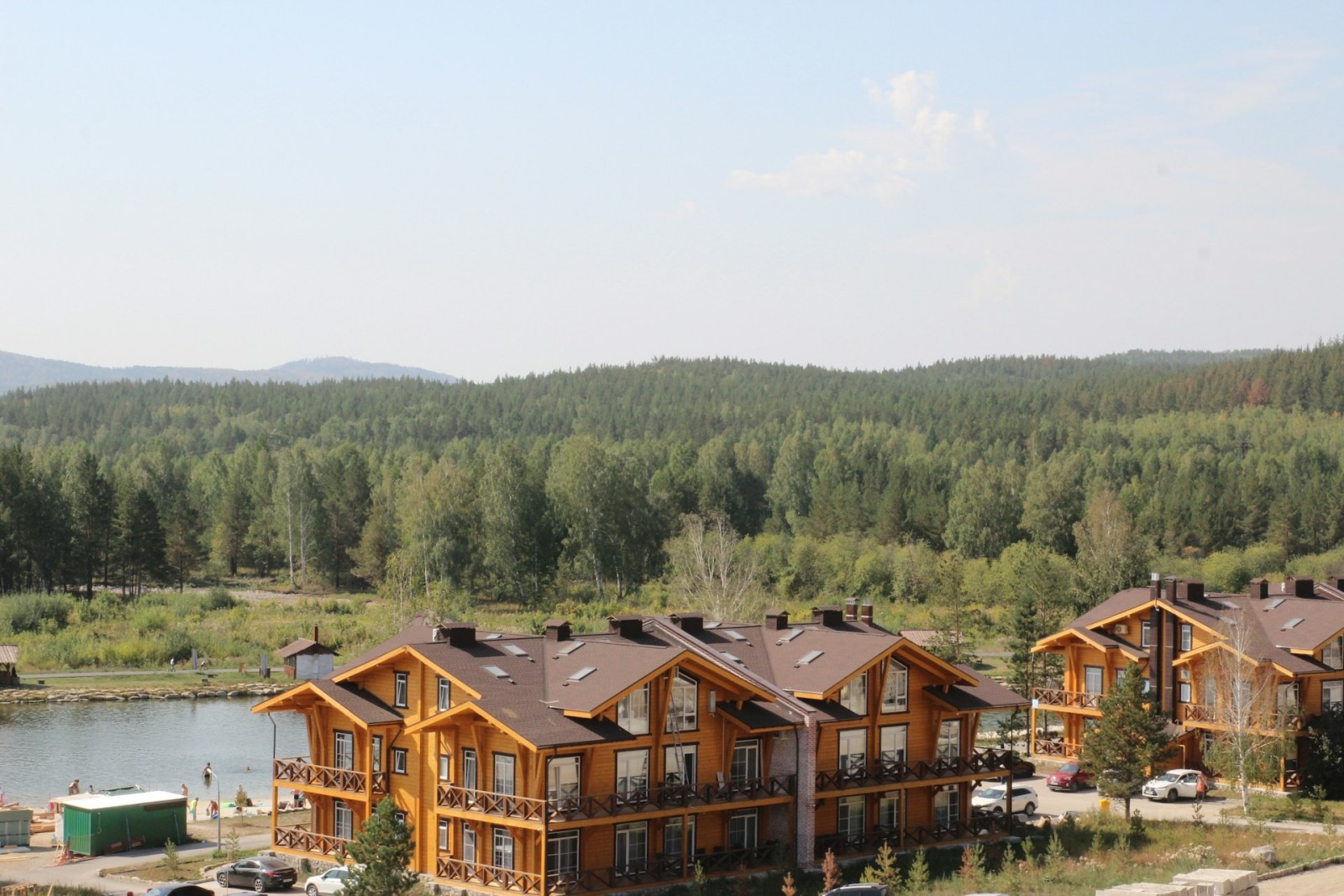
Lake Turgoyak is the main natural attraction of Miass and one of the most famous natural areas of the Southern Urals. It is surrounded by forests and mountains, and the picturesque shores are suitable for walking, relaxing by the water, taking photos and various water activities. The lake also houses the island of Vera with archaeological sites and ancient megalithic structures.
Transport accessibility: From Miass to the lake area can be reached by car, taxi or public transport. For certain parts of the coast it is more convenient to use a car. Official tourist routes also provide access to Turgoyak by bus or personal transport.
Island of Faith
The island of Vera is located on Lake Turgoyak and is of interest primarily due to archaeological sites and ancient stone structures. This is one of the most unusual sights of the surroundings of Miass.
Transport accessibility: first you need to get to the shore of Turgoyak, then use water transport. Visiting the island is more convenient to plan as part of a tour or organize a boat crossing in advance.
Ilmen State Reserve
Ilmensky Reserve is one of the main natural attractions of the region. It is famous for its rich mineral diversity, mountain landscapes, forests and scientific heritage. The territory of the reserve has a special security regime, so certain routes and facilities are available for tourists, and not free visit to the entire territory.
Transport accessibility: accessible tourist sites of the reserve can be reached by car or bus. The official tourist route provides for a visit to the museum of the reserve with a subsequent move to Turgoyak.
Natural and Scientific Museum of Ilmensky Reserve
The museum is dedicated to the geology, minerals, plants and fauna of the Southern Urals. The exhibition presents collections of Ilmen minerals and biological exhibits. The museum is one of the largest geological and mineralological museums in Russia.
Transport accessibility: The museum can be reached by car or public transport. A visit is conveniently combined with a trip to the Ilmensky Reserve.
Miass Museum of Local History
The local history museum is located in the historical part of the city and introduces the history of Miass, its mining past, gold mining, nature and culture of the Southern Urals. Among the exhibits there are materials dedicated to the famous gold nugget "Big Triangle".
Transport accessibility: the museum is located in the central historical part of the city. It can be reached by public transport or taxi, and other historical sites of Old Miass are convenient to explore on foot.
House of merchant Smirnov
The house of the merchant Smirnov is a historical merchant mansion in Old Miass. Today there are museum and cultural spaces that allow you to get acquainted with the life and traditions of the old city.
Transport accessibility: located in the historic part of Miass. It is most convenient to get by public transport or taxi, after which to continue acquaintance with Old Miass on foot.
Historical Center of Old Miass
The old part of the city is interesting with preserved historical buildings, merchant houses, buildings of former trading establishments and objects related to the development of gold mining. The tourist route along Old Miass includes a local history museum, ancient houses, commercial buildings, a church and other historical sites.
Transport accessibility: Most of the sites are relatively compact, so the historic center is best explored on foot. You can get to the beginning of the route by bus, trolleybus or taxi.
Museum of the History of Ural Automobile Manufacturers
The museum tells about the history of automobile production in Miass and the development of the enterprise producing the famous Ural trucks. This is one of the most interesting sights of the city for fans of cars, technology and industrial history.
Transport accessibility: the museum is located in the Automobile Plant area. Other parts of the city can be reached by public transport or taxi. It is convenient to visit a separate route along with other attractions of industrial Miass.
French roller coaster
The French hill is a natural attraction in the vicinity of Miass, interesting due to the characteristic Ural terrain and the opportunity to take a short walk in nature.
Transport accessibility: it is most convenient to get by car or taxi. Depending on the selected entrance part of the way may require walking.
Ustinovsky canyon
Ustinovsky Canyon is a picturesque natural object with rock formations and an unusual relief. The place is suitable for walks, photography and small hikes.
Transport accessibility: located outside the central part of the city, so the most convenient car. After entering the area, you will need to walk part of the route.
Observation platforms and ecotropes at Turgoyak
In the Turgoyak area, natural routes and observation decks are equipped with views of the lake and the surrounding mountains. In particular, tourist routes include the ecotrope "Krutiki" and an observation deck on the rock.
Transport accessibility: the area can be reached by car or bus, and then continue the route on foot. To visit the ecotrope, you should use comfortable shoes.
Ski center "Sunny valley"
Large sports and tourist complex in the vicinity of Miass. In winter, you can ski and snowboard here, and in the warm season the territory is used for active recreation and country trips. "Sunny Valley" is one of the main tourist sites of the Miass urban district.
Transport accessibility: it is most convenient to get by car or taxi. In the winter season, when traveling by public transport, it is necessary to check the current routes and schedules in advance.
Winter - December, January, February
New Year and Christmas events – December-January. Festive concerts, Christmas trees, fairs, performances and family programs.
Lake Ice Race - January. An unusual winter race on the ice of Lake Turgoyak. In 2025, it took place on January 19.
Russia's skiing is Feb. Mass ski race with the participation of professionals and amateurs.
Maslenitsa - February-March. Large festivities with concerts, fairs, games, traditional treats and folk fun.
Spring - March, April, May
The Maslenian festivities are March. One of the most popular events with a large number of participants.
Theatrical and creative festivals - March-April. There are performances, competitions of amateur theaters, creative evenings and concerts.
Celebrations for Victory Day - May. Concerts, commemorative events, exhibitions and patriotic programs.
"Museum Night" is May. Museums hold evening excursions, exhibitions, lectures, concerts and special programs.
Summer - June, July, August
Ilmen festival of author's song - June. One of the most famous music festivals in the region, which has been held annually since 1973. The program includes concerts, a song contest, master classes and creative meetings.
"Kupala - Green Sanctuaries" - June. Folklore festival with folk music, dances, traditional rites and entertainment.
The Miass bicycle parade is June. Massive sports event for bike lovers.
International Sports Festival "Turgoyak" - June-July. A major series of competitions in swimming, triathlon, duathlon, running and cycling. In 2026, the festival program was held from June 27 to July 26.
"Taste of Turgoyak." Summer" - July. A gastronomic festival featuring restaurants, local producers and chefs. In 2026, it was held on July 10-12.
GEOWAVE - July. Music festival on the shore of Turgoyak with concerts, electronic music, dances and sports activities. In 2026, it took place on July 17-19.
International swim X-WATERS Ural - July. Open water swimming competitions in Turgoyak.
The Legends of Turgoyak cycling marathon - July. A sports event for cycling lovers.
Rowing marathon "Pearl" - July. Water competitions taking place in Turgoyak district.
Summer concerts and city holidays - June-August. Outdoor venues host musical performances, family programs, festivals and entertainment events.
Autumn - September, October, November
Sports competitions and races - September. In autumn, various athletics, cycling and other sports events are still held.
Concerts and creative evenings - September - November. The main cultural life is gradually moving into the houses of culture, theater and concert venues.
Exhibitions and museum events - September-November. Historical exhibitions, lectures, excursions and thematic programs are held.
City day is autumn. The festive program usually includes concerts, cultural events, exhibitions and mass festivities. It is better to specify the date and program immediately before the trip.
National Unity Day is November. Thematic concerts, exhibitions and cultural programs are held.
Winter - December, January, February
December: approximately -8...-13 °C, severe frost and snow are possible.
January: The coldest month is about -14. -19 °C, at night the frost can be much stronger.
February: around -10... -16 °C, gradually increasing the duration of daylight.
Water temperature: Lake Turgoyak is covered with ice, so swimming is not possible.
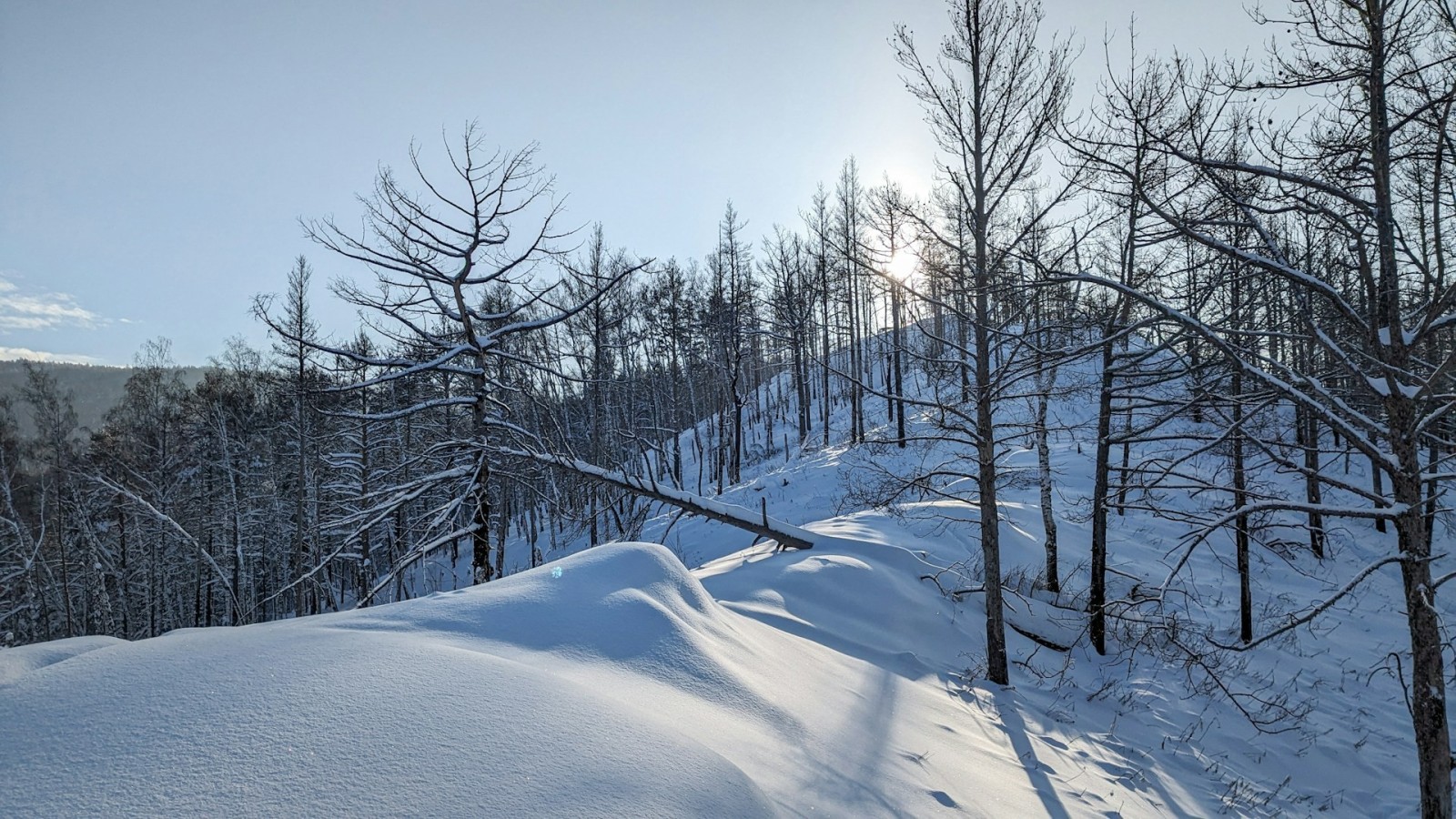
Winter is suitable for skiing, skiing, winter festivals and trips to the “Sunny Valley”.
Spring - March, April, May
March: about -5... +2 °C, the snow gradually begins to melt.
April: approximately +3 ... +10 ° C, the weather is changeable, frost is possible.
May: About +10... +18 °C, it becomes much warmer, nature quickly comes to life.
Water temperature in Turgoyak: in May, usually about +10. +14 °C, so the water is still cold for swimming.
Spring is well suited for museums, excursions and first hiking trails, but for a beach holiday it is still early.
Summer - June, July, August
June: about +17 ... +22 °C in the afternoon. The water in Turgoyak gradually warms up to about +16. +20°C.
July: The warmest month is about +20. +24 °C, sometimes the temperature rises above +25 °C. The water in the lake is usually about +19 ... +22 ° C, and in some shallow areas it can be warmer.
August: about +19 ... +23 °C in the afternoon. This is one of the best months to relax in nature, and the water in Turgoyak usually keeps the temperature around +20 ... +22 ° C. The highest average monthly water temperature is in August.
Summer is the best time to travel to Miass. You can combine excursions, mountain walks, rest on Turgoyak, swimming, water entertainment and visiting numerous festivals. The most favorable period for recreation in the open air is considered mid-June - mid-August.
Autumn - September, October, November
September: around +10... +17 °C, the first half of the month is usually comfortable for walking. Water in Turgoyak gradually cools to +13. +17°C.
October: about +2...+9 °C, it becomes cool, the first frosts and snow are possible.
November: about -5... -9 °C, a steady cooling begins.
Autumn is especially good for hiking, photography and trips to the Ilmensky Reserve: the forests acquire bright autumn colors, and there are fewer tourists.
Language of communication
Russian is the main and in fact the only necessary for everyday communication. Russian is spoken in hotels, cafes, shops, museums, transport and tourist sites.
English can be found in large hotels and tourist places, but you should not count on free communication in English. It is advisable to have an interpreter on the phone.
Local speech - residents speak Russian without a separate urban dialect, but in conversation you can find words and local expressions characteristic of the Urals.
Traditions and customs
Respectful treatment – when communicating with strangers, it is customary to use polite forms: “hello”, “please”, “thank you”.
Respect for the older generation – a polite attitude to the elderly is traditionally welcomed, giving up a seat in public transport is considered a good tone.
Rules of conduct in museums - you can not touch exhibits without permission, you should only photograph with a flash where it is allowed.
Behavior in nature - it is especially important to follow the rules on the territory of the Ilmensky Reserve. You can not leave garbage, damage plants, make fires in prohibited places and go off the permitted routes.
Rest near Lake Turgoyak - it is necessary to observe the cleanliness of the coastal territory, not to leave garbage and observe safety rules on the water.
Attitude to local culture - Russian folk, Tatar, Bashkir and other cultural events are held in the city. When visiting national holidays, it is advisable to respect local traditions and customs.
Photographing people - when shooting strangers close-up, it is better to ask permission in advance.
Basic laws and regulations
Documents – the tourist should have a passport or other identity document. To stay in the hotel will also require an identity document.
Alcohol is prohibited to drink alcohol in public places, except for specially authorized areas of catering establishments.
Smoking – Smoking is prohibited in places where it is prohibited by Russian law, including a number of public and enclosed areas.
Nature conservation areas - when visiting the Ilmensky Reserve, it is necessary to observe the established protection regime. Some areas may be closed for free visits.
It is forbidden to collect minerals, plants and other natural objects in specially protected areas without appropriate permission.
Road traffic – pedestrians need to cross roads at pedestrian crossings, and drivers must comply with speed limits and other traffic rules.
Bathing - you should use only permitted places for rest on the water and follow the established safety rules. In mountainous and natural areas, it is especially important to consider weather conditions.
Public behavior - it is necessary to observe public order, not to disturb the peace of others, not to damage property and comply with the legal requirements of police and other services.
1. Local produce and food
From the trip you can bring:
Ural honey is natural honey from herbs, forest and mountain plants;
jam and jams from forest berries - blueberries, lingonberries, cranberries, raspberries;
dried berries and herbs are a convenient option for transportation;
pine nuts and products from them - nuts, paste, goats;
Ural herbal teas - collections from Ivan-tea, mint, thyme and other herbs;
fishery products - if purchased legally and in compliance with storage conditions;
Local sweets and confectionery are a convenient souvenir for friends and relatives.
Especially well suited products with a long shelf life, which can be easily brought home.
2. Minerals and stones
This is one of the most characteristic souvenirs of Miass. Ilmen mountains are famous for a variety of minerals, so in specialized shops and souvenir shops you can buy:
mineral samples;
decorative stones;
small geological collections;
jewelry with natural stones;
Souvenirs made of stone.
At the same time, you should not independently collect minerals on the territory of the Ilmensky Reserve. For purchase, it is better to choose official stores and collectible sets.
3. Stone products
From the region you can bring practical and decorative products:
small boxes;
keychains;
stands;
figurines;
souvenir panels;
jewelry made of natural stone.
Such a gift conveys the connection of Miass with the geology and mountain wealth of the Urals.
4. Medical and health-improving products
As natural remedies, you can pay attention to:
herbal tea collections;
dried berries;
natural honey;
beekeeping products;
Balms and cosmetics based on herbs;
Coniferous and plant fees.
Such products are better perceived as traditional food or cosmetics, and not as a substitute for drugs. When buying ready-made funds, it is worth checking the composition, shelf life and the presence of markings.
5. Souvenirs with Miass symbols
A good gift will be souvenirs with images of Lake Turgoyak, Ilmen Mountains and Ural cars:
magnets;
postcards;
cups;
T-shirts;
caps;
badges;
keychains;
Small models of cars "Ural".
Especially interesting models of trucks "Ural" for collectors and motorists.
6. Souvenirs associated with Turgoyak
From the lake area you can bring:
photos and postcards with views of Turgoyak;
Souvenirs depicting the lake and the island of Faith;
products of local craftsmen;
decorative products made of wood;
Tourist accessories with the symbols of the region.
7. Folk craftsmen's products
As an unusual gift, you can buy products made of wood, birch bark, textiles and other natural materials. Interesting are small decorative items, kitchen utensils, toys and handmade products.
Miass is generally suitable for a relaxing tourist holiday. The main risks are associated not so much with the urban environment, but with trips to the mountains, forests and Lake Turgoyak: it is necessary to take into account the weather, the state of routes and the rules of behavior in nature.
Documents
Citizens of Russia – passport of the Russian Federation or other identity document. When checking into a hotel, an identity document will be required.
Foreign tourists - a foreign passport, a valid visa, if it is required for the citizenship of the tourist, as well as documents confirming the legality of stay in Russia.
Migration registration – for foreign citizens when entering and living in Russia, the rules of migration registration apply. In the hotel, the necessary information is usually transmitted to the migration registration authorities by the administration of the accommodation facility.
Insurance
Foreign tourists are recommended to have medical insurance valid in Russia.
For active recreation, it is desirable that the policy covers injuries during sports, hiking, mountain routes and other activities, if the tourist plans a similar vacation.
When traveling by car, it is necessary to have appropriate documents for transport and a valid compulsory insurance policy.
Emergency services phones
In Russia, there is a single emergency number 112. Separate numbers are also used: 101 – fire service and rescuers, 102 – police, 103 – ambulance, 104 – emergency gas service.
112 is a single emergency number.
101 are firefighters and rescuers.
102, police.
103 - Emergency medical care.
104 - Emergency Gas Service.
The number 112 is especially convenient for tourists, as the operator can direct the call to the necessary emergency service.
Mobile communications
The main Russian mobile operators operate in Miass:
MTS has its own network in Miass, including 4G.
MegaFon is one of the main operators of Russia.
Beeline - provides mobile communication and the Internet.
t2 - works in the region.
Yota uses partner network infrastructure.
In the city itself, mobile communication is usually available well, but when traveling to mountains, forests and remote areas, the signal can become unstable. Therefore, before the trip, it is advisable to download an offline map, inform your loved ones about the route and have a fully charged phone.
Safety at Lake Turgoyak
Swimming should only be done in safe and permitted places.
It is not necessary to sail far from the shore on boats, upboards and other swimming aids without the appropriate experience.
Before water walks, you need to take into account the weather forecast and wind strength.
Do not go out on the ice during its formation or destruction.
Children on the shore and on the water require constant adult supervision.
Safety in mountains and forests
Before the trip, you need to check the weather forecast.
It is better to go on difficult routes in a group.
It is advisable to have a charged phone and a spare battery.
It is not recommended to go far from the designated tourist routes without preparation.
In protected areas, it is necessary to observe the established visiting regime and not to collect minerals, plants and other natural objects independently.
With a long walk, you should take water, a small first aid kit, a charged phone and clothes for the weather.
How long can you stay in Russia without leaving?
There is no single term for all foreign tourists – the duration of the permitted stay depends on citizenship, visa regime and the reason for entry.
For citizens of countries with a visa-free regime, the period of stay established for a specific category of foreigners is valid; for visa tourists, the period is usually determined by the validity of the visa and the allowed period of stay.
Therefore, when planning a trip, it is important to check the rules specifically for the citizenship of the tourist, and not to focus on the general term. For a long trip, it is also necessary to take into account the requirements of migration registration.
Create a query and local guides will offer you the best options