Independent tourism and recreation in Cardiff Historical information about the city of Cardiff The oldest hist...

I am independent of the various guilds, unions and other self-appointed 'competent' bodies, a guide working in the UK. I …
The oldest history of the territory
Cardiff is the capital of Wales and the largest city in the country. Its history dates back almost two thousand years and is closely connected with the Romans, Normans, medieval castles, maritime trade and the industrial revolution.
The territory of modern Cardiff was inhabited long before the arrival of the Romans. Here lived the Celtic tribes of Silures, who inhabited the south-east of Wales. They were engaged in agriculture, cattle breeding and trade with neighboring regions of Britain.
The convenient location at the mouth of the River Taff, which flows into the Bay of Bristol, made this area an important strategic point in ancient times.
Roman period
Around 55–75 AD, the Romans began an active conquest of what is now Wales.
To control the region, they built a military fortification on the site of Cardiff Castle. The Roman fort is considered to be the first major structure on the territory of the future city.
The fort protected important roads and helped control local tribes.
Over time, a military camp has emerged:
craft workshops;
houses;
warehouses;
outlets.
The remains of the Roman walls can still be seen at Cardiff Castle.
After the withdrawal of the Romans in the early fifth century, the fortifications gradually fell into decline, but the population continued to live in this area.
Early Middle Ages
After the fall of the Roman Empire, the region came under the rule of local Welsh rulers.
During this period, the name of the city arose. Most historians believe that the word "Cardiff" comes from the Welsh word "Caerdydd".
There are several versions of the origin of the name, but the most common connects it with an ancient fortress on the Taf River.
For several centuries, the area was attacked by various tribes and Vikings who used the coast for raids and trade.
Norman Conquest
After the conquest of England in 1066, the Normans began to expand their influence in Wales.
In 1091, Norman Lord Robert Fitzhamon built a wooden castle on the site of an old Roman fort, which was later rebuilt in stone.
This is how the famous Cardiff Castle appeared.
The castle became the center of power in the region and played a huge role in the development of the city.
Around the fortress began to form:
craft districts;
markets;
residential areas;
Shopping space.
Medieval Cardiff
In the XIII-XV centuries Cardiff gradually turned into an important trading center of South Wales.
The city received the right to hold markets and fairs, which contributed to the growth of the population and economy.
The main products were:
wool
skin;
wood;
agricultural products.
Despite the development of trade, Cardiff remained a relatively small city compared to the major English centres.
The Tudor and Stuart era
In the XVI-XVII centuries, Wales finally became part of the English state.
Cardiff continued to develop as a regional administrative centre.
Roads were improved, trade links were expanded and relations with the ports of Bristol and London were strengthened.
By this time the population of the city was only a few thousand people.
The Industrial Revolution
The true heyday of Cardiff began in the late XVIII and especially in the XIX century.
In South Wales, huge reserves of coal were discovered, which became one of the main fuels during the Industrial Revolution.
Cardiff became the largest coal port in the world.
A special role was played by the Bute family, which owned large territories and financed the construction of new docks.
They were built:
Docks of Bute;
railway lines;
warehouses;
shipbuilding enterprises.
By the end of the nineteenth century, millions of tons of coal were exported annually through the port of Cardiff.
The city grew rapidly.
If at the beginning of the XIX century there lived about 2 thousand people, then by the beginning of the XX century the population exceeded 160 thousand inhabitants.
Cardiff, the largest coal port in the world
At the end of the XIX century Cardiff became known almost all over the world.
Its port served ships from:
Europe;
North America;
South America;
Africa;
Australia.
The city became a multinational center, where sailors and traders of dozens of nationalities lived.
It was during this period that the famous docks area known today as Cardiff Bay appeared.
XX century
After the First World War, coal demand began to decline.
The economy of the city gradually changed.
During World War II, Cardiff was bombed by the Germans because the port was an important strategic location.
After the war, the modernization of urban infrastructure began.
In 1955 Cardiff became the capital of Wales.
This was one of the most important events in his history.
In the following decades, the city developed as the political, educational and cultural center of the country.
Establishment of the National Assembly of Wales
At the end of the twentieth century, Cardiff’s importance grew even more.
After a referendum in 1997, the city was home to the Welsh government.
In 1999, the National Assembly of Wales began, and later the Welsh Parliament of Senedd, located in the Senedd Cymru district.
This finally cemented Cardiff's status as the political centre of Wales.
Modern Cardiff
Today Cardiff is the largest city in Wales and one of the most important cities in the UK.
He's known:
the medieval castle of Cardiff;
modern Cardiff Bay area;
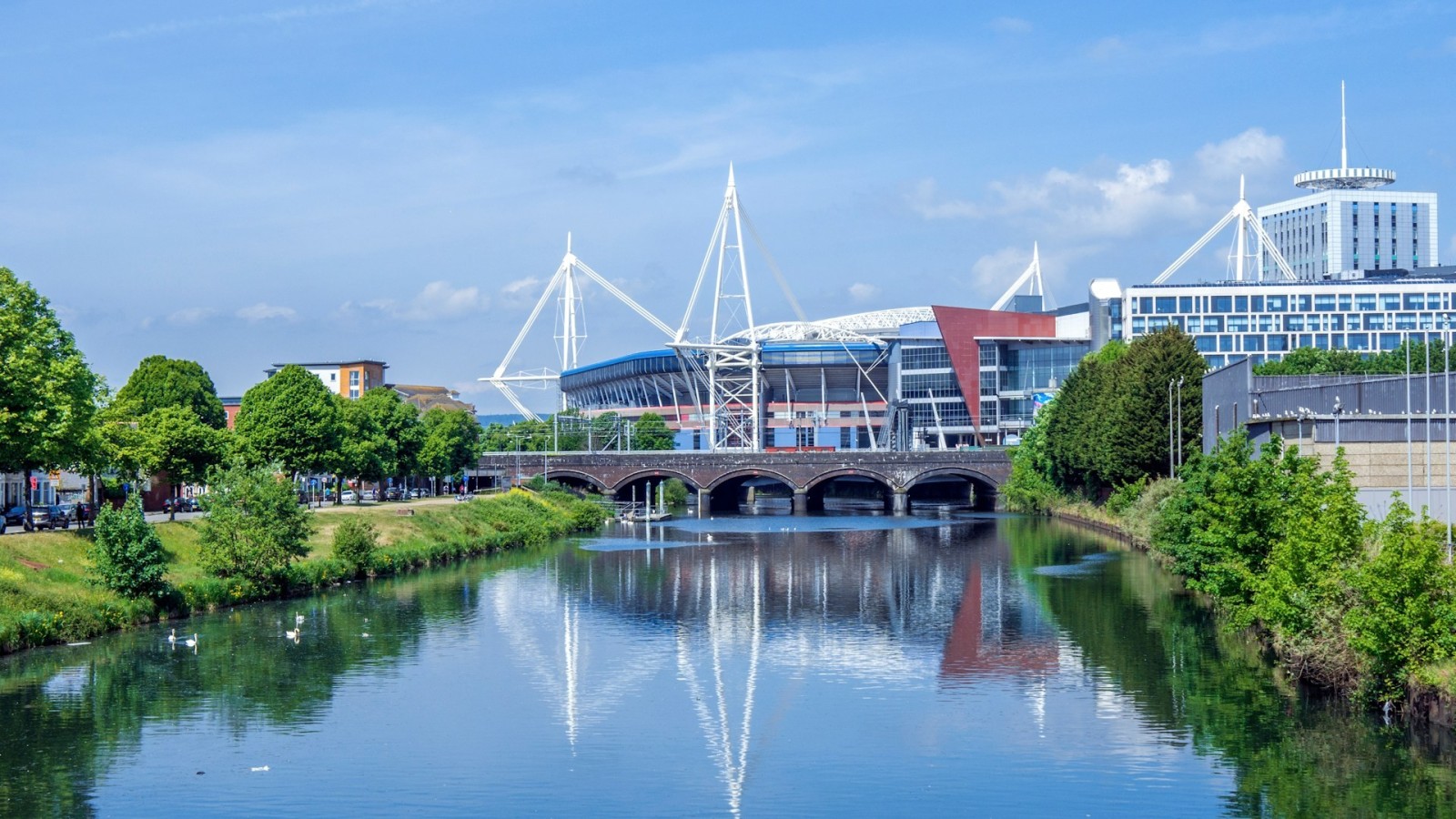
Principality Stadium;
museums and galleries;
universities;
rich Welsh culture.
The city receives millions of tourists every year and is considered one of the most dynamic cities in the United Kingdom.
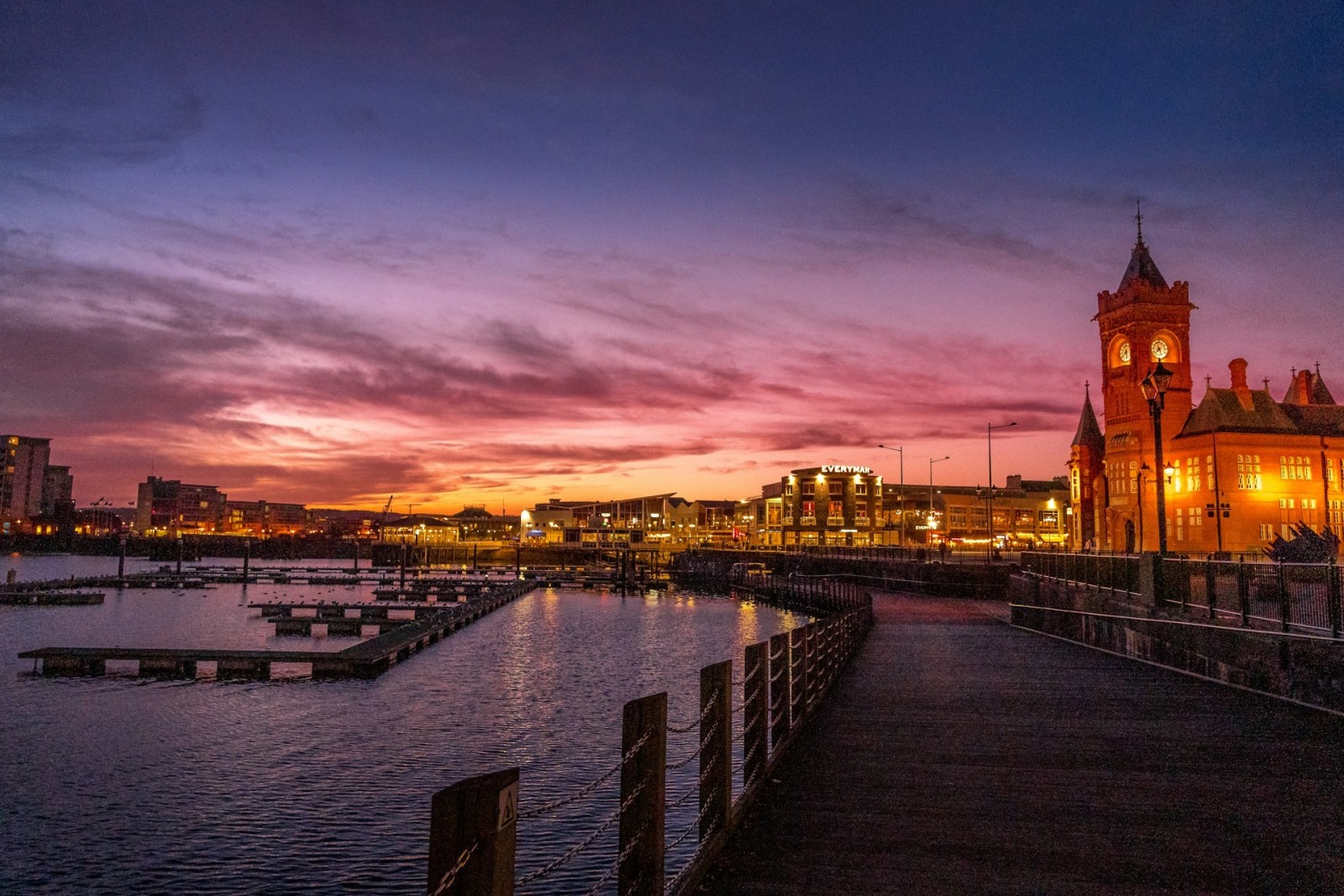
A rich history
Cardiff has almost two thousand years of history. The main historical attraction is Cardiff Castle, located in the heart of the city. Its architecture intertwined Roman, Norman and Victorian eras.
During walks in the center you can see ancient buildings, arcades of the XIX century, historical squares and monuments of Welsh culture.
The modern capital of Wales
Cardiff is the political and cultural centre of the country.
Here are:
Welsh Parliament Senedd Cymru;
national museums;
art galleries;
concert venues;
theaters.
The city is great for those who want to experience modern life in Wales.
Cardiff Bay
One of the most popular tourist areas is Cardiff Bay.
Once there were the largest coal docks in the world, and today it is a modern promenade with restaurants, walking areas, yachts and museums.
Here you can:
ride on a pleasure boat;
visit museums;
Dinner with a view of the water;
Walk along the harbor.
Parks and green spaces
Cardiff is considered one of the greenest cities in the UK.
Especially popular:
Bute Park;
Roat Park;
Victoria Park;
natural areas along the Taf River.
Large green spaces make the city comfortable for walks and family holidays.
Sports Capital of Wales
Cardiff is known all over the world for rugby.
The main sports venue is the Principality Stadium.
This is where they go.
Rugby matches;
football meetings;
concerts of world stars;
major international events.
Even a tour of the stadium is among the popular tourist attractions.
Museums and culture
There are many interesting museums in Cardiff:
National Museum of Wales;
Cardiff Museum;
Museum of Saint Faganza;
Techniquequest for families with children.
Many public museums in the UK have free admission.
Welsh cuisine
While traveling, you should try traditional dishes:
Welsh Cakes cakes;
Welsh lamb;
Caerphilly cheese;
traditional Welsh breakfast;
local beer and cider.
Comfort for tourists
Cardiff is considered one of the most convenient cities in the UK for travelers.
Advantages:
compact centre;
developed public transport;
a large number of hotels;
convenient walking routes;
The proximity of most of the attractions to each other.
Many interesting places can be visited on foot in one or two days.
Nature near the city
From Cardiff it is convenient to go on excursions to Wales.
Nearby are:
the coast of Bristol Bay;
Brecon Beacons National Park;
ancient Welsh castles;
The picturesque valleys of South Wales.
Therefore, the city is often used as a base for traveling around the country.
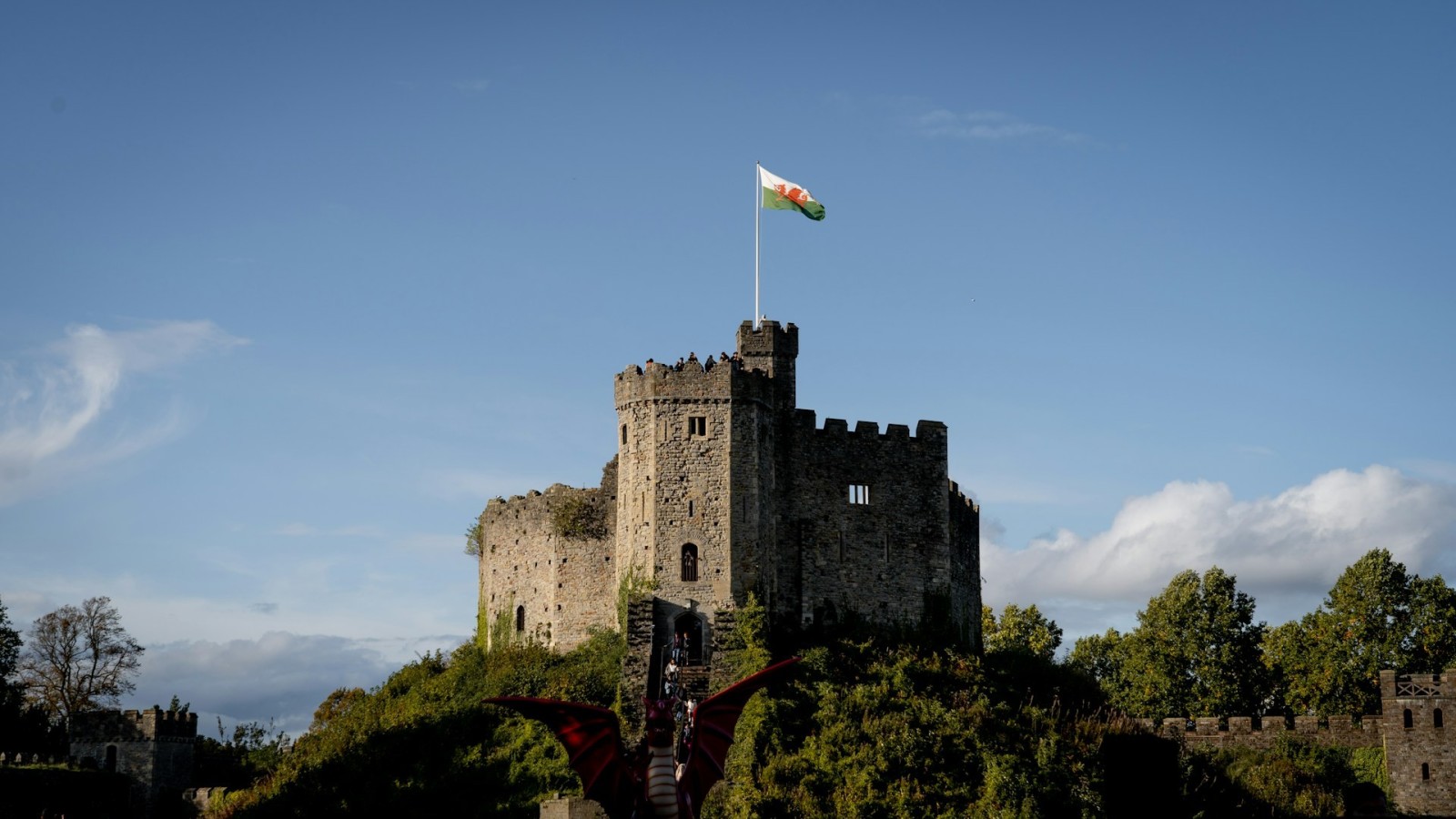
Hotels 5★ Hotels
The highest level of comfort, spa complexes, restaurants, fitness rooms and excellent location.
Popular options:
The Parkgate Hotel is one of the best hotels in the city near the stadium and the castle.
Hilton Cardiff is located opposite Cardiff Castle.
voco St. David's Cardiff by IHG is a luxury hotel on Cardiff Bay seafront overlooking the bay.
Average cost:
between £180 and £400 a night.
Hotels 4★
The most popular category among tourists.
Popular options:
Hotel Indigo Cardiff by IHG is a stylish boutique hotel in the center.
Cardiff Marriott Hotel is close to shops and train station.
Radisson Blu Hotel, Cardiff is a modern city hotel.
Novotel Cardiff Centre is a good option for family holidays.
Holland House Hotel Cardiff By Sunday is a spa hotel.
Average cost:
between £100 and £220 a night.
Hotels 3★ Hotels
Comfortable accommodation at a reasonable price.
Popular options:
Leonardo Hotel Cardiff.
Holiday Inn Cardiff City Centre by IHG
Holiday Inn Express Cardiff Bay by IHG
Royal Hotel Cardiff by Belvilla.
Angel Hotel Cardiff.
Average cost:
£70 to £150 a night.
Boutique hotels
For those who prefer an unusual atmosphere and individual style.
Popular options:
Parador 44 is a small design hotel in the city center.
The Coal Exchange Hotel is located in the historic building of the former coal exchange.
Average cost:
120 to 250 pounds a night.
Guesthouses and B&B
The traditional British accommodation option.
Popular options:
The Riverhouse is a cozy guest house near the center.
Lincoln House Hotel is a small family hotel in the prestigious area of Pontcanna.
Average cost:
£50 to £120 a night.
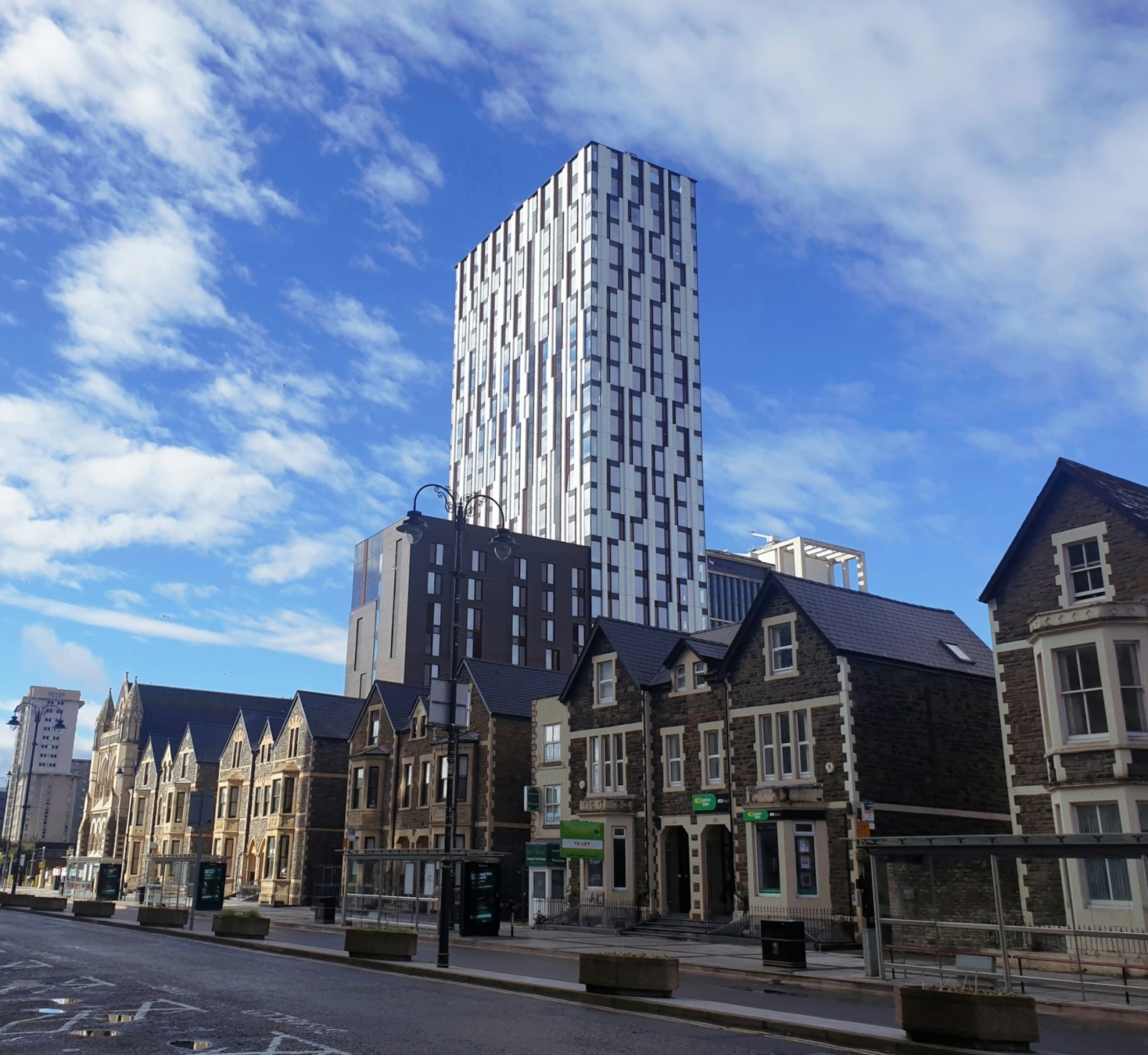
1. Cardiff Castle (Cardiff Castle)
The main attraction of the city and one of the most famous castles in the UK.
On the territory you can see:
Roman walls;
Norman fortress;
luxurious Victorian interiors;
Towers and underground shelters during the Second World War.
Transport accessibility:
located in the city centre;
5-10 minutes walk from Cardiff Central Station
There are bus stops nearby.
2. Cardiff Bay (Cardiff Bay)
A modern area on the site of the former docks, which has become one of the symbols of modern Cardiff.
Here are:
waterfront;
restaurants;
yacht harbor;
concert venues;
museums.
Transport accessibility:
Cardiff Bay Line train from Cardiff Queen Street Station
city buses;
water taxi from the city center;
Taxi and bicycle rental.
3. Senedd – Parliament of Wales (Senedd Cymru)
A modern Welsh Parliament building built using environmental technology.
Visitors can explore parts of the premises free of charge and learn about the political history of Wales.
Transport accessibility:
located in the Cardiff Bay area;
Easy access by train and bus.
4. National Museum Cardiff (National Museum Cardiff)
One of the best museums in Britain.
Exhibits include:
art;
archaeology;
geology;
history of Wales;
Impressionist collections.
Transport accessibility:
It is located in the city centre;
easy to reach on foot;
There are bus routes nearby.
5. Bute Park (Bute Park)
One of the largest urban parks in the UK.
On the territory are:
walkways;
gardens;
historical sites;
bicycle routes.
Transport accessibility:
located near Cardiff Castle;
Available on foot from downtown.
6. Principality Stadium (Principality Stadium)
The national stadium of Wales and one of the largest sports arenas in the UK.
This is where they go.
Rugby matches;
football meetings;
World star concerts.
Transport accessibility:
city centre;
near Cardiff Central railway station;
Easy access on foot.
7. The St Fagans National Museum of History
One of the most famous museums in Wales.
There are historical buildings from all over the country:
farms;
churches;
schools;
craft workshops.
Transport accessibility:
about 7 km from the centre of Cardiff;
city bus;
car;
excursion tours.
8. Castle Coch (Castell Coch)
A fabulous castle of the XIX century, located on a hill among the forests.
It is known for its towers and luxurious interiors.
Transport accessibility:
about 20 minutes by car from the center;
bus routes;
train to Taffs Well station followed by a walk.
9. Roath Park (Roath Park)
A popular resting place for the residents of the city.
Here are:
big lake;
botanical gardens;
walkways;
playgrounds.
Transport accessibility:
city bus;
bicycle;
car.
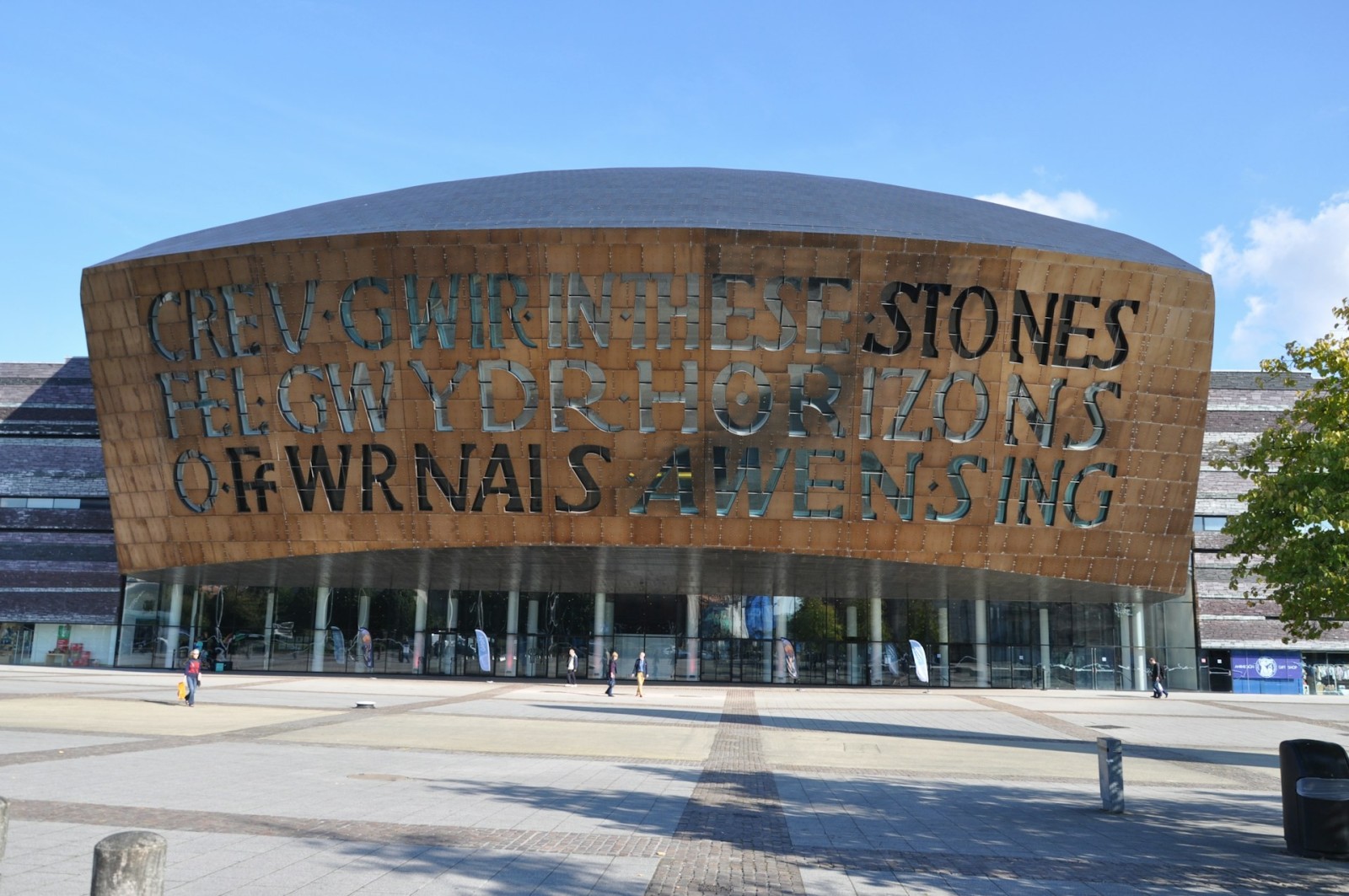
10. The Wales Millennium Centre
The main cultural centre of Wales.
This is where they go.
Opera productions;
ballet;
musicals;
concerts.
Transport accessibility:
Cardiff Bay area;
train;
bus;
water taxi.
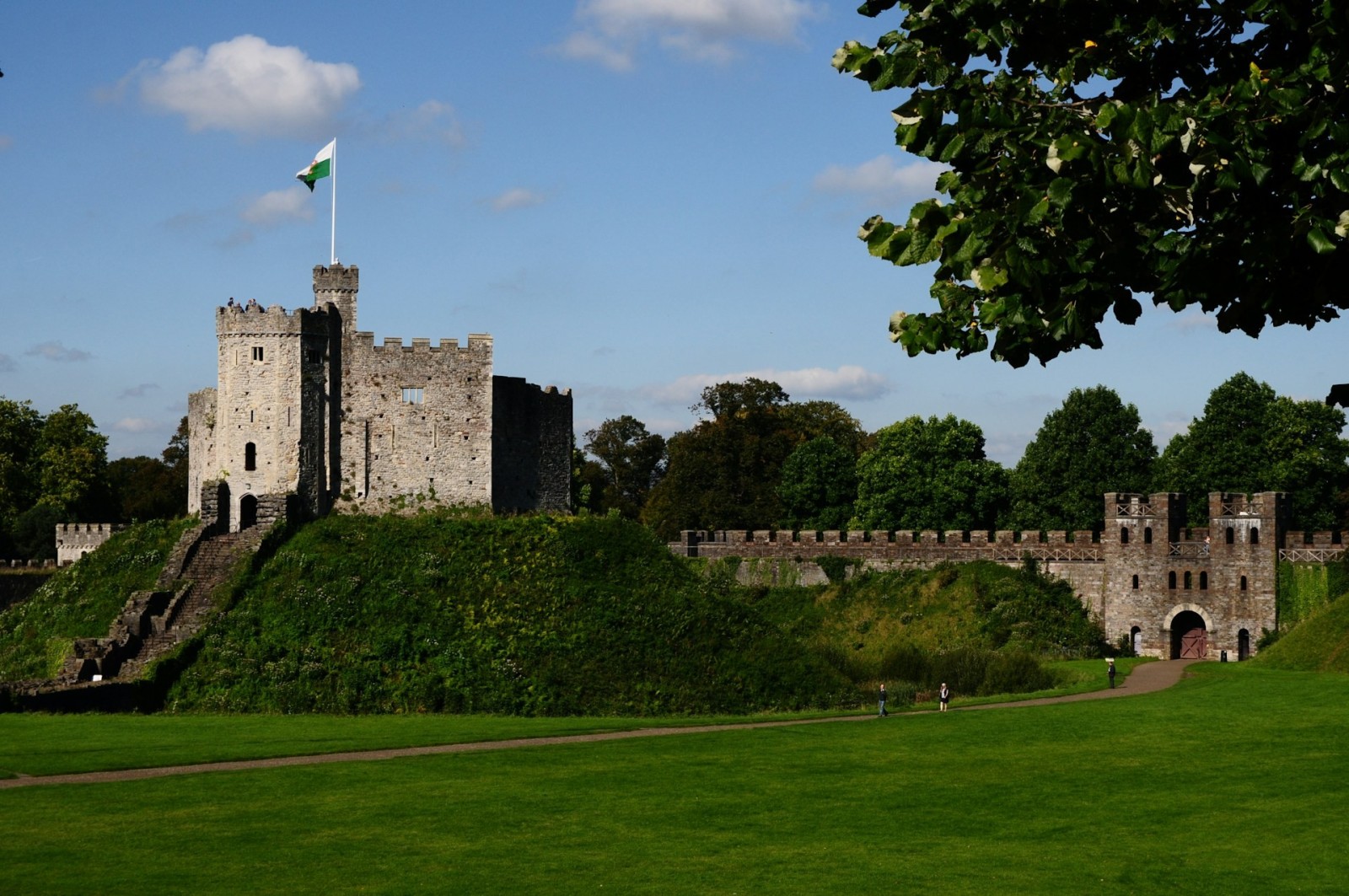
1. Chinese New Year (Chinese New Year)
When: January - February
The celebration takes place in the Cardiff Bay area and the city centre.
In the program:
colorful processions;
dragon dances;
national music;
Asian cuisine;
fireworks.
2. St. David's Day (St. David's Day)
When: March 1
The main national holiday of Wales.
In the city are held:
parades;
concerts of Welsh music;
popular demonstrations;
cultural events.
Residents often wear national costumes and symbols of Wales.
3. Cardiff Half Marathon (Cardiff Half Marathon)
When: March-October (annually according to the schedule of the organizers)
One of the biggest sporting events in the UK.
Thousands of runners come to the city from all over the world.
4. Tafwyl Festival
When: June
The largest festival of Welsh language and culture.
Guests are waiting:
concerts;
exhibitions;
Master classes;
national cuisine;
performances by artists from Wales.
5. Pride Cymru
When: June
One of the biggest summer festivals in Cardiff.
The programme includes:
colorful parades;
concerts;
performances of artists;
cultural events.
6. Cardiff Festival
When: June - August
A series of summer city festivals.
Includes:
free concerts;
family activities;
fairs;
cultural programmes;
Open-air entertainment.
7. Cardiff International Food and Drink Festival
When: July
One of the most famous gastronomic festivals in Wales.
Here you can try:
Welsh cheeses;
seafood;
cider
British cuisine;
international gastronomy.
8. Welsh Proms
When: July
Classical music festival.
In the program:
symphonic concertos;
Choral performances;
works by Welsh and world composers.
9. Summer concerts at Cardiff Castle
When: July - August
Cardiff Castle annually hosts concerts of famous British and world artists.
Also organized are:
open-air film screenings;
Theatrical performances;
historical festivals.
10. Snn Festival
When: October
One of the most famous music festivals in Wales.
Features:
dozens of sites throughout the city;
new musical groups;
Rock, indie, electronics and alternative music.
11. Cardiff International Film Festival
When: October
International Film Festival.
In the program:
film screenings;
meetings with directors;
Master classes;
awards.
12. Iris Prize Film Festival
When: October
One of the most famous film festivals in the UK.
It features independent films from around the world.
Spring (March-May)
Spring in Cardiff is gradually becoming warm and sunny. Parks and gardens are beginning to bloom, and the number of tourists is still relatively small.
march
air temperature: +6... +12 °C
water temperature: +8 °C
April
air temperature: +8... +15 °C
water temperature: +9 °C
May
air temperature: +10... +18 °C
water temperature: +11 °C
Spring is good for excursions, walks around the city and visits to castles.
Summer (June-August)
Summer is considered the most popular tourist season.
June
air temperature: +13... +20 °C
water temperature: +13 °C
July
air temperature: +15... +22 °C
water temperature: +15 °C
Augustus
air temperature: +15... +23 °C
water temperature: +16 °C
Heat above +30 °C is rare. In summer it is comfortable to walk around the city, visit festivals and travel around Wales.
Autumn (September-November)
Autumn begins with mild and warm weather, but gradually becomes more rainy.
September
air temperature: +13... +20 °C
water temperature: +15 °C
October.
air temperature: +10... +17 °C
water temperature: +14 °C
November
air temperature: +7... +13 °C
water temperature: +12 °C
September is considered one of the most pleasant months to travel due to moderate temperatures and fewer tourists.
Winter (December – February)
Winter in Cardiff is mild compared to most regions of Eastern Europe.
December
air temperature: +5... +10 °C
water temperature: +10 °C
January
air temperature: +4... +9 °C
water temperature: +8 °C
February
air temperature: +4... +10 °C
water temperature: +8 °C
Snow falls rarely and usually melts quickly. The main features of winter are humidity, fog and frequent rains.
Cardiff is the capital of Wales and the largest city in the country. Here, modern British culture is closely intertwined with ancient Welsh traditions. Residents of the city are friendly to tourists, but respect for local customs and culture will help make travel more comfortable and enjoyable.
Language of communication
Two languages are officially used in Cardiff.
English (English)
It is the main language of communication in the city.
The English language is:
hotels;
restaurants;
museums;
shops;
public institutions;
transportation.
Most people speak English fluently.
Welsh (Welsh/Cymraeg)
Welsh is the official language of Wales along with English.
In Cardiff, tourists will often see:
bilingual road signs;
street names;
signage;
announcements on transport;
official documents.
Although most people use English daily, Welsh remains an important part of the nation’s culture and identity.
A few popular Welsh words:
Bore da (Bore yes) - Good morning.
Prynhawn da (Prynhawn yes) - Good afternoon.
Diolch - Thank you.
Croeso (Croiso) - Welcome.
Hwyl (Huil) - Goodbye.
Traditions and customs
Respect for Welsh culture
Welsh people are proud of their history, language and culture.
Tourists who take an interest in Welsh traditions are usually treated very warmly by locals.
Politeness in communication
British culture is based on respectful and calm communication.
Words are often used:
Please, please.
Thank you, thank you.
Sorry, sorry.
Even for a little help, I am grateful.
Lines.
In the UK, queues are taken very seriously.
Not accepted:
pass without queue;
take the place of another person;
stampede.
Punctuality
The British appreciate accuracy.
For excursions, meetings, trips and reservations, it is advisable to arrive on time or a few minutes before the appointed time.
Attitude to personal space
Locals usually do not like excessive familiarity at the first meeting.
When communicating, it is recommended to keep a comfortable distance and not ask too personal questions.
Pubs and public life
Pubs are an important part of British culture.
Many residents meet there after work to chat with friends and colleagues.
When visiting pubs, calm and respectful behavior should be observed.
What is desirable to observe tourists
Keep clean
In Cardiff, they are attentive to the cleanliness of public places.
Fines may be imposed for garbage left on the street.
Respect historical monuments
Forbidden:
Destroy monuments;
make inscriptions on buildings;
damage to cultural heritage sites.
Follow the rules of the road
It should be remembered that in the UK there is left-hand traffic.
When crossing the road, it is recommended to look carefully to the right first.
No noise at night
In residential areas, it is advisable to avoid loud noise after late evening.
Basic laws that are important to know
Smoking
Smoking is prohibited:
in public transport;
in most closed public spaces;
in some public areas.
Alcohol
Alcohol can only be bought and consumed under British law.
The sale of alcohol to persons under the age of 18 is prohibited.
Documents
Tourists are advised to carry an identity card or a copy of their passport.
Photo and video recording
Photography of most attractions is allowed, but there may be restrictions in museums and special exhibitions.
Drones
The use of drones is regulated by UK law.
There are restrictions near airports, government buildings and some attractions.
Tipping
Tipping is not always mandatory in the UK but is welcome.
Usually left:
10-15% in restaurants, if not included in the bill;
a small amount for taxi drivers;
Tips to hotel staff if desired.
Main greetings
English
Hello (Hallow) - Hello, hello.
Good morning - Good morning.
Good afternoon - Good afternoon.
Good evening - Good evening.
Good-bye, good-bye.
See you later, see you later.
Welsh
Bore da (Bore yes) - Good morning.
Prynhawn da (Prynhawn yes) - Good afternoon.
Noswaith dda - Good evening.
Croeso (Croiso) - Welcome.
Hwyl fawr - Goodbye.
Polite words
Please, please.
Thank you. Thank you.
Thank you very much, thank you very much.
You're welcome, you're welcome.
- Excuse me. - Excuse me.
Sorry. Sorry.
Useful questions
Do you speak English? (Do you speak English?) - Do you speak English?
Can you help me? (Ken Yu Help Mi?) - Can you help me?
Where is...? (War of?) - Where is...?
How much does it cost? (How much mach daz it bone?) - How much does it cost?
What time is it? (Wat time out of it?) - What time is it?
Can I pay by card? (Ken I Pei Buy Card?) - Can I pay with a card?
At the hotel.
I have a reservation. (Ai heavy reserve.) I have a reservation.
I would like to check in. I would like to check in.
What time is breakfast? What time is breakfast?
Is Wi-Fi Free? (Wi-Fi Free?) Is Wi-Fi Free?
Could I Have Another Room? Can I have another room?
At the restaurant.
A table for two, please. A table for two, please.
May I see the menu? Can I have a menu?
What do you recommend? (Watdu yu recommendation? What do you recommend?
I would like this dish. (Ai Wood like zis dish.) I want to order this dish.
The bill, please. Check, please.
In the store.
How much is this? - How much is this? How much does it cost?
Do you have a smaller size? - Do you have a smaller size?
I'm just looking. (Ime Just Luking). I'll just watch.
Can I pay by card? - Can I pay by card? Can I pay by card?
Transportation
Where is the train station? (War of Train Station) Where's the train station?
Where is the bus stop? (stop) Where's the bus stop?
One ticket, please. One ticket, please.
What platform does the train leave from? (Water platform) What platform does the train leave from?
In an emergency.
I need help. - I need help. I need help.
Call the police. (Kol ze polis). Call the police.
Call an ambulance. (Col en embulance). Call an ambulance.
I lost my passport. (I lost may passport.) I lost my passport.
Useful Welsh words
Diolch - Thank you.
Ie (Ye) - Yes.
Na (Na) - No.
Os gwelwch yn dda - Please.
Cymru (Camry) - Wales.
Caerdydd is Cardiff.
Araf (Arav) - Slowly.
Allanfa (Allanva) - Exit.
Mynedfa - Entrance.
Gorsaf is the station.
What to try and bring from food
1. Welsh Cakes (Welsh Cakes)
The most famous sweet treat in Wales.
These are small cakes with raisins, which are prepared on a special stove.
Options are popular:
classical;
with chocolate;
cinnamon;
with lemon.
2. Caerphilly Cheese (Caerphilly Cheese)
Caerphilly cheese
The famous Welsh cheese produced near Cardiff.
Different:
soft texture;
light sourness;
natural taste.
It is considered one of the gastronomic symbols of Wales.
3. Welsh fruit bread Bara Brith
Traditional bread with dried fruits and spices.
Often served with butter and tea.
4. Welsh honey
In Wales, quality natural honey is produced from heather and meadow plants.
Especially popular among tourists as a useful gift.
5. Smoked salmon
Wales is famous for quality fish products.
In specialized stores you can buy:
smoked salmon;
trout;
seafood in gift packaging.
6. British tea
In Cardiff, a large selection of quality teas:
English Breakfast;
Earl Grey;
Welsh Brew Tea.
Drinks.
1. Welsh whisky
The most famous whiskey brand:
Penderyn
This is one of the most popular alcoholic souvenirs from Wales.
2. Welsh gin
In recent years, there have been many small gin producers in Wales with local herbs and berries.
3. craft beer
Cardiff is known for its breweries and a large selection of local beers.
Useful and medicinal products
1. Natural cosmetics based on sheep’s milk
Wales is known for sheep farming.
Popular:
hand creams;
soap
body lotions;
Remedies for sensitive skin.
2. Lavender and herb cosmetics
Natural products stores sell:
essential oils;
Balms;
creams;
Medicinal ointments.
3. British pharmacy products
The following are popular:
vitamin complexes;
herbal teas;
skin care products.
4. Wool products
Wales is famous for its wool production.
It can be purchased:
plaids;
scarves;
socks;
sweater
hats.
Such products retain heat well and serve for many years.
Souvenirs
1. Welsh dragon
The red dragon is the main symbol of Wales.
The most popular are:
magnets;
cups;
T-shirts;
keychains;
flags.
2. The Welsh Love Spoon (Welsh Love Spoon)
Welsh Love Spoon
One of the most unusual souvenirs of Wales.
Carved wooden spoons were traditionally given as a sign of love and respect.
Today it is considered the national symbol of the country.
3. Celtic jewellery
Popular:
pendants;
rings;
bracelets;
earrings.
Often decorated with ancient Celtic ornaments.
4. Souvenirs with Cardiff Castle
Cardiff Castle
In souvenir shops you can find:
postcards;
castle models;
magnets;
mugs.
5. Souvenirs with Welsh
Tourists often buy products with inscriptions:
Cymru (Wales);
Croeso (Welcome)
Cardiff/Caerdydd.
6. Handicrafts
Cardiff markets and fairs sell:
pottery
wood products;
Author's jewelry;
Textiles.
Cardiff is considered one of the most comfortable and safest cities in the UK for tourists. There is a well-developed transport system, a high level of medical care and a fairly calm environment. The main tourist areas, such as the city centre, Cardiff Bay and the surroundings of Cardiff Castle, are safe for walking both day and evening.
What documents are required to have
For travel to Cardiff, it is recommended to prepare:
foreign passport;
UK visa (if required);
health insurance;
confirmation of hotel or apartment reservation;
return tickets;
documents confirming the financial security of the trip.
It is also advisable to have electronic copies of all important documents stored in your phone or cloud storage.
Insurance
Although health insurance is not always a prerequisite for entry, it is highly recommended.
It is desirable to arrange the policy with a coating:
emergency medical care;
hospitalization;
treatment of injuries and diseases;
transportation home for medical reasons;
loss of luggage;
Cancellation of travel.
Medical services in the UK for foreign tourists can be quite expensive, so insurance will help to avoid serious costs.
Emergency services phones
Basic assistance numbers:
999 – Police, Fire, Ambulance and other emergency services
112 is an international emergency number that also operates across the UK.
101 – contact the police on matters that do not require urgent intervention.
111 is a round-the-clock NHS medical consultation.
Medical assistance
Modern public and private health facilities operate in Cardiff.
If necessary, you can contact:
hospitals;
medical centers;
Pharmacy or Chemist.
In many pharmacies, you can get advice on simple diseases and purchase the necessary medicines.
Mobile communications
The largest British operators operate in Cardiff:
EE;
O2;
Vodafone UK;
Three UK;
giffgaff.
Mobile and internet coverage is good in both the city and the suburbs. Tourists can purchase a local SIM card or connect an eSIM.
Free Wi-Fi is available in many hotels, cafes, restaurants, museums and shopping centers.
Personal security
During rest, it is recommended to observe standard precautions:
monitor bags and valuables;
Do not leave personal belongings unattended;
use official taxis;
Avoid crowded places late at night.
Pocket thefts are rare, but are possible in crowded places and at transport hubs.
Money and bank cards
Bank cards and contactless payment are accepted almost everywhere.
The most common are:
Visa;
Mastercard;
Apple Pay;
Google Pay.
A small amount of cash sterling is useful for small purchases and markets.
Traffic rules
It should be remembered that in the UK there is left-hand traffic.
When crossing the street, you need to look carefully to the right first. Many pedestrian crossings have special inscriptions that remind tourists of the direction of transport.
How long can you stay in the country
For most foreign tourists, the standard stay in the UK is up to 6 months per trip, unless the visa conditions otherwise provide.
The specific rules of entry depend on the nationality of the traveler and the type of entry permit, so it is recommended to clarify the current requirements before traveling.
Create a query and local guides will offer you the best options


