Independent tourism and recreation in the city of York Historical information about the city of York The found...
The foundation of the city and the oldest settlements
York is one of the most ancient and historically significant cities in the UK. Its history dates back almost two thousand years and covers the eras of the Romans, Anglo-Saxons, Vikings, Normans and modern Britain.
Long before the appearance of the city on this territory lived Celtic tribes Brigantes, inhabiting the northern part of Britain. Due to its location between the River Ouse and the River Foss, the area was convenient for trade, defense and agriculture.
Roman period - the birth of the city
In 71 AD, the Romans built a large military fortress called Eboracum.
The fortress became one of the most important Roman bases in northern Britain.
It housed the VI Legion of Victory and later the IX Spanish Legion. A civilian settlement quickly grew around the military camp, housing artisans, merchants and military families.
Over time, Eboracum became the administrative center of the entire northern part of Roman Britain.
It was in York that important events in Roman history took place:
In 208 Emperor Septimius Severus arrived here;
In 211 he died at Eborakum.
In 306 in York, Constantine the Great was proclaimed emperor, who later changed the history of the Roman Empire and Christianity.
Today, the remains of Roman walls and artifacts can be seen in the city's museums.
Anglo-Saxon York
After the withdrawal of the Romans at the beginning of the fifth century, the city gradually fell into decline, but did not completely disappear.
In the VII century, York became one of the most important centers of the Anglo-Saxon kingdom of Northumbria.
The city received a new name – Eoforwic.
During this period, the following actively developed:
crafts;
trade;
Christianity;
education.
In 627, the first Christian church was founded here, which became the predecessor of the future York Cathedral.
York became one of the largest religious centers in England.
The Viking Age
In 866 the city was captured by the Danish Vikings.
They renamed it Jórvík.
Under Viking rule, York became one of the largest cities in Northern Europe.
The city has become an important trading center associated with:
Scandinavia;
Ireland;
Iceland;
continental Europe.
Through the local market were:
fur;
amber
silver;
tissues;
weapons.
During this period, the city's population grew rapidly, and Jorvik was considered the capital of the Viking kingdom in England.
Today, the history of the Vikings is presented in the famous JORVIK Viking Centre.
The Norman Conquest
After the conquest of England in 1066, power in York passed to the Normans.
In 1068, on the orders of William the Conqueror, the first castles were built to control the north of the country.
One of them is the future Clifford's Tower.
The Normans fortified the city and incorporated it into the kingdom.
Medieval heyday
From the XII to the XV century, York experienced a period of greatest prosperity.
It became the second most important city in England after London.
The basis of the economy was:
wool trade;
textile production;
crafts;
religious pilgrimage.
At this time, construction of the majestic York Minster Cathedral began.
The construction lasted more than 250 years and was completed in the XV century.
The cathedral became one of the largest Gothic temples in Europe.
City walls
York is famous for its medieval fortress walls.
Most of the modern walls were built in the XIII-XIV centuries on the basis of more ancient Roman fortifications.
Today it is the best preserved complex of city walls in England.
The total length of the route is about 3.5 kilometers.
The War of the Roses
In the fifteenth century, York played an important role in the War of the Roses.
The city supported the York dynasty, from which the name of the royal house was derived.
The events of this war greatly influenced the history of England.
Tudors and Stuarts
In the XVI-XVII centuries, York remained the main city of northern England.
During the English Civil War, the city supported King Charles I.
In 1644, the famous Battle of Marston Moor took place near York, which became one of the largest battles of the war.
After the defeat of the Royalists, the importance of the city gradually decreased.
The Industrial Revolution
Unlike Manchester and Birmingham, York did not become a major industrial center.
However, the advent of railways in the XIX century gave the city a new impetus.
York became one of the most important railway junctions in the UK.
That's when they were built:
railway station;
depot
workshops.
A large role was played by companies producing sweets:
Rowntree's;
Terry's of York.
York became known as the center of chocolate production.
XX century
During the Second World War, the city was subjected to air raids, but escaped large-scale destruction.
Because of this, the historical center has been preserved much better than many British cities.
After the war, York gradually became:
tourist centre;
university city;
The cultural centre of Northern England.
Modern York
Today, York is considered one of the most beautiful historic cities in the UK.
Its main symbols are:
York Minster;
The Shambles;
York City Walls;
JORVIK Viking Centre;
Clifford's Tower.
The city is visited annually by millions of tourists who want to see the real medieval England.
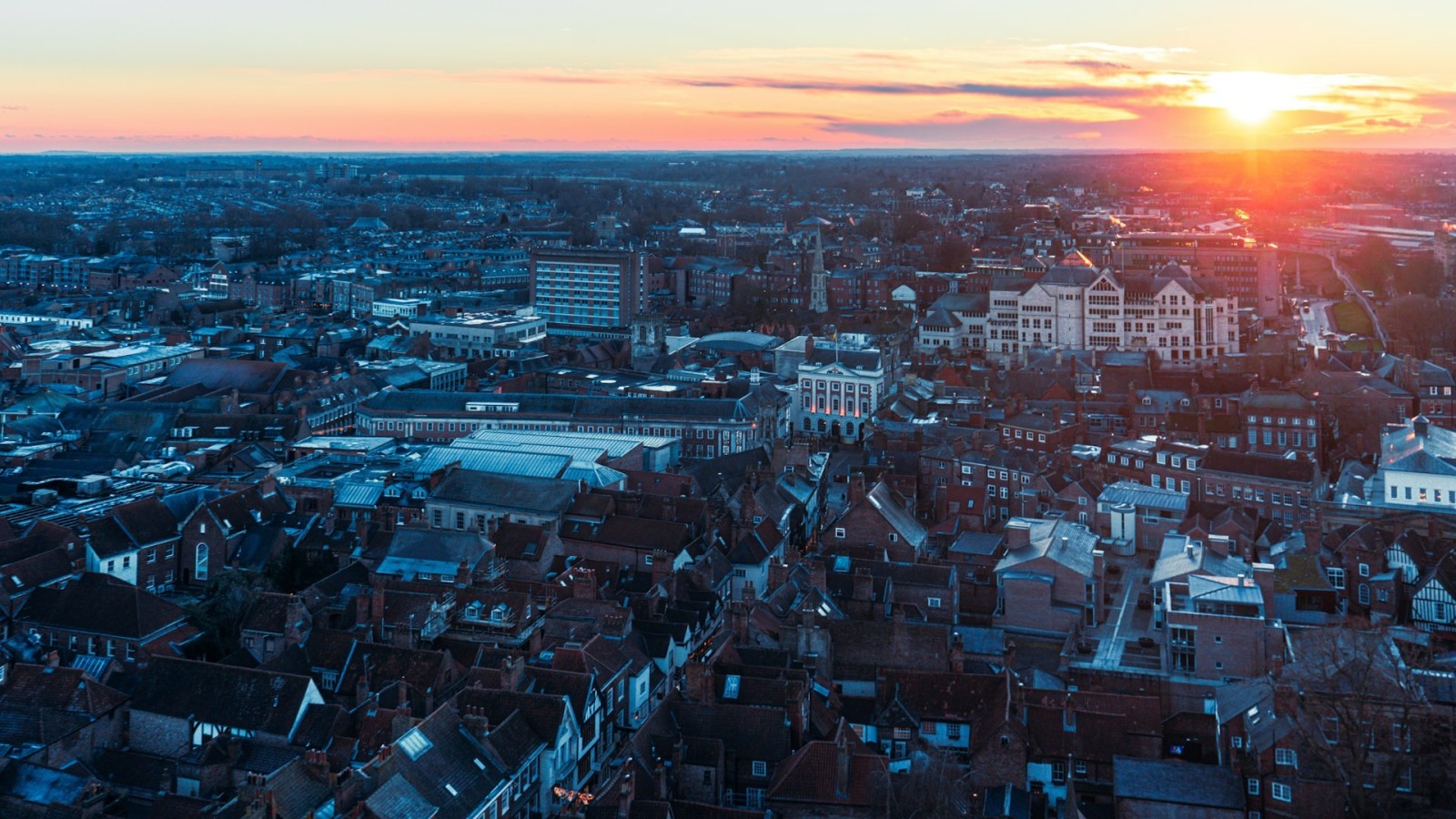
A unique history of almost 2000 years
York was founded by the Romans in 71 AD and for centuries was one of the most important cities in Britain.
Here lived:
Roman legionaries;
Anglo-Saxons;
Vikings;
Normans.
medieval merchants.
Almost every part of the city is associated with a certain historical period.
York Cathedral
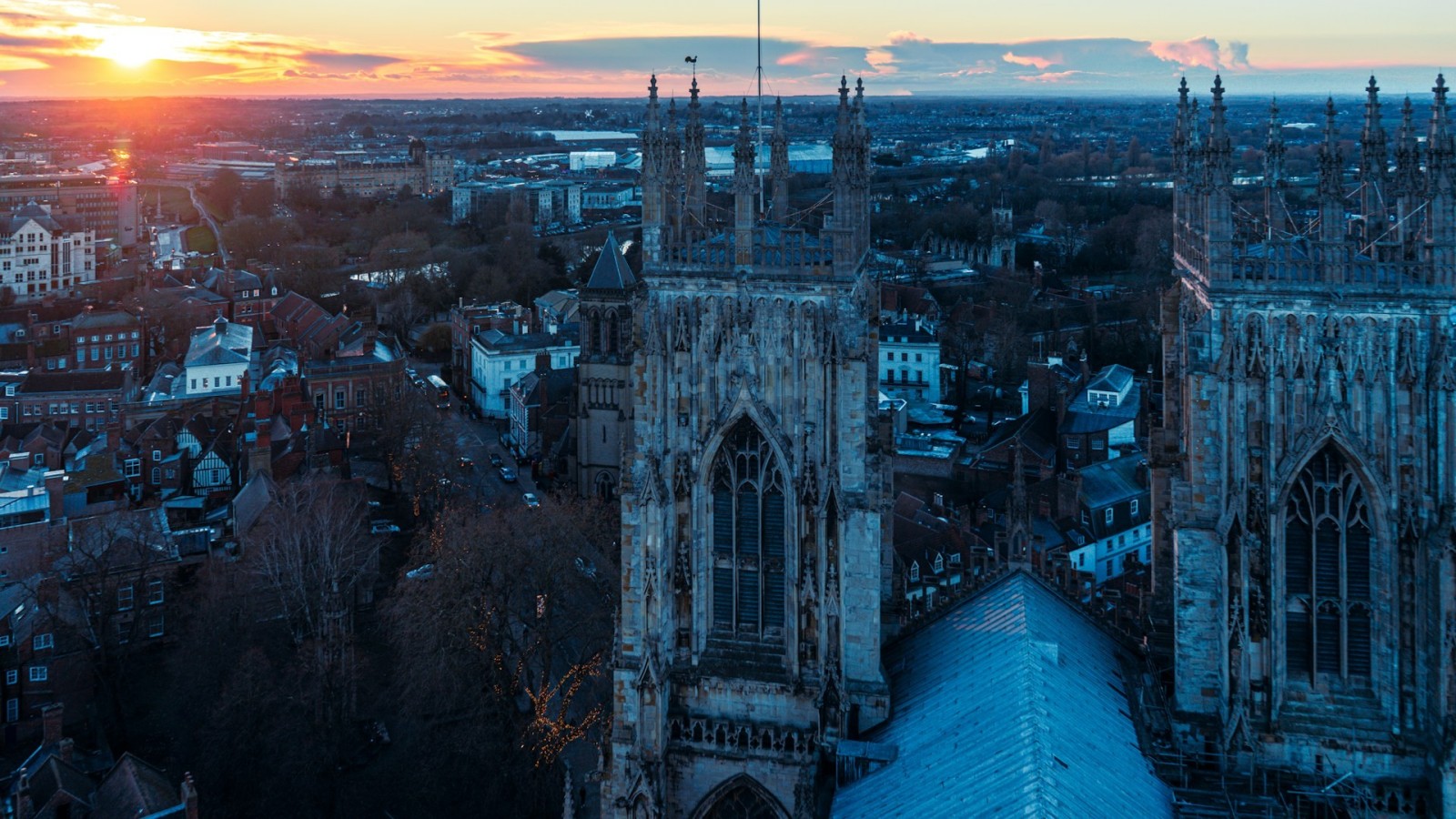
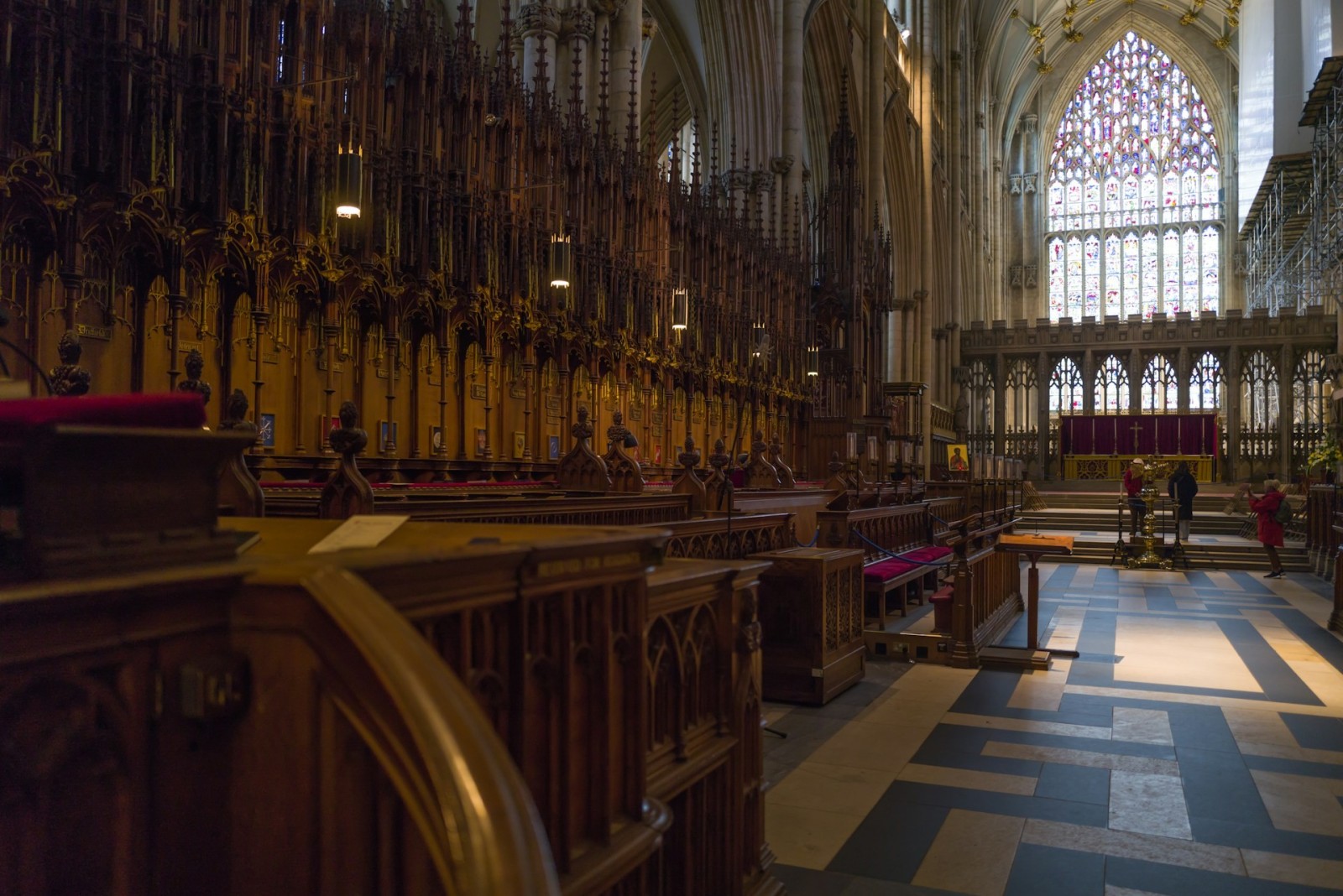
The main symbol of the city is the York Minster.
It is one of the largest Gothic cathedrals in Europe.
Tourists are attracted by:
magnificent architecture;
stained glass windows of the XIII-XV centuries;
observation tower;
historic dungeons.
The cathedral is considered one of the main attractions of Great Britain.
Medieval streets
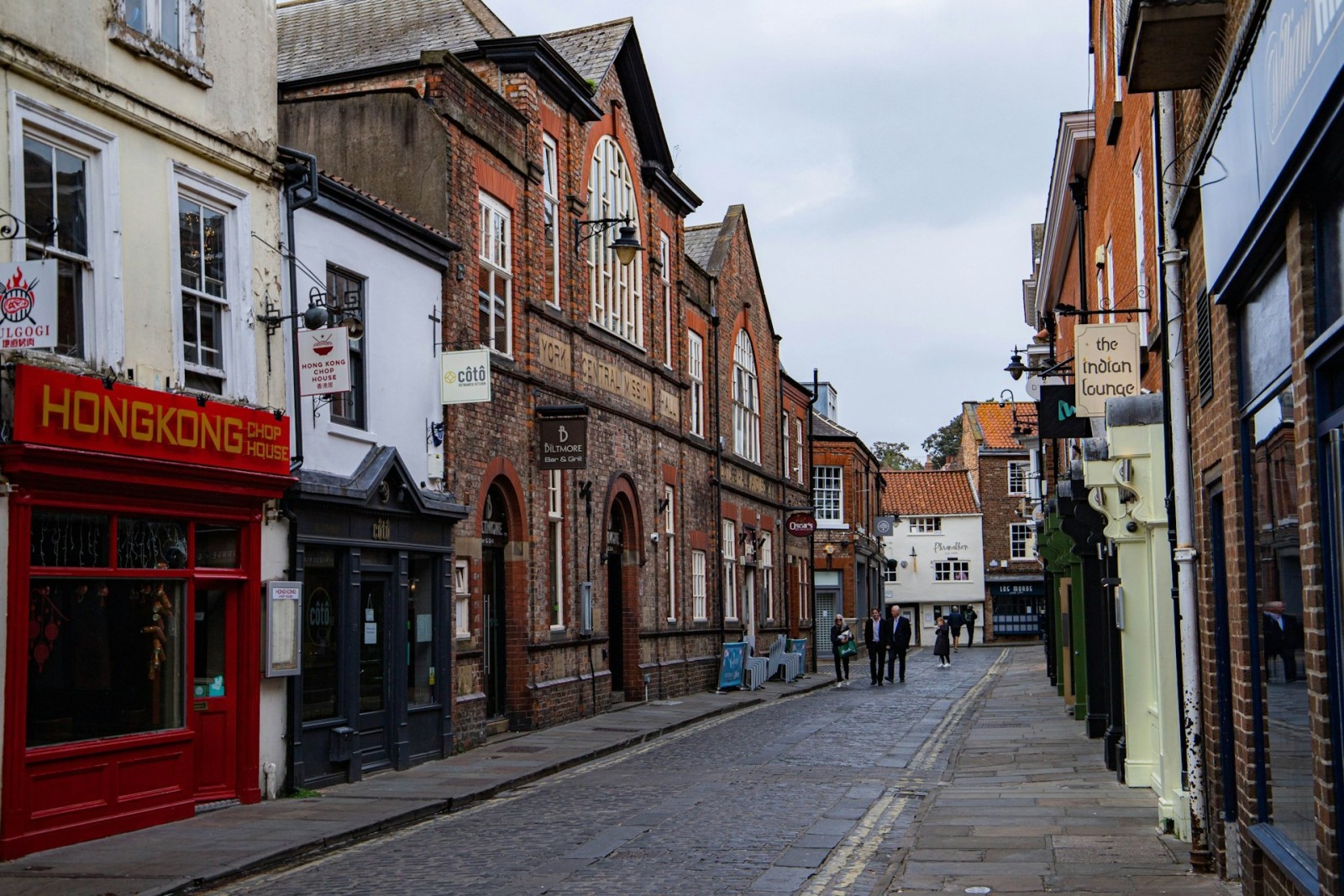
The most famous street in the city is The Shambles.
Its narrow cobbled alleys and old houses create the atmosphere of the present Middle Ages.
Many travelers call this street one of the most beautiful historical streets in Europe.
They work here today.
souvenir shops;
tea
pastry
craft shops.
City walls
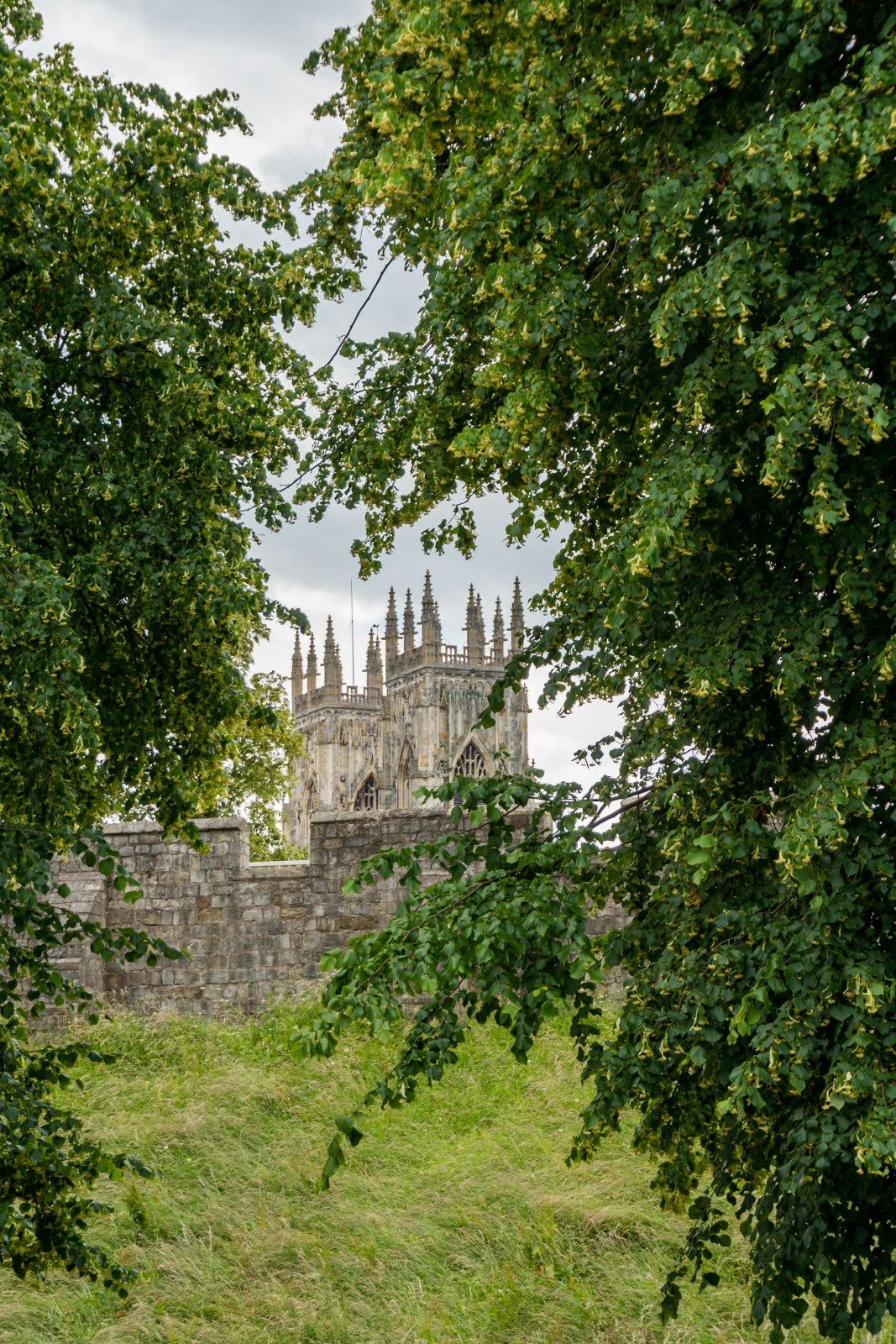
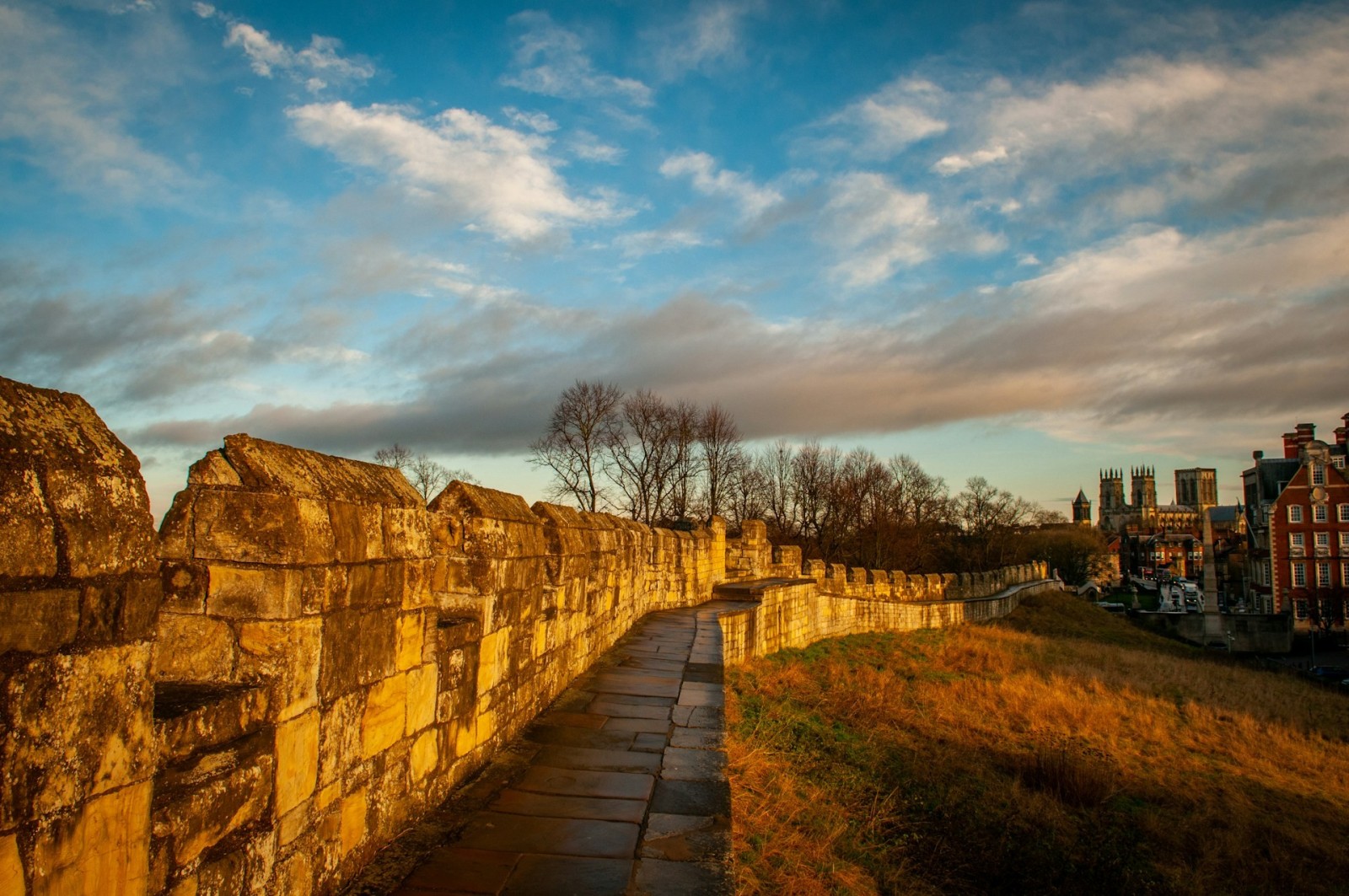
The York City Walls are the best preserved medieval city walls in England.
On them you can walk about 3.5 kilometers and see the city from a height.
This is one of the most popular tourist walks in York.
Viking heritage
York was the capital of the Viking Kingdom of England.
You can get acquainted with this period in:
JORVIK Viking Centre
The museum is considered one of the most famous historical sights of the country.
Castles and towers
History lovers can visit:
Clifford's Tower;
ruins of medieval fortifications;
historic city gate.
Clifford Tower offers beautiful views of the old town.
World-class museums
There are many interesting museums in York:
National Railway Museum;
York Castle Museum;
Yorkshire museum;
Viking museum.
Many of them are among the best museums in the UK.
River walks
The River Ouse flows through the city.
Tourists may:
go on a river tour;
ride on a pleasure boat;
to have dinner on board the ship;
Enjoy the views of the old city from the water.
The atmosphere of old England
The main advantage of York is its unique atmosphere.
It's preserved here.
medieval houses;
old churches;
paved streets;
cozy English pubs;
traditional tea.
The city is often called the most “English” city in the country.
gastronomy
In York, you can try:
traditional English breakfast;
Yorkshire pudding;
roast beef;
British cheeses;
The famous English tea.
The city is also known for its chocolate traditions thanks to Rowntree’s and Terry’s.
Comfort for tourists
York is very convenient for independent travel.
Advantages:
a compact historical center;
Most of the attractions are within walking distance;
developed public transport;
Direct rail links to London, Edinburgh and Manchester.
Hotels 5★ Hotels
The highest level of comfort, spa centers, exquisite restaurants and historical atmosphere.
Popular options:
The Grand, York is the city’s only full-fledged five-star hotel located next to the train station.
Middlethorpe Hall and Spa is a luxurious country mansion with a park and spa complex.
The Grays Court Hotel and The Bow Room Restaurant is one of York’s most historic hotels near the cathedral.
Average cost:
between £220 and £500 a night.
Hotels 4★
The most popular category among tourists.
Popular options:
Hotel Indigo York by IHG
The Churchill Hotel
Radisson Hotel York
Middletons Hotel
No. 1 York by GuestHouse
Average cost:
120 to 250 pounds a night.
Hotels 3★ Hotels
Comfortable accommodation at a reasonable price.
Popular options:
The Milner York
The Queens Hotel & Victoria Cloisters Apartments, York
Minster Hotel
Judges Court
Average cost:
£80 to £160 a night.
Historic hotels and boutique hotels
York is especially famous for small hotels located in old buildings.
Popular options:
Guy Fawkes Inn is a hotel near York Cathedral.
The Judge's Lodging is a historic building in the city center.
The Fat Badger York is a cozy traditional English pub hotel.
Average cost:
between £100 and £220 a night.
Guest House (Guest House)
Very popular accommodation in York.
Advantages:
home atmosphere;
English breakfast;
lower prices;
proximity to the city centre.
Average cost:
£60 to £130 a night.
Apartments
Suitable for family holidays and long stays.
Advantages:
own kitchen;
washing machine;
More space;
The opportunity to save on food.
Average cost:
£90 to £250 a night.
1. York Cathedral (York Minster)
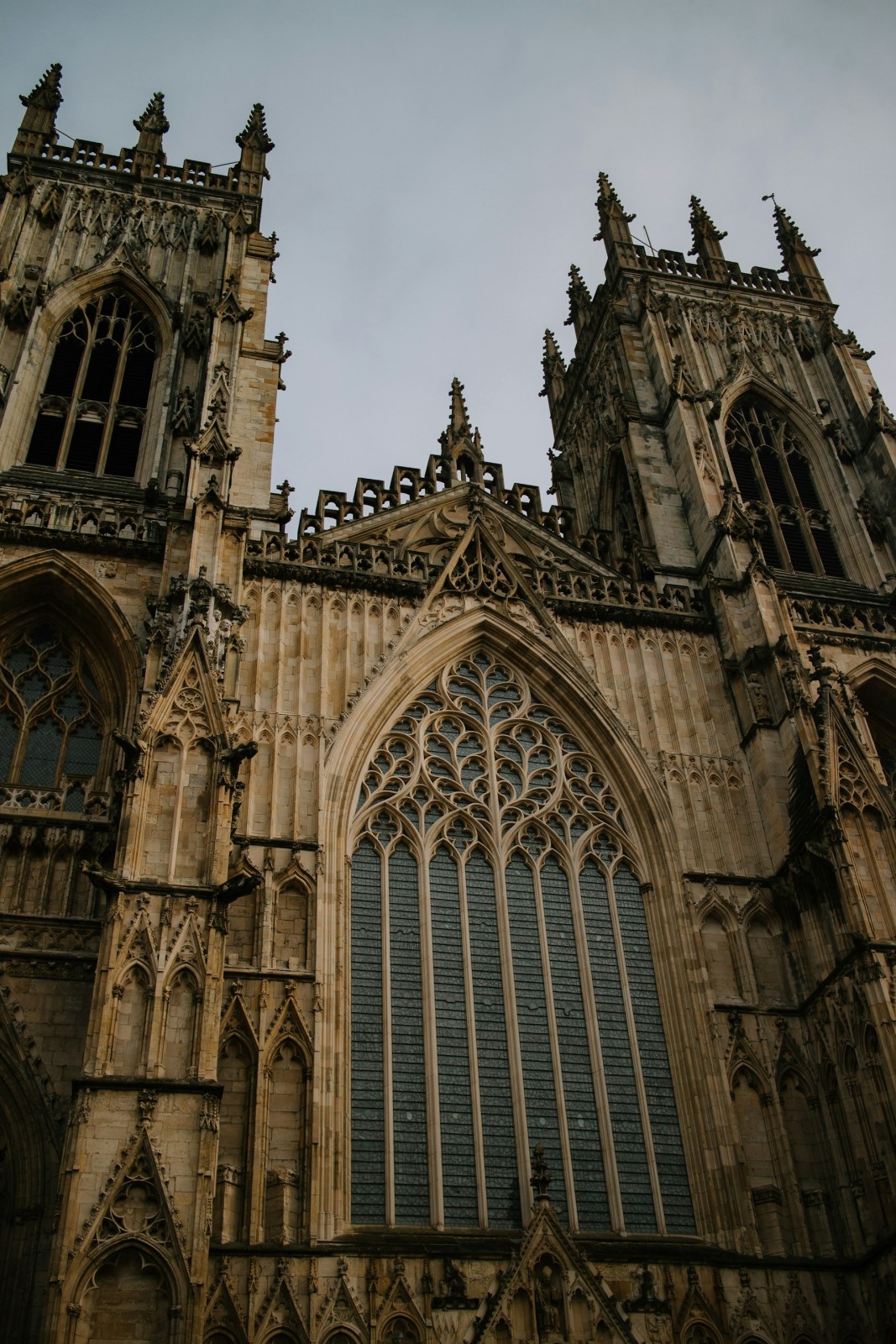
The main attraction of the city and one of the largest Gothic cathedrals in Europe.
Here you can see:
magnificent medieval stained glass windows;
ancient crypts;
tower with observation deck;
unique church architecture of the XIII-XV centuries.
Transport accessibility
located in the city centre;
10-15 minutes walk from York Station Station
There are city bus routes nearby.
One of the most famous medieval streets in Britain.
Features:
narrow cobbled alleyways;
old half-timbered houses;
souvenir shops;
cafes and pastry shops.
Many consider it a prototype of the streets of the Harry Potter books.
Transport accessibility
is located in the historical center;
It is easily accessible on foot from almost any part of the old city.
3. City Walls (York City Walls)
The best preserved medieval city walls of England.
The walking route along the walls is about 3.5 km.
From the height there are beautiful views of:
York Cathedral;
old town;
rivers and parks.
Transport accessibility
several entrances are located throughout the center;
Most areas are accessible on foot.
4. Clifford's Tower (Clifford's Tower)
The remains of a Norman castle built after the conquest of England.
From the tower opens one of the best panoramas of the city.
Transport accessibility
located in the center of York;
About 15 minutes walk from the station.
5. Jorvik Viking Centre (Jorvik Viking Centre)
One of the most famous museums in Britain.
Visitors can see:
reconstruction of the Viking settlement;
archaeological finds;
interactive displays.
Transport accessibility
located near Shambles Street;
easily accessible on foot.
6. National Railway Museum (National Railway Museum)
The largest railway museum in the UK.
The exhibition includes:
historical locomotives;
Royal trains;
speed trains;
interactive exhibitions.
Transport accessibility
near York Station Station;
about 5 minutes walk.
7. York Castle Museum (York Castle Museum)
The museum introduces the life of the inhabitants of England of different eras.
Particularly popular is the reconstruction of the Victorian street.
Transport accessibility
located near the Clifford Tower;
Available on foot from downtown.
8. Yorkshire Museum (Yorkshire Museum)
One of the best historical museums in northern England.
The collections are devoted to:
Roman period;
Vikings?
medieval history;
Yorkshire archaeology.
Transport accessibility
located in museum gardens;
10 minutes walk from the station.
9. Museum Gardens (Museum Gardens)
Beautiful city park with the ruins of the medieval abbey of St. Mary.
A great place to relax and walk.
Transport accessibility
city centre;
Walking accessibility from the main attractions.
10. St Mary's Abbey (St Mary's Abbey)
Picturesque ruins of one of the largest monasteries of medieval England.
Today they are part of the Museum Gardens.
Transport accessibility
It is located in the city centre;
It is convenient to visit with the Yorkshire Museum.
11. River Ouse
The main river of York.
Tourists may:
go for a river ride;
ride on the excursion boat;
Dinner on a floating restaurant.
Transport accessibility
piers are located in the city center;
It's easy to walk.
12. Treasurer's House (Treasurer's House)
Historic mansion next to York Cathedral.
Known for its beautiful interiors and one of the most famous ghost legends in England.
Transport accessibility
located in the centre;
A few minutes walk from the cathedral.
1. The Jorvik Viking Festival
When: Feb.
York's most famous event.
In the program:
reconstruction of Viking battles;
costumed processions;
historical camps;
master classes of ancient crafts;
Theatrical performances.
The festival annually attracts thousands of guests from all over the world.
2 York Ice Trail Festival (York Ice Trail)
When: February - March
There are dozens of ice sculptures throughout the historic center.
Tourists can walk along a special route and see unusual ice compositions.
3. The York Literature Festival
When: March
Includes:
Meetings with writers;
lectures;
Book fairs;
literary evenings.
4. York Chocolate Festival (York Chocolate Festival)
When: April
York is known as one of the chocolate capitals of the UK.
During the festival, there are:
chocolate fairs;
Tasting;
Master classes;
Tours along the chocolate routes of the city.
5. Festival of Roman History Eboracum Roman Festival
When: May
Dedicated to the Roman past of York.
Guests are waiting:
Roman legionnaire camps;
historical reconstructions;
exhibitions of archaeological finds;
educational programs.
6. York Festival of Ideas
When: June
A major scientific and cultural festival.
Conducted:
lectures;
discussions;
concerts;
exhibitions;
family activities.
7. York Pride.
When: June
One of the largest summer holidays in the city.
In the program:
colorful procession;
musical performances;
concerts;
city events.
8. York Early Music Festival
When: July
The festival of ancient music, held in the historical churches and concert halls of the city.
Musicians from different countries of Europe perform here.
9. York Races (York Races)
When: May - October
The York Racecourse hosts some of the UK’s most prestigious races.
The event attracts not only sports fans, but also connoisseurs of British traditions.
10. The York Food and Drink Festival
When: September
One of the largest gastronomic festivals in England.
Visitors can try:
Yorkshire dishes;
British cheeses;
local beer;
farm products;
international cuisine.
Spring (March-May)
In spring, nature comes to life, parks and gardens begin to bloom, and there are few more tourists.
march
air temperature: +4... +10 °C
Water temperature: +6...+7 °C
April
air temperature: +6... +13 °C
Water temperature: +7...+8 °C
May
air temperature: +9... +17 °C
Water temperature: +9... +11 °C
Spring is great for walking around the old town, visiting museums and exploring historical sights.
Summer (June-August)
Summer is considered the most popular time to visit York.
June
air temperature: +12... +20 °C
Water temperature: +12... +14 °C
July
air temperature: +14... +23 °C
Water temperature: +15... +17 °C
Augustus
air temperature: +14... +22 °C
Water temperature: +16... +18 °C
Heat above +30 °C is rare. Summer weather is comfortable for excursions, walks along the city walls and visiting festivals.
Autumn (September-November)
Autumn in York begins quite warm and gradually becomes cooler.
September
air temperature: +12... +20 °C
Water temperature: +15... +17 °C
October.
air temperature: +8... +16 °C
Water temperature: +13... +15 °C
November
air temperature: +4... +10 °C
water temperature: +10... +12 °C
In autumn, the city is especially beautiful due to its golden parks and fewer tourists.
Winter (December – February)
Winters in York are relatively mild, although sometimes frost and snowfall are possible.
December
air temperature: +2...+8 °C
Water temperature: +8... +10 °C
January
air temperature: +1 ... +7 °C
Water temperature: +6...+8 °C
February
air temperature: +1 ... +8 °C
Water temperature: +5...+7 °C
In winter, York is especially attractive due to the Christmas markets, festive lighting and cozy atmosphere of old England.
Language of communication
English (English)
The main language of communication is English.
The English language is:
hotels;
restaurants;
museums;
transport;
shops;
public institutions.
In tourist places, staff are used to communicating with foreign guests, so even a basic knowledge of English is usually enough for a comfortable trip.
Features of communication
The British are considered one of the most polite people in Europe.
The words are often used in conversation:
Please, please.
Thank you. Thank you.
- Excuse me. - Excuse me.
Sorry. Sorry.
Even with a minor request or accidental encounter, it is customary to apologize and thank.
Traditions and customs
Respect for queues
The queue in the UK is considered an important part of public culture.
Not accepted:
pass forward without queue;
take another's place;
stampede.
Violation of the queue can cause discontent of others.
Punctuality
The people of York, like most Brits, appreciate accuracy.
For excursions, meetings and reservations, it is advisable to arrive on time or a few minutes before the appointed time.
Respect for personal space
English people usually do not like to be too close to strangers.
When talking, it is customary to observe a comfortable distance and avoid excessive emotionality at the first meeting.
Tea culture
Tea is an important part of British culture.
In many cafes and hotels, you can try traditional English tea with milk and pastries.
An invitation to tea is often seen as a sign of friendliness.
Respect for historical heritage
York is one of the most historic cities in the country.
Care should be taken of:
ancient buildings;
fortress walls;
museums;
churches;
archaeological sites.
Visits to churches and cathedrals
While visiting the famous York Minster, it is recommended to:
keep quiet;
Turn off the sound of the phone;
Respect religious services;
Follow the rules of photography.
Behavior in pubs
Pubs are an important part of English culture.
It is customary here:
communicate calmly;
follow the line at the counter;
Be respectful of others.
Noisy or aggressive behavior can lead to denial of service.
Basic laws that are important for tourists to know
Alcohol
Buying alcohol in the UK is allowed from the age of 18.
When buying, store employees can ask for a document confirming the age.
Smoking
Smoking is prohibited:
in public transport;
inside restaurants;
inside pubs;
in most public spaces.
Special areas are provided for smoking.
Road traffic
There is left-hand traffic in the UK.
When crossing the road, you should first look to the right.
On many transitions you can see the inscriptions:
Look Right - look right.
Look Left - look left.
City cleanliness
Fines may be imposed for throwing out garbage in the wrong places.
York is considered a very clean and well-kept city.
Photo and video recording
Photography is allowed freely on the streets.
However, museums, galleries and some historic buildings may have restrictions on filming.
Tipping
Tipping is not mandatory in the UK but is considered a good tone.
Usually left:
10-15% in restaurants, if the tip is not included in the bill;
a small amount for taxi drivers;
at the request of hotel staff.
Welcomes and acquaintances
Hello, hello, hello.
Hi (Hi) Hello.
Good morning - Good morning.
Good afternoon - Good afternoon.
Good evening - Good evening.
Good-bye, good-bye.
See you later, see you later.
Nice to meet you - Nice to meet you.
How are you? (How ar yu?) - How are you?
I'm fine, thank you - OK, thank you.
Polite words
Please, please.
Thank you. Thank you.
Thank you very much, thank you very much.
You're welcome, you're welcome.
- Excuse me. - Excuse me.
Sorry. Sorry.
No problem - No problem.
Useful questions
Do you speak Russian? (Doo Speech Rush?) - Do you speak Russian?
Do you speak English slowly? (Do you speak English slowly?) Can you speak English more slowly?
Can you help me? (Ken Yu Help Mi?) - Can you help me?
Where is the city center? (War from Ze Citi Sente?) - Where's downtown?
Where is York Minster? (Ware from York Minster?) - Where is York Cathedral?
How far is it? (How far from it?) - How far is that?
At the hotel.
Population
Hello, I have a reservation.
(Hallow, heavy reserve.)
Hello, I have a reservation.
The reservation is under the name Ivanov.
(Ze reserve from Ande ze neim Ivanov.)
Reservations are made in the name of Ivanov.
May I see your passport?
(May syor passport?)
Can I have your passport?
What time is breakfast?
(Watt time from Brackfast?)
What time is breakfast?
Is Wi-Fi free?
(Wi-Fi fries?)
Is Wi-Fi free?
A little dialogue
Tourist:
- Hello, I have a reservation.
(Hallow, heavy reserve.)
Hello, I have a reservation.
Administrator
- Welcome. May I see your passport, please?
(Welcham). Mae ye ye ye ye passport, please?
Welcome. Welcome. Can I have your passport?
Tourist:
- Certainly.
(Surtanley)
Sure.
At the restaurant.
A table for two, please.
(A table for that, please.)
Table for two, please.
May I have the menu?
(May hew ze menu?)
Can I have a menu?
What do you recommend?
(Wat du yu recommend?)
What would you recommend?
I would like fish and chips.
(Ai Wood like fish and chips.)
I'd like to order fish and fries.
The bill, please.
(Ze beat, pliz.)
Check, please.
Restaurant dialogue
Waiter:
- Good evening. How many people?
(Good Evening). How mani peeple?
Good evening. How many people?
Tourist:
- Two, please.
(Too, please.)
Two people, please.
Waiter:
- This way, please.
(Zis Wei, Plize)
Please come in.
In the store.
How much is this?
(How much mach from zis?)
How much does it cost?
Can I pay by card?
(Ken I Pei Buy Card?)
Can I pay with a card?
Do you have a larger size?
(Doo yu hev a larjae siz?)
Do you have a bigger size?
I'm just looking.
(Ime Just Luking.)
I'm just looking.
What to try and bring from food
1. Yorkshire Pudding (Yorkshire Pudding)
The main traditional dish of the Yorkshire region.
Although the pudding itself is usually consumed fresh in restaurants, in souvenir shops you can buy:
preparation mixtures;
culinary sets;
Books with traditional recipes.
2. York chocolate
York is considered one of the chocolate capitals of Great Britain.
Here are the famous British chocolate companies:
Rowntree's
Terry's of York
Popular shopping:
chocolate sets;
candy;
handmade chocolate bars;
gift boxes.
3. English cookies
Many traditional British cookies are sold in York:
Shortbread.
Ginger Biscuits;
Butter cookies.
Such a souvenir is convenient to transport and give to friends.
4. Yorkshire cheeses
The region is known for producing quality cheeses.
Popular:
Wensleydale;
Yorkshire Blue;
local farm varieties.
5. Yorkshire tea
One of the most popular teas in the UK.
It can be purchased:
classic tea;
gift sets;
collectibles.
6. English jams and marmalades
Popular:
orange marmalade;
strawberry jam;
Black currants jam;
lemon cream (Lemon Curd)
Drinks.
1. English gin
In Yorkshire, many varieties of quality gin are produced.
Options with:
berries;
grasses;
citrus supplements.
2. Yorkshire beer
Local breweries produce:
traditional ale;
stout
craft beer.
3. English whisky
Although Scotland is better known for its whiskey, there are also some interesting local brands in England.
Useful goods and medicines
1. Natural cosmetics
In pharmacies and specialty stores are popular:
hand creams;
Balms;
natural soap;
funds based on lavender and herbs.
2. English vitamin complexes
Tourists often buy:
vitamins;
mineral complexes;
omega-3;
herbal supplements.
3. Lavender products
Popular:
essential oils;
fragrance candles;
Soothing balms.
4. Woolen products
Yorkshire is famous for its textile traditions.
It can be purchased:
scarves;
sweater
plaids;
gloves;
Natural wool socks.
Souvenirs
1. Souvenirs with York Cathedral
The most popular purchases:
magnets;
postcards;
cups;
miniature models of the cathedral.
2. Souvenirs with Viking themes
The town sells:
Viking figures;
jewelry;
Copies of ancient coins;
Viking books.
3. Handicrafts
In the markets of York you can find:
pottery
wooden products;
jewelry;
leather goods.
4. Historical souvenirs
Since York is associated with the Romans, Vikings and the Middle Ages, many historical souvenirs are sold here:
maps of the old city;
reproductions of ancient engravings;
collectible coins;
York history books.
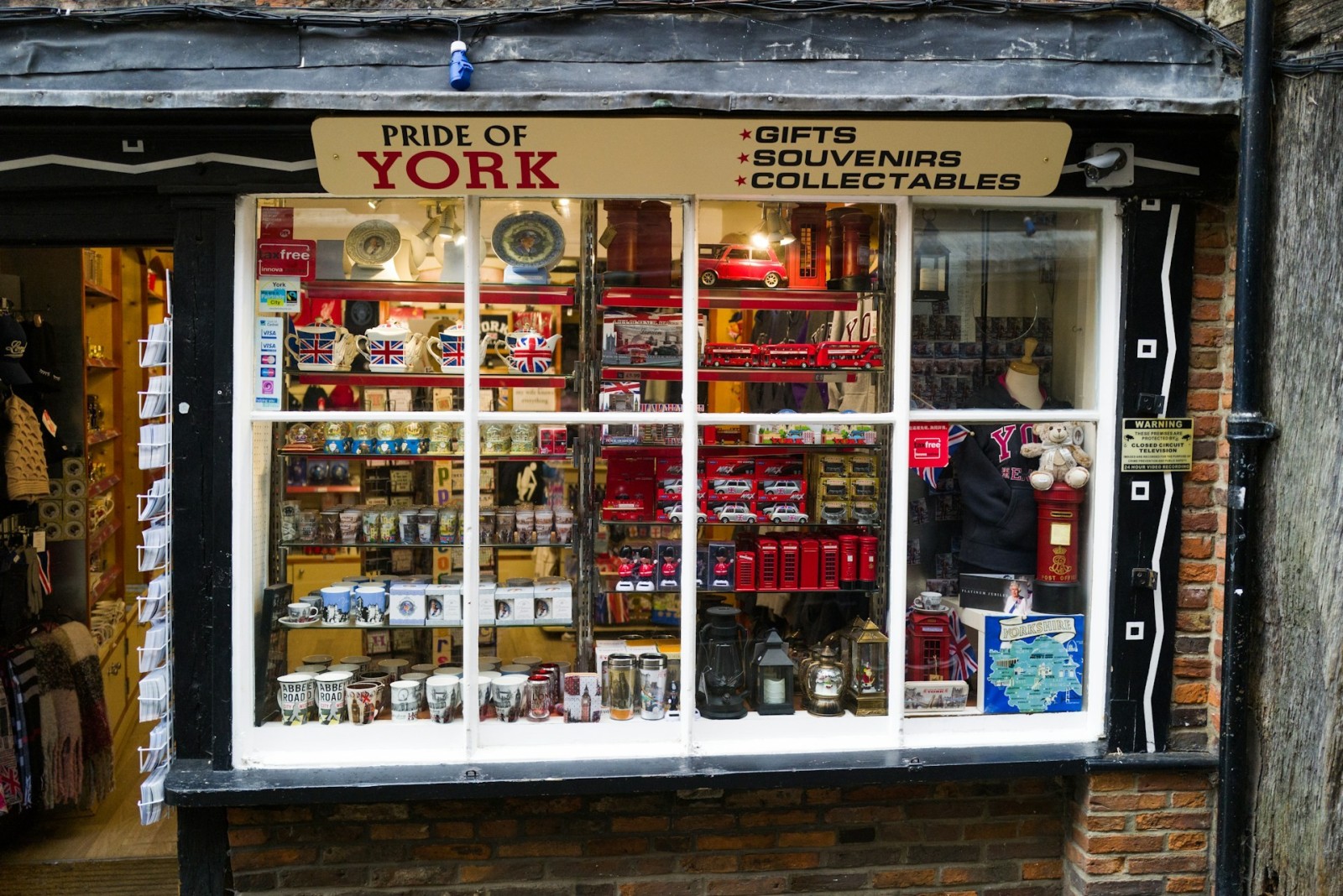
5. Souvenirs with Shambles Street
Popular:
postcards;
paintings;
photographs;
decorative products depicting the famous street.
6. English tea service
Fans of British traditions often acquire:
porcelain cups;
kettles;
sets;
decorative plates.
York is one of the most peaceful and safest tourist cities in England. The historic center is well-maintained, the main attractions are close to each other, and the level of security for tourists is considered high. However, as with any popular tourist destination, the usual precautions are recommended.
What documents are required
It is recommended to prepare:
foreign passport;
UK visa or electronic entry permit (if required);
health insurance;
confirmation of booking of a hotel or other accommodation;
return ticket;
documents confirming the availability of funds during the trip.
It is useful to save copies of documents in your phone, as well as send them to yourself by email.
Health insurance
For a trip to York, it is recommended to apply for an insurance policy with coverage:
emergency medical care;
hospitalization;
treatment of injuries and diseases;
transportation home if necessary;
baggage insurance;
travel cancellation insurance.
Health care in the UK is good, but it can be expensive for foreign tourists.
Emergency phones
During rest it is useful to know the main numbers:
999 Police, Ambulance and Fire Service
112 is the international emergency number.
111 is an NHS medical advisory service.
101 – contact the police on non-urgent matters.
Medical assistance
York has public hospitals, private clinics and round-the-clock pharmacies.
In case of poor health, you can apply:
Pharmacy (Pharmacy);
to the medical center;
to the hospital;
to NHS 111 hotline.
Pharmacists in the UK often help to find medicines for mild illnesses without visiting a doctor.
Mobile and Internet
Major UK mobile operators:
EE;
Vodafone;
O2;
Three;
giffgaff.
SIM cards can be purchased at airports, supermarkets, communication salons and railway stations.
Free Wi-Fi is available in most countries:
hotels;
restaurants;
café
museums;
malls.
Personal security
York is considered a very comfortable city for independent walks.
Tourists are advised to:
monitor bags and documents;
Do not leave things unattended;
use official taxis;
Be careful in places of large crowds of people.
The most popular tourist areas of the city are usually safe at any time of the day.
Money and pay
Bank cards are almost universally accepted in York.
The most common are:
Visa;
Mastercard;
contactless payment by smartphone.
A small amount of cash can come in handy for shopping in markets or small family establishments.
Road traffic
There is left-hand traffic in England.
When crossing the road, it is important to remember that cars first approach the right.
For the convenience of pedestrians on many crossings there are inscriptions:
Look right - look right.
Look Left - look left.
Term of stay of tourists
For most foreign tourists visiting the UK on a tourist visa, the maximum stay is up to 6 months per trip.
The exact rules depend on the nationality of the traveler and the type of entry permit.
Create a query and local guides will offer you the best options


