Independent travel and view of the city of Szekesfehervar! History of Szekesfehervar Szekesfehérvár is one of...

The rich and varied itinerary of this trip reveals different facets of the Hungarian province. Szekesfehervar is a historic “city …

Our goal is to see Lake Balaton, the largest lake in Central Europe and the most famous summer resort in Hungary. This lake in …
I offer individual tours on my car. At the moment, I have a Mercedes E200 passenger car (it will be very convenient for …
I teach at the Hungarian higher state courses for the training of guides, guides, which means that I need to own all the …
Szekesfehérvár is one of the most important historical cities in Hungary. It is often referred to as the “City of Hungarian Kings” because it was the political and religious center of the Kingdom of Hungary for several centuries. It was here that the coronations of monarchs took place, the most important state decisions were made and royal tombs were located.
The name of the city comes from the Hungarian words:
Székes - patron, royal;
Fehér is white;
Vár is a fortress.
The name can be translated as “White Royal Fortress”.
Ancient history
The territory of the modern city was inhabited in ancient times.
Archaeologists found traces:
Neolithic settlements;
Bronze Age;
Celtic tribes;
Roman presence.
During the Roman Empire, important roads of the province of Pannonia connected various parts of Central Europe.
After the fall of Rome, these lands were inhabited by Germanic tribes, Avars and Slavs.
Foundation of the city
The modern history of Szekesfehervar begins at the end of the X century.
The founder of the city is considered the first Hungarian king:
St. Stephen I chose this place to create one of the main centers of the young Kingdom of Hungary.
Due to its advantageous location between the Danube and Lake Balaton, the city developed rapidly as:
administrative centre;
trading hub;
religious center.
Coronation City of Hungary
In the XI century St. Stephen built here the majestic Coronation Basilica.
Since then, Szekesfehervar has become the main royal city of the country.
For several centuries, there have been:
the coronation of the Hungarian kings;
State assemblies;
custody of royal regalia;
The burial of monarchs.
According to the Hungarian tradition, only the king who was:
crowned with the Holy Crown of Hungary;
crowned in Szekesfehervar;
crowned Archbishop of Esztergom.
More than 35 Hungarian kings and queens were crowned here.
Medieval heyday
From the XI to the XV century, the city experienced a period of greatest power.
Szekeshfeherwar became:
the largest political center of the country;
an important religious city;
One of the richest shopping centers in Hungary.
We got here.
German merchants;
traders from Italy;
artisans from the Czech Republic and Austria.
The city was actively built up with stone buildings, churches and fortifications.
The Age of King Matyash Corvin
The city received special importance in the XV century during the reign of the famous king:
Matiás Corvin turned Hungary into one of the strongest powers in Central Europe.
During this period:
urban fortifications were expanded;
New palaces were built;
Culture and education developed.
Ottoman conquest
In the sixteenth century, Hungary faced the expansion of the Ottoman Empire.
After the defeat of the Hungarians at the Battle of Mohács in 1526, the situation of the country deteriorated dramatically.
In 1543, Szekesfehervar was captured by Turkish troops.
Nearly 150 years of Ottoman rule began.
During this time:
Many churches were converted into mosques.
Some of the historic buildings were destroyed.
The population of the city has significantly decreased.
Liberation and reconstruction
In 1688 the city was liberated by the Habsburg Monarchy.
However, by that time Szekesfehervar was in serious condition.
Most of the medieval buildings were destroyed.
In the XVIII century began a large-scale restoration of the city.
It was then that many of the beautiful Baroque buildings that adorn the city centre today appeared.
nineteenth century
In the XIX century, the city became an important industrial and commercial center.
Developed:
railways;
engineering;
trade;
agriculture.
The emergence of railway communication significantly accelerated the economic development of the region.
XX century
During the First World War, many residents of the city were mobilized to the front.
After the collapse of the Austro-Hungarian Empire, Szekesfehervar remained part of independent Hungary.
During the Second World War, the city was in the zone of fierce fighting.
In the winter of 1944-1945 there were major battles between German and Soviet troops.
Some of the historic buildings were severely damaged.
After the war, the city was rebuilt and became one of the largest industrial centers of socialist Hungary.
Archaeological discoveries
In the XX century, archaeologists began large-scale excavations on the site of the Coronation Basilica.
They found:
the remains of an ancient cathedral;
royal burials;
Medieval artifacts;
fragments of the coronation complex.
These findings allowed us to better understand the history of the Hungarian monarchy.
Modern Szekeshfehervar
Today, Szekesfehervar is one of the most beautiful historical cities in Hungary.
It combines:
rich royal heritage;
a well-preserved historical center;
modern museums;
cozy squares;
Cultural festivals.
The city remains an important symbol of Hungarian statehood and attracts thousands of tourists every year.
The historic heart of Hungary
For several centuries Szekesfehervar was the main city of the Kingdom of Hungary.
Right here:
crowned the Hungarian kings;
State meetings were held;
There were royal tombs;
The most important decisions of the country were made.
For history lovers, the city is of great interest.
Beautiful historical center
The old town has a special atmosphere.
Tourists are attracted by:
paved streets;
cozy squares;
baroque mansions;
old churches;
Numerous monuments.
The central part of the city is ideal for leisurely walks and photography.
Royal Heritage
The main symbol of the city are the ruins of the medieval Coronation Basilica.
This is where most Hungarian monarchs were crowned.
Today it is one of the most important historical sites in Hungary.
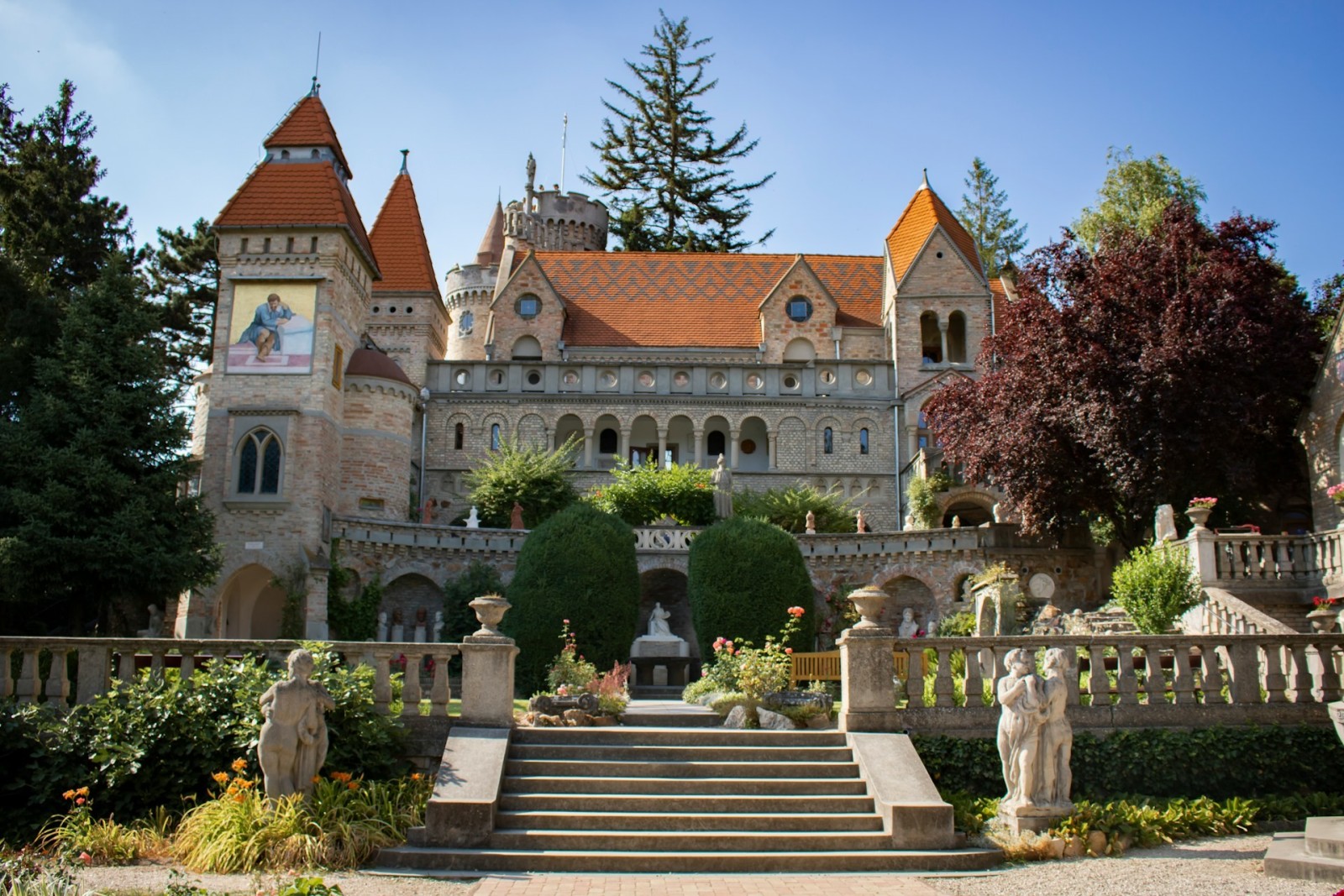
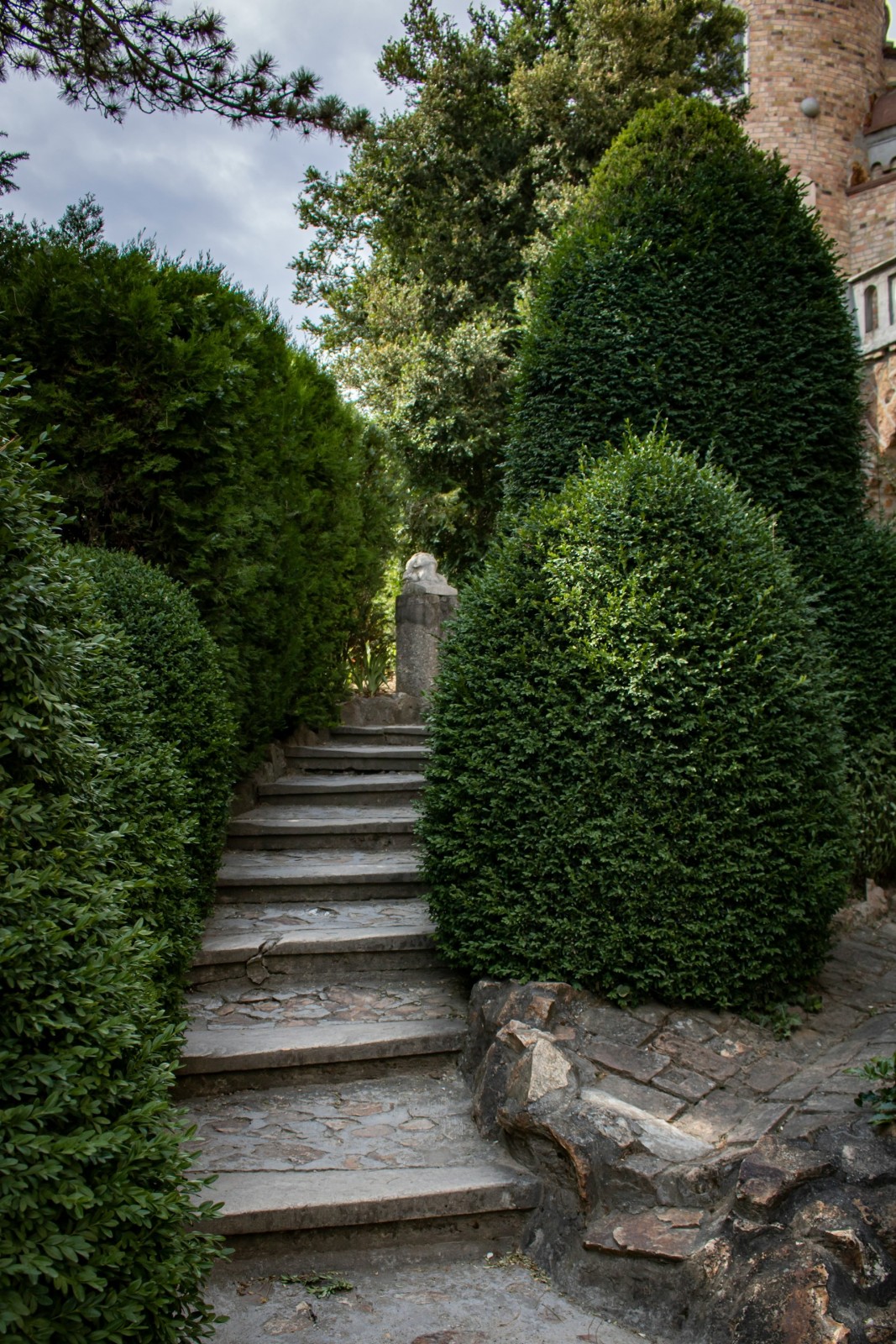
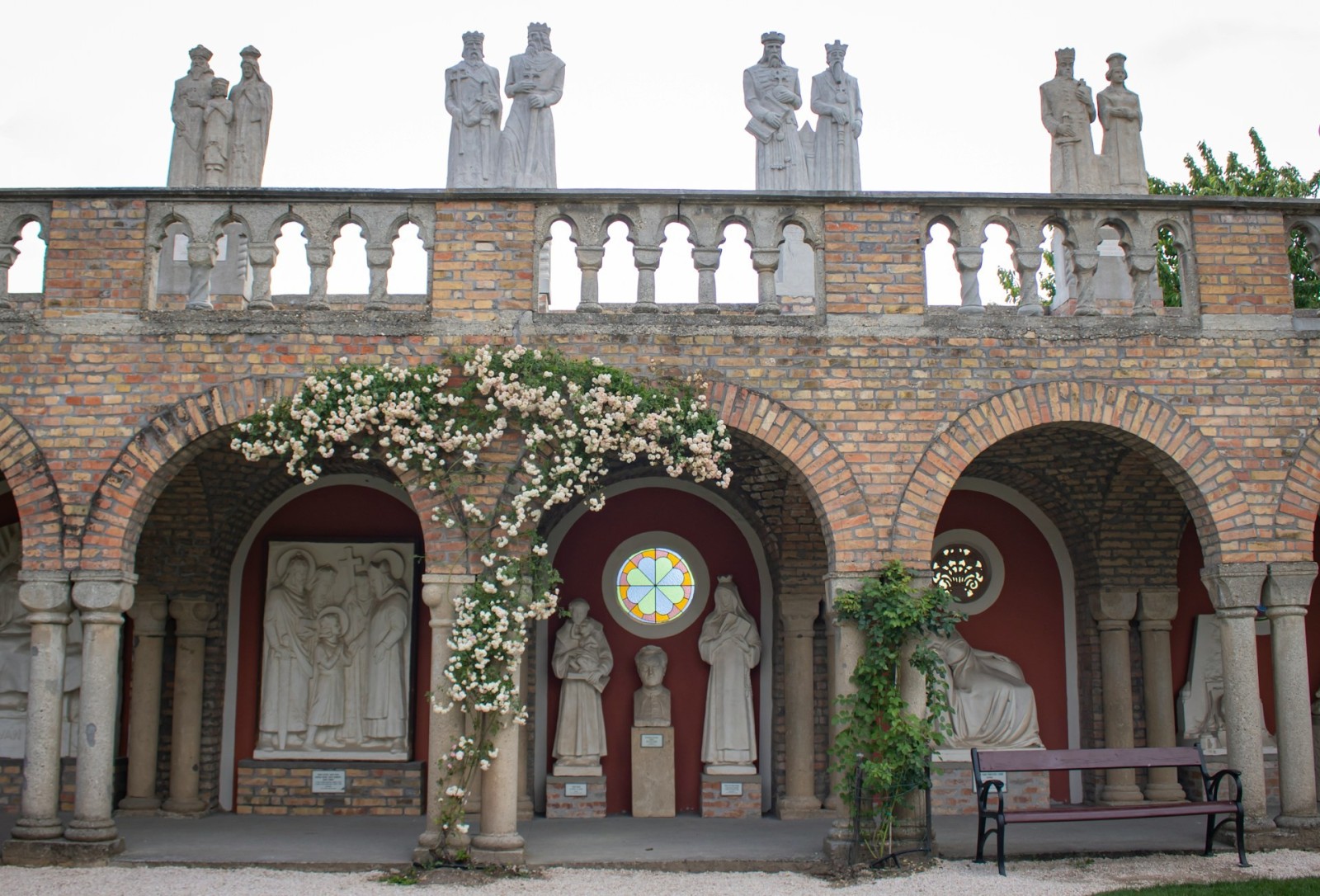
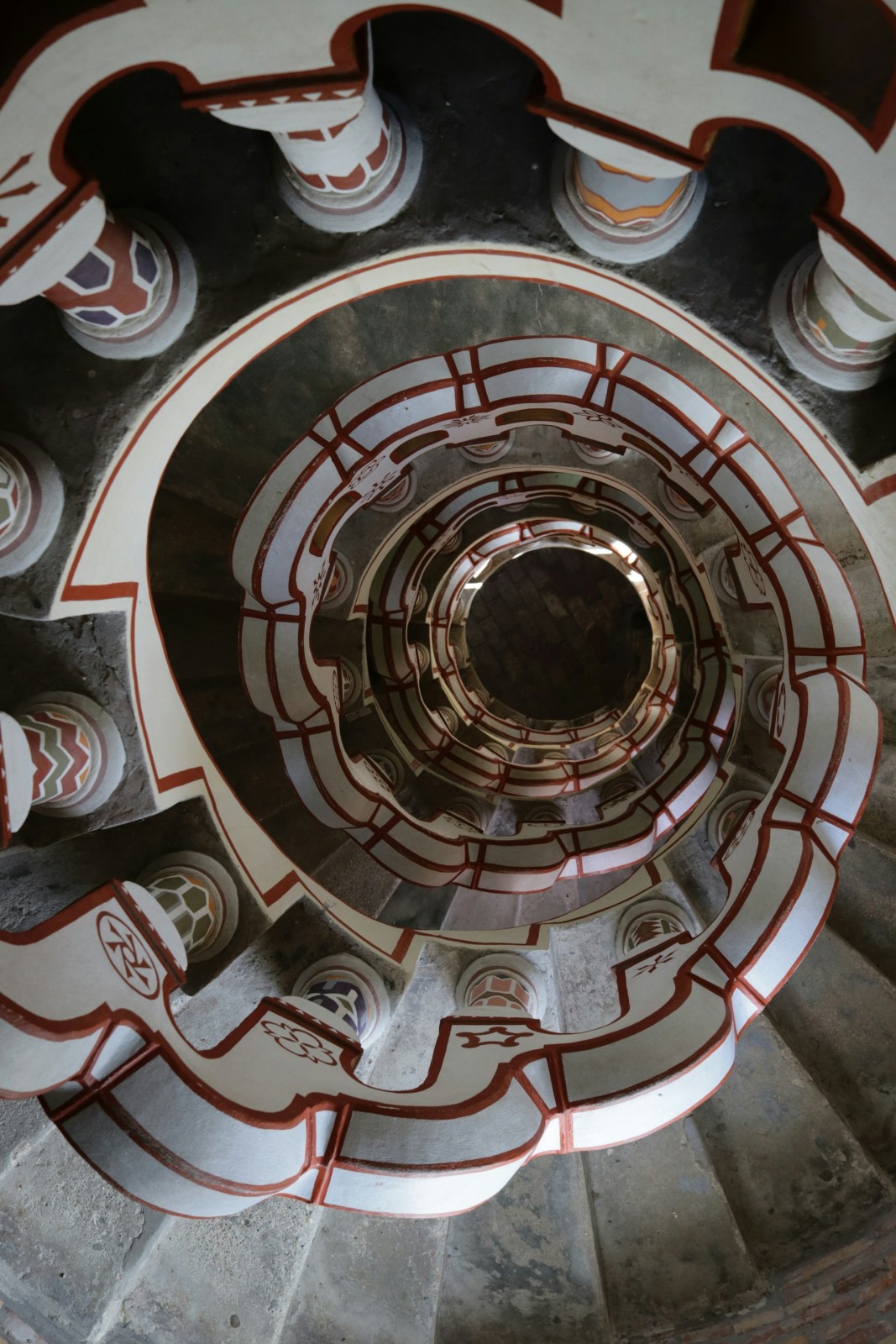
Bori Castle
One of the most unusual sights of the country.
The castle was built by architect and sculptor Jene Bori as a monument of love for his wife.
Visitors are attracted to:
Romantic architecture;
towers and courtyards;
art galleries;
beautiful gardens.
Many call it the Hungarian equivalent of a fairy-tale castle.
Rich cultural life
The city operates:
museums;
art galleries;
theaters;
exhibition centers.
Festivals, concerts and historical reconstructions take place throughout the year.
Convenient location
Szekesfehervar is conveniently used as a base for travel in central Hungary.
From here it is easy to reach:
Budapest;
Lake Balaton;
Tihan peninsula;
Vesprema;
wine regions of the country.
Parks and recreation areas
Despite its rich history, the city is very green.
Popular:
city parks;
walkways;
lakes;
Cycling areas.
Hungarian cuisine
In local restaurants you can try:
Goulash;
paprikash
Duck and goose dishes;
Hungarian sausages;
homemade desserts;
local wines.
Prices here are usually lower than in Budapest.
The atmosphere without a lot of tourists
Compared to Budapest, Szekesfehervar is much calmer.
Here you can:
Enjoy architecture without crowds.
Visit museums in a comfortable environment;
Get to know the real everyday life of Hungary.
Accommodation options in the city of Szekesfehervar
Hotels 4★
This is the most popular category among tourists who come for a few days to explore the city.
Popular options:
Mercure Szekesfehervar Magyar Kiraly is a modern hotel in the historic city center near the main attractions.
Best Western Plus Lakeside Hotel is a modern hotel near the park area and lake.
Castrum Hotel Szekesfehervar is one of the most famous hotels in the city just minutes from the historic center.
Szárcsa Hotel Székesfehérvár is a hotel with a traditional Hungarian restaurant and a cozy atmosphere.
Average cost:
from 100 to 180 euros per night.
Hotels 3★ Hotels
Suitable for most travelers who want to combine comfort and reasonable cost of living.
Popular options:
Szent Gellért Hotel is one of the most popular hotels in the city.
Hotel Platán is a cozy city hotel with a good value for money.
Hunting Horn Hotel is a quiet hotel near the city center.
Average cost:
from 70 to 120 euros per night.
Boutique hotels
For tourists who prefer a more personal atmosphere.
Popular options:
Boutique Hotel Szárcsa.
Small family hotels in the historic center of the city.
Average cost:
from 90 to 160 euros per night.
Boarding and guesthouses
Very common accommodation option in Hungary.
Popular options:
Budai Vendégház Panzió.
Ruttkai Guest House.
Central Vendégház Székesfehérvár.
Belváros Vendégház.
Advantages:
home atmosphere;
communication with local residents;
favorable prices;
convenient location near the center.
Average cost:
40 to 90 euros per night.
Apartments
Great choice for families, companies of friends and long stays.
Popular options:
Palace City apartmanok Székesfehérvár.
VIBE apartmanok Székesfehérvár.
Fehérvár Cappuccino Apartman.
Korona Apartman.
Advantages:
own kitchen;
More space;
convenience for family holidays.
Average cost:
from 50 to 130 euros per night.
Hostels and budget accommodation
For students and economic tourists available:
Szent Gellért Hostel.
small private rooms;
Budget guesthouses.
Average cost:
20 to 50 euros per night.
1. National Memorial Complex and Ruins of the Coronation Basilica
This is the most important historical landmark of the city.
Here was the famous Coronation Basilica, where:
crowned the Hungarian kings;
State ceremonies were held;
Many monarchs were buried.
Today, visitors can see archaeological excavations, preserved foundations of the basilica and monuments dedicated to the history of Hungary.
Transport accessibility
located in the city centre;
about 10 minutes walk from the railway station;
There are bus stops nearby.
2. Old town.
The historic center is considered one of the most beautiful in Hungary.
Here are:
Baroque buildings;
old squares;
museums;
restaurants;
monuments of architecture.
A walk in the center allows you to get acquainted with the centuries-old history of the city.
Transport accessibility
located in the central part of the city;
Most of the facilities are accessible on foot.
3. Bori Castle (Bory-vár)
The most famous tourist attraction of the city.
The castle was built by architect Jene Bori in the XX century as a symbol of love for his wife.
Features:
unusual architecture;
towers and galleries;
sculptures;
art exhibitions;
Picturesque garden.
Transport accessibility
located about 4 kilometers from the center;
10-15 minutes by car;
About 20 minutes on the city bus.
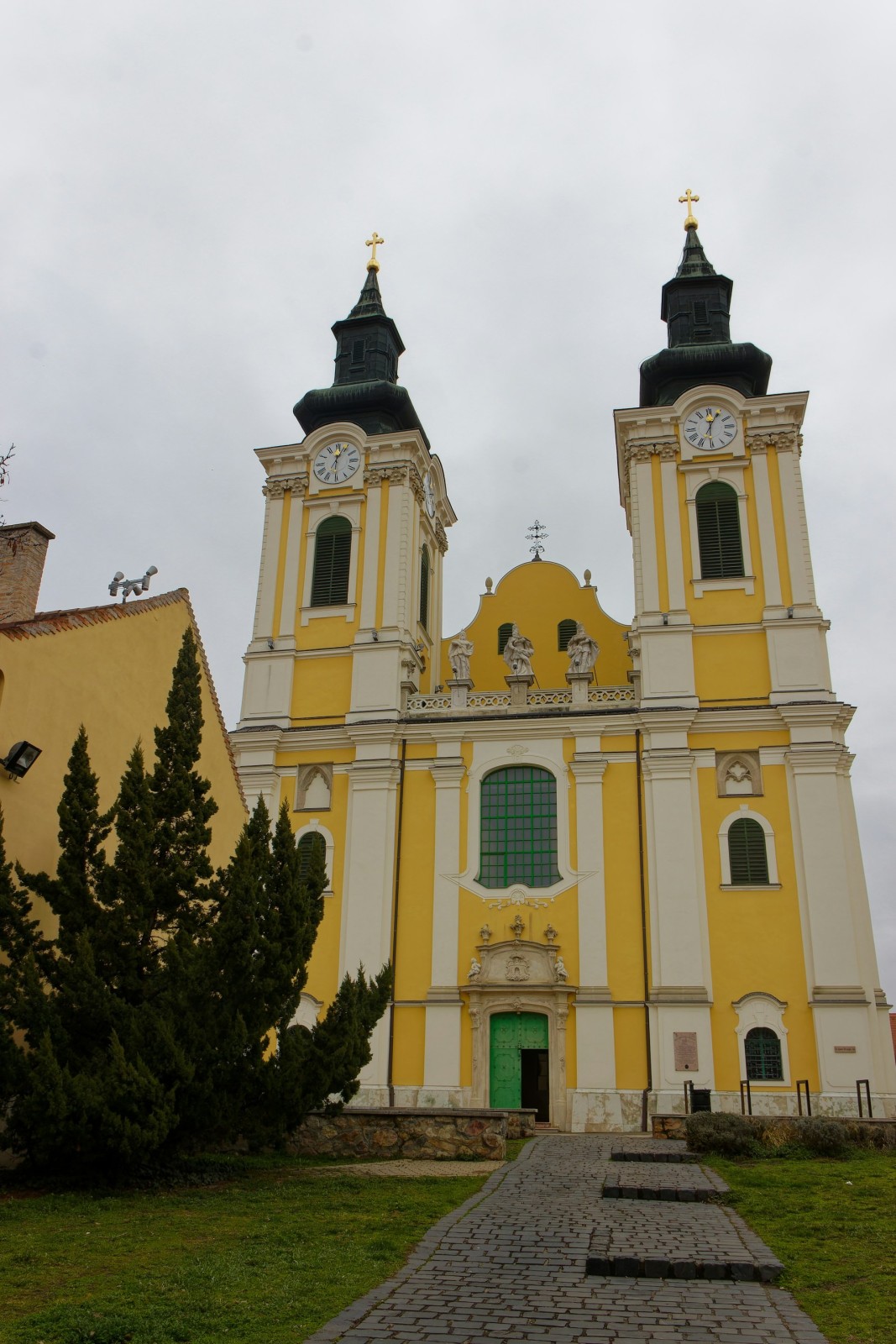
4. St. Stephen's Cathedral
The main Catholic church of the city.
The cathedral is famous:
beautiful frescoes;
historical interior;
works of religious art.
Transport accessibility
is located in the historical center;
easily accessible on foot.
5. episcopal
Beautiful palace of the XVIII century, built in the Baroque style.
It is one of the most photographed buildings in the city.
Transport accessibility
located near the cathedral;
accessible on foot.
6. Clock Tower and Varoshkhaz Square
The main square of the city.
Here are located:
town hall;
historic buildings;
cafes and restaurants;
monuments.
In the summer concerts and festivals are held in the square.
Transport accessibility
city centre;
It is accessible from most hotels.
7. King St. Istvan Museum
One of the largest museums in the region.
Expositions are devoted to:
history of Hungary;
archaeological finds;
art;
The royal period of the city.
Transport accessibility
located in the city centre;
easily accessible on foot.
8. Flower clock
One of the most recognizable city attractions.
They look especially beautiful in spring and summer.
Transport accessibility
are located in the city centre;
There are major tourist routes nearby.
9. Shosto Park
Natural park and protected area near the city.
Popular occupations:
walks;
bird watching;
bicycle routes;
nature rest.
Transport accessibility
about 10 minutes by car from the center;
City buses are available.
10. Theatre Veroshmarti
The city's main theater scene.
This is where they go.
performances;
concerts;
festivals;
cultural events.
Transport accessibility
It is located in the city centre;
accessible on foot.
1. The Royal Days of Szekesfehérvári Királyi Napok
When: August
The main holiday of the city and the largest event of the year.
In the program:
historical reconstructions;
medieval fairs;
concerts;
folk dances;
processions;
light shows;
exhibitions and theatre performances.
The festival is dedicated to St. Stephen, the first king of Hungary. Many tourists specifically plan a trip for this period.
2. Feast of St. Stephen
When: August 20
National holiday of Hungary.
During the celebrations are held:
festive services;
concerts;
festivities;
historical events;
evening fireworks.
Szekesfehervar is considered one of the best cities in the country to celebrate this day thanks to its royal history.
3. Alba Regia Feszt
When: August
One of the largest music festivals in the city.
Guests are waiting:
jazz concerts;
pop music;
funk;
world music;
gastronomic sites;
Hungarian wine tasting.
Concerts are held in the open areas of the historical center of the city.
4. Fire and Iron Festival (Tстиzzel-Vassal Fesztivál)
When: June
An unusual festival of crafts and historical traditions.
During the event, you can see:
blacksmiths;
gunners;
knives craftsmen;
craft fairs;
historical demonstrations.
It is one of the most famous handicraft festivals in Hungary.
5. Spring festival season
When: March - May
There are many activities in the city:
celebration of Revolution Day on March 15;
fairs;
sports festivals;
flower festivals;
family activities;
Children's festivals.
6. Floralia
When: May
A historical festival dedicated to the Roman past of the region.
In the program:
reconstruction of ancient life;
performances of artists;
costumed processions;
craft workshops.
7. Hetedhét Játékfesztivál
When: May
One of the largest children's festivals in the city.
This is where they go.
game programs;
Theatrical performances;
competitions;
concerts;
creative workshops.
8. Honey Festival (Mézünnep)
When: August
The traditional holiday of Hungarian beekeepers.
Guests may:
Try different types of honey;
purchase natural products;
attend master classes;
Get to know the local traditions.
9. Concerts at MET Arena
When: year-round
The modern concert arena of the city hosts:
Hungarian pop artists;
rock bands;
blues collectives;
sporting events;
Show programs.
10. Christmas market
When: December
Opening in the city centre:
Christmas markets;
gift shops;
gastronomic pavilions;
concert venues.
The city is decorated with festive illuminations and becomes especially beautiful in winter.
Spring (March-May)
Spring is considered one of the most pleasant seasons to explore the city. The streets are decorated with flowering parks and gardens, and the number of tourists is still small.
march
air temperature: +4... +12 °C
Water temperature: +5...+7 °C
April
air temperature: +9... +18 °C
Water temperature: +9... +12 °C
May
air temperature: +15... +24 °C
Water temperature: +15... +18 °C
Spring is great for walking around the historic center and visiting museums.
Summer (June-August)
Summer is warm, sunny and is considered the most popular tourist season.
June
air temperature: +18... +28 °C
Water temperature: +20... +22 °C
July
air temperature: +20... +31 °C
Water temperature: +23... +26 °C
Augustus
air temperature: +20... +32 °C
Water temperature: +23... +27 °C
On some days, the temperature can rise above +35 ° C.
Autumn (September-November)
Autumn in Szekesfehervar is usually long and comfortable.
September
air temperature: +15... +26 °C
Water temperature: +20... +23 °C
October.
air temperature: +9... +18 °C
Water temperature: +13... +16 °C
November
air temperature: +3... +10 °C
Water temperature: +7... +10 °C
In autumn, there are fewer tourists in the city, and walks are especially pleasant due to the mild weather.
Winter (December – February)
Winter is usually mild, although snowfall and short-term frosts are possible.
December
air temperature: -1 ... +6 °C
Water temperature: +3...+5 °C
January
air temperature: -3...+4 °C
water temperature: +1... +3 °C
February
air temperature: -1 ... +7 °C
Water temperature: +2...+4 °C
In winter, the city is decorated with Christmas markets and festive illuminations.
Language of communication
Hungarian
The official language is Hungarian (Magyar).
Hungarian is spoken by:
local residents;
employees of state institutions;
shopkeepers;
drivers of public transport;
staff of most organizations.
Hungarian is considered one of the most difficult languages in Europe and differs significantly from most European languages.
English
In many tourist places, English is understood:
hotel staff;
museum workers;
Restaurant staff;
Young people.
In the city center and popular tourist sites, communication problems usually do not arise.
German
Some older residents and tourism workers can speak German, as Hungary is historically closely linked to Austria and Germany.
Features of communication
Hungarians are usually polite, calm and friendly.
During communication, it is accepted:
Say hello when entering a store or cafe.
Thank you for your help;
treat elderly people with respect;
respect the personal space of the interlocutor.
Locals have a positive attitude towards tourists who know at least a few words in Hungarian.
Traditions and customs
Respect for history
Szekesfehervar is called the “city of Hungarian kings”.
For residents of the city are of great importance:
Saint Istvan;
History of the Kingdom of Hungary;
royal traditions;
historical monuments.
While visiting memorials and historical sites, it is recommended to behave respectfully and observe silence.
Family values
The family occupies an important place in Hungarian culture.
On weekends, many residents spend time:
with relatives;
at family dinners;
on city holidays.
Hospitality
Hungarians like to receive guests and are usually happy to help tourists.
If you are invited home, it is considered a good tone to bring a small gift:
sweets;
flowers;
A souvenir from his country.
Holidays and festivals
During city holidays it is accepted:
to participate in folk festivals;
respect local traditions;
Keep order at mass events.
A particularly important holiday is St. Stephen’s Day on August 20.
Behavior in restaurants
Restaurants are:
Welcome the staff;
calmly await service;
Thank the waiter after the meal.
Tipping is usually about 10% of the bill if the service charge is not included in the check.
Visits to churches and temples
Szekesfehervar is an important religious center of Hungary.
When visiting temples, it is recommended:
keep quiet;
Turn off the sound of the phone;
Do not interfere with worship;
dress neatly.
Photography inside some temples may be restricted.
Basic laws that are important for tourists to know
Documents
The tourist must carry with him:
passport;
documents confirming the right to stay in the country.
Copies of documents should be kept separate from the originals.
Alcohol
The purchase of alcohol is allowed to persons over 18 years of age.
Forbidden:
driving in a state of alcoholic intoxication;
Disturbance of public order after drinking alcohol.
Hungary has very strict rules for drunk drivers.
Smoking
Smoking is prohibited:
in public transport;
inside restaurants;
in public institutions;
In many public places.
Special areas are provided for smoking.
Public order
Fines may be imposed for breach of public order.
Not recommended:
make noise late at night;
litter
Destroy historical sites;
Drinking alcohol in places where it is prohibited.
Photography
Photography on the streets is usually allowed.
However, museums, galleries and some historical sites may have separate rules.
Before shooting the expositions, it is better to clarify the permission from the employees.
Welcome and introduction
Jó napot kívánok! (Yo napot kivanok) Hello! Good afternoon!
Szia! (Sia) Hello!
Jó reggelt! - Good morning!
Good evening!
Viszontlátásra! - Goodbye!
Hogy van? How are you?
Jól vagyok. I'm fine.
Örülök, hogy megismerhetem. It's nice to meet you.
Polite words
Köszönöm. Thank you.
Nagyon köszönöm. Thank you very much.
(Kerem) Please.
Szívesen. You're welcome.
Elnézést. I'm sorry.
Sajnálom. I'm sorry.
Useful questions of the tourist
Beszél angolul? ? Besel Angolal? - Do you speak English?
Beszél oroszul? ? Besel Orosul? - Do you speak Russian?
Tud segíteni? can you help?
Nem értem. I don't understand.
Beszéljen lassabban, kérem. Speak more slowly, please.
In town.
Hol van a központ? Where's downtown?
Hol van a vasútállomás? ? Hal van, what about allomash? Where's the train station?
Hol van a buszpályaudvar? Hal van a Buspalyaudwar? Where's the bus station?
Merre van a vár? Merre van a war? Where is the castle?
Milyen messze van? (Miyen Messe van) How far is that?
At the hotel.
Useful phrases
Foglalásom van. (Foglasom van) I have a reservation.
A nevem. . )My name is...
Mikor van a reggeli? What time is breakfast?
Van Wi-Fi? Is there Wi-Fi?
Kaphatok egy másik szobát? The hood is a mashik sobat? ) Can I have another room?
What to bring from food
Hungarian paprika
Paprika is considered one of the main symbols of Hungarian cuisine.
Popular options:
sweet paprika;
Sharp paprika.
smoked paprika;
spice mixtures for goulash.
Paprika is sold both in ordinary packages and in beautiful souvenir bags.
Hungarian salami
One of the most popular gastronomic gifts is salami.
Especially well known:
classic salami;
smoked sausages;
Farm meat delicacies.
Such products can be purchased in gastronomic stores and markets.
Walking mixtures and spices
Tourists often buy ready-made kits for cooking:
Goulasha;
Paprikasha.
Hungarian soups;
meat dishes.
Hungarian honey
The region produces high-quality natural honey:
acacia;
fake
flowery
forest.
Especially popular are gift sets with several varieties.
Marzipan and sweets
Dessert lovers should pay attention to:
marzipan figures;
handmade chocolate;
honeycakes;
fruity candy.
Wine.
Szekesfehervar is close to several famous wine regions of Hungary.
Popular wines:
white wines of the Mor region;
Balaton's fault;
Dessert Hungarian wines;
sparkling wines.
Medicines and useful products
Cosmetics based on thermal water
Hungary is famous for its thermal resorts.
Popular:
skin creams;
moisturizers;
medical cosmetics;
mineral masks.
Natural herbal teas
Local residents often use:
chamomile
mint
Melissa?
Fake color;
Herbal collections for sleep and digestion.
Hungarian balms
One of the most famous products is herbal balm, which is traditionally used to improve digestion and overall body tone.
Lavender products
From the Balaton region often bring:
essential oils;
soap
creams;
aromatic sachets;
Lavender-based cosmetics.
Souvenirs and gifts
Products with royal symbols
Since Szekesfehervar is considered the city of the Hungarian kings, you can buy here:
magnets;
postcards;
cups;
decorative plates;
Crowns and knights.
Hungarian embroidery
Traditional embroidery remains one of the most famous souvenirs of the country.
Popular:
napkins;
tablecloths;
towels;
decorative panels;
elements of national clothing.
china
One of the most valuable Hungarian souvenirs is porcelain.
Popular:
tea pairs;
figurines;
decorative plates;
small figures.
Handmade ceramics
At the trade fairs you can buy:
painted plates;
cups;
pitchers;
decorative products for the home.
Wood products
Traditional Hungarian masters create:
boxes;
kitchen supplies;
carved souvenirs;
decorative decorations.
Szekesfehervar is considered one of the most peaceful and safe cities in Hungary. The city has a low level of crime, developed infrastructure and a comfortable environment for tourists. Most travelers visit the city without any problems, but basic precautions are still necessary.
What documents should you have with you
For a trip to Szekesfehervar, it is recommended to prepare:
a foreign passport with a validity period of at least three months after the end of the trip;
Schengen visa (if required for citizens of your country);
health insurance;
confirmation of hotel or apartment reservation;
return tickets;
documents confirming the availability of funds for the period of stay.
It is advisable to make paper and electronic copies of all important documents and keep them separate from the originals.
Health insurance
Hungary is part of the European Union, so medical services for foreign citizens can be quite expensive.
It is recommended to issue an insurance policy with coverage:
outpatient treatment;
hospitalization;
emergency medical care;
transportation to the home country;
dental care in emergency conditions;
Insurance of luggage and personal belongings.
For active travelers, it is advisable to include additional risks associated with sports and outdoor activities.
Emergency services
There is a single emergency number throughout Hungary:
112 - Police, Fire Service and Ambulance.
Additional use is made of:
104 - ambulance;
105 - Fire service;
107 police.
Operators of service 112 can usually communicate not only in Hungarian, but also in English.
Medical assistance
The city operates:
state polyclinics;
Private medical centers;
dental clinics;
round the clock pharmacies.
Pharmacies are marked with a green cross and the inscription Gyógyszertár.
When contacting a doctor, it is advisable to have a passport and insurance policy with you.
Personal security
Szekesfehervar is safe both in the afternoon and in the evening.
However, it is recommended that:
Do not leave bags and documents unattended;
Keep your money and passport in a safe place.
use official taxi services;
Avoid poorly lit uninhabited places late at night.
Keep a close eye on personal belongings at train stations and on public transport.
Pickpocketing is rare, but is possible in tourist spots and at major events.
Road safety
Traffic rules are strictly enforced in Hungary.
It should be remembered:
Crossing the street is necessary only on pedestrian crossings;
The use of seat belts is mandatory;
Talking on the phone while driving without a headset is prohibited;
The permissible level of alcohol for drivers is zero.
Penalties for violations can be quite high.
Bank cards and currency exchange
The official currency of the country is the Hungarian forint (HUF).
Most establishments accept:
Visa;
Mastercard;
contactless payment by smartphone.
However, a small amount of cash can come in handy at markets, fairs and small cafes.
Exchange of money is recommended:
in banks;
licensed exchange offices;
big shopping malls.
Mobile and Internet
The largest mobile operators in Hungary:
Magyar Telekom;
Yettel Hungary;
One Hungary.
For tourists available:
local SIM cards;
tourist rates;
eSIM.
Free Wi-Fi is widely available:
in hotels;
restaurants;
museums;
malls;
In some city squares.
How many tourists can stay in Hungary?
Hungary is part of the Schengen area.
For most tourists, there is a rule:
not more than 90 days during any period of 180 days on a Schengen visa or visa-free entry, if it is provided for by the traveler’s citizenship.
For a longer stay, it is necessary to issue:
National long-term visa;
residence permit;
residence permit.
Create a query and local guides will offer you the best options


