Independent tourism and recreation in Tihany village Historical information about the village of Tihany 1. The...
1. The ancient history of Tihan. The territory of the modern village of Tihan on the peninsula in Lake Balaton was inhabited in prehistoric times. Later there were Roman settlements here. The favorable location, fertile land and proximity of the lake contributed to the development of agriculture, fishing and trade.
2. The foundation of the monastery in the XI century. The most important event was the foundation in 1055 of the Benedictine Abbey by order of the Hungarian king Andras I. The monastery was dedicated to the Virgin Mary and St. Agnos. In 1060, the king was buried in the monastery crypt, which has survived to this day.
3. The historical significance of the abbey. The Constituent Letter of 1055 is considered one of the oldest surviving original written documents of Hungary. It contains early written forms of Hungarian words, which is why it has a special significance for the history of the Hungarian language. In the Middle Ages, the abbey became the religious, cultural and administrative center of the region.
4. Medieval village life. Around the monastery gradually developed a settlement, whose inhabitants were engaged in fishing, agriculture, viticulture and livestock. Lake Balaton provided the locals with fish, and the surrounding hills were suitable for growing grapes. Gradually, the traditions and way of life characteristic of the region were formed.
5. Ottoman wars and destruction. In the XVI-XVII centuries, the territory was affected by military conflicts between the Habsburg monarchy and the Ottoman Empire. The monastery was used as a fortification, but it suffered from hostilities. This slowed down the development of the village and led to the destruction of some historical buildings.
6. Eighteenth century renaissance. After the return of the monastery to the Hungarian Benedictines in 1716, the restoration of the religious complex began. The abbey was rebuilt in the Baroque style. Despite the fire of 1763, the buildings were restored. The monastery church became the main architectural symbol of Tihan.
7. XIX century and the traditional way. In the XIX century, Tihan remained mainly a rural settlement. Local residents grew grapes, engaged in fishing and agriculture. Traditional houses and crafts were preserved, and the natural landscapes of the peninsula determined the peculiarities of local life.
8. Natural heritage. The Tihan Peninsula was formed as a result of ancient volcanic activity. There are internal and external lakes, hills and unusual geological formations. In 1952, the territory received the status of a protected natural area, which contributed to the preservation of its unique nature.
9. XX century and the restoration of the monastery. In 1950, the activities of monastic communities in Hungary were terminated by the state, and the Benedictines left the abbey. After the political changes, monastic life gradually resumed. Since the 1990s, restoration works have been carried out to preserve historical buildings and religious traditions.
10. Modern Tihan. Today, the village is known for its abbey, historical architecture, lavender fields, wine traditions and picturesque views of Balaton. The development of tourism has made it a popular holiday destination, but Tihany continues to retain the character of a traditional Hungarian settlement with a rich historical and natural heritage.
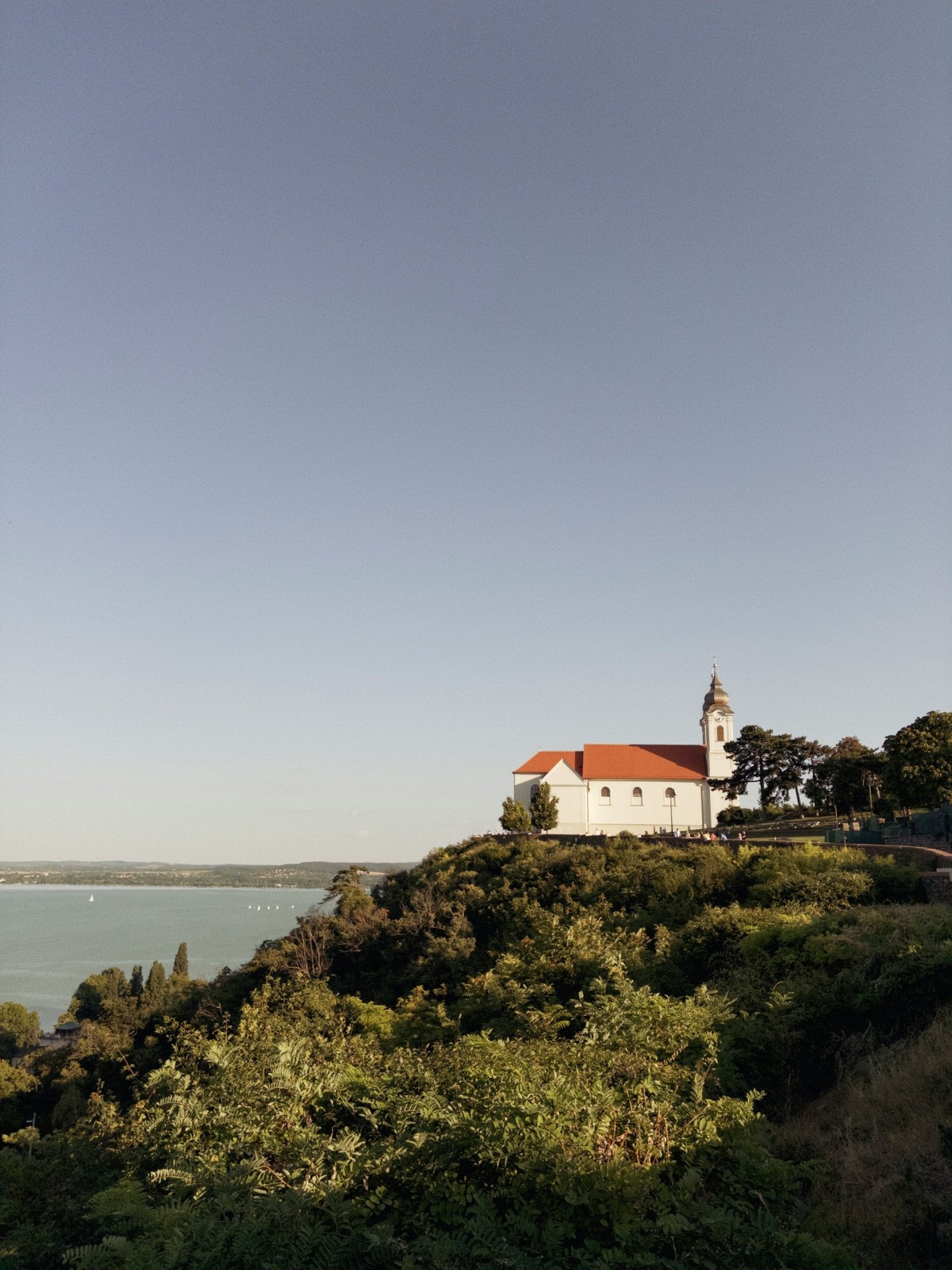
1. The tourist attraction of Tihan. Tihan is a picturesque village on the peninsula of Lake Balaton in Hungary. It attracts travelers with a combination of historical architecture, natural scenery, tranquil atmosphere and traditional Hungarian culture. Narrow streets, old houses, green hills and panoramic views of the lake make it a suitable place for leisurely rest and acquaintance with the history of the region.
2. Historical and cultural heritage. The main attraction of the village is the Benedictine Abbey of Tihan, founded in 1055. Its Baroque church, historical crypt and museum expositions provide an insight into the religious and cultural history of Hungary. In the center of the village there are preserved traditional houses, small museums, craft shops and cozy cafes.
3. Natural attractions. The peninsula is known for volcanic hills, unusual rock formations and protected natural areas. The inner lake of Tihanya is surrounded by green meadows and hills, and observation decks offer beautiful views of Balaton and the surrounding settlements. There are hiking trails suitable for walking and photographing landscapes.
4. Lavender fields and local traditions. Tihan is famous for the cultivation of lavender, which has become one of the symbols of the village. During the flowering season, visitors can admire the purple fields, purchase lavender products, cosmetics and local souvenirs. Lavender is associated with fairs and themed events, attracting lovers of nature and local crafts.
5. Rest on Lake Balaton. The proximity to the largest lake in Hungary offers opportunities for swimming, walking along the shore, boating and water excursions. In the warm season, tourists can combine the inspection of historical places with a beach holiday, as well as visit neighboring resort villages.
6. Gastronomy and wine traditions. Local restaurants and cafes offer Hungarian cuisine, fresh fish from Balaton, meat specialties, pastries and desserts with lavender. The surrounding area is famous for vineyards and wineries, where you can get acquainted with regional wines and traditions of their production.
1. High-level hotels and resort complexes. In Tihan there are large hotels with their own beaches, restaurants, health areas and opportunities for outdoor activities. They are suitable for family trips, romantic holidays and a long stay on Lake Balaton.
Popular options:
Club Tihany Resort is a large resort complex near the lake with its own beach, health area and conditions for family holidays.
Aquilo Hotel Panoráma is a hotel on the shores of Balaton with panoramic views and its own coastal area.
The Houses of History – Anno 1830 is a hotel in historic buildings with traditional architecture, garden and atmosphere of ancient Tihan.
2. Mid-range hotels. Such options offer comfortable rooms, private bathrooms, Wi-Fi, parking, and sometimes breakfast, swimming pool or sauna. They are suitable for tourists who want to combine the amenities of the hotel with walks around the village and the surrounding area.
Examples:
Adler Hotel és Étterem is a small hotel with a restaurant, suitable for relaxing and exploring the local cuisine.
Hotel Tihany Átrium is an accommodation option for those who want to stay close to the lake and engage in water activities.
the Herbalist is a small designer accommodation in the central part of Tihan, convenient for walking to the abbey, cafes and shops.
3. Guesthouses and boarding houses. This is one of the most common accommodation options in Tihan. They usually have a small number of rooms, a cozy environment and a garden or terrace. Some establishments provide breakfast, and owners help tourists with recommendations for walks and local attractions.
Examples:
Barackvirág Panzió is a family boarding house in a quiet part of the village, suitable for couples and small families.
Csöpi Panzió is a small boarding house near the central square and the abbey.
Christophorus Vendégház is a guest house next to the Benedictine Abbey, suitable for families, tourist groups and travelers who prefer a quiet environment.
Viktória Inn Tihany - accommodation in apartments in a quiet part of the village, near the Inner Lake.
4. Apartments and apartments for independent living. The apartments are especially convenient for families with children, companies of friends and tourists who plan to stay in the village for several days. They usually have a kitchen or kitchenette, refrigerator, private bathroom and a place to relax. Being able to cook on your own helps reduce food costs.
Examples:
Oliver Lux is a modern apartment near Balaton, suitable for relaxing with a view of the lake.
Vánkoska Apartman Tihany - apartments in the village, convenient for exploring its central part.
M26 Prémium Apartmanok is a luxury apartment close to the Abbey and Inner Lake.
Koko Apartman is an option for couples and small families who prefer independent accommodation.
1. Benedictine Abbey of Tihany. The main historical landmark of the village, founded in 1055. The complex is famous for the Baroque church with two towers, the ancient crypto of King Andrew I and museum expositions. From the site in front of the abbey there is a panoramic view of Lake Balaton and the surrounding hills.
Transport accessibility: the abbey is located in the historic center of Tihany. From the central bus stops you can walk, but the road in places goes uphill. Around the abbey it is convenient to walk, visiting the neighboring streets, cafes and souvenir shops.
2. Observation deck and Echo Hill. Echo Hill (Visszhang-domb) is famous for the tradition of the Tihan echo and beautiful views of the village and the lake. There is also a monument to the Echo of Tihan. It is a popular place for short walks and exploring local legends.
Transport accessibility: the site is located near the abbey, so both attractions are convenient to explore within the same walking route. The streets can be steep and the coverage uneven.
3. Traditional peasant houses and an open-air ethnographic museum. Historic houses allow you to see the traditional architecture of Tihanya, household items and features of the life of local residents in the past centuries. They help to get acquainted with the culture of fishing and rural settlements.
Transport accessibility: Museum houses are located in the old part of the village, close to the main tourist streets. It is convenient to walk from the abbey. A visit can be combined with a walk in the center.
4. Lavender House (Levendula Ház Látogatóközpont) The visitor center is located near the Inner Lake and is dedicated to the nature of the peninsula, its volcanic origin and lavender cultivation traditions. There are interactive expositions, a souvenir shop, and thematic events are held at certain periods.
Transport accessibility: the centre is located at Major utca 67, next to the Inner Lake. From the historical center you can walk in about 15-25 minutes, taking into account the features of the relief. You can also use the car and parking near the center. The schedule depends on the season.
5. The Inner Lake (Belső-tó). The picturesque lake of volcanic origin is surrounded by meadows and hills. It is pleasant to walk, observe nature and relax away from the busy tourist streets. In the vicinity there are characteristic animals and plants of the region.
Transport accessibility: The lake can be reached on foot from the Abbey and Lavender House. The routes pass through hilly terrain, so it is better to choose comfortable shoes for a walk. For the entrance by car there are parking spaces in the vicinity, the availability of which depends on the season.
6. The outer lake (Külső-tó). This is a natural area that attracts lovers of quiet walks and bird watching. Unlike the central tourist destinations, there is less infrastructure, but you can better feel the natural nature of the peninsula.
Transport accessibility: it is most convenient to get on foot along the designated routes or by bicycle. Public transport to certain natural areas can be limited, so it is worth checking the schedule before the trip. In protected areas, it is important to adhere to marked trails.
7. Observation tower on the hill of Apati (еrtorony-kilátó). The tower is located on the hill of Apati, at an altitude of about 216 meters above sea level. It opens a panorama of the lakes of the peninsula, Balaton and the surrounding hills. This is a suitable goal for lovers of hiking and natural landscapes.
Transport accessibility: pedestrian routes lead to the tower. By car you can reach the accessible areas near the hiking trails, and then continue on foot. The trip takes more time than visiting the center, so it is advisable to allocate a few hours for it.
8. Cave dwellings of hermits (Barátlakások). These are unusual rooms carved in rocks and associated with the history of Orthodox monks who lived on the peninsula in the Middle Ages. The attraction is interesting for those who want to see not only the central part of the village, but also less well-known historical sites.
Transport accessibility: hiking trails lead to the caves. Some areas pass through wooded and uneven terrain, so comfortable shoes are needed. The trip is better planned as a separate walk, rather than a short transition between the sights of the center.
9. Geyser cone "Golden House" (Aranyház gejzírkúp). The unusual rock formation arose as a result of ancient geological processes associated with the volcanic activity of the peninsula. The cone is one of the most interesting natural objects of Tihan and allows you to get acquainted with its geological history.
Transport accessibility: the site can be visited during a hike along the natural paths of the peninsula. The route should be planned in advance, as access to the cone is limited. For inspection, it is necessary to provide additional time for a walk.
10. Lavender fields and plantations. Tihan is famous for lavender, which has become a symbol of the village. During the flowering period, the fields attract visitors with their aromas and landscapes. Local stores sell lavender oil, cosmetics, soap, tea and other products.
Transport accessibility: individual plantations are located outside the historic center. They can be reached by car or bicycle and then walk. Flowering depends on the weather and season, so before the trip it is advisable to clarify the availability of fields and events.
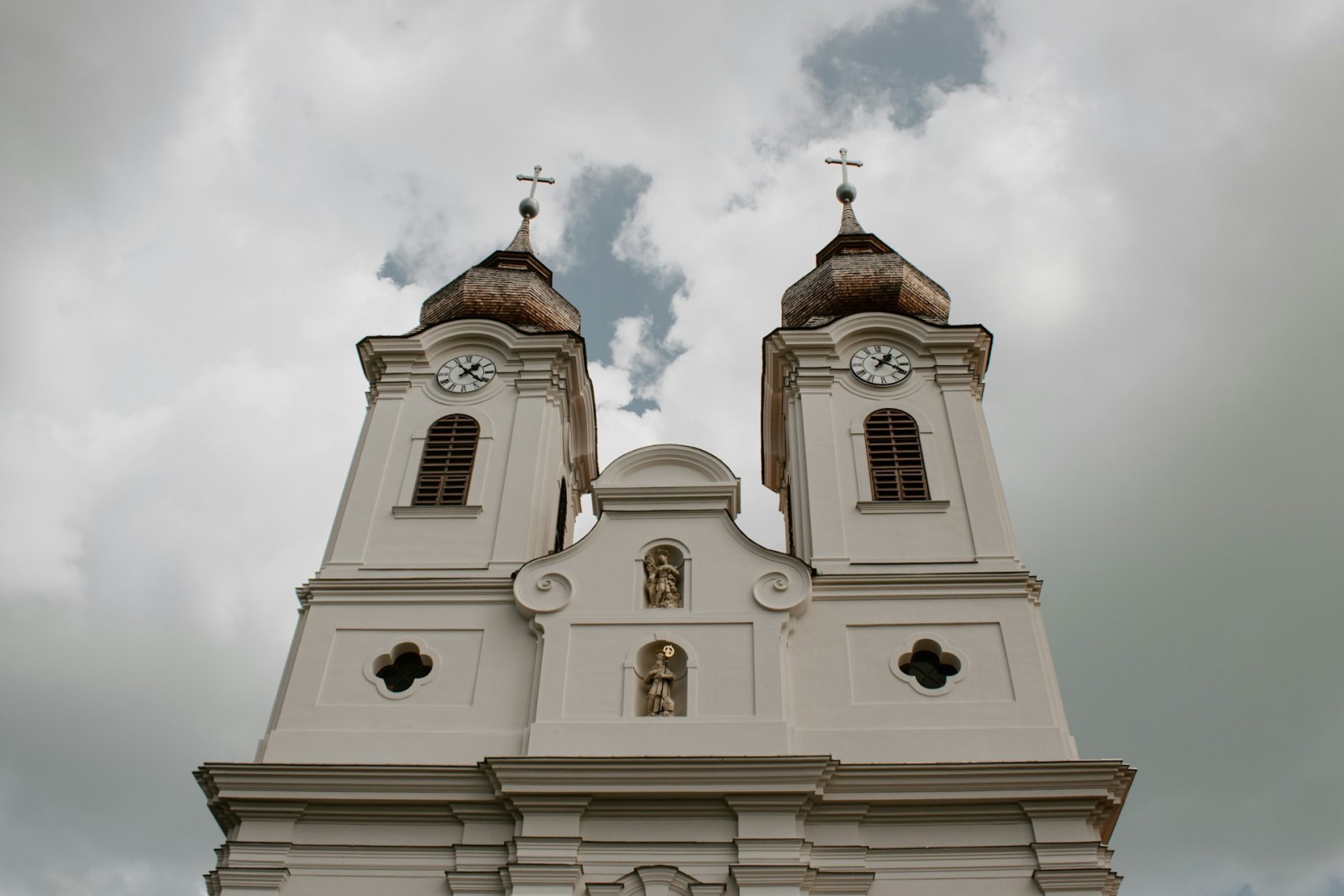
1. Lavender Festival (Levendula Fesztivál) In summer, usually in June, Tihanh becomes the center of lavender celebration. Guests are waiting for walks in flowering fields, collecting lavender in specially designated places, craft fairs, master classes, tastings and selling local cosmetics and souvenirs. Dates and program vary depending on the season and flowering of the plants.
2. Lavender Weeks (Levendula Hetek) In June and sometimes in early July, thematic events dedicated to the cultivation and processing of lavender are held. Tourists can visit plantations, get acquainted with the production of essential oils, purchase aromatic products and try lavender dishes. This time is especially suitable for exploring the natural and craft traditions of the village.
3. Goat Hoof Festival (Kecskeköröm Ünnep) Spring gastronomic and cultural event associated with the local legend of unusual fossils resembling goat hoofs. The program may include folk music, craft activities, family entertainment and tasting regional products. The specific conduct depends on the calendar of local events.
4. Easter events (Húsvéti programok) In spring, during Easter, family holidays, children's games, creative master classes and thematic programs can be held in the village. The abbey hosts religious services associated with one of the main Christian holidays. This is a good time to explore the Hungarian Easter tradition.
5. Summer concerts and theater performances. In the warm season, musical performances, theatrical performances and cultural evenings are organized in the open areas of Tihan. One of the famous venues is the summer stage named after István Szabadtéri Színpad. The program may include concerts by Hungarian performers, performances and entertaining performances.
6. Harvest Days (Szüreti Napok) In autumn, usually in September, Tihany celebrates the traditional festival of grapes and wine. The program includes tastings of local wines, performances of folklore groups, fairs, family entertainment and a festive procession through the streets of the village. The event introduces tourists to the wine traditions of the Balaton region.
7. The Garda Festival (Gardália Napok) In autumn, usually in November, there is a gastronomic festival dedicated to the Garda, a fish known as the Balaton Cheka. Visitors are offered fish dishes, introduced to the fishing traditions of Lake Balaton and organized thematic programs. The festival attracts fans of local cuisine and regional culture.
8. Christmas and Advent activities (Adventi programok) In late November and December, festive decorations appear in Tihan, thematic fairs, creative master classes and gastronomic events are held. At this time, you can buy local craftsmen, taste seasonal sweets and visit religious services in the abbey. In some years special lighting programs are organized.
9. Hungarian cuisine and gastronomic weekends. Throughout the year, restaurants and local organizers hold themed days dedicated to fish, seasonal produce, pastries and traditional dishes. In autumn, special attention is paid to pumpkin and goose dishes, and in other seasons you can find events with tastings and culinary master classes. The dates of such events change every year.
10. Religious festivals and concerts in the abbey. During the year, the Benedictine Abbey hosts church celebrations, festive services, musical services, lectures and cultural evenings. Concerts of sacred music and events dedicated to the history of the monastery are organized on separate dates. The program is especially interesting for travelers interested in the history and religious culture of Hungary.
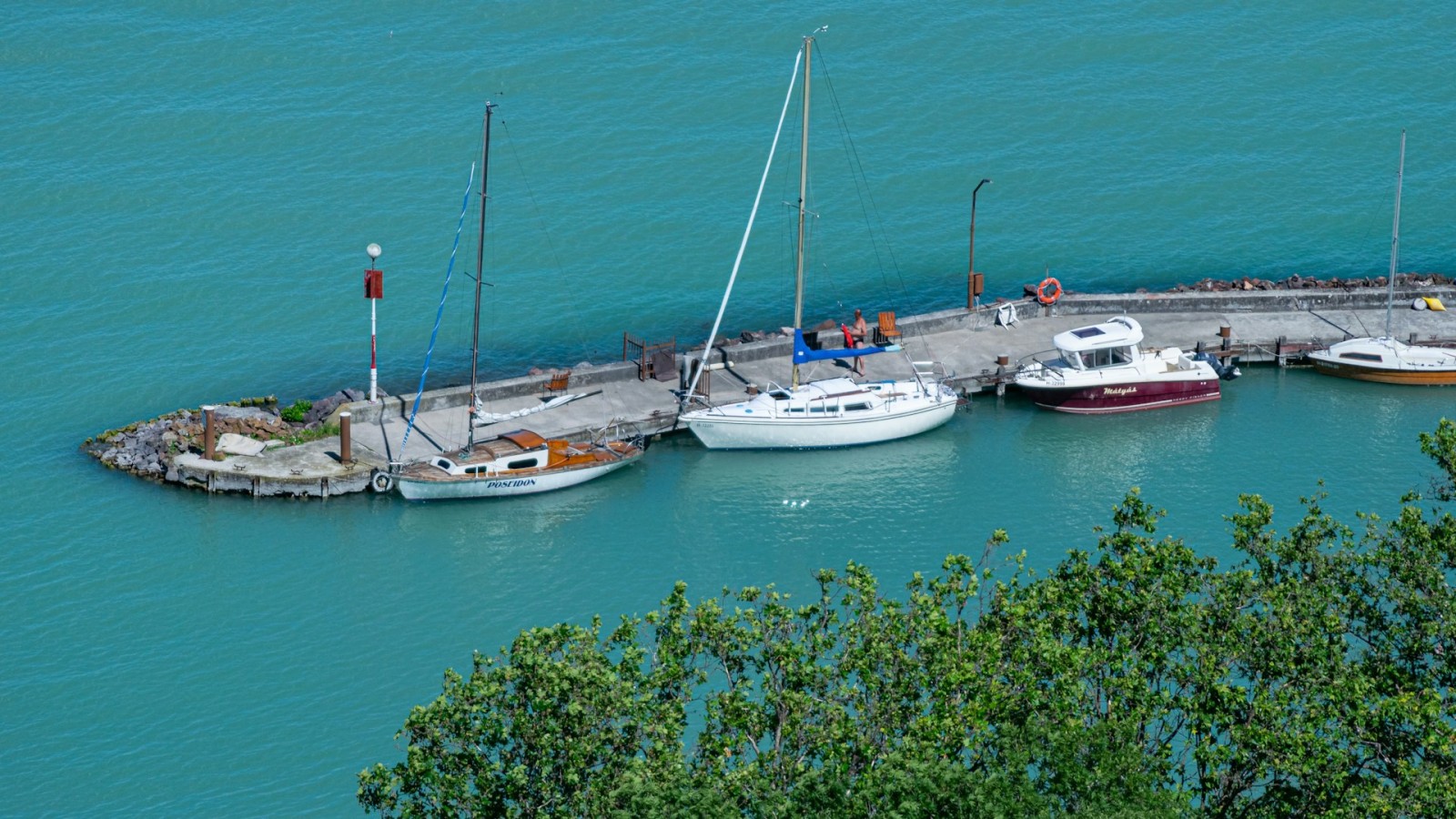
1. Spring. In March, the air warms up to an average of about +6 ° C, in April - to +12 ° C, and in May - to +17 ° C. At night in early spring it is still cool. The water temperature in Balaton is about +5 °C in March, +13 °C in April and +18 °C in May.
Spring is suitable for exploring the Benedictine Abbey, walking through historic streets, visiting nature trails and observation decks. For swimming, the water is usually still cold, especially in March and April. In May it becomes more comfortable for long excursions and rest in the fresh air.
2. Summer. The warmest period of the year is June, July and August. The average air temperature is about +21 °C in June and +23 °C in July and August. During the day in hot periods, the temperature can exceed +30 ° C. The water in the lake warms up to about +22 °C in June and +23 °C in July and August.
Summer is best for beach holidays, swimming, boating, cycling and excursions on Lake Balaton. In June, you can catch lavender blossoming and thematic events. July and August are most popular with tourists, so it is recommended to book accommodation in advance. At this time, thunderstorms and short showers are also possible.
3. Fall. In September, the average air temperature is about +17 °C, in October - +12 °C, and in November - about +7 °C. The water in the lake gradually cools down: to about +18 °C in September, +13 °C in October and +7 °C in November.
September is suitable for walking, tasting local wines and getting acquainted with the gastronomic traditions of the region. In early autumn, you can sometimes swim if the weather is warm. October and November are more suitable for cultural excursions, visits to the abbey, museums and local restaurants. As autumn arrives, the likelihood of cool, windy and rainy days increases.
4. Winter. It's cool in Tihan in winter. The average air temperature in December is about +2 °C, in January - about 0 °C, in February - about +2 °C. At night, the temperature can drop below zero, snow and frost are possible. The average water temperature in Balaton in winter is about +1-2 ° C.
Winter is suitable for a quiet acquaintance with the history of the village, visiting the abbey, walking through the quiet streets and relaxing in a cafe. Beach holidays during this period are irrelevant, and some seasonal tourist sites and establishments can work on a reduced schedule.
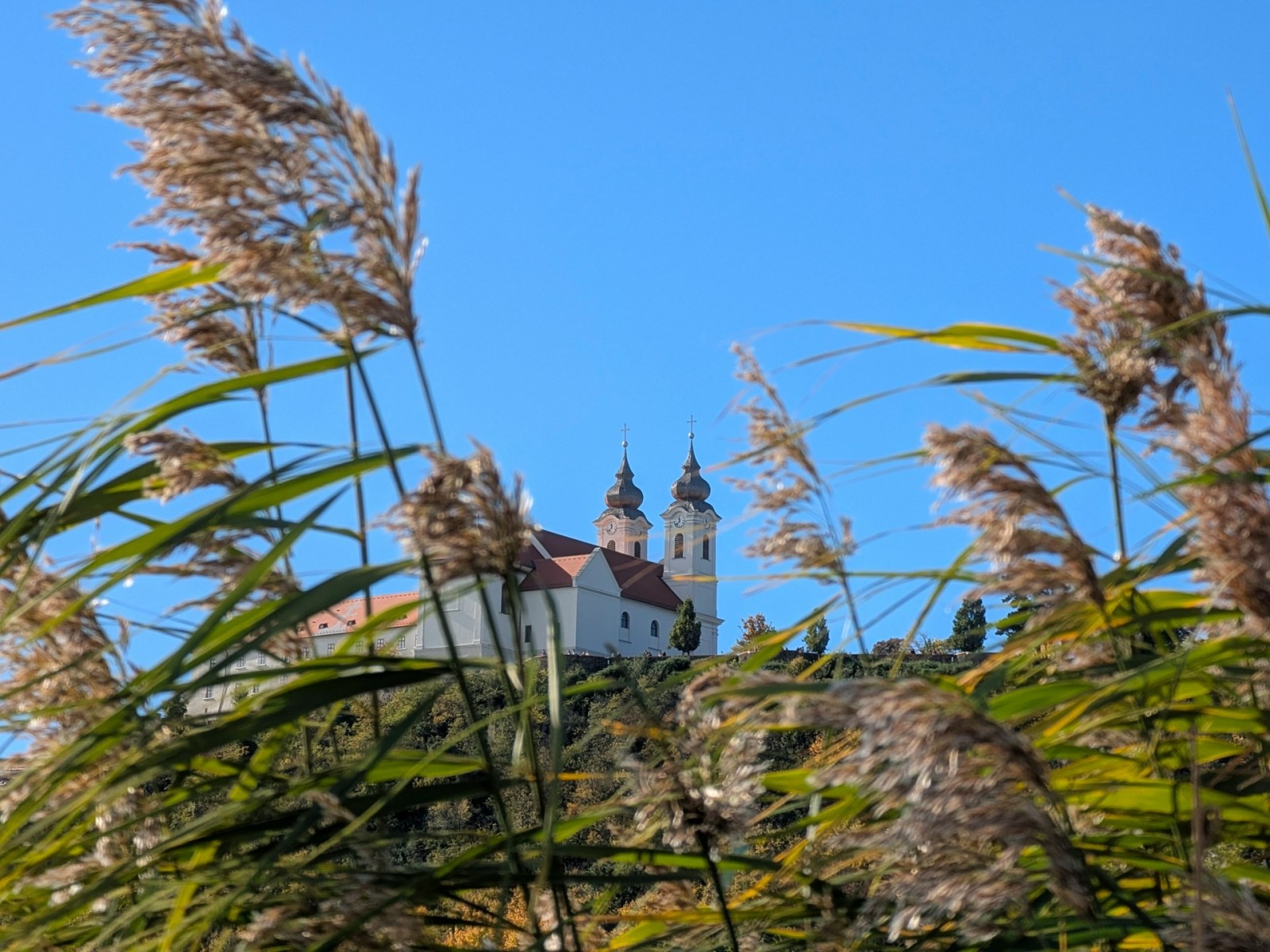
1. Language of communication. The official language of Hungary is Hungarian. In Tihan, it is spoken in shops, restaurants, hotels and institutions. In tourist places, employees often speak English and sometimes German. Outside popular tourist sites, knowledge of foreign languages may be limited.
Greetings and gratitude in Hungarian are generally welcomed. In restaurants and shops, you can use English, accompanied by simple phrases and gestures.
2. Rules of politeness and communication. Hungarians usually value respect, a calm tone and respect for personal space. When dating, it is appropriate to say hello, and when addressing strangers - use polite forms. Do not talk loudly in public places, interrupt the interlocutor or be persistent if the person is not ready to help.
In small villages, it is customary to say hello when addressing the owners of guest houses and employees of institutions. It is important to respect local residents and their private property.
3. Traditions and national holidays. Hungarian culture combines European traditions, Christian holidays and local customs. An important place is occupied by Easter, Christmas, St. Stephen’s Day on August 20 and the national holiday on March 15. On holidays, ceremonies, concerts, fairs and folk events can be held.
Tihan is known for traditions of lavender cultivation, fishing, viticulture and local cuisine. In June, during the period of lavender flowering, thematic events are held. In autumn you can get acquainted with the wine and gastronomic traditions of the Balaton region.
4. Rules for visiting religious sites. When visiting the Benedictine Abbey of Tihan and other active churches, it is necessary to observe silence, do not interfere with services and follow the instructions of the staff. Clothing should be neat and sufficiently restrained. Before taking a photo inside the temple, you should check whether shooting is allowed.
During religious services, tourists should behave respectfully, do not talk loudly and turn off the sound of their mobile phone.
5. Traditions of eating and visiting restaurants. Hungarian cuisine is known for dishes with paprika, meat soups, goulash, fish and pastries. In Tihan popular fish dishes and local wines. In restaurants, it is customary to calmly wait for service and specify the composition of dishes if there are food restrictions.
Tipping is common in Hungary, but conditions depend on the establishment. Before paying, it is worth checking the bill: the service fee may already be included. If it is not included, the size of the tip is chosen according to the quality of service and its own discretion.
6. Public order and purity. Do not leave garbage on the streets, by the lake and on nature trails. In the protected areas of the peninsula, it is necessary to adhere to the designated routes, not to damage plants and not to disturb animals. You cannot enter private territory without the permission of the owner.
When visiting the beaches, follow the established rules of bathing and the instructions of rescuers. In natural areas, restrictions on the breeding of fire and the use of certain territories should be taken into account.
7. Smoking and alcohol use. Hungary has restrictions on smoking in enclosed public spaces, catering establishments and public transport. Smoking should only be in permitted places and pay attention to the appropriate signs.
Alcohol should be consumed in accordance with local rules and public order. Driving after drinking alcohol is prohibited: Hungary has zero tolerance for alcohol while driving.
8. Laws, documents and rules of movement. Hungarian legislation must be observed when travelling. The tourist should carry a valid identity document and present it at the lawful request of the police. Appropriate driving documents and insurance are required to travel by car; an electronic vignette is required on toll motorways.
In public transport, it is necessary to purchase a suitable ticket, activate it correctly, if it is provided by the system, and save it until the end of the trip. Fines may be imposed for ticketless travel and violations of parking rules. Illegal narcotic substances were prohibited and serious penalties were imposed for related offences.
9. Photo and video footage. When photographing people close-up, it is advisable to ask permission in advance. In museums, temples and private areas, restrictions on filming may apply. You should not take photos of protected objects and office premises, if this is prohibited by the established rules.
10. Attitude to nature and Lake Balaton. The natural environment is an important part of Tihan’s appeal. On the shore of the lake, near lavender plantations and on pedestrian routes, it is necessary to observe cleanliness, not to pick plants in protected areas and not to go beyond the fences. During bathing, weather conditions, water condition and warnings of rescue services should be taken into account.
1. Main words and greetings in Hungarian
In Tihan, the main language of communication is Hungarian. In tourist places, you can explain yourself in English, but knowing a few Hungarian words will help when visiting cafes, shops, hotels and attractions. The transcription is given in approximately Russian letters.
Jó napot kívánok! - "Yo napot kivanok" - Hello!
Jó reggelt! - "Yo reggelt" - Good morning!
Jó estét! - "Yo estet!" - Good evening!
Viszontlátásra! - "Visonlatashra" - Goodbye!
Szia! - "Sia" - Hello! Bye!
Köszönöm. - Thank you.
Nagyon köszönöm. - "Nadon kyosenem" - Thank you very much.
Kérem. - Keram, please.
Elnézést! - "Elnezesht" - Excuse me!
Bocsánat! - "Bochanat" - Excuse me!
Igen. - Egan.
Nem. - "Nam" - No.
Rendben. - Randban. - All right.
Nem értem. - "Nam Ertham" - I don't understand.
Beszél angolul? - "Basel angolul"? - Do you speak English?
To address strangers, hotel staff and sellers, it is better to use the polite greeting Jó napot kívánok!. The word Szia! is suitable for informal communication.
2. Phrases for communication and requests for assistance
Segítene, kérem? - "Shegitene, Kerem"? - Could you help me?
Tudna segíteni? - "Tudna shagitani"? - Could you help?
Beszél lassabban, kérem. - "Basel Lashshabban, Kerem" - Speak more slowly, please.
Meg tudná ismételni? - "Magna Ishmetelni?" - Could you say it again?
Hol van a mosdó? - "Hol van a moshdo"? - Where's the toilet?
Hol van a buszmegálló? - "Hol van a busmegallo"? - Where's the bus stop?
Hol van a vasútállomás? - "Hol van vashutallomash"? - Where's the train station?
Eltévedtem. - Eltvedtam. - I got lost/ lost.
Segítség! - "Shagitsheg!" - Help me!
Hívja a rendőrséget, kérem! - "Khivya a rearscheget, Kerem!" - Call the police, please!
3. Phrases for Hotel and Apartment
Van szabad szobájuk? - "Van Sabad's a dog?" - Do you have rooms available?
Van foglalásom. - "Van Voglasom" - I have a reservation.
A nevem... - "And Nevem..." - My name is...
Szeretnék bejelentkezni. - "Seratnek Bayelentkesny" I would/would like to move in.
Mikor van a kijelentkezés? - "Mikor van a kielentkezesh"? - What time is it?
Benne van a reggeli? - Benne van a reggaeli? - Breakfast included?
Van Wi-Fi? - "Wan Wi-Fi"? - Is there Wi-Fi?
Hol van a parkoló? - "Hol van a parcolo"? - Where's the parking?
Nem m.ködik a légkondicionáló. - "Nam muködik a lig conditioning" - The air conditioning is not working.
Szeretnék még egy éjszakát maradni. - "Saretneck Meg Eisakat Maradney" I would like to stay for one more night.
4. Phrases for cafes and restaurants
In Tihan you can try traditional Hungarian dishes, fish soup, goulash, pastries and local wines. When ordering food, the following expressions are useful:
Egy asztalt szeretnék, kérem. - "It's Astalt Siretneck, Kerem" - Table, please.
Van étlap? - Van Atlap? - You got a menu?
Mit ajánl? - "Meet Ayanl"? - What do you recommend?
Szeretnék rendelni. - "Seretneck Rendelney" - I would like to order.
Egy kávét kérek. - "He's a Cavet Kerek" - One coffee, please.
Egy pohár vizet kérek. - "He's a hell of a visat Kerek" - A glass of water, please.
Kérek egy sört. - "Kerek Ed Shert" - One beer, please.
Vegetáriánus étel van? - "Vegetarianus etel van"? - Do you have vegetarian dishes?
Ez csípős? - "Ez Chipesh"? - Is it spicy?
Számlát kérek. - "Samlat Kerek" - Account, please.
Kártyával fizethetek? - "Kartya physethack?" - Can I pay with a card?
Elvitelre kérem. - "Elvitelre Kerem" - With you, please.
1. Unique local products and food
Lavender products. Tihan is known for lavender. Here you can buy syrup, honey, tea, chocolate and cookies with lavender.
Hungarian honey. Acacia, floral and linden honey are suitable for a gift.
Paprika and condiments. Traditional Hungarian paprika is sweet, smoked and spicy.
The fault of the Balaton region. White wine of local production will be a good gift for connoisseurs.
Sweets and fruit products. You can bring cookies, jam, jams and fruit syrups.
2. Medical and health-improving products
Lavender essential oil. It is used for aromatization of rooms and aromatherapy.
Lavender makeup. Soap, creams and balms are suitable for everyday care.
Sasha with dried lavender. Fragrant bags are used for cabinets and linens.
Herbal teas. Lavender blends are suitable for lovers of herbal drinks.
Flavor candles. A compact souvenir to create a cozy atmosphere.
Important: such products are not guaranteed therapeutic agents. Before using essential oils, it is necessary to take into account possible allergies and follow the instructions.
3. Unique mementos
Eau de Tihany perfume. Perfumes and aromatics associated with local lavender traditions.
Handmade ceramics. Cups and plates with images of lavender, abbey or Balaton.
Souvenirs with Tihani symbols. Magnets, postcards and decorative items with a view of Tihan Abbey.
Lavender products. Pillows, bags and gift sets with dried flowers.
Balaton jewelry and souvenirs. Small objects reminiscent of the lake and the peninsula.
1. What documents are required to have
Passport or other valid travel document. Requirements depend on citizenship and the reason for entry.
A visa or residence permit if required for your citizenship and duration of travel.
Confirmation of residence - reservation of the hotel, apartments or the address of the host party.
A return ticket or confirmation of the further route, as well as confirmation of the availability of funds for the trip - they may be asked to present at the entrance.
Health insurance and copies of important documents. Keep copies separate from the originals.
Entry conditions vary depending on nationality, so check the rules for your passport before you travel.
2. What kind of insurance is needed
Medical travel insurance. It is desirable that it cover emergency care, hospitalization, trauma treatment and medical evacuation.
Baggage and document insurance. It can help to offset the costs of loss or theft of things, if this is provided by the policy.
Active recreation insurance. If cycling, water activities or other activities are planned, check if they are included in the coverage.
European Health Insurance Card (EHIC) Citizens and residents of EU countries who are eligible for the card, it can help to obtain the necessary state medical care on the conditions of the host country. It does not replace full travel insurance.
A Schengen visa usually requires insurance coverage of at least EUR 30,000 if it is provided for by the rules of a particular application.
3. Emergency services in Hungary
112 is a single emergency number: police, ambulance and fire service.
104 - Emergency medical care.
105 Fire Department.
107 police.
It is recommended to use the number 112 first. Tell the operator what happened, name the location and leave a contact number for feedback.
4. Mobile operators and communications
There are three main mobile operators in Hungary:
Magyar Telekom - mobile communication and Internet.
Yettel Hungary - calls, mobile Internet and fares for travelers.
One Hungary is a mobile phone and internet brand that has been used by the former Vodafone Hungary since 2025.
Tourists usually need to connect roaming with their operator or purchase a local SIM card / eSIM. Before traveling, check the cost of the Internet and calls. In Tihani, coverage can vary depending on the specific location.
5. How many tourists can stay in the country without leaving?
Citizens of EU and EEA countries. You can enter Hungary with valid documents. Registration and compliance with living conditions may be required for stays of more than three months.
Citizens of countries exempted from the Schengen visa. They can stay in Hungary for up to 90 days in any 180-day period. Days of stay in other Schengen countries are also taken into account.
Citizens of countries with visa regime. The period of stay is determined by the visa issued and the conditions of entry.
For stays longer than 90 days. An appropriate national visa or residence permit is usually required.
The exact date depends on the citizenship and status of the traveler. Departure from the Schengen area does not automatically nullify the 90/180 day limit.
Create a query and local guides will offer you the best options

Install the app «PersonalGuide»
www.personalguide.ru