Independent tourism and recreation in the city of Narita Historical information about the city of Narita Narit...
Narita is one of the most famous cities of Chiba Prefecture, located about 60 kilometers east of Tokyo. Today, the city is best known for its international airport, but its history dates back more than a thousand years and is closely connected with the development of Buddhist culture, pilgrimage, trade and modern aviation.
Ancient settlements
The first people appeared on the territory of modern Narita several thousand years ago. Archaeologists have discovered numerous sites of the Jomon era (circa 14,000-300 BC), when the inhabitants were engaged in hunting, fishing and gathering.
Later, in the Yayoi period (about the III century BC - III century AD), agriculture began to develop actively in the region. Thanks to the fertile soils, the inhabitants grew rice, which gradually became the basis of the economy.
During the Kofun period (III-VI centuries), nobility mounds appeared in the vicinity, testifying to the development of local power and cultural ties with other regions of Japan.
Foundation of the Naritasan Temple
The most important event in the history of the city was the foundation in 940 of the famous Buddhist temple Naritasan Shinsho-ji.
According to historical chronicles, the temple was built after the suppression of the uprising of the commander Taira no Masakado. To conduct prayers in the region came the famous Buddhist monk Kansho, who brought a statue of the deity Fudo Meo - protector from evil and patron of justice.
After the uprising, it was decided to leave the statue here, and around it to build a temple, which became the spiritual center of the entire Kanto region.
Over time, the temple gained great fame and became one of the most important places of pilgrimage in Japan.
Development of the pilgrimage city
During the Heian period (794–1185) and especially during the Kamakura period (1185–1333), the temple continued to expand. More and more pilgrims came to worship Fudo Meo and ask for protection, health and good luck.
Along the road to the temple gradually appeared:
hotels;
teahouses;
artisan workshops;
souvenir shops;
restaurants.
So began to form the future central street of Narita – Omotesando, which today retains the atmosphere of ancient Japan.
Blossoming in the Edo period
The real heyday of Narita came in the Edo era (1603-1868).
After Tokugawa Ieyasu founded a shogunate in Edo (modern Tokyo), the city was on an important path between the capital and the eastern provinces.
The temple was especially popular thanks to the famous actors of the kabuki theater, who visited it before performances and told the audience about it.
A particularly important role was played by the famous actor Itikawa Danjuro I. After his stories, the temple became extremely popular among the inhabitants of Edo, and the number of pilgrims increased significantly.
Every year hundreds of thousands of believers came here, which at that time was considered a huge number.
Trade centre of the region
The constant flow of pilgrims contributed to the rapid development of the city's economy.
It opened here.
hotels (ryokans);
Fan-making workshops;
pottery shops;
candy shops;
Agricultural markets.
Especially famous was the local cuisine of freshwater eel (unagi), which was caught in the numerous rivers and ponds of the region. Over time, eel dishes became a real symbol of Narita.
The Meiji Period and Modernization
After the Meiji era began in 1868, Japan rapidly modernized.
In Narita, there are:
modern schools;
postal service;
railway;
New administrative institutions.
Despite the active industrialization of the country, the city retained its importance as a spiritual center.
The railway era
In the late XIX - early XX century, the railway came to Narita.
This greatly facilitated the journey of pilgrims from Tokyo and other cities.
Travel time was reduced from a few days to a few hours.
The city continued to develop as a center of tourism and trade.
World War II
During the Second World War, Narita was not seriously damaged.
After the war, the economy gradually recovered, and the temple again began to receive a large number of visitors.
Construction of an international airport
The most significant event of the twentieth century was the decision of the Japanese government to build a new international airport.
In 1966, it was announced that the country’s main international airport would be built near Narita.
However, the construction was accompanied by serious protests from local farmers who did not want to leave their lands. The conflict lasted many years and became one of the most famous public confrontations in modern Japanese history.
Despite this, construction was completed, and in 1978 the airport began work.
Modern Narita
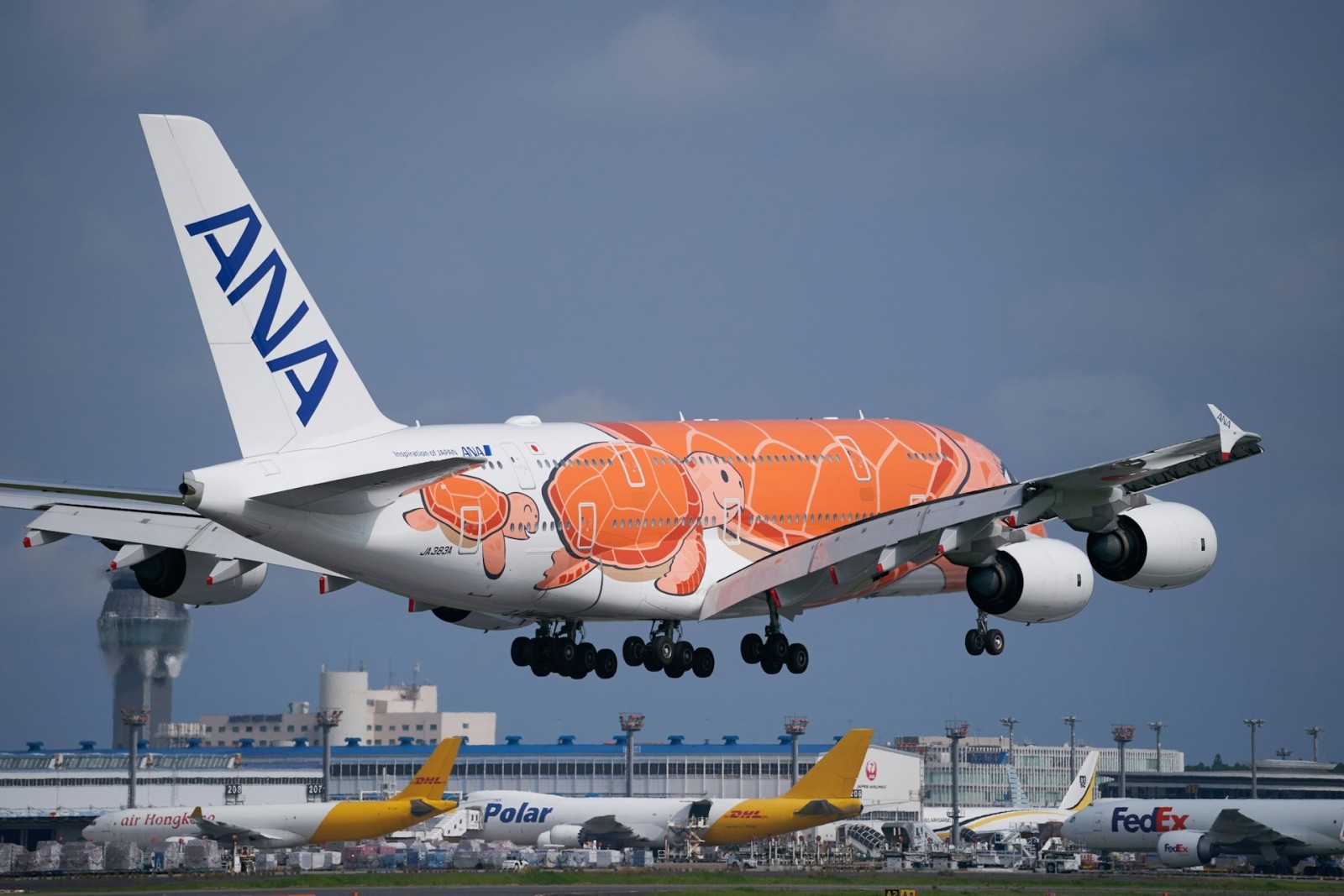
Today, Narita International Airport is one of Asia’s largest aviation hubs and Japan’s main air gateway for international flights.
The airport has made the city truly international. There are world-class hotels, modern shopping centers, restaurants of different cuisines of the world and a developed tourist infrastructure.
At the same time, the historical center has hardly changed. Ancient Omotesando Street, Naritasan Shinsho-ji Temple, traditional Japanese gardens and old wooden houses continue to preserve the atmosphere of past centuries.
Every year, the city is visited by millions of tourists and pilgrims, many of whom combine acquaintance with ancient temples with a trip through the international airport.
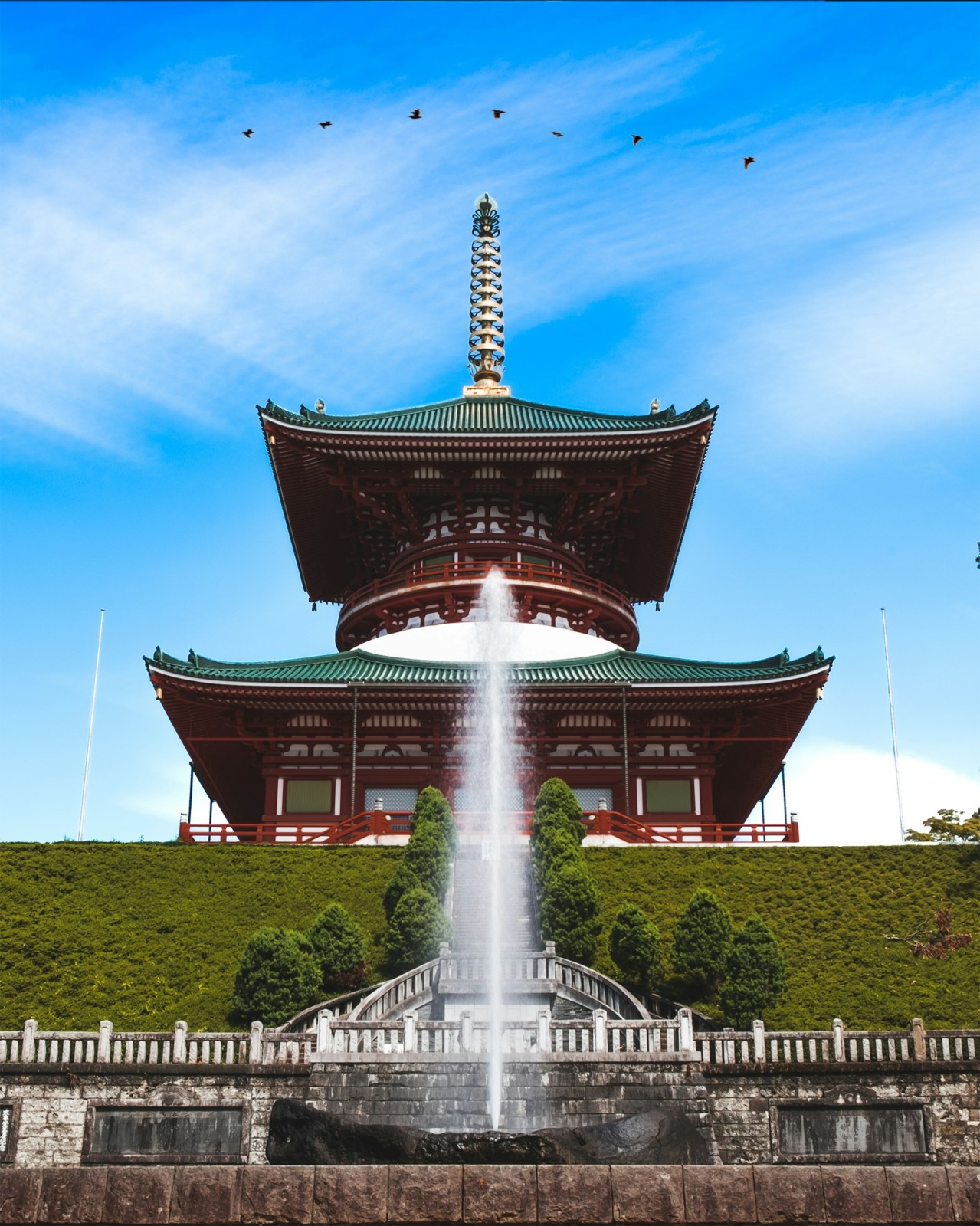
Narita is a cozy Japanese city in Chiba Prefecture, located about 60 kilometers east of Tokyo. Although most travelers know it thanks to Narita International Airport, the city is an independent tourist destination with a rich history, ancient temples, beautiful parks and a traditional Japanese atmosphere.
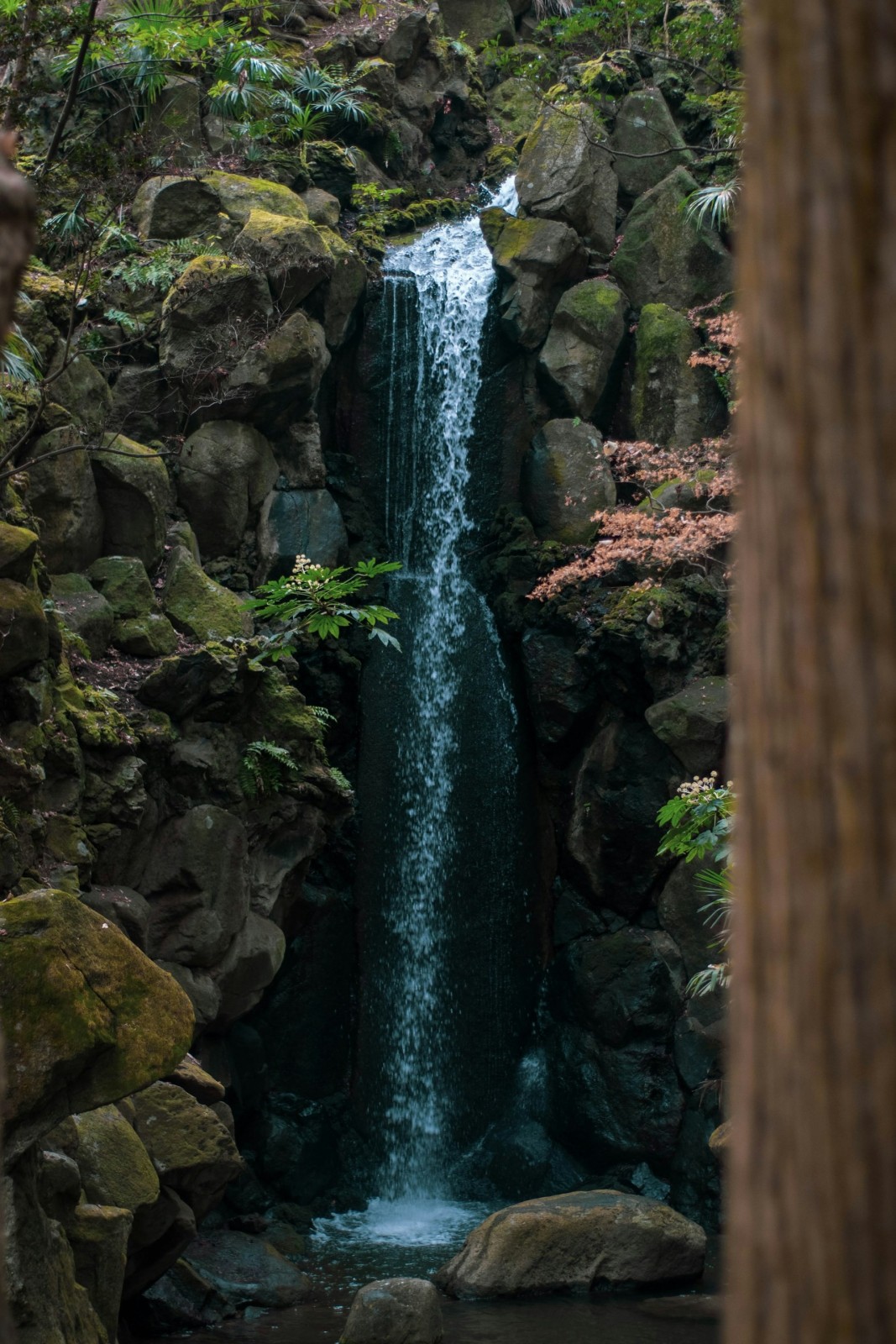
The main attraction of Narita is the famous temple complex Naritasan Shinsho-ji, founded more than a thousand years ago. This is one of the most revered Buddhist temples in Japan, annually receiving millions of pilgrims and tourists. Around the temple there is a large picturesque park with ponds, waterfalls, pagodas and well-kept gardens, where it is pleasant to walk at any time of the year.
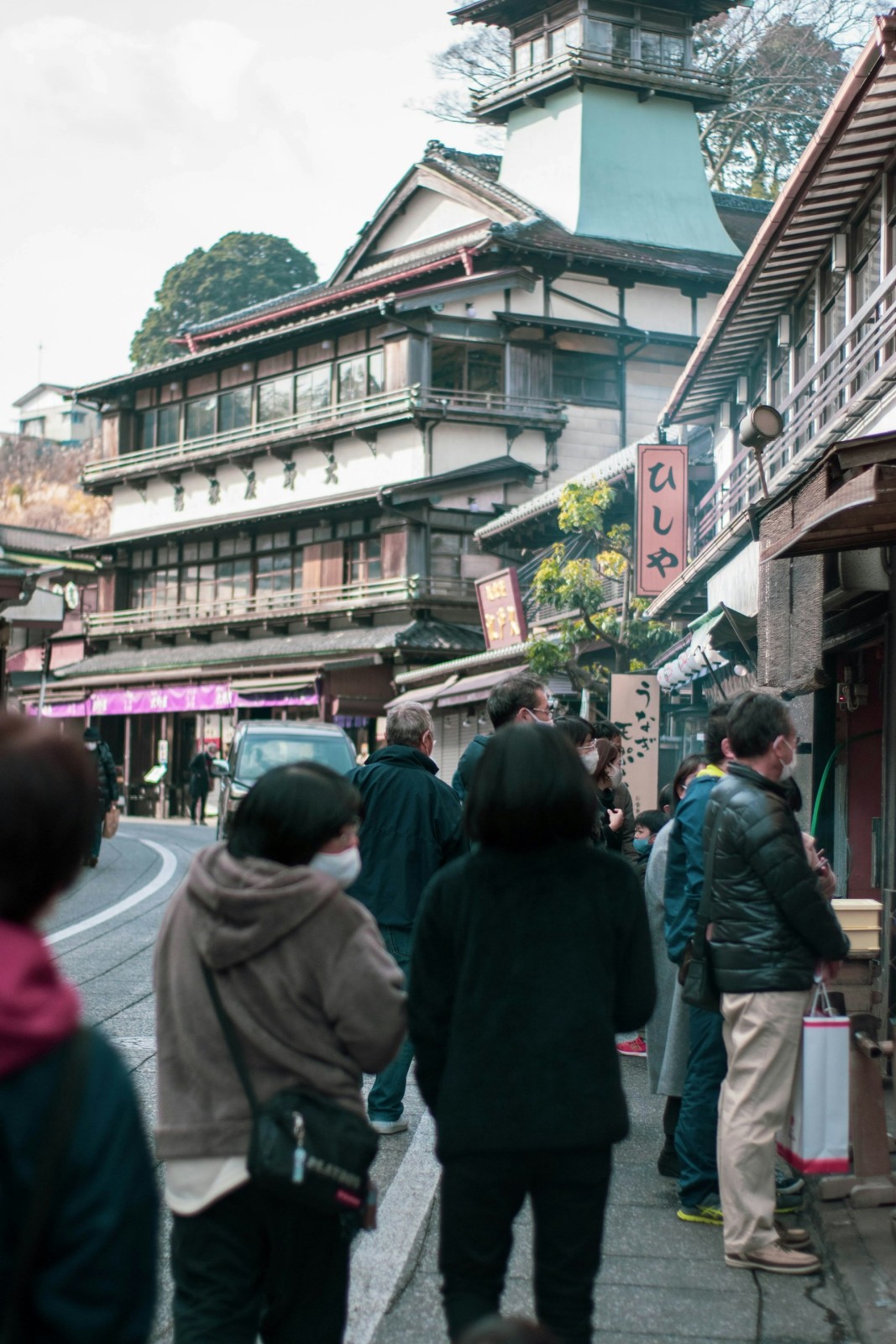
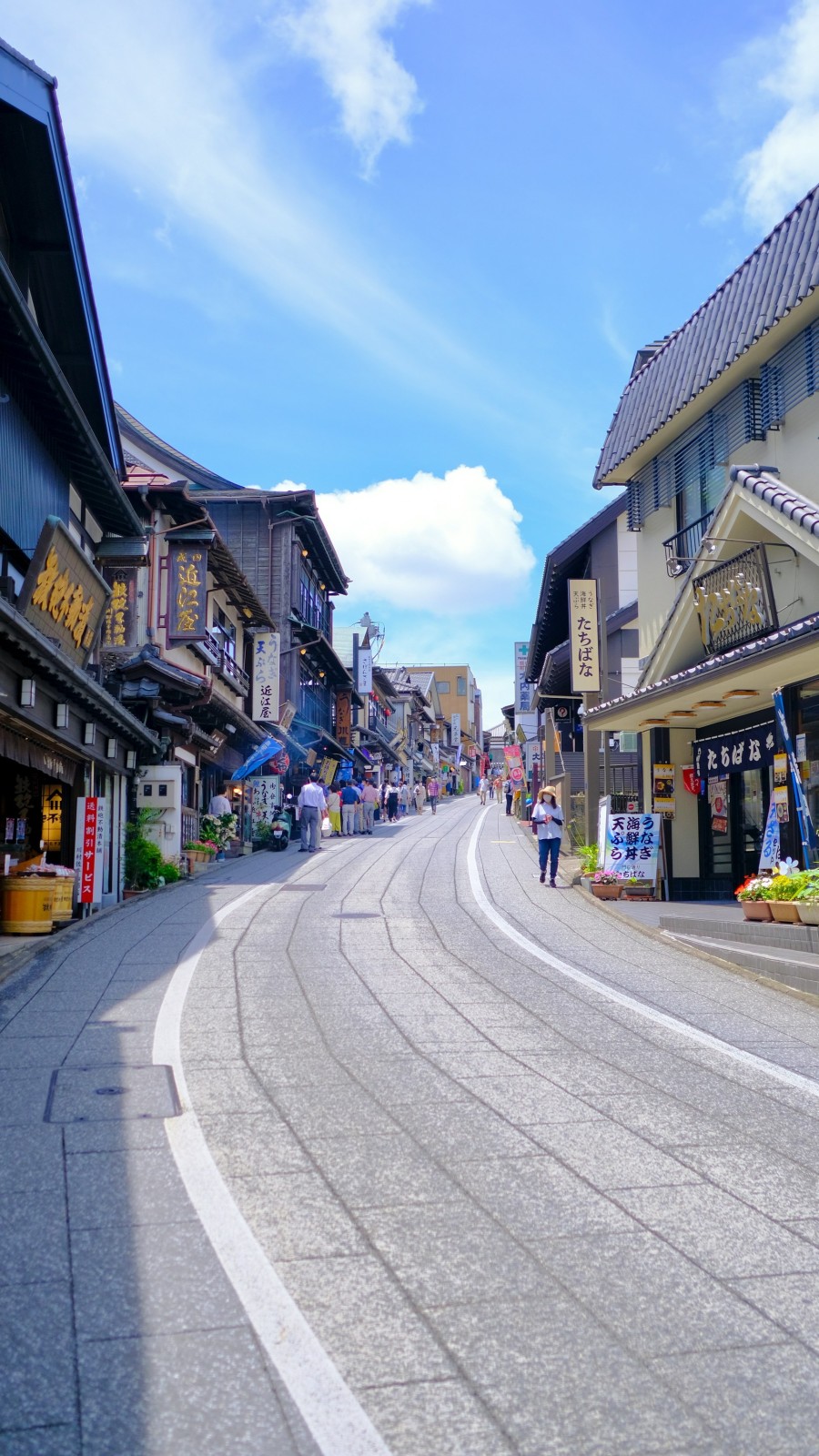
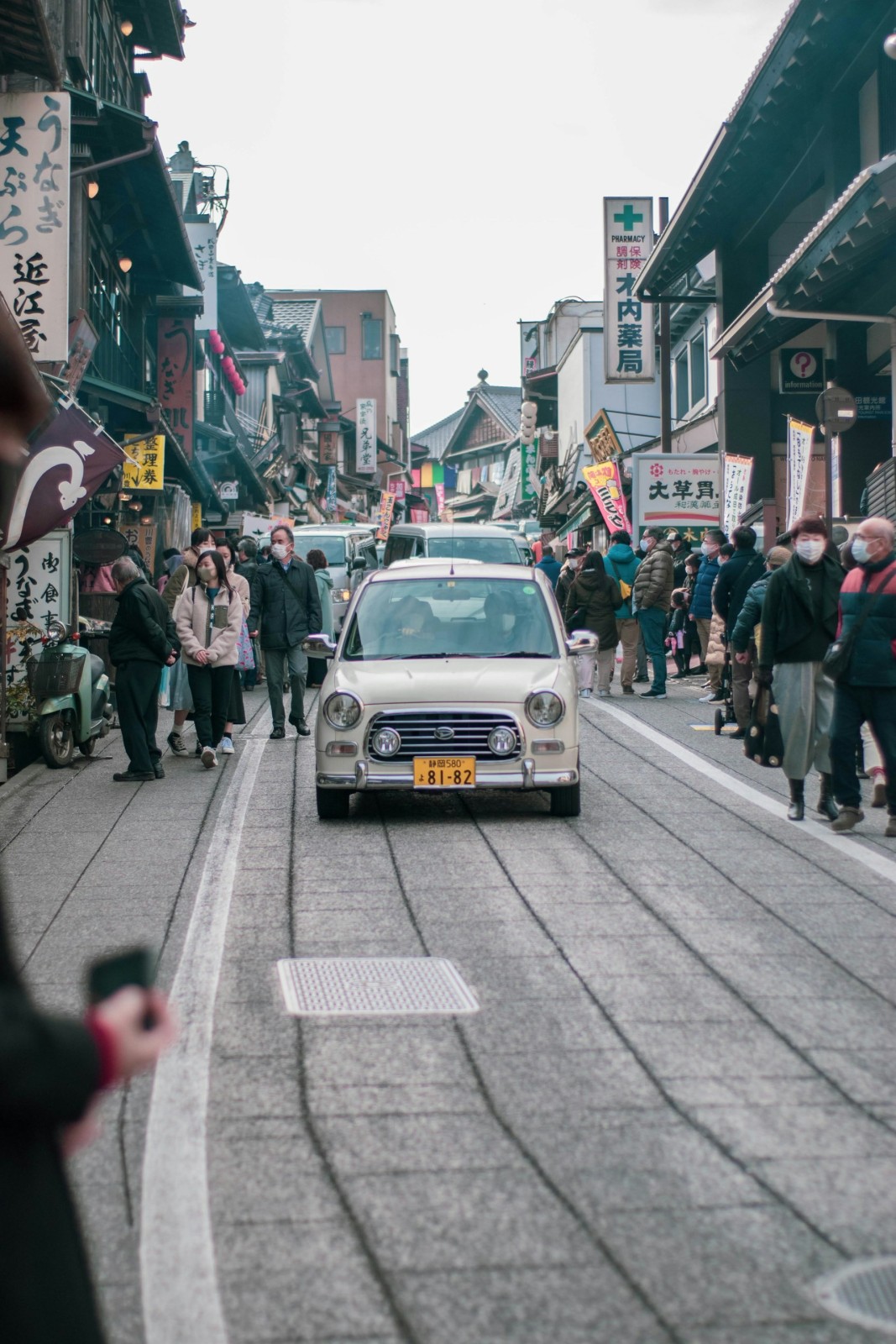
A special flavor of the city gives the ancient street Omotesando, leading to the temple. Here are preserved traditional wooden houses, small family restaurants, tea, craft workshops and souvenir shops. During the walk, you can feel the atmosphere of Edo-era Japan and taste local dishes, many of which are prepared according to ancient recipes.
Narita will especially appeal to those who want to get acquainted with traditional Japanese culture without the fuss of the metropolis. The city regularly hosts temple ceremonies, festivals, fairs and cultural events, where you can see performances of Taiko drummers, traditional dances and national clothes.
For nature lovers, the city also offers many interesting places. Hundreds of species of trees and flowers grow in Naritasan Park, sakura blooms here in spring, gardens are buried in greenery in summer, the park is painted in bright red and golden colors in autumn, and in winter it acquires special calm and beauty. In the vicinity of the city there are rural landscapes, rice fields and small farms that allow you to get acquainted with the life of the Japanese province.
A big advantage of Narita is its transport accessibility. From the international airport to the city center can be reached in just a few minutes by train or bus. To Tokyo, high-speed trains deliver passengers in about one hour, so many tourists spend one or more days in Narita before or after traveling in Japan.
The city has a developed tourist infrastructure. There are modern hotels of different categories, traditional Japanese ryokans, restaurants of local and international cuisine, shopping centers and numerous souvenir shops. Thanks to the airport, many employees of hotels, tourist centers and large shops speak English, which greatly facilitates travel for foreign guests.
The local cuisine deserves special attention. Narita is known for dishes of freshwater eel (unagi), which is considered a gastronomic symbol of the city. You can also try fresh sushi, ramen, tempura, Japanese sweets, green tea and traditional seasonal dishes.
Narita will be an excellent choice for a variety of travelers. History lovers will be able to get acquainted with the ancient temples and cultural heritage of Japan. Connoisseurs of nature will appreciate beautiful parks and quiet walks. Fans of Japanese cuisine will find many restaurants with traditional dishes, and photographers will be able to take impressive pictures of ancient streets, temple architecture and picturesque gardens.
The main feature of Narita is the amazing combination of ancient history and modern infrastructure. Here you can see a thousand-year-old temple in just one day, stroll through historical quarters, taste Japanese cuisine and use the services of one of the largest international airports in the world. This is what makes Narita not just a transit point, but a full-fledged tourist city that allows you to get acquainted with the real Japanese culture, traditions and hospitality.
5-star hotels
Five-star hotels are suitable for those who appreciate a high level of service, spacious rooms and a wide range of additional services.
Popular options:
Hilton Tokyo Narita Airport is one of the most prestigious hotels in the city. It offers spacious rooms, a swimming pool, a fitness center, several restaurants, free transfer to the airport and a high level of service.
WAQOO Naritasan Monzen is a modern boutique hotel next to Naritasan Shinsho-ji Temple. It is made in traditional Japanese style and is great for exploring the culture of the country.
This level of accommodation is chosen by tourists traveling with family, business travelers and lovers of comfortable rest.
Hotels 4 stars
This is the most popular category among foreign tourists. Hotels offer comfortable rooms, restaurants, airport transfer and good conditions at a reasonable price.
Popular hotels:
Hotel Nikko Narita is one of the most famous hotels near the airport, offering free shuttle, restaurants and comfortable rooms.
ANA Crowne Plaza Narita is a modern hotel with swimming pool, fitness room, restaurants and conference rooms.
Narita Tobu Hotel Airport is a convenient accommodation near the airport, popular among transit passengers.
Hotel Mystays Premier Narita is a modern hotel complex with green grounds, swimming pool and free shuttle service.
International Garden Hotel Narita is a quiet hotel with spacious rooms and regular shuttle service.
Hotels 3 stars
The most popular accommodation option. Such hotels offer a good price-quality ratio.
Popular options:
Richmond Hotel Narita is located next to the railway station and the historic city center.
Comfort Hotel Narita – includes breakfast and is a short walk from the station.
Meet Inn Narita is a modern business hotel near Narita Station.
Hotel Welco Narita is convenient for travelers due to its proximity to the station and the airport.
Marroad International Hotel Narita offers comfortable accommodation at an affordable price.
Economical hotels
For tourists on a budget, there are many inexpensive business hotels in Narita.
Popular options:
Narita Gateway Hotel is one of the most affordable options, with free shuttle service to the airport.
Narita U-City Hotel is located next to JR Narita Station.
The Hedistar Hotel Narita is located near the historic center.
Asia Hotel Narita is a simple and inexpensive option for a short stay.
Toyoko Inn Narita Airport Shinkan is known for its free breakfast and airport shuttle service.
1. Naritasan Shinshō-ji Temple (Naritasan Shinshō-ji)
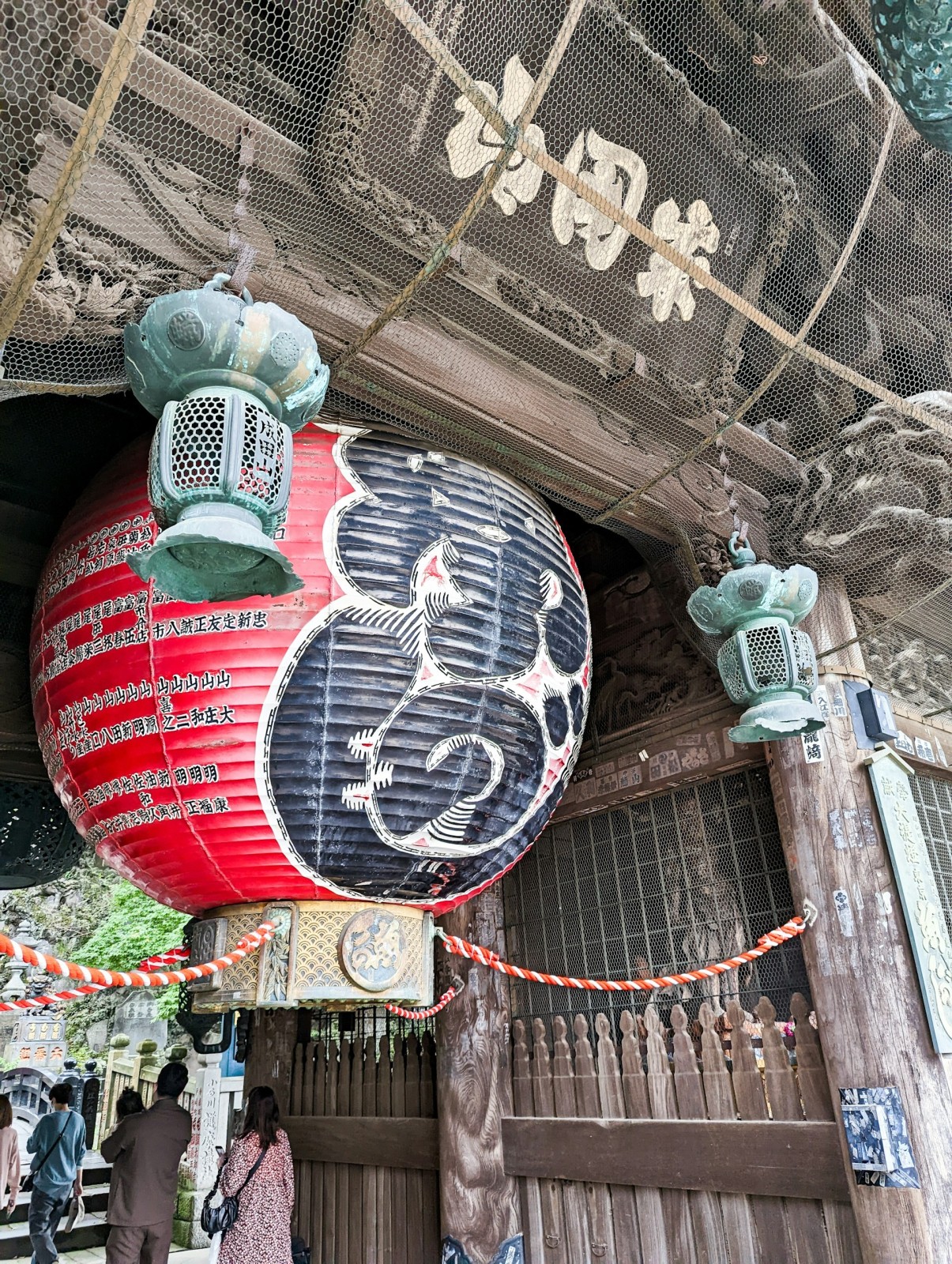
The main attraction of the city and one of the most famous Buddhist temples in Japan, founded in 940. The complex includes several temples, a three-tier pagoda, gardens, pavilions for prayers and numerous architectural monuments. Every year the temple is visited by millions of pilgrims and tourists.
From Narita Station or Keisei Narita Station you can walk in 10-15 minutes along the historic Omotesando Street.
2. Naritasan Park (Naritasan Park)
A large picturesque park with an area of more than 16 hectares is located just behind the Shinsho-ji temple. There are ponds, small waterfalls, tea houses, Japanese gardens and walking paths. In spring, the park is decorated with cherry blossoms, and in autumn - bright maples.
How to get there: The entrance is located on the territory of the temple complex. Walk about 15 minutes from Narita Station.
3. Omotesando Street (Naritasan Omotesandō)
A historic street about 800 meters long connects the railway station with the temple. There are traditional wooden houses, restaurants, tea shops, souvenir shops and shops of Japanese sweets. Many buildings have preserved the architecture of the XIX century.
How to get there: It starts right next to Narita Station. The walk to the temple takes 10-15 minutes.
4. Naritasan Museum of Calligraphy (Naritasan Museum of Calligraphy)
A small museum near the temple dedicated to the Japanese art of calligraphy. Here are ancient manuscripts, scrolls, brushes and works of famous masters.
How to get there: It is located inside Naritasan Park, a short walk from the main temple.
5. Museum of Aeronautical Sciences (Museum of Aeronautical Sciences)
An interesting museum dedicated to the history of aviation in Japan. There are airplanes, aircraft engines, interactive expositions and an observation deck from which you can watch the takeoffs and landings of Narita airport aircraft.
How to get there: From Narita Airport Terminal 2, the bus takes about 15-20 minutes.
6. Narita Airport Observation Deck (Narita Airport Observation Deck)
A popular place among aviation lovers. From special sites there is an excellent view of the runways, where you can watch the aircraft of the world's largest airlines.
How to get there: Free buses or a few minutes walk from the airport terminals.
7. Sakura no Yama (Sakura no Yama Park)
The park is located next to the airport and is known for beautiful views of planes taking off against the backdrop of cherry blossoms in the spring. This is one of the most popular places for photographers.
How to get there: From the airport or station Narita bus about 15 minutes.
8. Sogo Reido Temple (Sogo Reido Temple)
A quiet Buddhist temple dedicated to the memory of the national hero Sogo Sakura. The territory is decorated with ancient gates, pagoda and beautiful gardens. Especially popular during the flowering of hydrangeas.
How to get there: From Keisei Narita station by train to Keisei Usui station, then by bus or taxi. Travel time is about 30-40 minutes.
9. AEON Mall Narita Shopping Centre
One of the largest shopping complexes in the region. There are shops of Japanese and international brands, restaurants, a supermarket, a cinema and souvenir shops.
How to get there: Free buses run from Narita station. Travel time is about 10 minutes.
10. Farm markets and rural areas of Narita
The surroundings of the city are famous for agriculture. In local markets, you can buy fresh vegetables, fruits, Japanese tea, rice, sweets and seasonal products.
How to get there: Most markets can be reached by bus or car in 15-30 minutes from the city center.
1. New Year holidays (Hatsumōde)
When it passes: from 1 to 3 January.
This is the most visited event of the year in Narita. Millions of Japanese come to Naritasan Shinshō-ji to make the first visit to the temple in the new year, praying for health, happiness and good luck. Around the temple there are numerous trading tents with traditional food, sweets and souvenirs, festive ceremonies and performances.
2. Narita Drum Festival (Narita Drum Festival)
When it passes: mid-April.
One of the largest festivals of Japanese Taiko drums in the country. Over the course of two days, more than fifty bands from all over Japan perform on stages near the temple and on Omotesando Street. A special impression is made by the joint performance of hundreds of drummers in front of the main hall of the temple, and in the evening there are spectacular concerts with torches and evening illumination.
3. cherry blossom festival
When it passes: late March - early April.
During the cherry blossoms, Naritasan Park becomes one of the most beautiful places in the city. It organizes festive walks, cultural events, tea ceremonies, evening tree lighting and small concerts of traditional Japanese music.
4. Narita Gion Festival (Narita Gion Festival)
When it passes: early July.
The main summer festival of the city with a history of more than 300 years. The streets are colorfully decorated platforms, portable sanctuaries (mikoshi), drums and flutes sound, traditional dances and performances of artists take place. In the evenings, the festive platforms are beautifully illuminated, and hundreds of street food stalls open along the streets. The festival annually attracts about 450,000 spectators.
5. Narita Fireworks Festival (Narita Fireworks Festival)
When it passes: Autumn, usually October or early November.
One of the most popular holidays in the region. In the evening, thousands of fireworks light up the sky above the city, accompanied by a music show. There are kiosks with traditional Japanese cuisine and souvenirs on the site, creating the atmosphere of a real Japanese holiday.
6. Traditional Performing Arts Festival (Narita Traditional Performing Arts Festival)
When it passes: Sept.
On the stages of the historical center perform folk dancers, musicians, theater groups and masters of traditional arts from different regions of Japan. This is a great opportunity to get acquainted with the cultural heritage of the country.
7. Autumn Momiji Festival
When it passes: Nov.
Naritasan Park hosts a festival of autumn colors. Visitors admire the bright maples, participate in tea ceremonies, attend ikebana exhibitions and master classes on traditional Japanese crafts. In the evening, some alleys and gardens are illuminated.
8. Christmas and winter illuminations
When they pass: December.
Although Christmas is not an official holiday in Japan, Narita has central streets, shopping malls and a railway station square with festive lighting. At this time there are Christmas markets, concerts and seasonal sales.
Spring (March-May)
Spring is considered one of the best seasons to visit Narita. After a cool winter, the temperature gradually rises, nature comes to life, and numerous parks and gardens are covered with cherry blossoms.
Weather.
March: +7 to +14 °C
April: +11 to +19 °C
May: +16 to +24 °C
Average water temperature:
March - about +14 °C
April - around +16 °C
May - about +19 °C
In spring, there is little precipitation, the humidity is moderate, and walks around the Naritasan temple, Omotesando street and parks are especially pleasant.
Summer (June-August)
Summer in Narita is warm and humid. In June, the rainy season begins, which usually lasts until mid-July. August is considered the hottest month of the year.
Weather.
June: +20 to +26 °C
July: +24 to +30 °C
August: +25 to +31 °C
Average water temperature:
June - around +22 °C
July - around +25 °C
August - about +27 °C
In late August, typhoons are possible, accompanied by heavy rain and wind. Despite this, in the summer there are many festivals and folk holidays.
Autumn (September-November)
Autumn is considered another ideal time to travel. After the end of the rainy season, dry and comfortable weather is established.
Weather.
September: +22 to +28 °C
October: +16 to +22 °C
November: +10 to +17 °C
Average water temperature:
September - around +25 °C
October - around +22 °C
November - around +18 °C
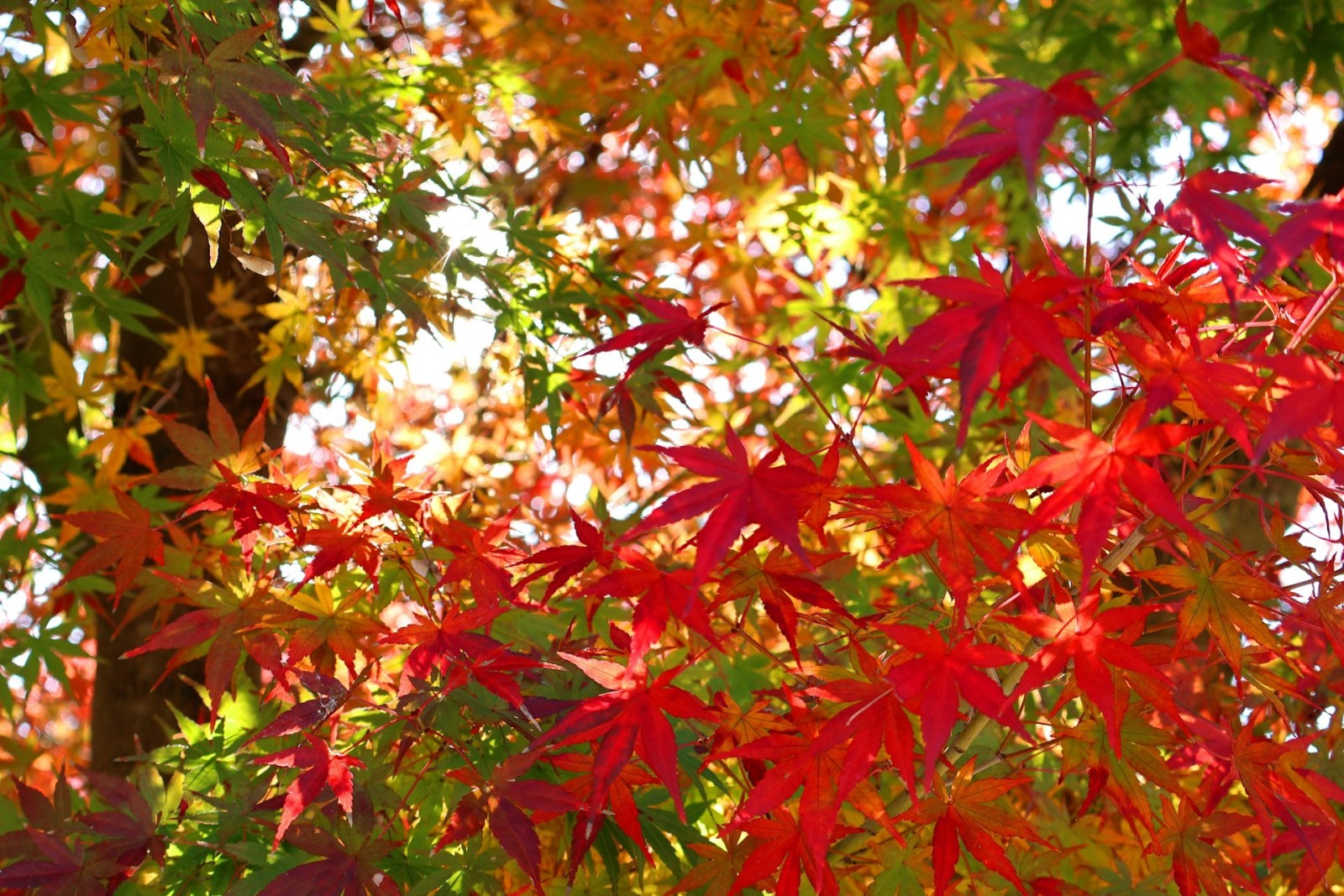
In autumn, Naritasan Park is especially beautiful in the city, where maples are painted in bright red, orange and golden shades. This is the best time for walks, excursions and photos.
Winter (December – February)
Winter in Narita is mild and relatively dry. Severe frosts and heavy snowfalls are rare.
Weather.
December: +4 to +12 °C
January: +2 to +10 °C
February: +3 to +11 °C
Average water temperature:
December - around +15 °C
January - around +13 °C
February - around +12 °C
In winter, the air is usually clear, so there are often beautiful views of Mount Fuji. In early January, the city is especially lively thanks to the New Year pilgrimage to the Naritasan temple.
Language of communication
The official language is Japanese.
In touristic places, airports, major hotels, railway stations and some restaurants, you can communicate in English. However, in small family cafes, traditional hotels (ryokan), local shops and markets, staff often speak only Japanese.
In public places, many signs, train schedules and airport information are duplicated in English.
Main traditions and customs
Japan is considered one of the most cultured and disciplined countries in the world. Observing local traditions is an important part of the journey.
When meeting, the Japanese usually bow to each other slightly. Tourists do not necessarily repeat the bow perfectly - a slight nod of the head is enough as a sign of respect.
During communication, it is customary to speak calmly, not to raise your voice and not to interrupt the interlocutor. Talking loudly on public transport is considered impolite.
When entering the house, traditional ryokan, some restaurants, temples and individual museums must take off their shoes. Usually there are special shelves or shoe lockers at the entrance, and guests are offered home slippers.
In Japan, much attention is paid to cleanliness. Urns are rarely found on the streets, so locals often take their trash with them and throw it away later. Tourists are also encouraged to follow this tradition.
In many places it is necessary to follow the queue. The Japanese patiently wait their turn when boarding a train, bus, elevator or ticket office, and breaking this order is considered impolite.
Rules of Conduct in Temples
The main attraction of Narita is the temple of Naritasan Shinsho-ji, so it is useful for tourists to know the basic rules of behavior.
Before entering the temple, it is recommended to behave calmly and respectfully. Do not talk loudly, run or play loud music.
Before visiting the main pavilion, many visitors perform a symbolic washing of hands and mouth at a special source using a wooden bucket.
During prayer, it is not customary to interfere with believers or photograph people without their permission.
Etiquette in restaurants
Before eating, Japanese people usually say the word “Itadakimas” to express gratitude for the food they cooked.
After the end of the meal, it is customary to say “Gotissama deshita”, thanks to the owners or cook.
It is not recommended to stick stick sticks vertically into rice - in Japan this is associated with funeral rites. It is also not customary to pass food from chopsticks to chopsticks, as this gesture is also associated with mourning ceremonies.
Tipping in Japan is almost not accepted anywhere. Good service is already included in the cost of services, and trying to leave money can be puzzling.
Conduct in public transport
It is customary to observe silence on trains and buses.
During the trip it is recommended:
Turn off the sound of the mobile phone;
talk quietly;
Do not occupy several seats;
Give seats to the elderly, pregnant women and passengers with children;
Not in public transport (except for long-distance trains).
1. Greetings and polite expressions
)の) (Connitive) - Hello / Good afternoon
(Ohayo: Gozaimas) - Good morning
)の) (Combanwa) - Good evening
)人の) (Sayonara) - Goodbye
) (Mata Ne) - See you later / Until then (informally)
(Onegai Shimas) - Please (please)
(Arigato: Gozaimas) - Thank you very much.
(Do:mo arigato: gozaimas) - Thank you very much.
)の (Sumimasen) - Excuse me / Excuse me / May I contact you?
大) (Daijo:bu desu) - All right / No need
2. Communication and assistance
(Eigo about Hanasemasu ka?) - Do you speak English?
(Nihongo ha Hanasemasen) - I don't speak Japanese.
(Nihongo o sukoshi Hanasemas) - I speak a little Japanese.
(Wakarimasen) - I don't understand.
(Tetsudatte kassai) - Help me, please.
? (va doko desu ka?) - Where is...?
Kore wa ikura desu ka? - How much does it cost?
(Osusume wa nan desu ka?) - What do you recommend?
3. At the hotel.
(Yoyaku Shite Imas) - I have a reservation.
Taekku in o onegai simas. I would like to register.
Hei o yoyaku shitai desu. - I want to book a room.
Is breakfast included?
(Erabeta: wa doko desu ka?) - Where's the elevator?
(Tekku auto wa nanji desu ka?) - What time is it?
Wi-Fi? (Wai-fi wa arimas ka?) - Is there Wi-Fi?
4. Restaurant and café
(Tumon Onegai Simas) - I want to order.
(Menyu: o onegai simas) - Menu, please.
(Osusume wa nan desu ka?) - What do you recommend?
(Kore o onegai simas) - I'll take this.
Mizu o onegai simas. - Water, please.
(Otya o onegai simas) - Tea, please.
大.の.の. (Okaikei Onegai Shimas) - Check, please.
(Ka:do de haraemas ka?) - Can I pay with a card?
5. Transport and road
Eki wa doko desu ka? - Where's the station?
(Basu-tei wa doko desu ka?) - Where's the bus stop?
(Ku:ko: wa doko desu ka?) - Where's the airport?
(Kippu o onegai simas) - One ticket, please.
の ? (Kono dansya wa Narita eki e ikimas ka?) Is this train going to Narita Station?
(Nanban ho:mu desu ka?) - What platform?
(Naritasan e wa do: ikeba i desu ka?) How do I get to the Naritasan Temple?
6. Shopping.
(Koryo o kaiaiai desu) - I want to buy this.
(Hoka no saizu wa arimas ka?) - Is there another size?
(Sukoshi Takai Desu) - It's a little expensive.
(Waribiki wa arimas ka?) - Any discount?
(Genkin de Haraemas ka?) - Can I pay in cash?
(Fukuro o Onegai Shimas) - Package, please.
7. Emergency situations
(Tasukete!) - Help me!
(Keisatsu o yonde kassai) - Call the police!
(Kyu:kyu:xia o yonde khaksai) - Call an ambulance!
(Isha ga hitsuyo: desu.) - I need a doctor.
(Byo:in wa doko desu ka?) - Where's the hospital?
.の大.の.の. (Pasupo: about nakushimashita) - I lost my passport.
8. Useful words.
) (Eki) - Station
(Ku:ko:) - airport
) (Hoterou) - Hotel
) (Hey) - room, room.
)人) (Resutoran) - restaurant
) (Jinja) - Shinto temple
מий (Otera) – Buddhist temple
)大 (Naritasan) - Naritasan Temple
) (Ko:en) Park
а (Byo:in) - hospital
а (Yakkyoku) - pharmacy
) (Koban) - police station
(Ginko:) - Bank
о (Combini) - round-the-clock shop
(Su:pa:) - supermarket
) (Toire) - toilet
)ļ (Deguchi) - exit
)ļ (Iriguchi) - entrance
1. Eel (Unagi)
The main gastronomic symbol of Narita is considered unagi - freshwater eel. For more than 200 years, the city is famous for its restaurants, where it is prepared according to traditional recipes.
As a gift, you can purchase:
canned eel;
eel in vacuum packaging;
ready-made sauces for making unagi;
spice sets for fish dishes.
Such a gift will especially appeal to lovers of Japanese cuisine.
2. Japanese sweets
On Omotesando Street there are many old pastry shops.
Popular sweets:
Senbei rice cakes;
Moths with different fillings;
Red bean sweets;
yokan (jelly from adzuki beans);
traditional rice cakes;
Seasonal desserts with sakura or green tea.
Most sweets are beautifully packaged and are great as gifts.
3. Green tea
Although Narita is not the main tea region of Japan, there is a large selection of quality Japanese tea.
The most popular are:
sencha
match;
Genmitya (tea with fried rice);
Hojitya (roasted green tea);
Gift tea sets.
4. Japanese spices and sauces
Many tourists bring home:
premium soy sauce;
teriyaki sauce
ponzu sauce
miso paste;
wasabi;
Japanese curry;
sesame mixtures;
Furikake seasoning for rice.
These products allow you to cook Japanese cuisine at home.
5. Medicines and Japanese cosmetics
Japanese pharmacies are famous for high-quality products that are appreciated all over the world.
Popular shopping:
warming patches for muscles and joints;
cooling gel patches;
medical ointments for contusions;
vitamin complexes;
eye drops;
natural remedies for colds;
High quality medical masks.
From cosmetics often acquire:
face masks;
moisturizers;
sunscreens;
shampoos;
skin care products;
Japanese toothpastes.
6. Omamori - temple talismans
Narita’s most famous souvenir is Omamori, a traditional Japanese cloth amulet sold in the Naritasan Shinsho-ji temple.
You can buy talismans:
for luck;
health;
for safe travel;
for successful study;
for family well-being;
for financial well-being.
Each Omamori is consecrated in the temple and is considered a symbol of protection.
7. guinea
A special souvenir for travelers is Gosuin.
This is a beautiful calligraphic record with a red temple seal, which the monks make in a special book (gosuin-cho).
Each seal is unique and becomes a memorable testimony of a visit to a sacred place.
8. Japanese pottery
Souvenir shops sell:
tea cups;
Piales;
Plates;
kettles;
chopsticks;
chopsticks.
These products are of high quality and traditional Japanese design.
9. Chopsticks.
Beautifully decorated wands (hashi) are one of the most popular gifts.
It can be purchased:
wooden;
lacquered;
bamboo.
Family gift kits.
10. Fans and handicrafts
On Omotesando Street, they sell:
Japanese fans;
purses;
purses;
fabric products;
traditional tenugui towels;
handmade jewelry.
Travel documents
To travel to Narita, you must have:
passport, the validity of which covers the entire period of stay;
return ticket or ticket to a third country (may be required upon entry);
confirmation of booking of a hotel or other place of residence;
documents confirming the availability of sufficient funds for the trip (if necessary);
Travel health insurance (highly recommended);
International driving license (if you plan to rent a car).
While in Japan, it is recommended to always carry a passport, as the police have the right to check documents from foreign citizens.
Do I need health insurance?
Although for citizens of some countries, insurance is not always a prerequisite for entry, it is highly recommended to issue it.
The policy should preferably cover:
outpatient treatment;
emergency medical care;
hospitalization;
surgical operations;
transportation to a medical institution;
dental care in case of an accident;
Repatriation if necessary.
Medicine in Japan is very high quality, but treatment for foreign tourists can be expensive.
Emergency services
All services work around the clock.
110, police.
119 - Ambulance and Fire Service.
118 Coast Guard (in case of water emergencies)
In many tourist destinations, police and security officers can use a telephone interpreter to communicate with foreigners.
Medical assistance
In Narita there are modern hospitals, medical centers and pharmacies.
If necessary, contact may be made:
city hospitals;
round-the-clock emergency departments;
private clinics;
Pharmacies (Drug Store), where both medicines and essential goods are sold.
Narita International Airport also has first aid facilities.
Mobile and Internet
Japan has one of the best mobile networks in the world.
The main mobile operators:
NTT Docomo is the country’s largest operator with excellent coverage.
SoftBank - high-speed Internet and good communication quality.
AU (KDDI) is a broad coverage throughout Japan.
Rakuten Mobile is a modern operator with favorable rates.
Y!mobile is a budget operator of SoftBank.
UQ Mobile is a popular operator with affordable rates.
Foreign tourists can purchase:
tourist SIM-card;
eSIM;
Pocket Wi-Fi router (Pocket Wi-Fi).
Free Wi-Fi is available:
at the airport;
at railway stations;
in most hotels;
malls;
café
Some tourist attractions.
Bank cards and cash
In Narita, it is widely accepted:
Visa;
Mastercard;
JCB;
American Express.
However, small family restaurants, markets and some gift shops can only accept cash.
ATMs of international payment systems are:
at 7-Eleven stores;
Japan Post Bank branches;
at the airport;
big shopping malls.
Safety rules
During travel it is recommended:
Always have a passport with you;
Keep documents separate from cash;
comply with traffic rules;
Use only official taxis;
closely monitor the schedule of trains and buses;
keep clean and do not litter;
follow the instructions of the police and security services;
Respect for local traditions.
Natural features
Japan is located in a seismically active zone.
While traveling, it is worth remembering:
Sometimes there are small earthquakes;
From June to October, typhoons are possible.
In the event of an emergency, the instructions of the local authorities and emergency services must be followed.
The Japanese alert system is considered one of the most modern in the world, so information about possible danger spreads very quickly.
How many tourists can stay in Japan?
The rules depend on the nationality of the traveler.
There is a visa regime for Russian citizens. In the presence of a short-term tourist visa, the period of stay is usually up to 90 days, unless otherwise specified in the visa.
For citizens of a number of countries that have an agreement on visa-free entry with Japan (for example, countries of the European Union, Great Britain, the United States, Canada, Australia and some others), visa-free tourist entry is allowed up to 90 days.
Extension of the period of stay is possible only in cases stipulated by Japanese immigration law.
Create a query and local guides will offer you the best options