Independent travel and view of the island of Okinawa!
A Brief History of Okinawa Island
Okinawa is a large archipelago consisting of more than 160 islands located in southeastern Japan in the North China Sea. This region is one of the prefectures of Japan and has its own unique history, culture and traditions.
Ancient past: Okinawa has an ancient history rich in influence from various cultures. The islands have been inhabited since ancient times, and archaeological finds suggest that humans lived on these islands more than 30,000 years ago. Over the millennia, the islanders developed their own traditions and customs.
Ryukyu Kingdoms: In the Middle Ages, the Okinawa Islands merged into the Ryukyu Kingdoms. They maintained trade ties with China, Japan and other Asian countries. Cultural exchange brought unique features to Okinawa in art, language and architecture.
The Satsuma period: In the 17th century, Okinawa became the territory of a Satsumi clan from mainland Japan. This period, known as the Satsuma period, brought with it the influence of the feudal system and the Japanese estate.
The influence of China and the United States: In the 19th century, Okinawa again became the object of trade and cultural ties with China. In 1879, the islands were annexed to Japan, after which the process of Japaneseization began. During World War II, Okinawa became a battleground, and after the war, the islands remained under American occupation until 1972.
Today, Okinawa is famous for its unique lifestyle, continuing to preserve its traditional culture. It is home to people reaching high age, and the islands of Okinawa are even known as the "Islands of Longevity". Tourists visit Okinawa to enjoy beautiful beaches, traditional dances, culinary treats and a unique atmosphere that combines influences from Japan, China and island culture.
Interesting places for entertainment in Okinawa
The island of Okinawa in Japan is a unique and attractive destination for travelers and tourists. Here are a few features that can attract people to visit this beautiful archipelago:
Tropical Paradise: Okinawa is famous for its favorable climate and picturesque tropical beaches. Crystal clear water, white sand and palm trees create ideal conditions for rest and relaxation.
Unique culture and traditions: Visitors can immerse themselves in the rich cultural heritage of the island, which is a mixture of Japanese, Chinese and island traditions. Traditional dances, music, art, and local cuisine make Okinawa unique.
Longevity Island: Okinawa is famous for its inhabitants, who often reach a high age. Many tourists come here in search of the mystery of longevity, studying the local lifestyle and nutrition, hoping to take health lessons.
Active recreation and water sports: Okinawa provides excellent opportunities for outdoor activities. Diving, snorkeling, surfing and other water sports are popular among tourists, thanks to the clean water and diverse underwater world.
The Ryukyu Islands, which include Okinawa, are rich in history. Here you can visit ancient castles, temples and places associated with millennial culture.
Local cuisine: Okinawan cuisine is different from Japanese cuisine and offers its own unique dishes. Tourists can enjoy local goodies such as goya champuru (a bitter cucumber dish), taco-rays (rice with lead stew) and other delicious treats.
Modern entertainment: Okinawa also offers modern entertainment including theme parks, shops and cafes. Places such as American Village and Churaumi Aquarium are popular with tourists.
A visit to Okinawa provides the opportunity to enjoy a unique blend of nature, culture and history, making this region attractive to the diverse interests and tastes of travelers.
Snow-white beaches, crystal clear waters and picturesque coastal landscapes make Okinawa a paradise for beach holidays and active pastime.
Cultural heritage:
The unique cultural mix, reflected in traditional dance, music and vibrant events, attracts those seeking to immerse themselves in the island's authentic experience.
Culinary delights:
Okinawa is famous for its unique cuisine, including local delicacies and traditional dishes. Tourists can enjoy a sample of flavours, including seafood, pig-flavored lard (rayka), and local drinks such as ava (a traditional root drink).
Historical sights:
Historic castles, temples and other monuments attract those interested in the rich history of the island, from the Ryukyu period to the present.
Active recreation:
Okinawa offers a variety of outdoor activities such as diving, windsurfing, paragliding and golf, which attracts outdoor enthusiasts.
Hotel levels in Okinawa:
Luxury resorts:
The Ritz-Carlton, Okinawa: Luxury hotel with first-class services, spa and restaurants, located in a picturesque area.
Okinawa Kariyushi Beach Resort Ocean Spa: A luxury resort with its own beach, spa and luxury accommodation.
Medium level:
ANA Intercontinental Manza Beach Resort: A mid-range hotel with facilities including swimming pool, restaurants and beach access.
Hotel Nikko Alivila: A cozy hotel with good services and beautiful ocean views.
Economy options:
Hotel Sun Okinawa: Economical option with basic amenities, close to tourist attractions.
Guesthouse CamCam Okinawa: Budget option for tourists, offering comfortable accommodation in a friendly environment.
Other accommodation options:
Traditional Japanese guesthouses (rookan):
Yuinchi Hotel Nanjo: The traditional Japanese style of accommodation with tatami and futons.
Apartments and apartments:
Airbnb: Many options of apartments and apartments offering coziness and amenities for independent living.
Hostels:
Okinawa Guest House Kerama: Budget option for young people, providing a hostel and shared spaces.
However, the choice depends on the budget and preferences of each tourist.
Where to go and what to see on Okinawa Island
The main attractions of Okinawa island:
Shuri-jo (Shuri Castle):
Shuri Castle was built in the 14th century and served as the residence of the Ryukyu kings. Here tourists can immerse themselves in the history of the island, enjoy beautiful views of the ocean and the city of Naha.
Kokusai-dori (International Street):
It is the center of trade, entertainment and restaurants in Naha. On International Street, tourists will find souvenir shops, traditional Japanese restaurants and places to relax.
Okinawa Peace Memorial Museum:
The museum is dedicated to World War II and the Battle of Okinawa. The expositions tell about the tragedies of war and efforts to preserve peace.
Okinawa Zoological Park:
Here you can see a variety of flora and fauna of Okinawa, including tigers, elephants, and other exotic animals.
Himimah National Memorial:
Dedicated to the memory of the victims of war and the troops who served on the island of Okinawa. The place offers beautiful landscapes and opportunities for reflection.
Transport accessibility:
Okinawa International Airport (OKA):
The main air port providing international and domestic flights. Many tourists arrive in Okinawa via this airport.
Buses and taxis:
Public transport is represented by buses covering many tourist areas. Taxis are also widely available for ease of travel.
Car rental:
Many tourists prefer to rent a car for free movement on the island. The roads are well marked and this makes it easy to reach various attractions.
Maritime transport:
Within the island of Okinawa, there is a system of shipping, including ferries and boats, connecting various islands and beach areas.
Monorail:
The monorail is a convenient means of transportation within Naha. It connects the city centre with the airport and other key areas.
With these transport options in mind, tourists can easily and comfortably visit the various attractions of Okinawa.
Activities in Okinawa
Time of year: Okinawa has a temperate climate, making it a popular resort all year round. However, it is recommended to prefer the spring and autumn months (March-May and September-November) when the weather is milder and more comfortable.
Popular events, holidays and festivals:
Harumatsu:
Time of the event: January.
A festival dedicated to the onset of spring, with parades, traditional dances and fireworks.
Sakura Matsuri (Cherry Festival):
Time: March-April.
Celebrating cherry blossoms with picnics, traditional dances and Japanese cuisine.
Gusya Matsouri (Goose Festival):
Time: November.
A festival celebrating the migration of wild geese, with parades, dances and traditional craft fairs.
Okinawan flora and fauna:
Holiday: Year-round.
Excursions and activities related to nature, such as watching coral reefs, diving and visiting the Okinawa Churaumi Zoo.
Okinawan tradition "Eizen Matsuri" (Festival of Jesters):
Holiday: August.
Parades and performances featuring traditional costumes, dances and music.
Carnivals and concerts:
Okinawa Carnival:
Holiday: May.
Carnival parades with music, costumes and dances reflecting the cultural heritage of the island.
Okinawa International Film Festival:
Time of the event: October.
A film festival that attracts famous directors and actors, as well as providing an opportunity for local talent.
Okinawa Symphony Orchestra:
Various concerts throughout the year.
Enjoy classical music in a unique Okinawan setting.
Transport accessibility to the venues of these events is usually good, as Okinawa has an extensive network of public transport and roads, making events accessible to tourists.
What is the weather like to travel to Okinawa
Climate on the island of Okinawa:
Okinawa has a subtropical climate, which means warm winters and hot summers. The rainy season usually falls in summer and early autumn.
Summer (June - September):
The air temperature in the summer months can rise to 30-35 degrees Celsius. This is a period of high humidity and monsoon rains, which can lead to short-term but intense downpours.
Autumn (October to December):
Autumn in Okinawa brings reduced humidity and more comfortable temperatures ranging from 20 to 30 degrees Celsius. This period is considered one of the best times to visit.
Winter (January - February):
Winter in Okinawa is mild, with temperatures around 15-20 degrees Celsius. Night temperatures can be a little cool, but rarely fall below 10 degrees.
Spring (March-May):
In spring, temperatures become pleasant again, ranging from 15 to 25 degrees Celsius. At this time, nature comes alive, cherry blossoms bloom, and the island is bathed in greenery.
Best time to visit: The best time to visit Okinawa is autumn and spring, when the climate is most comfortable and nature blossoms. Mid-September and October are considered particularly favorable when the likelihood of heavy rainfall is reduced and temperatures remain warm.
Popular events and festivals:
Okinawan Carnival (January - March):
Carnival in the style of the Brazilian carnival, held in the capital of the prefecture of Nahe. It includes parades, dances and costume processions.
Sakura Festival (March - April):
Around the end of March and early April, beautiful cherry blossoms can be seen on the island, especially in the city of Naha.
Hari-hari (April):
A traditional Okinawan festival dedicated to blessing the harvest and attracting good luck.
Nagashimi (July):
Water festival, where participants stage major water fights and swim along the river on rafts.
Okinawa Marathon (February):
The annual marathon attracts participants from all over the world. The route passes through the picturesque places of the island.
What traditions and customs should be observed on the island of Okinawa
Language of communication: The official language of Okinawa, as in the rest of Japan, is Japanese. English-speaking people can be found in touristic places and big cities, but knowing a few phrases in Japanese can be helpful and appreciated by locals.
Traditions, customs and laws:
Respect for local customs:
It is important to respect local traditions and customs. Observance of elementary rules of politeness, such as a smile and a bow, is appreciated by the local population.
Shoes in the house:
Before entering a house or some traditional places, shoes are usually removed. This rule should be followed so as not to violate local regulations.
Respect for nature:
Okinawa is famous for its beautiful nature. Tourists should respect the environment, not leave garbage and carefully handle natural resources.
Silence in public places:
In public places such as trains and buses, silence is valued. Talking on the phone and talking in a loud tone can be considered indecent.
Smoking ban in public places:
Smoking laws in public places are strictly enforced. Smoking in undesignated places can result in a fine.
Punctuality:
The Japanese appreciate punctuality. It is important to stick to a schedule and be on time for meetings or excursions.
Formal style of clothing in some places:
When visiting sacred places, higher-end restaurants or traditional events, it is recommended to wear more formal clothing.
Compliance with these simple rules will help tourists create a positive impression, enjoy the local culture and avoid misunderstandings while traveling on the island of Okinawa.
The main dialogues for traveling to Okinawa
Basic words and phrases:
Greeting:
Konniti wa! (.の.) - Hello.
Oyasumi nasai! (大черのчер) - Good night (evening greeting).
Tobako o-ki desu ka? () の) ) )) - Can I smoke here?
Eigo ga hanasemasu ka? (- -の- -) - Do you speak English?
Koko wa doko desu ka? () ) ) ) ) )) - Where is it?
Learning some basic phrases and words in Japanese will help make traveling around Okinawa more enjoyable and enrich communication with locals.
Food, medicine, souvenirs and gifts to remember Okinawa
Unique products and dishes:
Go-yu-cha (Go-yu-cha):
It is an herbal drink that is made from the leaves of bitter mandarin. Go-yu-cha is popular as a means to strengthen immunity.
Riku (Ryukyuan Awamori):
It is a traditional alcoholic beverage produced in Okinawa. Rijka is often served in restaurants and used in cooking.
Goya:
Goya grass is known for its beneficial properties. From it, juices are often prepared, added to salads or used in the preparation of local dishes.
Taco-rice:
This delicious dish is a combination of Japanese rice and Mexican tacos. Takori has become one of the popular local treats.
Medications:
Turmeric:
Okinawa is famous for producing turmeric, known for its anti-inflammatory properties. Locals often use turmeric in cooking and drinking.
Tanabusa:
It is an herbal drink that is traditionally used in traditional Japanese medicine to maintain health and strengthen the body.
Souvenirs:
Shizukuma (Shisa):
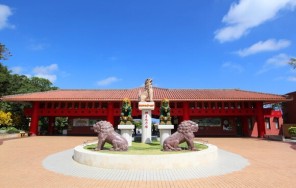
These are traditional ceramic figures that are often used as amulets to protect against evil spirits. Shiza is a mixture of a lion and a dog.
Chanpuru:
A typical Okinawa dish, perfect as a souvenir. It is a mixture of seafood, meat and vegetables.
Local tissues:
Traditional textiles such as bintan (white cotton shirts) and kija (traditional kimonos) can be a wonderful gift.
Useful souvenirs:
Seaweed hair shampoo:
Seaweed has numerous beneficial properties for hair and skin, and shampoo with its addition can be a wonderful gift.
Go-yu-cha butter:
The oil extracted from the leaves of bitter mandarin is popular for its antioxidant properties.
Yunaguni pottery:
Traditional Yunaguni ceramics, handmade by local craftsmen, can be a wonderful souvenir and decoration.
When traveling to Okinawa:
You may want to bring traditional kimonos, photos in traditional clothes, as well as local gifts and decorations to preserve the memory of your visit to this beautiful Japanese island.
Rest safety, documents, insurance, telephones, Internet in Okinawa
Safety:
Okinawa, like all of Japan, is considered a relatively safe place for tourists. Crime on the island is low and the locals are usually friendly and welcoming. However, as in any other region, general precautions should be taken, such as keeping an eye on your belongings in public places and avoiding low-light night areas.
Documents:
Passport:
Tourists must carry a passport with a valid visa if required.
Copies of important documents:
It is recommended to have copies of important documents such as passport and visa. You can also leave copies at the hotel for additional security.
Insurance:
Health insurance:
Tourists are advised to take out health insurance, which covers medical expenses if necessary.
Travel insurance:
It is also worth considering the registration of travel insurance, which can cover cases of loss of luggage or cancellation of a trip.
Emergency services:
Police: 110
Ambulance and Fire Service: 119
Emergency service for foreign tourists: 0570-000-911
Mobile operators:
The main mobile operators of Japan, such as NTT Docomo, SoftBank and KDDI (au) operate on the island of Okinawa. If necessary, tourists can purchase temporary SIM cards or use roaming services from their native operators.
Duration of stay:
Most tourists in Japan receive a visa valid for 90 days, which is usually enough for a short stay. If a longer stay is planned, it is recommended to check the visa conditions in advance at the nearest Japanese consulate.
You didn't find the right one?
Create a query and local guides will offer you the best options
The site uses a web analytics service
Yandex Metrics
using cookie technology to make the site more convenient. You can prevent the processing of cookies in the browser settings.
Details in Privacy policy.

 Guide license