Independent tourism and recreation in the city of Puerto Iguazú Historical information about the city of Puert...

Programme 1. Rio tour ту Morning: Statue of Christ the Redeemer (Corcovado) Start with the symbol of Rio and all of Br …
 Guide license
Excursions and services: Individual and group tours of Rio and surroundingsTransfers and individual routesHelicopter fl …

Tours and excursions to Iguazu Falls and helicopter flights over Rio de Janeiro Classic of Excellence: Excursion to I …
1. Indigenous people in the region. Long before the arrival of Europeans, the territory of present-day Puerto Iguazu was inhabited by Guarani peoples, including the mbia-guarani communities. They lived in tropical forests, engaged in agriculture, hunting and gathering, used plants for cooking and healing. The name “Iguazu” comes from the Guarani language and is usually translated as “big water”.
2. The arrival of Europeans. In the XVI century, Spanish explorers began to explore the land along the Paraná and Iguazu rivers. Missionary settlements gradually appeared in the region, connected with the activities of the Jesuits and the spread of Christianity among the indigenous peoples.
3. Jesuit missions. In the XVII-XVIII centuries on the territory of the modern province of Misiones there was a network of Jesuit missions Guarani. They influenced the religious, economic and cultural life of the region. The remains of the missionary settlements today belong to important historical sights of the province.
4. Development of waterfalls. The Iguazu Falls were known to locals long before European colonization. European expeditions described them in the XVI century. However, due to the remoteness and dense forests, the area remained inaccessible for a long time.
5. The emergence of the settlement. The modern city began to form in the early XX century. An important role in its development was played by river communication, timber trade, research expeditions and the gradual development of the waterfalls.
6. The name period of Puerto Aguirre. At an early stage, the settlement was known as Puerto Aguirre. This name is associated with Victoria Aguirre, who supported the development of local infrastructure and the construction of a road to the falls. The town was later named Puerto Iguazu.
7. Tourism development. In the first half of the XX century, waterfalls began to attract more and more travelers. The construction of roads, the development of transport and the creation of tourist infrastructure gradually turned the settlement into an important center for recreation and excursions.
8. Establishment of a national park. In 1934, the Iguazu National Park was created to preserve the waterfalls and the surrounding rainforests. This was the most important stage in the development of environmental protection and tourism in the region.
9. International importance. In 1984, Iguazu National Park was included in the UNESCO World Heritage List. The waterfalls have gained international fame as one of the largest and most impressive natural complexes in the world.
10. Modern Puerto Iguazu. Today, the city is one of the main tourist centers of Argentina. Its development is associated with travel service, hotel business, restaurants, excursions and international trips to Brazil and Paraguay. At the same time, the local culture retains a noticeable influence of the Guarani traditions and the heritage of the province of Misiones.
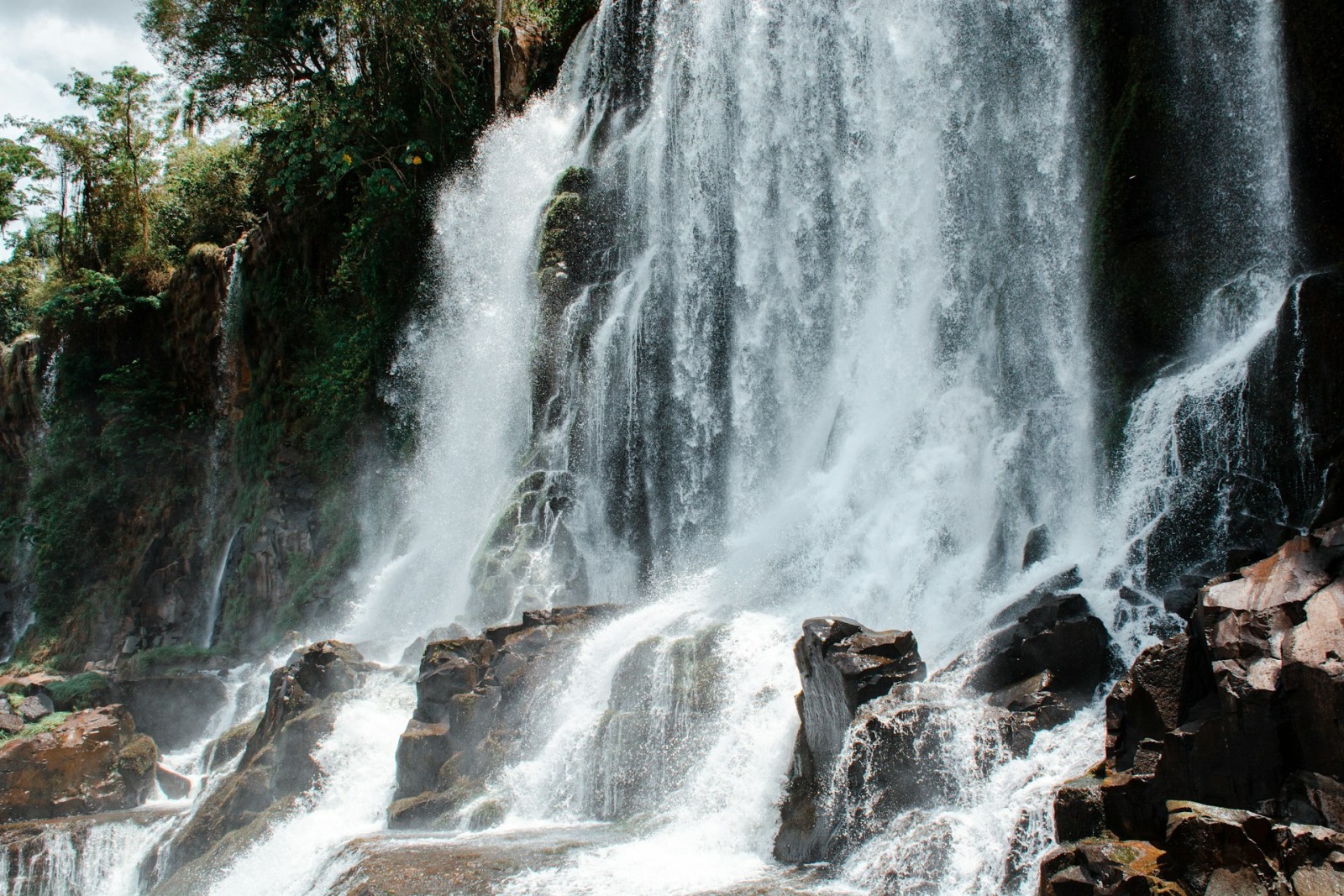
1. Iguazu Falls. The main attraction of the region is the system of many waterfalls on the Iguazu River. The most famous site is called “Devil’s Throat” and has a particularly powerful flow of water.
2. Tropical forests. The city is surrounded by green massifs of Misioner's jungle. Here you can see unusual plants, orchids, palm trees, ferns, lianas and a variety of tropical animals.
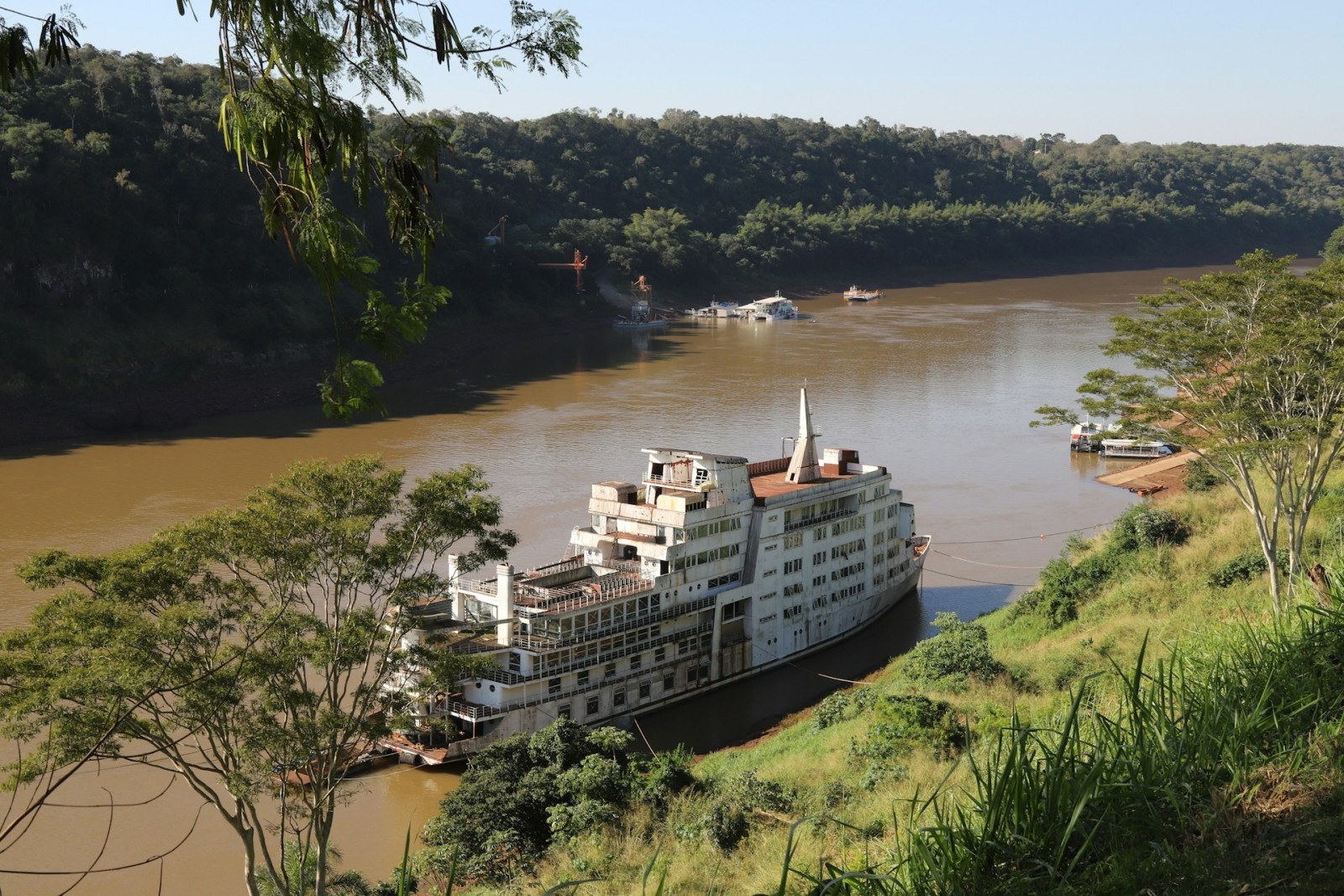
3. Triple border. Puerto Iguazu is located near the place where the borders of Argentina, Brazil and Paraguay converge. From the promenade, you can see neighboring countries through the Iguazu and Paraná rivers.
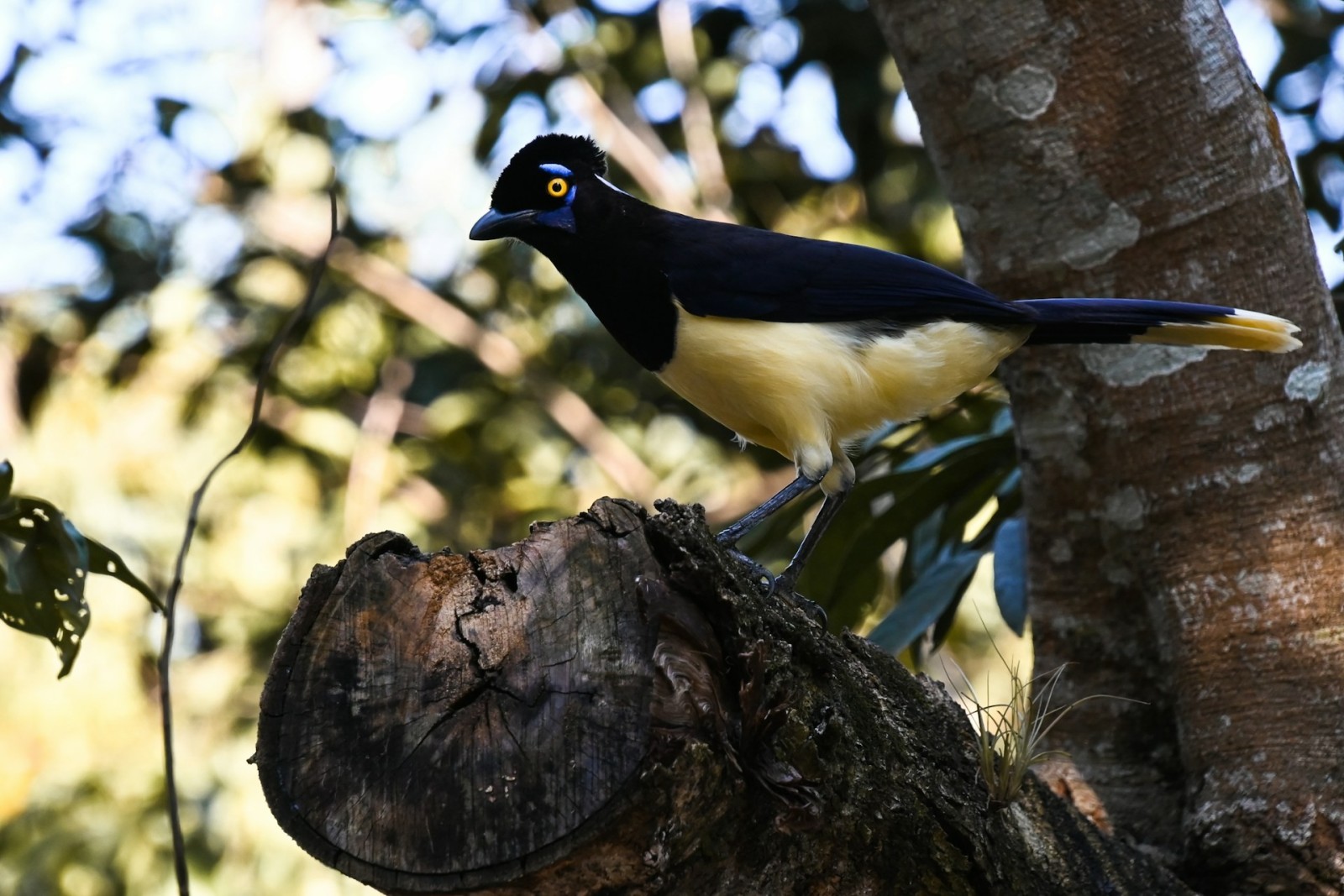
4. The rich animal kingdom. In the vicinity live toucans, parrots, capuchins, coati, butterflies, caimans and other representatives of subtropical fauna.
5. Guarani culture. The region preserves the traditions of indigenous peoples. Tourists can get acquainted with local crafts, wood products, woven objects and features of traditional life.
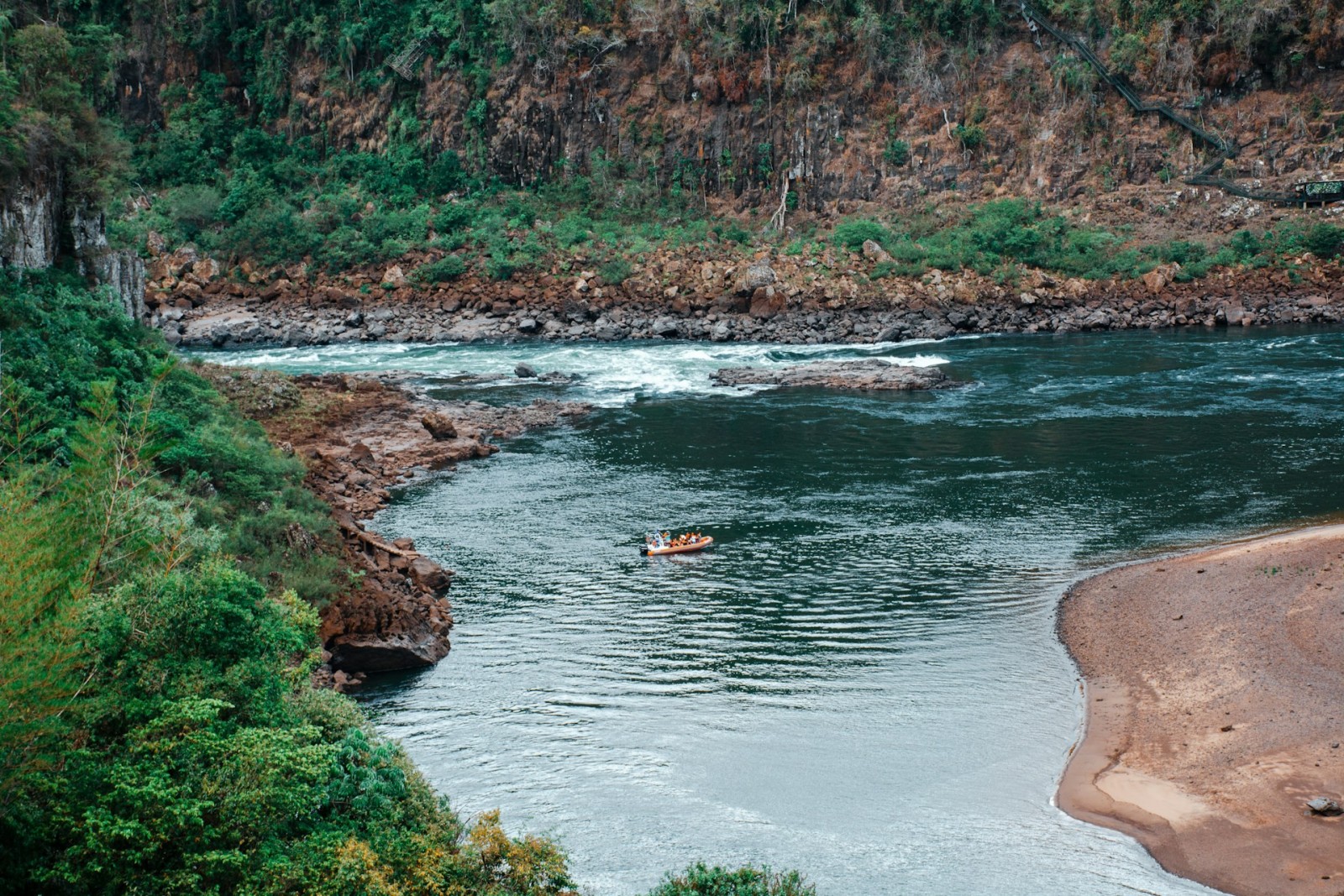
6. Adventure excursions. Popular boat trips to waterfalls, walks on forest trails, bird watching and excursions to nature reserves.
7. International situation. From the city it is convenient to go to the Brazilian city of Foz do Iguazu and the Paraguayan Ciudad del Este. This allows you to get acquainted with three countries in one trip.
8. Regional cuisine. In restaurants, you can try dishes from river fish, cassava, corn, local fruits and traditional Argentine meat dishes.
9. Natural centers. In the vicinity there are centers of rescue and restoration of wild animals, ecological parks and educational sites dedicated to forest conservation.
10. Rest in nature. In the city and its surroundings there are hotels and lodges surrounded by tropical vegetation. This format of accommodation allows you to combine excursions with rest in a calm natural environment.
Puerto Iguazu has a wide choice of accommodation: from inexpensive hostels to five-star hotels, tropical lodges and resort complexes. Many hotels are located among the greenery and offer swimming pools, restaurants and sightseeing services.
1. High-end hotels. They offer spacious rooms, restaurants, swimming pools, spa centers, transfers and additional services. Suitable for comfortable rest and family travel.
Examples: Gran Meliá Iguazú, Iguazú Grand Hotel, Gran Amérian Portal del Iguazú.
2. Mid- and high-end hotels. Usually have swimming pools, restaurants, air conditioning, Wi-Fi and a convenient location relative to the center.
Examples: O2 Hotel Iguazú, Hotel Saint George, Iguazú Jungle Lodge, Falls Iguazú Hotel & Spa.
3. Tropical lodges and eco-hotels. Located surrounded by forest, have terraces, gardens and swimming pools. Suitable for tourists who want to relax among nature. Examples: Loi Suites Iguazú Hotel, Iguazú Jungle Lodge, Falls Iguazú Hotel & Spa.
4. Budget hotels. They offer standard rooms with basic amenities. Suitable for travelers who plan to spend most of their time on excursions.
5. Hostels and guesthouses. An economical option for independent tourists, young travelers and small companies. Often offer shared kitchens, rooms for several people and the opportunity to meet other tourists.
1. Iguazú Falls (Cataratas del Iguazú) The main attraction of the region, located in the Iguazu National Park about 17-18 km from the city. The complex includes more than 270 waterfalls of different heights. Pedestrian paths and observation decks are equipped for inspection. You can get there by regular bus, taxi or excursion transport.
2. The Devil's Throat (Garganta del Diablo) The most famous part of Iguazu Falls. This is a powerful water cascade with a height of about 80 meters, where water flows with great force fall into the gorge. A special metal track leads to the observation deck. Part of the route can be covered by the tourist train of the park.
3. The upper route of the waterfalls (Circuito Superior). Walking route on equipped bridges over waterfalls. It offers panoramic views of the cascades, islands and rainforest. Suitable for tourists who prefer walking without steep climbs.
4. Lower waterfalls (Circuito Inferior) It allows you to approach the base of some waterfalls and see them from the lower observation decks. Here you can feel the splash of water and see the tropical vegetation. On the route there are stairs and areas with elevation differences.
5. The Makuco Trail (Sendero Macuco) Natural route through the national park. The trail passes through the jungle, where you can watch birds, butterflies and plants. At the end of the route is the Arrechea Falls. For a walk you will need comfortable shoes, water and insect repellent.
6. The Three Frontiers (Hito Tres Fronteras) Observation deck at the meeting point of the Iguazu and Paraná rivers. From here you can see the territories of Argentina, Brazil and Paraguay. This is one of the most popular places for walking and photography. You can get there on foot from the central part of the city or by taxi.
7. The Three Borders (Paseo de la Costanera) Walking area along the Iguazu River. Here you can relax, look at the river, visit small shops and enjoy the evening atmosphere of the city.
8. La Aripuca Park (La Aripuca). Ecological and cultural complex dedicated to the nature and traditions of Misiones province. Its central object is a large wooden structure reminiscent of the traditional guarani trap. The exposition introduces visitors to local tree species and the problem of deforestation. Located on the road to the national park, it is more convenient to get by taxi or excursion transport.
9. The Guirá Oga Animal Rescue Centre. An institution dedicated to the rescue, restoration and return of wild animals. Here you can learn about birds, mammals and reptiles of the rainforest. The visit takes place along organized routes accompanied by the staff of the center.
10. Garden of the Hummingbird (Jardín de los Picaflores). A small natural space where you can watch hummingbirds flying to flowers and feeders. Especially interesting for lovers of birds and nature photography.
1. Carnival of Puerto Iguazú (Carnaval de Puerto Iguazú) It usually takes place in January or February. The program includes musical processions, dances, bright costumes, performances of local groups and festive performances.
2. Semana Santa Cultural (Cultural Holy Week) It is held during the Catholic Easter period. The city organizes cultural events, concerts, exhibitions, religious programs and family entertainment.
3. Cultural July (Julio Cultural) A series of events dedicated to art and local culture. The program can include concerts, folklore performances, theater productions, exhibitions and creative meetings.
4. Puerto Iguazú (Aniversario de Puerto Iguazú) It's September 10th. The city hosts commemorative ceremonies, musical performances, dance performances and events dedicated to the history of the local community.
5. The Feast of Reviro (Fiesta del Reviro) Gastronomic event dedicated to the traditional dish of the province of Misiones - reviro. Usually timed to celebrate the founding of the city in September. Visitors can taste local food, see the cooking and listen to music.
6. City Anniversary Festival (Festival Aniversario) It is held as part of the September celebrations. The program includes performances of folklore groups, concerts, folk dances and events in honor of the first residents of the city.
7. Iguazú in September (Iguazú en Septiembre). A period of cultural events and meetings, which may include concerts, art programs, musical performances and family holidays.
8. Christmas events (Navidad). In December, the city is decorated with festive illuminations, religious services, concerts and family events are held.
9. New Year celebrations (Año Nuevo) Restaurants, hotels and entertainment venues organize festive dinners and music programs.
10. Folklore concerts and musical evenings. During the year, local musicians and dance groups perform in the city. The program can include Argentine folklore, Guarani music and contemporary Latin American trends.
Puerto Iguazu has a humid subtropical climate. It is warm almost all year round, high humidity and significant rainfall. Rains are possible in any month, so even in the dry period, you should take light waterproof clothes.
Summer period - December, January and February
Average daily temperature: +30 ... +32 °C.
Night temperature: +20 ... +23 °C.
Water temperature in rivers: approximately +25 +29°C.
It is often hot and humid, showers and thunderstorms are possible.
This is a period of active waterfall growth, so they look especially powerful. However, high temperatures, humidity, and high rainfall can complicate long walks.
Autumn period - March, April and May
Average daily temperature: +23 ... +30 °C.
Night temperature: +13 ... +21 °C.
Water temperature in rivers: approximately +21 ... +27 ° C.
The heat gradually weakens, but the rains continue.
March and April are still quite warm, and May becomes more comfortable for long excursions. Autumn is considered one of the convenient periods for exploring waterfalls.
Winter period – June, July and August
Average daily temperature: +20 ... +24 °C.
Night temperature: +10 ... +15 °C.
Water temperature in rivers: approximately +17 ... +22 ° C.
The weather is mild, but cool days and short-term cold snaps are possible.
This is a convenient period for hiking, as there is no strong summer heat. In July and during school holidays there can be many tourists.
Spring period – September, October and November
Average daily temperature: +25...+30 °C.
Night temperature: +13 ... +20 °C.
Water temperature in rivers: approximately +19 ... +25 ° C.
Gradually it becomes hotter, the amount of precipitation increases.
Spring is suitable for observing nature, walking through tropical forests and visiting waterfalls. There is often a lot of rainfall in October.
1. The main language of communication. The state and main language of communication is Spanish. In the tourism sector, you can also find employees who speak English and Portuguese.
2. The influence of Guarani. In the province of Misiones, words, names and expressions originating from the Guarani language have been preserved. It is an important part of the cultural heritage of the region.
3. The influence of Brazil and Paraguay. Due to the proximity of borders, the local culture combines Argentine, Brazilian and Paraguayan features. The Portuguese language is often heard in trade and tourism.
4. Welcome. When meeting, it is customary to say hello and smile. In an informal setting, a kiss on the cheek is common among friends.
5. Hospitality. Locals are generally friendly to travelers. In communication, politeness, calm tone and respectful attitude to the interlocutor are valued.
6. Mathe tradition. In Argentina, the joint use of mate is common. The drink is drunk from a special container through a metal tube. If you are offered mate, you can politely accept it or refuse it.
7. Kitchen and family parties. Shared lunches and dinners, grilled meat and traditional cassava dishes are popular in the region. Food often becomes part of family and friendship.
8. Music and dance. In the province of Misiones, Argentine folklore, polka misionera and music associated with the Guarani culture are popular. At local holidays, it is customary to respect the performances of artists.
9. Religious traditions. Catholicism is widespread in the region. When visiting churches, it is recommended to observe silence, do not interfere with worship and choose restrained clothing.
10. Respect for indigenous communities. When visiting Guarani settlements, it is necessary to respect local customs, not to photograph people without permission and not to interfere with the daily life of the community.
11. Rules of Conduct in the National Park. You can not feed wild animals, touch them, go off the designated paths and leave garbage. The instructions of the park staff must be followed.
12. Insect protection. In tropical climates there are many mosquitoes and other insects. For walks in the forest, it is recommended to use repellent, closed shoes and light clothing.
13. Border behavior. When traveling to Brazil and Paraguay, it is necessary to have documents, comply with border control regulations and take into account that entry requirements may vary depending on nationality.
14. Public order. It is necessary to observe the rules of the road, not to litter, respect local residents and not to violate the established restrictions in protected areas.
Welcome and introduction
Hola - Hello. Transcription: ola.
Buenos días - Good morning. Transcription: Buenos Dias.
Buenas tardes - Good afternoon. Transcription: Buenas tardes.
Buenas noches - Good evening / good night. Transcription: Buenas nochez.
¿Cómo está? - How are you? Transcription: como esta?
¿Cómo estás? - How are you? Transcription: como estas?
Mucho gusto - Nice to meet you. Transcription: Mucho thick.
Gracias - Thank you. Transcription: Grasias.
Por favor, please. Transcription: Pore favor.
Hasta luego - See you later. Transcription: Asta Luego.
General matters
¿Habla inglés? - Do you speak English? Transcription: abla ingles?
¿Habla portugués? - Do you speak Portuguese? Transcription: Abla Portuguese?
No entiendo - I don't understand. Transcription: but entiendo.
¿Puede ayudarme? - Can you help me? Transcription: Puede Ayudarme?
¿Dónde está el centro? - Where's the center? Transcription: Donde esta el centro?
Donde está el baño? - Where's the toilet? Transcription: Donde esta el Baño?
¿Cuánto cuesta? - How much is it? Transcription: Cuanto Cuesta?
Estoy perdido - I'm lost. Transcription: Este pardido.
At the hotel.
Tengo una reserva - I have a reservation. Transcription: Tengo una raserva.
Quiero registrarme – I want to register. Transcription: kyero rehistrarme.
¿A qué hora es el desayuno? - What time is breakfast? Transcription: And ke ora es el desiuno?
¿Hay Wi-Fi? - Is there Wi-Fi? Transcription: wi-fi?
¿Puede llamar un taxi? - Can you call a taxi? Transcription: puede yamar un taxi.
¿Hay una piscina? - Is there a swimming pool? Transcription: ai una pisina?
Local food and drink
1. Reviro. The traditional dish of the province of Misiones is made of flour, water, salt and fat or oil. It turns crumbly fried mass, which is eaten independently or served with other dishes.
2. Chipa. Chipa. A small cheese pastry made of cassava flour or starch. It is popular as a breakfast and snack.
3. Surubí. Large river fish that is grilled, baked or served as fillets.
4. Pacu. River fish with a rich taste. Often cooked on coals or grills.
5. Dorado. Popular fish of the Parana pool. It is served baked, fried or grilled.
6. Sopa Paraguaya (Sopa Paraguaya) Tight corn casserole with cheese, onions, eggs and milk. Despite its name, it is not a liquid soup.
7. Feijoada. A hearty dish of black beans, meat and rice, popularly influenced by Brazilian cuisine.
8. Empanadas. Small cakes with meat, cheese or vegetable filling. They can be found in cafes and restaurants in the city.
9. Dulce de Mamon (Dulce de Mamón) Sweet papaya dessert made in sugar syrup. Often served with cheese.
10. Mate. A traditional drink made from yerba mate leaves. In the region, it is consumed hot or cold.
11. Tereré. A cold drink based on yerba mate, water and sometimes citrus or herbs. Especially popular in hot weather.
12. Local fruit and juices. In restaurants and shops you can find pineapples, papaya, maracuya, guava and other tropical fruits.
Souvenirs and gifts
Products of semi-precious stones. In the province of Misiones, jewelry and decorative items from amethyst, agate, quartz and other minerals are sold.
Handmade ceramics. Cups, plates, small figurines and decorative products with local motifs.
Wood products. Carved figures of animals, decorative objects and small souvenirs.
Guarani crafts. Weave baskets, jewelry, small household items and products made of natural materials.
Calebas for mate. Traditional containers for cooking and consuming mate.
Bombillas. Metal straws for drinking mate.
Local yerba mate. A practical gift for lovers of traditional Argentine drink.
Regional sweets. Papaya jam, fruit candy and other local desserts.
Textiles. Bags, napkins, small tablecloths and handmade decorative products.
Souvenirs depicting waterfalls. Magnets, postcards, animal figures, paintings and objects with the symbols of the national park.
Travel documents
A valid passport is required to enter Argentina. Requirements for its validity and the number of free pages depend on the citizenship of the tourist.
For citizens of a number of countries, visa-free tourist entry is provided. Other travelers need to apply for a visa in advance.
For some tourists, the allowed stay is up to 90 days. Specific conditions should be checked by nationality and type of entry.
It is advisable to have a return ticket or confirmation of the further route.
It is recommended to keep the confirmation of the hotel reservation, the address of residence and information about the travel itinerary.
When traveling to Brazil and Paraguay, it is necessary to have documents suitable for crossing the relevant borders. Additional requirements may apply to minors.
It is useful to make copies of your passport, visa, tickets and insurance policy and keep them separate from the originals.
Health insurance
For travel, it is recommended to obtain medical insurance, which covers:
emergency medical care;
hospital treatment;
call an ambulance;
medical transportation;
Accidents during excursions;
Assistance for injuries during active rest.
If boat trips, jungle walks and other adventure activities are planned, check if they are included in insurance coverage.
Emergency services in Argentina
911 is a single emergency number.
100: Fire service.
101 police.
103 Civil Defense.
105 is an environmental emergency.
106 - Assistance in water accidents.
107 – SAME medical care; this service does not operate in all regions of the country, so in Puerto Iguazu, it is better to check the number of the local ambulance at the hotel or tourist information center.
Mobile operators
There are three main mobile operators in Argentina:
Claro.
Personal.
Movistar.
Tourists can purchase a local prepaid SIM card or use eSIM if the phone supports this technology. A passport may be required to register the number. In the center of Puerto Iguazu, communication is usually available, but in remote areas of the rainforest and nature reserves, coverage can be unstable.
Safety rules in the city
In the city center, in markets and in places where tourists are crowded, you need to monitor your wallet, phone and bags.
You should not leave valuables unattended in cafes, restaurants and public places.
For evening trips, it is better to use an official taxi or a pre-ordered transfer.
It is not recommended to enter unfamiliar forest areas and remote natural areas.
In the national park, it is necessary to follow the instructions of employees and not approach wild animals.
You can not feed coati, monkeys and other animals. They can be aggressive and carry infections.
On the tour you should take drinking water, headdress, sunscreen and repellent.
For walks on waterfalls you need comfortable shoes with a non-slip sole. On wet bridges, you should move carefully.
Before the boat tour, it is recommended to clarify the requirements for age, health and protective equipment.
When crossing borders, it is necessary to comply with the rules of customs and migration control.
Duration of stay in the country
For citizens of a number of countries, a tourist stay in Argentina is allowed for up to 90 days. In some cases, it can be extended for a similar period through the migration service. Conditions depend on citizenship and the reason for entry, so it is necessary to check the current rules before traveling.
Puerto Iguazu is one of the most famous natural tourist centers of Argentina. Its main feature is the Iguazu waterfalls, surrounded by tropical forests and rich fauna. The city is also interesting for Guarani culture, local cuisine, natural excursions and the opportunity to visit three countries at once. It is recommended to allocate 2-3 days for exploring the main attractions, and 4-5 days for trips to Brazil, Paraguay and additional natural sites.
Create a query and local guides will offer you the best options

Install the app «PersonalGuide»
www.personalguide.ru