Independent review and vacation trip to Melbourne in Australia! A Brief History of the City of Melbourne Melbo...

This tour is suitable for those who have little time, but have a desire to see the pearl of Australia, the rocks of the 12 Apostle …

You will be waiting for a trip to Melbourne City, the Royal Exhibition Center, Captain Cook’s House, Fitzroy Gardens, Victoria Par …

This cultural and historical tour can also be called a day car tour of Melbourne with a Russian guide in Australia. The tour provi …

This is a day tour from Melbourne to the gold rush city of Australia - Ballarat. At the start of the tour, we’ll take a look at so …

This private tour from Melbourne for the most expensive Australian white and black opals in the world includes almost all the main …

You will have a trip on the old steam locomotive Puffing Billy among tree ferns and giant eucalyptuses, tea with real Australian c …
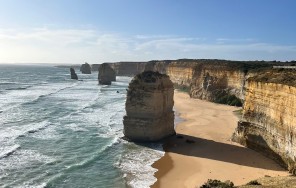
Tour of the Great Ocean Road for the whole day. This is not a shortened route for 8 hours with two stops, but a full tour for 12 h …
 Guide license
I organize both short walking tours around Melbourne and multi-day tours from Melbourne to Sydney, Adelaide, Canberra, t …

Most of all, I like multi-day tours of Australian tourist natural routes. And since I'm based in Melbourne, the tours ar …

My name is Vladimir Balashov. I am a Russian guide in Australia, offering Russian excursions and tours in Melbourne, Syd …
 Guide license
I will be glad to help you with any questions about holidays and tours in Australia! Write and call your Russian guide i …

Cultural and historical tour in Melbourne. Guide in Australia: Sergey Yashumov. The cost of the tour: from $ 270 per person. Durat …

Excursion in the city of Melbourne Guide in Australia: Sergey Yashumov The cost of the tour : from $ 150 per person The duration o …
Melbourne, the capital of Victoria in Australia, has a rich history spanning the period from its foundation to the present. In 1835, a group of Tasmanian entrepreneurs led by John Batman founded a settlement on the banks of the Yarra River. They named it Melbourne after British Prime Minister Lord Melbourne.
Soon after the founding of Melbourne, gold prospectors were drawn to the region due to the gold rush of the 1850s. This period was an important stage in the history of the city, attracting many immigrants and contributing to economic growth.
At the end of the XIX century, Melbourne became a major cultural and commercial center. During this time, magnificent architectural structures such as the Royal Exchange and Flinders Street Station appeared. The city was also known for its parks and gardens, giving it the nickname "Garden City".
In the XX century, Melbourne continued to develop as a major commercial and cultural center. The city was chosen as the venue for the 1956 Summer Olympics, contributing to improved infrastructure and worldwide recognition.
Today, Melbourne is a multicultural city with outstanding artistic and cultural events, a diverse culinary experience and modern architecture.

Melbourne is an exciting and dynamic city, offering tourists a unique combination of culture, art, diverse cuisine and natural beauties. Here are a few things that might attract tourists:
Cultural diversity: Melbourne is renowned for its multicultural community, reflected in its diversity of cuisine, art and languages. Tourists can enjoy the authentic cuisine of different countries, attend various cultural festivals and events, such as the "Food and Wine Festival" or "Melbourl Music Week".
Art and Design: Melbourne is known for its street art, which can be seen in various areas such as Fitzroy, Street Art in Hosier Lane and others. Galleries and museums such as the National Gallery of Victoria and the Museum of Modern Art offer unique collections.
Architectural splendor: The city is famous for its unique architecture. Tourists can enjoy views of buildings such as the Eura Center, Royal Exchange and innovative residential complexes.
Sporting Events: Melbourne is the sporting capital of Australia and visitors are given the opportunity to attend a variety of sporting events including the Australian Open (tennis) and the Australian Grand Prix (Formula 1).
Natural parks and green areas: The city has beautiful parks such as the Royal Botanical Garden and Albert Park, where tourists can enjoy nature and picnics.
Live music and nightlife: Melbourne offers a rich nightlife including live music, theatres and clubs. Areas such as Fitzroy and Southbank offer a variety of entertainment options.
In sum, Melbourne attracts tourists with its diversity, innovation and beauty, making it an exciting destination for discovery and unforgettable experiences.
Melbourne offers a wide range of services and a variety of accommodation options, matching different budgets and preferences. Below is an overview of price and service levels:
Economy class (budget options):
Middle class (standard and business hotels):
Luxury (premium hotels and resorts):
Apartments and service apartments:
In general, Melbourne offers a variety of accommodation options and the level of service usually matches the price. A high level of competition also contributes to improving the quality of services. It is important to clearly define your preferences and budget restrictions when choosing to live in this city.
Melbourne offers many amazing attractions, heritage and entertainment. Here are a few of them, indicating the approximate distance from the city center:
Federal District (Federation Square): It is a cultural and entertainment space in the heart of the city. Distance from the center: within walking distance.
Royal Botanic Gardens (Royal Botanic Gardens) Beautiful botanical garden with unique vegetation. Distance from the center: about 2 km.
Melbourne Museum (Melbourne Museum): One of the largest museums in the southern hemisphere. Distance from the center: approximately 2 km.
National Gallery of Victoria (National Gallery of Victoria): One of the oldest artificial galleries in Australia. Distance from the center: within walking distance.
Street art in Hosier Lane: The famous street art gallery. Distance from the center: within walking distance.
Eureka Skydeck: The tallest building in Melbourne with panoramic views of the city. Distance from the center: approximately 1 km.
Flinders Street Station (Flinders Street Station) The famous railway station, which is an icon of the city. Distance from the center: within walking distance.
Southbank: A riverside neighborhood with restaurants, theaters and a promenade. Distance from the center: within walking distance.
The Great Ocean Road (The Great Ocean Road) Although not directly in the city centre, this stunning coastal highway starts outside Melbourne and offers beautiful natural scenery. Distance from the center: about 100 km (the beginning of the track).
Please note that the distances indicated can vary depending on the specific location in the city center, and it is better to use local maps or navigation for more accurate data.

Melbourne is famous for its variety of cultural events, celebrations and festivals. Here are a few of them:
Melbourne Film Festival (Melbourne International Film Festival) An annual event that presents films of various genres from Australian and foreign directors.
Melbourne Arts Festival (Melbourne Festival): An annual event featuring theatre productions, musical performances, dance, art and many other cultural manifestations.
Melbourne Fashion Week: Melbourne Fashion Week A fashion event featuring collections of Australian and international designers.
Melbourne Food and Wine Festival: A favorite event for gourmets, where you can enjoy dishes and drinks from local and world chefs and winemakers.
Night of the Arts in Melbourne (White Night Melbourne) An annual event during which the city is transformed into a huge exhibition of light, art and production installations.
Melbourne International Comedy Festival: A major humor festival featuring both local and international comedians.
Australian Open Tennis Series: One of four Grand Slam tennis tournaments held in Melbourne on Jan.
Lunar New Year (Chinese New Year): Celebrating the Chinese New Year with enchanting parades, dances and cultural events.
These are just a few examples. Melbourne hosts an interesting event almost every month and the city is known for its diversity and cultural richness.

Melbourne, like all of Australia, is in the southern hemisphere and its climate is driven by seasons occurring in the opposite order to the northern hemisphere. Here is a brief description of the climate in Melbourne throughout the year:
Spring (September-November):
Summer (December to February):
Autumn (March - May):
Winter (June to August):
Please note that the climate in Melbourne can be variable, and you can experience temperature changes in one day. Also, due to its proximity to the Southern Ocean, the city may be subject to sudden changes in weather conditions. Travelers should consider these factors when planning their trip and prepare for a variety of weather conditions.

Language of communication: The official language in Australia is English. In Melbourne, as in other cities in the country, most people speak English. You can also find people speaking different languages in the city because of the multicultural environment.
Traditions and customs:
Laws and regulations:
Travellers in Melbourne can expect a friendly attitude and a warm welcome. It is important to be open and respectful of the local culture and respect local traditions and laws for a more comfortable stay.

In Melbourne, English is the primary language of communication. Here are some useful phrases and expressions with their translation into Russian and transcription:
These phrases will help you navigate in Melbourne and connect with locals. Remember that many people in Melbourne welcome the use of conventional forms of courtesy and gratitude.
Melbourne offers many unique and interesting products, souvenirs and other goods that can be great gifts or memorabilia from your trip. Here are some suggestions:
These products represent the local culture and can be great souvenirs or gifts to remind you of your trip to Melbourne.

Melbourne is generally considered a relatively safe city, but as with any other place, basic precautions should be followed. Public transportation and public spaces are generally safe, but it is still important to keep an eye on your belongings and avoid dark and empty areas at night. In addition, it is recommended to be vigilant and careful to avoid possible incidents.
Documents required:
Insurance:
Emergency services:
Mobile operators: Various mobile operators are available in Melbourne. Some of them include Telstra, Optus, Vodafone and others. Check which operator provides the best coverage for your area of stay and fare plan.
Duration of stay without departure: Usually, tourists receive a visa for a certain period of time, which can vary depending on the type of visa. Tourist visas are often granted for periods ranging from a few weeks to several months. Before traveling, it is important to check the conditions of your visa and see if it is possible to renew it. By default, it is usually allowed to stay in the country for up to 3 months without the need to leave.
Create a query and local guides will offer you the best options