Independent tourism and recreation in Sozopol Historical information about the city of Sozopol 1. The rise of...
1. The rise of the city. Sozopol is one of the oldest cities in Bulgaria, located on the Black Sea coast, about 35 km from Burgas. The first settlements appeared here in the Neolithic era. Around 610 BC, Greek settlers from Miletus founded the city of Apollonia, named after the god Apollo. Thanks to its convenient harbor, it quickly became an important center of trade and navigation.
2. Heyday of ancient Apollonia. In the VI-IV centuries BC the city flourished, traded with Greek polises and Thracian tribes, issued its own coins. Particularly famous was the temple of Apollo with a huge bronze statue of the deity. Apollonia was one of the most important commercial centers of the western coast of the Black Sea.
3. Roman conquest. In 72 BC. Apollonia was captured by Roman forces under the command of Marcus Lucullus. The city was destroyed and the statue of Apollo was taken to Rome. Later, the settlement was restored, but did not reach its former power.
4. Byzantine period and Christianity. After the division of the Roman Empire, the city came under the rule of Byzantium. In the IV-V centuries, Christianity spread here, churches and monastic communities appeared. The city received the name Sozopolis, usually translated as "the city of salvation", and strengthened as a religious and maritime center.
5. The Middle Ages and the Struggle for Power Sozopol repeatedly crossed between Byzantium and Bulgaria. In 812 it was captured by the troops of the Bulgarian Khan Krum. In the following centuries, the city retained its importance as a port and center of Orthodox culture, although military clashes and attacks damaged its development.
6. Ottoman rule. In the XV century, Sozopol became part of the Ottoman Empire. The inhabitants continued to engage in fishing, trade and crafts, and the Christian community maintained religious traditions. In the XVIII-XIX centuries, the characteristic appearance of the Old Town with narrow streets and houses was formed, in which the stone lower floors were combined with the wooden upper ones.
7. XIX century and the liberation of Bulgaria. During the Russo-Turkish War of 1828-1829, Sozopol was briefly occupied by Russian troops, who used its harbor as a naval base. After the liberation of Bulgaria from Ottoman rule, the city became part of the united Bulgarian state at the end of the XIX century.
8. Tourism development. In the XX century, Sozopol began to attract artists, writers and travelers. In 1974, the Old Town received the status of an architectural and archaeological reserve, which contributed to the preservation of traditional buildings and monuments of antiquity.
9. Modern Sozopol. Today the city is a popular seaside resort in Bulgaria. Tourists are attracted by beaches, ancient churches, archaeological sites, traditional houses and local cuisine. Sozopol has preserved the atmosphere of an ancient port settlement, whose history dates back more than two and a half thousand years.
1. Attractiveness of Sozopol for travelers and tourists
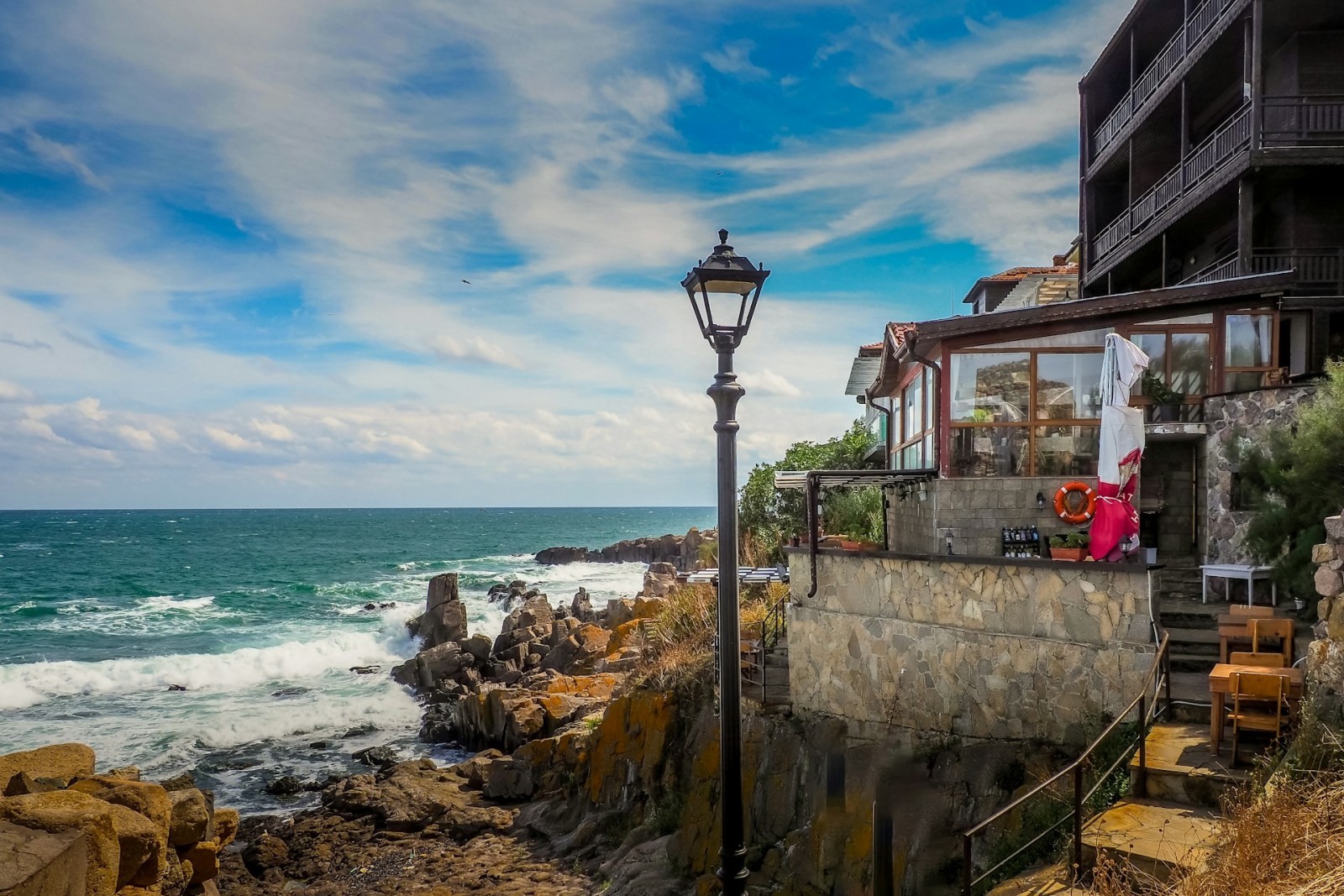
Sozopol is one of the most picturesque seaside towns in Bulgaria, which combines a beach holiday, ancient history, traditional architecture and the atmosphere of an ancient fishing settlement. The city is located on the Black Sea coast and is suitable for family holidays, romantic trips, cultural tourism and walks through historical streets.
2. Ancient architecture and historical heritage
The old town attracts tourists with narrow cobbled streets, traditional houses with wooden upper floors, ancient churches and remains of fortress walls. Walks through the historical center allow you to get acquainted with the centuries-old history of Sozopol and see the combination of Greek, Byzantine and Bulgarian cultural traditions.
3. Beaches and sea recreation
Sozopol is known for sandy beaches, suitable for swimming, sunbathing and family holidays. Popular places include Central Beach and Harmani Beach. Lovers of a more peaceful environment will suit small bays and stretches of coast outside the most busy areas.
4. Sea trips and active rest
Tourists can go for a boat ride, go fishing, try water sports or explore the picturesque coast. In the vicinity there are routes for hiking, and natural areas allow you to combine rest by the sea with bird watching and acquaintance with the local flora.
5. Cultural activities and local cuisine
Sozopol hosts cultural events, concerts, art exhibitions and festivals. The city is also known for seafood restaurants and traditional Bulgarian dishes. In local establishments you can try fresh fish, mussels, vegetable salads, grilled dishes and regional wines.
6. Islands and attractions nearby
Of interest are the islands of St. Ivan and St. Peter, known for natural landscapes and archaeological sites. Visits to the surrounding area allow you to see other seaside settlements, natural bays and cultural sites of the southern coast of Bulgaria.
1. High-class hotels (4-5 stars). In Sozopol there are boutique hotels and resort complexes with swimming pools, restaurants, spa services and views of the Black Sea. They are suitable for comfortable rest, romantic trips and family holidays.
Blu Bay Hotel Sozopol is a boutique hotel by the yacht harbor, with modern rooms, a rooftop swimming pool and a restaurant.
Viva Mare Beach Hotel is a modern hotel in the resort complex Santa Marina, with swimming pools, beach area and restaurants.
Solinaria Boutique Hotel is a boutique hotel in the Bujaka area, suitable for a relaxing holiday near the sea.
2. Mid-range hotels (3 stars). This is a common option for tourists who need a separate room, air conditioning, Wi-Fi and a convenient location relative to the beaches and the historic center.
Hotel More is a small family hotel with a swimming pool, close to Central Beach and the Old Town.
Hotel Selena is a hotel in the central part of the city, convenient for walking, visiting restaurants and beach holidays.
Hotel Villa List is a hotel near the Central Beach, suitable for tourists who want to live close to the sea and the center.
3. Small family hotels. Such establishments usually offer simple rooms, balconies, air conditioning and a welcoming atmosphere. They are suitable for couples and travelers who spend most of their time on the beach and excursions.
Hotel Radik is a small hotel in the central part of the city.
Family Hotel Radiana is a family hotel near Central Beach.
Hotel Kavaler is an option for relaxing at no extra cost, with a convenient location relative to the city infrastructure.
4. Guest houses and private rooms. This is one of the most common ways of inexpensive living in Sozopol. Rooms are rented in private homes and small villas; some have a shared kitchen, terrace and a place to relax.
Kupenova Guest House is a guest house near Central Beach.
Doctor's House Guest House - accommodation in the historical part of the city, suitable for exploring Old Sozopol.
White Dolphin is a guest house for tourists who prefer small accommodation facilities.
5. Apartments and apartments per day. Renting an apartment is convenient for families, companies and those who plan to spend a few weeks by the sea. Usually a kitchen, refrigerator, washing machine and a separate living room are available. The apartments are found both in the center and in the districts of Bujak and Harmani. When choosing, it is worth checking the distance to the beach, the availability of air conditioning and parking, as well as whether utility costs are included in the price.
6. Aparthotels and resort complexes. They combine the amenities of the apartment with some hotel services. For example, Martinez Aparthotel offers apartment-type accommodation, and Green Life Beach Resort is suitable for family holidays with swimming pools and resort infrastructure.
7. Hostels and the most budget accommodation. Hostels are suitable for single travelers, young people and tourists who need to reduce costs. You can choose a place in the common room or a separate room, if it is provided.
Just a Hostel - budget accommodation in the central part of the city.
Guest House Dima is a simple option with separate rooms.
Guest House Eos is a guest house for independent travelers looking for affordable accommodation.
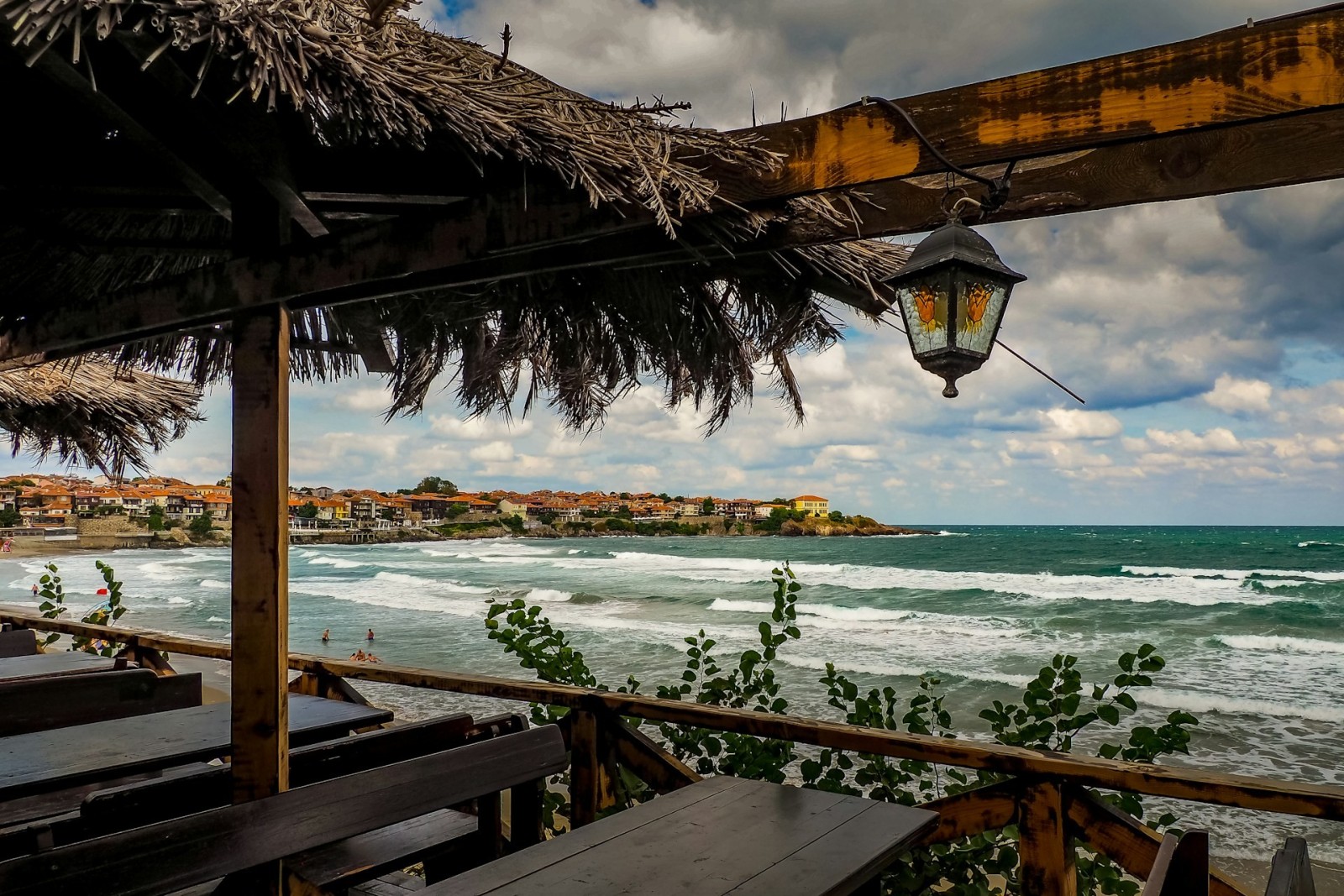
1. The old town of Sozopol. The historical center is the main attraction of the city. There are preserved narrow cobbled streets, traditional Bulgarian houses with wooden upper floors, small squares and old churches. The walk allows you to get acquainted with the history of the city and enjoy the views of the Black Sea. The old town is convenient to explore on foot; from most central hotels the road takes about 5-20 minutes. The streets are steep and uneven, so comfortable shoes are especially important.
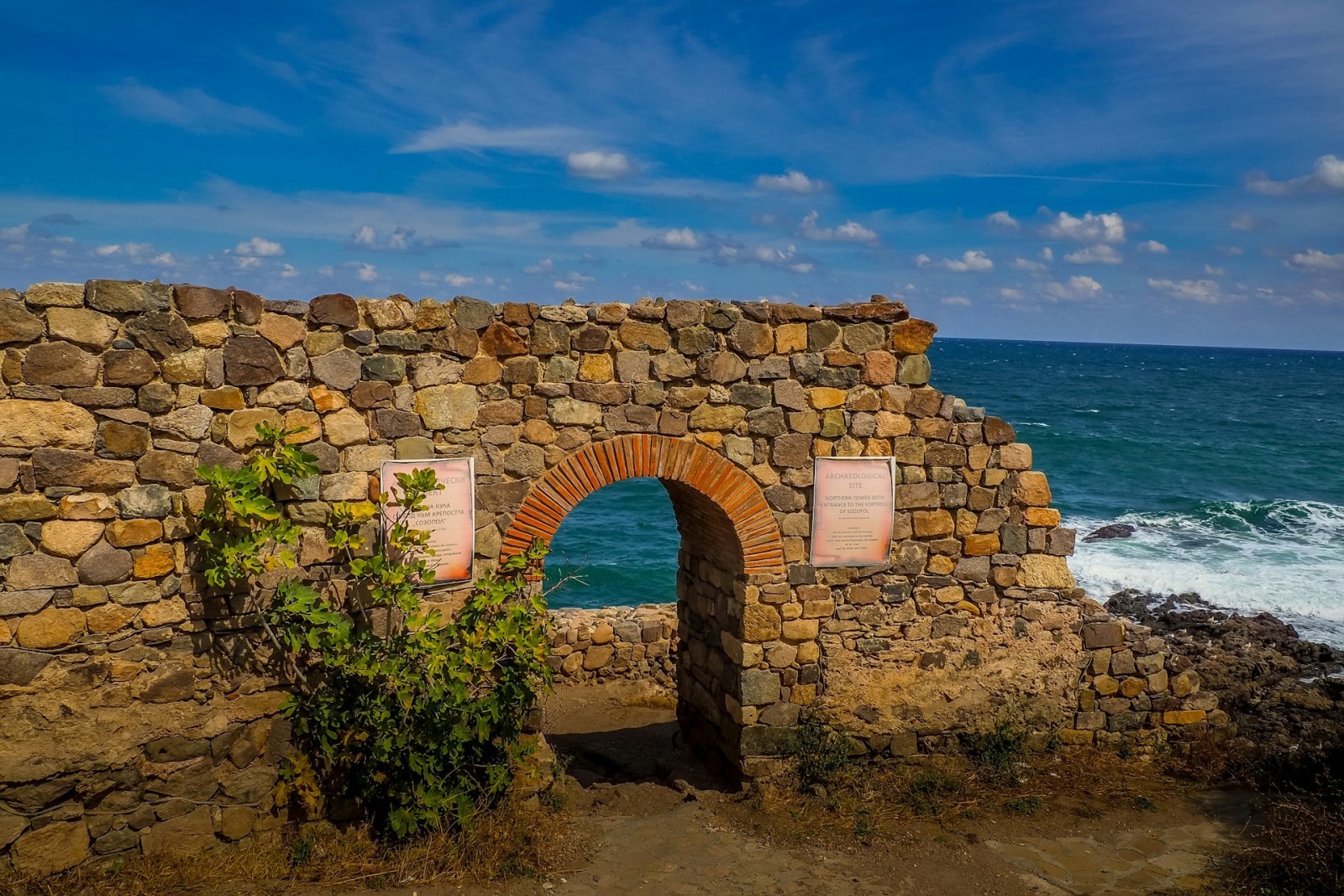
2. The remains of the fortress walls and the South Fortress Tower. Archaeological fragments of the fortifications remind of the strategic importance of the ancient port. Nearby there are picturesque sections of the embankment, from where views of the sea and the bay open. The sights are located in the Old Town, so they are easiest to reach on foot. From the central part of the New Town, the path usually takes about 10-20 minutes.
3. Archaeological Museum of Sozopol. The museum introduces the history of ancient Apollonia and subsequent epochs. The collection includes archaeological finds, ancient pottery, coins, household items and materials related to maritime trade and religious life of the region. The museum is located in the historical part of the city. It is most convenient to walk to it from the Old Town and the main streets.
4. St. George's Church. One of the famous Orthodox churches of Sozopol, associated with the centuries-old Christian history of the city. The church is interesting for its architecture and religious relics. It is located in the Old Town, so no separate transport is required. When visiting, you should observe the rules of conduct in the existing temple.
5. Church of Saints Cyril and Methodius. The temple is of interest to travelers studying Orthodox architecture and Bulgarian history. It is located in the historical center, among the old buildings. A visit is conveniently combined with a walk around the Old Town and a tour of the fortifications.
6. Central beach. One of the most accessible beaches of Sozopol is located near the historical center and urban infrastructure. Here you can swim, sunbathe, relax in coastal cafes and engage in water entertainment in the season. From the Old Town, the walk takes about 5-15 minutes. In the summer months, the nearby streets are busy.
7. Harmanite Beach. This is one of the largest city beaches located in the New Town. It is suitable for swimming, sunbathing and active recreation. There are cafes, restaurants and seasonal beach establishments nearby. From the central part of Sozopol you can walk in about 10-20 minutes. From remote areas, it is convenient to use a taxi or seasonal local transport.
8. Kavatsi Beach. Sandy beach south of the center, known for spacious coastal strip and natural dunes. It is suitable for family holidays and those who prefer to spend time by the sea away from the busiest city streets. You can get there by car, taxi or seasonal bus if it runs during the trip. Walking from the center takes much longer than to the city beaches.
9. St. Ivan's Island. The largest island of the Bulgarian Black Sea coast near Sozopol. It is known for the archaeological remains of the monastery and finds related to early Christian history. The island is interesting for lovers of archaeology, history and natural landscapes. Usually, an organized sea tour or private boat is required to visit; availability depends on the weather and season.
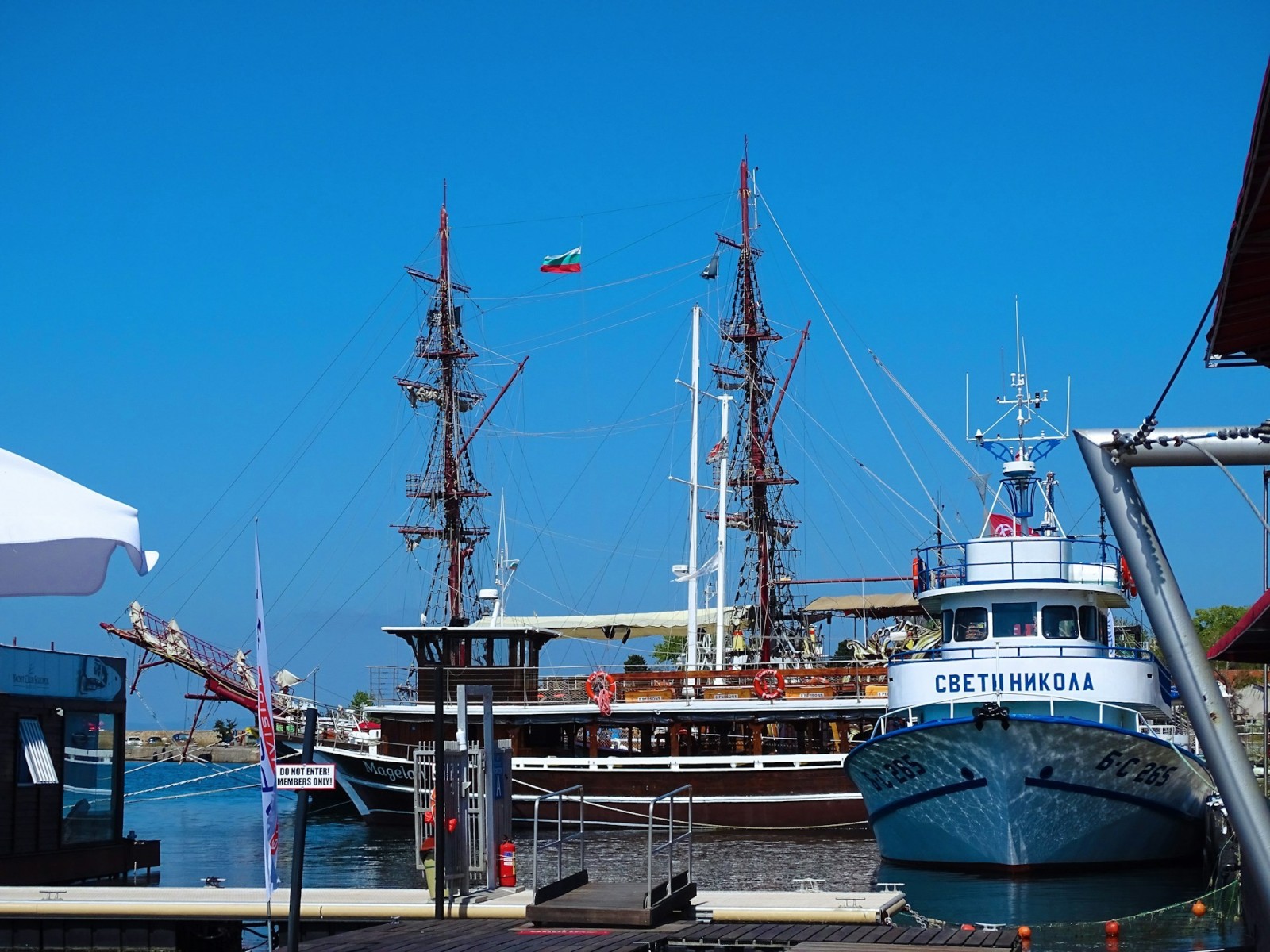
10. Marina Port Sozopol Harbour. A modern marina with moored yachts, a walking area and restaurants nearby. From here, some sea excursions along the coast depart. The harbor is convenient to visit on foot from the central part of the city, combining a walk with a tour of Old Sozopol. In the high season, it is especially lively in the evening.
11. Ethnographic Museum. Located in an old house and introduces to the traditional life, clothes, crafts and culture of the inhabitants of the southern Bulgarian coast. The visit helps to better understand the history of local fishing communities. The museum is located in the Old Town, so it is easier to reach on foot. Work hours should be specified in advance, especially outside the summer season.
12. Art gallery in the Old School building. The gallery presents works by Bulgarian artists, including works dedicated to the sea and ancient Sozopol. It will be interesting for lovers of painting and local culture. It is located in the historic part of the city and is accessible on foot. It is better to plan the visit time taking into account the seasonal schedule.
13. Ravadinovo Castle. An unusual tourist complex with towers, decorative facades, gardens, reservoirs and fabulous architecture. It is located in the village of Ravadinovo, about 6-8 km from Sozopol. You can get there by car or taxi; buses and excursion transfers can be available during the tourist season. Before the trip, it is desirable to specify the mode of work and conditions of visit.
14. Ropotamo Reserve. A natural area about 17 km from Sozopol, known for the river, water lilies, forests, rock formations and a variety of birds. In the season, boat trips along the river are organized here. It is most convenient to get by car, taxi or as part of an excursion. It is worth allocating a few hours to visit and check in advance the availability of routes and boat excursions.
15. Thracian sanctuary Beglik-Tash. An ancient cult complex of large stone blocks, located about 20 km from Sozopol, near Primorsko. It is interesting for archaeology, ancient religious traditions and natural surroundings. It is most practical to go by car, taxi or with a tour; part of the way passes on foot through the natural territory.
1. Trifon Zarezan (February) Traditional Bulgarian festival of wine growers and winemakers. Rites of pruning grapevine, folk festivals and wine tastings are held.
2. Kuker Festivals – February – early March. People's processions in masks and costumes, symbolizing the expulsion of evil forces and the meeting of spring. The dates of events in Sozopol are changing.
3. Liberation Day of Bulgaria – March 3 A national holiday with commemorative ceremonies, flower laying and cultural events.
4. Lazarovden – spring, before Orthodox Easter. Folk holiday with traditional songs, rites and performances of girls in national costumes.
5. Orthodox Easter is March or April. In the temples of Sozopol, festive services are held, and residents observe the traditions of consecration of Easter dishes and family meetings.
6. International Children's Festivals - the beginning of summer. Creative competitions, dance performances, music programs and theatrical events for children and youth.
7. International Folklore Festival - Summer. Performances of folk ensembles, performers of traditional music and dance groups from different countries. The specific dates depend on the organizers.
8. Summer Concerts and Cultural Evenings (June-August) Concerts of Bulgarian performers, theatrical performances, musical evenings and art exhibitions at city venues.
9. July morning (July Morning) – the night from June 30 to July 1. It is a Bulgarian tradition to meet the sunrise by the sea, sometimes with music and informal encounters on the coast.
10. Beach Festivals and Music Parties (July – August) Entertainment programs, DJ performances, sports events and parties by the sea.
1. Winter. The weather is predominantly cool, humid and windy. The average daily air temperature is about +6. +10 °C, at night values of about 0 °C and below are possible. The temperature of sea water is usually kept within +6 ... +10 ° C. Swimming is not suitable for most tourists, but you can walk around the Old Town and see the sights without the summer influx of holidaymakers.
2. Spring. The air gradually warms up: in March in the afternoon about +10 ... +13 ° C, in April +14 ... +17 ° C, in May +19 ... +23 ° C. The water temperature rises from about +7 ° C in March to +16 ... +18 ° C in May. Spring is suitable for excursions, walks along the embankment, acquaintance with the architecture and nature of the surrounding area. For comfortable swimming, the water is usually still cool.
3. Summer. The warmest and most popular period for rest. In June, the daily air temperature is about +23 ... +26 ° C, in July and August often reaches +27 ... +30 ° C. The sea warms up to about +21 ... +23 °C in June and +24 ... +26 °C in July and August. This is the best time for beach holidays, sea walks, water entertainment, concerts and festivals. July and August are the busiest for tourists, so it is advisable to book accommodation in advance.
4. Fall. September remains warm: the day is usually about +22 ... +26 ° C, the water temperature is about +22 ... +24 ° C. In October, the air cools to +17 ... +21 ° C, and the sea - to about +17 ... +19 ° C. In November, the daily temperature is often +11 ... +16 ° C, the water cools to +12 ... +15 ° C. September is especially good for swimming and excursions, and October and November are more suitable for quiet walks and acquaintance with the history of the city. In autumn, the likelihood of rain gradually increases.
1. Language of communication. The official language of Sozopol is Bulgarian. In everyday life, locals use Bulgarian, which belongs to the South Slavic group. Cyrillic is used for writing, so some inscriptions can be understood by Russian-speaking tourists. However, Bulgarian words do not always coincide in meaning with Russian.
In the tourism industry, hotels, restaurants and shops can often be explained in English. Russian can also be understood by some workers of the tourism industry and local residents, especially the older generation, but it is not worth counting on everywhere.
2. Greetings and communication with locals. In Bulgaria, it is customary to say hello when addressing strangers, use polite words and calmly conduct a conversation. You can shake hands when you meet. In small family establishments, a friendly attitude and respect for local customs help to establish communication. Do not raise your voice, show irritation or rush employees during periods of heavy tourist workload.
3. Features of gestures. In Bulgaria, nods and head-shaking may historically be perceived differently than in Russia and some other countries: swaying sometimes means consent, and noding sometimes means denial. In practice, gestures can vary depending on the person and the situation. To avoid misunderstandings, it is better to clarify the answer with words.
4. Religious traditions. Most traditional Christian communities in Bulgaria are Orthodox. When visiting churches in Sozopol, you should observe silence, respect the services, do not interfere with parishioners and ask permission before taking photos during the service. Clothing should be appropriate for a religious place. Some temples have additional restrictions on photography.
5. Local holidays and customs. Bulgarian folk traditions related to Orthodox holidays, viticulture and fishing are preserved in Sozopol. Of particular importance are Easter, Nikulden - St. Nicholas Day, associated with the patronage of sailors and fishermen, as well as the cultural festival "Apollonia". During festive events, local ceremonies should be respected, participants should not be interfered with and the instructions of the organizers should be followed.
6. Rules of behavior on the beaches. On public beaches, it is necessary to follow the instructions of rescuers, safety flags and bathing rules. You can not leave garbage, damage sand dunes, make fires in forbidden places or occupy private beach areas without permission. In a state of alcoholic intoxication, it is dangerous to go into the sea. When practicing water sports, it is important to observe the established boundaries and distance from swimmers.
7. Laws and public order. In Bulgaria, it is necessary to comply with local traffic rules, parking requirements, bans on smoking in enclosed public spaces and public order rules. Fines may be imposed for violation of the law. You should have an identity document with you, or know where the original is stored, and do not drink alcohol in places where it is prohibited.
8. Alcohol, smoking and other restrictions. The sale of alcohol to minors is prohibited. Smoking, including the use of e-cigarettes, is restricted by the laws and regulations of specific establishments. It is forbidden to drive a car while intoxicated. Do not buy, transport or use prohibited substances, even if they are offered in tourist areas.
9. Tipping and fees. In restaurants and cafes, tips are usually left at will if you like the service. A common reference point is about 5-10% of the bill if the service charge is not already included. Before paying, it is useful to specify the cost of dishes, excursions, taxis and additional services. During the tourist season, prices and terms of service may vary.
10. Photography and respect for privacy. The historic streets and architecture of Sozopol are suitable for photography, but when shooting people close-up, it is desirable to get their consent. You cannot enter private territory for the sake of photography or ignore the prohibitions in museums and archaeological areas.
11. Documents and compliance with migration rules. Tourists must comply with the conditions of entry and the permitted period of stay in Bulgaria. Requirements depend on citizenship, visa status and reason for travel. For non-EU nationals, short-term stay is usually limited to the 90 day rule during any 180-day period in the Schengen area, unless special conditions apply. Before traveling, you should check the current requirements for documents and visas.
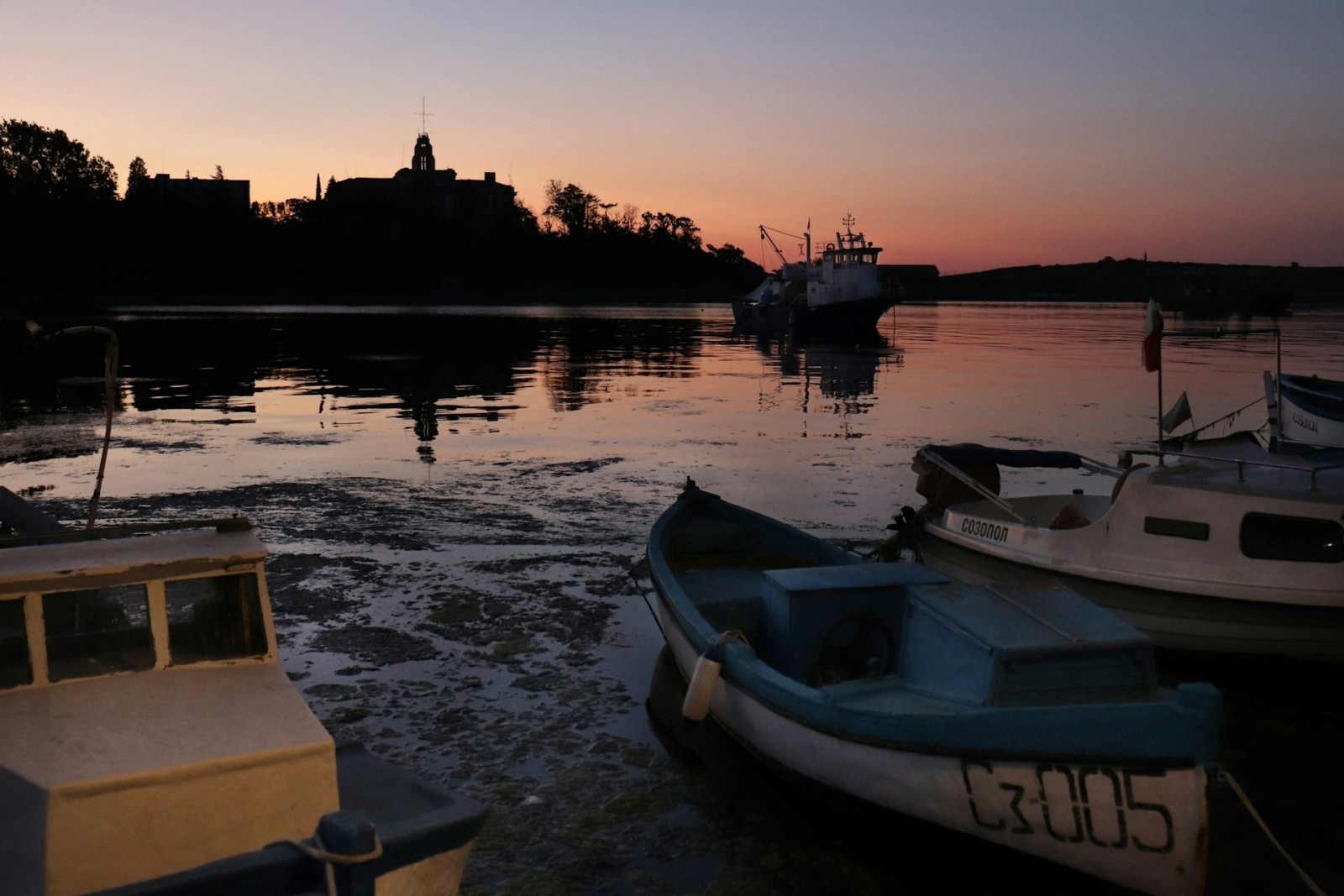
1. Greetings and polite expressions
Hello, hello. Transcription: hey, hey.
Hello - hello (informally). Transcription: Hello.
Good morning, good morning. Transcription: Good U-Tro.
Good afternoon. Transcription: Do Obyr den.
Good evening, good evening. Transcription: Good evening.
Good-bye, everyone. Transcription: do-vizh-da-no.
Prayer is also used as a “please.” Transcription: mo-la.
Thanks, thank you. Transcription: blah, blah, blah.
Thank you very much -- thank you very much. Transcription: many blah, blah, blah.
Excuse me, excuse me. Transcription: out-of-the-box.
No problem, no problem. Transcription: I'm pro-blem.
Yeah, yeah. Transcription: Yes.
No, no. Transcription: No.
Please repeat, please repeat. Transcription: mo-la, second.
I don't understand. Transcription: not raz-bi-ram.
2. Acquaintance and everyday communication
- What's your name? Transcription: How's that?
Kazvam Se... my name is... Transcription: Kaz-you've got ...
Where are you from? Transcription: from-to-de?
It's from Russia. - I'm from Russia. Transcription: I'm from ru-si-i.
Do you speak English? - Do you speak English? Transcription: Wo-wo-ri-te angli-ski?
Speaking a little Blgarian. - I speak a little Bulgarian. Transcription: go-wo-rya mal-ko bl-gar-ski.
Can you help me? can you help me? Transcription: Do you think so?
- How are you? Transcription: how's ste?
Thank you very much. - All right, thanks. Transcription: blah, blah, blah.
Nice to meet you. - Nice to meet you. Transcription: pre-Yat-no mi e.
3. Restaurant and café
Eat a cafe, begging. - One coffee, please. Transcription: ed-no ka-fe, mo-la.
Search the menu, please. - I want a menu, please. Transcription: Is-cam me-no, mo-la.
What do you recommend? what do you recommend? Transcription: What's up?
What's that? Transcription: What's that?
No meso, pray. - no meat, please. Transcription: no me-so, mo-la.
No tan. - no sugar. Transcription: no za-xR.
Water, begging. - water, please. Transcription: w-yah, mo-la.
Smethkata, begging. - The bill, please. Transcription: estimate-ka-ta, mo-la.
Can you pay with a card? - can I pay with a card? Transcription: Can I pay for the art?
It's delicious! - It's delicious! Transcription: many wus-no.
Useful words for the menu:
Riba is a fish. Transcription: rI-ba.
Meadies are mussels. Transcription: mi-di.
Pile is chicken. Transcription: pI-le.
Sirene is white brine cheese. Transcription: sy-re-ne.
Salad is salad. Transcription: sa-la-ta.
Ice cream is ice cream. Transcription: sla-do-ice.
Measurement is billing. Transcription: dare.
4. Hotel and rental accommodation
Imam's on reservation. - I have a reservation. Transcription: Imam re-zer-wa-qi-ya.
Reservation in my name. - The reservation is in my name. Transcription: Re-zer-a-qi-ya-e on my Im-e.
What time is it? - What time is it? Transcription: What do you think?
At what hour is the rag and the pack free? - What time do I have to vacate the room? Transcription: in a co-cha-sa-tr-yab-wa-wa-wa-wa-wa-wa-wa-wa-wa-wa?
Is the name free? - Is there a free number? Transcription: Are they free to pack?
Is it Wi-Fi? - Is there Wi-Fi? Transcription: Is I-I-I-I-I-I-I-I-I-I-I-I-I-I-I-I-I-I-I-I-I-I-I-I-I-Is I-I-I-I-I-I-I-I-I-I-I-I-I-I-I-I-I-I-I-I-I-I-I-I-I-I-I-I-I-I-I-I-I-I-I-I-I-I-I-I-I-I-I-I-I-I-I'm-I-I-I-I-I-I-I-I-I-I-I-I-I-I-I-I-I-I-I-I-I-I-I-I-I-I-I-I-I-I-I-I-I-I-I-I-I-I-I-I-I-I-I-I-I-I-I-I-I-I-I-
How much does it cost for a night stay? Transcription: How do you feel?
Where is the beach? – Where is the nearest beach? Transcription: Who-who-ha-ha-ha-ha-ha-ha!
Don't work the climate. - the air conditioner's not working. Transcription: Kli-ma-ti-cat is not working.
Is it possible to add a towel? - Can I add a towel? Transcription: Is it do-ple-no-tel-na-car?
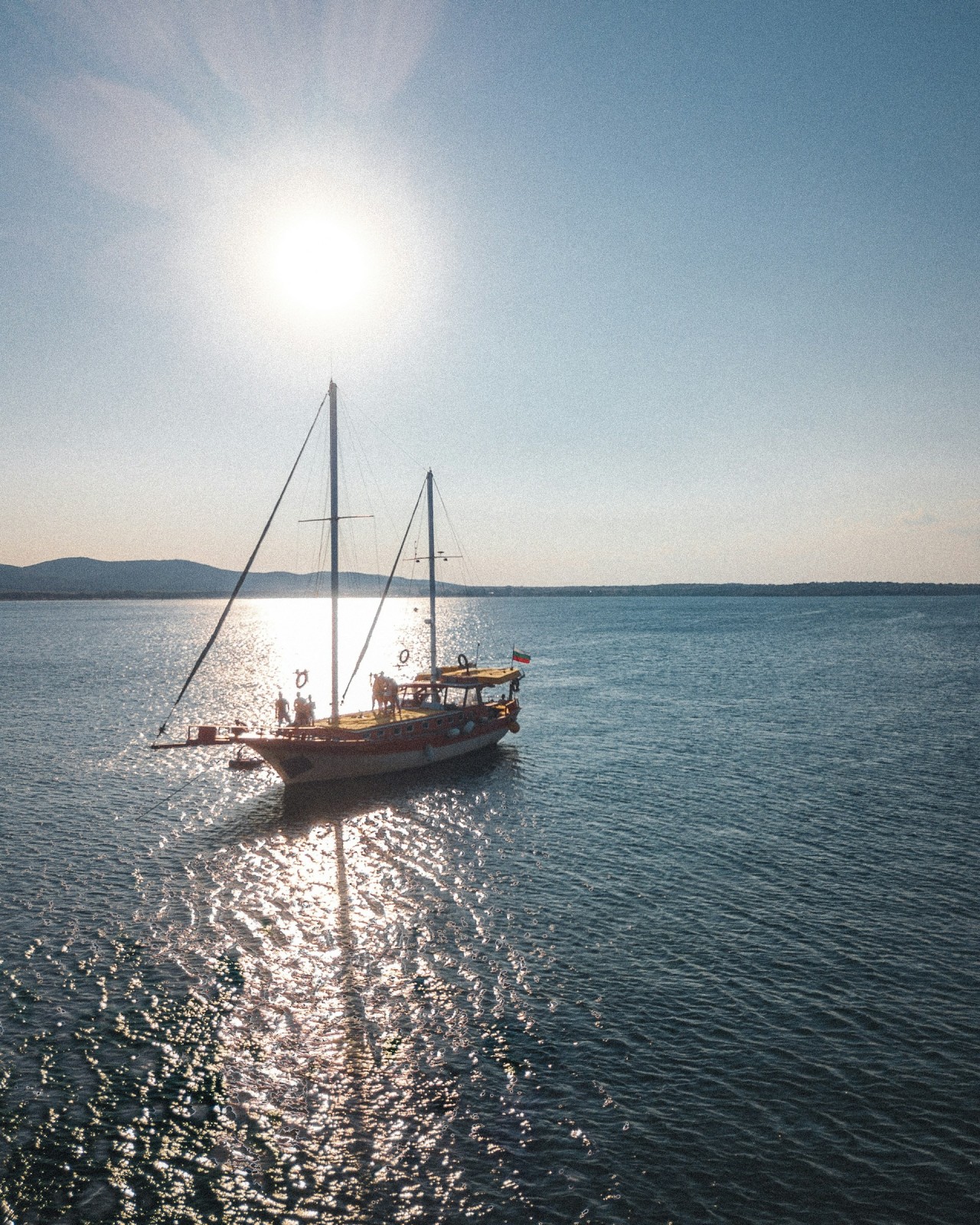
1. Local products and gastronomic souvenirs. Sozopol is known for Black Sea cuisine, fish dishes and sweets from local fruits. The most interesting products to try and bring home:
Jam made of green figs is one of the gastronomic symbols of Sozopol. It has a sweet taste and a rich aroma. Sold in jars and suitable for a gift.
Sozopol Damga is a traditional local sweet, which is appreciated for its delicate texture and unusual appearance.
Black Sea fish - it is cooked fried, baked, salted and pickled. For transportation, it is better to choose factory packaged products in compliance with storage conditions.
Black Sea mussels are a popular dish that is cooked with rice, spices or on a hot metal leaf.
Bulgarian honey and fruit jams are easy to transport products that can be found in small shops and local markets.
2. Traditional Bulgarian products.
Lutenice (Lyutenitsa) is a thick vegetable paste made of tomatoes and sweet pepper, which is served to bread, meat and side dishes.
Sharena sol (Sharena sol) is a mixture of salt and fragrant herbs, suitable for cooking vegetables, eggs and meat.
Chubritsa is a Bulgarian seasoning with a characteristic herbal aroma.
Bulgarian wine - you can choose white, pink or red wines from local producers.
Rakia (Rakia) is a traditional fruit strong drink, which is sold in different varieties.
3. Useful products and care products. Bulgaria is known for products based on rose oil and lavender. In Sozopol you can buy:
Rose oil and rose water are used in perfumes and cosmetics.
Creams, soap and rose lotions are popular skin care gifts.
Lavender oils and aromatic soap are suitable for home use.
Herbal teas - Bulgarian collections from local herbs are convenient to take on a trip.
Salt for baths and aromatics are compact souvenirs for home recreation.
1. Required documents. To travel to Sozopol, located in Bulgaria, a tourist must have a valid document for crossing the border. Depending on the nationality, a foreign passport or national ID card will be required if it is allowed to enter, as well as a visa if required.
It is recommended that:
Passport or other recognized travel document.
Visa or proof of entry, if required.
Confirmation of hotel reservation or accommodation address.
Return ticket or confirmation of further route.
Health insurance and insurance company contacts.
Copies of documents kept separately from the originals.
At the border, you may be asked to confirm the purpose of the trip, the availability of accommodation and place of accommodation.
2. Health insurance. Tourists are advised to apply for a policy valid in Bulgaria for the entire period of the trip. It is desirable that it cover emergency medical care, hospitalization, trauma treatment, transportation to a medical facility and repatriation if necessary.
A Schengen visa usually requires a health insurance coverage of at least 30,000 euros, valid in the Schengen area. Even with visa-free travel, insurance remains an important precaution. Before traveling, check if the policy covers water sports and other planned activities.
3. Emergency phones. Bulgaria has a single European emergency number:
112 – ambulance, police and fire service.
The room is free, works around the clock and is available from a mobile phone. You should call in case of a threat to life and health, a serious incident, fire or accident. When applying, inform that you are in Sozopol, name the street or the nearest landmark and briefly describe the situation.
4. Mobile operators and the Internet. There are three main mobile operators in Bulgaria:
A1 Bulgaria – mobile, internet and prepaid SIM cards.
Yettel Bulgaria – calls, mobile internet and fares for tourists and locals.
Vivacom - mobile and Internet, including prepaid offers.
All three operators serve the country, but the signal quality depends on the location. Tourists can use their carrier’s SIM card in roaming or purchase a local SIM card or eSIM if the phone supports it. Before traveling, check the cost of roaming and the conditions of mobile Internet.
5. How long can you stay in Bulgaria without leaving? Bulgaria is a member of the Schengen area, so for most non-EU tourists, there is a short stay rule of up to 90 days in any 180-day period. These days are counted collectively throughout the Schengen area, not separately for Bulgaria. Exit for a short time does not nullify the days used.
There are free movement rules for EU citizens. For citizens of other states, the period depends on citizenship, visa and residence status. If you plan to stay longer than 90 days, a national visa or an appropriate residence permit is usually required.
Create a query and local guides will offer you the best options

Install the app «PersonalGuide»
www.personalguide.ru
