Walks in Old Tallinn
Excursions, fortresses and monasteries, stylish cafes and
bakery restaurants of national cuisine
Walks an …
4500
group
Oh. Estonia
Travel and rest in Estonia
Historical information about Estonia
The history of Estonia is a fascinating journey through centuries, from antiquity to modernity. Here are some highlights of this interesting story:
Ancient times: The territory of modern Estonia was inhabited in the Stone Age. Later periods are characterized by populations belonging to Finno-Ugric tribes such as Estonians and Livonians. At the time, they were known for their skills in agriculture, crafts and commerce.
The Middle Ages: Estonia was part of various possessions - from the Swedish Kingdom to the Commonwealth. In the XIV century, most of the country was attached to the Livonian Order. In the sixteenth century there was a reformation, as a result of which many Estonians adopted Protestantism.
Under the rule of the Russian Empire: At the beginning of the XVIII century, most of Estonia became part of the Russian Empire. During this time, the country experienced cultural and economic changes, such as the development of industry and the increase of the Russian population.
Independence and Soviet occupation: As a result of the Russian Revolution of 1917 and World War I, Estonia declared independence in 1918. However, in 1940 the country was occupied by the Soviet Union, then in 1941 by Nazi Germany, and then again by the Soviet Union.
Independence from the USSR: In the late 1980s and early 1990s, there was a national awakening that led to the restoration of Estonian independence in 1991 following the collapse of the Soviet Union.
Modern history: Since independence, Estonia has made tremendous strides in various fields, including the economy, education, technology and politics. Estonia has become a member of the European Union and NATO and is known for its innovative digital solutions.
The history of Estonia is an example of the survival and development of a nation that has gone through many trials and challenges, but still managed to preserve its culture, language and identity.
Main activities, religion and interests of the local population in Estonia
The Estonian population is currently employed in various sectors of the economy, including:
Information technology (IT): Estonia is known for its innovative approaches to digitalization and the use of information technologies. The capital city of Tallinn has been nicknamed the “Startup Capital of Europe”. Many locals work in the IT sector or related fields such as software development, cybersecurity, and internet business.
Industry: Various industries are developed in Estonia, such as mechanical engineering, electronics, chemical industry and logging.
Tourism: Due to its beautiful nature, rich history and cultural heritage, tourism is an important branch of the Estonian economy. Tourists visit the old city of Tallinn, national parks, resorts on the coast and other attractions.
Agriculture: Although agriculture is not as common as in some other countries, it still plays a significant role in the Estonian economy. The production of grain, milk, meat and wood are the main areas of agriculture.
Regarding religion, although Estonia has a long history of Christianity (mostly Protestantism and Orthodoxy), many people in the country today prefer secular and secular values. Religious practice is not as common as in some other European countries, but Christianity, as part of cultural heritage, still has its place in society.
As for the interests of the local population, they can vary depending on the preferences and hobbies of each person. However, many Estonians appreciate an active lifestyle, nature, art and culture, as well as new technologies and opportunities for development. Conservation of nature, care for the environment and support for local communities can also be important aspects of interests for some residents.
Interesting places and attractiveness of Estonia
Estonia is a unique and attractive destination for travelers and tourists, offering a unique experience that combines history, culture, nature and innovation. Here are some aspects that make Estonia attractive to visit:
Tallinn Old Town: Tallinn Old Town, a UNESCO World Heritage Site, is a magical combination of beautiful medieval architecture, narrow streets, ancient churches and cozy cafes. Travelers can stroll through the old streets, enjoy the local cuisine and buy souvenirs.
Natural beauty: Estonia is famous for its incredible nature, including rich forests, clean lakes, sandy beaches on the Baltic Sea coast and amazing national parks. Travelers can go hiking, cycling, kayaking and other outdoor activities.
Historical and cultural attractions: Besides the old town of Tallinn, Estonia is rich in historical and cultural attractions such as castles, manors, museums and archaeological sites. Travelers can visit Kadriorg Palace and Park, Rakver Castle, the National Museum of Estonia and other unique places.
Digital innovation: Estonia is known for its advanced digital solutions and e-government, making it one of the most technologically advanced countries in the world. Travelers can get acquainted with digital services such as electronic identification, electronic government services and cryptocurrencies.
Activities and festivals: During the year, various events and festivals are held in Estonia, such as music festivals, cultural festivals, culinary exhibitions and sports competitions. Travelers can enjoy the local hospitality and festive atmosphere.
The combination of these factors makes Estonia an attractive place to visit for history and culture lovers, as well as for active holidaymakers and technology enthusiasts.
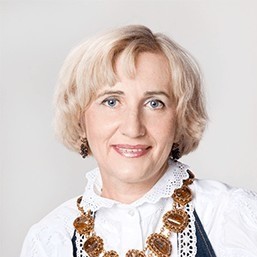
In Estonia, you will be welcomed. private guides And they'll offer you a copy. individual toursTravel agencies of the country of Estonia, offer their services and organize tour Interesting excursions for travelers.
Transport accessibility and comfort, accommodation and food in Estonia
Estonia offers a variety of transport, restaurants, hotels and other services for travelers of all budget categories.
Transport: Estonia has a developed public transport system, including buses, trains and trams in cities, as well as intercity buses and trains. Tallinn is also known for its trains that can take you to suburban areas and even beaches on the Baltic Sea. For more flexible mobility, many prefer to rent a car. Taxis are also available in larger cities.
Restaurants: In Estonia you can find restaurants for every taste and budget. The old town of Tallinn, for example, has many cozy cafes and restaurants offering traditional Estonian cuisine and world cuisine. Some popular restaurants in Tallinn include "Olde Hansa" (medium price range) and "NOA" (a more luxurious option with sea views).
Hotels: From high-end hotels to more affordable accommodation options, Estonia offers a variety of accommodation options. In Tallinn you can find such famous hotels as "Swissôtel Tallinn" (luxury), "Radisson Blu Sky Hotel" (middle class) and "Hotel Metropol" (more economical option). Hotels and guest houses are also available in other cities and regions of the country.
Other accommodation options: Apart from hotels, Estonia’s most popular accommodation options are renting apartments and cottages through services such as Airbnb or Booking.com. There are also many campsites and guest houses in natural areas and on the coast for outdoor enthusiasts.
In general, the level of service in Estonia is usually high, and the choice of accommodation and meal options is varied, allowing travelers to find the best options according to their preferences and budget.
What to see in Estonia
Estonia offers many unique attractions that can interest tourists of different interests and preferences. Here are some of them and information about accessibility:
Tallinn Old Town: Tallinn Old Town, a UNESCO World Heritage Site, is one of Estonia’s most attractive attractions. Tallinn has a well-developed public transport system, including buses, trams and trains. Most of the main attractions are in the old town and are easily accessible by pedestrians.
Kadriorg Park: This beautiful park is located in Tallinn and includes the Kadriorg Palace built by Peter I, as well as the Kadriorg Art Museum. The park is accessible via public transport as well as on foot from the city centre.
Lahemaa National Park: This largest national park in Estonia offers stunning natural views including forests, swamps, the Baltic Sea coast and historic villages. The park is accessible by car or public transport from Tallinn and other cities.
Saaremaa Island: This is the largest of the many islands of Estonia attracts tourists with its beautiful landscapes, historical castles and cozy villages. Ferries from Tallinn and other ports are available to visit the island.
Narva on the border with Russia is known for its historic castles, including Hermann Castle, as well as beautiful views of the Narva River. The city is accessible by trains and buses from Tallinn and other cities.
This is just a short overview of the most popular sights in Estonia. All of them are reasonably accessible both by car and by public transport from the main cities of the country.
Holidays, cultural life and activities in Estonia
Estonia hosts many interesting events, festivals and holidays throughout the year. Here are some of them, as well as the preferred seasons to visit:
Tallinn Winter School (January): This annual festival offers a wide range of cultural and educational activities, including lectures, master classes, concerts and exhibitions.
National Flag of Estonia (24 February): This holiday marks the day of the adoption of the Estonian national flag. On this day, various public events and ceremonies are held throughout the country.
Festival of traditional Estonian music "Folk" (July): This festival offers a unique opportunity to immerse yourself in the world of Estonian culture and enjoy live traditional music, dance and craft workshops.
Bear Days Festival (August): This folklore festival, held in Palamus, is dedicated to the culture and traditions of the local people. Within a few days you can enjoy folk dances, music, costume performances and other events.
Tallinn Black Film Festival (October): This festival offers screenings of films related to horror, fantasy and science fiction themes, as well as master classes and meetings with directors and actors.
Christmas Market in Tallinn (December): On the eve of Christmas, a Christmas market opens in Tallinn’s old town, where you can buy gifts, enjoy hot drinks and treats, and visit various entertainment events.
These are just a few of the events and events that take place in Estonia at different times of the year. Every month something interesting, attractive and diverse happens in the country for tourists and locals.
Which weather is best for traveling to Estonia?
Estonia has a temperate climate with distinct seasons. Here is a brief description of the climate at different times of the year:
Spring (March-May):
Air temperature: In early spring, temperatures can be cool, but as they approach May, they become warmer, usually within 5-15°C.
Water temperature: In spring, the water temperature in the Baltic Sea is usually quite low, around 2-8°C.
Summer (June - August):
Temperature: In summer, the days in Estonia are warm and pleasant, with temperatures ranging from 15 to 25°C. On some days it can be higher than 25 ° C.
Water temperature: The temperature of the Baltic Sea in the summer months can reach 15-20 °C, making it suitable for swimming.
Autumn (September to November):
Air temperature: In early autumn, temperatures are still quite warm, around 10-15°C, but by the end of November they usually drop to 0-5°C.
Water temperature: The water temperature in the Baltic Sea is gradually decreasing, approaching the values of the spring months.
Winter (December to February):
Air temperature: In winter, Estonia is cool and cold, with air temperatures ranging from -5 to +2 °C. On some days it can be below -10 ° C.
Water temperature: During the winter months, the water temperature in the Baltic Sea drops to zero and below, making swimming impossible.
The best time to travel to Estonia depends on your preferences. Summer, with its warm days and more pleasant conditions for relaxing in nature and beaches, is usually the most popular time to visit. However, spring and autumn can also be great times to travel, especially for those who prefer quieter conditions and avoid large numbers of tourists.
Language of communication, traditions, customs and laws of Estonia
In Estonia, the official language is Estonian, but many people, especially in cities and tourist areas, speak English at a good level and can be used as a language of communication. Russian and Finnish are also common, so speakers of these languages can also feel comfortable.
When traveling to Estonia, it is important to observe some traditions, customs and laws:
Respect for culture and traditions: When visiting churches, monasteries and other religious sites, one should be respectful and adhere to customs such as wearing decent clothes and keeping quiet.
Compliance with the rules of social conduct: In public places, you should be polite and respectful to other people. For example, do not smoke in prohibited places, do not throw garbage on the street and give up a place in public transport to the elderly and disabled.
Understanding the rules of the road: If you are planning to rent a car, it is important to know and follow the rules of the road. Estonia has standard European Union rules, including right-hand traffic and speed limits.
Compliance with laws: Estonia is a country with very strict laws. Observe them and avoid any illegal activities such as drunk driving, smoking in prohibited places, and breaking local regulations.
Respect for nature: Estonia is rich in natural beauty, so it is important to respect the environment. Do not leave garbage in nature, watch your trail and use environmentally friendly ways of getting around.
Compliance with these simple rules will help you enjoy your trip to Estonia and avoid conflicts or misunderstandings with local residents or the legislature.
The main dialogues for traveling in Estonia
When traveling to Estonia, it’s helpful to know some basic words and phrases in Estonian to make it easier to communicate with locals. Here are some of them:
Greetings and general phrases:
Tere! (There!) Hello!
Tere hommikust! (There hommicust!) - Good morning!
Tere õhtust! (There ekhtus!) - Good evening!
Aitäh! (Aitya!) - Thank you!
(Palun!) - Please!
Vabandage! (Wabandagh!) - Excuse me.
Terviseks! (Tervisex) - Cheers!
Clarification and understanding:
Kas sa räägid inglise keelt? (Cas sarayagid inglise Keelt?) - Do you speak English?
Mis see on? (Missie he?) - What is it?
Mis see maksab? (Msie maksab?) - How much does it cost?
Shopping:
Kus on tualettruum? (Cous is he a toilet?) - Where's the bathroom?
Kas ma saan maksta kaardiga? (Cas Ma Saan Maksta Kaardiga?) - Can I pay with a card?
Kas teil on midagi odavamat? (Cas teil he midagi odawamat?) - You got something cheaper?
Food and drink:
Ma võtaks ühe kohvi, palun. (Ma Votaks Yune Kohvi, paloon.) - I'd like a coffee, please.
Ma võtaks ühe õlle, palun. (Ma Votax Youne Elle, Paloon.) - I'd like a beer, please.
Ma ei söö liha. (Ma hei shō dashing) - I don't eat meat.
Journey:
Kus on bussijaam? (Kus he bussiyam?) - Where's the bus stop?
Kus on raudteejaam? (Kus is he a radioteyam?) - Where's the train station?
Kui palju see maksab Tallinnasse? (Kui Palyu See Maksab Tallinnasse?) - How much does it cost to Tallinn?
These phrases will help you communicate and carry out daily activities during your stay in Estonia.
What dishes, medicines and gifts are popular in Estonia
Estonia has many unique products, souvenirs and other items that you can bring with you from your trip. Here are some of them:
Food:
Black bread (black bread made from different cereals) is a traditional Estonian bread known for its taste and nutritional properties.
Estonian honey bees - Estonia is famous for its quality natural honey, which can be purchased at local markets or from local beekeepers.
Medications:
Herbal teas and tinctures - In Estonia, there is a long tradition of using herbs and plants for medicinal purposes. Various herbal teas and tinctures can be found in local pharmacies and specialty stores.
Balm "Vana Tallinn" is a light alcoholic drink containing extracts of herbs and spices, which is sometimes used in folk medicine to relieve colds and other diseases.
Souvenirs:
Ceramic utensils and wares – Estonia is known for its traditional ceramic products, including utensils, jewelry and souvenirs.
Knitted goods – Traditional Estonian knitted goods such as scarves, gloves and socks are popular souvenirs for travelers.
Handmade products:
Ceramic Jewelry – Many craftsmen in Estonia create beautiful ceramic jewelry including brooches, pendants and earrings.
Wooden products – Wooden souvenirs such as carved figurines, wooden toys and interior items are popular with tourists.
The choice depends on your preferences and interests, but in any case, each of these items will bring you a piece of Estonian culture and traditions.
What to cook for a safe holiday in Estonia
Holidays in Estonia are generally safe, but it is important to take the necessary precautions to ensure your safety. Here are a few recommendations:
Documents and insurance:
When traveling to Estonia, you will need a valid passport or other recognized document to enter the country.
It is recommended to have health insurance that covers the costs of medical care and emergency medical care.
Emergency services:
The emergency number in Estonia is 112. By calling this number, you can call the police, fire service or ambulance.
Mobile communications:
There are several mobile operators in Estonia, including Telia, Elisa and Tele2. You can buy a SIM card at any of the operators' stores or kiosks.
Duration of stay without departure:
Citizens of the European Union and Schengen countries can stay in Estonia without leaving for up to 90 days in a 180-day period. For a longer stay, an appropriate visa or residence permit will be required.
Safety:
The overall crime rate in Estonia is low, but one should be careful and avoid potentially dangerous situations.
Take precautions about your valuables, avoid solitary walks at night, and be careful on public transport and tourist spots.
By following these guidelines and being prepared for different situations, you can enjoy a safe and enjoyable holiday in Estonia.
Local currency and customs regulations in Estonia
The official currency in Estonia is the Euro (EUR). Here is some information about local currency and customs regulations:
Exchange rate: The exchange rate of the euro against the US dollar may vary depending on the current economic situation. It is recommended to check the current exchange rate before traveling.
Payment methods: Credit and debit cards are widely accepted in Estonia, especially Visa and Mastercard. Euro cash can also be used. Cards are usually accepted in most places, but it is always good to have cash with you just in case.
Customs regulations:
When entering Estonia from a European Union country, there are no restrictions on the import of goods for personal use.
When entering from countries outside the European Union, there are restrictions on the import of goods, including alcohol and tobacco. The total value of goods imported without paying customs duties is limited and depends on age and other factors.
Restrictions on the export of certain goods may also apply when leaving Estonia, especially if they have a cultural or historical significance.
In general, Estonia has fairly easy customs rules, but it is always better to read them in advance to avoid misunderstandings when crossing the border.
The site uses a web analytics service
Yandex Metrics
using cookie technology to make the site more convenient. You can prevent the processing of cookies in the browser settings.
Details in Privacy policy.







 Guide license


