The history of Crete in Greece is full of events and cultural influences that span thousands of years. Here is a brief description of the key moments and periods in the history of Crete:
Ancient Greek Period (3000 BC – 1200 BC):
Minoan civilization: It is noted as one of the earliest highly developed civilizations in Europe, maximally flourishing in the 2nd millennium BC. Important centers, such as Knossos and Phaistos, served as places of flowering of culture, their unique writing - linear A - is still not fully deciphered.
Minoan era (2000 - 1400 BC):
The Minotaur myth: According to legend, King Minos contained a labyrinth where creatures and a man, the Minotaur, hid. Theseus, the Athenian hero, defeated the Minotaur.
Trade and navigation: Crete was an important center of maritime trade, possessing a developed flotilla and close contacts with other ancient Greek and Eastern civilizations.
Mycenaean period (1400 - 1100 BC):
Mycenaean culture: Crete was influenced by the Mycenaeans, the ancient Greek people. The Mycenaean conquests led to the decline of the Minoan civilization.
Late and Early Roman times (1100 BC - 67 BC):
Dorian Conquest: Crete was conquered by the Dorians, marking a new stage in the island's history. At this time, the Greek polis (city-state) was formed.
Roman and Byzantine rule (67 BC – 824 AD):
Christianity in Crete: In the third century in Crete began to preach Christianity. The island remained an important Roman and Byzantine administrative center.
Arab rule and the Venetian era (824-1669)
Arab occupations: In the ninth century Crete was conquered by the Arabs, which led to a period of Islamic rule.
Republic of Venice: In the 13th century, Venice conquered Crete and retained its possession until the seventeenth century. The Venetian era left a noticeable mark on architecture and culture.
Ottoman rule (1669-1898):
The Kandian War: In the 17th century, after the long Kandian War, Crete passed from Venetian to Ottoman hands.
Modern History (20th Century and Later):
Independence and World War II: Crete became part of Greece after its liberation from Ottoman rule. During World War II, the island was an arena of resistance against Nazi occupation.
Modernity:
Tourism and development: In the postwar period, Crete became a popular tourist destination. The island retains its rich cultural heritage and attracts many visitors with its historical monuments and natural beauty.
What is interesting about the island of Crete
The island of Crete in Greece is an exciting and multifaceted journey into history, culture and natural beauty. Here are a few factors that make it attractive for travelers and tourists:
Historical wealth:
The island is steeped in the history of Minoan civilization, the Mycenaean era and the influence of various cultures such as Venetian and Ottoman.
Archaeological sites such as the Palace of Knossos and Phaistos leave impressive memories of antiquity.
Cultural heritage:
Crete has a unique local culture, reflected in traditional music, dance, crafts and cooking.
Local festivals and festivals provide tourists with the opportunity to immerse themselves in an authentic experience of Greek culture.
Perfect beaches:
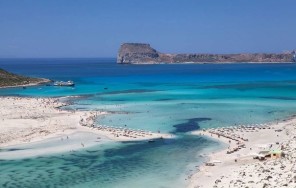
Crete is famous for its beautiful beaches with clean sea and golden sand.
Beaches like Elafonissi and Ballos are real gems and great places to relax.
Mountains and nature:
The mountains of Crete, including Samaria and Vaia, provide amazing opportunities for hiking and outdoor enthusiasts.
The unique flora and fauna of the island enrich the experience of natural travel.
Gastronomic pleasures:
Cretan cuisine is known for its authenticity and use of fresh, local ingredients.
Guests can enjoy olive oil, fresh fish dishes, traditional cheeses and fragrant herbs.
Traditional settlements
Villages with traditional architecture, narrow streets and local markets invite tourists to cozy walks and immersion in the atmosphere of local life.
Friendly locals:
Cretans are famous for their hospitality and friendliness, which creates a warm and welcoming atmosphere for visitors.
The combination of historical heritage, stunning nature, delicious cuisine and warm welcome make the island of Crete an ideal destination for those looking for a diverse and memorable travel experience.
On the island of Crete, you will be met by private guidesand will offer individual, individual excursions.
Choice of accommodation and prices on the island of Crete
The island of Crete in Greece offers a variety of accommodation options, from luxury high-end hotels to more budget options. Here is an overview of several levels of hotels and other accommodation options:
Luxury hotels (5 stars):
Blue Palace, a Luxury Collection Resort & Spa (Elunda) Luxury seaside resort with private pools and upscale spa services.
Daios Cove Luxury Resort & Villas (Agios Nikolaos) Elegant hotel with its own beach, villas with swimming pools and high-level restaurants.
Mid-range hotels (3-4 stars):
Creta Maris Beach Resort (Chersonissos) Family hotel with extensive swimming pools, entertainment programs and well-kept beach.
Minoa Palace Resort & Spa (Platanyas) A comfortable resort with a variety of amenities including spas, restaurants and swimming pools.
Boutique hotels and villas:
Villa Kynthia (Retimally): Cozy apartments with traditional decor and beautiful sea views.
Thalori Traditional Village (Agia Rufa) Authentic stone houses with panoramic views in a traditional mountain village.
Apartments and apartments:
Atrium Ambiance Hotel (Hanya): Cozy apartments in the historical center of the city, near the main attractions.
Kastro Apartments (Malia): Spacious apartments with kitchen and balconies suitable for families and groups.
Hostels and guesthouses:
Swell Boutique Hostel (Iraclion): Modern hostel with shared and private rooms, public spaces and cafes.
Haris Apartments (Amudara): Economical apartments with simple but convenient accommodation.
Traditional village houses:
Stone Village: A complex of traditional stone houses in an authentic Greek village with swimming pools and restaurants.
Roxani Country House (Zaros): Cozy houses in the village among the mountains and olive groves.
Ecohotels:
Elounda Gulf Villas & Suites (Elunda) A hotel with a focus on sustainability and eco-initiatives, offering luxury villas and apartments.
Agroikies - Αγροικίες (Retim): Eco-hotel surrounded by nature with olive trees and traditional houses.
Crete offers a variety of accommodation options for tourists with different budgets and preferences, making it attractive to a wide range of travelers.
Where to go and what to see in Crete
The island of Crete in Greece has a rich cultural and historical heritage, as well as a delightful nature. Here are some of the main attractions of Crete and information about transport accessibility:
Knossos Palace:
The palace, built by the Minoans in the XV-XIII centuries BC, is considered the center of the Minoan civilization. It is the largest archaeological site on the island with a labyrinth, throne rooms and colorful frescoes.
Transport: It is best to get from Heraklion by bus or taxi.
Apollo Temple at Gort:
The ancient temple, built in the VII century BC, became the symbol of the island. The ruins of the temple tower over the beach of Elunda, creating a landscape of majestic beauty.
Transport: Available by bus from Heraklion or Elunda.
Samaria Gorge:
Description: One of the longest gorges in Europe, 16 km long, with stunning natural scenery and canyons.
Transport: It is best to take a bus to Omalos, the starting point, and then walk.
Lake Kournas:
Description: The largest lake in Crete, located among olive groves and mountains. Here you can see a variety of birds and enjoy the quiet nature.
Transport: Available by bus from Agios Nikolaos and Heraklion.
Rethymno:
A charming city with a Venetian port, narrow streets and beautiful buildings. It includes the Fortezza Fortes and various museums.
Transport: Regular buses from Heraklion and Chania.
Elafonissi:
Description: Beautiful beach with pink sand and turquoise water. Here you can enjoy the crystal clear sea and amazing nature.
Transport: It is best to get there by car or tour buses.
Zeus' Grotto in Kaidi:
Description: It is believed that Zeus was born in this grotto. Here you can see underground lakes and beautiful stalactites.
Transport: Available by car or with guided tours from Heraklion.
Red Beach in Myrtos (Red Beach):
Description: A beach with red sand, created from red small stones. A unique natural phenomenon.
Transport: Available by bus from Mirtos.
The transport network in Crete includes buses, taxis and car rental. Many travel agencies also offer excursions to the main attractions of the island.
Events and entertainment on the island of Crete
The island of Crete in Greece comes to life with various events, festivals and festivals throughout the year. Here are some popular events and the time of year when they are usually held:
Carnival in Rethymno (February-March):
In Rethymno carnival is held annually, which is one of the largest and most diverse in Crete. Costume parades, concerts and themed events attract both locals and tourists.
Greek Independence Day (25 March):
This holiday marks the beginning of the Greek War of Independence in 1821. There are parades, festivals and festive events in Crete.
Easter (April):
Easter in Greece is celebrated especially solemnly. Traditional rites, Sunday processions and festive treats make this time especially fascinating.
The Pilia Vine Festival (July):
The area of Pilia in Crete is famous for its vineyards, and a grape festival is held here every year. Visitors can enjoy wine, local cuisine and traditional dances.
Festival "Rose in Crete" in Apokoronas (May):
This festival celebrates the season of rose blossoming in the Apokoronas region. The festival includes flower exhibitions, concerts, culinary events and traditional Greek dances.
Romantic festival "May Days of Love" in Rethymno (May):
The festival is organized in the historical part of Rethymno and includes concerts, exhibitions and thematic events dedicated to love and romance.
Music festivals in the summer:
In the summer, Crete hosts many music festivals, including outdoor concerts, jazz and classical music events.
Olive Oil Festival (October):
Crete is known for its high-quality olive oil. The Olive Oil Festival is held in various areas of the island and includes tastings, master classes and traditional festive events.
These events give the island of Crete a special flavor and make it an attractive destination for tourists who want to immerse themselves in the local culture and traditions.
Weather conditions for travel to the island of Crete
The climate on the island of Crete in Greece is Mediterranean, meaning mild, humid winters and hot, dry summers. Here is an overview of the climate at different times of the year:
Spring (March - May):
Air temperature: In spring, the average air temperature is in the range of 15-25 ° C. It may be cooler in March, but by the end of May it is already quite warm.
Water temperature: The water in the sea begins to warm up, and the temperature is about 17-20 ° C.
Spring is considered a great time to travel when nature comes to life and the tourist season begins.
Summer (June - August):
Air temperature: In summer Crete is quite hot, the average air temperatures range from 25 to 35 ° C, and sometimes can exceed 40 ° C.
Water temperature: The sea warms up to a comfortable 23-27°C, making it a great place to swim.
Features: Summer is the most popular holiday season on the island. Tourists can enjoy the sun, the sea and a variety of activities.
Autumn (September - November):
Air temperature: The average temperature in autumn is in the range of 20-30 ° C. September is usually warm and November is cooler.
Water temperature: In September and October, the water temperature remains comfortable at around 22-25°C.
Features: Autumn is also a good time to visit the island. The tourist flow is decreasing, but the weather is still pleasant.
Winter (December - February):
Air temperature: In winter, the air temperature can be cool, the average values range from 10 to 20 ° C.
Water temperature: The water in the sea becomes cool, with temperatures around 15-18°C.
In winter Crete is not so visited, but this time is suitable for those who prefer a relaxing holiday and exploring historical and cultural attractions.
Best season to travel: The best time to visit Crete in terms of comfortable weather and less tourist arrivals is spring (April-May) and autumn (September-October). During these periods, you can enjoy pleasant weather, beautiful nature and avoid the peak of the summer tourist season.
Language of communication, traditions and customs on the island of Crete
The language of communication in Crete, as in all of Greece, is Greek. However, in tourist areas, many people, especially those working in the service sector, have a basic knowledge of English. It is important to remember politeness and respect for the local language and culture, so try to learn a few basic phrases in Greek, such as "hello" (γεια σας - yia sas) or "thank you" (ευχαριστу - efcharisto).
While visiting Crete, a number of traditions, customs and laws should be observed:
Clothes:
In churches and monasteries it is necessary to wear modest clothes. Women should cover their shoulders and men should avoid shorts.
On the beaches and in resort areas it is allowed to wear swimsuits and light clothing.
Behavior in public places:
Greeks are sociable and friendly. Greet people with respect and a smile.
In public places, it is appropriate to show respect and patience. Greeks usually communicate loudly, and that is not disrespectful.
Shopping and treats:
Refusing an invitation for a cup of coffee or a treat can be perceived as impolite. Hospitality is very important in Greek culture.
When shopping in stores, you can bargain, especially in the markets.
Visits to churches and monasteries:
While in a church or monastery, avoid noise and photography if prohibited.
Be quiet and respectful during religious ceremonies.
Blessing of food:
Many Greeks pre-bless food by saying the phrase "Kalí óreksi", meaning "Pleasant Appetite".
Driving and traffic regulations:
Follow the rules of the road. In Greece, traffic is on the right side of the road.
When renting a car, keep in mind that some roads can be narrow and winding.
Laws and national customs:
It is forbidden to destroy or collect wild flowers, plants and stones, especially in archaeological areas.
Smoking in public places is regulated by law and may be restricted.
Compliance with these traditions and rules will help you feel more comfortable in the cultural environment of Crete and respect local customs.
The main dialogues for a trip to the island of Crete
Knowing some basic words and phrases in Greek can make your trip around Crete more enjoyable and enrich your interaction with the locals. Here are some basic words and phrases with translation and transcription:
Greeting:
)αίρετε (Khérete) - Hello
Γεια σας (Yia sas) - Hello (formally)
Γεια σου (Yia sou) - Hello (informally)
Beggars and thanks:
Παρακαλ- (Parakaló) - Please (when you ask for something)
(Efcharistó) - Thank you.
Συγν)μη (Signómi) - Excuse me / excuse me
Main phrases:
- Yes.
- No.
Παρακαλ) μια καφέ (Parakaló mia kafé) - One coffee please
At the restaurant:
(Ti tha proteínete?) - What would you recommend?
Λογαριασμός, παρακαλ С (Logariasmós, parakaló) - Account, please
In the store:
(Póso kostízei?) - How much is it?
θα πληρ σω με πιστική κάρτα (Tha pliróso me pistotikí kárta) - I will pay by credit card
Outside:
Πού είναι το...; (Pú eínai to...?) - Where is...?
(Ti óra eínai?) - What time is it?
Travel and transport:
Πόσο κοστίζει το εισιτήριο; (Póso kostízei to isitírio?) - How much is the ticket?
Πού είναι η στάση λεωφορείων; (Pú eínai i stási leoforeíon?) - Where's the bus stop?
Farewell:
Καληνύχτα (Kaliníkhta) - Good night
- Goodbye (Antio)
Learning and using these phrases can make your interaction with the locals more enjoyable and create a warmer atmosphere during your stay in Crete.
Local food and what gifts to bring from the island of Crete
The island of Crete in Greece offers a variety of unique products, medicinal herbs, souvenirs and other things that can become great gifts or monuments from your trip. Here are a few items worth considering:
Olive oil:
Crete is famous for high-quality olive oil. You can buy a bottle of this golden oil for cooking or just enjoying its aroma.
Honey and honey products:
The island of Crete produces delicious honey, especially honey from thyme flowers. Honey, honey confitures and other honey products can be purchased as souvenirs.
Herbal teas and herbs:
Greece is famous for its variety of medicinal herbs. In Crete, you can buy local herbal teas or blends of herbs that are popular with tourists.
Local cheeses:
Crete produces a variety of cheeses, including feta and misitra. Cheese with a unique taste and texture can be great gifts for lovers of gastronomy.
Wine:
The region of Crete is also known for its wines. Local wineries offer a variety of varieties, including local grapes such as Assyrico and Villandru.
Traditional ceramic products:
Ceramic products such as utensils, plates, jugs and handmade jewelry are popular souvenirs from Crete.
Wool and textiles:
Traditional wool products such as carpets, blankets and clothing can be great souvenirs. Local craftsmen create unique and high-quality textile products.
Herbal cosmetics:
Lovers of natural cosmetics should pay attention to local oils, creams and lotions based on medicinal herbs and olive oil.
Traditional Cretan sweets:
Try local desserts such as "λουκούμι" (lukum, similar to Turkish deliga) and "κουραμπιές" (pillar biscuits), which can be purchased from local pastry shops.
Traditional musical instruments:
Souvenir shops offer traditional Greek musical instruments such as bouzouki and mandolins, which can be an interesting and unique gift.
Choosing such souvenirs, you will not only buy quality products, but also support the local craft and traditions of the island of Crete.
What to have for a safe holiday on the island of Crete
Safety while holidaying on the island of Crete in Greece is important, and following certain precautions will help you enjoy a positive travel experience. Here are some recommendations and important information:
Documents and insurance:
When traveling to Crete, you must have a valid passport. A national identity card is sufficient for EU citizens to enter.
It is recommended to have health insurance that covers the costs of treatment and emergency medical care.
Emergency services:
The number of emergency services in Greece is 112.
Police: 100
Ambulance: 166
Fire service: 199
Mobile communications:
Contact your mobile operator to find out if roaming is available in Greece and check the rates.
There are various local mobile operators in Greece, such as Cosmote, Vodafone and Wind.
Duration of stay without departure:
Most passport holders are allowed to stay in Greece (including Crete) without a visa for up to 90 days for a period of 180 days. This period applies to tourists.
Safety in public places:
Crete is a common tourist destination and public places are generally considered safe. However, it is recommended to be careful in densely populated places and watch your belongings.
Health care:
Greece has a quality medical system. However, it is recommended to take out insurance that covers the costs of medical care to avoid financial problems.
Road safety:
Follow traffic rules and beware of unmarked roads. Remember that traffic in Greece is on the right side of the road.
Careful handling of nature:
Keep clean and take care of nature. It is forbidden to collect rare plants and stop at forbidden areas.
In general, Crete is considered a relatively safe place for tourism. However, as with any trip, it’s important to stay vigilant, keep an eye on your belongings and follow basic safety rules.
You didn't find the right one?
Create a query and local guides will offer you the best options
The site uses a web analytics service
Yandex Metrics
using cookie technology to make the site more convenient. You can prevent the processing of cookies in the browser settings.
Details in Privacy policy.