Historical information about the country of Guatemala
Guatemala’s history is rich in events and cultural influences. Here is a more detailed description:
Ancient civilizations: The territory of modern Guatemala was home to various ancient civilizations, including the Maya. The Maya were known for their magnificent pyramids, astronomical observations and developed writing. They existed in the region from about 2000 BC until the arrival of Europeans in the XVI century.
Spanish Conquest: In 1524, the Spanish conquistador Pedro de Alvarado invaded Guatemala, conquering it for Spain. This led to the colonization of the region and the introduction of Spanish culture and religion.
Guatemala became part of the Spanish colony of New Spain. The colonizers exploited local resources, including slave labor, and forced locals to convert to Catholicism.
Independence: In the early nineteenth century, revolts against Spanish rule broke out. In 1821, Guatemala joined Mexico as part of the Mexican Empire. In 1822, Guatemala declared its independence from Mexico and became part of the Federation of Central America.
Federation and Conflicts: The Federation of Central America dissolved in 1838 and Guatemala became an independent state. Since then, a long period of political and social conflict has begun, including military dictatorships and civil wars.
Civil war: From the late nineteenth century to the late twentieth century, Guatemala experienced a period of civil war in which government forces and armed rebels fought for power. This conflict has caused great suffering to the Guatemalan population and left deep wounds in society.
Modernity: Since the signing of peace in 1996, Guatemala has embarked on a transition to democracy and has sought reforms in the areas of human rights and social justice. However, the country continues to face challenges such as corruption, inequality, crime and drug trafficking.
Guatemala remains a beautiful country with a rich cultural history, but also with a difficult past and challenges on the way to development.
Main activities, religion and interests of the local population in Guatemala
The main employment of the Guatemalan population includes various activities, including:
Agriculture: Most of the population is employed in agriculture. Guatemala is known for its production of coffee, sugar cane, bananas, potatoes, vegetables and fruits.
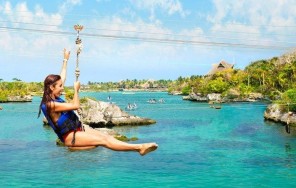
Tourism: Tourism is also an important source of income for the country. Guatemala attracts tourists with its beautiful landscapes, ancient Maya temples, colonial cities and cultural events.
Craftsmanship: In some regions of the country, locals are engaged in handicraft production, such as the manufacture of textiles, ceramics, jewelry and wood products.
Trade: Trade also plays an important role in Guatemala's economy, especially in major cities where markets and shops are concentrated.
Regarding the religion and interests of the local population:
Religion: The majority of the population of Guatemala is Catholic. However, there are also significant numbers of Protestants and Native Americans who have survived from the time before the Spanish conquest.
Interests and cultural traditions: The local population of Guatemala is proud of its culture and traditions. They value their national holidays, such as Independence Day and St. Simeon’s Day, as well as traditional craft and artwork including textiles, ceramics and woodwork. Local cultural events such as dances, festivals and musical performances reflecting the richness of the country’s cultural heritage are also popular.
Interesting places and attractions in Guatemala
Guatemala is an amazing and attractive country that offers unforgettable experiences and unique opportunities for travelers and tourists. Here are some reasons why Guatemala deserves your attention:
Cultural Heritage: Guatemala is home to a variety of cultural heritages, including ancient Maya cities, colonial cities and traditional Native American customs. Travelers can visit historic sites such as Tikal, one of the largest Maya cities, and Antigua, a beautiful colonial city that is a UNESCO World Heritage Site.
Natural diversity: Guatemala has a variety of natural landscapes, including volcanoes, jungles, lakes and beaches on the Pacific coast. Travelers can explore the Pacaya volcanoes, climb the top of Akatenango for incredible views, explore national parks such as Lago de Atitlan and Tikal National Park, and enjoy beach holidays in cities such as Montereyke and Livingston.
Local traditions and culture: Guatemala offers travelers a unique opportunity to immerse themselves in local traditions and culture. Visitors can meet local artisans and see how traditional textiles, ceramics and jewelry are created. Travelers can also experience authentic culinary dishes and enjoy local festivals and dances.
Active Adventures: Guatemala offers many active adventures for extreme and nature lovers. From climbing volcanoes and hiking through the jungle to rafting on rough rivers and diving in Caribbean waters, there is something for every outdoor enthusiast.
The hospitality of the local population: Guatemalans are famous for their kindness and hospitality. Travelers can feel the warmth and warmth of the locals, which makes the trip around the country even more pleasant and memorable.
With all its cultural wealth, natural diversity and opportunities for outdoor activities, Guatemala is a unique and attractive destination for tourists from all over the world.
Transport accessibility and comfort, accommodation and food in Guatemala
Guatemala offers a variety of services for tourists, including hotels, restaurants and transportation services. Here is an overview of service levels and some examples of popular locations:
1. Transport:
Buses and minibuses: The main form of public transport in Guatemala. They offer affordable rates but may not be very comfortable and slow.
Taxi: Taxis are available in large cities and tourist areas. Taxi services are usually convenient and affordable.
Car rental: Opportunity for those who prefer to drive their own car. International rental companies are represented in major cities.
2. Restaurants:
Economy class: Market cafes and shops where you can try local dishes at affordable prices.
Middle class: Mid-range restaurants in cities offering varied menus and moderate prices.
Top-class restaurants: Luxury restaurants with exquisite cuisine and a cozy atmosphere where prices can be higher, but the service and quality of food are consistent.
3. Hotels:
Economy class: Inexpensive hotels and hostels with basic services and simple maintenance.
Middle class: Mid-budget hotels with comfortable rooms, restaurants and additional services.
Luxury hotels: High-end hotels with a wide range of services, including spas, high-end restaurants and individual service.
Examples of popular places:
Hotel: Casa Santo Domingo (Antigua)
Restaurant: Sobremesa (Guatemala City)
Economy Class Hotel: Hostal Antigua (Antigua)
Economy Class Restaurant: Rincon Tipico (Panaiachel)
Hotel Museo Spa Casa Santo Domingo (Antigua)
Middle class restaurant: Hector's Bistro (La Antigua)
Hotel Camino Real Tikal (Peten)
Luxury restaurant: Jake's (Guatemala City)
Service and quality can vary depending on the location and price level, but in general, Guatemala offers a variety of options for all types of travelers.
What to see in Guatemala
Guatemala has many amazing attractions that attract tourists from all over the world. Here are some, as well as information about accessibility:
Tikal: Located in the jungles of Petén, Tikal is one of the most impressive Maya-archaeological complexes in Mesoamerica. Here you can see majestic pyramids, temples and other architectural structures. Availability: Tikal is in a remote area but can be reached by car, bus or domestic flights.
Antigua: This colonial city is one of the most beautiful in Central America. In it you can enjoy amazing architecture, narrow streets, many churches and cafes. Availability: Antigua is 45 kilometers from the capital of Guatemala and can be reached by bus or rented transport.
Lake Atitlan: This beautiful lake, surrounded by volcanoes and fertile hills, is considered one of the most beautiful places in Guatemala. Here you can take walks, swim, do water sports or just enjoy the scenery. Availability: Lake Atitlán is 2-3 hours from the Guatemalan capital and can be reached by bus or rented transport.
Pakaya volcano: It is one of the most active volcanoes in Guatemala. Travelers can climb to the top of the volcano to enjoy magnificent views of the surrounding landscapes and crater. Availability: The volcano can be reached by bus or rented transport.
Livingston: This city on Guatemala’s Caribbean coast offers a unique mix of cultural influences from Garifuna, Maya and Spanish. Here you can enjoy beautiful beaches, local cuisine and atmosphere. Availability: Livingstone is only available by ship or boat from coastal towns.
Various modes of transport can be used to visit these attractions, including buses, taxis, rented cars or domestic flights, depending on the specific location and preferences of travelers.
Holidays, cultural life and activities in Guatemala
Guatemala has several festivals, festivals and cultural events that attract the attention of both locals and tourists. Here are some of them:
Independence Day (Fatherland Day) - September 15: This holiday marks the day when Guatemala declared its independence from Spain. On this day, parades, musical performances, fireworks and other entertainments are held in all cities.
St. Simeon's Day (All Saints' Day) - November 1 This holiday is associated with the Catholic tradition of remembrance of the dead. On this day, locals decorate graves and visit cemeteries, as well as hold ceremonies and festive dinners in honor of the deceased.
Semana Santa (Easter Week): It is the most important religious week in Guatemala, which precedes Easter. Many religious festivals and processions are held during this period, especially in Antigua, where processions with festive oratorios and colorful outfits attract thousands of tourists.
Revolution Day - 20 October: This day marks the beginning of the Guatemalan Revolution in 1944. Parades, rallies and other events are held on this day to celebrate the historical significance of the event.
Music festivals and concerts: During the year, music festivals and concerts are held in various cities of Guatemala, where you can hear local and international artists of various genres of music.
Cafe Festival: Guatemala is known for its high-quality coffee, and festivals dedicated to this drink are held annually in different regions of the country. Visitors can try different varieties of coffee, visit exhibitions and participate in master classes on coffee preparation.
Many of these events take place at different times of the year, so it is recommended to specify the dates and venues in advance to participate in them.
Which weather is best for traveling to Guatemala
Guatemala has a tropical climate with little change in temperature throughout the year. However, depending on the altitude above sea level, there may be differences in climate. The year is usually divided into two main seasons: dry and rainy.
Dry season (Spring - April):
Air temperature: During the dry season, the air temperature varies from 25°C to 30°C during the day.
Water temperature: The ocean waters are usually warm and suitable for swimming.
Popular events and festivals: Many cultural events take place during the dry season, including Christmas, Easter, Guatemala Independence Day (15 September), and various Catholic holidays. In addition, during this time you can take part in events such as the festival Flores en Mayo (Flowers in May), which takes place in Antigua.
The rainy season (May - August):
Air temperature: During the rainy season, the air temperature is usually lower than in the dry season and ranges from 20°C to 25°C.
Water temperature: The ocean waters are also warm but cooler compared to the dry season.
Popular events and festivals: Some traditional May celebrations can be observed at this time of year, as well as local festivals and cultural events. For example, the Festival of Music and Art in Shela (Festival de Música y Arte de Atitlán) and the Garifun Music Festival in Livingston.
The best time to visit Guatemala is the dry season from October to April, when the weather is most stable and you can enjoy a variety of natural beauties and cultural activities. However, if you are interested in traditional May holidays and festivals, you can also visit Guatemala during the rainy season.
Language of communication, traditions, customs and laws in Guatemala
The official language in Guatemala is Spanish. However, the Mayan language of Kiche and other Native American languages are also widely used. In tourist areas and major cities, it is usually possible to communicate in English, but knowing Spanish will make your journey easier and allow you to better understand the local culture.
When traveling to Guatemala, you should take into account some traditions, customs and laws:
Respect for local culture and traditions: Guatemala is rich in cultural diversity. It is important to respect local culture and traditions, avoiding inappropriate behavior and expression.
Clothes: In public places it is better to dress modestly and respectfully. In churches and other religious places, it is recommended to wear decent clothing covering the shoulders and knees.
Guatemala has its own crime problems, especially in major cities. It is important to be careful and take precautions to avoid problems. For example, avoid walking the streets after dark, avoid carrying large sums of money and valuables, and keep a close eye on your personal belongings.
Photos: Before photographing the locals, ask permission. Some people may not want to be photographed.
Currency exchange: Currency exchange should be done at banks or official exchange offices to avoid fraud.
Drug laws: Guatemala has strict drug laws. Violations of these laws carry serious penalties, including imprisonment.
Compliance with these guidelines will help make your trip to Guatemala safe and enjoyable, and will allow you to better understand and appreciate the local culture and customs.
The main dialogues for a trip to Guatemala
When traveling to Guatemala, it is useful to know some basic words and phrases in Spanish, as Spanish is the official language of communication. Here are some key phrases:
Greetings and general expressions:
- Hello!
Good morning! - Buenos días! (Buenos diaz)
Good afternoon! - Buenas tardes! (Buenas Tardes)
Good evening! - Buenas noches! (Buenas noches)
Please - Por favor (Por favor)
Thank you - Gracias (Gracias)
Please (answer to "thank you") - De nada
Sorry - Disculpe (Disculpe)
- What's your name? (Komo Se Lyama Usted)
Communication:
I don't speak Spanish - No hablo español
Do you understand me? (Me entiende)
I don't understand - No entiendo (But entiendo)
Can you speak more slowly? - ¿Puede hablar más despacio? (Puede ablar mas despacio)
Journey:
Where is ...? - ¿Dónde está ...? (Donde esta)
How much is a ticket to...? - ¿Cuánto cuesta el boleto a...? (Cuanto Cuesta El Boleto a..)
I would like to order a taxi - Quisiera pedir un taxi
Food and drink:
I'd like to ... - Quisiera ... (Kisiera)
Menu, please - El menú, por favor
The bill, please - La cuenta, por favor
Emergency situations:
- Ayuda! (Ayuda)
I need medical help - Necesito ayuda médica (Necesito ayuda medic)
These are just some basic phrases that may come in handy during your stay in Guatemala. It’s a good idea to learn a little Spanish before traveling to help you communicate better and interact with locals.
What dishes, medicines and gifts are popular in Guatemala
In Guatemala, there are many unique products, medicines, souvenirs and other items that can be brought with you as a memory of the trip. Here are some of them:
Coffee: Guatemala is famous for its high-quality coffee, such as antigua, schinta, atitlan and others. Many coffee plantations offer tours and coffee tastings, as well as the sale of freshly roasted beans.
Textiles: Guatemalan textiles such as shrubs, scarves, blankets and clothing are unique and colorful. Local women often weave these products by hand using traditional methods.
May masks: May masks are common in Guatemala and are used in traditional dances and ceremonies. These carved wooden masks represent the unique artistic heritage of the country.
Ceramics: Guatemalan ceramics are represented by a variety of products, from clay pots to colorful panels. It is often decorated with traditional Mayan patterns and motifs.
Medicinal plants: Many native plants are used in traditional Guatemalan medicine. For example, plants like aloe vera, red pepper and mint can be used as natural medicines.
Wood crafts: Many wood carvings can be found in Guatemala, such as masks, animal figurines and other ornaments. These items are often made by local craftsmen and can be a great souvenir.
This is just a small list of what you can find and bring with you from a trip to Guatemala. It is important to remember that when buying souvenirs and products, make sure they do not violate local laws or international import regulations.
What to cook for a safe holiday in Guatemala
Safety in Guatemala can be a challenge, so it is important to take certain precautions to ensure the safety of your holiday. Here are some tips and recommendations:
Documents and insurance:
Passport: Make sure your passport is valid for the duration of your stay in Guatemala.
Visa: Check the visa requirements for your country. Some tourists may need a visa.
Health insurance: It is recommended to have international health insurance that covers medical expenses and emergency evacuation.
Emergency services and mobile operators:
Police: 110
Ambulance: 122
Fire service: 123
In case of car theft: 1500
In case of flooding or other emergencies: 1566
Mobile operators: There are various mobile operators in Guatemala, such as Claro, Tigo and Movistar. You can purchase a SIM card and data package for your phone.
Safety:
Avoid dangerous areas in cities, especially at night.
Carry a copy of your passport and keep the original in a safe place.
Do not leave valuables unattended and keep an eye on your personal belongings in tourist areas and public transport.
Be careful when visiting markets and crowds where there may be pickpockets.
Residence without leaving the country:
Tourists can stay in Guatemala for up to 90 days without having to leave the country. However, make sure that your plans comply with local residency rules and the need to renew your visa if required.
Remember that each region and situation can have its own characteristics, so it is important to be vigilant, cautious and follow local safety guidelines. In case of an emergency, contact your local law enforcement or embassy for help.
Local currency and customs regulations in Guatemala
Safety of rest in Guatemala:
Documents and insurance:
When traveling to Guatemala, you will need a valid passport at the time of entry. A visa may also be required for citizens of some countries.
It is recommended to have health insurance that covers medical expenses and evacuation if necessary.
Emergency telephones:
Fire service: 122
Police: 120
Ambulance: 123
Mobile communications:
There are several mobile operators in Guatemala, including Claro, Tigo, and Movistar. Before traveling, check which one provides the best coverage in the area where you plan to be.
Duration of stay:
A tourist visa in Guatemala usually gives the right to stay for 90 days. However, before the trip, it is recommended to clarify the current rules and requirements.
Local currency:
In Guatemala, the local currency is the quetzal (GTQ). Here are some important points regarding currency usage and customs regulations:
Exchange rate:
The rate of quetzal to the US dollar usually ranges from 7-8 GTQ per 1 USD, but can vary depending on the bank or exchange office.
Payment:
Credit cards are accepted in major cities and tourist areas, but cash is preferred in more remote areas. ATMs are available in most cities for cash withdrawals.
Customs regulations:
When entering Guatemala, tourists are advised to declare money and valuables to avoid problems with customs.
Declarations of valuables and goods purchased in Guatemala may also be required when leaving the country, especially if they exceed a certain value.
The import and export of drugs, weapons, explosives and other illegal items is prohibited.
The site uses a web analytics service
Yandex Metrics
using cookie technology to make the site more convenient. You can prevent the processing of cookies in the browser settings.
Details in Privacy policy.