Independent travel and view of the city of Antequera! History of Antequera Antequera is one of the oldest citi...
Antequera is one of the oldest cities in Andalusia and all of Spain. It is located in the heart of the autonomous community of Andalusia, roughly between Malaga, Granada, Córdoba and Seville. Due to its strategic position, the city has served for thousands of years as an important crossroads of trade routes, the arena of military campaigns and the center of political life in the region. During its long history, Antequera was ruled by prehistoric tribes, Iberians, Romans, Visigoths, Arabs and Christian kingdoms, each of which left a noticeable mark on the appearance of the city.
Prehistoric Period (circa 4000–1800 BC)
The history of the territory of modern Antequera begins long before the appearance of the first cities. More than five thousand years ago there were large settlements of farmers and pastoralists.
The main evidence of this period are the famous Antequera dolmens - huge megalithic tombs made of multi-ton stone slabs without the use of mortar. They are among the largest megalithic structures in Europe and are an outstanding monument of Neolithic engineering.
The most famous are:
Dolmen de Menga (Dolmen de Menga)
Dolmen de Viera (Dolmen de Viera)
Dolmen El Romeral (Tholos de El Romeral)
These structures were used as collective graves and places of religious rites. The peculiarity of the complex lies in its unusual orientation: for example, the Dolmen Menga is addressed not to the sunrise, like most similar monuments, but to the rock massif of La Peña de los Enamorados.
In 2016, the megalithic complex was included in the UNESCO World Heritage List.
Iberian period (VIII-III centuries BC)
Later on these lands settled the Iberians - the ancient peoples of the Iberian Peninsula. They built fortified settlements, engaged in agriculture, cattle breeding, ceramics production and trade.
Due to its favorable location, trade routes connecting the interior of the peninsula with the Mediterranean coast passed through the territory.
Roman period (III century BC). - V century AD.
After the Second Punic War, the territory became part of the Roman Republic and then the Roman Empire.
The Romans founded the city of Antikaria, from which the modern name Antekera derives.
During this period, the city became an important administrative and commercial center of southern Spain.
They were built:
paved roads;
bridges;
aqueducts;
term;
forum;
residential areas;
temples.
The roads connecting Córdoba, Malaga and Seville passed through the city, which greatly contributed to the development of trade.
The main occupations of residents were:
cultivation of grain;
production of olive oil;
winemaking;
trade.
The Roman period is considered the time of the first major economic prosperity of the city.
Visigothic period (V-VIII centuries)
After the collapse of the Western Roman Empire, the city came under the rule of the Visigoths.
Despite political instability, Antequera continued to exist as a regional center.
The first large Christian churches and monastic communities appeared in the city.
Muslim period (VIII-XV centuries)
In 711, Arab-Berber troops crossed the Strait of Gibraltar and began the conquest of the Iberian Peninsula.
Antequera was named Medina Antaqira.
Due to its strategic location, it quickly became one of the most important fortresses of Muslim Andalusia.
It was during this period that the following were built:
the mighty fortress of Alcazaba;
defensive walls;
towers;
gate;
mosques;
public baths;
irrigation facilities.
Muslim engineers greatly improved agriculture.
They implemented:
new irrigation systems;
citrus cultivation;
grenades;
almonds;
Saffron;
rice.
For several centuries, the city has repeatedly become the scene of military clashes between Muslim emirates and Christian kingdoms.
Because of its position, Antekera was called the “key to Granada”, as it covered the northern approaches to the last Muslim state on the Iberian Peninsula, the Emirate of Granada.
Conquest by Christians (1410)
One of the most important events in the history of the city was its conquest by the troops of the Infante Ferdinand of Castile.
After a long siege in 1410, the fortress surrendered.
This victory was of great importance to the Reconquista.
For the successful capture of the city, Ferdinand received the nickname Fernando de Antequera.
After coming under the rule of Castile:
Mosques were gradually rebuilt in the church.
Monasteries were built;
New areas were built;
City administration buildings appeared.
Antequera became an important outpost on the border with the Emirate of Granada until the fall of Granada in 1492.
The Renaissance (XVI century)
After the completion of the Reconquista, the city entered a period of rapid economic growth.
Due to trade in agricultural products and favorable position Antequera became one of the richest cities in Andalusia.
It was then that many appeared:
palaces of nobles;
monasteries;
churches;
hospitals;
public buildings.
For a large number of temples Antekera became known as the “city of churches”. Today there are more than thirty historical churches, chapels and monasteries.
XVII-XVIII centuries - the flourishing of baroque
During this period, the city was actively decorated with magnificent buildings in the Andalusian Baroque style.
Building:
luxurious mansions;
monasteries;
bell towers;
fountains;
palaces.
Many architectural monuments of this time are perfectly preserved and today are the main attractions of the city.
nineteenth century
During the Napoleonic Wars, Antequera was under French occupation for some time.
After the end of the war, the city was gradually restored.
In the second half of the XIX century, there were:
railway;
industrial enterprises;
new schools;
banks;
administrative institutions.
This significantly accelerated the development of the economy.
XX century
During the Spanish Civil War, the city came under Nationalist control in the early months of the conflict. The military actions caused damage to individual buildings, but the historical center as a whole avoided large-scale destruction.
In the second half of the twentieth century, the economy became more diverse. In addition to agriculture, the following are actively developing:
food industry;
production of construction materials;
logistics;
tourism.
Special attention was paid to the preservation of historical heritage and the restoration of architectural monuments.
Modern Antequera
Today Antequera is one of the most beautiful historical cities of Andalusia with a population of about 42 thousand people.
The town is famous:
a well-preserved historical center;
UNESCO World Heritage Sites;
Alcazaba fortress;
numerous churches and monasteries;
Renaissance and Baroque palaces;
El Torcal natural park with unusual limestone cliffs;
developed gastronomic and cultural tourism.
Due to its central location, Antequera has also become an important transport hub of Andalusia connecting Malaga, Granada, Córdoba and Seville.
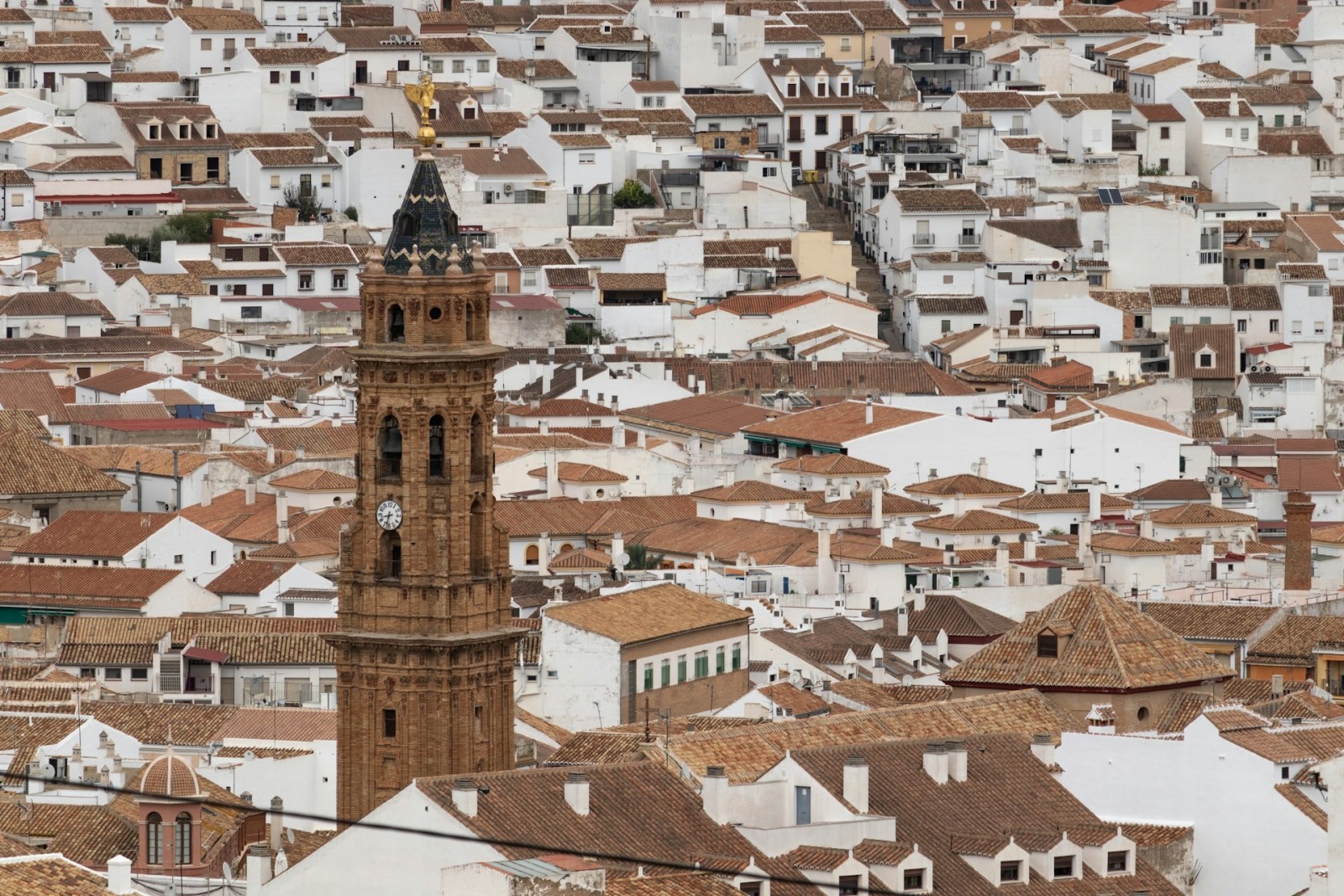
City with more than six thousand years of history
Antequera is one of the oldest cities in Europe. Its history begins in the Neolithic era, when giant megalithic structures were built here, preserved to this day.
Later, the city experienced periods of Roman, Muslim and Christian domination. Each era left behind architectural monuments, so today Antequera resembles an open-air museum.
Walking through the city, you can see:
prehistoric megaliths;
Arab fortress;
medieval streets;
Renaissance palaces;
luxurious baroque churches;
Cozy squares and fountains.
One of the most beautiful historical centers of Spain
The historical center of Antequera is characterized by beautifully preserved architecture.
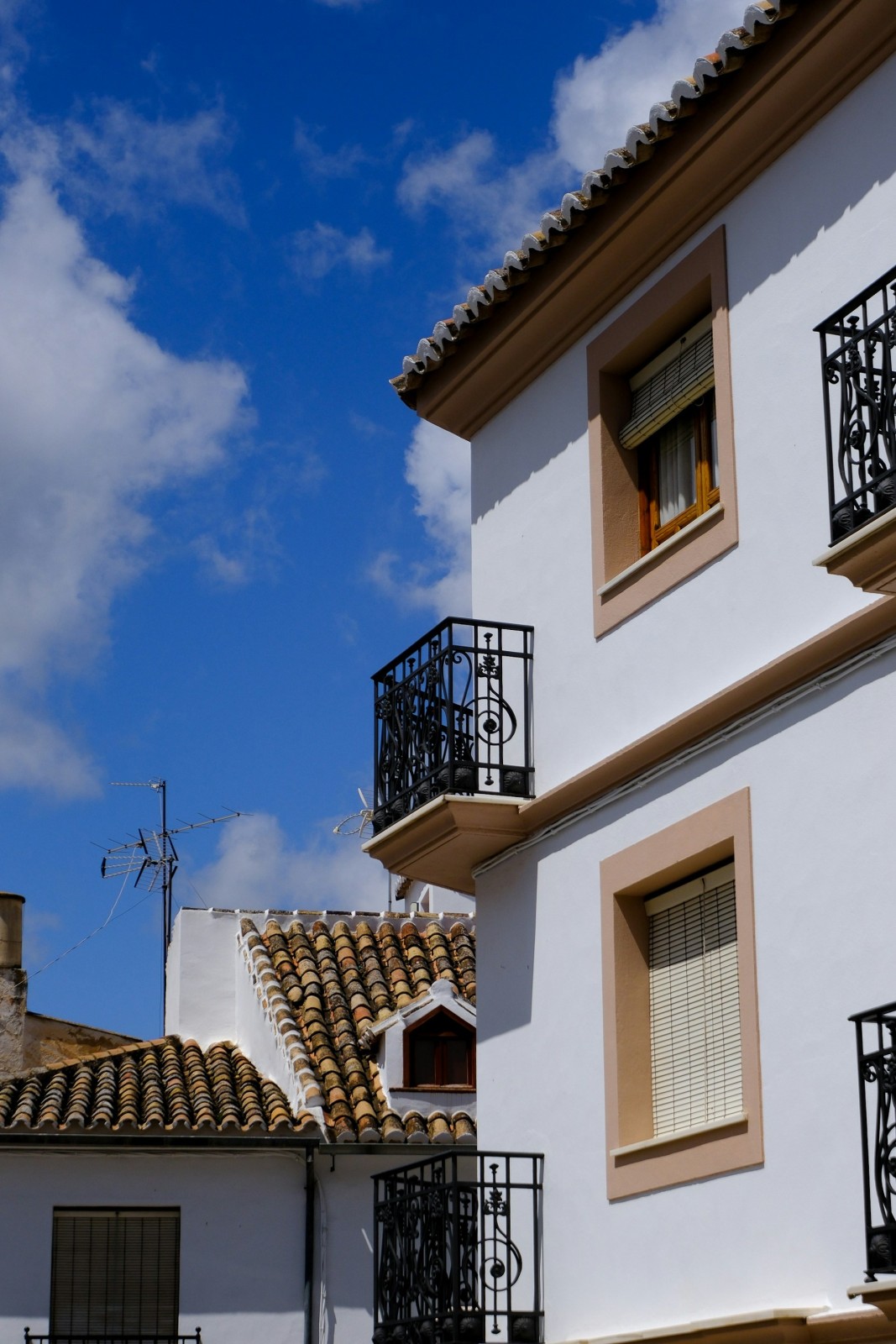
Snow-white houses with forged balconies, cobbled streets, courtyards with flowers and dozens of ancient churches create the atmosphere of real Andalusia.
Particularly impressive are:
narrow medieval streets;
areas with orange trees;
old mansions;
traditional Andalusian patios
Numerous observation decks.
Due to the absence of a large number of tourists, walks here are especially comfortable.
Churches
Antekera is often called the “city of churches”.
On a relatively small territory there are more than 30 historical temples built between the XV and XVIII centuries.
Each of them has its own architecture and rich interior decoration.
Lovers of history and art will need more than one day to get acquainted with all the religious monuments of the city.
Unique UNESCO World Heritage Sites
One of the main reasons to come to Antekera is the famous megalithic complex.
Giant dolmens over five thousand years old are included in the UNESCO World Heritage List and are considered one of the largest megalithic structures in Europe.
Huge stone blocks weighing more than a hundred tons are still admired by engineers and archaeologists.
Magnificent natural scenery
Antequera is famous not only for its history, but also for its natural attractions.
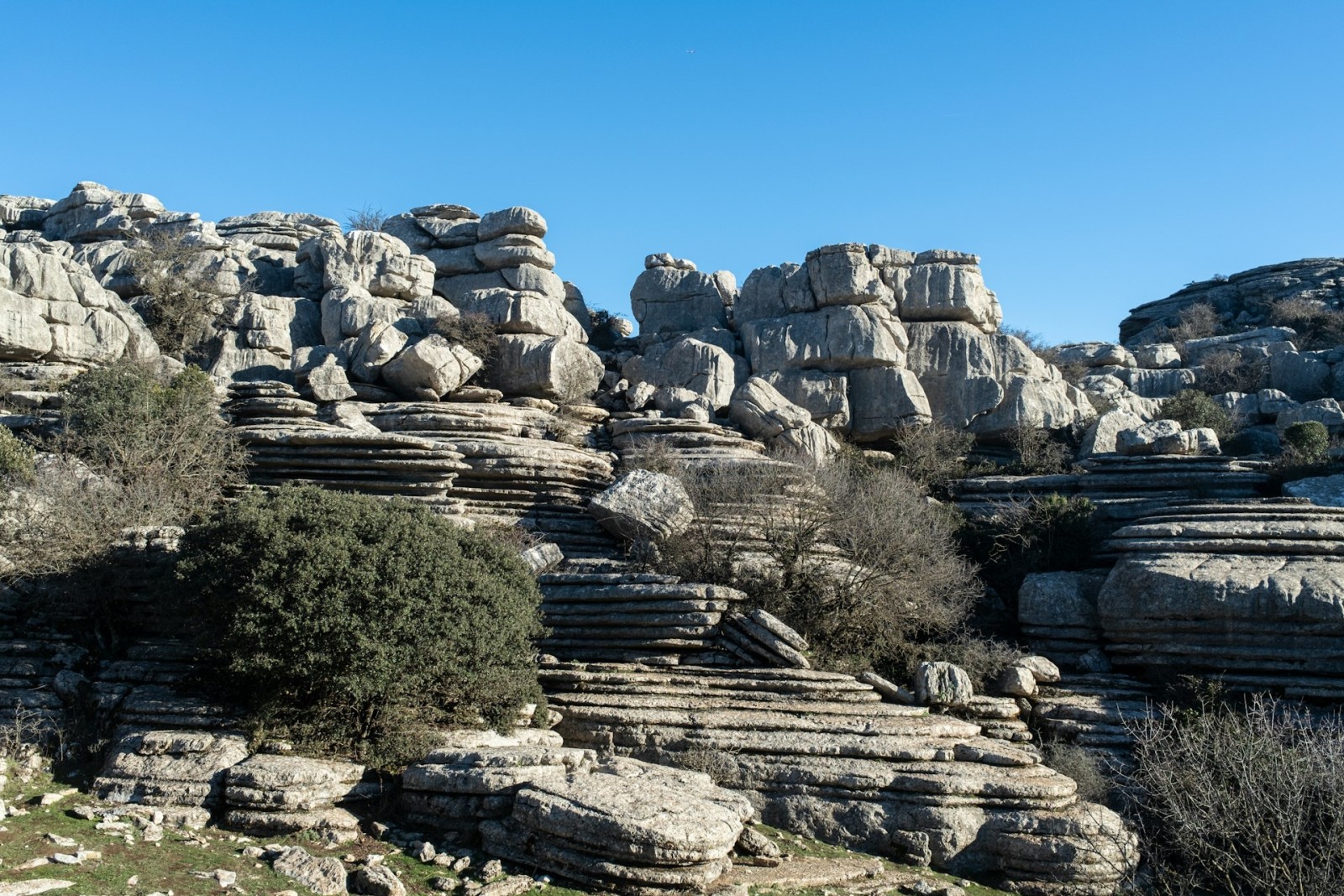
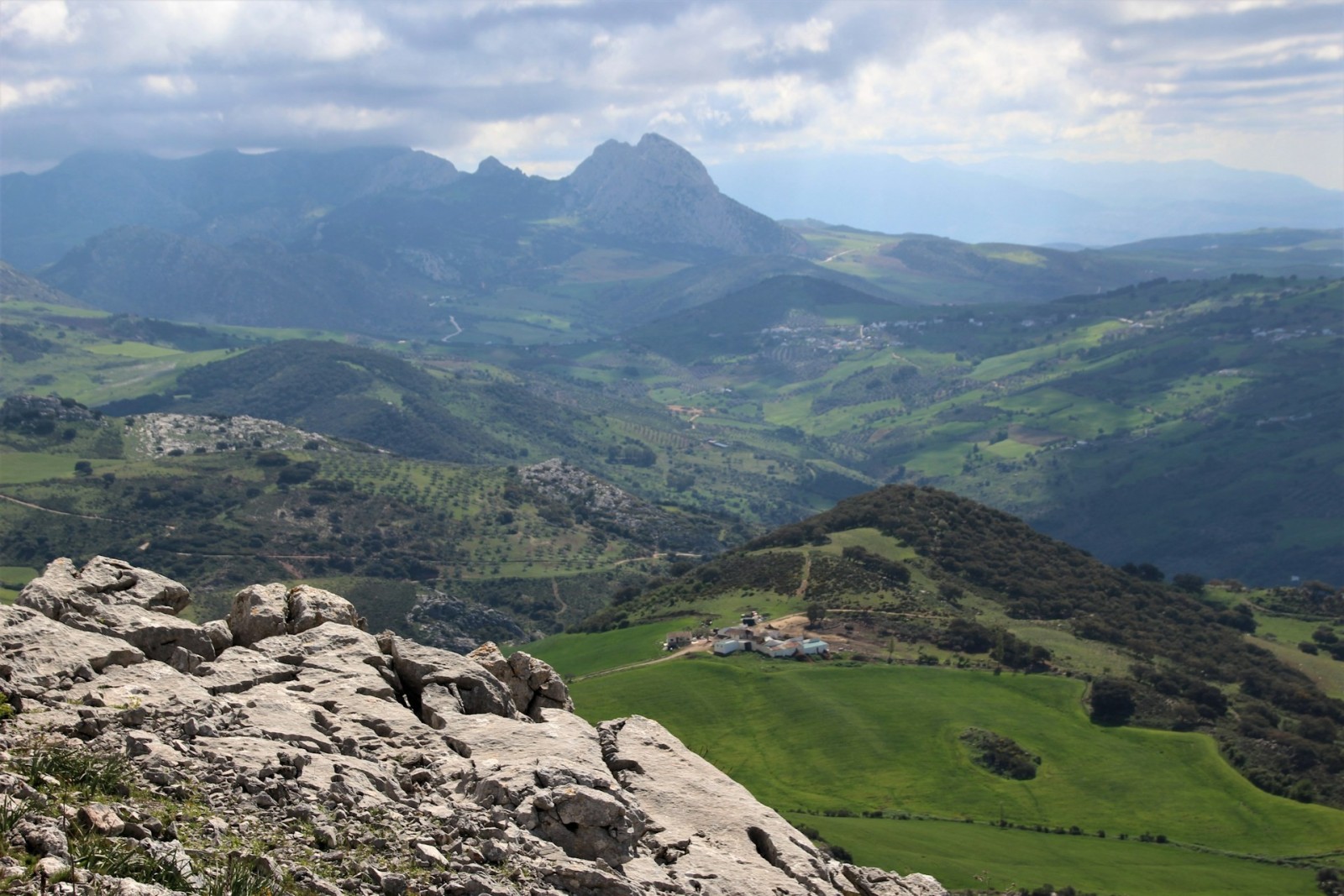
Nearby is El Torcal de Antequera, one of the most unusual karst landscapes in Europe.
Here you can see:
fantastic limestone cliffs;
natural arches;
stone labyrinths;
observation decks;
mountain goats;
Lots of rare birds.
This is a real paradise for photographers and hikers.
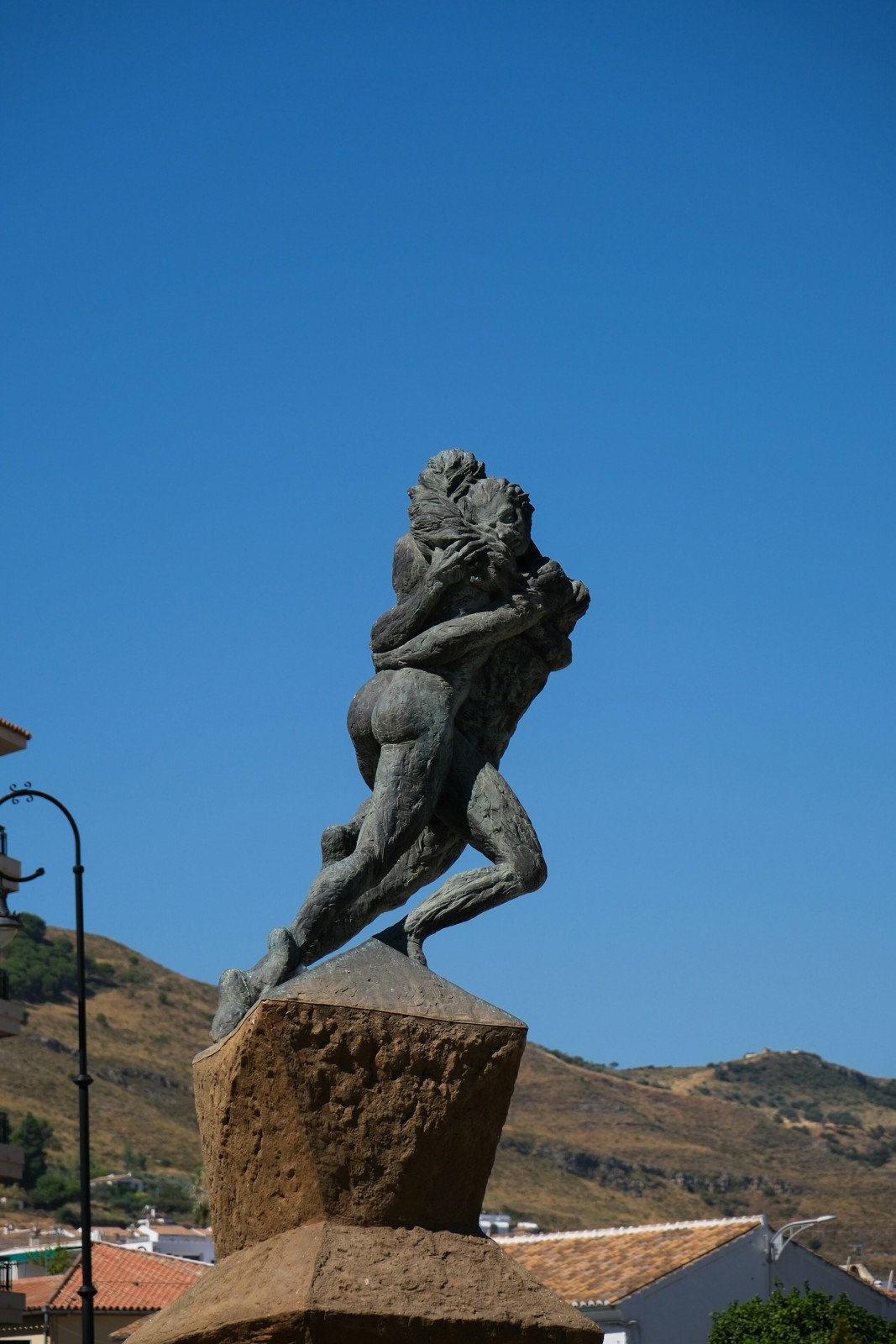
Nearby rises the famous rock Peña de los Enamorados, the silhouette of which resembles the face of a lying man. It is associated with one of the most famous romantic legends of Andalusia.
Paradise for gastronomic travel
Antequera is famous for traditional Andalusian cuisine.
At local restaurants, you should try:
porra antikerana - thick cold tomato soup;
lamb dishes;
jamon;
goat cheeses;
olives;
domestic olive oil;
local wines;
sweets of the monastery production.
In many family restaurants, dishes are prepared according to recipes passed down from generation to generation.
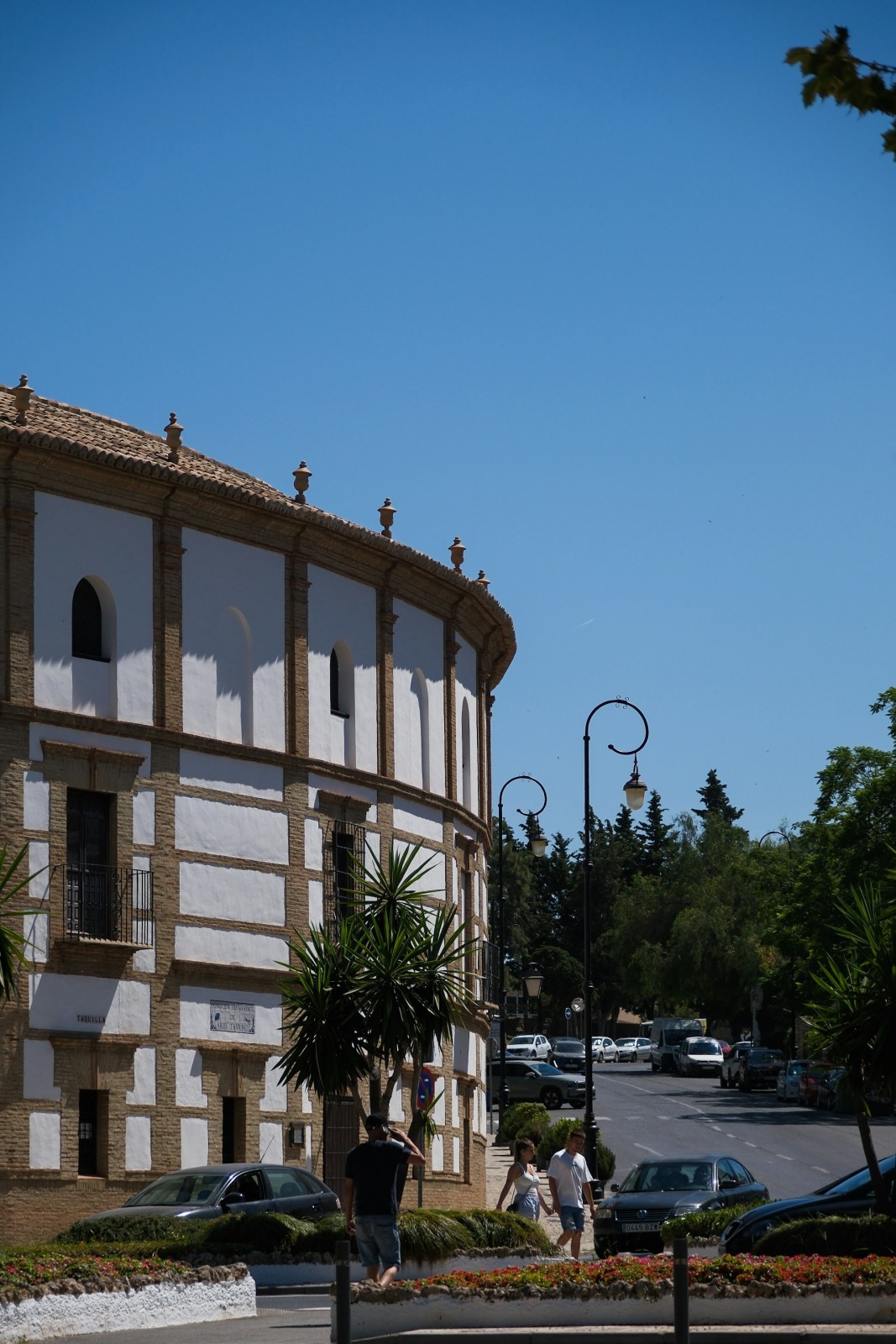
Hotels 4 stars
Hotels of this category are suitable for those who appreciate comfort and quality service. Guests are usually offered spacious rooms, swimming pool, restaurant, parking, Wi-Fi and additional services.
Popular hotels:
Parador de Antequera is one of the most famous hotels in the city with beautiful views of the historic center, a large garden and a swimming pool.
Hotel Silken Antequera Hills is a modern hotel with a swimming pool, restaurant, tennis courts and convenient parking.
Hotel Finca Eslava is a cozy hotel located in a historic building, with a swimming pool, spa area and restaurant.
The average cost of living is 80-150 euros per night.
Hotels 3 stars
This is a good option for most tourists. Such hotels offer comfortable rooms, free Wi-Fi, air conditioning and convenient location at an affordable price.
Popular options:
Hotel Infante Antequera is located in the city center near the main attractions.
Hotel Coso Viejo is located near the historic square, suitable for walking around the Old Town.
Hotel Los Dólmenes is located near the famous dolmens and convenient for travelers by car.
The average cost is 50-90 euros per night.
Inexpensive hotels and guest houses
If you want to save money, you can choose small family hotels or guest houses. They usually offer clean rooms, free Wi-Fi, air conditioning and everything you need for a comfortable stay.
Popular options:
Hotel Manzanito
Hotel Castilla
Hostal Colón
Hosteria Arte de Cozina
The average cost is 35-60 euros per night.
Apartments
The apartment is perfect for families, companies of friends and tourists who plan to spend a few days in Anteker. Most apartments have a kitchen, washing machine, living room and everything necessary for independent living.
Popular options:
Antequera Centro Apartamento
Las Mellis Alojamientos
Apartamento Mazarí
Hotel Apartamentos Antequera
The average cost is 60-120 euros per night.
1. The Fortress of Alcazaba de Antequera
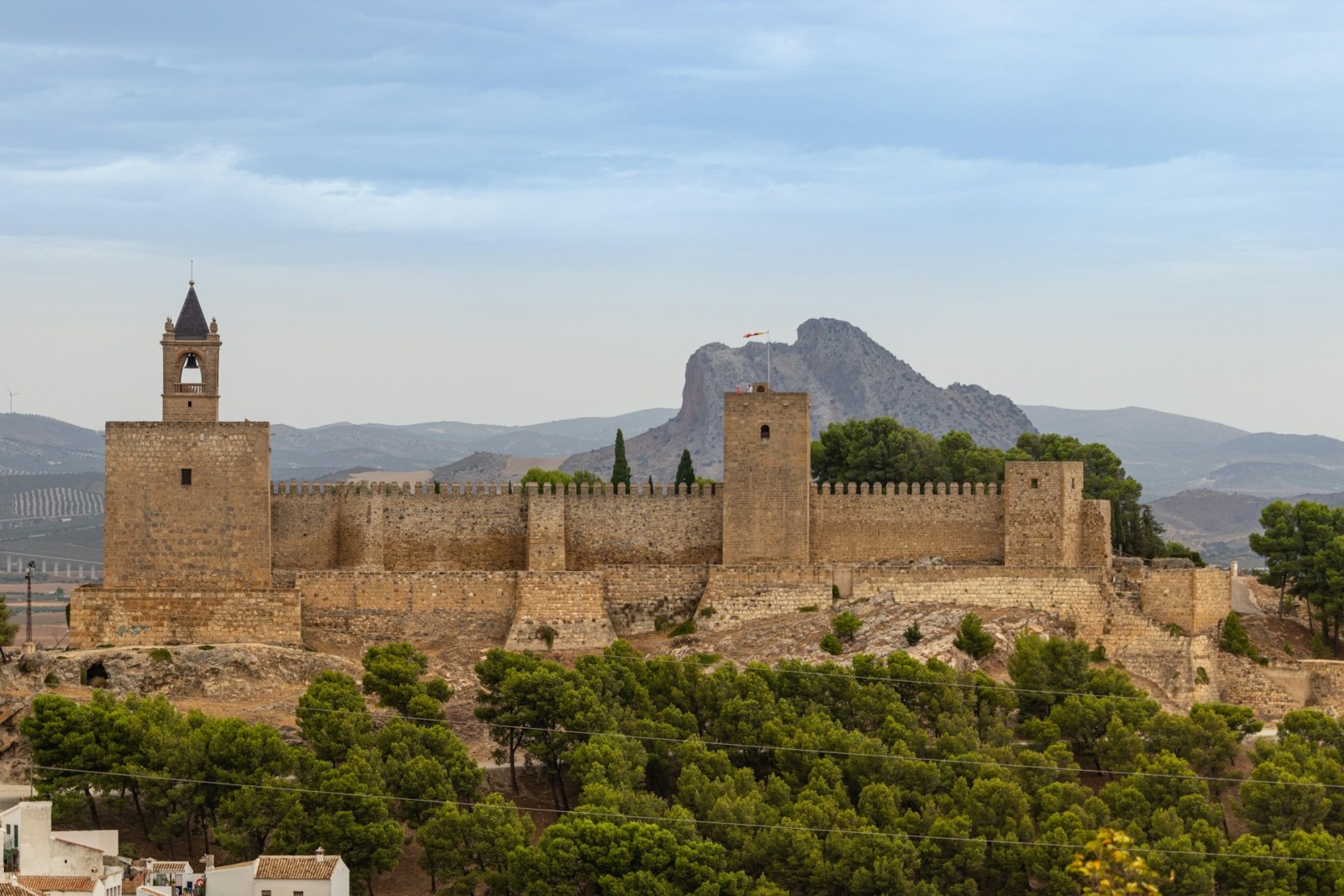
The main symbol of the city and one of the best preserved Arab fortresses of Andalusia. It was built in the XIV century and for a long time protected the city during the Reconquista. From the walls of the fortress there are magnificent views of Antequera, the surrounding mountains and the famous Peña de los Enamorados rock.
What to see:
fortress walls;
Torre del Omenaje tower;
courtyard;
observation decks.
Transport accessibility:
10-15 minutes walk from the city center;
can be reached by city bus;
There are parking lots nearby.
2. Antequera Dolmens Site (Antequera Dolmens Site)
One of the most famous archaeological sites in Europe, included in the UNESCO World Heritage List. The complex includes three megalithic tombs older than 5 thousand years: Dolmen Menga, Dolmen Viera and El Romeral.
What to see:
ancient stone structures;
museum centre;
exhibition of archaeological finds.
Transport accessibility:
about 2 km from the city center;
20-25 minutes walk;
5 minutes by car;
You can take the city bus.
3. Nature Park El Torcal de Antequera
One of the most famous natural attractions in Spain. The park is famous for unusual limestone rocks, formed millions of years ago. There are pedestrian routes of varying complexity.
What to see:
stone labyrinths;
Panoramic platforms;
rare plants;
Mountain goats and birds.
Transport accessibility:
located about 15 km from the city;
It is most convenient to get by car or tour bus;
Travel time is about 20 minutes.
4. The Royal Collegiate Church of Santa Maria la Mayor
The first Renaissance church in Andalusia, built in the XVI century. It is considered one of the main architectural monuments of the city.
What to see:
grand facade;
spacious interior hall;
ancient altars;
The observation deck next to the church.
Transport accessibility:
It is located near the fortress of Alcazaba;
It is easy to walk from the city center.
5. Plaza del Coso Viejo (Plaza del Coso Viejo)
One of the most beautiful squares of Antequera. There are historical buildings, cafes, restaurants and a monument to Infante Ferdinand.
What to see:
ancient architecture;
cozy cafes;
fountains;
urban atmosphere.
Transport accessibility:
It is located in the heart of the city;
Most of the attractions can be reached on foot.
6. Museo de la Ciudad de Antequera (Museo de la Ciudad de Antequera)
The main museum of the city, which presents archaeological finds, works of art, sculptures and household items of different eras.
What to see:
Roman artifacts;
medieval exhibits;
paintings;
collection of religious art.
Transport accessibility:
located in the historical center;
It's easy to walk.
7. Church of Carmen (Iglesia del Carmen)
One of the most beautiful churches of Antequera, known for its luxurious Baroque interior.
What to see:
gilded altar;
old icons;
wooden sculptures.
Transport accessibility:
It is located near Alcazaba;
Easy walking route.
8. The Rock of Lovers (Peña de los Enamorados)
An unusual mountain, the silhouette of which resembles a human face. According to legend, lovers from different nations rushed from the top, not wanting to part.
It is one of the most recognizable natural places in Andalusia.
Transport accessibility:
about 6 km from the city center;
It is more convenient to get by car or taxi;
It is clearly visible from many Antequera observation decks.
9. Church of San Sebastián (Iglesia de San Sebastián)
One of the main temples of the city, located on the central square. Its tall bell tower is one of the symbols of Antequera.
Transport accessibility:
It is located in the city centre;
It is easily visited while walking.
10. Monastery of Belén (Convento de Belén)
Historical monastery, founded in the XVI century. It is known not only for its architecture, but also for traditional sweets prepared by local nuns.
Transport accessibility:
located in the historical center;
It's easy to reach on foot.
1. Parade of the Three Kings (Cabalgata de los Reyes Magos)
When: 5 January
It is one of the most popular holidays in Spain, especially among children. Through the streets of the city is a colorful procession with decorated platforms, fabulous characters, musicians and animators. Participants give children sweets and small gifts.
2. Carnival (Carnaval de Antequera)
When: February (dates change each year)
Before the beginning of Lent, carnival processions, costume performances, musical performances, competitions and festive concerts are held in the city. Residents and tourists wear bright costumes and take part in folk festivals.
3. Holy Week (Semana Santa)
When: March or April
The main religious event of the year in Anteker. During the week, solemn processions with ornate platforms, ancient sculptures and brass bands take place along the streets. It is one of the most famous festivals of Andalusia.
4. Spring Fair (Feria de Primavera)
When: late May - early June
A big city festival with concerts, flamenco dances, gastronomic venues, exhibitions, attractions and entertainment for the whole family.
5. Feast of St. John (Noche de San Juan)
When: Night from 23 to 24 June
In honor of the onset of summer, residents gather for festive events, concerts and evening festivities. In many areas, symbolic bonfires are made and folk festivals are held.
6. Royal August Fair (Real Feria de Agosto)
When: Second half of August
The largest holiday of Antekera, which is held since the XVIII century. For several days there are concerts, flamenco performances, horse shows, fairs, carnival rides, festive processions and fireworks.
7. Feast of Saint Euphemia (Fiestas de Santa Eufemia)
When: September 16
Dedicated to one of the patroness of the city. On this day there are religious services, festive processions and folk festivals.
8. Feast of the Virgin Mary Remedios (Fiestas de Nuestra Señora de los Remedios)
When: September
Celebrations in honor of the heavenly patroness Antequera. The program includes festive services, processions, concerts and cultural events.
9. All Saints' Day (Día de Todos los Santos)
When: 1 November
Traditional Spanish holiday, when residents visit cemeteries, decorate graves with flowers and gather with the whole family.
10. Christmas holidays (Navidad)
When: December - early January
The historical center of the city is decorated with festive illumination. There are Christmas markets, concerts, theatrical performances, traditional Christmas nativity scenes and festive markets open.
Spring (March-May)
Spring is considered one of the best seasons to travel.
Air temperature:
March - +17... +20 °C
April - +20... +23 °C
May - +24... +28 °C
Water temperature (Mediterranean Sea):
March - +15... +16 °C
April - +16... +17 °C
May - +18... +20 °C
Features of the season
Gardens and fields bloom;
comfortable weather for excursions;
green natural parks;
This is the famous Semana Santa Week.
Summer (June-August)
Summers are hot, sunny and dry.
Air temperature:
June - +29 ... +32 °C
July - +33... +36 °C
August - +33... +36 °C
On some days, the temperature can exceed +38 ° C.
Water temperature (Mediterranean Sea):
June - +21... +23 °C
July - +23... +25 °C
August - +24... +26 °C
Features of the season
practically no rain;
major city festivals are held;
ideal time to travel to the coast;
It is better to plan excursions in the morning or evening.
Autumn (September-November)
Autumn is warm and very comfortable for travel.
Air temperature:
September - +28... +31 °C
October - +22... +26 °C
November - +16... +20 °C
Water temperature (Mediterranean Sea):
September - +23... +25 °C
October - +21... +23 °C
November - +18... +20 °C
Features of the season
There are fewer tourists;
comfortable temperature for walking;
Olive and grape harvesting season begins;
There are traditional city holidays.
Winter (December – February)
Winter in Anteker is mild, without severe frosts.
Air temperature:
December - +13... +17 °C
January - +12... +16 °C
February - +14... +18 °C
At night, the temperature sometimes drops to +2 ... +5 ° C.
Water temperature (Mediterranean Sea):
December - +16... +18 °C
January - +15... +16 °C
February - +15 °C
Features of the season
calm atmosphere;
a small number of tourists;
Christmas markets and festive illumination;
Comfortable weather for visiting museums and historical sights.
Language of communication and rules of conduct in Anteker
Antequera is located in the autonomous community of Andalusia, so the official language is Spanish. Most residents speak Andalusian Spanish, which has a softer pronunciation and a faster pace of speech.
In tourist places, large hotels, museums and some restaurants, employees can communicate in English, but in small cafes, shops and family hotels, English is less common. A few simple phrases in Spanish will make it easier to communicate with locals and make a good impression.
Features of communication
The inhabitants of Antequera are distinguished by friendliness, tranquility and hospitality. They help tourists if they are treated politely.
During communication, it is accepted:
Say hello when entering a shop, cafe or hotel
Say “please” and “thank you.”
To address strangers on “Usted” in an official setting;
maintain a friendly tone of conversation;
Respect for the elderly.
Spaniards love live communication and often accompany the conversation with gestures and a smile.
Traditions and customs
When traveling, you should take into account some features of the local culture.
siesta
In many small shops and family businesses, the siesta lasts from about 14:00 to 17:00. At this time, some of the facilities may be closed.
Power regimen
In Spain, it is customary to eat later than in many other countries.
Usually:
breakfast - 07:00-09:00;
lunch - 13:30-15:30;
dinner - 20:30-22:30.
Many restaurants open for dinner only after 20:00.
Greetings
It is customary to say at the meeting:
"Hola" means "Hello."
"Buenos días" - "Good morning"
"Buenas tardes" - "Good Day"
"Buenas noches" means "Good evening."
Close friends and relatives often greet each other with two kisses on the cheek, but the usual handshake or verbal greeting is enough for tourists.
Visiting temples
There are many ancient churches and monasteries in Anteker.
During the visit, it is recommended:
Choose clothes that cover the shoulders and knees;
speak quietly;
Turn off the sound of the mobile phone;
Do not use flash when photographing, if this is prohibited;
Do not interfere with the conduct of worship.
Tipping
Tipping is not mandatory, but is considered a good tone.
Usually left:
in restaurants - 5-10% of the bill amount;
in the cafe - small change;
For taxi drivers, the amount can be rounded up.
Basic laws and regulations
When traveling, you must comply with Spanish law.
Smoking
Smoking is prohibited in most enclosed public spaces, including restaurants, cafes, hotels, train stations and public transport. There are special places for smoking.
Alcohol
Alcohol is allowed for people over 18 years of age. Drinking in public places may be restricted by local regulations.
Documents
It is recommended to always carry with you:
passport;
a copy of the passport;
health insurance;
Car registration (if you are travelling by car).
Sometimes the police may ask for an identity document.
Traffic rules
If you rent a car, you must comply with:
on the right side of the road;
mandatory use of safety belts;
a ban on using a phone without a headset during movement;
compliance with speed control.
Care for the environment
El Torkal Nature Park and other protected areas are prohibited from:
leave the trash;
Make fires;
pluck the plants;
feeding wild animals;
Get off the designated tourist routes.
Basic words
Hola (Ola) - Hello, hello.
Buenos días - Good morning.
Buenas tardes - Good afternoon.
Buenas noches - Good evening, good night.
Adiós (Adios) - Goodbye.
Por favor - Please.
Gracias (Gracias) - Thank you.
Muchas gracias - Thank you very much.
De nada - You're welcome.
Sí (Si) - Yes.
No (But) No.
Perdón (Perdon) - Excuse me.
Disculpe – Sorry, sorry (polite form)
Ayuda (Ayuda) - Help.
Entrada - Entrance.
Salida - Exit.
Abierto (Abyerto) - Open.
Cerrado (Cerrado) - Closed.
Useful phrases
¿Habla inglés? (Abla Ingles) - Do you speak English?
No hablo español. (But ablo espanol.) - I don't speak Spanish.
Hablo un poco de español. (Ablo Un Poco de Espanyol) - I speak a little Spanish.
¿Puede ayudarme? (Puede ayudarme?) - Can you help me?
No entiendo. (But entiendo.) - I don't understand.
Más despacio, por favor. (Mas despasio, por favor.) - Speak more slowly, please.
¿Dónde está...? (Donde Estha...?) - Where is...?
¿Cuánto cuesta? (Quanto Cuesta?) - How much is it?
¿Aceptan tarjeta? (Aseptan Tarheta?) - Do you accept bank cards?
La cuenta, por favor. (La Cuenta, por favor.) - Check, please.
Donde está el baño? (Donde Esta El Baño?) - Where's the toilet?
¿Hay Wi-Fi? (Wy-fi?) - Is there Wi-Fi?
Hotel dialogue
Tourist: Hola. Tengo una reserva. Tengo Una Reservoir. )Hello. I have a reservation.
Administrator: Su pasaporte, por favor. Your passport, please.
Tourist: Gracias. (Gracias.) Thank you.
Restaurant dialogue
Waiter: Buenas tardes. ¿Qué desea? Ke Desea? Good afternoon. What will you order?
Tourist: Quisiera este plato y agua, por favor. I would like this dish and water, please.
Waiter: Muy bien. All right.
After a meal, you can say:
La cuenta, por favor. ) Check, please.
Shop dialogue
Tourist: ¿Cuánto cuesta? ) How much does it cost?
Seller: Diez euros. ) Ten euros.
Tourist: ¿Puedo pagar con tarjeta? Puedo pagar con tarquet? ) Can I pay with a card?
Gastronomy souvenirs
Olive oil (Aceite de Oliva Virgen Extra)
Antequera is located in one of Spain’s largest olive growing regions. The local olive oil of the first cold press is considered one of the best in Andalusia.
It can be purchased:
First cold pressed oil (Extra Virgen)
flavored oil with garlic, rosemary or lemon;
gift sets.
This gift is stored for a long time and is great for making salads, meat and vegetables.
Mantecados
Traditional Spanish sand cookies, which are especially popular in Andalusia.
There are options on sale:
cinnamon;
with almonds;
with lemon;
with chocolate;
with sesame.
Polvorones (Polvorones)
Crumbly almond biscuits made in butter. One of the most famous Christmas desserts in Spain.
Local Cheese (Quesos Artesanales)
In the vicinity of Antequera produce goat and sheep cheese.
Popular:
aged cheeses;
Rosemary cheeses;
paprika cheeses;
farm varieties.
Jamon (Jamón)
Spanish cheesed ham is one of the most popular gastronomic souvenirs.
You can buy:
Jamón Serrano;
Jamón Ibérico;
Cutting in vacuum packaging.
Sausages (Embutidos)
Traditional Spanish sausages are sold in local shops:
chorizo;
Salchichon;
Lomo.
All of them are well suited for transportation.
Wine.
In the shops of Antequera you can buy wines from Andalusia:
red;
white;
desserts;
Sherry.
Many wine shops offer gift packaging.
Honey
In the vicinity of the city produce natural mountain honey.
Popular species:
flowery
lavender
rosemary;
Orange.
National dishes worth trying
During the trip, you should definitely try the local cuisine.
The most famous dishes:
Porra Antequerana is a thick cold tomato soup, similar to gazpacho, but more saturated.
Mollete Antequerano is the famous soft bread from Antequera, which is often served with olive oil, jamon or cheese.
Gazpacho is a cold vegetable soup.
Rabo de Toro is a stewed bull tail.
Flamenquín is a meatloaf with ham.
Chivo Lechal is a fried milk goat.
Tapas are a variety of small snacks.
Medicinal and natural remedies
Antequera is known for its natural products from olives and local herbs.
It can be purchased:
natural olive soap;
creams based on olive oil;
Aloe Vera cosmetics;
lavender products;
natural essential oils;
herbal teas;
Organic cosmetics of local production.
These products are sold in pharmacies, natural products stores and souvenir shops.
Products by local craftsmen
Popular mementos:
pottery;
painted plates;
pitchers;
decorative tiles in the Andalusian style;
wood products;
baskets;
leather goods.
Most of these products are made by hand.
Souvenirs with Antequera symbols
In memory of the city can be purchased:
magnets;
postcards;
cups;
T-shirts;
keychains;
decorative plates;
calendars;
books on the history of Antequera;
Photos and reproductions with views of the city;
figurines of the Alcazaba fortress and the dolmen complex.
What documents are required to have
During the trip, it is recommended to have with you:
passport (valid for at least three months after the end of the trip);
a valid Schengen visa (if required);
health insurance;
confirmation of hotel reservation;
return ticket or ticket to the following country;
Car and driver’s license (if traveling by car);
copies of all important documents (in paper or electronic form).
It is better to keep the original documents in the hotel safe, and carry copies or electronic versions with you.
Do I need health insurance?
Yeah. To obtain a Schengen visa, health insurance is mandatory.
It is recommended to apply for a policy that covers:
emergency medical care;
hospital treatment;
transportation to a medical institution;
accidents;
repatriation;
Loss of luggage (if desired);
cancellation of the trip (if desired).
The minimum amount of insurance coverage for Schengen countries is usually 30,000 euros.
Emergency services phones
There is a single emergency number throughout Spain:
112 - unified rescue service (police, firefighters, ambulance).
Other useful numbers:
091 National Police.
062 – Civil Guard (Guardia Civil)
061 – Emergency medical care (in some regions).
Operators of the service 112 can often communicate not only in Spanish, but also in English.
Mobile communications
All major mobile operators in Spain are confidently working in Anteker:
Movistar;
Vodafone España;
Orange España;
Yoigo?
Digi?
MasMóvil.
Free Wi-Fi is available in the city center and most hotels.
It is convenient for tourists to purchase a local SIM card or use roaming if your operator provides such a service.
Internet
Free Wi-Fi can be found:
in hotels;
café
restaurants;
malls;
Some public places and museums.
The quality of mobile Internet in the city is generally good, supported by 4G and 5G networks.
How many tourists can stay in Spain
Spain is part of the Schengen area.
For citizens of most countries who require a Schengen visa, the rule applies:
not more than 90 days in any period of 180 days.
If there is a visa-free regime between your country and the European Union, the same rule usually applies - up to 90 days within 180 days.
For a longer stay, a national visa or residence permit is required.
Medical assistance
The city operates:
public hospitals;
medical centers;
private clinics;
round-the-clock pharmacies (Farmacia).
When applying to a medical institution, you may need:
passport;
insurance policy;
Identity documents.
Road safety
If you are renting a car:
movement in Spain on the right;
Safety belts are mandatory for all passengers.
You can use your phone while driving only with Hands Free.
Speed limits must be strictly observed;
The level of permissible alcohol content for drivers is very low, so it is better not to drive after drinking alcohol.
Create a query and local guides will offer you the best options


