Independent tourism and recreation in the city of Cadiz Historical information about the city of Cadiz Cadiz i...

Cadiz is one of the oldest cities in Europe and perhaps the most unusual in Andalusia. Here everything is subject to the Atlantic: …

Individual excursions to the cities of Andalusia (Cádiz, Jerez, Seville, Cordoba, Granada, Malaga, Marbella)Survey and t …
Cadiz is one of the oldest continuously inhabited cities in Europe and the oldest city in Spain. Its history goes back over 3,000 years. Due to its advantageous location on a narrow peninsula jutting into the Atlantic Ocean, Cadiz has been an important commercial, military and maritime center of the Mediterranean and Atlantic for thousands of years.
Founding of the city by the Phoenicians
The history of Cadiz begins around 1100 BC, when Phoenician navigators from the city of Tyre in modern Lebanon founded the trading colony of Gadir here.
The name "Gadir" was translated as "fortress" or "fortified place".
The Phoenicians did not choose this place by chance:
Here was a convenient natural harbor;
Nearby were rich deposits of silver and copper;
The city lay at the intersection of sea trade routes between the Mediterranean and the Atlantic.
From Cadiz, the Phoenicians traded with the tribes of the Iberian Peninsula and sent ships along the coasts of Africa and Europe.
During this period, the famous temple of the god Melkart was built, which later became one of the most famous shrines of the ancient world.
Carthaginian
After the weakening of the influence of Phoenicia, the city came under the control of Carthage.
From the VI to the III century BC, Cadiz became one of the most important Carthaginian bases in the territory of modern Spain.
This is where the famous Carthaginian commander began his campaigns:
Hannibal
Before trekking through the Alps, Hannibal visited the sanctuary of Melkart to receive the blessing of the gods.
Cadiz became a major military port and supply center for the Carthaginian army.
Roman period
During the Second Punic War, the city was captured by the Romans.
After that, it received the Latin name Gades (Gades).
The Roman period was a time of rapid prosperity.
The city quickly became one of the largest and richest ports of the Roman Empire.
There was a trade through Cadiz:
wine;
olive oil;
salt;
fish;
The famous garum fish sauce.
In the I century BC, the population of Hades was about 70-80,000 people, making it one of the largest cities in the western part of the Roman Empire.
There are people in town:
amphitheatres;
aqueducts;
temples;
public baths;
paved roads.
Roman ruins are still found on the territory of modern Cadiz.
Visigothic
After the fall of the Western Roman Empire in the fifth century, the city gradually lost its importance.
Cadiz was under the rule of the Visigoths.
Trade declined, many public buildings declined, and the population declined significantly.
However, the city continued to exist as an important port on the Atlantic coast.
Arab conquest
In 711, Muslim armies crossed the Strait of Gibraltar and began the conquest of the Iberian Peninsula.
Cadiz became part of the Muslim state of Al-Andalus.
Arab influence lasted more than five hundred years.
During this period, the following developed:
maritime trade;
agriculture;
irrigation systems;
crafts.
The city retained its importance as a port linking Europe and North Africa.
Return to Christian rule
In 1262, King Alfonso X of Castile conquered Cadiz from the Muslims.
After the Reconquista, the city gradually regained its commercial importance.
Fortresses and defensive structures were built to protect against pirate attacks.
The Age of Great Geographical Discoveries
The end of the XV century was a turning point in the history of the city.
After the discovery of America, Christopher Columbus Cádiz became one of the main ports of the Spanish Empire.
Columbus made two expeditions from Cadiz.
Through the city port passed ships carrying:
gold;
silver;
spices;
tobacco;
cocoa;
Jewels from the New World.
The city was getting rich.
The Golden Age of Cadiz
XVII-XVIII centuries are considered the time of the highest prosperity of the city.
After some trading functions were transferred from Seville, Cadiz became the main center of trade between Spain and America.
During this period, construction was carried out:
magnificent mansions of merchants;
churches;
monasteries;
defensive towers;
urban fortifications.
It was then that the historical appearance of the Old Town, which can be seen today, was formed.
Cadiz became one of the richest cities in Europe.
The Napoleonic Wars and the Constitution of 1812
In the early nineteenth century, Spain was invaded by Napoleon’s army.
Most of the country was occupied by French troops.
Cadiz was one of the few cities that managed to hold on thanks to the strong fortifications and support of the British Navy.
During the siege of Cadiz in 1812, the first Spanish constitution was adopted.
It's called:
The Constitution of Cadiz of 1812 (La Pepa).
This document became a symbol of the struggle for freedom and constitutional rights.
nineteenth century
After independence by most of the Spanish colonies in America, Cadiz began to lose its economic importance.
The volume of maritime trade decreased, but the city retained its role as an important naval port and shipbuilding center.
At this time, there were:
railways;
modern shipyards;
New residential areas.
XX century
During the Spanish Civil War (1936–1939), Cadiz came under Nationalist control in the early days of the conflict.
After the war, the city continued to develop as:
naval base;
industrial centre;
fishing port.
In the second half of the XX century, tourism gained great importance.
The mild climate, beaches and rich historical heritage have attracted travelers from all over the world.
Modern Cadiz
Today, Cadiz is the capital of the province of Andalusia and one of the most beautiful historical cities in Spain.
The town is famous:
The beautifully preserved Old Town;
Cathedral;
ancient fortresses;
long sandy beaches;
maritime traditions;
One of the most famous carnivals in Spain.
Cadiz also remains an important Atlantic coast port and a popular center for cruise tourism.
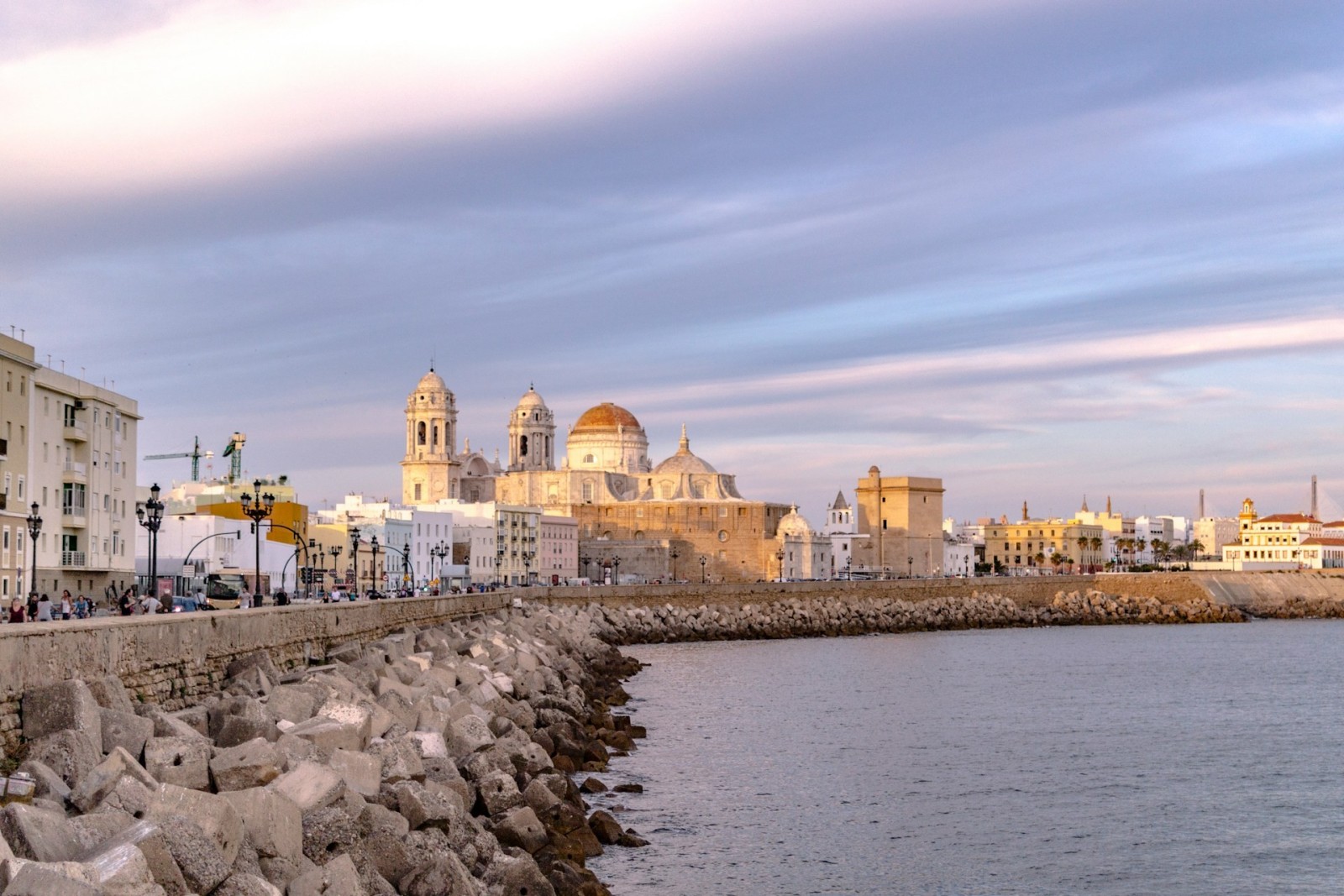
A rich history
The city was founded by the Phoenicians around 1100 BC. Here are preserved monuments of different eras:
Phoenician;
Roman;
Arabic;
medieval;
Age of great geographical discoveries.
Atlantic beaches
Unlike most popular Mediterranean resorts, Cadiz is located on the Atlantic Ocean.
Benefits of beaches:
pure golden sand;
spacious coast;
beautiful sunsets;
Good conditions for swimming and surfing.
Andalusian cuisine
Cadiz is famous for seafood and fish dishes.
You should definitely try:
fried fish Pescaíto Frito;
shrimp;
octopus;
Almadraba tuna;
gazpacho
jamon;
local wines and sherry.
Carnival of Cadiz
The city is known for one of the most famous carnivals in Spain after the carnival in Tenerife.
During the holiday, there are:
costumed processions;
musical performances;
concerts;
Theatrical performances;
street parties.
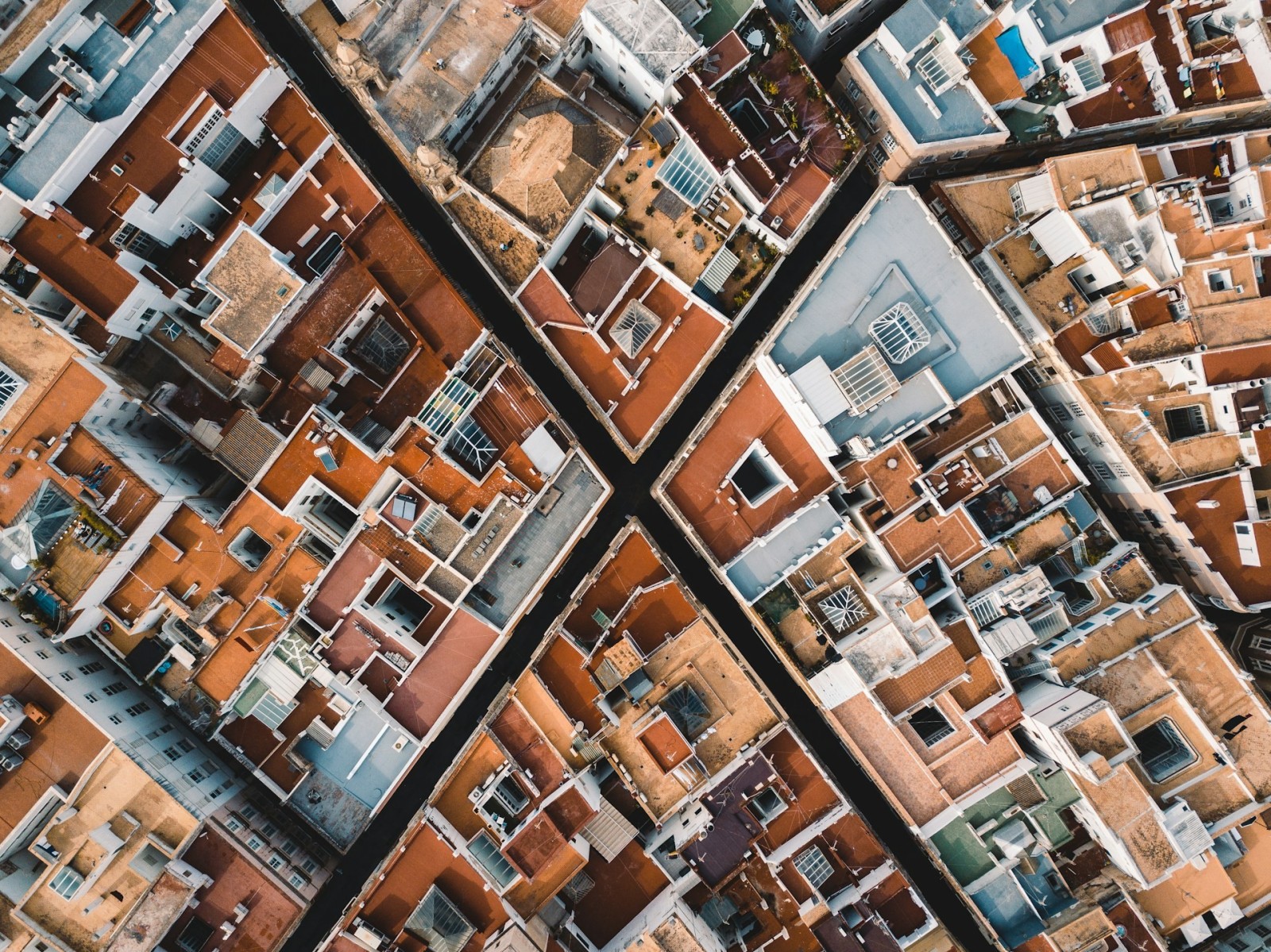
5-star and premium hotels
Such hotels are suitable for tourists who want to combine a beach holiday, a high level of service and a beautiful view of the ocean.
The most famous hotel in the city is the Parador de Cádiz. This is one of the best paradors in Spain, located near the Atlantic Ocean. Guests are waiting for modern rooms, a panoramic pool, a spa, a restaurant and magnificent views of the sea.
Average cost of accommodation:
from 220 to 400 euros per night.
Hotels 4 stars
This is the most popular category among tourists.
Popular options:
Hotel Cádiz Bahía is a modern beach hotel with swimming pools and a spa area.
Hotel Playa Victoria Cádiz is located right on Victoria Beach.
Hotel Monte Puertatierra is one of the city’s best hotels according to guest reviews.
Occidental Cádiz is a good option near the beach and the city center.
Senator Cádiz Hotel is located in the historic center.
Average cost:
120 to 250 euros per night.
Boutique hotels
Cadiz is famous for atmospheric boutique hotels located in historical buildings of the XVIII-XIX centuries.
Popular options:
Áurea Casa Palacio Sagasta is a palace in the center of the Old Town.
Boutique Hotel Casa Cánovas is an elegant hotel in an old mansion.
Hotel Boutique Las Cortes de Cádiz is a cozy option next to the main attractions.
Hotel Boutique Convento Cádiz is located in a former monastery.
Hotel Argantonio is one of the most atmospheric hotels in the Old Town.
Average cost:
from 100 to 220 euros per night.
Hotels 3 stars
A good option for those who want to get comfortable accommodation without overpayment.
Popular options:
Soho Boutique Cádiz
Soho Boutique Columela
Alquimia Hotel Cádiz
Casa Nautilus Cadiz
Average cost:
from 80 to 160 euros per night.
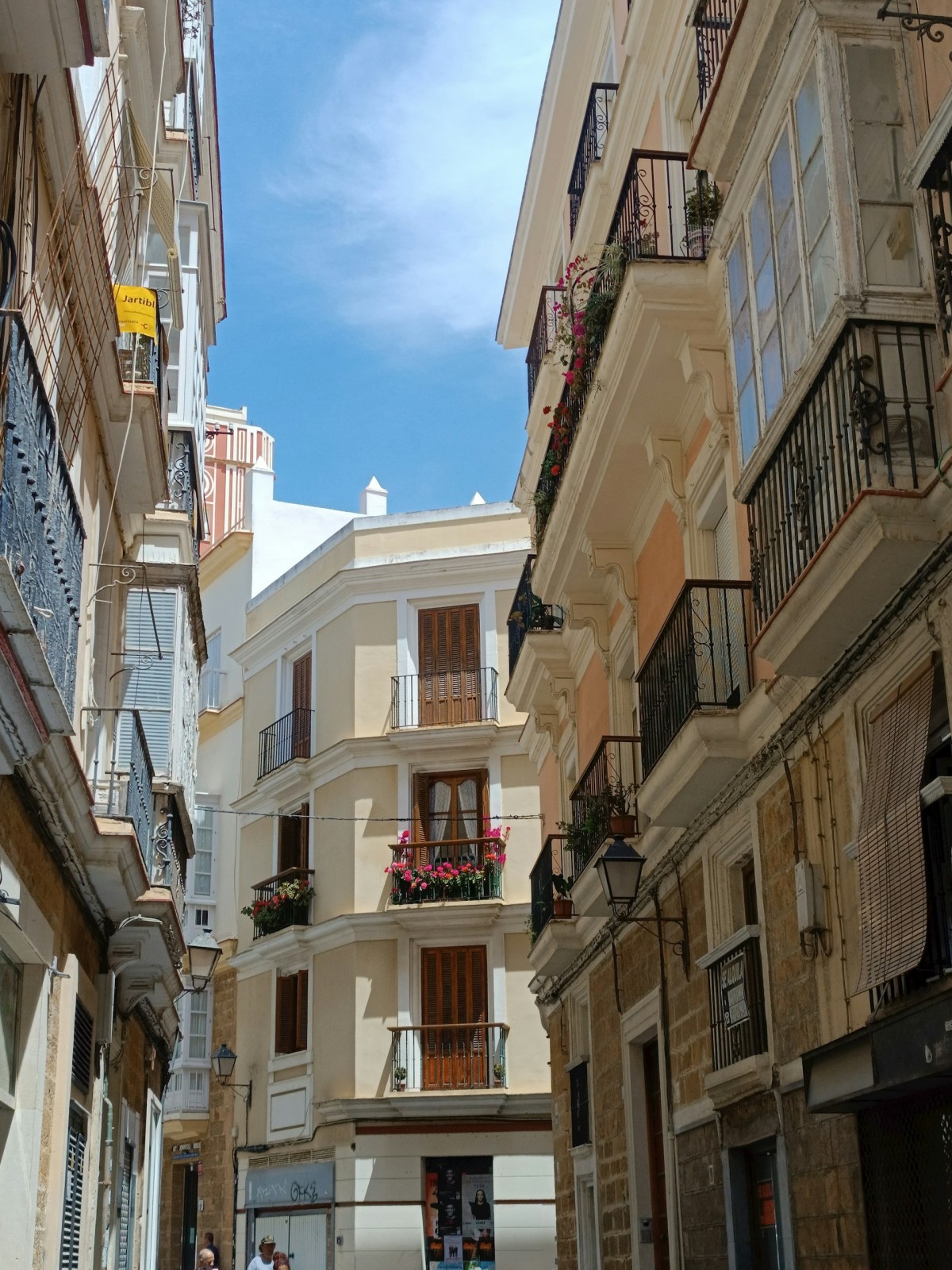
1. Cathedral of Cádiz (Catedral de Cádiz)
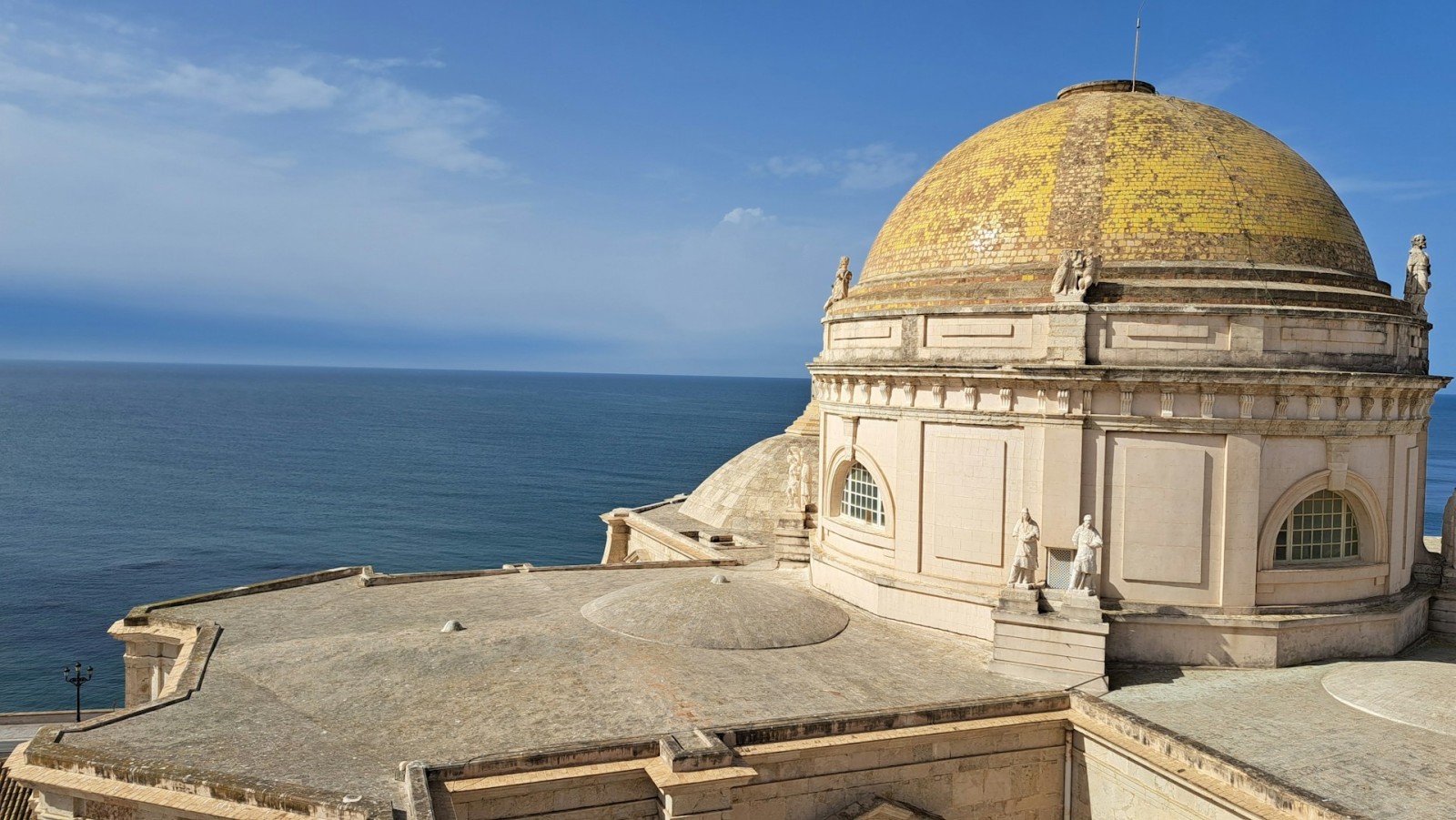
The main symbol of the city and one of the most recognizable sights of Andalusia. The cathedral was built over 100 years, so its architecture combines baroque, rococo and neoclassicism.
What to see.
the golden dome of the cathedral;
main altar;
crypt
museum of religious art;
Observation tower with panoramic views of the city and ocean.
Transport accessibility
located in the center of the Old Town;
10-15 minutes walk from Cádiz railway station;
There are city bus routes nearby.
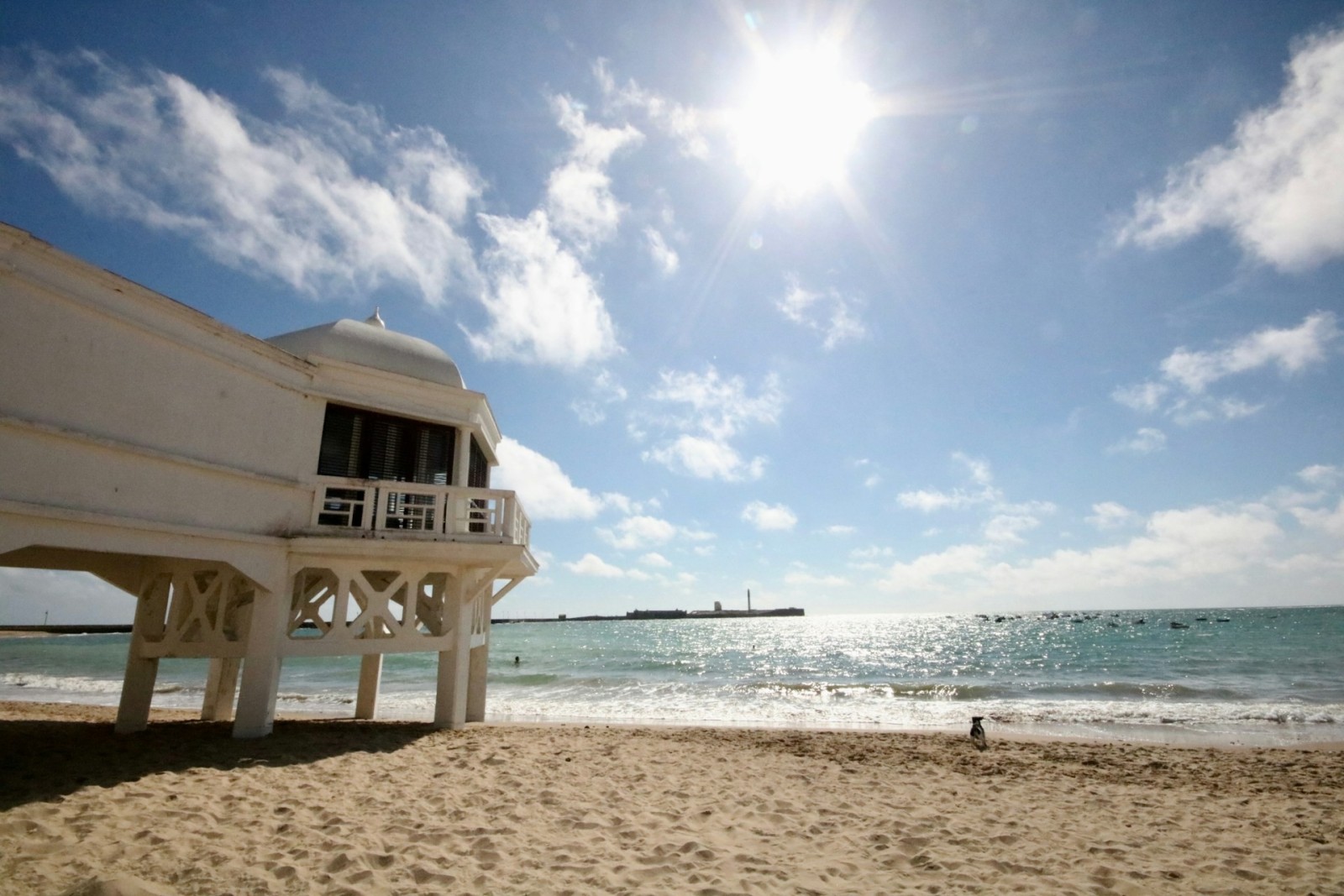
2. Beach of La Caleta (Playa de La Caleta)
The most famous beach of Cadiz, located between two ancient fortresses. This is where the James Bond movie Die, But Not Now was filmed.
What to see.
scenic bay;
old resort pavilion;
famous sunsets;
Walking promenade.
Transport accessibility
15-20 minutes walk from the cathedral;
city bus;
bicycle routes.
3. Castillo de San Sebastián (San Sebastián Castle)
An ancient fortress of the XVII-XVIII centuries, located on a small island and connected to the city by a long dam.
What to see.
fortress walls;
lighthouse
views of the Atlantic Ocean;
panoramas of the historical center.
Transport accessibility
walk from the beach of La Caleta for about 10 minutes;
It's a comfortable walkway.
4. Castillo de Santa Catalina (Castle of Santa Catalina)
Military fortress of the XVI century, built after the attack of the English fleet.
What to see.
bastions;
courtyards;
art exhibitions;
observation decks.
Transport accessibility
located near the beach of La Caleta;
It is easily visited while walking.
5. Tavira Tower (Torre Tavira)
The highest historical observation tower of the city.
In the eighteenth century it was used to observe ships arriving from America.
What to see.
Panoramic platform;
camera obscura;
Historical exhibition.
Transport accessibility
It is located in the center of the Old Town;
Most tourists travel on foot.
6. Theatre of Rome (Teatro Romano de Cádiz)
One of the largest Roman theaters in Spain, built in the I century BC.
What to see.
ruins of the visual rows;
archaeological museum;
ancient artifacts.
Transport accessibility
located near the cathedral;
Easy to visit on foot.
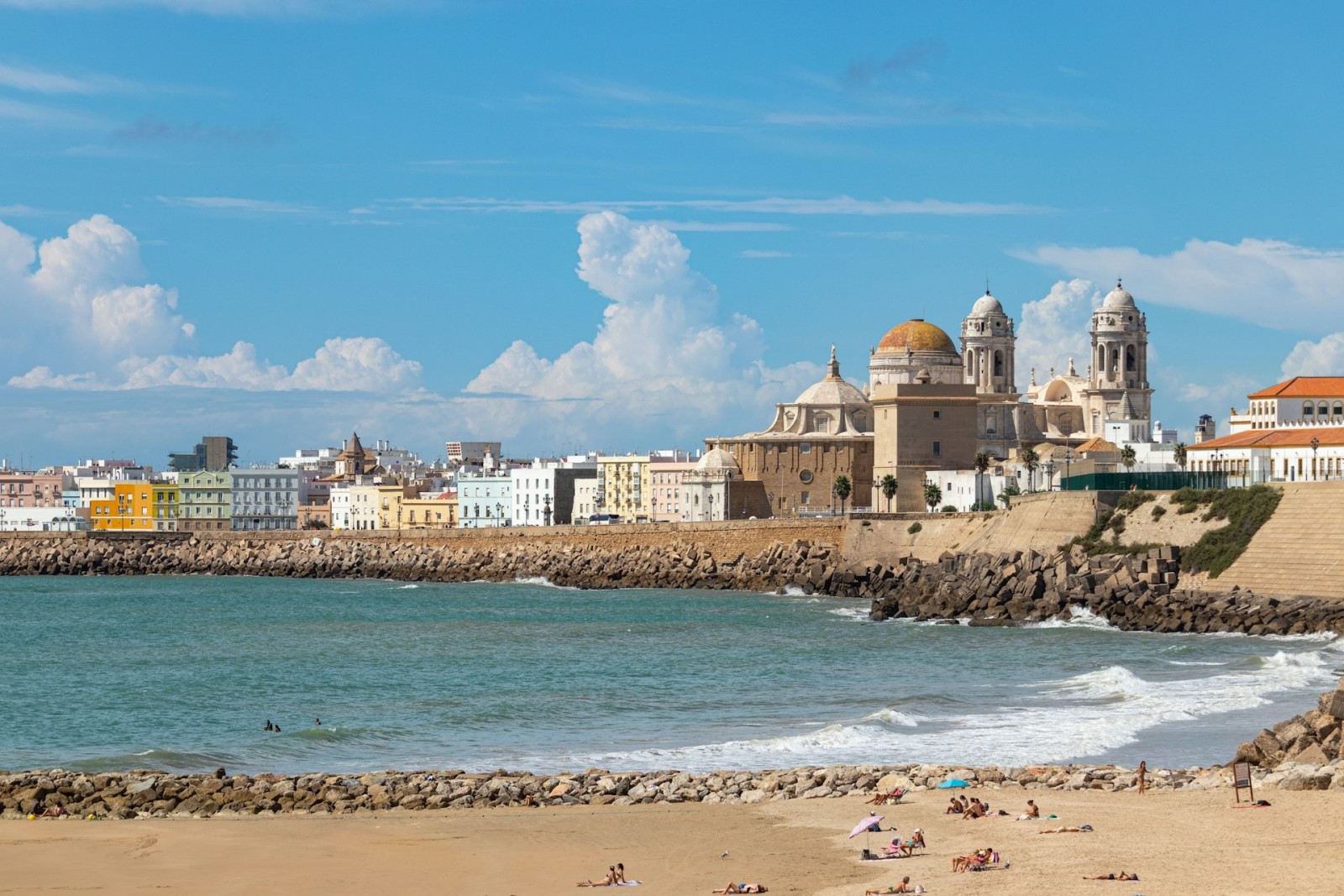
1. Feast of the Three Kings (Cabalgata de Reyes)
When: 5 January
Colorful procession through the streets of the city in honor of the Magi. Participants of the procession distribute sweets and gifts to children, festive performances and concerts are held.
2. Carnival of Cadiz (Carnaval de Cádiz)
When: Feb.
The most famous holiday of the city and one of the largest carnivals in Spain.
During the carnival, there are:
COAC Carnival Team Competition;
costumed processions;
concerts in open areas;
performances of musical groups;
night parties;
parades and theatre performances.
3. Holy Week (Semana Santa)
When: March to April
One of the most important religious events of the year. Through the streets there are solemn processions with ancient religious sculptures decorated with platforms and orchestras.
4. Easter holidays (Pascua)
When: March to April
After the end of Holy Week, residents hold family holidays, concerts and folk festivals.
5. International Puppet Festival (Festival Internacional del Títere)
When: May
The famous festival of puppet theaters with performances in squares, theaters and cultural centers of the city.
6. Festival of Manuel de Falla (Festival Manuel de Falla)
When: May
A music festival dedicated to the famous composer Manuel de Faller.
In the program:
concerts of classical music;
performances of orchestras;
vocal concerts;
chamber music.
7. Feast of the Body of Christ (Corpus Christi)
When: June
A traditional Catholic holiday with flower-decorated streets and religious processions.
8. Night of St. Juan (Noche de San Juan)
When: June 23:
One of the most popular summer holidays.
There are:
fires;
concerts;
dancing;
fireworks;
celebratory festivities until morning.
9. Music Festival Música del Mar
When: July to August
A series of major open-air concerts on the Atlantic coast.
10. No Sinmusica Festival
When: August
One of the largest music festivals in Andalusia.
Speak:
rock bands;
pop artists;
indie musicians;
electronic projects.
11. Festival of Seafood and Gastronomy
When: August-September
Dedicated to the traditional cuisine of Cadiz and Andalusia.
Guests can try:
tuna;
shrimp;
squid;
local wines;
traditional dishes of the region.
12. Day of Spain (Fiesta Nacional de España)
When: 12 October
National holiday of the country with concerts, cultural events and festive programs.
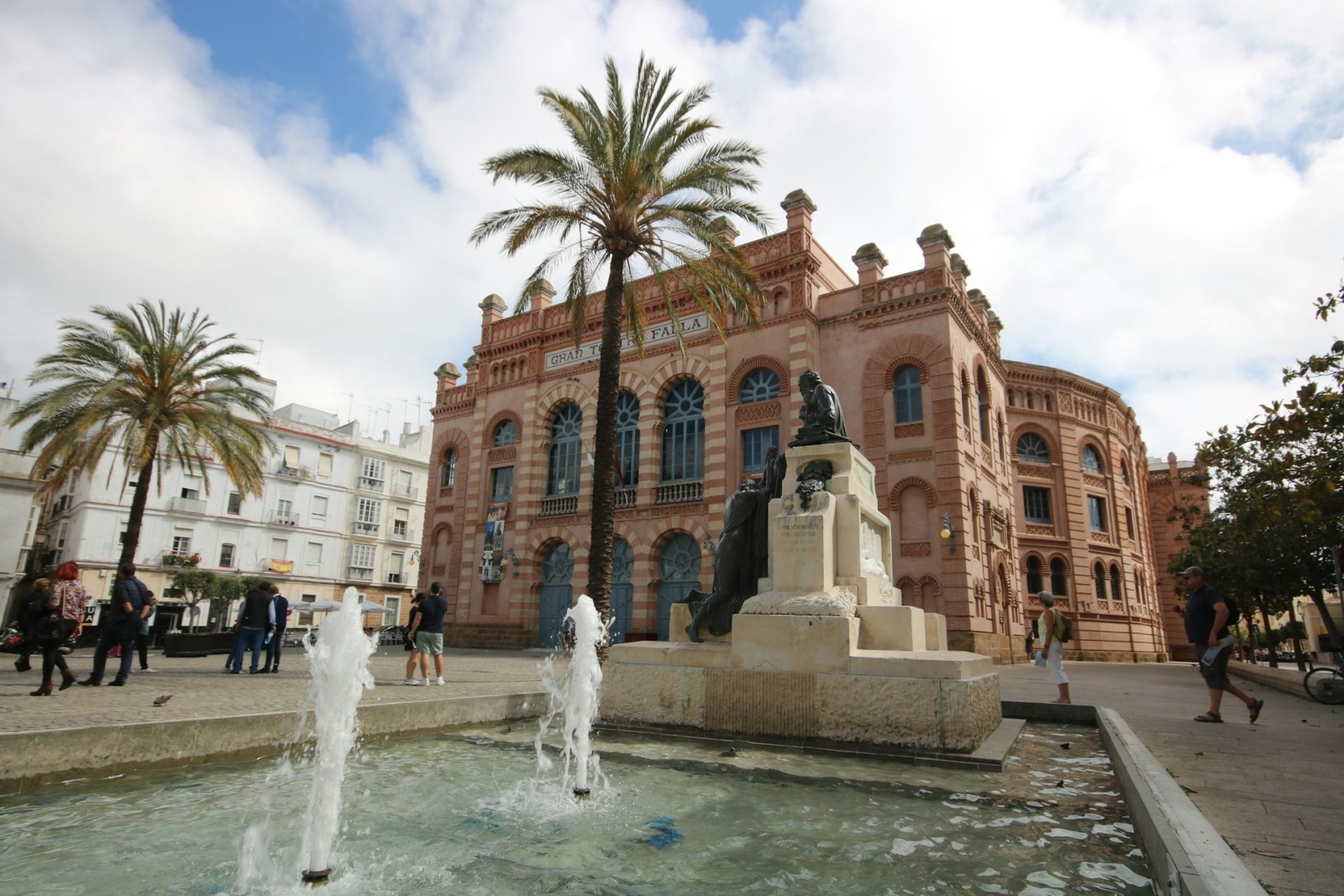
Spring (March-May)
Spring is considered one of the best seasons to travel.
march
air: +18... +21 °C
water: +15... +16 °C
April
air: +20... +23 °C
water: +16... +17 °C
May
air: +23... +26 °C
water: +18... +19 °C
In spring, the city is immersed in greenery and flowers, and the weather is great for walks and excursions.
Summer (June-August)
Summer is the main tourist season.
June
air: +26... +29 °C
water: +20... +21 °C
July
air: +29... +32 °C
water: +22... +23 °C
Augustus
air: +30... +33 °C
water: +23... +24 °C
In summer you can enjoy beaches, swimming in the ocean and numerous festivals.
Autumn (September-November)
Autumn in Cadiz is warm and sunny.
September
air: +28... +31 °C
water: +23... +24 °C
October.
air: +24... +27 °C
water: +21... +22 °C
November
air: +19... +22 °C
water: +18... +20 °C
In September and October, you can still swim, and tourists become noticeably less.
Winter (December – February)
Winter is very mild compared to most European countries.
December
air: +17... +19 °C
water: +17... +18 °C
January
air: +15... +18 °C
water: +15... +16 °C
February
air: +16... +19 °C
water: +15... +16 °C
Snow in Cadiz almost does not happen, and the temperature remains comfortable for walking.
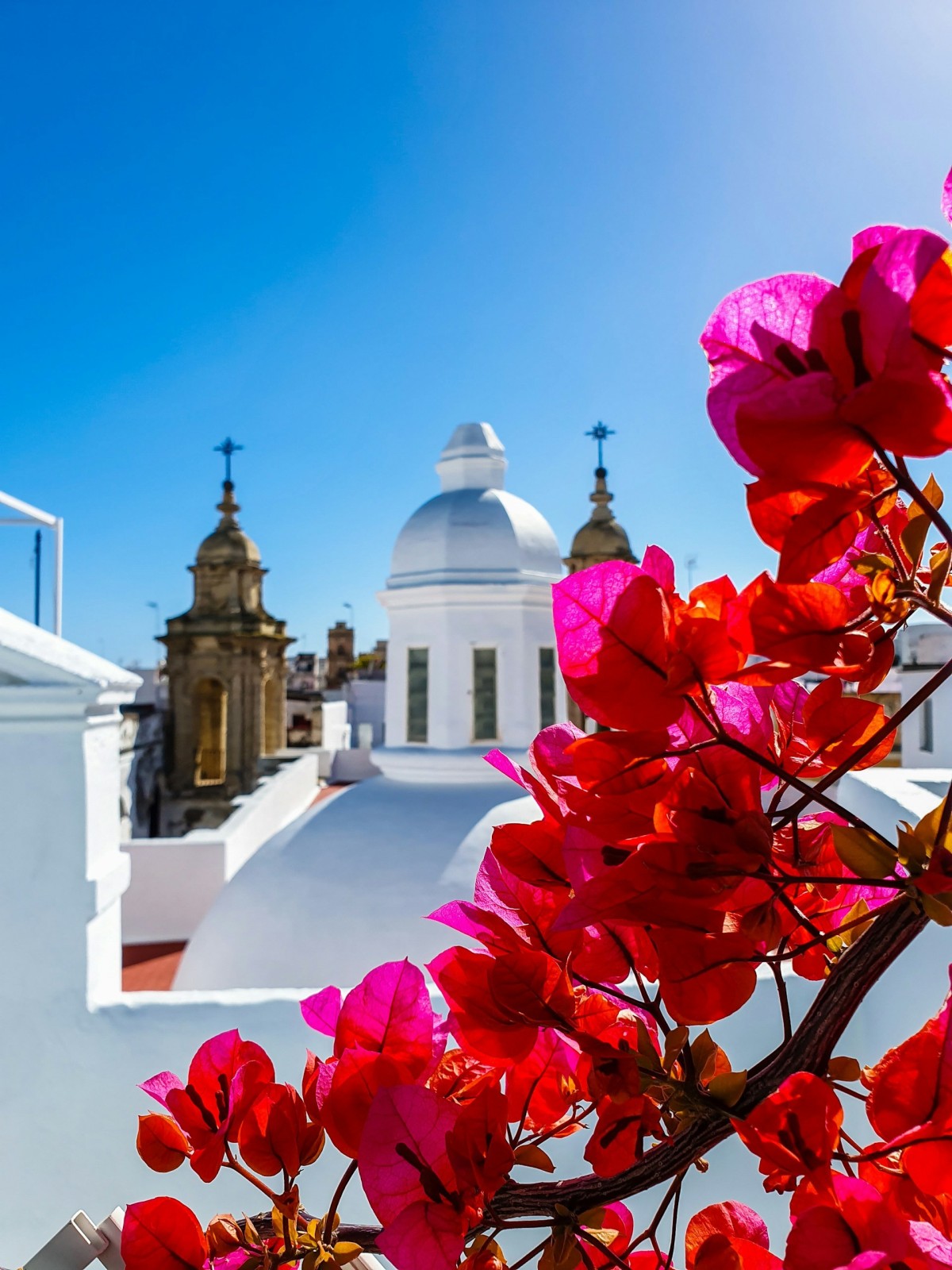
Language of communication
Cadiz is located in the Andalusia region of southern Spain. The main language of communication here is Spanish (Español). Locals speak the Andalusian dialect of Spanish, which is characterized by faster pronunciation and some features of speech.
In touristic places, hotels, restaurants and museums, many employees understand English, but knowing a few Spanish phrases will make travel easier and help to attract locals.
Features of communication
The inhabitants of Cadiz are considered among the most friendly and sociable in Spain.
During communication, it is accepted:
Say hello when entering a shop, cafe or hotel
Smile and maintain a polite conversation;
speak calmly and respectfully;
Thank you for your help and service;
Talk to strangers about “you.”
Spaniards appreciate friendliness and good manners.
Traditions and customs
1. Greetings
It is customary to say at the meeting:
Hola (Ola) - Hello.
Buenos días - Good morning.
Buenas tardes - Good afternoon.
Buenas noches - Good evening.
Friends and relatives often greet each other with two kisses on the cheek, but the usual handshake is enough for tourists.
2. Late schedule
Life begins later in Spain than in many other countries.
Usually:
breakfast - 7:00-9:00;
lunch - 14:00-16:00;
dinner - 20:00-23:00.
Many restaurants open for dinner only after 20:00.
3. Rest and communication
Residents of Cadiz love to spend time in the squares, promenades and cafes.
Popular:
family meetings;
evening walks;
Talk to friends over a cup of coffee or a glass of wine.
4. Holidays
During the carnival and other holidays, the whole city actively participates in festivities. Tourists are free to join most activities.
What should be respected
1. Religious traditions
During Holy Week (Semana Santa) you should behave respectfully:
Do not make noise during processions;
Do not interfere with the participants of the processions;
Keep order when photographing.
2. Lines.
The Spaniards are attentive to the observance of the queue. It is not customary to walk ahead of other visitors.
3. Personal space
Despite being sociable, it is not recommended to ask strangers too personal questions.
4. Photographing people
Before filming locals it is advisable to ask permission, especially if it is children or participants in religious events.
Basic laws that are important to follow
1. Documents
Tourists are always advised to carry:
passport;
a copy of the passport;
documents for accommodation in a hotel or apartment.
The police may ask for an ID card.
2. Smoking
In Spain, smoking is prohibited:
in public transport;
in most closed public spaces;
in some public areas and on some beaches.
Attention should be paid to special signs.
3. Alcohol
Drinking alcohol in public can be restricted by local regulations and result in a fine.
4. Cleanliness
There are fines for throwing garbage in the wrong place.
5. Behavior on beaches
It is forbidden on beaches:
leave the trash;
Make fires outside of permitted activities;
disturb public order.
6. Road traffic
Pedestrians must cross the road only in permitted places and observe traffic lights.
Basic words
Hola (Ola) - Hello, hello.
Adiós (Adios) - Goodbye.
Por favor - Please.
Gracias (Gracias) - Thank you.
Muchas gracias - Thank you very much.
De nada - You're welcome.
Sí (Si) - Yes.
No (But) No.
Perdón (Perdon) - Excuse me.
Disculpe - I'm sorry.
Bienvenido (Bienvenido) - Welcome.
Greetings
Buenos días - Good morning.
Buenas tardes - Good afternoon.
Buenas noches - Good evening.
¿Cómo está? (Como Esta?) - How are you?
Muy bien - Very good.
Encantado (Encantado) - Nice to meet you.
Hasta Luego – See you soon.
Hasta mañana (Asta maniana) - See you tomorrow.
At the airport.
Pasaporte - Passport.
Equipaje - Baggage.
Salida - Exit.
Entrada - Entrance.
Control de pasaportes – Passport control.
¿Dónde está la salida? (Donde Esta La Salida?) - Where's the exit?
At the hotel.
Hotel - Hotel.
Habitación is the number.
Llave (Jave) - Key.
Reserva – Reserva – Reservation.
Recepción - Reception desk.
Tengo una reserva. (Tango Una Reserv.) - I have a reservation.
Donde está mi habitación? (Donde esta mi abitacion?) - Where's my number?
¿Hay Wi-Fi gratuito? (Whi-Fi gratiuito?) - Is there free Wi-Fi?
At the restaurant.
Restaurante (Restaurante) is a restaurant.
Mesa is a table.
Menú is a menu.
Agua - Water.
Café - Coffee.
Cuenta - Account.
Una mesa para dos, por favor. (Una Mesa par dos, por favor.) - Table for two, please.
Quiero pedir. (Kiero peder.) - I want to order.
La cuenta, por favor. (La Cuenta, por favor.) - Check, please.
Está muy rico. (Esta mui rico.) - Very good.
In the store.
Tienda is a store.
Precio is the price.
Dinero is money.
Tarjeta is a bank card.
¿Cuánto cuesta? (Quanto Cuesta?) - How much is it?
Es muy caro. (Es muy karo.) - It's very expensive.
¿Puedo pagar con tarjeta? (Puedo pagar con tarcheta?) - Can I pay with a card?
Outside.
Calle is the street.
Plaza is the Square.
Playa is the beach.
Estación - Station, station.
Mapa is a map.
Donde está la playa? (Donde Esta La Playa?) - Where's the beach?
¿Dónde está el centro? (Donde Esta el Centro?) - Where's downtown?
Está lejos? (Esta Lejos?) - Is that far?
Transportation.
Autobús is a bus.
Tren - Train.
Billete (Biyete) - Ticket.
Taxi is a taxi.
¿Dónde está la estación? (Donde Esta la Estaion?) - Where's the station?
Un billete, por favor. (Un Biyete, por favor.) - One ticket, please.
¿Cuánto cuesta el billete? (Cuanto Cuesta El Biyete?) - How much is the ticket?
On the beach.
Mar (Mar) - Sea.
Arena - Sand.
Sombrilla is an umbrella of the sun.
Toalla (Toaya) - Towel.
Hace calor. - It's hot.
El agua está buena. (El Agua Esta Buena.) - The water is warm.
If you need help
Ayuda (Ayuda) - Help.
Policia (Police) - Police.
Hospital - Hospital.
Farmacia (Pharmacia) is a pharmacy.
Necesito ayuda. (Neseshito Ayuda) - I need help.
Llame a la policía. (Yame la polisia.) - Call the police.
Necesito un medico. (Necesito un medic.) - I need a doctor.
Unique food and products
1. Atlantic Tuna (Atún Rojo)
One of the most famous products of the Andalusian coast. Bluefin tuna, caught using traditional almadraba technology, is especially appreciated.
What can I buy?
Premium canned tuna;
tuna in olive oil;
smoked tuna;
dried tuna (Mojama).
2. Mojama (Mojama)
A traditional tuna fillet delicacy.
It is often referred to as “sea jamon”.
It is well stored and conveniently transported.
3. Jamon Ibérico
One of the symbols of Spain.
Best options:
Jamón Ibérico;
Jamón Iberico de Bellota.
4. Andalusian olive oil
Spain is the largest producer of olive oil in the world.
From Cadiz, they often bring:
First cold pressed oil (Extra Virgen)
oil with the addition of herbs and spices.
5. Cadiz sea salt
Salt has been mined on the salt marshes of the coast for many centuries.
Popular:
sea salt with herbs;
Smoked salt;
spice salt.
6. Spanish sweets
Popular options:
Turron (Turrón);
Polvorones (Polvorones)
Mantecados (Mantecados)
Almond sweets of Andalusia.
7. Jerez (Jerez)
The famous fortified wine from the nearby town of Jerez de la Frontera.
Popular species:
Fino?
Amontillado;
Oloroso;
Pedro Ximénez.
Useful therapeutic and natural remedies
1. Natural cosmetics based on olive oil
Popular:
hand creams;
Balms;
handmade soap;
skin and hair oils.
2. Aloe vera-based remedies
In southern Spain, a large amount of aloe vera is grown.
It can be purchased:
post-tan gels;
medicinal creams;
moisturizers.
3. Cosmetics with marine minerals
On the coast for sale:
mud masks;
bath salts;
Algae makeup.
4. Herbal teas and natural fees
Popular:
chamomile
mint
fennel;
mixtures for digestion and relaxation.
Souvenirs from Cadiz
1. Andalusia pottery
One of the most popular souvenirs.
You can buy:
painted plates;
cups;
decorative tiles;
vases.
2. Products with Cadiz symbols
Popular:
magnets;
postcards;
cups;
T-shirts;
Keychains.
3. Fans (Abanico)
Traditional Spanish accessory.
There are both inexpensive models and hand-painted collectible options on sale.
4. Leather products
Andalusia is known for its leather traditions.
It can be purchased:
purses;
belts;
bags;
purse.
5. Flamenco souvenirs
Popular:
dance figures;
castanets;
scarves;
Flamenco accessories.
6. Handmade jewelry
In the Old Town there are many small workshops where author's jewelry from silver, shells and sea stones is sold.
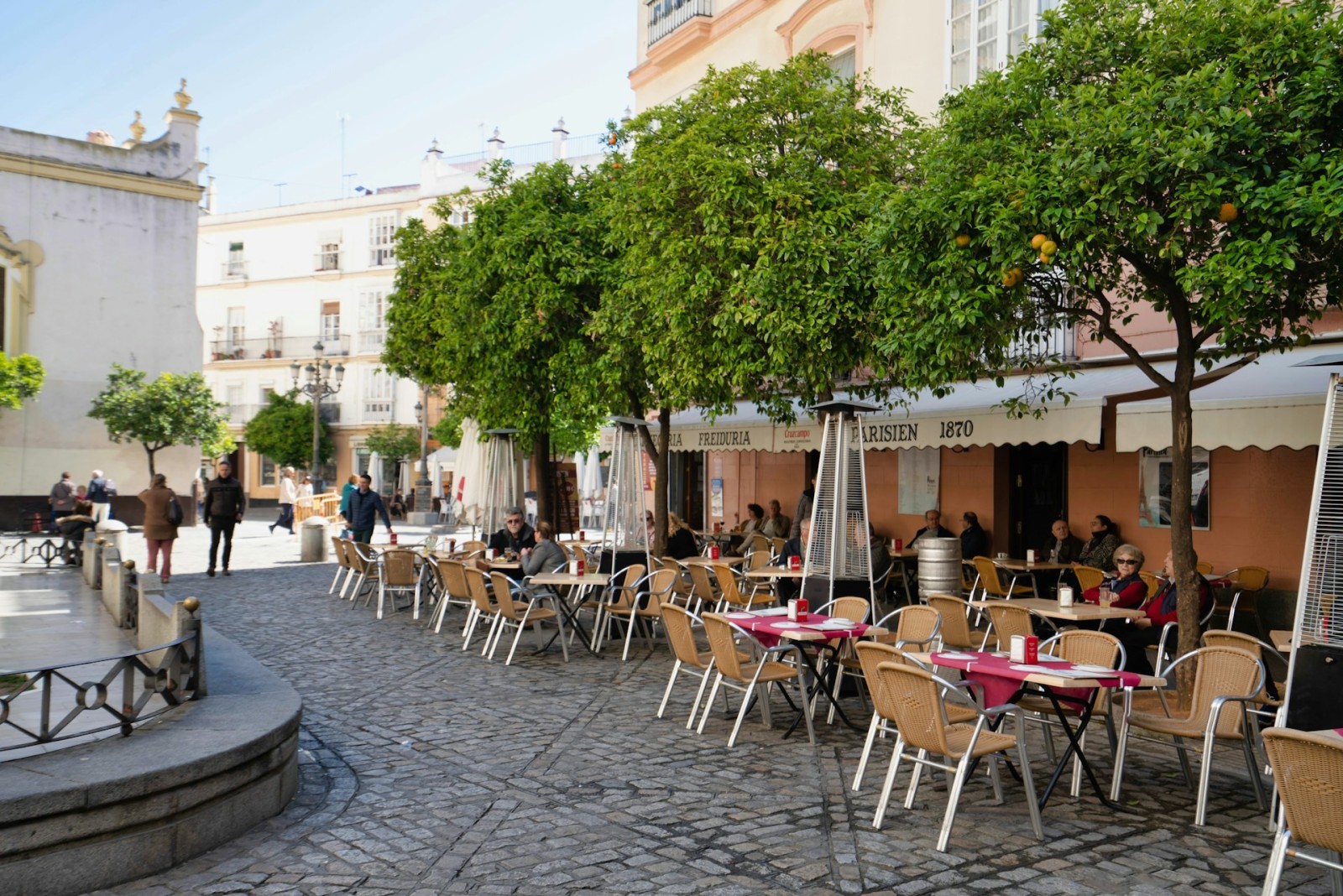
Cadiz is considered one of the most peaceful and safe cities in Spain. The city is well suited for independent travel, family holidays and trips with children. Serious incidents are rare here, but in tourist areas, at train stations, beaches and during major holidays, personal belongings should be closely monitored.
Documents required
For travel it is recommended to have with you:
A foreign passport.
Schengen visa (if required by citizens of your country).
Health insurance.
Confirmation of hotel or apartment reservations.
Return ticket or confirmation of further route.
Copies of all important documents on the phone or on paper.
It is better to keep the original documents in the safe of the hotel, and carry copies with you.
Health insurance
To visit Spain, it is recommended to obtain tourist medical insurance.
It is desirable that the insurance includes:
emergency medical care;
doctor's visit;
hospital treatment;
transportation home if necessary;
Accident insurance.
Even if a visa is not required, having insurance will help avoid the high costs of treatment.
Emergency services
112 is a single emergency number in Spain.
This number can be used to call:
ambulance;
police;
fire service;
rescuers.
In addition:
091 National Police.
092 - Municipal Police.
061 - Emergency medical care.
Medical assistance
Modern hospitals, polyclinics and pharmacies operate in Cadiz.
Pharmacies are designated by the word Farmacia and the green cross. Many areas have on-duty pharmacies that operate at night and on weekends.
Mobile and Internet
The main Spanish mobile operators work well in the city:
Movistar;
Vodafone España;
Orange España;
Yoigo?
Digi.
Tourists can purchase a local SIM card or connect an eSIM with mobile internet. Free Wi-Fi is available in many hotels, cafes and shopping centers.
Safety on the beaches
On the beaches of Cadiz, rescuers work in high season.
Pay attention to the signal flags:
Green - swimming is allowed;
Yellow: Be careful.
Red - swimming is forbidden.
In summer, it is recommended to use sunscreen, drink more water and wear a hat.
Safety during excursions
While walking around the historic center and visiting festivals, it is recommended to:
Do not carry large amounts of cash;
Keep documents in a safe place;
monitor bags and telephones;
Use official taxis.
How long can you stay in Spain?
Spain is part of the Schengen area.
For most tourists, there is a rule:
up to 90 days stay within 180 days.
If a long-term visa or residence permit is issued, the terms may be different.
Create a query and local guides will offer you the best options


