The city of Pisa is a historical and cultural center in the Tuscany region of northwestern Italy. Its history dates back more than two thousand years, and it is known primarily for its famous tower, inclined tower of Pisa.
Ancient past: The city has ancient roots dating back to ancient times. According to legend, Pisa was founded by three Corinthian colonists in the seventh century BC and was an important trading and maritime center.
The Middle Ages: In the Middle Ages, Pisa became a maritime power and an important trading center in the Mediterranean. In the eleventh century, it became a maritime republic, participating in the Crusades and competing with other Italian maritime republics such as Genoa and Venice.
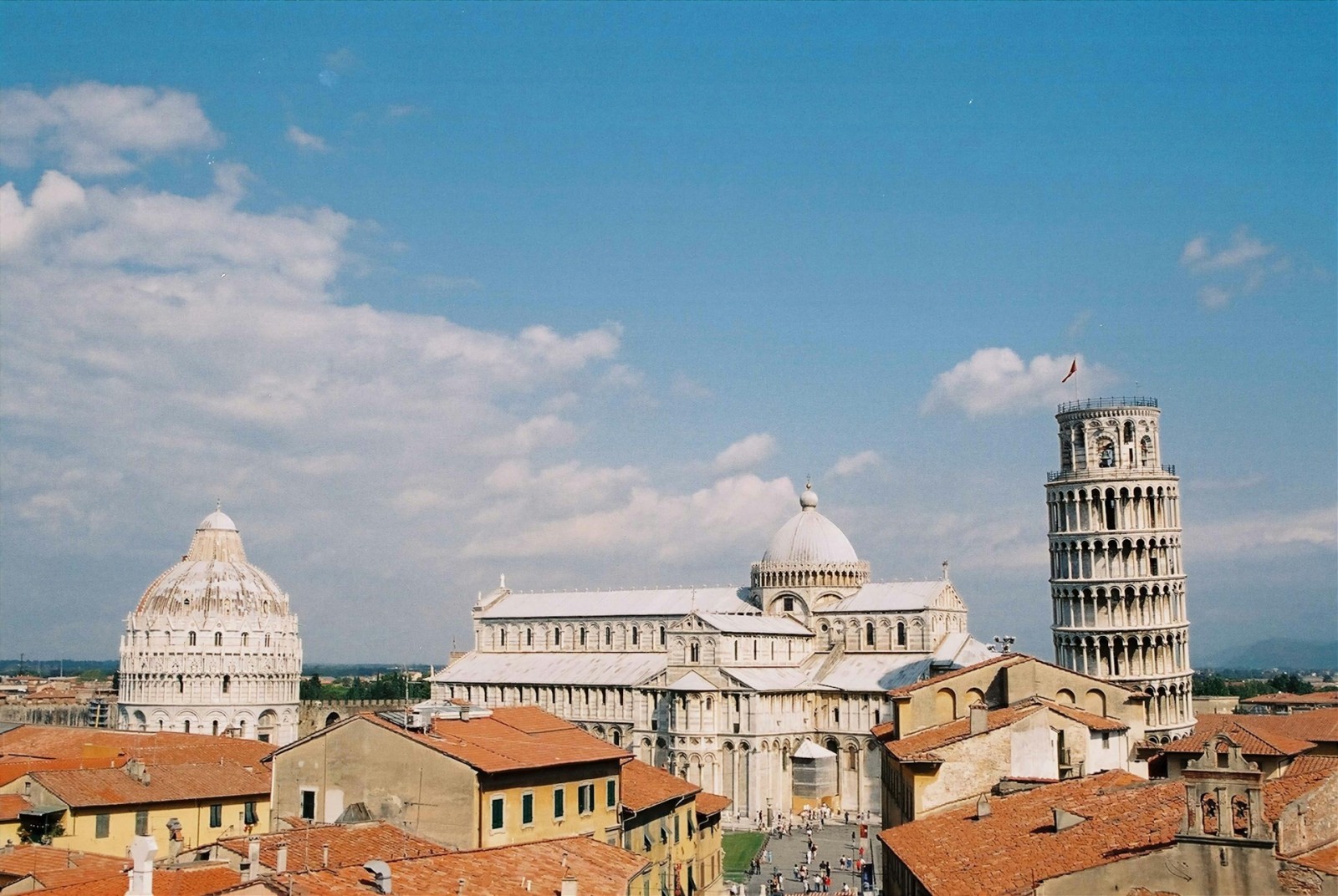
Tower of Pisa: The famous Tower of Pisa was built in the XII century as a bell tower for the Cathedral of Pisa. However, due to soft soils, it began to lean during construction. Despite the problem, construction was not stopped, and the tower became a symbol of Pisa and one of the most recognizable architectural monuments in the world.
The Great Plague and Decline: In the fourteenth century, Pisa faced a difficult period caused by the Great Plague and conflicts with Florence. The city lost its role as a maritime power and entered a period of decline.
Unification of Italy: In 1860, Pisa, like many other Italian cities, joined the Kingdom of Italy after the unification of the country.
Modernity: Currently, Pisa is a tourist center with a rich cultural heritage. It attracts tourists from all over the world with its historical monuments, magnificent cathedrals, museums and, of course, the Tower of Pisa. The University of Pisa, founded in 1343, also made the city an important educational center.
What is interesting about Pisa
The city of Pisa in Italy is an exciting historical and cultural experience that attracts travelers with its unique atmosphere, magnificent architecture and rich cultural heritage. Here are some attractive aspects that can attract tourists to Pisa:
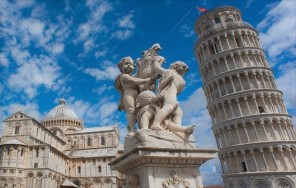
Tower of Pisa: The most famous feature of the city, the Tower of Pisa, is an iconic symbol not only of Italy, but of the whole world. The tilted tower becomes an amazing object for photographs and creates a sense of wonder and admiration for travelers.
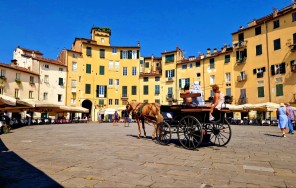
Historic Centre: Pisa offers a beautiful historic centre where narrow streets lead to many cozy cafes, restaurants and shops. Medieval buildings, colorful facades and authentic atmosphere create a unique sense of the old world.
Pisa Cathedral: This magnificent cathedral is part of the Piaz del Duomo complex and impresses with its architectural beauty. Travelers can enjoy the unique atmosphere inside the cathedral and admire exceptional works of art.
Museums and galleries: The city is rich in museum collections. The National Museum of Pisa offers a fascinating look at the history and art of the city. Visiting museums will expand the cultural horizons of tourists.
The University of Pisa, founded in the XIV century, is one of the oldest in the world. Tourists can enjoy a walk around the historic campus and feel the atmosphere of ancient education.
Gastronomy: Pisa is famous for its traditional Tuscan cuisine. Tourists can enjoy delicious local dishes at restaurants offering authentic Tuscan flavors and excellent wines.
The overall atmosphere of Pisa is a combination of majestic history, cultural wealth and scenic views, making the city an attractive destination for tourists looking to immerse themselves in the amazing world of Italian art and history.
In the city of Pisa, you will be met by a private guides and will offer individual, individual excursions.
Levels of residence in the city of Pisa
There are a variety of accommodation options in Pisa, from top-class luxury hotels to more affordable options. Here are some examples of different levels of residence:
Top-class hotels:
Grand Hotel Duomo Pisa (5 stars): Luxury hotel located in the city center, with stunning views of the Tower of Pisa. It has upscale amenities, restaurants and chic rooms.
Relais Dell'Orologio (5 stars): Luxury boutique hotel in an old building, offering cozy rooms and first-class service, as well as located in the historic center.
Mid-range hotels:
NH Pisa (4 stars): A modern hotel with good facilities, including a gym and a restaurant located in close proximity to the main attractions.
Hotel Bologna (4 stars): Cozy hotel with traditional Italian style, which offers comfortable rooms and a great location in the historic center.
Budget hotels and hostels:
Hostel Pisa Tower: An economical hostel offering hostels and private rooms. It is a short walk from the Tower of Pisa.
Hotel Verdi Pisa (3 stars): Economical option with basic, but convenient rooms. Located in close proximity to the city center.
Apartments and rentals:
Airbnb: The option of renting apartments through the popular Airbnb platform, where you can find a variety of accommodation options.
Booking.com: The site offers a wide range of apartments and guest houses in different parts of the city with different price categories.
The choice depends on the budget and preferences of the traveler, but Pisa offers a variety of accommodation options for all categories of tourists.
Where to go and what to see in Pisa
The city of Pisa in Italy is rich in attractions representing the historical, cultural and architectural heritage of the Tuscany region. The main attractions in Pisa include:
Tower of Pisa (Leaning Tower of Pisa) It is by far the most famous iconic landmark of Pisa. The tower was built in the XII century as a bell tower for the Cathedral of Pisa. Its slope creates an impressive visual effect and attracts thousands of tourists annually.
Piaza del Duomo (Cathedral Complex Square): This square includes not only the Tower of Pisa, but also the Cathedral of Pisa, the Battistero di San Giovanni and the Cemetery of Monumentals. All these buildings are magnificent examples of early Romanesque architecture.
Arno River and Bridges: A walk along the Arno River provides the opportunity to enjoy beautiful views and bridges such as the Ponte Solferino Bridge and the Ponte della Fortezza Bridge. These places provide excellent opportunities for photography.
Palazzo Blu: Palazzo Blu Artificial center and cultural complex located in the historical center of the city. Here you can enjoy temporary exhibitions and cultural events.
University of Pisa (Università di Pisa): Founded in the XIV century, the university is a historical and educational center. The university campus, including the Botanical Garden, offers interesting places to walk.
Transport accessibility: Pisa is well connected to other cities in Italy and Europe. The most convenient means of transport to reach Pisa are:
Aircraft: Galileo Galilei International Airport serves the city, making it accessible for international and domestic flights.
Train: Pisa Central Station (Stazione di Pisa Centrale) connects the city with other major Italian cities such as Florence, Rome, Venice and Milan.
Bus and car: The city is also well served by buses, and within the city you can easily get around by pedestrian zones. For travelers who prefer cars, Pisa is easily accessible by motorway.
Pisa is an amazing destination for travelers and its attractions are easily accessible by various modes of transport.
Events and entertainment in the city of Pisa
Pisa, like many other Italian cities, comes to life with various events, activities and celebrations throughout the year. Here are a few popular events and times of year when they usually take place:
Carnival in Pisa (February): Like many other Italian cities, the Pisa Carnival brings the streets to life in February. Costume parades, musical performances and bright scenery create a cheerful and enchanting atmosphere.
Festa di San Ranieri (February): This is a religious event in honor of Saint Ranieri, the patron saint of Pisa. The program includes religious processions, festive events and fireworks.
Spring Festival (March-April): In the spring in Pisa you can find various festivals dedicated to art, culture and music. This may include exhibitions, concerts and other events.
Summer activities: In June, July and August, the city comes to life with summer festivals, music concerts and outdoor events.
Lunapark San Rossore (May-September): Summer Lunapark in San Rossore, near Pisa, offers entertainment for children and adults. It is a great family place, especially in the warmer months.
Piazale Medici (daily): Piazale Medici’s main square often becomes a venue for various events and concerts, especially in the evening. Restaurants and bars are also busy at this time.
Christmas and New Year holidays (December): Pisa is decorated with lamps and Christmas decorations, creating a cozy and festive atmosphere. Christmas markets, concerts and events complement the holiday experience.
The exact dates of events may change each year, so it is recommended to check the current program before traveling.
What weather is suitable for a trip to Pisa
The climate in Pisa is typically Mediterranean, meaning mild winters and hot summers. Here is an overview of the climate at different times of the year:
Spring (March-May):
Air temperature: In spring, the average air temperature usually ranges from 10°C to 20°C, although warmer days may appear in May.
Water temperature: The water in the Mediterranean Sea is starting to warm up, but it can still be cool.
Summer (June-August):
Air temperature: In summer, the average temperature rises to 25-30 ° C or more. July and August are the hottest months.
Water temperature: Water in the Mediterranean Sea becomes pleasantly warm, and its temperature can reach close to 25°C.
Autumn (September-November):
Air temperature: In early autumn, the air temperature is still high, about 20-25 ° C, but by the end of November it can drop to 10 ° C.
Water temperature: The sea is still warm in early autumn but is gradually cooling.
Winter (December-February):
Air temperature: In winter, the air temperature in Pisa averages from 5°C to 15°C. A little snow may fall in winter.
Water temperature: In winter, the sea temperature becomes cool and bathing becomes less popular.
Best season to travel: The best time to visit Pisa is in spring (April-May) and early autumn (September-October), when the climate is pleasant and the tourist masses are not as large as in the summer months. At this time you can enjoy the sights of the city and pleasant weather.
What traditions and customs should be observed in the city of Pisa
In Italy and Pisa, Italian is the official language. However, in tourist places and hotels there are people who speak English or other European languages. In restaurants and tourist areas, staff usually speak English.
It is important to observe traditions, customs and laws to respect the locals and avoid misunderstandings. Here are a few important aspects:
Greetings and communication:
Greeting in Italy involves shaking hands and exchanging a few words.
Communication is often accompanied by the use of gesticulation, which is part of Italian culture.
Clothes:
When visiting churches and other religious places, as well as restaurants, it is best to avoid overly revealing clothing.
Evenings in restaurants may require more formal clothing.
Lunch and dinner:
Typical Italian lunches and dinners are long and include several dishes. There is usually an antipasto, a first dish (pasta), a second dish (meat or fish), and a dessert.
Lunches often start from 1:00-2:00 p.m. and dinners after 7:00 p.m.
Tip:
Tipping in restaurants in Italy is included in the bill (coperto), but leaving a small amount on top will be quite appropriate.
Features of public transport:
On public transport (buses, trains) it is usually customary to give way to the elderly and pregnant.
Lines are an important part of culture. It's always worth lining up.
Respect for historical monuments:
In churches and museums, you should be abstinent and not talk loudly. Photography may be restricted in some places.
Laws:
Follow local laws, including traffic and safety regulations. Smoking in public places is limited.
It is important to be vigilant about pickpockets, especially in tourist areas.
Compliance with local traditions and customs will create a more enjoyable and harmonious travel experience in Pisa and Italy in general.
The main dialogues for traveling to the city of Pisa
Acquaintance with the main Italian phrases and words can greatly facilitate travel and help in communicating with the locals in Pisa. Here are some useful phrases:
Greetings and general phrases:
Ciao! (Chao!) Hello!
Buongiorno! (Boongiorno!) - Good morning!
Buonasera! - Good evening!
Buonanotte! - Good night!
Communication:
Per favore. (Per favor.) - Please.
Grazie. - Thank you.
Prego. - Please (in response to "Grazie").
Mi suci. (Mi skimpy) - Excuse me.
Non capisco. (Non capisco) - I don't understand.
At the restaurant:
Un tavolo per due, per favore. (Un Tavolo per due, per favoret.) - Table for two, please.
Il conto, per favore. (Or conto, per favor.) - Check, please.
Mi piace molto! (We're drinking milk!) - I really like it!
Orientation in the city:
Dove si trova la Torre di Pisa? (Dove C Troa la Torre di Pisa?) - Where is the Tower of Pisa?
Quanto dista da qui? (Quanto dista da cui?) - How far from here?
Mi può aiutare? (We're on the hook?) - Can you help me?
Shopping:
Quanto costa? (Quanto Costa) - How much is it?
Posso pagare con la carta di credito? (Posso pagare con la cardi credit?) - Can I pay with a credit card?
Important words:
Bagno. - Toilet.
Stazione. (Station.) - Station.
Farmacia. - Pharmacy.
Emergenza. (Emergenza) - Emergency.
Note that pronunciation in Italian is often different from spelling, so transcription can help you pronounce phrases correctly. The practice of using these expressions will help you communicate more easily and enjoy your trip to Pisa.
What to try and what souvenirs and gifts to bring from Pisa
In Pisa and in Italy in general, there are many unique and interesting things that can be purchased as souvenirs, tried in cooking or used as medicinal remedies. Here are some ideas:
Souvenirs:
Souvenirs depicting the Tower of Pisa: From magnets and utensils to T-shirts and sloping tower postcards, these are popular souvenirs to be found in local shops.
Italian Ceramics: Tuscany, including Pisa, is famous for its pottery. Various items such as plates, vases and souvenirs can be a great reminder of your journey.
Leather products: Italy is known for its high quality leather. Bags, purses, belts and other leather goods can be stylish souvenirs.
Culinary pleasures:
Olive oil: Tuscany is famous for its olive oil. Buy a bottle of high quality oil as a gift or for yourself.
Wine: Tuscan wine, including chianti, is known for its excellent taste. Buy a bottle for tasting or as a gift.
Pasta and sauces: Pasta is a classic Italian dish and you can buy a variety of shapes and flavors as a gift. It is also interesting to try different local sauces.
Medications:
Lavender: This fragrant herb is often used for medicinal and aromatherapy purposes. Lavender sachets, oils or soap can be useful souvenirs.
Honey: Tuscan honey, especially the one produced in the vicinity of Pisa, is considered remarkable and can be used in cooking or as a natural remedy.
These items are excellent souvenir options from Pisa and Tuscany that will not only remind you of the pleasant moments of travel, but can also bring pleasure in everyday life.
What to have for a safe holiday in the city of Pisa
Safety of holidays in Pisa, Italy:
Documents and insurance:
Passport: Make sure your passport is valid for at least the period you plan to travel.
Traveler's insurance: It is recommended to purchase health insurance that covers the costs of medical care and emergency evacuation.
Emergency services:
General emergency service: The emergency number in Italy is 112. This number is valid for calling police, ambulance and firefighters.
Mobile operators:
Wind, Vodafone, TIM (Telecom Italia Mobile): These are the main mobile operators in Italy. Pisa must have reliable network coverage.
Duration of stay:
Visa requirements: Citizens of many countries, including EU countries and the United States, can visit Italy without a visa for a short period (usually up to 90 days) for tourist purposes. However, check the current requirements for your country before traveling.
Registration of stay: When staying at a hotel, registration is usually done automatically. In the case of accommodation in rented housing, specify the registration procedures with the owner.
Safety in public places:
Pisa, like many cities, is relatively safe for tourists. However, as anywhere else, watch your valuables and beware of pickpockets.
Health and safety:
Vaccinations: Check the vaccination guidelines for travelers to Italy. Standard vaccinations are usually recommended.
Handling the sun with care: Italy can be very sunny, so use sunscreen and wear safety glasses.
Overall, Pisa is a fairly safe city, and careful adherence to basic personal safety rules should ensure you enjoy a pleasant and safe holiday.
The site uses a web analytics service
Yandex Metrics
using cookie technology to make the site more convenient. You can prevent the processing of cookies in the browser settings.
Details in Privacy policy.