A trip to the city of Venice in Italy! History of the City of Venice The city of Venice, located in the northe...

Excursion to the island of Murano: art in a live fire Go on a bright journey to the famous island of Murano - the heart of Ven …

If you dream, you will not deny yourself anything! The question is, where? to go on vacation with children, to be interesting or o …

Romantic tour of Venice – 3 hours of beauty and inspiration We invite you to take a three-hour walk through the most refined pa …

The museum, located on the territory of the Castelletto Park, contains memories of scientists and Nobel laureates who visited it: …

Venice evokes romantic associations... city of lovers, city Canals, fragile beauty, sleeping on the water beauty. However, Venice …

Are you planning a gondola ride? is the most romantic trip in Venice. Do not deny yourself this pleasure, although the walk will b …
 Guide license
Tours: Gondola, boat ride.Doge's Palace without queuesTour San Marco CathedralQuests for childrenThematic excursionsG …
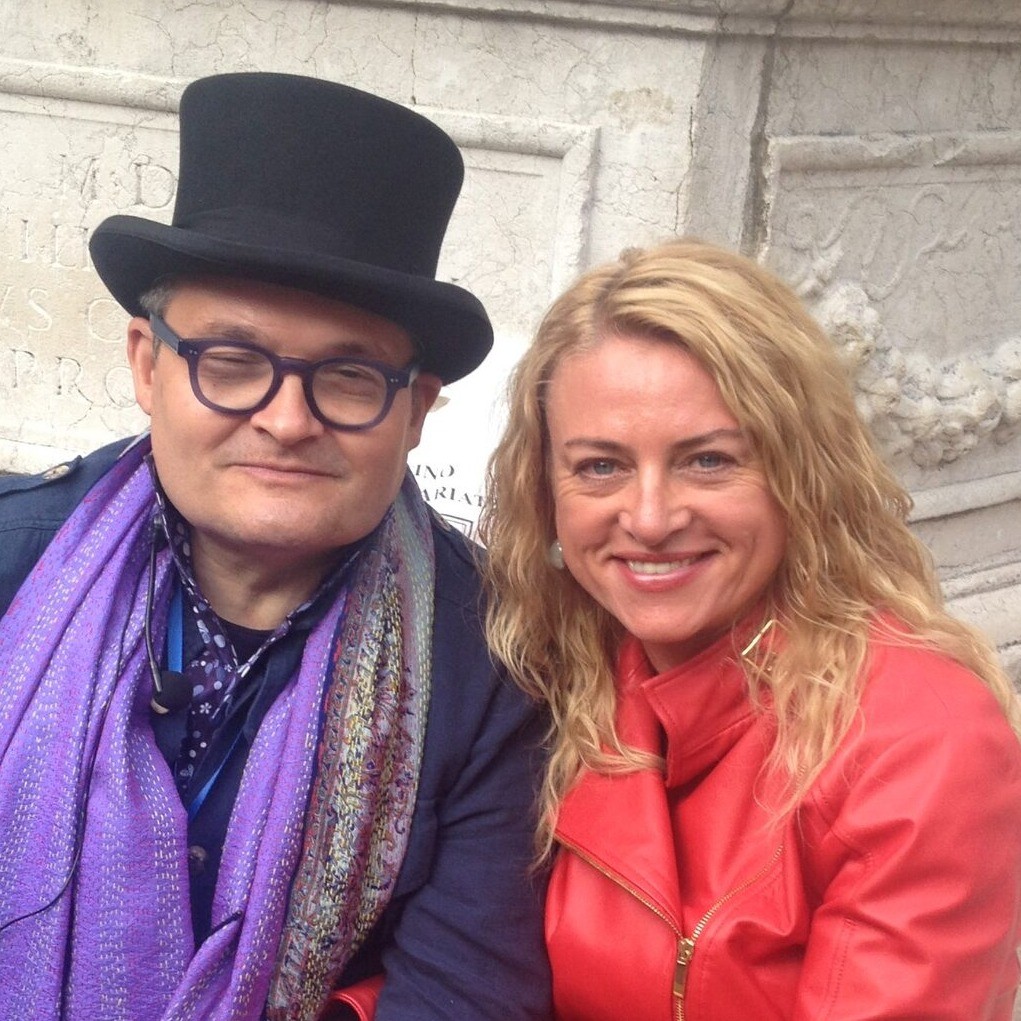
I will gladly help you to make a tour program, taking into account your interests. It is important for me not only to ac …

In just one week, a comprehensive acquaintance with Italy: its history, culture, customs, gastronomy. Visiting both the famous pea …

+7 929 990-77-21 +7 495 789-68-40 ext. 507 or 509 115419, Moscow, Shabolovka str., 34, p.3, office 253 1 day. Departure from …

We invite you to take a trip with our guide to Venice. Today Venice is one of the most romantic places on our planet, which is …
+7 929 990-77-21 +7 495 789-68-40 ext. 507 or 509 115419, Moscow, Shabolovka str., 34, p.3, office 253 1 day. Departure Mins …
This spring alone, 480 euros per person (including air travel, BB meals, and all excursions) Visit Italy and Switzerland. The uni …
The city of Venice, located in the northern part of Italy, has a rich history dating back to the fifth century. It was founded on an archipelago in the Adriatic Sea, where Italian residents fled barbaric invasions on land. Venice quickly became a maritime power, thanks to its strategic position and skill in maritime trade.
In the Middle Ages, Venice flourished due to its influence in trade, finance and culture. It was the center of republican rule, and then power in the city passed into the hands of the Doges, the head of the Venetian Republic. Venice is also famous for its architecture, including unique canals, chambers and churches.
In the sixteenth century Venice experienced its golden age, but in the following centuries its influence declined. At the end of the XVIII century it was conquered by Napoleon, and then became part of the Austrian Empire. In 1866, Venice joined the Kingdom of Italy.
Today, Venice remains one of the most unique and beautiful cities in the world, attracting millions of tourists with its architecture, cultural heritage and, of course, its canals. However, it also faces challenges, such as the smooth lowering of soil levels, which poses problems with rising water levels and the threat of flooding.

Venice is a magical city, immersed in romance and beauty, which invites you to plunge into the unique atmosphere of Italian culture. Here are a few things that will make your visit to Venice unforgettable:
Unique architecture and canals: Venice is famous for its magnificent architecture, including Piazza San Marco with St. Mark’s Basilica, Doge’s Palace and Campanila. The buildings of the city are decorated with patterned facades and balconies, and its narrow canals create a unique atmosphere, giving the city a unique character.
Gondoliers and water walks: Romantic gondola walks along the canals of Venice are an integral part of the visit. This allows tourists to enjoy the magnificent views, feel the spirit of history and fall in love with the slow rhythm of life of the city.
Cultural attractions: Venice is rich in cultural treasures, including many museums, galleries and theaters. Here you can enjoy the works of art in the Gallery of the Academy, visit the exhibitions in the Doge's Palace and appreciate the opera performances in the theater La Fenice.
Traditional cuisine: Venice is famous for its delicious Italian cuisine. Try traditional dishes such as risotto, fresh seafood and baccala (salted cod). Restaurants by the water offer unique views and unforgettable taste experiences.
Festivals and events: Venice has a rich tradition of festivals, including the famous Carnival. Participate in vibrant events where you can enjoy masquerades, costumed processions and cultural events.
The inviting atmosphere of Venice, its historical heritage and unique nature make this city one of the most attractive tourist destinations in the world.
Venice is rich in historical and cultural attractions, many of which are located in the central part of the city. Here are a few key locations and approximate distances from the center:
Piazza San Marco (Piazza San Marco) It is the main square of Venice and home to such significant architectural masterpieces as the Basilica of St. Mark, the Doge's Palace (Palazzo Ducale) and the Campanile (bell tower). They are all within walking distance of each other.
The Rialto Bridge: This famous bridge is one of the main architectural sights of Venice. Located on the Grand Canal, it is about a 10- to 15-minute walk from Piazza San Marco.
Academy (Gallerie dell'Accademia): One of the greatest art museums in the world, where you will find a collection of Italian artists. Located in the area of Dorsoduro, about 15-20 minutes walk from Piazza San Marco.
Spitz (Dorsoduro): This area is famous for many museums, galleries and cozy streets. This includes the Pinacoteca Acardemia, the Peggy Guggenheim Museum and others. The distance depends on the specific object, but on average about 15-20 minutes walk from the central squares.
Murano Island: Known for its glass workshops. To get to Murano, you can use the ferries that depart from Piazzale Roma. The journey time is approximately 30-40 minutes.
It is important to note that distances in Venice are often measured in walking time, as the city is full of narrow alleyways and bridges, making many attractions easily accessible to pedestrians.

The climate in Venice in Italy is typically Mediterranean, although the winter months are influenced by the continental climate. Here is an overview of the climate throughout the year:
Spring (March-May):
Summer (June - August):
Autumn (September to November):
Winter (December to February):
The time you choose to visit Venice depends on your weather and crowd preferences. Spring and autumn are generally considered the best times to travel.

Venice has a variety of accommodation options, ranging from more affordable options to luxury hotels. The level of comfort and service can vary greatly. Below is the general price order and service level:
Budget hotels and hostels:
Middle class and boutique hotels:
4-5 star hotels and luxury villas:
Palaces and Historic Hotels:
Keep in mind that prices and service levels may vary depending on the season and the specific hotel. Before booking, it is worth doing additional research to find the optimal price-quality ratio for your preferences.

Venice, like any other Italian city, has its own traditions, customs and laws that should be respected when visiting. Here are a few important aspects:
Respect for local culture:
Public transport rules:
Use of urban canals:
Buying tickets for excursions and museums:
Payment procedures and tips:
Compliance with laws:
Compliance with local traditions and respect for cultural differences will help you enjoy the positive experience of traveling to Venice.
Venice is famous for its bright and unique events, holidays and festivals that attract tourists from all over the world. Here are some popular events in Venice:
Carnival in Venice (Carnevale di Venezia)
Venice Film Festival (Mostra Internazionale d'Arte Cinematografica)
Vogalonga Regatta:
Festival of Redentore (Festa del Redentore):
International Festival of Arts (La Biennale di Venezia)
Festival of Colors "Festa del Bocolo"
International Festival of Contemporary Music Venice Music Biennale
Participation in one of these events can give your visit to Venice additional vivid impressions and allow you to immerse yourself in the unique atmosphere of this cultural city.

Venice and Italy in general are relatively safe places to visit, but as in any other city, you should be careful and follow basic safety rules. Here are a few recommendations:
Caution with values: Be vigilant about your values, especially in places where there are many tourists. Avoid carrying large amounts of cash and valuables.
Attention in the crowd: Popular tourist spots like Piazza San Marco can have crowds. Be careful and watch your belongings.
Public transport: Be vigilant on public transport, especially on water routes. Carefully monitor your luggage and personal belongings.
Be careful with street vendors and scammers. For example, be careful with restaurants that are located in tourist areas.
Documents:
Emergency situations:
For more information and updates on security in the region, it is recommended to visit the websites of your country’s consular services.

Create a query and local guides will offer you the best options


