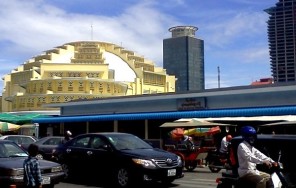
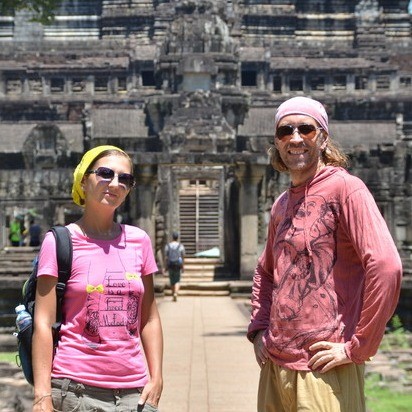
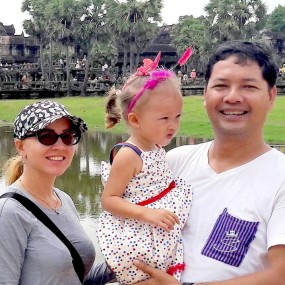
Phnom Penh is the capital and largest city of Cambodia, located in the center of the country on the banks of the Mekong River. The city is the political, economic and cultural center of the country, and its history is rich with events related to the colonial period, wars and the period of red terror.
Ancient history: The area on which Phnom Penh is located has been inhabited since ancient times. However, the city itself began to form in the 15-16 centuries, when a peasant village was created here. In 1434, after the conquest of Angkor by the Vietnamese, Cambodia officially became a vassal state of Vietnam, and Phnom Penh became an important center within this structure.
Colonial period: In the late 19th century, Cambodia became a French colonial possession, and Phnom Penh became a French colonial administrative base. During this period, the city underwent significant changes in architecture, many of the buildings were built in the style of French colonial architecture, giving the city some European charm.
Wars and conflicts: During and after World War II, Cambodia began an era of political instability and independence. In 1953, Cambodia gained independence from France. In the years that followed, the country faced wars and conflicts, including the Vietnam War and Khmer Rouge rule in the 1970s.
Red Horror: The events surrounding the Khmer Rouge had a profound impact on Phnom Penh. Between 1975 and 1979, the city became virtually deserted due to the Pol Pot regime’s policies of genocide and mass repression. Many residents were forced to flee their homes and many buildings were destroyed.
Post-Red Period: After the fall of the Khmer Rouge, the city began to rebuild. However, this period was also fraught with difficulties, such as infrastructure shortages and economic instability. In the following decades, Phnom Penh gradually transformed into a modern city with developed infrastructure, shopping and business centers, as well as cultural attractions.
Today, Phnom Penh represents a combination of ancient history, colonial heritage and modern development. The city is a place where tradition and modernity collide, and its streets, markets and temples attract tourists from all over the world.
Interesting places for entertainment in Phnom Penh
Phnom Penh, the capital of Cambodia, offers travelers a unique combination of rich history, cultural treasures and dynamic modern development. Here are a few aspects that can attract tourists to this exciting city:
Cultural heritage:
Temples and shrines: Phnom Penh is close to famous Angkor temples, including Wat Phnom and Wat Ong Tech. These magnificent temples provide a unique opportunity to immerse yourself in the spirit of ancient Cambodian culture.
Museums: The National Museum of Cambodia and the Tuol Slang Museum will tell tourists about the history of the country, its art and the challenges faced by the population in the past.
Architecture and art:
Colonial architecture: The old buildings in the city center are beautiful examples of French colonial architecture. These structures give Phnom Penh its unique character and add charm to the cityscape.
Contemporary art: In recent years, Phnom Penh has become a center of contemporary art in the region. Galleries and studios offer visitors the opportunity to see works by local and international artists.
Markets and cooking:
Markets: Russi Market, Central Market and Orasei Market attract tourists with their variety of goods, from traditional clothing and jewelry to local products and handicrafts.
Cambodian cuisine: The city is rich in a variety of culinary options. Tourists can taste the delicious dishes of Cambodian cuisine in street cafes and restaurants.
Nightlife and entertainment:
Bars and clubs: Phnom Penh offers a variety of options for those looking for a fun nightlife. Rooftop bars, clubs and cafes give the city a vibrant atmosphere after sunset.
Night markets: Night markets such as Noria Market and Forever Market offer a unique night shopping and entertainment experience.
Developing infrastructure:
Modern shopping and entertainment centers: New shopping centers and entertainment complexes attract those looking for modern conveniences and shopping.
Phnom Penh has a special charm, combining history and modernity, making it an attractive destination for tourists looking to discover the amazing diversity of Cambodia.
Phnom Penh features different hotel levels and other accommodation options, from luxury hotels to more affordable options. Here are some examples for different budgets:
Luxury hotels:
Rosewood Phnom Penh (5 stars): This luxury hotel is set in a tall building, providing stunning views of the city. The hotel has high-end restaurants, a spa and luxury rooms.
Raffles Hotel Le Royal (5 stars): One of the historic accommodations offering luxurious rooms, well-kept gardens and a swimming pool. The hotel attracts those who appreciate style and traditional hospitality.
Mid-class hotels:
Sunway Hotel Phnom Penh (4 stars): Cozy rooms, restaurants with local and international cuisine, as well as proximity to the main attractions make this hotel attractive for mid-budget tourists.
Teav Boutique Hotel (4 stars): Stylish rooms in modern design, friendly staff and convenient location make this hotel popular among those looking for comfort and affordable prices.
Economy class and hostels:
Mad Monkey Hostel Phnom Penh: This hostel is popular among young people and budget travelers. The fun atmosphere, social events and affordable prices make it an attractive option.
Onederz Cambodia (hostel): Convenient location, stylish common areas and comfortable bedrooms make this hostel an attractive option for those who appreciate the combination of price and quality.
Apartments and guesthouses:
You Eng Hotel: This guest house provides spacious rooms with basic amenities and also offers affordable prices for budget travelers.
Eighty8 Backpackers: Economical apartments, attractive for those who prefer more space and autonomy.
Phnom Penh has a variety of accommodation options suited to different preferences and budgets, making the city accessible and attractive to all kinds of travelers.
What to see in Phnom Penh City
Phnom Penh has a variety of attractions, offering tourists a fascinating experience of cultural, historical and entertainment places. Here are some of the city’s key attractions and information about transport accessibility:
Wat Phnom:
Description: This temple, also known as the "Hill Temple", is one of the most significant and beautiful temples in Phnom Penh. Its architectural beauty and religious significance attract tourists.
Transport: The best way to get to Wat Phnom is by taxi, tuk tuki and motorcycle taxis are also available.
Tuol Slang Museum (Genocide Museum):
Description: This museum is located in the former prison C-21, where the Red Khmer regime operated. The exhibition tells about the terrible events of the Pol Pot regime.
Transport: Easily available by taxi, tuk-tuk or motorcycle taxi.
Russian market (Psar Toul Tom Pong):
Description: This market offers a variety of products, from clothing and shoes to fresh produce and souvenirs. A great place to shop and dive into the local atmosphere.
Transport: Easily available by tuk-tuk or motorcycle taxi.
National Museum of Cambodia:
Description: This museum is home to a rich collection of artifacts related to Cambodian history, art and culture.
Transport: It is best to use a taxi, tuk-tuk or motorcycle taxi to visit.
Royal Palace and the Silver Temple:
Royal Palace is the residence of the King of Cambodia, and the Silver Temple inside the complex is an impressive structure covered with silver and precious stones.
Transport: Available by taxi or tuk-tuk.
The waterfront on the Mekong River:
Description: This is a great place to walk, relax and enjoy the views of the Mekong River. The waterfront offers restaurants and cafes overlooking the water.
Transport: Located in the city center and easily accessible on foot or by taxi.
Russi Market:
Description: This market is famous for its atmosphere and a wide range of products. Here you can find everything from clothes and shoes to souvenirs and jewelry.
Transport: Easily available by tuk-tuk or motorcycle taxi.
Phnom Penh is relatively compact and many of its attractions are located in the city center, making transportation between them easier. Taxis, tuk-tuks and motorcycle taxis provide convenient and affordable transportation options for tourists.
Cultural life and activities in Phnom Penh
Phnom Penh hosts a number of interesting events, festivals and celebrations throughout the year. It is important to note that the exact dates may change each year, so it is best to check for up-to-date information before traveling. Here are some popular events:
New Year (Choul Chnam Thmey):
When: Mid-April.
Cambodian New Year is a big holiday with vibrant street festivities, dances and cultural events. People stage water battles to mark the start of the new year.
King's Day (Visak Bochea):
When: The month of May.
Description: This day is dedicated to the memory of the Buddha and is celebrated with prayers in temples, candles and charity. Various religious events are held on this day.
Independence Day (Independence Day):
When: November 9.
A day dedicated to Cambodia's independence from France in 1953. Parades, cultural events and fireworks are held on this day.
Pha Peng Festival (Water Festival):
When: Late October - early November (dates may change).
Description: One of the largest and most exciting festivals in Phnom Penh, dedicated to the end of the rainy season and changing the direction of the Mekong River. Includes boat racing, musical performances and fireworks.
Bon Om Touk - Water and Moon Festival
When: November.
Description: Another important water festival includes boat races, cultural festivities and ceremonies. It also marks the end of the rainy season.
Phchum Ben - Festival of the Dead
When: September-October.
Description: A religious holiday dedicated to the respect of ancestors. People visit temples, offer food and prayers to the dead.
Concerts and musical events:
Throughout the year, Phnom Penh hosts various concerts and music festivals featuring both local and international artists. It is better to check the schedule of events before the trip.
These activities give Phnom Penh its liveliness and joy, giving tourists the opportunity to enjoy Cambodian culture and traditions at different times of the year.
Weather for travel to Phnom Penh
Phnom Penh, like most of Cambodia, has a tropical monsoon climate with two main seasons: dry and rainy.
Dry season (November - April):
Air temperature: During the dry season, air temperatures usually range from 25°C to 35°C. Between December and February, temperatures may be more comfortable.
Water temperature: The waters in the Mekong River and Tonle Sap Lake are usually warm, with temperatures around 25-28°C.
Features: This period is considered the best to visit as the rains are minimal and the air is fresh.
The rainy season (May - October):
Air temperature: Air temperature in the rainy season usually varies from 25°C to 32°C.
Water temperature: At this time of year, the water temperature can be the same as in the dry season, but rain can cause the water to cool temporarily.
Features: In the rainy season, most precipitation falls, and short-term but intense showers are possible. Rivers and lakes can spill, creating unique natural phenomena.
Best time to travel:
December to January: This is considered the best time to visit Phnom Penh due to its comfortable temperature and minimal rainfall. It is also a time of celebrations and festivals.
November and February: These months are also pleasant weather, and the number of tourists is usually slightly smaller.
In general, the choice of time to visit depends on the preferences of the tourist. Those who prefer to avoid rain and enjoy the sun will choose the dry season, while nature lovers can appreciate the green beauty of nature in the rainy season.
Language of communication, traditions and customs in Phnom Penh
Language of communication:
The official language of Cambodia is Khmer. In most tourist spots, hotels and restaurants in Phnom Penh, as well as other major cities, staff often speak English. There may also be generic phrases in French, and many people in the service industry are familiar with basic phrases in Chinese.
Traditions and customs:
Respect for local religion:
It is important to respect Buddhist shrines. Do not touch or enter temples in inappropriate clothing (such as short shorts or open dresses).
Make sure that your actions do not violate religious customs.
Greeting:
The standard greeting in Cambodia is parting is a light clanging of the head with bent palms. This is considered a respectful gesture.
Gift exchange:
If you are offered something as a gift, accept it with both hands. It's a show of respect.
Photos:
When photographing locals or in temples, ask for permission. Some places may not be allowed to photograph.
Respect for local culture:
Avoid criticism of the royal family and other members of the royal family, as well as political leaders.
Laws and regulations:
Drugs:
The sale and consumption of drugs is illegal and can result in severe penalties.
Respect for the Royal Family:
Expressing indignation or even caricatures of the royal family can be punishable by law.
Respect for national symbols:
The destruction or desecration of national flags or symbols may also have legal consequences.
Observance of customs in temples:
In temples it is important to observe silence and respect. Shoes must be removed at the entrance.
The treatment of money:
Do not show or distribute bank notes with your feet or hands, as this is considered disrespectful to the royal family.
Compliance with these traditions and laws will help create a positive impression and respect for the local culture when traveling to Phnom Penh and Cambodia.
The main dialogues for traveling to Phnom Penh
Learning basic local words and phrases can make your stay in Phnom Penh more enjoyable and enrich your communication with locals. Here are some useful words and phrases in Khmer:
Welcome:
Souasdei (suasdei ti?): Hey (how are you?)
Chomreb Lai (lay no?): How are you?
Polite phrases:
Aksah (layhak soi): Thank you (very much)
Soxabai (lay soiree): Sorry, sorry.
Acquaintance and performance:
Fuck: My name is...
Loms Bray: Nice to meet you.
Cohn (male)/Yay (female): Mr./Miss
General phrases:
Avgun? What is it?
Bath: Monetary unit of Cambodia
Purchase and trade:
Ta Ezz (Hmm): How much does it cost?
Expensive!
Cheap!
Food and drink:
Prigmey: Water
Mee: Food
Aroi Manikcha: Delicious!
Orientation:
Where?
Foot: Here.
There.
Farewell:
La omtey: Goodbye.
Useful expressions:
Ngai lerng: I don't understand.
Maun Anglias Goy: Do you speak English?
Note:
Transcription: The transcription uses a system close to Russian phonetics. Remember that it can have its limitations, and it would be best to learn a few basic rules of pronunciation in Khmer.
Learning a little local will help you communicate more easily with locals and create a warmer atmosphere during your stay in Phnom Penh.
Unique food, souvenirs and remedies in Phnom Penh
Food:
Amok (Amok): A traditional dish made from fish, chicken or other seafood baked in coconut milk with spicy herbs. A delicious and unique Cambodian dish.
Bai-Cha-Market: This is the place to try traditional Cambodian snacks, including curry cakes and fruit salads.
Medications:
Lukut (Lukut): This is an herbal drink that can be offered in local restaurants. It is often used to facilitate digestion and improve health.
Religious amulets: Local traditions include the use of religious amulets. Sometimes they are considered protection from illness and misfortune.
Souvenirs:
Apsara figures: Apsaras are divine dancers, and the figures depicting them often serve as fine souvenirs.
Silver jewelry: Silver jewelry such as bracelets and earrings are handmade and can be a unique and stylish souvenir.
Bamboo and rattan products: Handmade bamboo and rattan products, such as baskets and mats, can serve as wonderful souvenirs and functional interior elements.
Memorable things:
Cambodian silk: Silk products such as headscarves and sundresses are made from beautiful Cambodian silk and can be a great gift.
Handicrafts: Support local artisans by buying hand dolls, paintings, embroidered products or other unique items.
Useful advice:
Check the customs regulations: Make sure that the souvenirs you want to bring are in compliance with local and international customs regulations.
Keep in mind the cultural characteristics: Some products, especially religious ones, may require special treatment. Make sure you are familiar with the culture and rules before you buy something.
The choice of souvenirs and products depends on your preferences, but purchasing local goods can add uniqueness and memorable moments to your travel experience in Phnom Penh.
Rest safety and availability of travel documents in Phnom Penh
Rest safety:
Documents:
Your identity card (passport) should always be with you. It is also convenient to have copies of key documents to facilitate recovery in case of loss.
Insurance:
Medical insurance with international coverage is recommended. Make sure that insurance covers medical expenses, evacuation and accident insurance.
Emergency services:
Police: 117
Ambulance: 119
Fire service: 118
Mobile operators:
Popular mobile operators in Cambodia: Smart, Metfone, Cellcard. Provide data and communication services.
Street safety:
Be careful on the streets, especially when crossing roads. Tuk-tuks and taxis are safe means of transportation.
Water safety:
Be careful when using public transport on the water. Using boats with verified operators is safer.
Anti-theft measures:
Be careful with valuable things. Use a hotel safe and avoid carrying large amounts of money.
Stay in the country:
Visa:
Citizens of many countries can obtain a visa on arrival at the airport or border points. Check the visa requirements for your country.
Visa extension:
The visa can be extended in Phnom Penh. The common period of stay without departure is 30 days. After that, you may need to extend your visa.
Registration
Some hotels can help you with registration with local authorities, which is a must. Check this information when you arrive.
Safety in public places:
Avoid unsafe areas at night. Be vigilant about your stuff, especially in the crowd.
Emergency medical care:
Hospitals in Phnom Penh provide medical care. However, in the event of a serious illness or injury, medical evacuation may be required.
Subject to reasonable precautions and local laws, your holiday in Phnom Penh should be safe and enjoyable.
The site uses a web analytics service
Yandex Metrics
using cookie technology to make the site more convenient. You can prevent the processing of cookies in the browser settings.
Details in Privacy policy.