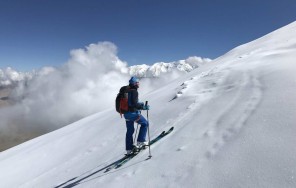
Independent tourism and recreation in Bishkek History of the appearance of the city of Bishkek Bishkek is the...

I invite you on a tour to the picturesque soaring bridge, one of the most breathtaking locations, because the bridge is located ab …

The route combines perhaps the most popular attractions available at any time of the year and located near the city of Bishkek: …

Tour for those who want to see the real Issyk-Kul, without crowds of tourists, an abundance of tourists and city crowds. The south …
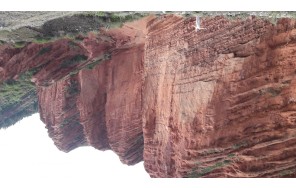
The most interesting places and attractions of northern Kyrgyzstan! The cities of Bishkek, Karakol, Cholpon Ata, Lake Issyk Kul. M …

A busy journey in one day: in the morning we leave Bishkek, and after a few hours – among the red canyons, wild beaches and panora …

Day tour of the city center of Bishkek + mountain gorge Ala Archa (natural park)

In the Boom Gorge, where the Chui region meets Issyk-Kul, there is an amazing place - the real Kyrgyz Grand Canyon, whose name is …
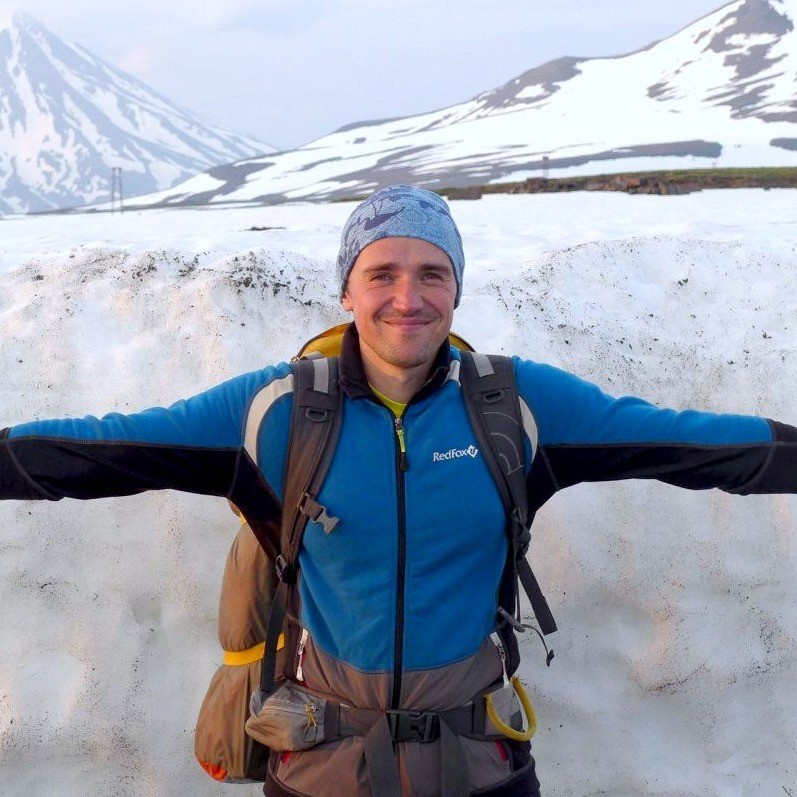
In 2018, a family travel company was opened. We organize trips of any complexity: hiking and mountain hikes, tours wi …

5-7 day trip to Kyrgyzstan! Starts in Bishkek (Manas Airport) We visit hot-thermal pools every day. We get a massa …

I organize one-day, multi-day individual tours and excursions around Kyrgyzstan. Combined tours, trekking tours. I provi …

I will take you tours of locations like, the most beautiful lake of Sary Celek, emerald lake Kol Tor, Altyn Arashan with …

The park has routes for tourists of any level. There are both paved roads, ideal for the elderly or family walks, and uncrowded pa …

Tour dates: 14-20 and 22-28 July. Your impressions: You will visit Konorchek Canyon, where you will feel like the characters …

Tour dates: 11 - 17 May, 19 - 25 May. Your impressions. - You'll see the fields of red poppies. May is the month of active poppi …

Located between Kyrgyzstan and Tajikistan in the Pamir Mountains, Separate will be an ideal mountain for beginner climbers. As one …

The canyon tour begins at the foot of the mountain range surrounding the canyon system. Before you see the canyon itself, you will …

The first stage of our tour is a trip from Bishkek, in my car, towards the city. Tokmak, next to which there is an ancient settlem …
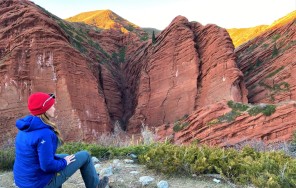
Not many people know that the mountains occupy 80% of the territory of Kyrgyzstan. It is a country of mountain peaks and lakes, go …
Bishkek is the capital and largest city of Kyrgyzstan. Its history is rich and dates back to ancient times. In different periods of history, the city bore various names such as Balasagun, Pishpek and Frunze before being renamed Bishkek in 1991.
Ancient times: The history of the area where modern Bishkek is located goes back thousands of years. In ancient times, these lands were part of the road connecting Central Asia with China and India. Various civilizations, including Sacas, Departeds and nomads, have left their mark in this region.
The Middle Ages: In the Middle Ages, the city of Balasagun existed on the territory of modern Bishkek, one of the important trade and cultural centers of the Karakan Khanate. In the 13th century, the city became part of the Genghis Khan Empire and then the Timurid Empire.
The Russian Empire and the Soviet period: At the end of the 19th century, these lands came under the influence of the Russian Empire. In 1878, the Pishpek fortress was founded here, which became the starting point for the formation of the city. In 1926, after the establishment of Soviet power, the city received the name Frunze in honor of the Soviet commander Mikhail Frunze.
After the collapse of the Soviet Union: In 1991, after the collapse of the Soviet Union, the city was renamed Bishkek and became the capital of independent Kyrgyzstan. Since then, the city has undergone a process of modernization and has become a major political, economic and cultural center of the republic.
Modern Bishkek: Today, Bishkek is a modern city with developed infrastructure, universities, shopping centers and cultural attractions. The city is famous for its parks, museums, architectural monuments and picturesque views of the mountains.
Bishkek retains its unique atmosphere, combining traces of ancient history, Soviet heritage and modern Kyrgyz culture.

Bishkek, the capital of Kyrgyzstan, is an exciting and attractive destination for tourists, combining a rich historical heritage, cultural diversity and beautiful natural scenery. Here are a few things that might interest travelers:
Cultural Heritage: Bishkek has a unique cultural mix reflecting the influence of ancient civilizations, the Mansias, the Russian Empire and the Soviet era. Tourists can visit museums, architectural monuments and historical areas to immerse themselves in the city’s rich history.
Architecture and urban life: Bishkek impresses with its atmosphere, where modern buildings coexist with architectural masterpieces of the past. Picturesque streets and parks give the city comfort and harmony. Cafes, restaurants and markets offer travelers to enjoy the local cuisine and authentic atmosphere.
Natural beauties: There are beautiful mountains and nature reserves around Bishkek. Tourists can go hiking or excursions to enjoy magnificent views, mountain lakes and picturesque valleys. This place is ideal for lovers of active recreation and natural beauty.
Hospitality and culture of the people: Bishkek residents are known for their friendliness and hospitality. Tourists can immerse themselves in Kyrgyz culture, participate in national holidays, taste national food and communicate with the local population.
Modernity and tradition: Bishkek is a modern city with developed infrastructure, but at the same time retains its traditions. Tourists can enjoy a variety of entertainment, from night markets to modern art galleries and theaters.
Bishkek is a unique combination of history, culture and nature, making it an attractive destination for tourists looking to discover the amazing diversity of Kyrgyzstan.
Bishkek offers a variety of accommodation options, from luxury hotels to more economical options, making it accessible to a wide range of tourists. Here are some examples of different levels of residence:
Five-star hotels:
Four-star and three-star hotels:
Middle-class hotels and boutique hotels:
Economy options and hostels:
Apartment rental and guest houses:
Bishkek provides a variety of accommodation options, taking into account the budget and preferences of tourists, which makes it attractive for different categories of visitors.
Bishkek, the capital of Kyrgyzstan, is rich in a variety of attractions reflecting a rich cultural heritage and beautiful natural landscapes. Here are some of the main attractions of the city and information about transport accessibility:
Ala-Too Square:
Osh Bazaar:
National Museum of Kyrgyzstan:
Panfilov Park:
Jalal-Abad Mosque:
The Manas monument:
The transport system in Bishkek includes public buses, minibuses and taxis. The city is also relatively compact, making it easier to travel on foot between many attractions. Tourists can also use taxis or rented cars for a more comfortable journey.

Bishkek comes alive with a variety of events and festivals throughout the year, offering tourists and locals unique cultural and entertainment opportunities. Here are some popular events that can occur at different times of the year:
February:
March:
May:
June:
September:
November:
December:
These are just a few examples, and relevant activities can change from year to year. Picturesque natural landscapes, cultural events and hospitality make visiting Bishkek at any time of the year interesting and memorable.

Bishkek is located in the central part of Kyrgyzstan and has a continental climate with pronounced seasons. Here is an overview of the climate at different times of the year:
Spring (April to June):
Summer (July - August):
Autumn (September to November):
Winter (December to March):
Best season to travel: Based on the climatic features, summer (July - August) is considered the best time to travel to Bishkek. Warm temperatures and sunny weather create ideal conditions for a variety of activities and sightseeing.

Language of communication: The official language in Kyrgyzstan is Kyrgyz, and the majority of the population speaks this language. Russian is also widely used, which is the second official language and is widely used in communication, especially in cities and official spheres. In most tourist destinations and hotels, English may also be in demand, but knowing basic phrases in Russian or Kyrgyz can be helpful.
Traditions and customs:
Hospitality: Kyrgyzstan is famous for its hospitality. Guests are often offered tea, sweets and national dishes. Accept an invitation for tea and lunch with the hosts.
Respect for elders: Respect for elders is an important part of Kyrgyz culture. Respect for seniors in age and status should be shown.
Clothes: In central Bishkek, people often dress in modern European clothes, but when visiting villages or participating in traditional events, it is appropriate to choose a more conservative style of dress.
Ask permission politely before photographing locals, especially in rural areas. Some people may be hidden, especially older people.
Religious places: In churches and mosques, respectful behavior should be observed and, possibly, shoes should be removed when entering.
Laws:
Visiting Kyrgyzstan with drugs is strictly prohibited and punishable by law.
Alcohol: Alcohol consumption laws restrict its use on streets and public places.
Tobacco: Smoking is prohibited in public places, public transport and some public buildings.
Safety: Caution should be exercised in mountains and natural areas, follow safety instructions and notify your plans in advance.
Respect for cultural sites: Theft and damage to historical and cultural sites is prohibited.
Travelers should be aware of local customs and laws in order to respect the local culture and ensure the safety of themselves and others.
Learning some basic words and phrases in the Kyrgyz language can make your trip more enjoyable and enrich your experience with locals. Here are some useful phrases:
Greeting:
Basic politeness:
Clarification of information:
At the restaurant:
Orientation:
Important phrases:
Ask for help:
Farewell:
Transcription in this context is used to convey pronunciation. It is important to remember that the Kyrgyz language uses the Cyrillic alphabet, and for a better understanding it is advisable to familiarize yourself with the basic letters and their pronunciation.
Food:
Shashlik and manta: Shashlik is a dish of meat, usually lamb, cooked on a grill. Manty are traditional Kyrgyz dumplings with various fillings.
Lagman: A traditional dish of noodles, meat, vegetables and spices.
Salads with boiled vegetables: Kyrgyzstan offers a variety of salads using fresh vegetables, often with added greens and spices.
Medications:
Rosehip: Rosehip is rich in vitamin C and is often used in tea preparation.
Altai honey: Honey from this region is considered useful due to its medicinal properties.
Thybretz: It is used in folk medicine as a means to improve digestion and general health.
Souvenirs:
Shyrmak: Traditional Kyrgyz biscuits, often brought as souvenirs.
Sherpa: National wool clothing, especially headgear, is often purchased as a unique souvenir.
Lentil pillows: Often embroidered national patterns on pillows are a beautiful and traditional souvenir.
Culinary specialties:
Chorsun (garlic oil): This oil is made from garlic, and it is added to various dishes, giving them a unique taste.
Soumolok: A traditional drink that is made from dairy products.
Iran: Another popular drink based on fermented milk product.
Feather fabrics and articles:
The broad Kyrgyz belt is a traditional belt that is often worn in everyday life and national holidays.
Kyrgyz carpets: Exquisite hand carpets with traditional ornaments.
Fetra toys: Handmade works of bright felt, representing national symbols and characters.
Souvenirs and products brought from a trip to Bishkek often reflect the richness of Kyrgyz culture and become a wonderful reminder of your trip.
Bishkek is considered relatively safe for tourists, but as in any other place, basic precautions must be followed. Here are a few recommendations:
Documents and values: Keep important documents (passport, insurance, tickets) in a safe place. Copies of documents are recommended.
Dangers on the street: Be vigilant on the streets, especially at night. Avoid dark and light streets.
Transport: Use official taxis and public transport. Walk around in safe areas.
Drinking water: It is better to drink bottled water, especially outside the city.
Medical care: Make sure you have insurance that covers medical expenses. Medical services are available, but standards and equipment may vary.
Documents and insurance:
Passport: Check the validity of your passport. Some citizens require a visa to enter.
Visa: Check if you need a visa to enter Kyrgyzstan. Foreign nationals can visit the country without a visa for a certain period of time, but it is advisable to check the requirements at your consulate.
Insurance: Health insurance covering treatment and evacuation costs can be helpful. Insurance against loss of luggage and cancellation of travel is also recommended.
Emergency services and telephones:
Emergency services: In case of emergency, call 112. There are also ambulance services (103), police (102), fire service (101).
Mobile communications: In Bishkek and other major cities, mobile communication is well provided. Local operators include Beeline, Megacom and O!
Duration of stay: Most foreign citizens can stay in Kyrgyzstan without a visa for 60 days. To extend the period of stay, it is recommended to contact the local migration service office or embassy.
Create a query and local guides will offer you the best options