Independent trip and overview of Kuala Lumpur in Malaysia! History of Kuala Lumpur Kuala Lumpur is the capital...

This tour is ideal for transit passengers, as well as on arrival or on the day of departure from Kuala Lumpur. Tour to the new ad …

Malacca is the most historic state in Malaysia. It was recognized as a UNESCO World Heritage Site in 2008. Malacca has been count …
I have been telling tourists about our beloved and beautiful Malaysia for more than 25 years and if you are looking for an unforge …

Climbing a glass cube in the 421-meter-high TV tower is the tallest tower in Southeast Asia and the seventh-tallest telecommunicat …

Ipoh is the capital of the state of Perak in Malaysia and a fairly large city with a population of more than 700 thousand people. …

Putrajaya is the new administrative capital of Malaysia. Hard to believe, but this magnificent city was built in just 6 years. Her …

You will get acquainted with a unique mixture of modern and colonial architecture, a variety of nationalities and religions. You w …

For more than twenty years of history, we have prepared and debugged a rich excursion program adapted for Russian-speaki …

Services: individual toursgroup tourtransfer from the airport to Kuala Lumpur and other regions of Malaysiarentalinte …
Kuala Lumpur is the capital and largest city of Malaysia. The history of this city dates back more than 150 years. At the beginning of the XIX century there was a small village, founded in 1857 by British colonizers during the boom in the mines in the region.
The word Kuala Lumpur comes from the Malay language, where Kuala means the mouth of the river and Lumpur means the furrow. The city grew rapidly thanks to tin mining and rubber plantations.
In 1957, when Malaysia gained independence from Britain, Kuala Lumpur became its capital. The city actively developed, becoming the economic and cultural center of the region. Today Kuala Lumpur is known for its tall skyscrapers, modern infrastructure, rich cultural scene and a variety of cuisine.

Kuala Lumpur, the capital of Malaysia, attracts tourists with its unique combination of modernity and tradition. The city offers an unforgettable experience worth exploring for tourists:
Historical heritage: Visitors can immerse themselves in the city’s rich cultural heritage by visiting places such as the Museum of National History and the Old Palace. Here you can learn about the rich history of Malaysia.
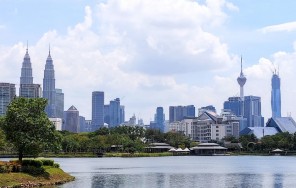
Modern architecture: The strong contrast is represented by tall skyscrapers such as the Petronas Tower and other modern architectural masterpieces. The city view from the top floor of Petronas Tower is a unique impression.
Shopping and entertainment: Kuala Lumpur is known for its shopping malls, including Berjaia Times Square and Pavilion, where tourists can enjoy shopping and relaxing in cafes and restaurants.
Gastronomy: The city is famous for its variety of cuisine. Tourists can taste authentic Malaysian, Chinese and Indian cuisine at street markets and restaurants.
Ethnic mosaic: Kuala Lumpur represents a unique mix of ethnic groups including Malays, Chinese, Indians and others. Tourists can visit cultural quarters such as Chinatown and the Malay Quarter to immerse themselves in the diversity of ethnic traditions.
Natural oases: The city is surrounded by natural beauties such as Batu Park and Lake Titiwangsa, where tourists can enjoy nature and outdoor activities.
With an amazing combination of cultural heritage, modern attractions and gastronomic pleasures, Kuala Lumpur offers a unique experience for tourists, making it an attractive destination for all travel enthusiasts.
Kuala Lumpur offers many unique attractions representing the diversity of its cultural, historical and modern heritage. Here are a few key locations and the distance from the city centre:
Petronas Towers (Petronas Towers): The iconic Petronas Towers are a symbol of the city. Distance from the city center: about 2 km.
The Old Palace (Sultan Abdul Samad Building) Historical building in the style of Moorish architecture, located in the city center. Distance from the city center: within 1 km.
Batu Caves (Caves of Batu): A sacred place with temples in caves and a huge statuette of Murugan. Distance from the city center: about 13 km.
National Museum of Malaysia: A museum dedicated to the history and culture of Malaysia. Distance from the city center: approximately 3 km.
Brickfields Quarter: Also known as the Malay Quarter, it is a place where traditional and modern elements blend into a single picture. Distance from the city center: within 3 km.
Chinatown: A vibrant neighborhood with traditional Chinese shops and restaurants. Distance from the city center: approximately 2 km.
Burjaya Times Square (Bukit Bintang): It is a shopping and entertainment area with upscale shops, restaurants and nightclubs. Distance from the city center: about 3 km.
Batu Park: An oasis of nature in the city center with a botanical garden and picturesque ponds. Distance from the city center: approximately 7 km.
Please note that distances can vary slightly depending on the specific location in the city center, and they are provided approximately. The city has a developed infrastructure, including a public transport system, so access to attractions is usually easy.

Kuala Lumpur is located in the tropics and its climate is usually characterized by high temperatures and humidity throughout the year. Here is an overview of the climate in Kuala Lumpur:
December-February (Monsoon Northeast):
March to April (Transitional period):
May - September (Monsoon Southwest):
October - November (Transitional period):
Tourists planning a trip to Kuala Lumpur often prefer to visit the city between December and February, when the weather is most favorable. However, due to its tropical climate, Kuala Lumpur is attractive all year round, and each season offers its own unique recreational opportunities.
Kuala Lumpur offers a variety of accommodation options, ranging from budget hotels to high-end luxury resorts. The level of comfort, prices and service may vary depending on the type of accommodation you choose. Here is the general order of prices and level of service for different categories of accommodation:
Budget hotels and hostels:
Mid-class hotels:
High-end hotels:
Exclusive resorts and boutique hotels:
The general level of service in Kuala Lumpur is usually high and many hotels provide modern facilities. You will also find a variety of options for accommodation in the city center, close to shopping centers, attractions and public transport. It is important to choose a hotel according to your preferences, budget and expectations.

Language of communication: The official language of Malaysia is Malay (Bagusa Malay). It is a common language for most of society, and national documents, road signs and official announcements are most often written in Malay. However, in Kuala Lumpur you will also find many people speaking English, which is often used in business, tourism and education. In addition, many speak Chinese and Tamil (especially in the Indian community).
Traditions and customs:
Greeting: Greeting in Malaysia usually involves bowing your head, especially when dealing with older or more formal situations.
Religious places: When visiting temples and mosques, be respectful of local traditions. Dress modestly, take off your shoes before entering and respect the rites.
Food traditions: During meals, the right hand and spoon are usually used. Try local dishes and don’t forget to thank for the hospitality.
Line: Stand in line when necessary and give way to older or disabled people.
Laws and regulations:
Drugs: Strict drug laws. The punishment for drug offences can be very severe.
Religious respect: Insulting religion, especially Islam, can be punishable. Be careful and respect religious customs.
Tobacco and alcohol legislation: Smoking is prohibited in public places such as vehicles and restaurants. Alcohol is only available in licensed shops.
Clothes: In public places, it is best to avoid dressing too revealing to respect local norms.
Compliance with local traditions and laws will help you avoid misunderstandings and create a positive impression of your trip to Kuala Lumpur.

Kuala Lumpur is rich in a variety of cultural events, events and festivals. Here are some popular ones:
Tampatan Hari Raya: This festival marks the end of the month of fasting Ramadan and includes a variety of cultural events, parades and traditional treats. Residents give gifts and congratulate each other on the holiday of Hari Raya.
Chinese New Year: Kuala Lumpur hosts a variety of Chinese New Year events, including parades, lion and dragon dances, fireworks and traditional Chinese celebrations.
Taipusam: It is a Hindu festival celebrated in honor of the god Murugan. Believers go through rituals and prayers, and hold colorful parades where heavy decorated carioles are worn.
Malaysia Day (Hari Malaysia): This holiday marks the unification of Malaysia and Singapore into a federation. On this day there are festive events, parades and fireworks.
Malaysian International Gourmet Festival: A festival dedicated to cooking where you can enjoy dishes from the best chefs and restaurants in the region.
Kuala Lumpur International Film Festival: The event provides a platform for showing the best films from different countries and supporting cinematic art.
Durian Festival (Durian Festival): Fans can enjoy this fruit in various forms and forms at this festival, which is dedicated to the “king of fruits”.
Kuala Lumpur International Arts and Design Festival An art and design event featuring artists and designers from around the world.
These events provide a unique opportunity to immerse yourself in the diversity of Kuala Lumpur cultures and enjoy the richness of traditions and contemporary creative expressions.

Kuala Lumpur is considered a relatively safe city for tourists, but as with any major city, there are some precautions. It is important to follow general safety rules, such as keeping valuables, especially in crowds, and avoiding dark and lighted streets at night.
Documents:
Insurance:
Emergency services:
Mobile operators: Kuala Lumpur has many mobile operators such as Maxis, Celcom, Digi and others. You can purchase a SIM card on-site to provide communication during your stay.
Duration of stay:
Safety levels and regulations may vary, so it is important to keep up-to-date information before travel and, if necessary, contact local official sources.
Create a query and local guides will offer you the best options