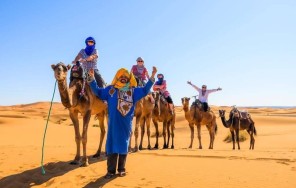
Morocco is one of the most authentic and beautiful countries in the world. African, Arab and European customs and traditions inter …
146000 ₽
man
Oh. Casablanca
Independent travel and view of the city of Casablanca!
A brief history of the city of Casablanca
Casablanca is the largest city and economic center of Morocco, located on the Atlantic Ocean. The city has a rich history that spans several periods, starting from ancient times.
Antiquity and the colonial era: The city has an ancient history associated with the Phoenician settlements that existed on this territory more than 2 thousand years ago. In the following centuries in the territory of modern Casablanca there were Roman settlements and Islam cities.
However, the modern appearance of the city was formed during the colonial period. In the 19th century, Casablanca was a haven for European traders and became one of the centers of colonial presence in Morocco. The French consolidated their influence in the region and Casablanca became a strategic port.
Independence and development: In 1956, Morocco gained independence from France, and Casablanca became an important center for the development of the country. The city became a place where traditional Moroccan culture and Western influences converged.
Economic growth: Casablanca has become the country’s economic engine. It has become an industrial and financial center, with many business centers and banks. The city's port remains an important transportation hub, providing links to Europe and other parts of Africa.
Architecture and culture: Casablanca is known for its amazing architecture, combining elements of traditional Moroccan style and modern buildings. A famous architectural landmark is the Hassan II Mosque, one of the largest mosques in the world, embodying a modern and traditional architectural style.
Tourism: Casablanca also attracts tourists with its beautiful beaches, restaurants, historical attractions and picturesque medina. The city is becoming an increasingly popular destination for tourists looking to enjoy Morocco’s authentic atmosphere and modern amenities.
The city of Casablanca continues to develop and play an important role in the economy and cultural life of Morocco, providing a unique blend of tradition and modernity.
What is interesting about the city of Casablanca
Casablanca in Morocco is a unique blend of tradition and modernity, making it an exciting destination for travelers and tourists alike. Here are a few things that can catch the attention of travelers:
Hasan II Mosque: This majestic mosque is an icon of Casablanca and one of the largest Muslim temples in the world. Its stunning architecture, incorporating elements of traditional Moroccan art and modern technology, attracts people from all over the world.
Beaches and maritime entertainment: Casablanca is located on the Atlantic Ocean, offering beautiful beaches and opportunities for water activities. Tourists can enjoy sunny days on the beach, surf, and try fresh seafood at local restaurants.
Medina and the traditional market: The historical medina of Casablanca immerses visitors in the authentic atmosphere of Moroccan culture. Traditional markets offer a variety of goods including handicrafts, clothing, jewelry and traditional Moroccan spices.
Gastronomy paradise: Casablanca is famous for its culinary scene. The city’s restaurants offer authentic Moroccan dishes such as Tajins, couscous and a variety of local desserts. In addition, ocean-view restaurants offer a unique dining experience with scenic views.
Modern entertainment: Casablanca is a modernized city with modern infrastructure, business centers and numerous shops. Tourists can enjoy shopping in malls, visit nightclubs and bars, and enjoy a variety of cultural events and festivals.
Local hospitality: The people of Casablanca are known for their warmth and hospitality. Tourists can feel the warmth and friendliness of local residents, which creates a unique atmosphere of comfort and security.
All these elements make Casablanca an attractive place for travelers, which combines rich cultural heritage, beautiful natural landscapes and the modern appearance of the metropolis.
Casablanca has a variety of accommodation options, from luxury hotels to more affordable options providing comfortable accommodation. Here are a few hotel levels and examples of popular places to stay:
Luxury hotels: In this category are luxury hotels with a high level of service, comfort and amenities. Some include spas, world-class restaurants and other exclusive amenities.
Examples:
Four Seasons Hotel Casablanca: This hotel offers luxurious rooms, restaurants with fine cuisine and its own beach.
Hyatt Regency Casablanca: Luxury hotel with modern design, rooftop swimming pool and excellent views of the city.
Average hotel levels: Mid-range hotels provide good comfort and service at more affordable prices. They often offer basic amenities and cozy rooms.
Examples:
Kenzi Tower Hotel: Modern hotel with good location, fitness center and restaurants.
Le Casablanca Hotel: This hotel combines style and comfort, offering guests cozy rooms and quality service.
Economy hotels and hostels: For budget travelers, there are many more affordable options such as economy hotels and hostels. They provide basic amenities and are often located in the city centre.
Examples:
Ibis Casablanca City Center: Economical hotel with simple but comfortable rooms and convenient location.
The Seven Hotel: This hotel offers affordable accommodation with a modern design and friendly atmosphere.
Apartments and guesthouses: For those who prefer a more homely lifestyle, there are apartments and guesthouses. They provide more space and often have a kitchen.
Examples:
Mogador Marina: Aparthotel with modern apartments, swimming pool and beautiful sea views.
Dar Diafa: Traditional guesthouse with authentic atmosphere and comfortable rooms.
These different accommodation options make Casablanca affordable and attractive for different categories of travelers with different budgets and preferences.
Attractions in the city of Casablanca
As Morocco’s largest city, Casablanca offers a variety of attractions combining history, culture and modern entertainment. Here are some of the main places worth visiting:
Hassan II Mosque (Hassan II Mosque) This magnificent structure is one of the largest mosques in the world. Its minaret with a height of more than 200 meters is the tallest in the world. The mosque impresses with its architecture and is located right on the Atlantic coast.
Casablanca Medina: The historical part of the city, where you can walk through the narrow streets, visit traditional markets, enjoy the authentic atmosphere and buy handicrafts and souvenirs.
Cornish Casablanca (Corniche): Beautiful promenade, located along the Atlantic coast, where you can enjoy beautiful views, walks and visits to numerous restaurants and cafes.
Gardens of Anfa (Parc de la Ligue Arabe): These extensive public gardens provide the opportunity to relax in a green oasis and enjoy a quiet atmosphere.
Riksos Restaurants and Cafés: The Riksos area offers many restaurants, bars and cafes where you can taste local dishes as well as enjoy the city's nightlife.
Transport accessibility of places in Casablanca is quite convenient:
In-city transport: Casablanca has a well-developed public transport network, including buses, trams and taxis. This makes it easy to move around the city and access different areas.
Transportation to attractions: Many of the city’s main attractions are in the center or near public transport, making them easier to visit.
Taxi and car rental: Taxis in Casablanca are a widespread means of transportation. There are also car rental services, which provides the possibility of a freer and more independent travel around the city.
Walks and bicycles: Some areas, especially the promenade and the old part of the city, are well suited for walking and bike rentals, allowing you to explore the surrounding area more thoroughly.
With these transport options, visitors can easily reach the main attractions and enjoy everything Casablanca offers.
Activities in Casablanca
Casablanca, like many other places, hosts various events and festivals at different times of the year. Morocco as a whole, including Casablanca, boasts cultural diversity and this is reflected in the various events that take place throughout the year. Here are some popular events:
The Gnaoua World Music Festival (Mauritania) This festival brings together world music and the art of Gnaois, Morocco’s traditional musical style. It is held in Essaouira, near Casablanca, and offers amazing musical performances, dance and art.
The Casablanca Festival: An annual festival in honor of the city, offering a wide range of events such as concerts, theater productions, art and cultural exhibitions. This festival usually takes place in spring or summer.
International Festival of Young Film Directors: The festival is aimed at supporting young talented filmmakers presenting their work in various categories. The event attracts the attention of filmmakers and connoisseurs of cinema.
Ramadan: It is a holy month for Muslims when they fast from dawn to dusk. In Casablanca, as in other cities of Morocco, this period is accompanied by various activities, including traditional evening treats and cultural events.
Ashura Festival: It is a Muslim holiday celebrated on the tenth day of the month of Muharram. Various religious and cultural events are held on this day, including parades and theatrical performances.
Holi Festival: Although Holi is not a traditional Moroccan holiday, Casablanca can also host events related to this Indian festival of flowers and joy.
The exact dates may vary depending on the lunar year calendar and the organizers’ decisions. It is important to clarify current events and dates before traveling to Casablanca.
Weather conditions for travel to Casablanca
The climate in Casablanca in Morocco is Mediterranean, with mild winters and hot summers. At different times of the year, temperatures and weather conditions can vary significantly. Here is an overview of the climate in different seasons:
Spring (March-May):
Air temperature: 18°C - 25°C.
Spring is a great time to visit. The comfortable weather, flowering and green landscapes make this period very attractive.
Summer (June - August):
Air temperature: 25 ° C - 30 ° C and above.
Summer in Casablanca is very hot, especially in July and August. Many tourists prefer to avoid the city during the hottest period.
Autumn (September to November):
Air temperature: 20°C - 28°C.
Autumn is also a good time to visit. The weather is getting cooler but still very pleasant.
Winter (December to February):
Air temperature: 12°C - 18°C.
Winter in Casablanca is mild and relatively cool. Little rain may fall at this time of year.
Water temperatures in the Atlantic Ocean can range from pleasant spring and autumn (ranging from 17°C to 20°C) to cooler winters (about 15°C to 17°C).
Best season to travel: The best time to visit Casablanca is spring (March - May) and autumn (September - November), when the climate is pleasant and the air and water temperatures are in comfortable limits. These periods provide ideal conditions for excursions, beach holidays and enjoying the local culture without the excessive hot summer sun or humidity.
Traditions, customs and language of communication in Casablanca
Language of communication:
The official language in Morocco is Arabic, but French is also widely used. Many Moroccans, especially in tourist areas, can speak English. It’s helpful to learn a few phrases in Arabic or French, which can improve your interaction with locals.
Traditions, customs and laws:
Clothes:
Observe respectful and conservative dressing, especially when visiting places of religious significance.
Light clothing is suitable in summer, but avoid overly open outfits in public places.
Shopping:
Trading is common in shops and markets. Trading is the norm and it is part of the shopping culture.
Religious monuments:
When visiting mosques, dress modestly and take off your shoes before entering.
Photography inside mosques may not be allowed, check local regulations.
Food and drink:
Follow the rules of cleanliness when eating. Use your right hand to eat because your left hand is considered unclean.
Alcohol is available in many places, but make sure it complies with local laws.
Communication:
Be respectful and friendly. Greeting is considered an important aspect of communication.
Avoid public displays of feelings and caresses when visiting public places.
Photos:
Ask permission before photographing locals, especially women.
Military facilities may not be allowed to be photographed, check the signs.
Safety:
As in any other place, watch your valuables, especially in tourist areas.
Maintain vigilance in public vehicles.
Other:
Comply with the laws of the country, especially regarding drugs that are considered a crime.
Avoid discussing politics or religious topics in public.
Popular language phrases and dialogues to travel to Casablanca
Knowing basic words and phrases in the local language, Arabic, can make it much easier to interact with locals and create a more enjoyable travel experience. Here are some useful words and phrases:
These phrases can be helpful when interacting with locals. It is important to remember that trying to use the local language, even if you only know a few words, is often met with understanding and friendliness.
Food, medicines, souvenirs and gifts in memory of the city of Casablanca
Food:
Tajine: Description: A traditional Moroccan dish, prepared in ceramic dishes with a conical lid. It can be meat (usually lamb) with vegetables and fragrant spices. How to buy: You can buy Tajin or spices for it in local shops.
Couscous: Description: A popular dish consisting of finely ground wheat pellets is usually served with meat, vegetables or fish. How to buy: Couscous and related ingredients can be purchased in stores or markets.
Moroccan Mint Tea (Moroccan Mint Tea) Fragrant tea with mint and sugar, which is an important part of Moroccan culture. How to buy: You can buy spices for tea or a ready-made kit for brewing Moroccan tea.
Medications:
Argan Oil (Argan Oil): Description: Oil known for its moisturizing properties for skin and hair. It is also used in Moroccan cooking. How to buy: In local markets or specialty cosmetics stores.
Saffron: Description: Moroccan saffron is famous for its quality. It is used in cooking and is considered healthy. How to buy: Saffron can be purchased at markets or in specialty stores.
Souvenirs:
Ceramic dishes: Description: Manual painting on ceramics is one of the traditional arts in Morocco. Plates, cups, Tajins are great souvenirs. Where to buy: Markets and workshops across the city.
Carpets and textiles: Description: Colored carpets and textiles with traditional Moroccan patterns. Where to buy: Stores near the markets.
Home souvenirs:
Lamps and lamps: Moroccan lamps and lamps made of metal and glass create a cozy atmosphere. Where to buy: In specialty stores and markets.
Medical cups: Description: Copper cups used to serve Moroccan tea. Often decorated with carvings and engravings. Where to buy: In antiques shops and craft workshops.
Which can be summarized:
Traditional clothing: Description: Such as gellabi and kaftans are unique and colorful souvenirs. Where to buy: Local clothing stores.
Henna for drawing a copper pattern (Henna): Description: To create traditional patterns on the body. Where to buy: In markets and cosmetics stores.
Moroccan carpets: Description: Handmade with traditional patterns. Where to buy: Specialty stores.
When choosing souvenirs and goods, check their origin to be sure of their authenticity.
Rest safety, documents, insurance, telephones, Internet in Casablanca
Safety of rest in Casablanca:
Documents and visa:
Passport: Must be valid for at least 6 months from the date of entry.
Visa: Tourist visa is mandatory for most countries. Check the requirements at the Moroccan embassy or consulate in your country.
Insurance:
Health insurance: It is recommended to have insurance that covers medical expenses and evacuation.
Travel cancellation insurance: It can be useful in case of unexpected situations that interfere with the trip.
Emergency services:
General emergency cases: 19 (police), 15 (ambulance), 17 (fire service).
Tourist police: Many tourist areas have a tourist police station.
Mobile operators:
Mobile connections in Casablanca are developed. Local operators include Maroc Telecom, Orange, and Inwi.
Duration of stay:
Most tourists can stay in Morocco for up to 90 days without visiting the embassy. However, you should check the specific requirements for your country.
General safety recommendations:
Compliance with normal precautions:
Keep valuables in safe places.
Be careful in public places, especially in crowds.
Transport:
Use only official taxis.
Move around in safe areas, especially at night.
Health:
Drink only bottled water.
Be careful with food outside, prefer carefully prepared dishes.
Religious and cultural practices:
Respect religious monuments and traditions.
Avoid public displays of feelings.
Exploitation of tourists:
Beware of fraud and intrusive traders.
Agree on the price before buying goods or services.
Features of transport:
Be careful when crossing the road, as traffic can be intense.
Choose a taxi carefully and prefer official parking.
Terrorist threats:
Morocco is a relatively safe place, but one should always remain informed and follow up-to-date safety guidelines.
Compliance with basic safety and common sense generally ensures safe travel to Casablanca and other regions of Morocco.
The site uses a web analytics service
Yandex Metrics
using cookie technology to make the site more convenient. You can prevent the processing of cookies in the browser settings.
Details in Privacy policy.