Independent tourism and recreation in the city of Maastricht Historical information about the city of Maastric...
1. The ancient past and the emergence of the settlement
The history of the territory of Maastricht began long before the appearance of the city. About 70 million years ago, this area was under a warm sea, in the sediments of which limestone rocks formed. Later they became a characteristic feature of the region. Fossil remains of ancient marine animals, including mosasaurs, have been found in the vicinity.
The favorable geographical position contributed to the early settlement of the territory. The Meuse River provided water, served as a transport route and created convenient opportunities for trade. There was an important crossing linking various parts of Western Europe.
2. The Roman Era: The Foundation of Maastricht
In the first century AD, the Romans built a bridge over the Meuse, next to which a settlement arose. Through it passed the road Via Belgica, connecting the coastal areas of Gaul with the areas of modern Cologne.
The settlement received a name traditionally associated with the Latin expression Mosa Traiectum – “crossing the Meuse”. Trade, crafts and service of travelers developed here. Archaeological finds indicate the presence of residential buildings, burials and objects of Roman life.
In the late Roman era, the city acquired defensive importance. Fortifications were built to protect the crossing and settlement. Roman heritage laid the foundation for the further development of Maastricht as a transport and commercial center.
3. Early Middle Ages and the spread of Christianity
After the weakening of the Roman Empire, Maastricht retained its importance due to its location on the Meuse and the development of Christianity. A special role was played by Saint Servatius, whom the local church tradition considers one of the first bishops of the region.
The place of his burial became the center of pilgrimage. Over it gradually formed a church complex, later turned into the Basilica of St. Servatius. The influx of pilgrims contributed to the development of trade, crafts and services.
During the Merovingian and Carolingian eras, the city remained an important religious and political center. Here intersected the interests of Frankish rulers, clergy and merchants. Churches and monasteries participated in education, charity and organization of public life.
4. XI-XV centuries: the heyday of the medieval city
In the High Middle Ages, Maastricht became a thriving shopping center. It transported goods between the territories of modern Belgium, the Netherlands, Germany and France. Crafts, markets and professional associations of masters developed.
In 1204 the city came under the joint rule of the Duke of Brabant and the Prince-Bishop of Liège. This system of dual governance has become one of the main features of its political history.
In 1229 the construction of a stone city wall was permitted. Later, additional fortifications, towers and gates appeared. Some elements of the defensive system have survived to this day, including the Gate of Hell – Helpoort.
The Basilicas of St. Servatius and the Virgin Mary played an important role. They reflected the religious significance of Maastricht and the development of medieval architecture. City markets, craft workshops, and church institutions formed a vibrant urban environment.
5. XVI-XVIII centuries: wars and the struggle for the city
In the sixteenth century, Maastricht became involved in the religious and political conflicts of Europe. During the Eighty Years' War, which began in 1568, the city became an important strategic point.
In 1579, the Spanish army under Alexander Farnese besieged and captured Maastricht. The attack was accompanied by destruction and death of residents. The city came under the control of the Spanish Crown.
In 1632, the forces of the Republic of the United Provinces under Frederick Henry of Orange recaptured Maastricht. However, its military importance remained.
In 1673, the city was besieged by the French army of Louis XIV. During the siege, the Count d’Artagnan, a historical military commander, was killed, later glorified in the novels of Alexander Dumas. The French used modern for their time methods of siege warfare, and the head of engineering Sebastien de Vauban strengthened the defense of the city.
In the XVIII century, Maastricht remained an important fortress. In 1748, it was again besieged by French troops during the War of the Austrian Succession. Constant military conflicts have affected commerce, the urban economy and the daily lives of the population.
6. French domination and the Napoleonic era
In 1794, Maastricht was captured by French revolutionary troops and incorporated into the French Republic. The administrative structure, legislation and relations between the state and religious institutions have changed.
Some church property was confiscated and former privileges redefined. The French authorities restructured the system of government and introduced new legal norms.
After the defeat of Napoleon and the decisions of the Congress of Vienna in 1815, Maastricht became part of the United Kingdom of the Netherlands. In spite of political changes, ties with neighboring Belgian and German territories continued to play an important role.
7. XIX century: Industrial revolution
In the XIX century, Maastricht became one of the early industrial centers of the Netherlands. The production of ceramics and glass was of particular importance.
One of the famous entrepreneurs was Petrus Regou, who developed large-scale production of ceramic and glass products. Factories provided jobs for numerous families and contributed to the expansion of the city.
Industrial growth was accompanied by the construction of new residential quarters, warehouses and industrial buildings. The development of railway communication simplified the transportation of raw materials and finished products.
At the same time, the social structure of the city changed: the number of factory workers increased, the issues of working conditions and housing became more acute. The old defensive walls gradually lost their former importance as industry and a growing population needed more space.
8. The First World War and the Interwar Period
The Netherlands remained neutral during World War I, but Maastricht’s proximity to the Belgian border made it an important destination for refugees. Disruption of trade ties and shortage of goods complicated economic life.
In the interwar period, industry continued to develop, but the Great Depression, which began in 1929, led to a decrease in production and an increase in unemployment.
At the same time, local cultural traditions were preserved: the Limburg dialect, carnival, regional cuisine and religious holidays. By the end of the 1930s, the international situation was again threatening.
9. World War II and Liberation
On May 10, 1940, German troops invaded the Netherlands and took control of Maastricht. During the years of occupation, residents faced restrictions on freedoms, shortages of goods and the use of industry in the interests of the war economy.
A particularly tragic page was the persecution of the Jewish population, deportations and deaths from Nazi repression.
U.S. forces liberated Maastricht on September 13-14, 1944. The city was among the first major Dutch cities liberated from German occupation. After the war, the restoration of economy, industry and social life began.
10. Post-war development and foundation of the university
In the second half of the XX century, the traditional industry of Maastricht gradually lost its former importance. Some businesses reduced production, so the city began to develop services, education, culture and tourism.
In 1976, Maastricht University began its work. It attracted students and teachers from the Netherlands and other countries, strengthening the international character of the city.
The development of the university stimulated housing construction, the expansion of cultural infrastructure and the creation of new jobs. Maastricht gradually evolved from a predominantly industrial center into a city of education, science and international cooperation.
11. The 1992 Maastricht Treaty
The most important event of the modern history of the city was the signing of the Maastricht Treaty on February 7, 1992 by representatives of twelve states of the European Communities.
The Treaty entered into force on 1 November 1993 and established the European Union. It expanded cooperation among European states and laid important foundations for an economic and monetary union linked to the subsequent introduction of the euro.
The signing of the treaty brought Maastricht international fame. The city has become a symbol of European integration and cooperation between states.
12. Modern Maastricht
In the XXI century, Maastricht continued to develop as a tourist, cultural and educational center. Historic buildings, basilicas, city walls and underground structures attract travelers interested in architecture and history.
The international art fair TEFAF, concerts, museums and festivals play a significant role. The University maintains international relations and cultural life combines European trends with the traditions of Limburg.
An important infrastructure project was the opening of the King Willem-Alexander Tunnel in 2016. It allowed to transfer part of the car traffic underground and create conditions for the development of the green urban space Groene Loper.
Today, Maastricht combines Roman heritage, medieval architecture, industrial history and modern European identity. Its historical significance is connected not only with the ancient monuments, but also with the role of the city in the formation of the European Union.
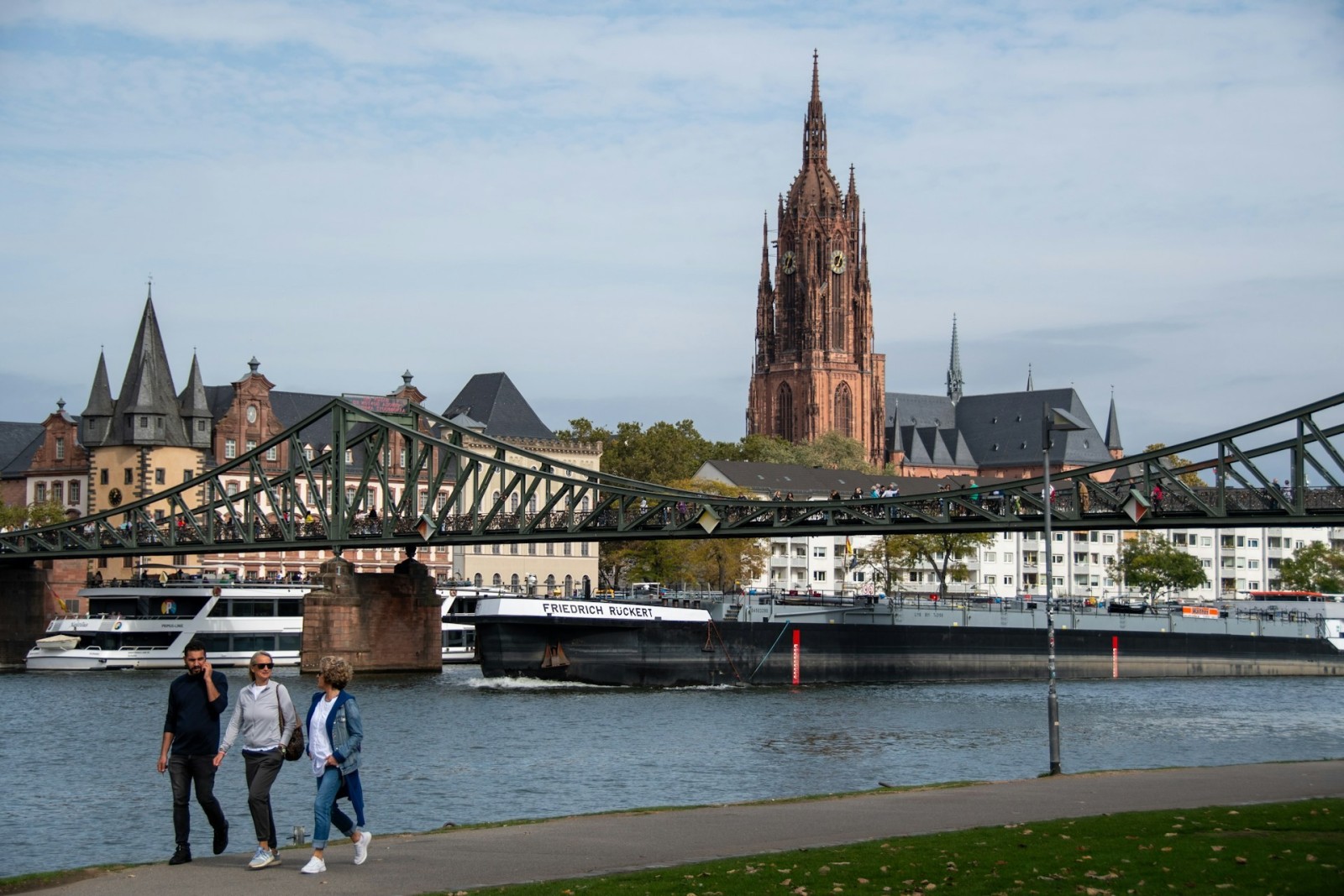
Maastricht differs from many other Dutch cities by a combination of ancient architecture, cozy squares, developed gastronomic culture and the atmosphere of southern Europe. It is located close to the borders of Belgium and Germany, so it is suitable for both a separate trip and a trip to several European countries.
The city attracts lovers of history, art, architecture, music and gastronomy. Here you can spend the weekend, slowly walking along the cobbled streets, visiting museums, relaxing on the terraces of cafes and exploring the old quarters. Maastricht remains a university city with an international environment, modern cultural life and active trade.
One of the main advantages of Maastricht is its compact historical center. Most of the main attractions are within walking distance of each other. Two to three days are usually enough to explore the city, and a longer stay will allow you to visit museums, explore underground fortifications and go on excursions around the surrounding area.
Maastricht is especially interesting for travelers who want to see the other side of the Netherlands. The influence of neighboring Belgium and German lands is noticeable here, and the local cuisine, architecture and festive traditions differ from the usual image of Amsterdam and the northern part of the country.
The city is suitable for romantic trips, cultural tourism, family holidays and travel with friends. Shoppers will appreciate shopping streets and small designer shops, and connoisseurs of gastronomy - restaurants, bakeries, cheese shops and traditional cafes.
Five-star and premium hotels. Suitable for travelers who appreciate a high level of service, spacious rooms, restaurants and additional services.
Kruisherenhotel Maastricht is an unusual design hotel housed in a former monastery. Its architecture combines historical elements and modern interior.
Château St. Gerlach is a country hotel complex in the Göl Valley, near Maastricht. Suitable for relaxing holidays, gastronomic trips and acquaintance with the nature of South Limburg.
Four-star hotels. This is a common option for tourists who need comfortable rooms, a restaurant or breakfast and a convenient location.
Crowne Plaza Maastricht is a hotel by the Meuse River, convenient for walking around the center and traveling around the city.
NH Maastricht is a hotel close to the MECC exhibition complex and congress infrastructure. Especially convenient for participants of exhibitions and business events.
Van der Valk Hotel Maastricht is a hotel with a restaurant and parking, located outside the center.
Three-star hotels and mid-price hotels. They are suitable for tourists who spend most of the day on excursions.
Hotel Monastère Maastricht is a boutique hotel in a historic building near the center.
Kaboom Maastricht is a modern hotel opposite the train station, convenient for travelers without a car.
Hotel de la Bourse is an accommodation option near the market square, allowing you to quickly get to the main city attractions.
Economical accommodation options.
The Green Elephant Hostel & Spa is a shared and private hostel located in the train station area.
Stayokay Maastricht is a hostel by the Meuse River, suitable for young travelers and small businesses.
Inexpensive guest houses and small hotels on the outskirts of the city can be more profitable than central hotels, especially when traveling for a few nights.
1. Vrijthof Square
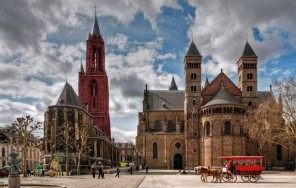
Vreithof is the main historical square of Maastricht, surrounded by ancient buildings, cafes and restaurants. Here are the Basilica of St. Servatius and the Church of St. John with a high red tower. The square regularly hosts concerts, festivals, fairs and city holidays.
Transport accessibility: You can walk from the central railway station in about 15-20 minutes. From other parts of the city it is convenient to get by bus to the center, and then continue on foot.
2. Basilica of Saint Servatius (Sint-Servaasbasiliek)
The Basilica of St. Servatius is considered one of the oldest churches in the Netherlands. Its history is connected with the spread of Christianity in the region. The architecture of the building combines Romanesque style and later elements. Inside are religious relics, church treasures and works of medieval art. The basilica is of interest to lovers of history, architecture and culture.
Transport accessibility: the temple is located directly on Vreithof Square. From the station you can walk in about 15-20 minutes.
3. St. John's Church (Sint-Janskerk)
The Church of St. John is known for its tall red tower, which stands out against the backdrop of historical buildings. The building is made mainly in the Gothic style and is located next to the Basilica of St. Servatius. The church is an important architectural landmark of the city. If possible, visitors can climb the tower and view Maastricht from above.
Transport accessibility: the church is located on Vreithof Square, so it is convenient to visit it simultaneously with the Basilica of St. Servatius and other attractions of the historical center.
4. Markt Square and City Hall (Markt and Stadhuis)
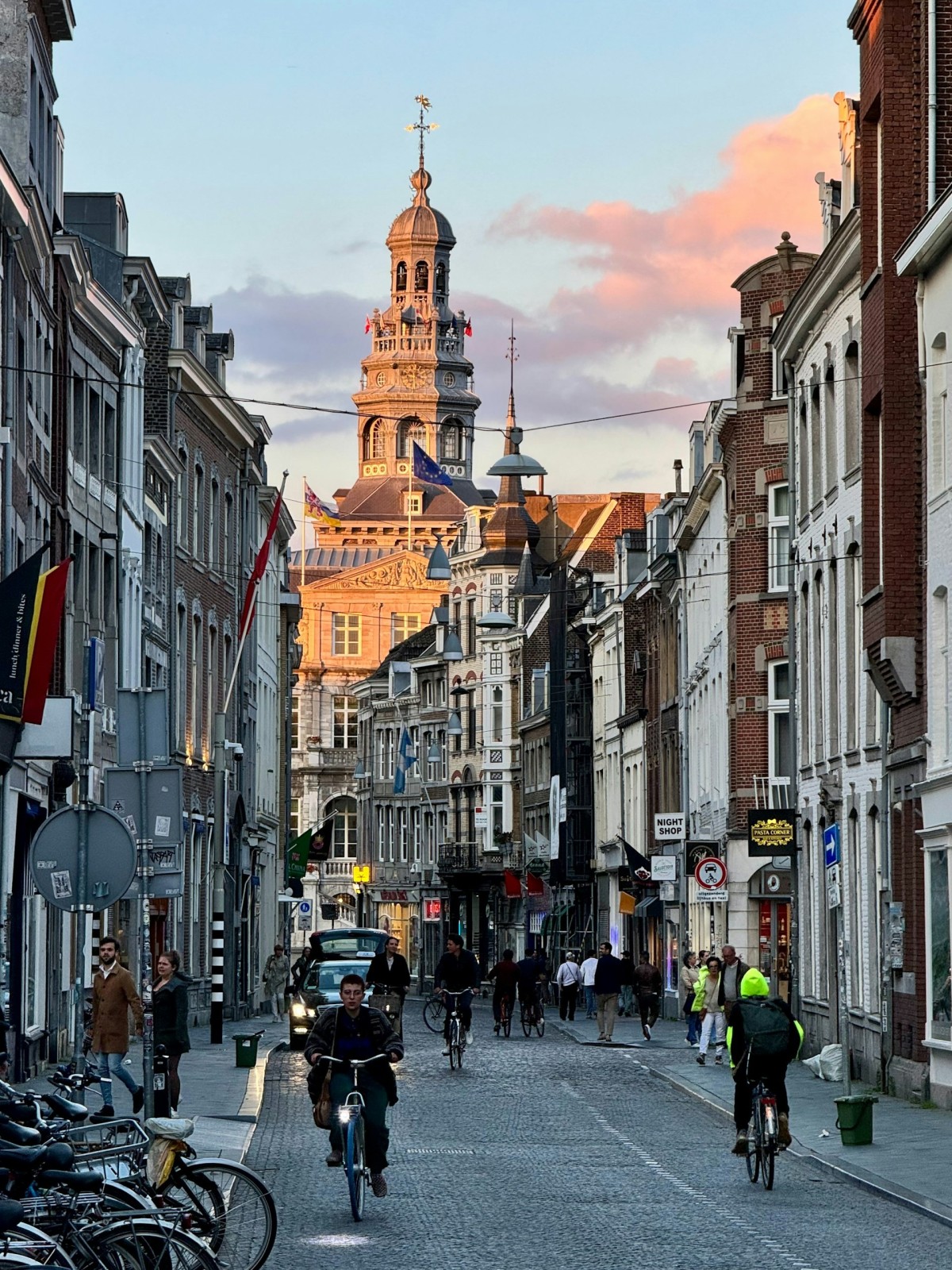
Markt Square has historically served as the center of commerce and social life in Maastricht. Its main decoration is the town hall of the XVII century with a monumental facade and a high tower. Today, the square is surrounded by cafes, shops and shopping arcades, and is also used for markets and city events.
Transport accessibility: You can walk from Vreithof Square in 5-10 minutes. From the central station the road takes about 15-20 minutes.
5. Bookstore Dominicanen (Boekhandel Dominicanen)
Bookstore Dominicanen is located in the former Dominican Church of the XIII century. Inside are preserved Gothic vaults, stone columns and historical architectural elements. Multi-level book racks are organically inscribed in the space of the former temple. This unusual place attracts both literature lovers and tourists interested in historical architecture.
Transport accessibility: The shop is located in the city centre, a short walk from Vreithof and Markt Squares. From the station you can walk in about 15-20 minutes.
6. St. Servatius Bridge (Sint-Servaasbrug)
St. Servatius Bridge is one of the historical symbols of Maastricht. A stone crossing connects the old centre to the Waik district on the east bank of the Meuse River. The bridge has a long history and is considered one of the oldest stone bridges in the Netherlands. It offers beautiful views of the river, embankments and urban development.
Transport accessibility: The bridge is about a 5-10 minute walk from the central station and 10 minutes from Markt Square. It is convenient to include in the walking route through the historical center.
7. Helport Gate (Helpoort)
Helport is the oldest preserved city gate of the Netherlands, built in the XIII century. They were part of the defensive system of medieval Maastricht and defended the southern part of the city. Stone towers and the remains of fortress walls allow you to imagine what the city fortifications looked like in the Middle Ages. Nearby are green areas and walking paths.
Transport accessibility: You can walk from Vreithof Square in about 15 minutes, from the station in 20 minutes. Visiting the gate is conveniently combined with a walk along the old city walls.
8. Underground caves of Mount St. Peter (Grotten Noord and Grotten Zonneberg)
Under Maastricht is an extensive network of underground tunnels formed as a result of centuries of limestone mining. In different historical periods, the caves were used for construction work, storage of objects and sheltering people during military conflicts. On the walls there are inscriptions, drawings and traces of the stonework. The visit is organized as part of guided tours.
Transport accessibility: the area of Mount St. Peter can be reached by bus or car, and then go to the starting point of the tour. Some routes require a long walk, so it is recommended to specify the location of the entrance and the schedule of excursions in advance.
9. Fort of St. Peter (Fort Sint Pieter)
Fort St. Peter is located on a hill south of the historic center. It was part of the Maastricht defensive system and was used to defend the approaches to the city. Today, tours of fortifications are held here, and from the surrounding hills panoramic views of the Maas River valley and the city open.
Transport accessibility: From the center you can walk in about 30 minutes, given the rise. You can also take the bus to St. Peter’s and walk the rest of the way.
10. Bonnefanten Museum (Bonnefantenmuseum)
The Bonnefanten Museum is one of the main art museums of Maastricht. Its collections include medieval sculpture, old European painting and works of modern art. The museum building is distinguished by its original architecture with a high dome tower and is located near the Meuse River. The museum is suitable for visitors interested in art of different eras.
Transport accessibility: The museum is located in the Keramik area, about 20-25 minutes walk from the central station. From the historical center you can walk, crossing the river on the bridge of St. Servatius, or use the city bus.
11. Natural Park of Mount St. Peters (Sint-Pietersberg)
Mount St. Peter attracts tourists with natural landscapes, limestone slopes, green meadows and hiking routes. Observation platforms offer views of Maastricht, the Maas Valley and the surrounding hills. This is a suitable place for hiking, relaxing in nature and getting acquainted with the natural features of the region.
Transport accessibility: From the city center you can reach the St. Peter’s area on foot or by bus. Then you should follow the hiking trails. To visit several remote objects in one day, it is convenient to use a bicycle or car.
12. General transport accessibility of attractions
Maastricht is convenient for tourists due to its compact historical center. Most of the main attractions, including Vreithof and Markt Squares, the Basilica of St. Servatius, the Church of St. John, the Dominicanen Bookstore and the St. Servatius Bridge, can be viewed on foot in one day.
For trips to Mount St. Peter, the fort and the underground caves, it is recommended to check the bus schedule and visit conditions in advance. The railway station provides connections to other cities in the Netherlands and neighboring countries. In the central part of the city it is convenient to get around on foot or by bicycle, as some historic streets are narrow and car parking can be paid.
1. Carnival of Maastrichtse Vastelaovend
Carnival is the main national festival of the city, held in February or early March before Lent. The streets are filled with participants in bright costumes, musical groups and festive processions. Parades, performances of brass bands, concerts, dances and parties are organized. Carnival is of great importance for the cultural life of Maastricht and the entire province of Limburg.
2. The beginning of the carnival season (11de van de 11de)
November 11 marks the beginning of a new carnival season. The city hosts musical performances, meetings of carnival associations and festive events. On this day, carnival leaders are presented and preparations for winter celebrations begin. The holiday is especially interesting for those who want to get acquainted with the local traditions and culture of the southern Netherlands.
3. The Magisch Maastricht Christmas Festival
The festival takes place in late November and December, mainly in Vreithof Square. Here there are Christmas shopping houses, skating rink, festive illuminations and attractions. Visitors can purchase gifts and souvenirs, try seasonal meals and drinks, and attend family entertainment and music events. The festival is considered one of the most popular winter events in the city.
4. International Art Fair TEFAF Maastricht
TEFAF is one of the famous international art and antiques fairs, usually held in spring. The expositions present painting, sculpture, jewelry, rare books, antique furniture and decorative arts. The event attracts collectors, gallery owners, art historians and art connoisseurs from all over the world.
5. Andre Rieu Summer Concerts
Maastricht is the hometown of violinist and conductor Andre Rieu. His traditional summer concerts take place in Vreithof Square, usually in July. The program includes waltzes, classical works, opera melodies and popular music. Performances are accompanied by stage decorations and festive decoration of the square, gathering a large international audience.
6. Gastronomic Festival Preuvenemint
The festival usually takes place in August at Vreithof Square. Restaurants and local establishments offer small portions of original dishes, regional specialties and desserts. The gastronomic program is complemented by live music and entertainment. This is one of Maastricht’s most famous events for exploring local cuisine and restaurant culture.
7. Nederlandse Dansdagen Festival
The festival takes place in autumn, usually in October, and is dedicated to Dutch dance. The program presents classical ballet, modern dance, experimental productions and performances of young choreographers. Performances are organized in theaters and in unusual city venues. The festival is interesting for both dance fans and the general public.
8. JekerJazz Maastricht Festival
The music festival is usually held in autumn in the historic center. At venues, cafes, bars and concert spaces perform jazz musicians, improvisational groups and performers of other directions. The event creates a lively musical atmosphere and allows you to get acquainted with the local scene and guest artists.
9. Festival of Sacred Musica Sacra
The festival takes place in autumn, mainly in September. Its program includes spiritual and classical music, choral performances, theater productions and art projects. Concerts are often held in historic churches and other cultural spaces. The festival brings together musical art, religious heritage and philosophical themes.
10. Fashion Festival FASHIONCLASH
The International Festival is usually held in autumn. It is dedicated to modern fashion, experimental design and creativity of young authors. Visitors can see clothing shows, exhibitions, artistic performances and interdisciplinary projects. The festival attracts designers, students of creative specialties and lovers of modern culture.
11. King's Day (Koningsdag)
The National Day of the Netherlands is celebrated on April 27. Maastricht hosts street festivities, musical performances, trade fairs and entertainment events. Many residents wear orange-colored clothing associated with the royal family. The holiday allows you to get acquainted with national traditions and modern social life of the country.
12. Feast of St. Nicholas (Sinterklaas)
The festive season begins in November with the traditional arrival of St. Nicholas. The city organizes processions, children's performances and family events. The main day of gift delivery falls on December 5. The holiday is accompanied by traditional sweets, family meetings and children's entertainment.
13. The Pilgrimage of the Holy Places (Heiligdomsvaart Maastricht)
This historic religious event is held about once every seven years. It is associated with the veneration of saints and religious relics of Maastricht. The program includes solemn processions, worship services, exhibitions and cultural events. The pilgrimage is of great importance for the religious history of the city and attracts pilgrims and tourists interested in European traditions.
14. Concerts and musical events Muziekgieterij
Muziekgieterij is one of the most important concert venues in Maastricht, where Dutch and foreign performers perform throughout the year. There are concerts of rock and pop music, electronic music evenings and performances of alternative groups. The program includes both famous artists and beginner musicians. Unlike seasonal festivals, concerts are held regularly throughout the year.
15. INKOM Student Festival
INKOM is held in late summer and is dedicated to introducing new students to Maastricht and university life. The program includes concerts, sports events, parties, excursions and meetings of student organizations. The festival is especially noticeable due to the international composition of students and the active youth culture of the city.
1. Spring (March, April, May)
In spring, temperatures gradually rise, days get longer, and city parks and gardens come to life. In March, cold windy days are still possible, while in May the weather is usually suitable for long walks in the historic center and surroundings.
Air temperature: in March about +4 ... +12 ° C, in April +7 ... +16 ° C, in May +11 ... +20 ° C.
Water temperature: in the Maas River approximately +6 ... +16 ° C depending on the month.
Precipitation: Possible throughout the season; weather often changes throughout the day.
What to do: inspect historical squares, visit museums, walk along the river and along natural routes. In the spring, cultural events and the international art fair TEFAF are also held.
The recommended months are April and May, when it becomes warmer and more comfortable to spend time outdoors.
2. Summer (June, July, August)
Summer is the warmest period in Maastricht. During the day, the weather is usually comfortable for walking, visiting attractions, summer cafes and festivals. In July and August, sometimes there are hot days with temperatures above +30 ° C, as well as thunderstorms and short showers.
Air temperature: in June about +12 ... +22 ° C, in July +14 ... +24 ° C, in August +13 ... +24 ° C.
Water temperature: in the Maas River approximately +15 ... + 22 ° C, depending on the weather and the specific reservoir.
Precipitation: In summer, rain and thunderstorms are possible, especially in the afternoon.
What to do: walk around the historic center, relax on the terraces of cafes, attend Andre Rieu concerts, gastronomic festivals and the natural park of Mount St. Peter.
Summer is especially suitable for travelers who want to combine exploring the city with cultural activities and outdoor recreation.
3. Autumn (September, October, November)
In early autumn, the weather remains relatively warm, but by October it becomes cooler. Trees in urban parks are becoming golden and red, and the tourist flow is gradually decreasing. In November, cloudy days, wind and prolonged rains are more common.
Air temperature: in September about +11 ... +20 °C, in October +7 ... +15 °C, in November +4 ... +10 °C.
Water temperature: The Meuse River is approximately +8...+19 °C during the season, gradually decreasing by November.
Precipitation: the likelihood of rain persists throughout autumn; by the end of the season, the number of cool and overcast days increases.
What to do: visit museums, historical churches, art exhibitions and music festivals, walk around the old town and taste seasonal local cuisine.
The best time to travel in autumn is September and the first half of October, when the weather is still suitable for long walks.
4. Winter (December, January, February)
Winter in Maastricht is comparatively mild but damp and overcast. Severe frosts are infrequent, but due to humidity and wind, the weather can feel colder. Sometimes snow falls, but sustained snow cover usually does not form.
Air temperature: in December about +1 ... +7 ° C, in January 0 ... +6 ° C, in February 0 ... +7 ° C.
Water temperature: in the Maas River approximately +3 ... +7 ° C.
Precipitation: frequent rain, fog and high humidity; possible frost and ice.
What to do: visit the Magisch Maastricht Christmas Festival, explore museums, historical buildings, the Dominicanen bookstore and cozy cafes. In February or early March you can get to the traditional carnival.
Winter is suitable for those interested in Christmas markets, local holidays and cultural attractions. For the trip you will need warm clothes, waterproof shoes and a jacket from the rain.
1. Language of communication in Maastricht
The official language of the Netherlands is Dutch. Maastricht also has a Limburg or regional Limburg dialect, which differs in pronunciation and some words from standard Dutch. In everyday life, locals use Dutch, and regional speech is especially noticeable in family communication and during traditional holidays.
English is widely spoken among young people, employees of hotels, restaurants, shops and tourism. In many places it is possible to explain in English without much difficulty. German and French can also be useful due to Maastricht’s proximity to Germany and Belgium.
2. Greetings and standards of courtesy
In the Netherlands, it is customary to say hello when entering small shops, cafes and other establishments. In an official setting, polite forms of treatment are used, and when they meet, they usually introduce themselves and shake hands. Among friends and acquaintances, greetings can be more casual.
Locals appreciate respect for personal space, punctuality and directness in communication. It is not necessary to take short or direct answers as rudeness: this manner of conversation is often a common part of Dutch culture.
3. Traditions and local holidays
Maastricht has strong regional traditions, especially carnival. During carnival festivities, residents don bright costumes, participate in processions, sing, dance and attend concerts. Tourists can join public events, observing the rules of the organizers and respecting others.
An important place is occupied by King’s Day, the celebration of St. Nicholas and Christmas traditions. During mass events, temporary traffic restrictions, changes in public transport routes and possible restrictions on access to certain streets should be taken into account.
4. Conduct in public places
In Maastricht, it is customary to observe cleanliness, not litter in the streets and parks, respect the silence in residential areas and take care of historical buildings. In museums, churches and other cultural sites, it is necessary to follow the established rules, not to touch the exhibits and take into account the requirements for photography.
Restaurants and cafes usually welcome calm behavior. Tipping is not necessary, since service is included in the price, but for good service you can leave a small amount or round the bill.
5. Bicycles and traffic rules
Bicycles are one of the main modes of transport in Maastricht. Bicycle lanes are primarily for cyclists, so pedestrians should not walk on them unnecessarily. When crossing the street, it is important to pay attention not only to cars, but also to cyclists.
Cross the road should be marked crossings, follow traffic lights and do not expect that the cyclist will stop. If you rent a bike, use proper lighting in the dark and follow local traffic rules. In the historical center, you should also pay attention to areas where traffic is limited.
6. Basic laws and restrictions
When visiting Maastricht, Dutch law must be followed. Tourists should consider the following rules:
Documents. Foreigners must have documents confirming their identity, and, if necessary, a visa and documents confirming the legality of their stay. The conditions depend on the citizenship and status of the traveler.
Alcohol. Buying and drinking alcohol is allowed from the age of 18. Drinking alcohol in certain public places may be limited by local regulations.
Drugs. The Dutch policy on certain light drugs provides for certain exceptions, but this does not mean full legalization. There are restrictions on sale, use and storage, as well as the rules of specific establishments and the municipality.
Smoking. Smoking is prohibited in many enclosed public spaces and workplaces. Similar restrictions may apply to e-cigarettes.
Public order. Threats, violence, vandalism and disturbance of public peace are prohibited. There are fines for some violations.
Photography. You cannot enter closed areas without permission or violate the privacy of others. In museums and religious buildings, shooting rules must be observed.
7. Rules of residence of foreigners
The allowed length of stay depends on citizenship, visa regime and the reason for the trip. For short-term travel within the Schengen area, the rule of stay of up to 90 days in any 180-day period generally applies, if this regime applies to the traveler. Holders of long-term visas and residence permits must consider the terms of their document.
Before traveling, you should check the validity of the passport, visa requirements, health insurance and confirmation of the purpose of the trip. If you plan to stay in the country for a long time, work or study, additional permits may be required.
8. Tipping, shopping and payment
In Maastricht, payment by bank cards and contactless methods is widespread. However, a small amount of cash can be useful in the markets and in individual establishments. Before traveling, it is advisable to clarify the terms of use of your card abroad.
Tips are usually left at will. In restaurants, you can round the bill or add a few percent for good service. In the markets, it is customary to observe the queue, not to touch goods unnecessarily and politely specify the price before buying.
9. Respect for local culture
Maastricht combines Dutch, Belgian and German cultural influences. Residents are generally positive about a respectful interest in local history, cuisine and traditions. When visiting religious sites, it is recommended to choose discreet clothes and observe silence.
During the carnival and other public holidays, it is important to respect the participants, not to interfere with the processions and follow the instructions of the organizers. The festive atmosphere should not be considered permission for excessively noisy behavior or disturbance of public order.
1. Greetings and polite expressions
Hello, Hallo. Pronunciation: Hallo.
Goedemorgen - good morning. Pronunciation: hude-morchen.
Goedemiddag - good afternoon. Pronunciation: hude-midah.
Goedenavond - good evening. Pronunciation: hude-navont.
Dag - hello or goodbye. Pronunciation: yes.
Tot ziens, goodbye. Pronunciation: that zinc.
Alsjeblieft – please refer to “you” or in an informal situation. Pronunciation: alsha bliff.
Alstublieft – please be polite. Pronunciation: Alstoo bliff.
Dank je wel - thank you very much, informally. Pronunciation: dunk ye led.
Dank u wel - thank you very much, polite form. Pronunciation: dank yu led.
Graag gedaan - please don't mind. Pronunciation: rah hae-dan.
Sorry, sorry. Pronunciation: Sorri.
Pardon -- sorry, sorry. Pronunciation: Pardon.
Geen probleem - no problem. Pronunciation: hain problem.
Fijne dag! - Have a good day! Pronunciation: feine dah.
2. Useful words for every day
Ja, yes. Pronunciation: me.
Nee, no. Pronunciation: her.
Misschien, maybe. Pronunciation: mishin.
Goed is good. Pronunciation: Hut.
Slecht is bad. Pronunciation: slacht.
Vandaag today. Pronunciation: fandah.
Morgen is tomorrow. Pronunciation: Morchen.
Nu now. Pronunciation: nude.
Hier is here. Pronunciation: Hir.
Daar over there. Pronunciation: gift.
Links left. Pronunciation: linx.
Rechts to the right. Pronunciation: Rachts.
Rechtdoor, straight. Pronunciation: racht-dor.
Open, open. Pronunciation: ópen.
Gesloten - closed. Pronunciation: haslotan.
Ingang, entrance. Pronunciation: inhang.
Uitgang is the way out. Pronunciation: eithang.
Toilet is a toilet. Pronunciation: Toilet.
- Help! - Help! Pronunciation: Help.
De rekening - counting. Pronunciation: de rechaning.
3. Phrases for communicating with locals
Spreekt u Engels? - Do you speak English? Pronunciation: Sprect yu Engels?
Ik spreek geen Nederlands. - I don't speak Dutch. Pronunciation: Ik Sprek Hein Nederlands.
Ik begrijp het niet. - I don't understand that. Pronunciation: Ick backup hat nit.
Kunt u mij helpen? - Could you help me? Pronunciation: kunt yu mei halpan?
Kunt u dat herhalen? - Could you say it again? Pronunciation: kunt yu date haerhalen?
Kunt u langzamer spreken? - Could you speak more slowly? Pronunciation: kunt y langzamer spreken?
Wat betekent dit? - What does that mean? Pronunciation: wat batécant dit?
Hoe heet u? - What's your name? Pronunciation: hu heit u?
Ik heet ... My name is ... Pronunciation: Ik hat ...
Aangenaam - nice to meet you. Pronunciation: angenam.
4. Phrases in cafes and restaurants
Een tafel voor twee, alstublieft. - Table for two, please. Pronunciation: en taffel for twei, alstublift.
Mag ik de menukaart? - Can I have the menu? Pronunciation: mah ik de menukart?
Wat raadt u aan? - What do you recommend? Pronunciation: wat rat yu an?
Ik wil graag dit bestellen. - I'd like to order this. Pronunciation: Ik ville hrach dit bestelan.
Een koffie, alstublieft. - One coffee, please. Pronunciation: en kofi, alstublift.
Een glas water, alstublieft. - A glass of water, please. Pronunciation: En Hlas Water, Alstublift.
Zonder suiker, alstublieft. - No sugar, please. Pronunciation: Zondar Søyker, Alstublift.
Heeft u vegetarische gerechten? - Do you have vegetarian dishes? Pronunciation: Heift y Wehatarise harehten?
Ik eet geen vlees. - I don't eat meat. Pronunciation: Ick high hain fluse.
De rekening, alstublieft. - Check, please. Pronunciation: de rechaning, alstublift.
Kan ik met pin betalen? - Can I pay with a credit card? Pronunciation: Can Ik mat pin batalen?
Is it de service inbegrepen? - Is service included in the bill? Pronunciation: Is de servis inbehrepeng?
5. Purchase phrases
Hoeveel kost dit? - How much does it cost? Pronouncement: How do I have a bone?
Wat kost dat? - How much does it cost? Pronunciation: Watt bone dates?
Dat is te duur. - It's too expensive. Pronunciation: Dates is te duur.
Heeft u iets goedkopers? - Do you have anything cheaper? Pronunciation: Heift y y yitts hutkopers?
Mag ik dit bekijken? - Can I see this? Pronunciation: mah ik dit ba-keiken?
Ik wil dit graag kopen. - I'd like to buy this. Pronunciation: Ik ville dit hrach kopen.
Kan ik met kaart betalen? - Can I pay with a card? Pronunciation: Can Ik Mat Carte Batalen?
Heeft u een tas? - Do you have a bag or a bag? Pronunciation: Heift yu en tas?
Mag ik de bon? - Can I get a check? Pronunciation: mah ik de bong?
Dank u, ik kijk alleen. - Thanks, I'm just looking. Pronunciation: dank yu, ik cake alein.
1. Limburg Pie (Limburgse vlaai)
Limburg pie is one of the main gastronomic symbols of Maastricht and the south of the Netherlands. This is an open pie made of yeast dough with filling of cherries, apricots, apples, plums or rice cream. It is sold in local bakeries and pastry shops. For a trip home, it is better to choose the packaging suitable for transportation, and take into account the shelf life. Especially interesting is the traditional cake with cherries or apricots.
2. Limburg mustard (Limburgse mosterd)
Local mustard has a rich taste and is suitable for meat, cheeses, sausages and sandwiches. It can be purchased in gastronomic stores and markets. Mustard in a small glass jar will be a practical souvenir for those who love local produce. After opening, it is usually stored in the refrigerator according to the instructions on the package.
3. Limburg cheese and aged Dutch cheeses
Popular Dutch cheeses can be found in Maastricht, including aged gouda, herbal cheese and various regional varieties. Aged varieties have a more saturated taste and dense texture. For transportation, it is more convenient to choose a vacuum packaging. Cheese is suitable as a gastronomic gift, however, temperature storage conditions and rules for importing products into the country of destination should be observed.
4. Chocolate and handmade praline
Maastricht is known for pastry and chocolate shops selling handmade candies, praline, chocolate tiles and gift sets. You can choose chocolate with nuts, caramel, fruit fillings or local gastronomic motifs. Such a gift is convenient to bring home, since many products have a fairly long shelf life. In summer, it is better to choose a package that protects chocolate from the heat.
5. Dutch waffles (Stroopwafels)
Stroopwaffes are thin waffles with caramel filling, popular throughout the country. They are often served with coffee or tea: waffles can be put on a cup with a hot drink to make the filling softer. In Maastricht, they are sold in supermarkets, bakeries and souvenir shops. This is an affordable and convenient edible gift that does not require refrigeration.
6. Fruit syrups and local jams
In gastronomic stores you can look for fruit jams, syrups and sweet patches of apples, pears, plums and other fruits. They approach bread, cheese, pastries and desserts. A small jar of jam will be a good souvenir for lovers of home cooking. When choosing, you should pay attention to the composition, sugar content and shelf life.
7. Local beer and regional drinks
Maastricht and the province of Limburg have a tradition of brewing. In the shops you can find Dutch beer, products of small breweries and seasonal varieties. As a souvenir suitable bottle of local drink or set with branded glasses. Alcohol should be purchased only upon reaching the prescribed age and transported subject to the customs restrictions of the destination country.
8. Coffee and tea from local shops
Specialty stores in Maastricht sell coffee mixes, freshly ground coffee, leaf tea and gift sets. This is a universal option for those who prefer practical souvenirs. It is better to choose hermetically packaged products with the specified composition and expiration date.
1. Documents required
To travel to Maastricht, located in the Netherlands, a tourist will need a valid foreign passport or other document recognized for crossing the border. National identity cards are usually sufficient for citizens of European Union countries.
Depending on the citizenship and the reason for the trip, a Schengen visa, proof of residence, a return ticket and documents confirming the availability of funds for the duration of the stay may be required. The document giving the right of entry must be valid for the period established by the rules of border crossing.
While walking, it is better to have a copy of your passport or ID card with you, and keep the original in a safe place. Before traveling, it is necessary to check the requirements for the citizenship of the tourist.
2. Health insurance
Tourists are advised to take out medical insurance covering emergency care, hospital treatment, medical transportation and, if necessary, return to their homeland. Health insurance is usually required to apply for a Schengen visa; the standard requirement is to cover at least EUR 30,000 for emergency medical expenses and repatriation.
EU citizens should take the European Health Insurance Card (EHIC) if available. It helps to obtain the necessary state medical care under the conditions provided for insured persons, but does not replace full travel insurance and does not cover all costs.
3. Emergency services phones
The following numbers apply in the Netherlands:
112 is a single emergency number: police, fire service and ambulance in case of an immediate threat to life, health or safety.
0900-8844 Police on matters not requiring immediate intervention, such as reporting certain offences without imminent danger.
113 is a helpline for suicidal thoughts and emotional crisis; 0800-0113 is also available.
When calling the emergency service, you need to name the location, briefly describe the incident and tell how many people need help. Number 112 is available around the clock.
4. Mobile operators and communications
There are three main mobile network operators in the Netherlands:
KPN is a national carrier with 4G and 5G coverage.
Vodafone provides mobile communications and mobile Internet.
Odido offers mobile communications, 4G and 5G Internet.
There are also virtual operators using the networks of large companies, such as Simyo, Ben and hollandsnieuwe. In Maastricht, tourists can use their SIM card when roaming or purchase a local SIM card or eSIM. Before traveling, you should check the cost of calls and mobile Internet, especially if the SIM card is issued outside the EU.
5. Term of stay of the tourist in the country
For nationals of countries that are allowed short-term visa-free entry into the Schengen area, the standard stay is up to 90 days in any 180-day period. This is a general limit for the entire Schengen area, not separately for the Netherlands.
If a tourist needs a Schengen visa, the allowed period is determined by the visa and cannot exceed the limits set by the rules of short stay. For stays longer than 90 days, an appropriate long-term residence permit is usually required. EU citizens have the right to stay under other conditions provided for by the rules of free movement.
Create a query and local guides will offer you the best options

Install the app «PersonalGuide»
www.personalguide.ru