Independent trip and overview of the city of Lima in Peru! History of the city of Lima The city of Lima, the c...

1 day. Arriving in Lima, the capital of Peru. Accommodation in a hotel in one of the prestigious areas of the city. 2 days. Exa …

1 day. Arriving in Lima, the capital of Peru. Accommodation at a hotel in Miraflores. Dinner at a restaurant on the Pacific coast. …

1 day. Arriving in Lima, the capital of Peru. Accommodation in a hotel in one of the prestigious areas of the city. For those who …

1 day. Transfer from Lima by comfortable shuttle bus to Paracas (3.5 hours). Dinner by the ocean. 2 days. In the morning, a gro …

1 day. Arriving in Lima, the capital of Peru. Accommodation in a hotel in one of the prestigious areas of the city. 2 days. Exa …

Master class on cooking Peruvian dishes in Lima. In a group or individually. In 2 hours you will prepare and taste the most tradit …

In the morning we meet and go on a tour of the most interesting places of the capital. We will walk along the famous embankment of …

The highlight of Peru, of course, is not Lima, where we live, but the city of Cusco, the capital of the Inca Empire. But …
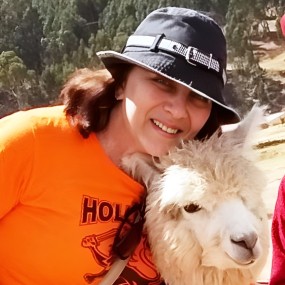
Services for all travelers: Tours of Lima. Plan excursions or itinerary depending on your interests, age, health, econo …

I live in Peru. I have been traveling and expeditioning to authentic shamans in Peru and Mexico for the past 15 years on …
The city of Lima, the capital of Peru, has a rich history dating back over 2,000 years. The city was founded by Spanish conquistador Francisco Pizarro on January 18, 1535 and became an important center of colonial rule in South America.
Lima was built on the site of an Indian settlement, and its name comes from the word "Limaq" in the Quechua language, which means "living water". The city quickly became a cultural and economic center of Spanish possession, attracting many colonists and becoming a wealthy trading center due to its location on the Pacific coast.
Over the centuries, Lima has gone through various periods of flourishing and decline. In the XIX century, the city witnessed the struggle for the independence of Peru from Spanish rule. In the 20th century, Lima became a major city with industrialization and population growth.
Today, Lima is a modern metropolis, combining a rich cultural heritage, colonial architecture, modern technology and a variety of ethnic groups. It remains an important economic and political center in Peru and an attractive tourist destination.

Lima, the capital of Peru, is an exciting tourist destination combining a rich historical heritage, cultural diversity and a modern look. Here are a few things that can attract tourists to this amazing city:
Colonial architecture: Lima is famous for its beautiful colonial architecture, preserved in areas like Miraflores and Barranco. Tourists can enjoy the beautiful churches, squares and streets that transport them to the era of Spanish rule.
Gastronomy: Lima is rightly considered the gastronomic capital of South America. The city's restaurants offer unique Peruvian cuisine such as ceviche, lomo Soltado and ahi de Gallina. Tourists can discover new tastes and enjoy exquisite culinary experiences.
Historical sights: Lima has many museums and historical sites, including the San Francisco Monastery, where you can see the catacombs, and the Gold Museum, which houses unique artifacts of ancient civilizations.
Modern culture: In addition to historical attractions, Lima also offers a rich modern cultural scene. The districts of Barranco and Miraflores are famous for their art galleries, street art and designer shops.
Beaches and active recreation: The city is located on the Pacific Ocean, which makes it attractive for beach lovers. Beaches such as Costa Verde offer opportunities for surfing and other water sports.
Festivals and events: Lima is known for its vibrant festivals and cultural events. Tourists visiting the city during the celebration can experience the atmosphere of fun and traditions of the Peruvian people.
The combination of rich history, diverse culture and beautiful nature makes Lima a unique and exciting destination for tourists looking to immerse themselves in the authentic Peruvian experience.
As the capital of Peru, Lima offers many attractions that embody the country’s rich cultural and historical heritage. Here are some of the main attractions indicating the distance from the city center:
Plaza de Armas (Arms Square): It is the central square of the city, surrounded by historic buildings, including the Cathedral of Lima and the House of Government. Distance to the center: almost in the center.
The Monastery of San Francisco is famous for its catacombs and the rich art of the colonial period. Distance from the center: about 1 km.
Museum of National Archaeology, Anthropology and History of Peru (Museo Nacional de Arqueología, Antropología e Historia del Perú) It contains rich collections of artifacts of ancient civilizations of Peru. Distance from the center: about 2 km.
Park of Culture (Parque de la Reserva): Known for its water fountains lit up in the evening, creating an impressive spectacle. Distance from the center: about 6 km.
The Larco Museum of Art: It holds an extensive collection of doinkas and objects of Indian culture. Distance from the center: about 7 km.
District Barranco: It is considered the artistic and cultural center of Lima, with streets filled with art, restaurants and bars. Distance from the center: about 8 km.
The beaches of Miraflores: Beautiful beaches with ocean views and active sports. Distance from the center: about 10 km.
Keep in mind that distances can vary depending on the specific location in the center of Lima and the exact location of the attraction in the city.

The climate in Lima in Peru is usually subtropical, desert, with little rainfall. The city is located on the Pacific coast, which affects the climate, making it relatively mild and temperate. Here is an overview of the climate in Lima throughout the year:
December - April (summer):
May - November (winter):
It is important to note that the wind from the ocean can bring coolness, especially in the evening and at night. You should also consider the influence of thick fog (los neblados), which sometimes envelops the city during the winter months.
Due to its temperate climate, Lima is an attractive tourist destination all year round. In summer, you can enjoy the beaches and outdoor activities, while in winter you can enjoy cooler weather and explore the cultural and historical attractions of the city without high temperatures.

The level of comfort, service and hotel prices in Lima can vary significantly depending on the choice of a particular hotel and its location in the city. There are various categories of hotels in Lima, from budget options to high-end luxury hotels. Here is an overview of service levels and prices:
Budget hotels (Hostales, hotels):
Mid-range hotels (3-4 stars):
Boutique hotels and designer hotels:
Luxury hotels (5 stars):
Lima offers a variety of accommodation options in various areas such as Miraflores, San Isidro, Barranco and others. Many hotels also offer panoramic ocean views. When choosing a hotel, you should consider your preferences regarding location, comfort level and budget.
Accommodation prices can vary depending on the season and events in the city. In general, Lima offers a variety of hotels of different levels, allowing travelers to choose options that suit their preferences and budget.

Language of communication:
The official language in Peru is Spanish. However, in some areas of the country, including Lima, Quechua, the Inca language, is also widely used, especially in the daily lives of locals. In touristic places and in the service sector, many people speak English, but knowing Spanish can be helpful, especially when communicating with the local population.
Traditions and customs:
Greeting: Greeting in Peru involves exchanging a handshake or a kiss on the cheek depending on the intimacy of the relationship.
Respect for elders: Peruvians usually show respect for elders. Addressing people by name with the titles "Senor" (Mister) or "Senorita" (Miss) is considered respectful.
Gifts: Giving gifts when visiting someone’s home is considered a polite gesture.
Patience in conversation: The culture of communication in Peru values patience and calmness in conversation. Avoid aggressive behavior or disrespectful statements.
Formal clothing: In more formal situations, wearing traditional clothing is valued, especially in Native American communities.
Laws and regulations:
Safety: Be careful about your personal belongings, especially in tourist areas. Avoid wearing obvious signs of wealth.
Drugs: Possession of drugs is severely punished. Their use is illegal and can lead to serious consequences.
Photography: Ask permission before photographing locals, especially in villages and communities.
Road rules: Follow the rules of the road, especially in densely populated areas. Peruvian roads can be difficult to drive.
Water activities: When practicing water sports, such as surfing, follow the instructions of the instructors and follow safety precautions.
Compliance with tradition, respect for the local culture and compliance with the laws will help make your stay in Lima enjoyable and hassle-free.

Many festivals, events and festivals are held in Lima, offering tourists and locals a variety of cultural and entertainment events. Some of the most popular activities in Lima in Peru include:
Lunar Festival (February): The traditional Chinese New Year is celebrated in the Barranco area, where parades, performances and cultural events are held.
September Fair (September): In September, Peru celebrates Costa Verde Week. The main events take place in the Costa Verde Park, where music concerts, festivals and gastronomic events are held.
Lima Day (January 18): The city celebrates its founding day. Parades, concerts and other cultural events are held.
Feast of the Holy Rosary (October): Many towns and villages hold traditional parades associated with Catholic holidays.
International Film Festival (October): This festival attracts film lovers from all over the world and provides a platform for screening films of various genres.
Feast of St. Martin (November): This Catholic holiday is celebrated with various traditional events such as parades, fairs and religious processions.
Kaiao Festival (July): Peru’s Independence Day celebration is celebrated with many events, including musical performances, parades and cultural events.
Mistura Gastronomy Festival (September-October): One of the most important activities for lovers of Peruvian cuisine. Here you can try a variety of dishes from different regions of Peru.
These events provide an excellent opportunity to immerse yourself in the culture and traditions of Peru, enjoy the local gastronomy and a variety of art.

Safety:
General safety: Lima is a relatively safe city, especially in tourist areas. However, as in any big city, you should be careful and vigilant, especially during dark hours.
Personal items: Be mindful of your personal belongings, especially in public places and on public transport.
Public events: Avoid participating in public events if the situation seems unstable.
Taxi: Use only official taxis or call a taxi through mobile apps.
Documents:
Passport: Your passport must be valid at the time of entry.
Visa: Check whether you need a visa to enter Peru depending on your country of residence.
Insurance: It is recommended to have international insurance that covers medical expenses and accident insurance.
Emergency services:
Mobile operators:
There are several mobile operators in Lima, such as Claro, Movistar, Entel. Make sure your phone is unlocked for use with your local SIM card.
Accommodation without departure:
Tourists are usually allowed to stay in Peru without leaving for 90 days. However, it is recommended to check the current rules of entry and stay on the official website of the Embassy of Peru or at the consular mission before traveling, as the rules may change. If you plan to stay longer than 90 days, you may need an additional permit or visa.
Create a query and local guides will offer you the best options


