Independent tourism and recreation in Novi Sad Historical information about the city of Novi Sad Novi Sad is t...
Novi Sad is the second largest city in Serbia, the administrative center of the autonomous region of Vojvodina. It is located on the banks of the Danube, opposite the famous Petrovaradin fortress. The history of the city dates back more than 300 years and is associated with the development of trade, military conflicts between European powers and the Ottoman Empire, as well as the formation of Serbian national culture.
1. Ancient settlements and the Roman period
The territory of modern Novi Sad was inhabited in prehistoric times. Celtic tribes lived here, and later the region became part of the Roman Empire. The Romans built on the site of modern Petrovaradin military fortification Kuzum (Cusum), which controlled the crossing of the Danube and protected the borders of the empire.
After the fall of Rome, the territory came under the rule of the Huns, Avars, Franks and other peoples. In the VI century, Slavic tribes began to move here.
2. Medieval Petrovaradin
In the Middle Ages, Petrovaradin became the most important settlement in the region. In the XIII century, the Cistercian monastery of Belakut was founded here, around which agriculture, crafts and trade developed.
Due to its location on the Danube, the settlement was of strategic importance and controlled important trade routes between Central Europe and the Balkans.
3. Ottoman rule (XVI-XVII centuries)
In 1526, after the defeat of the Hungarian army at Mohács, Petrovaradin came under Ottoman rule. There were mosques, trade shops, craft workshops, baths and military facilities.
The settlement became an important administrative and military point. However, constant clashes between the Ottoman Empire and the Habsburg monarchy led to military destruction. At the end of the seventeenth century, the territory came under the control of the Austrians.
4. The foundation of Novi Sad (late XVII – early XVIII century)
In 1692, the Habsburg monarchy began the construction of the Petrovaradin fortress. Its construction required workers, artisans and traders, so a new settlement gradually formed on the opposite bank of the Danube.
Initially it was called Ratskoe village, later - Petrovaradin shanty. Serbs, Germans, Hungarians, Greeks and other peoples moved here. Gradually, residential neighborhoods, workshops, commercial spaces and public buildings emerged.
5. Free Royal City (1748)
On February 1, 1748, Empress Maria Theresa granted the settlement the status of a free royal city and a new name - Novi Sad, which translates as "New Garden".
The city received the right to self-government, fairs and trade development. At that time, about 4,600 people lived here.
This event is considered the official date of the founding of Novi Sad as an independent city.
6. Economic and cultural flourishing of the XVIII-XIX centuries
Thanks to trade on the Danube, Novi Sad quickly became the economic center of the region. Here developed crafts, wine production, trade in grain, livestock and textiles.
The city became an important center of Serbian culture, education and literature. He was given the nickname “Serbian Athens”.
In 1861, the Serbian National Theatre was founded, and in 1864, Matica Srpska, a large cultural and educational institution, moved here from Budapest. Schools, libraries, publishing houses and newspapers were opened.
7. Revolution of 1848–1849 and the destruction of the city
During the European revolutions of 1848-1849, Novi Sad was at the center of an armed confrontation between Hungarian and Serbian forces.
In 1849, the city was subjected to heavy artillery bombardment by Hungarian troops stationed in the Petrovaradin fortress. Most of the buildings were destroyed, many residents left the city.
After the end of hostilities, the restoration of residential quarters, shopping streets and public buildings began.
8. Novi Sad in Yugoslavia (1918–1941)
On November 25, 1918, the Great People’s Assembly took place in Novi Sad, which decided to unite Vojvodina with the Kingdom of Serbia.
Later, the city became part of the Kingdom of Serbs, Croats and Slovenes, which in 1929 became the Kingdom of Yugoslavia.
During the interwar period, Novi Sad became an important administrative center. New residential neighborhoods, schools, hospitals, administrative buildings and industrial enterprises were built.
9. World War II and the Tragedy of 1942
In 1941, Novi Sad was under Hungarian occupation. One of the most tragic events was the January 1942 raid, during which the Hungarian military killed civilians, mainly Serbs, Jews and Roma.
1,246 people were killed. Many of the dead were thrown into the Danube. Today, these events resemble a memorial on the city embankment.
After the war, Novi Sad became part of socialist Yugoslavia and became the administrative center of the autonomous province of Vojvodina.
10. Post-war development and industrial growth
During the socialist period, the city expanded. Residential neighborhoods, factories, bridges, hospitals, cultural institutions and educational institutions were built.
In 1960, Novi Sad University was founded, which turned the city into one of the main educational and scientific centers of Yugoslavia.
Oil refining, machine building, food industry and agriculture developed. The population has increased significantly.
11. NATO bombing in 1999
During the NATO military operation against Yugoslavia in 1999, Novi Sad was bombed.
All bridges across the Danube, an oil refinery and a number of urban infrastructure were destroyed. The destruction of bridges seriously disrupted transport links between the banks of the river.
In the years that followed, the city gradually rebuilt bridges, roads, and industries.
12. Modern Novi Sad
In the XXI century Novi Sad became one of the most developed cultural, educational and economic centers of Serbia. Information technologies, tourism, trade and international cooperation are actively developing.
International fame brought the city music festival EXIT, held on the territory of the Petrovaradin fortress.
In 2019, Novi Sad became the European Capital of Youth, and in 2022 it became the European Capital of Culture. This contributed to the development of museums, exhibition spaces and cultural institutions.
1. Historical atmosphere and architecture
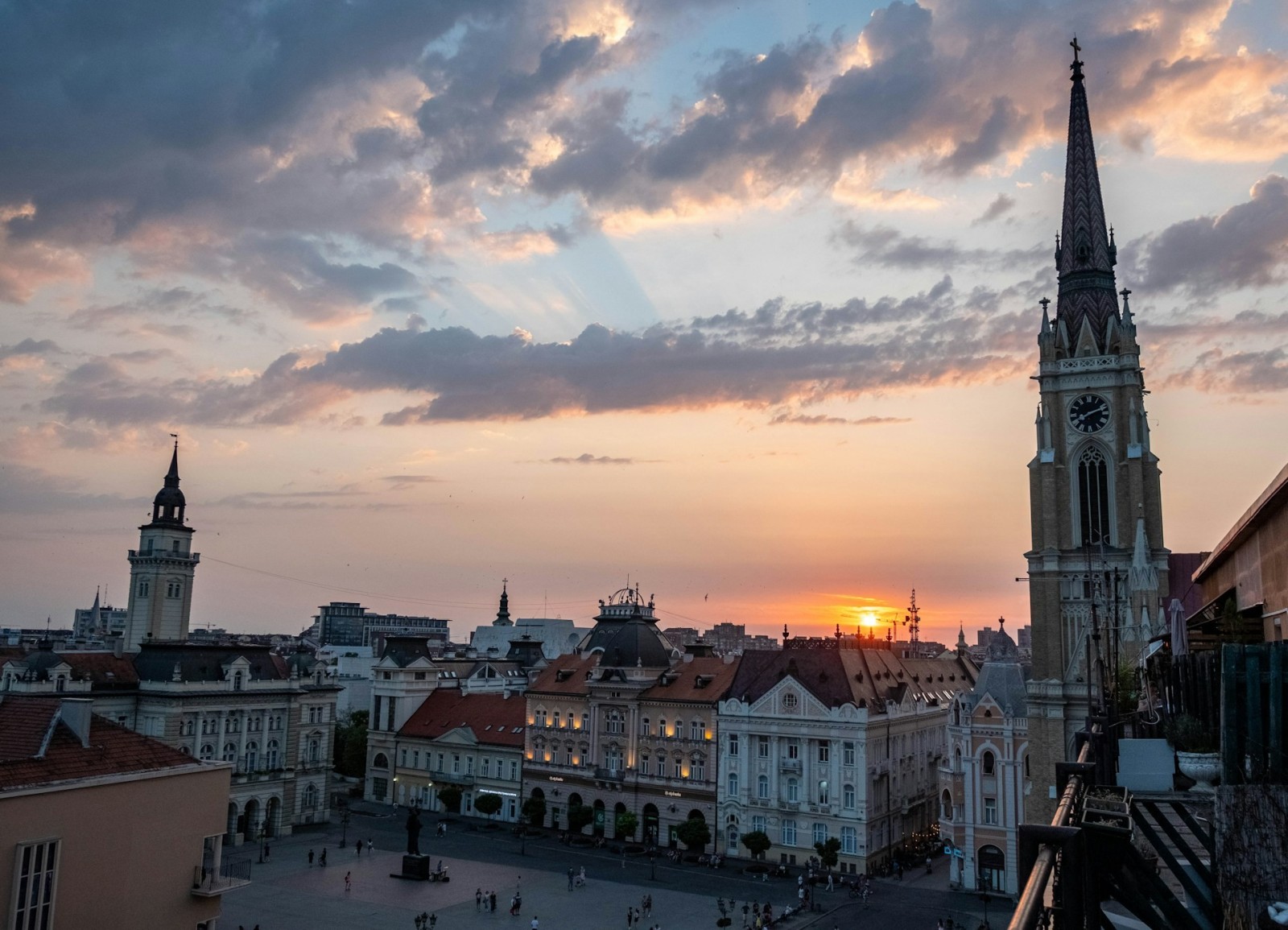
The main advantage of Novi Sad is a cozy historical center with beautiful squares, pedestrian streets, ancient buildings and numerous cafes. Particular attention is drawn to Liberty Square with the city hall and the Catholic Cathedral of the Name of Mary. Walks through the old quarters allow you to get acquainted with the architecture of the Austro-Hungarian period, Orthodox churches and buildings of the XIX century.
2. Petrovaradin fortress
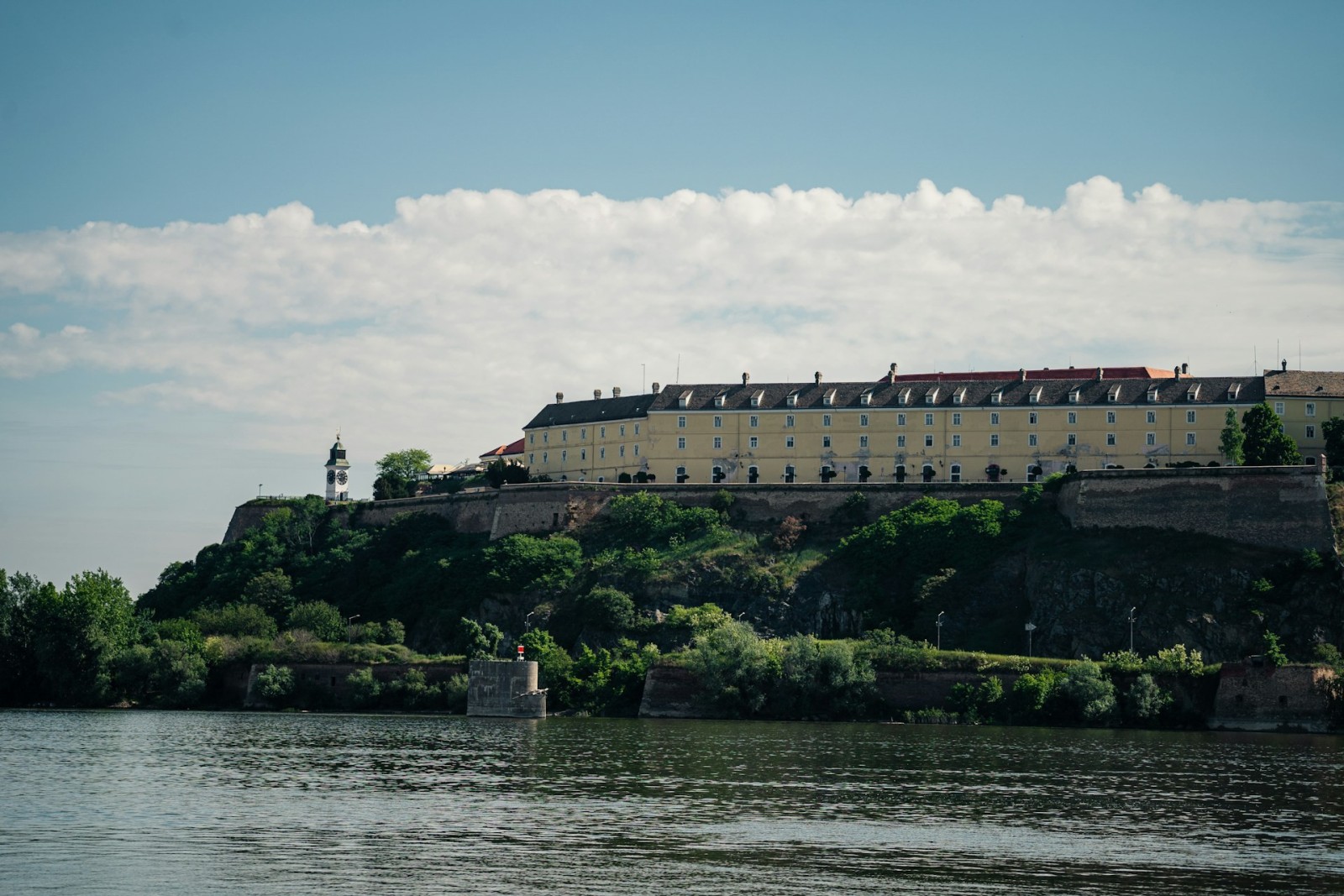
The main attraction of the city is the Petrovaradin fortress, located on the high bank of the Danube. It is considered one of the largest historical fortifications of the region. Tourists can explore ancient bastions, underground military tunnels, museum expositions and the famous clock tower. From the fortress walls there are magnificent panoramic views of the city and the river.
3. Walking along the Danube
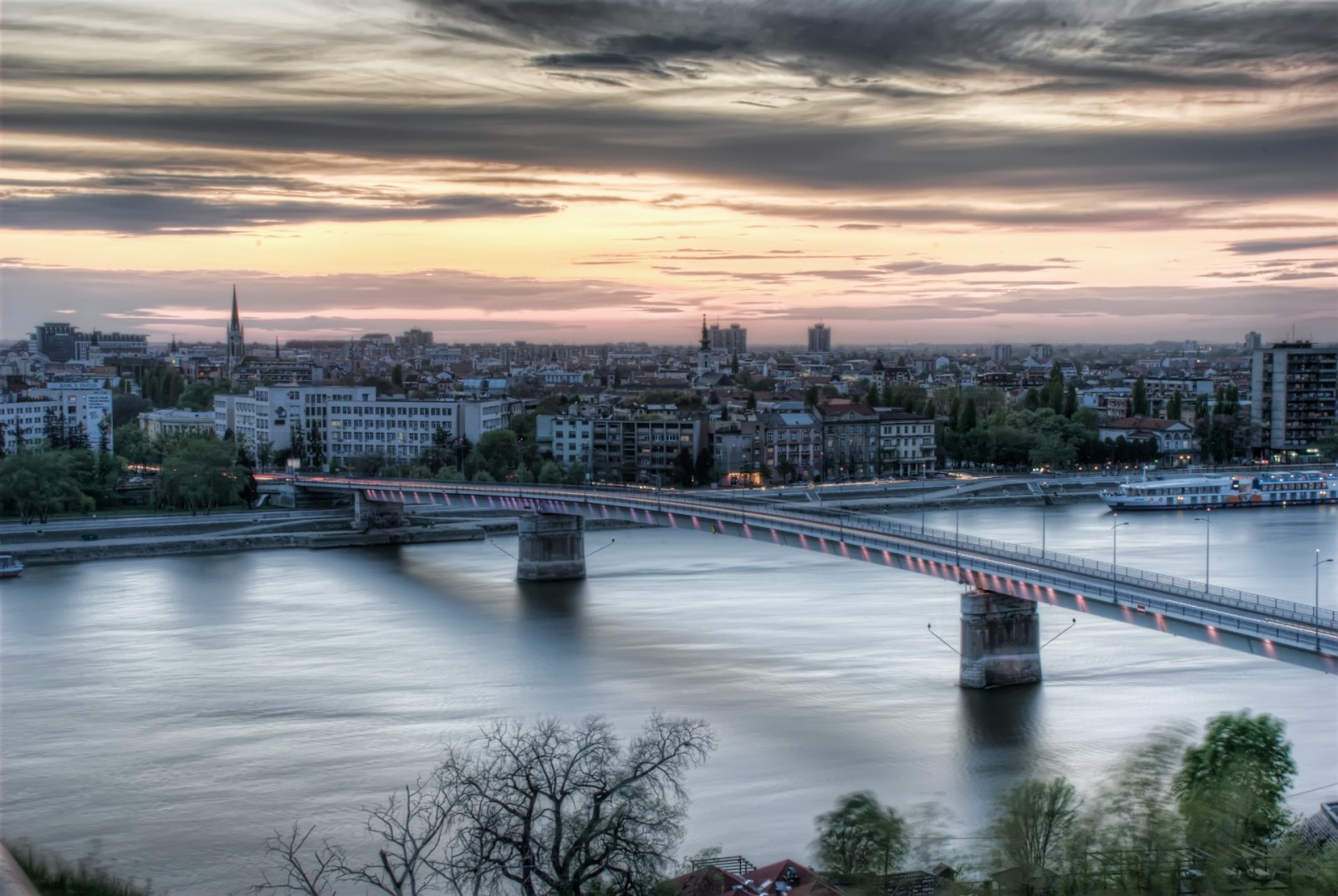
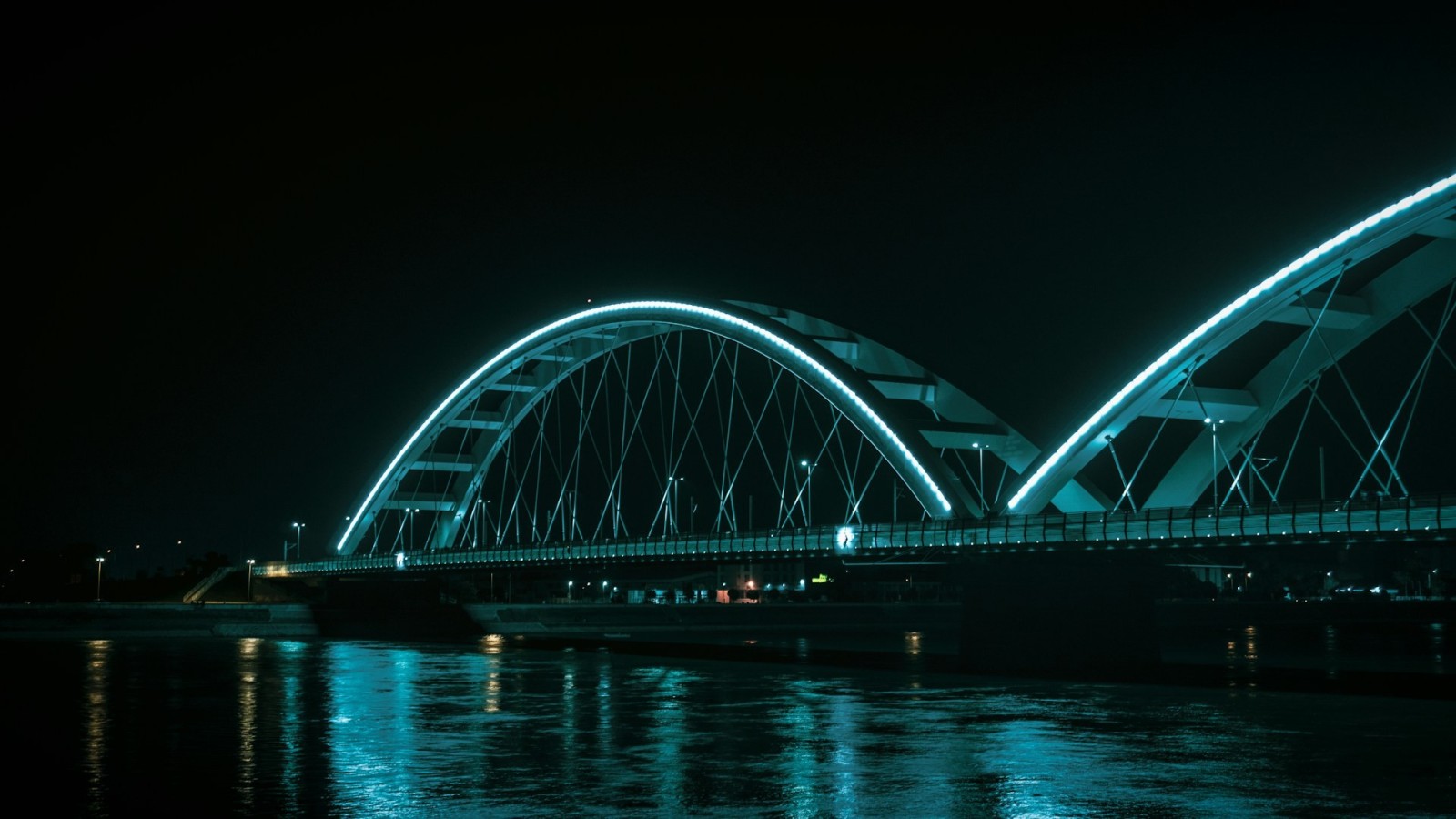
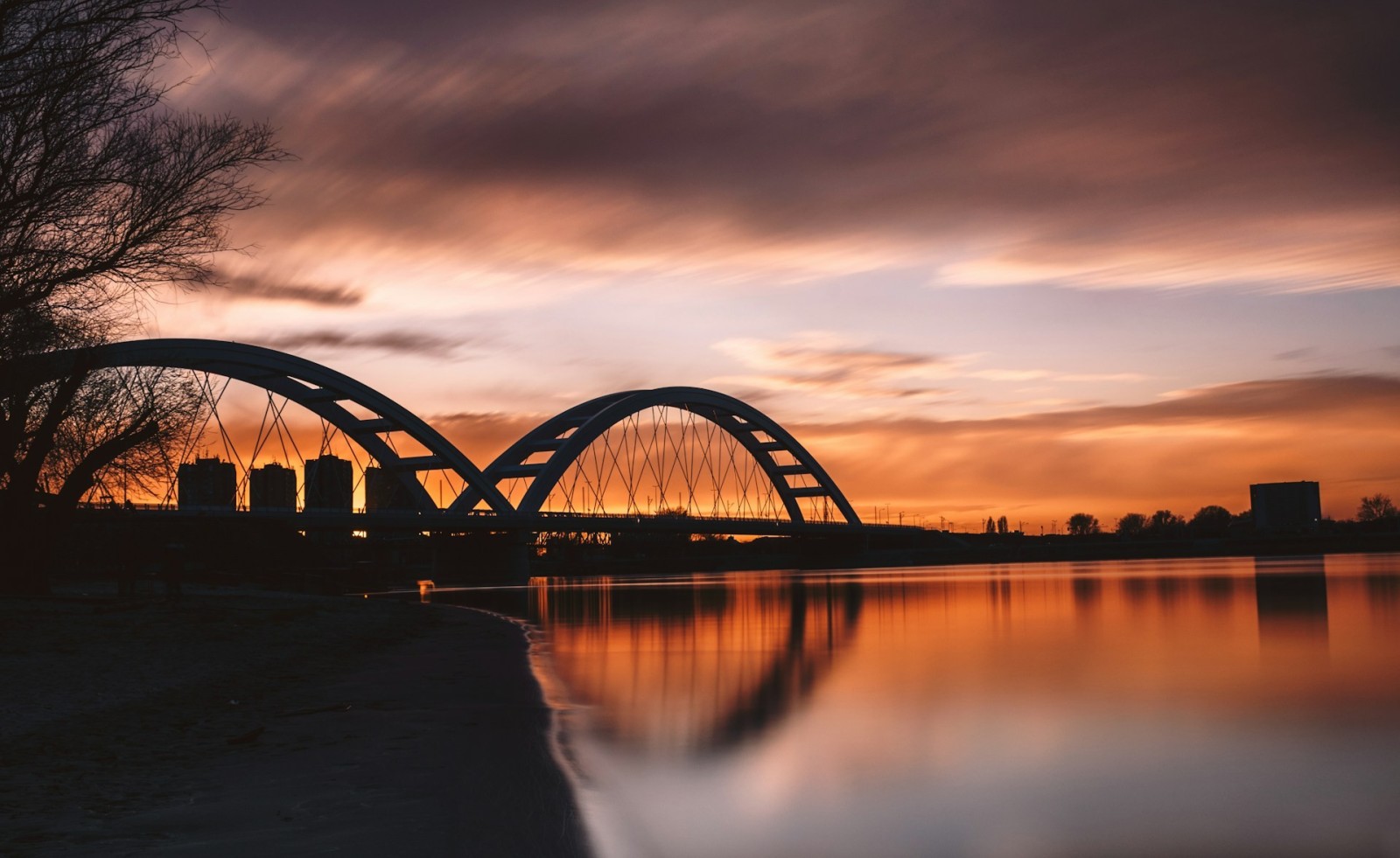
The Danube gives the city a special charm. Along the river there are promenades, bicycle paths, parks and recreation areas. A popular place is Strand Beach, where in summer you can swim, sunbathe, play sports and visit a cafe. Modern bridges are thrown across the Danube, with beautiful views of the city.
4. Cultural life and entertainment
Novi Sad is known for theatre productions, concerts, exhibitions and music festivals. Particularly popular is the international festival EXIT, which is held on the territory of the Petrovaradin fortress and gathers performers and spectators from different countries. The city also has Serbian National Theatre, museums, art galleries and cultural centers.
5. Gastronomic tourism
The local cuisine combines Serbian, Hungarian and Austro-Hungarian culinary traditions. Tourists should try Chevapi, Pleskavitsa, Sarma, fish paprikash, homemade sausages and pastries. Restaurants and traditional establishments serve meat, river fish and seasonal vegetables. The region of Vojvodina is also known for its winemaking traditions.
6. Natural tourism and surroundings
Near Novi Sad is the Frushka Gora National Park, a popular destination for hiking, cycling and nature recreation. There are forests, lakes, vineyards and ancient Orthodox monasteries.
It is also worth visiting the town of Sremski-Karlovci with beautiful architecture, wine cellars and historical sights.
7. Shopping and gifts
In the center of Novi Sad there are clothing shops, shopping galleries, souvenir shops and markets. Tourists can purchase local craftsmen, ceramics, traditional embroidery, leather goods, Serbian sweets, honey, spices and regional wines.
1. Five-star hotels and high-class hotels
Suitable for tourists who prefer increased comfort, quality service, restaurants, spa centers, fitness rooms and spacious rooms.
Popular options:
Hotel Pupin is a modern five star hotel in the central part of the city. It offers elegant rooms, a restaurant, quality service and a convenient location relative to the historic center.
Hotel Leopold I is an unusual hotel located directly on the territory of Petrovaradin Fortress. It has a historic atmosphere and beautiful views of the Danube and the city.
Sheraton Novi Sad is a modern international hotel with comfortable rooms, a restaurant, a fitness center and a spa. Suitable for business trips and long rest.
2. Four-star hotels
This is the best option for travelers who need comfortable living conditions, good service and convenient location without excessive costs.
Popular hotels:
Hotel Centar is located near the pedestrian center. It offers spacious rooms, breakfast and easy access to the main attractions.
Garni Hotel Aleksandar is a modern hotel with comfortable rooms and good conditions for relaxation.
Hotel Planeta Inn is a popular accommodation option with a convenient location relative to the center, restaurants and shopping facilities.
Hotel Master is a hotel with modern rooms, suitable for tourists and business travelers.
3. Three-star and mid-range hotels
Suitable for independent travelers, families and tourists who most of the time plan to spend outside the hotel.
Recommended options:
Hotel Veliki is a small hotel in a historic building near a pedestrian zone. It offers comfortable rooms and convenient location.
Hotel Zenit is a hotel in the heart of the city, close to shops, cafes and main attractions.
Hotel Fontana is a hotel with its own restaurant and cafe located in the central part of Novi Sad.
Garni Hotel Vigor is a small hotel in a quiet area, suitable for a measured holiday.
1. Petrovaradin Fortress (Petrovaradinska tvrđava)
The main historical symbol of Novi Sad, built in the late XVII-XVIII centuries. The fortress is located on the high bank of the Danube and is known for its powerful bastions, underground tunnels, ancient gates and observation decks. On its territory there are a city museum, art workshops, galleries and a planetarium. The famous EXIT music festival is also held here.
Transport accessibility: you can walk from the city center by crossing the Danube along the Varadin Bridge. City buses and taxis are also available. Ascent to the upper part of the fortress passes through stairs and steep streets.
2. The Clock Tower (Sahat-kula)
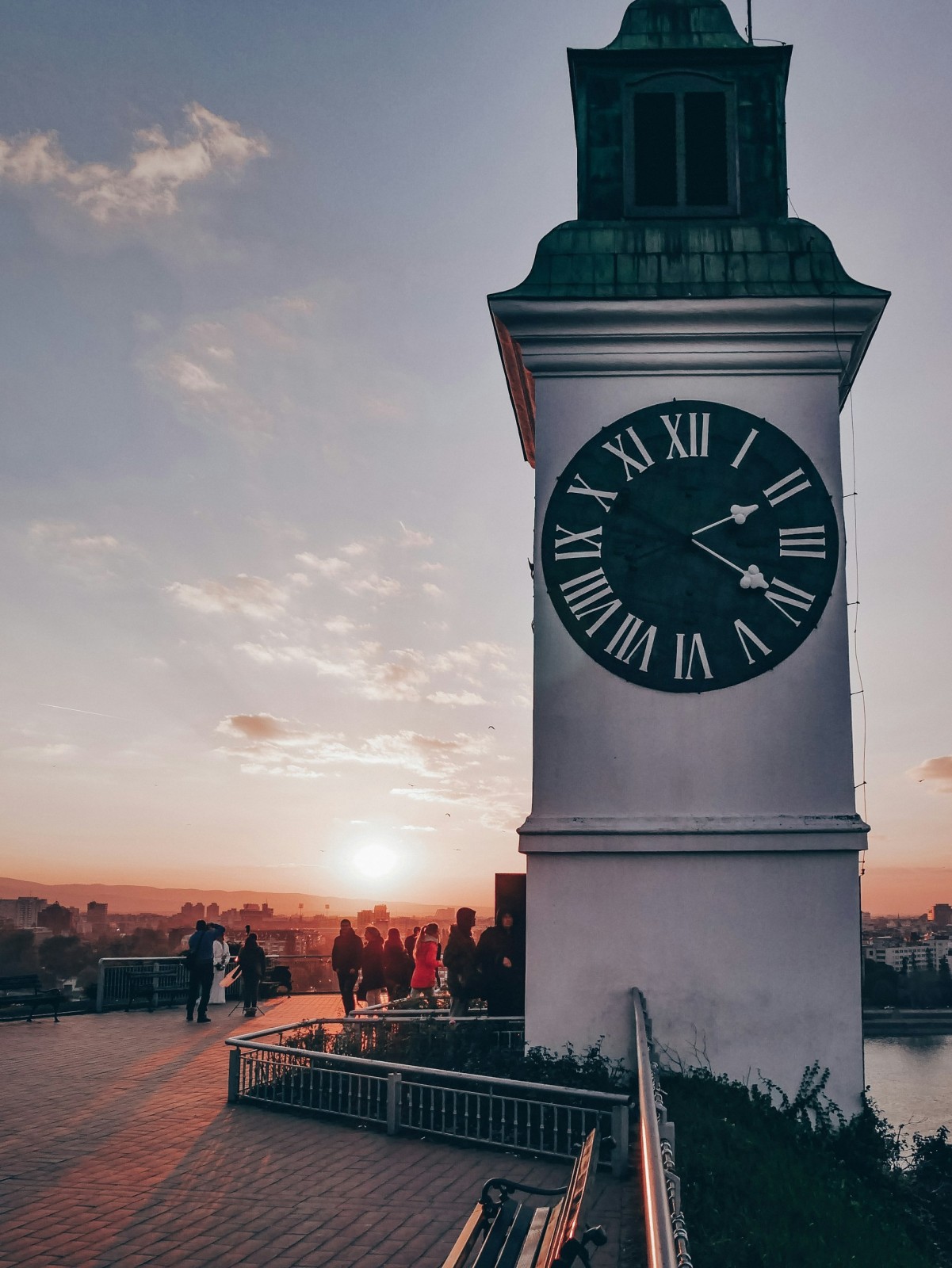
One of the most recognizable sights of the fortress. The tower is famous for its unusual dial: the big hand shows the clock, and the small hand shows the minutes. Such a device was convenient for rivermen who could determine the time from the Danube from afar. Nearby is an observation deck with panoramic views of the city, river and bridges.
Transport accessibility: located inside the Petrovaradin fortress. You can get there on foot from the entrance to the fortress, by bus to Petrovaradin or by taxi.
3. Freedom Square (Trg Slobode)
The main square of the city and the center of public life. Here are the city hall in the neo-Renaissance style, the monument to Svetozar Miletich and the Catholic Cathedral of the Name of Mary. The square is surrounded by historic buildings, cafes and shops. City holidays, concerts and social events are held here.
Transport accessibility: located in the heart of Novi Sad. It is most convenient to get on foot from central hotels or by city bus to the nearest stops.
4. The Cathedral of the Name of Mary (Crkva Imena Marijinog)
Majestic Catholic church in neo-Gothic style, built in the late XIX century. Its tall tower reaches about 73 meters and is one of the architectural dominants of the city. Inside you can see stained glass, decorative elements and an organ. The cathedral is especially interesting for lovers of religious architecture.
Transport accessibility: located directly on Freedom Square, so it is convenient to visit during a walking tour of the historic center.
5. Zmaj Jovina Street (Zmaj Jovina)
One of the most beautiful pedestrian streets of Novi Sad. It passes through the historic center and is known for its old facades, small shops, pastry shops, cafes and restaurants. Here is the Episcopal Palace with expressive architecture in the Serbian-Byzantine style.
Transport accessibility: located in a pedestrian area. You can walk from Freedom Square in a few minutes.
6. Danube Park (Dunavski Park)
One of the most famous city parks, founded in the late XIX century. There is a small lake, walking alleys, fountains, sculptures and numerous trees. It is a popular place to relax, walk with children and relax away from the city noise.
Transport accessibility: the park is close to the historical center and Dunavska Street. It is easy to walk from Liberty Square in about 5-10 minutes.
7. Danube street (Dunavska ulica)
One of the oldest streets of the city, which has preserved the atmosphere of the historic Novi Sad. Here are ancient buildings, cozy courtyards, souvenir shops, restaurants and cafes. The street is especially attractive for exploring the architecture of the XVIII-XIX centuries.
Transport accessibility: located in the central pedestrian zone, next to the Danube Park and museums. It is most convenient to visit on foot.
8. Museum of Vojvodina (Muzej Vojvodine)
The museum introduces visitors to the history and culture of Vojvodina from prehistoric times to the XX century. The exposition presents archaeological finds, household items, historical documents, folk costumes, weapons and works of decorative art.
Transport accessibility: located on Danube street, in the historical center. The museum can be reached on foot from Liberty Square in 5-10 minutes.
9. Gallery of Matica Srpske (Galerija Matice srpske)
One of the most important art galleries in Serbia. There is a rich collection of Serbian painting and graphics of the XVII-XX centuries. Visitors can get acquainted with the works of national artists, historical portraits and religious art.
Transport accessibility: located in Galleries Square, near Liberty Square. It is most convenient to walk.
10. Serbian National Theatre (Srpsko narodno pozorište)
One of the oldest professional theatres in Serbia, founded in 1861. It hosts dramatic productions, opera performances, ballet performances and musical concerts. The theater is of great importance for the cultural life of the city.
Transport accessibility: located on Theatre Square in the central part of the city. It is easily accessible on foot or by city bus.
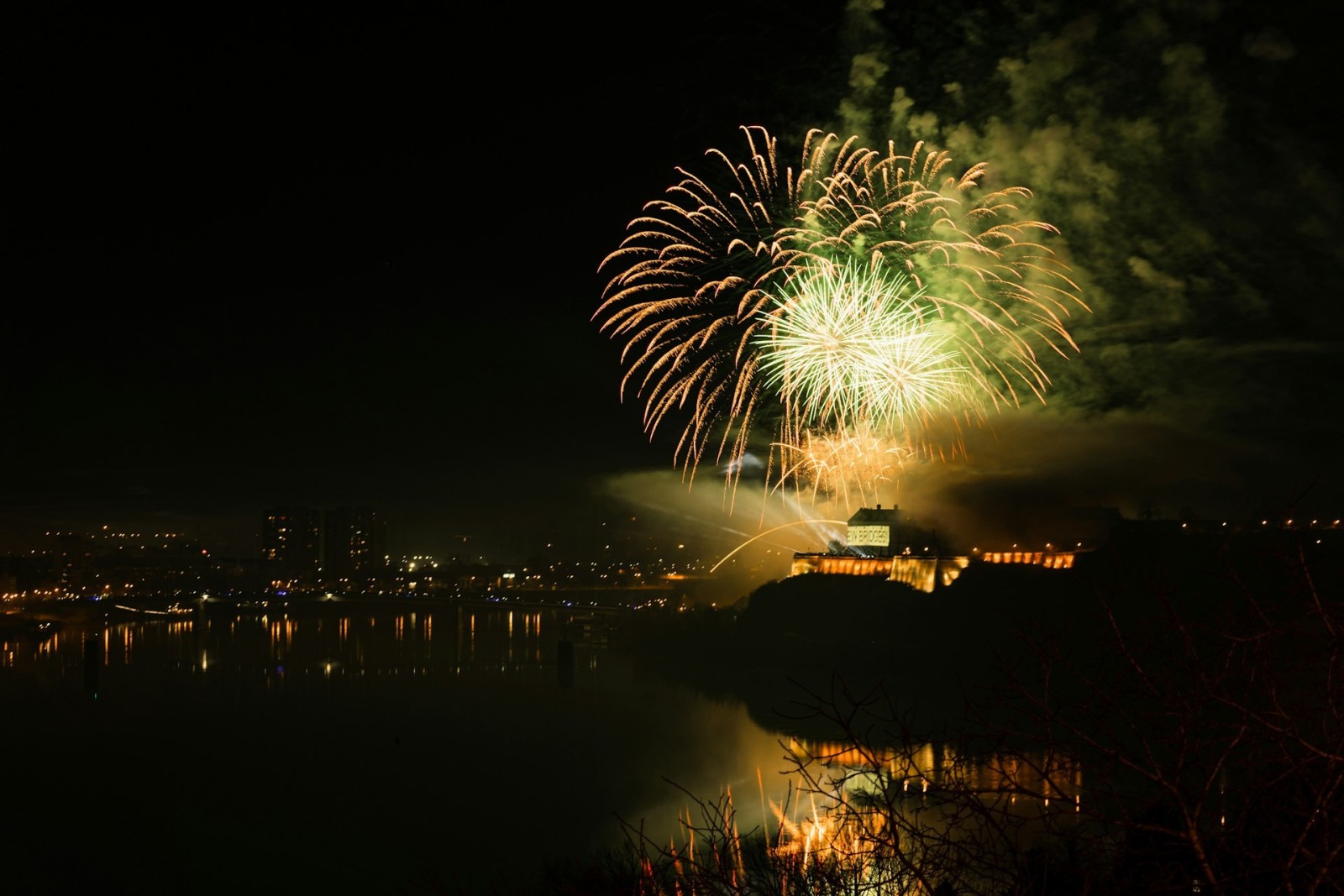
1. EXIT Music Festival – traditionally held in July on the territory of Petrovaradin fortress. This is one of the most famous music festivals in the region, uniting performers of rock, pop, electronic and dance music. After a break and organizational changes, the festival announced plans to return to Novi Sad in 2027.
2. Sterijino pozorje Theatre Festival is held in May and early June. Dedicated to Serbian drama and theatrical art, includes performances of professional theaters and a competitive program.
3. The children’s festival “Zmajeve dečje igre” is held in June. The program includes theatrical productions, concerts, literary meetings, creative master classes and entertainment for children.
4. The International Agricultural Salon (Međunarodni poljoprivredni sajam) is held in May. One of the largest exhibitions of Serbia, presenting agricultural machinery, food, livestock and achievements of the agrarian industry.
5. The NOMUS Music Festival (Novosadske muzičke svečanosti) is usually held in April. Dedicated to classical music, symphonic and chamber concerts with the participation of Serbian and foreign performers.
6. The International Festival of Alternative and New Theatre (INFANT) takes place in June. Presents experimental performances, modern dramaturgy, performances and unusual theatrical productions.
7. The Interfest International Wine Festival is usually held in June. Visitors get acquainted with Serbian and foreign wines, local gastronomic products and winemaking traditions.
8. The Festival of Street Artists (Festival uličnih svirača / Gradić Fest) is held in August or September. The streets of the city are turning into stage platforms for musicians, dancers, circus artists, theater groups and street performers.
9. The festival "Tastes of Vojvodina" (Ukusi Vojvodine) - takes place in September. Dedicated to regional cuisine: meat dishes, cheeses, pastries, homemade products and wines. Accompanied by tastings and musical performances.
10. The Kaleidoskop Culture Festival is held mainly from September to October. It includes exhibitions, concerts, theatrical performances, architectural and artistic projects that unite different cultural venues of the city.
11. The Novosadski maraton is usually held in October. Includes races at different distances, mass sports starts and competitions for runners.
12. Novosadski Oktoberfest takes place in autumn, usually in October. Dedicated to beer culture, gastronomy and music, accompanied by tastings and concerts.
13. The International Tourism Fair (Međunarodni sajam turizma) is held in November. It presents tourist destinations, hotels, excursion programs and offers of travel companies.
14. Zimzolend Christmas Fair is organized in November and December. At the festive venues, shopping houses are installed, souvenirs, sweets, hot drinks and products of local craftsmen are sold.
15. The Ice Forest Festival (Ledena šuma) is held in winter, usually from December to January. The Danube Park opens an ice rink, organizes musical performances, festive events and entertainment for families with children.
16. The celebration of the New Year "Daughters" (Doček) - takes place in late December and early January. The city hosts concerts, music programs, artistic performances and festive events related to the celebration of the New Year according to the Gregorian and Julian calendars.
17. Orthodox Christmas (Božić) is celebrated on January 7. The holiday is accompanied by family traditions, church services and festive events. At this time, the city acquires a special winter atmosphere.
18. Novi Sad City Day is celebrated on February 1. The date is associated with the city obtaining the status of a free royal city in 1748. Cultural events, exhibitions and solemn programs are held.
1. Winter period (December – February)
Winter is cool, sometimes frosty and foggy. The average daily temperature is about +3 ... +7 ° C, at night frosts up to -1 ... -3 ° C are possible. Sometimes snow falls, but stable snow cover does not happen every year. The water temperature in the Danube is usually kept within +3 ... +6 °C.
For walks around the city, you will need warm clothes, a jacket, shoes with a non-slip sole. Winter is suitable for visiting museums, theaters, restaurants and Christmas events.
2. Spring period (March – May)
Spring is gradually becoming warm. In March, the afternoon is usually about +12 ° C, in April +17 ... +19 ° C, and in May +22 ... +24 ° C. At night, the temperature rises from about +2 °C in March to +11 ... +12 °C in May. During this period, rains and short thunderstorms are possible.
The water in the Danube warms up gradually: from about +5 ... +10 ° C in March-April to +17 ° C. +20C in May.
Spring is well suited for walking around the historical center, visiting the Petrovaradin fortress, excursions to Sremski-Karlovtsi and trips to the Frushka Gora National Park.
3. Summer period (June – August)
Summer is hot and mostly sunny. The average daily temperature in June is +26...+27 °C, in July and August +28...+30 °C. On some days, the heat can exceed +35 ° C. At night, usually about +15 ... +18 ° C. Short-term downpours and thunderstorms are possible.
The water temperature in the Danube in summer can reach +22...+27 °C, especially in July and August. For swimming tourists visit the city beach Strand, but before swimming should take into account the current state of the water and bathing permits.
Summer is suitable for river holidays, boat trips, visiting beaches, summer concerts and festivals. On hot days, it is better to plan excursions for the morning and evening.
4. Autumn period (September – November)
The beginning of autumn is usually warm and comfortable. In September, the day is about +23 ... +25 ° C, in October +17 ... +19 ° C, in November +10 ... +12 ° C. At night, the temperature gradually decreases from +11 ... +12 ° C to +2 ... +4 ° C. In October and November, it becomes cooler, the likelihood of cloudy days and rain increases.
The water temperature in the Danube is about +17...+22 °C in September, about +13...+17 °C in October and +8...+10 °C in November.
Autumn is suitable for cultural tourism, gastronomic events, wine tastings, walks around the old town and trips around the neighborhood.
1. Main language of communication
The official language is Serbian. It is used in shops, restaurants, public transport, government offices and everyday communication. Serbian has two forms of writing: Cyrillic and Latin. Both are used on signs, signs and documents.
In tourist places, hotels, restaurants and among young people, English is widely spoken. Some residents also speak Hungarian, Slovak and other languages. Russian can be understood by some people, but it is not worth relying on it everywhere.
2. Greetings and rules of communication
It is customary to greet with a handshake.
Polite appeals to strangers - "Vi" (you), especially the elderly.
When meeting friends, hugs and kisses on the cheek are common.
In conversation, it is desirable to maintain a friendly tone and not interrupt the interlocutor.
The words "pray" (please) and "praise" (thank you) help maintain polite communication.
Don’t ask personal questions about income, family circumstances and political views.
3. Hospitality and family traditions
Serbs are known for their hospitality. If a tourist is invited to visit, it is customary to bring a small gift: sweets, flowers or a souvenir. In some houses, before entering, they are asked to take off their shoes - it is better to focus on the behavior of the owners.
Of great importance is the family holiday "Glory" (Slava) - the day of veneration of the patron saint of the family. It is usually celebrated at home with relatives and friends. Guests can be offered traditional dishes, homemade pastries and drinks. You should not come to such a holiday without an invitation.
4. Food culture and cafe visits
In Novi Sad, the tradition of leisurely meetings in cafes is popular. Locals can sit for a long time over a cup of coffee, talk and relax, so it is not customary to rush staff unnecessarily.
When visiting restaurants, it is advisable to follow the following rules:
Wait for the waiter to offer a table, if this practice is in place.
Do not start eating until meals are served to all participants.
Tipping is not necessary, but with good service, it is customary to leave about 10% or round the bill amount.
During the feast, a toast is often pronounced "Liveli!" (Živeli!) - "To health!"
Alcoholic beverages can be politely refused, this is not considered a violation of etiquette.
5. Religious traditions and visits to temples
The main religion among Serbs is Orthodox Christianity. There are also Catholic, Protestant and other religious communities in Novi Sad.
When visiting Orthodox churches, it is recommended:
Wear clothes that cover the shoulders and knees.
Be calm and not talk loudly.
Do not take pictures of worship or worship without permission.
Observe the restrictions on photography set by a particular temple.
Do not interfere with religious ceremonies.
6. National holidays and local customs
The city celebrates Orthodox Christmas on January 7, Easter according to the Orthodox calendar, New Year and other state and religious holidays. Of particular importance is the City Day on February 1.
Vojvodina has a multinational culture, so Serbian, Hungarian, Slovak and other cultural events are held in Novi Sad. Tourists are encouraged to respect the national symbols, languages and religious customs of local residents.
1. Basic words and expressions
Zdravo - hello.
Dobar dan is a good day.
Dobro Jutro - Good morning.
Dobro Veče (Good Veche) - Good evening.
Laku noć (Laku nights) - good night.
Doviđenja (Davidzhenya) - goodbye.
Hvala (Praise) -- thank you.
Molim, please.
Izvinite (Sorry) - sorry.
Da (Yes) Yes.
Ne (No) No.
Dobro (Good) - good.
Odlično (Alone) - great.
Naravno (Equally) - of course.
Možda - maybe.
Danas (Danas) - today.
Sutra is tomorrow.
Juce - yesterday.
Ovde is here.
Tamo is there.
2. Phrases for everyday communication
Kako ste? (What stee?) - How are you?
Kako se zovete? (What do you call it?) - What's your name?
Zovem se... (Calling Se...) - My name is...
Drago mi je - Nice to meet you.
Ne razumem - I don't understand.
Razumem - I understand.
Govorite li engleski? (Do you speak English?) - Do you speak English?
Govorim malo srpski – I speak a little Serbian.
Možete li da ponovite? (Can you change it?) - Could you say it again?
Govorite sporije, molim – Speak more slowly, please.
Možete li da mi pomognete? (Can you help me?) - Can you help me?
Nema problema - No problem.
3. Hotel phrases
Imam Rezervaciju (Imam Reservation) - I have a reservation.
Želim da se prijavim (Gelim da se prijavim) - I want to register.
Imate li slobodnu sobu? (Do you have a soft soba?) - Do you have a room available?
Koliko košta soba? (Colico coshta soba?) - How much is the room?
Da li je doručak uključen? (Is your little friend a pupil?) - Breakfast included?
U koliko sati je doručak? (Colico sati has a girlfriend?) - What time is breakfast?
Gde je lift? (Where's the elevator?) - Where's the elevator?
Treba mi peškir - I need a towel.
Wi-Fi lozinka, molim – Password from Wi-Fi, please.
Želim da se odjavim - I want to leave the hotel.
4. In cafes and restaurants
Jelovnik, molim - Menu, please.
Sto za dvoje, molim - Table for two, please.
Šta preporučujete? (You're entrusting the state?) - What do you recommend?
Jednu kafu, molim - One coffee, please.
Čašu vode, molim is a glass of water.
Bez mesa (without meat) - without meat.
Ne jedem svinjetinu - I don't eat pork.
Da li je ljuto? (Is it really hot?) - Is it spicy?
Račun, molim (Rachun, pray) - Account, please.
Bilo je veoma ukusno (Bilo e veoma bitten) - It was very tasty.
Mogu li da platim karticom? (Can we pay with a card?) - Can I pay with a card?
Gde je toalet? (Where's the toilet?) - Where's the toilet?
5. Purchases and markets
Koliko ovo košta? (Colico ovo coshta?) - How much does it cost?
Preskupo je – This is too expensive.
Imate li nešto jeftinije? (Do you have any ephthine?) - Anything cheaper?
Uzeću ovo - I'll take it.
Samo gledam - I'm just looking.
Mogu li da platim gotovinom? (Can we pay in cooking?) - Can I pay in cash?
Gde je pijaca? (Where's the pizza?) - Where's the market?
Gde je menjačnica? (Where's the change girl?) - Where's the exchange office?
Gde je bankomat? (Where's the ATM?) - Where's the ATM?
Kesu, molim - Package, please.
1. National cuisine and local products
Pleskavica (Pljeskavica) is a large meat cutlet grilled with cake, onions and sauce.
Chevapi are small meat sausages with onions and kaimak.
Sarma (Sarma) - blueberries from sauerkraut with meat and rice.
Fish paprikash (Riblji paprikaš) is a fish dish with paprika made from river fish.
Index sandwich (Index sendvič) is a famous local sandwich with ham, cheese, mushrooms and sauce.
Sremski kulen is a hot, smoked sausage with spices.
Burek is a layered cake with meat or cheese.
Ajvar is a paste of baked red pepper.
Gibanica is a layered cake with cheese and eggs.
Kitnikez is a traditional sweet quince marmalade.
2. Drinks and local specialties
Bermet is a famous flavored dessert wine from Sremski-Karlovci.
Frushka Mountain wines are local white and red wines, especially Traminer and Riesling.
Slivovica (Šljivovica) is a traditional strong plum rakia.
Apricot rakia (Kajsijevača) is a fragrant drink made of apricots.
3. Useful products and natural remedies
Lime and acacia honey are popular local bee products.
Propolis is a natural product of beekeeping, sold in the form of tinctures.
Pollen and perga are products of local apiaries.
Herbal collections are local teas from dried plants.
Fruit jams - from plums, apricots, cherries and quinces.
Natural soap - with honey, herbs and vegetable oils.
4. Souvenirs and products of local masters
Licider hearts (Liciderska srca) are traditional Serbian gingerbread with colored glaze.
Ceramics of Vojvodina - decorative plates, cups and figures.
Magnets with the Petrovaradin fortress are popular souvenirs.
National textiles – napkins, towels and bags with traditional ornaments.
Handmade jewelry - products of silver, copper and glass.
Products made of straw are original objects of folk art.
Souvenirs with the symbols of Novi Sad - postcards, mugs and T-shirts.
1. Documents required
For a trip to Novi Sad it is necessary to prepare:
The passport must be valid during the trip. It is desirable to have a margin of validity.
A visa is required for citizens of countries for which Serbia has established a visa regime. Citizens of many countries are allowed visa-free entry.
Confirmation of residence - reservation of the hotel, apartments or the address of the host party.
Return ticket – it is desirable to have confirmation of further route or return.
Health insurance is recommended for the entire period of travel.
Copies of documents – keep electronic and paper copies of passport, insurance and tickets separate from the originals.
Foreigners must be registered at their place of stay in Serbia within 24 hours of arrival. When staying in a hotel, registration is usually made by the administration. When renting private housing, it is necessary to clarify this issue with the host party.
2. Health insurance
For travel, it is recommended to obtain tourist medical insurance, which provides:
Emergency medical care and medical advice.
Hospitalization and treatment in the hospital.
Cover the cost of medicines as prescribed by a doctor.
Medical transportation and return to the home country if necessary.
Assistance in accidents and injuries during excursions.
In Novi Sad there are public hospitals, private medical centers and pharmacies. In case of serious health problems, you should contact the emergency medical service.
3. Emergency services phones
The following numbers are valid in Serbia:
112 is a single emergency number.
192 police.
193 Fire Department.
194 - Emergency medical care.
1987 - Roadside assistance.
It is better to save the numbers on the phone in advance.
4. Mobile operators and communications
There are three main mobile operators in Serbia:
Yettel offers travel SIM cards and mobile internet packages.
A1 Serbia provides mobile, internet and prepaid fares.
MTS (Telekom Srbija) is one of the largest operators in the country with wide coverage.
Prepaid SIM cards and eSIM electronic SIM cards are available to tourists. For the purchase of a local prepaid SIM card, registration is provided for the document.
In Novi Sad, mobile communication and the Internet are well developed. Before traveling, you should check the cost of roaming your operator: Serbia is not a member of the EU, so European tariffs at no additional cost do not automatically apply here.
5. Safety rules in the city
In crowded places, markets and public transport, watch your bags, phones and documents.
Do not carry large amounts of cash or display expensive jewelry.
Use official taxis and specify the cost of the trip in advance.
In the evening, avoid poorly lit and deserted streets.
Do not leave things unattended in cafes and restaurants.
During mass events and demonstrations, avoid large crowds.
Do not photograph military or police facilities without permission.
Follow the rules of the road, especially when crossing streets and driving.
In general, the usual precautions are sufficient for Novi Sad. Particular attention should be paid to personal belongings and the situation in the venues of mass events.
6. How many tourists can stay in Serbia without leaving
The duration of the visa-free stay depends on the nationality of the traveler.
Citizens of many European countries can stay up to 90 days in a 180-day period.
Some countries have different deadlines, such as 30 days.
If a tourist requires a visa, a short-stay C visa usually allows them to stay in the country for up to 90 days within 180 days.
For a longer stay, an appropriate permit or long-term visa of category D is required.
The D visa allows you to stay in Serbia from 90 to 180 days. For further residence, a temporary residence permit is issued if there are legal grounds.
Create a query and local guides will offer you the best options

Install the app «PersonalGuide»
www.personalguide.ru
