Independent tourism and recreation in the city of Sitka Historical information about the city of Sitka 1. Anci...
1. Ancient History and Indigenous People
Long before the advent of Europeans, the territory of modern Sitka was the birthplace of the Tlingit people, the indigenous people of southeastern Alaska. They lived on the Pacific coast, engaged in fishing, hunting, gathering and maritime trade. Their diet was based on salmon and other marine resources, and wood was used to build houses, boats and make household items.
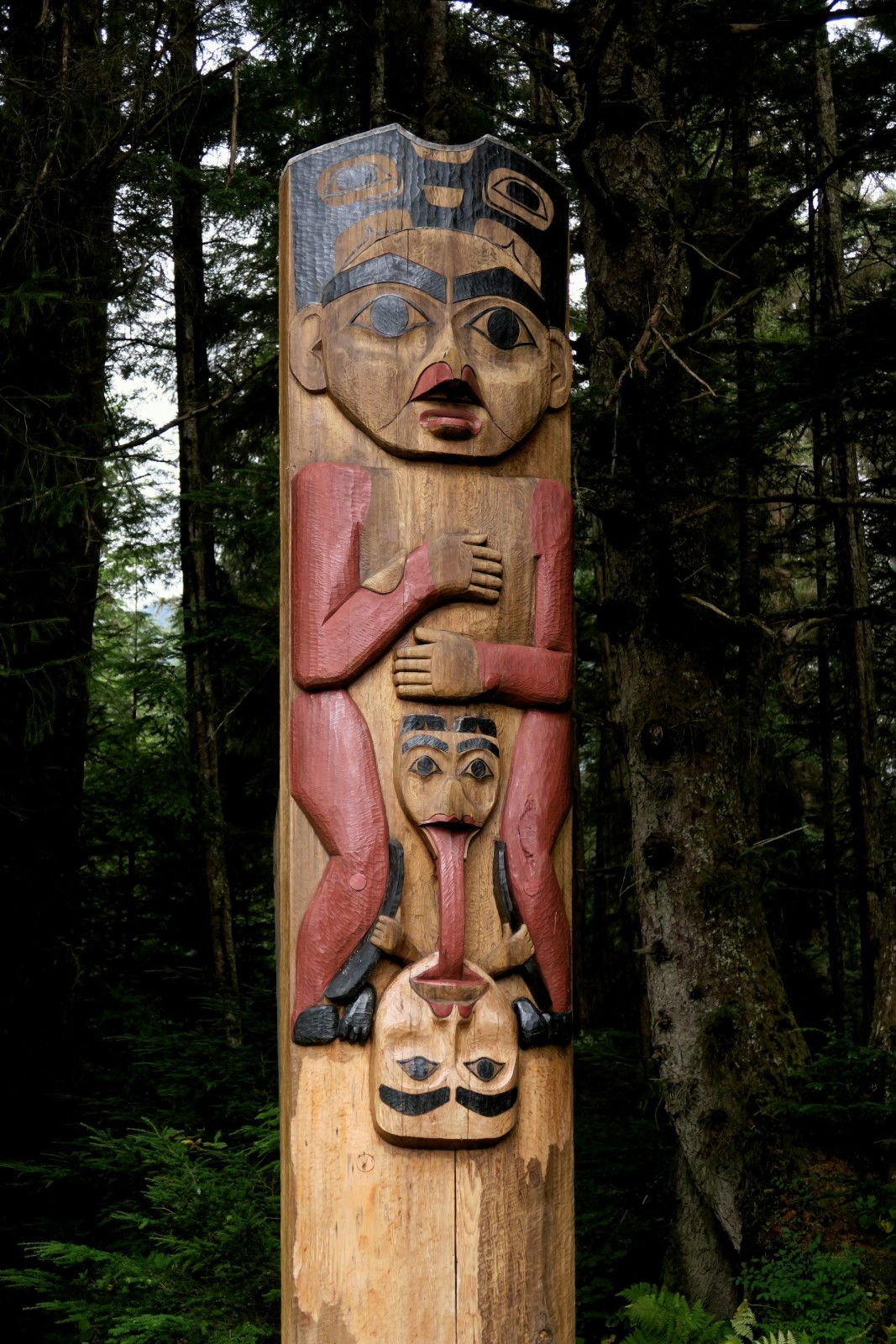
The Tlingit lived in communities united by ancestral ties and had a developed culture based on oral traditions, ceremonies and artistic crafts. Particularly famous were their carved totem poles. The locals maintained trade relations with neighboring peoples and sought to maintain independence and control over their lands.
2. The emergence of Russians and the beginning of colonization
In the XVIII century, the Russian Empire began to actively explore the northern part of the Pacific Ocean. After the expeditions of Vitus Bering and Alexei Chirikov in 1741, Russian industrialists began to explore Alaska, attracted primarily by the trade in valuable furs.
In 1799, a Russian-American company was created, which received monopoly rights to trade and fishing in the Russian possessions of North America. In the same year, Alexander Baranov organized the settlement of the Mikhailovsky fortress near modern Sitka.
The presence of the Russians caused discontent among the Tlingitites, who feared the loss of land and traditional livelihoods. In 1802, local residents attacked and destroyed the Russian fortification. This was a serious defeat for the Russian-American company.
3. Foundation of Novo-Arkhangelsk
In 1804, Alexander Baranov organized a new expedition to restore the Russian presence. Together with the Russian detachments, allies from among the indigenous peoples acted, and support from the sea was provided by the ship Neva under the command of Yuri Lisyansky.
The Tlingit under the leadership of the military leader K'alyan resisted in strengthening Shisgi Nouv. After several days of fighting, they retreated and the Russians occupied the territory.
At this place there was a settlement Novo-Arkhangelsk, named after Arkhangelsk. In 1808 it became the administrative center of Russian America. The city became an important trading port through which furs, food and goods were transported from Russia and other regions of the Pacific coast.
4. Development of the city in the first half of the XIX century
In the first half of the XIX century, Novo-Arkhangelsk gradually became the administrative and cultural center of Russian possessions in North America. Residential houses, warehouses, workshops, schools and Orthodox churches were built here.
Of particular importance was the Cathedral of St. Michael the Archangel, which became the main religious symbol of the Russian colony. The city also hosted the residence of the leadership of the Russian-American company.
The population included Russian settlers, indigenous people and descendants of mixed marriages, who were called Creoles. Despite the development of trade and cultural ties, relations between the Russian administration and the Tlingit people remained complicated.
By the middle of the XIX century, revenues from fur fishing began to decline due to excessive mining of sea otters. The remoteness of the colony and the high cost of supply further complicated its economic situation.
5. Selling Alaska to the United States
In the nineteenth century, the Russian government began to see the sale of Alaska as a way to cut costs and avoid the possible loss of remote possessions as a result of military conflict.
In 1867, Russia sold Alaska to the United States for $7.2 million. The ceremony of transfer of the territory took place on October 18, 1867 in Novo-Arkhangelsk, on the hill of Castle Hill. The Russian flag was lowered and the American flag was raised.
After the transition to the US administration, the city received the name Sitka. Part of the Russian population left the region, but some residents remained, thanks to which Orthodox traditions and elements of Russian culture were preserved in Alaska.
Sitka became an important administrative center of American territory. However, the change of power did not mean the restoration of Tlingit land rights: the indigenous people continued to face restrictions and changes in the traditional way of life.
6. The development of Sitka in the second half of the XIX century
After joining the U.S., the city's economy gradually shifted to fishing, timber processing and maritime trade. In 1878, one of the first salmon canning factories in Alaska opened in Sitka. The fishing industry has become an important source of jobs and income.
At the same time, education developed. Missionaries opened schools that taught English and Western disciplines. However, such activities have often been accompanied by pressures on indigenous peoples and attempts to displace their traditions.
In 1890, the Indian River area was declared a public park. Later, a national historical monument was created here, designed to preserve the battleground of 1804 and the cultural heritage of the Tlingit.
In 1906, the administrative capital of Alaska was moved from Sitka to Juneau. The city lost some of its political importance but retained its economic role through fishing and shipping.
7. Sitting in the twentieth century
In the twentieth century, Sitka developed as a small regional center with an economy based on fishing, public institutions and public services.
During World War II, Alaska became strategically important to the United States. The military presence affected the life of the city and its surroundings, and after the war Sitka continued to develop industry and infrastructure.
Great attention was gradually paid to the preservation of historical monuments. In 1972, the territory of the historical park was named Sitki National Historical Park. It includes sites related to the conflict between the Russians and Tlinkits, as well as important sites of Russian heritage.
The park became a symbol of the desire to preserve different aspects of the city’s history, including the culture of the indigenous people, the Russian colonial era and the subsequent American period.
8. Modern Sitka
Today, Sitka is one of the most interesting historical and cultural centers of Southeast Alaska. Fishing, seafood processing, government agencies and tourism play an important role in the city's economy.
Travelers are attracted by the Cathedral of St. Michael the Archangel, the house of the Russian bishop, Castle Hill and Sitka National Historical Park. These attractions allow you to get acquainted with the past of Russian America and the history of the Tlingit.
The city continues to preserve traditional crafts, wood carvings, dances and oral traditions of indigenous peoples. Russian architectural and Orthodox heritage also remains an important part of local culture.
Sitka's history reflects several major historical processes: the development of the Tlingit civilization, the Russian colonization of North America, the sale of Alaska to the United States, and the formation of modern society. It is the combination of these cultural layers that makes the city one of the most original places in Alaska.
1. Attractiveness of Sitka for travelers and tourists
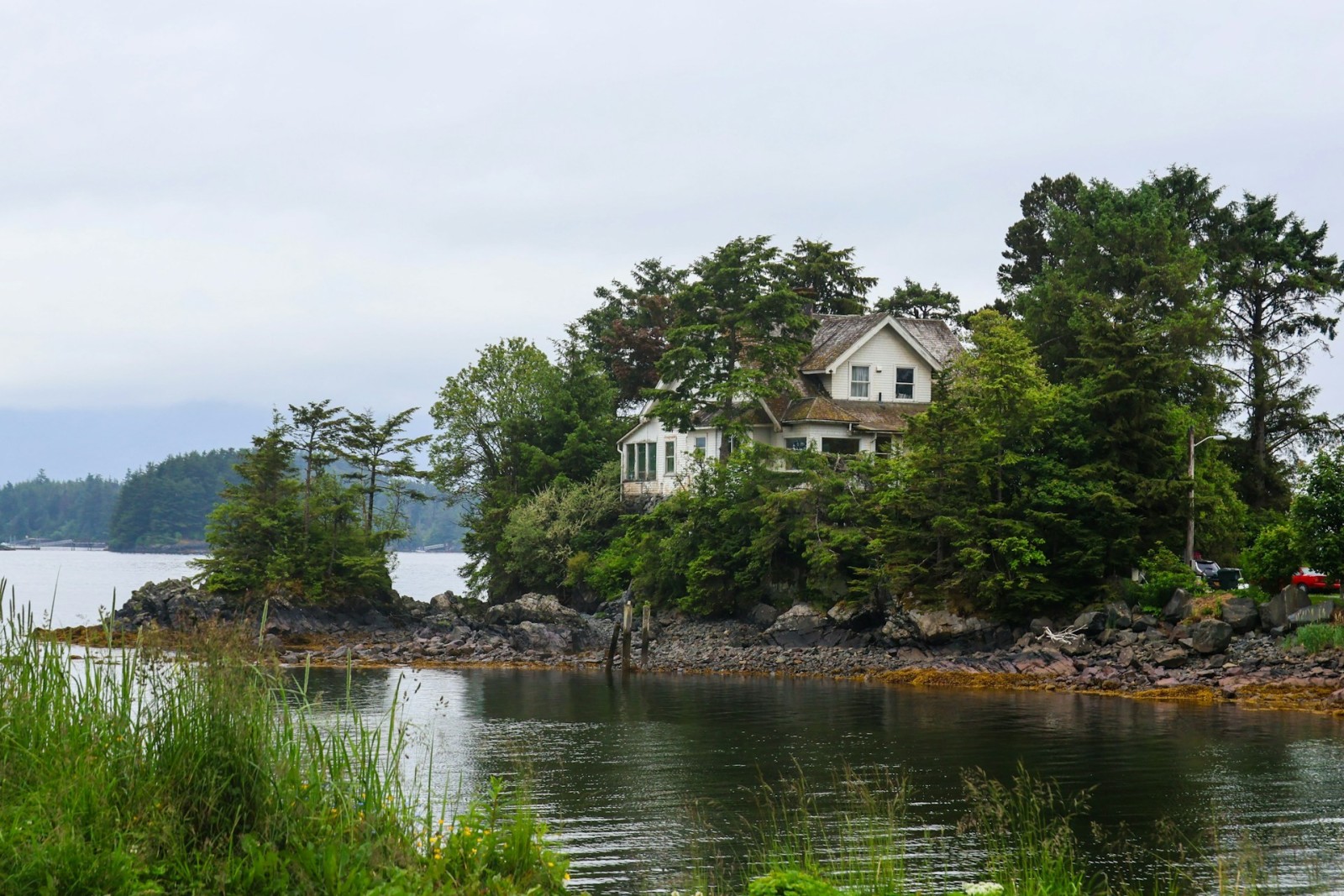
Sitka is a picturesque city in southeastern Alaska, located on Baranova Island off the Pacific coast. It attracts travelers with a combination of spectacular northern nature, rich history and cultural heritage of the Tlingit, Russian settlers and the American period. The city is surrounded by dense coniferous forests, mountains and sea bays, so it is suitable for both educational trips and active recreation.
2. Historical and cultural heritage
The main feature of Sitka is its unusual history associated with Russian America. Tourists can visit the Cathedral of St. Michael the Archangel, see historical buildings and get acquainted with the heritage of Russian settlers. Of great interest is the Sitka National Historical Park, which presents totem poles and memorable places associated with the history of the Tlingit and the clash with the Russians in 1804.
The city allows you to learn about the traditions of the indigenous peoples of Alaska, their art, crafts and lifestyle. Museums, cultural centers and historical monuments make Sitka attractive for lovers of history and ethnography.
3. Scenic nature and wildlife
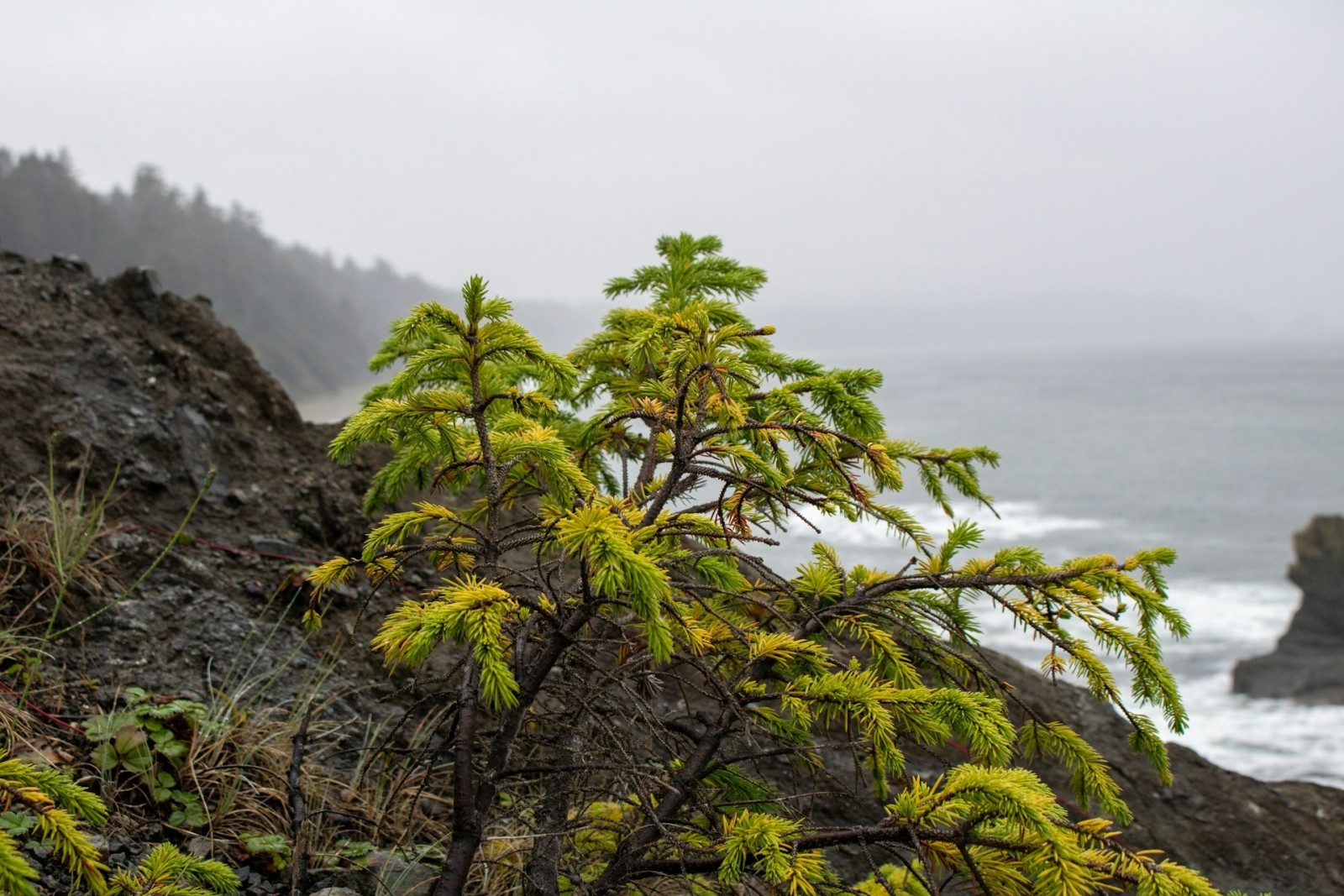
Sitka is surrounded by landscapes characteristic of the Pacific coast of Alaska: coniferous forests, mountain slopes, waterfalls and deep sea bays. Due to this, the city is suitable for walking in nature, photographing and observing animals.
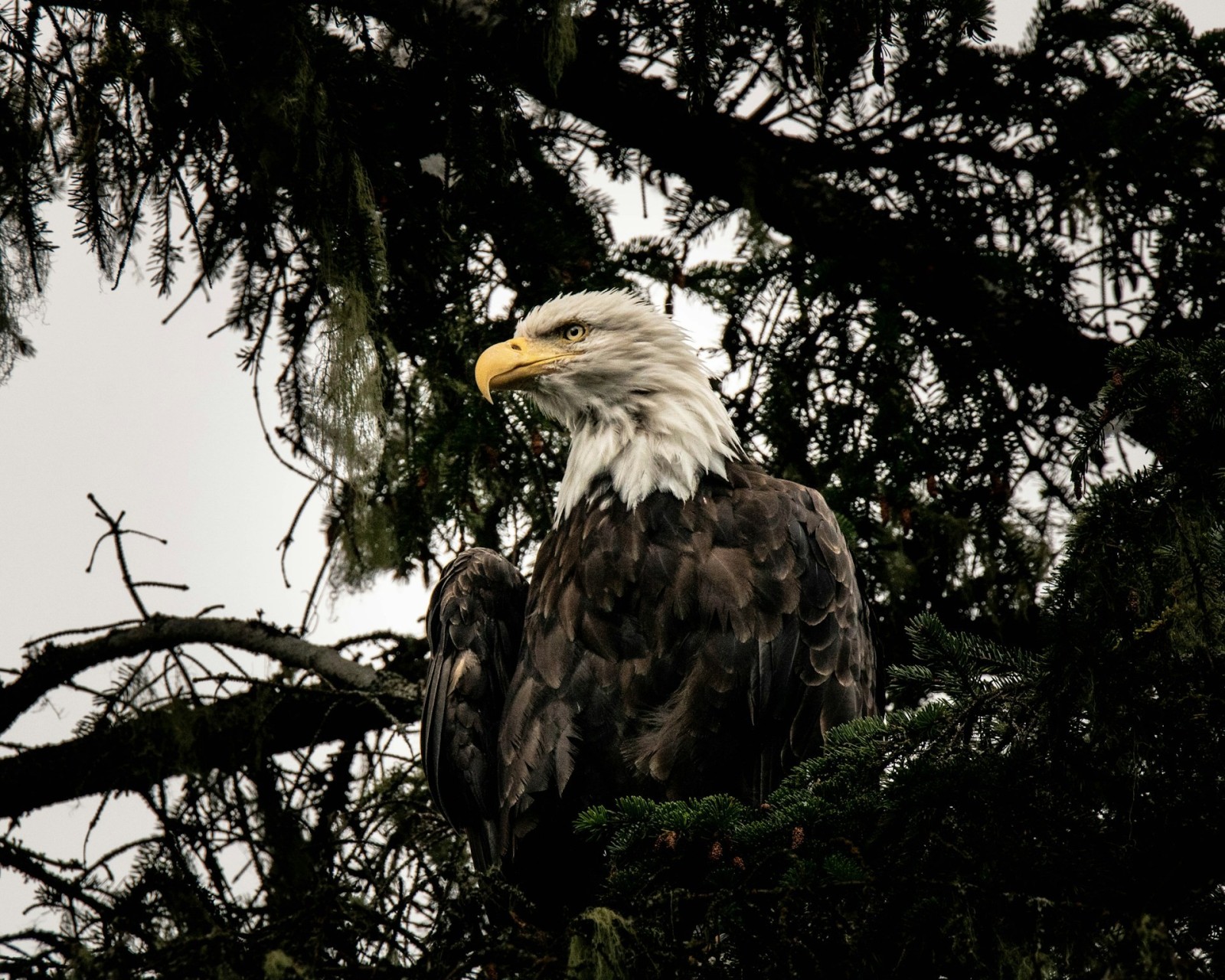
In the vicinity you can see eagles, sea otters, seals and whales. Various species of marine mammals live in coastal waters, and special sea excursions are organized during the whale migration season. Wildlife watching is particularly attractive for ecotourism enthusiasts.
4. Active rest and sea excursions
Sitka offers a variety of opportunities for active recreation. Travelers can take hiking routes through the forests, explore the coast by kayak, do sea fishing or take part in boat tours.
Popular trips to the bays and islands, during which you can admire the mountain landscapes and observe marine animals. In the vicinity of the city there are also routes of varying complexity, suitable both for leisurely walks and for longer hikes.
5. Local cuisine and gastronomic impressions
Sitka’s gastronomic appeal is primarily related to seafood. Local establishments offer salmon, halibut, crabs and other gifts of the Pacific Ocean. Fish is often grilled, smoked or used in soups and other traditional dishes of the region.
For tourists, visiting local restaurants and markets is an opportunity to experience Alaskan cuisine and taste fresh seasonal produce. The fishing traditions of the region are closely related to the way of life of the local population and form an important part of its cultural identity.
6. The atmosphere of a small northern city
Sitka is characterized by a calm atmosphere, low buildings and the proximity of nature. There is no bustle of major megacities, and walks through the historical center allow you to combine acquaintance with architecture, visiting small shops and relaxing in a cafe.
The city is especially interesting for travelers who prefer independent routes, small settlements and destinations with a pronounced local culture. Sitka is also a popular stopping point for cruise ships, which is why many tourists include it on a trip along the coast of Alaska.
7. Best time to visit
The most comfortable period for traveling is usually summer, when the air temperature is relatively mild, and the daylight hours are long. At this time, it is more convenient to make sea excursions, observe nature and explore hiking routes.
Spring and autumn are suitable for relaxing acquaintance with the city and watching the seasonal changes of nature, but the weather can be rainy and changeable. In winter, Sitka attracts lovers of secluded holidays and harsh northern landscapes, but some excursions may be limited to weather conditions.
8. General impression for tourists
Sitka is suitable for travelers who want to combine historical tourism, familiarity with the culture of indigenous peoples and recreation in nature. Its main advantages are the unique past of Russian America, the picturesque Pacific coast, rich marine fauna and opportunities for active recreation.
1. High-level hotels
Sitka offers several options for comfortable accommodation, focused on individual service, nature rest and sea excursions. There are few luxury chain hotels here, so a high level of comfort is more common in country lodges.
1. Talon Lodge & Spa is a country complex for tourists who prefer privacy, high-level service and recreation in nature. Offers accommodation in a picturesque environment, spa services and the organization of fishing excursions.
2. Dove Island Lodge is a lodge for lovers of sea fishing and relaxing away from the bustle of the city. Suitable for travelers who want to combine a comfortable stay with boat trips and acquaintance with the nature of Alaska.
3. Wild Strawberry Lodge is an accommodation option for lovers of fishing, natural scenery and individual excursions. Suitable for tourists who prefer small country complexes to large hotels.
2. Mid-range hotels
Mid-range hotels are suitable for most travelers as they offer separate rooms, necessary amenities and a relatively convenient location.
1. Sitka Hotel is a hotel in the central part of the city, near the harbor, shops, cafes and historical sights. Suitable for independent tourists who plan to walk around the city a lot.
2. Aspen Suites Hotel Sitka is a modern aparthotel with rooms with mini kitchens. This is a convenient option for families, business travelers and tourists planning a long stay.
3. Longliner Lodge and Suites is a hotel near the harbor, suitable for lovers of fishing and sea excursions. Its location allows you to feel the atmosphere of the port city.
4. Sitka's Eagle Bay Inn is a small hotel with a calm atmosphere. Suitable for travelers who prefer measured accommodation and plan to visit natural and historical attractions.
3. Budget hotels and motels
Budget hotels offer a simpler set of services, but allow you to get a separate room and necessary amenities without additional costs for premium service.
1. Super 8 by Wyndham Sitka is an option for travelers who need practical accommodation with basic hotel services. Before booking, it is worth comparing the final cost of the room with other offers.
2. Baranof Lodge is a hotel for tourists who need a simple room to stay while exploring the city and its surroundings. When choosing, it is recommended to clarify the presence of a refrigerator, microwave and other amenities.
4. Hostels and inexpensive accommodation options
Hostels are suitable for single travelers, young people and tourists who spend most of their time on excursions and walks. They usually offer shared rooms and sometimes separate rooms.
1. Sitka International Hostel is an option for self-employed travelers looking to reduce their living costs. When choosing, it is necessary to clarify the availability of seats, the type of room and the presence of a common kitchen.
2. Tillie Paul Hostel is a simple accommodation option for tourists who are more interested in affordable cost and practicality than additional hotel services. Before the trip, it is worth checking the current living conditions and the availability of free places.
5. Guesthouses and mini-hotels
Guest houses have a more homely atmosphere and a small number of rooms. Some of them provide breakfast, and the hosts can suggest interesting routes and local attractions.
1. Raven's Peek Bed and Breakfast is a guest house for travelers who prefer a relaxing holiday and picturesque views of the surrounding nature. Suitable for couples and tourists who like an individual approach.
2. Jamestown Bay Bed and Breakfast is an option to stay in a quieter part of the city, suitable for relaxing away from busy streets. Before booking, it is recommended to specify the distance to the center and the need to use transport.
6. Apartments and apartments
Renting apartments is suitable for families, companies of friends and travelers who stay in Sitka for a few days or weeks. The presence of a kitchen allows you to cook your own food and save on visiting restaurants.
1. Katlian Street Suites - apartments, convenient for independent living and acquaintance with the central part of the city. Depending on the accommodation option, a kitchen and appliances may be available.
2. The Georgie is a compact accommodation option for one or two people. Suitable for tourists who need a convenient location and the ability to independently organize a trip.
3. Raven’s Roost is an option for those who prefer privacy and beautiful views of the coast. Especially convenient for couples and small companies planning a relaxing holiday.
1. Cathedral of St. Michael the Archangel
The Cathedral of St. Michael the Archangel is one of the main historical sights of Sitka, reminiscent of the period of Russian America. The original temple was built in the XIX century, when the city was called Novo-Arkhangelsk and was the center of Russian possessions in North America. The cathedral is known for Orthodox architecture, icons and religious objects related to Alaska’s Russian heritage. After the fire of 1966, the building was restored, preserving its historical appearance and some of the original items.
Transport accessibility: The cathedral is located in the city center. It is convenient to reach it on foot from central hotels, shops and the harbor.
2. Sitki National Historic Park
Sitka National Historical Park is dedicated to the history of the Tlingit and the events of the confrontation with the Russian settlers in 1804. On the territory there are carved totem poles, forest walking trails and memorable places. The park allows you to get acquainted with the culture of the indigenous peoples of Alaska, their art and traditions. Here you can walk among coniferous trees, go to the coast and visit cultural exhibitions.
Transport accessibility: the park is located about 1.5-2 km from the central part of the city. It can be reached on foot in 20-30 minutes or by taxi.
3. House of the Russian Bishop
The House of the Russian Bishop was built in 1842 and served as the residence of an Orthodox bishop and the center of church administration in Alaska. It is one of the most important preserved monuments of Russian colonial architecture. The building presents materials about the history of Orthodoxy, Russian settlements and the life of Novo-Arkhangelsk in the XIX century.
Transport accessibility: the property is located near the historic center and the National Historic Park. It is convenient to reach on foot. The possibility of visiting the interior depends on the schedule.
4. Castle Hill
Castle Hill is a historical hill associated with important events in the history of Alaska. There were fortifications and administrative buildings, and on October 18, 1867, the ceremony of transferring Alaska from Russia to the United States took place. Today it is an open historical platform with views of the city, the harbor and the surrounding mountains.
Transport accessibility: Castle Hill is in the center of Sitka, a short walk from St. Michael Archangel Cathedral.
5. Sitka History Museum
The Sitka History Museum introduces visitors to the past of the city, starting with the culture of the Tlingit and the period of Russian America and ending with the development of the region within the United States. The expositions present historical documents, photographs, household items and materials about the life of the local population. The museum is suitable for those who want to get a general idea of the history of the city before visiting other attractions.
Transport accessibility: the museum is located in the central part of the city, near the promenade. It can be reached on foot from most central hotels.
6. Sheldon Jackson Museum
The Sheldon Jackson Museum is dedicated to the traditions and art of the indigenous peoples of Alaska. In its collections there are items of clothing, tools, wood products, household items and works of decorative and applied art. The visit allows you to better understand the cultural diversity of the region and the peculiarities of the traditional way of life of local peoples.
Transport accessibility: The museum is located near the historic center. It can be reached on foot or by local bus.
7. Alaska Bird of Prey Restoration Center
The center deals with the treatment and rehabilitation of eagles, owls, hawks and other birds of prey. Visitors can learn about the work of specialists, see birds and get acquainted with the peculiarities of their behavior. The attraction is especially interesting for lovers of animals, nature and ecological tourism.
Accessibility: The centre is outside the historic centre. It is most convenient to get by car, taxi or excursion transfer. Before the trip, it is necessary to specify the schedule of public transport.
8. The Fortress of the Bear
Fortress of the Bear is an orphaned bear center. Visitors can watch the animals from specially equipped sites and learn about protecting Alaskan wildlife. It is a popular place for family trips and exploring the local fauna.
Transport accessibility: The shelter is located outside the city center, on the Sawmill Creek Road. It is most convenient to get by car or organized tour bus.
9. Sitka Sound Science Center
The research center is dedicated to marine ecosystems, fisheries and Alaskan nature research. Here you can learn about the life cycle of salmon, marine organisms and the importance of the ocean to the local economy. The center is suitable for adults and children interested in biology and the environment.
Transport accessibility: the center is close to the historic area, so it can be reached on foot or by taxi.
10. Sitka Quay and Harbour
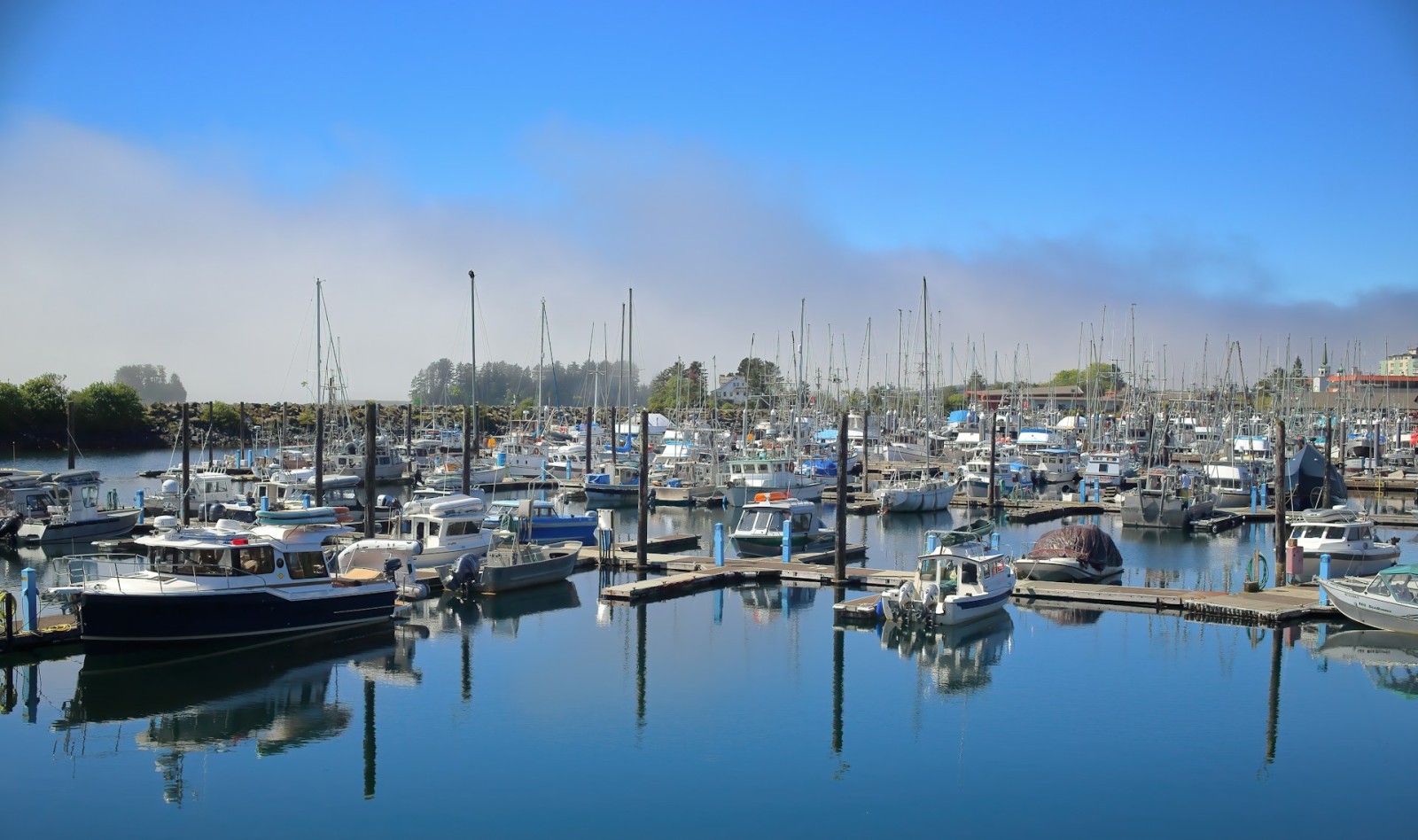
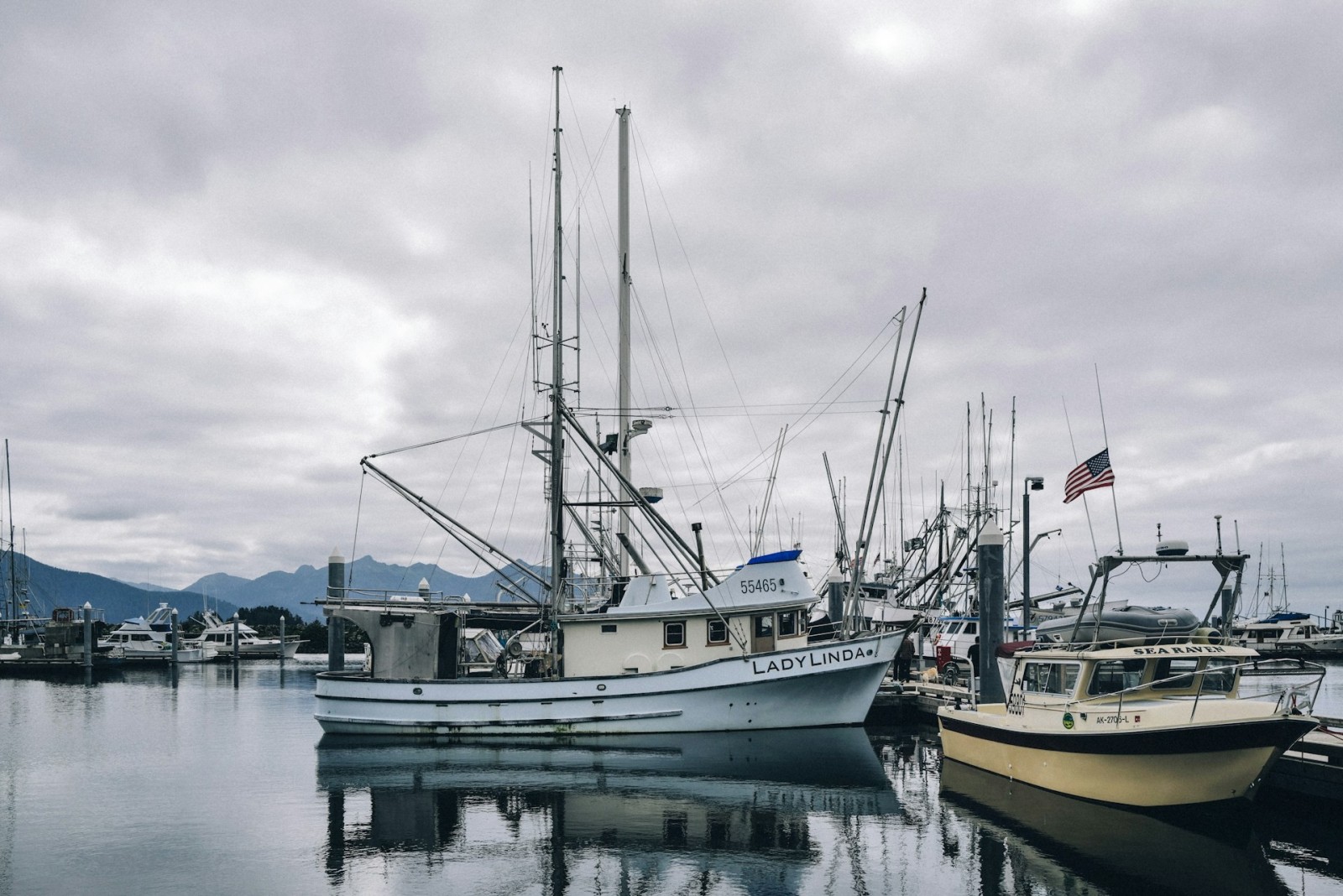
The harbor allows you to get acquainted with the daily life of the city, closely related to fishing and sea transportation. Here you can watch fishing vessels, stroll along the water, visit cafes and try dishes from local seafood. The embankment offers views of the mountains, islands and the Pacific Ocean.
Transport accessibility: the harbor is located in the central part of the city, close to hotels, shops and restaurants. The main sections of the embankment are accessible on foot.
1. Russian Christmas is celebrated in January according to Orthodox tradition. The program may include festive services, chants and community meetings.
2. The Mount Edgecumbe Invitational Basketball Tournament is a sports competition of school teams, usually held in January.
3. Sitka Jazz Festival is usually held in February. The program includes performances of jazz musicians, concerts and educational events.
4. Sitka Wearable Art Show (Sitka Wearable Art Show) is an art event that demonstrates unusual costumes and clothes created from various materials. Usually held in February.
5. The Sitka Salmon Derby is a sport fishing competition usually held in spring. Participants go out to sea and compete in salmon fishing.
6. Sitka Music Festival is a summer festival of classical and chamber music, usually held in June. In the program of guest musicians and ensembles.
7. Sitka Fine Arts Camp is a summer creative program dedicated to music, theater, dance and fine arts. Some of the participants’ performances are open to the public.
8. Independence Day is celebrated on July 4. The holiday is accompanied by parades, family entertainment and social events.
9. Sitka Sound Summerfest is a summer festival with music, entertainment, food and activities for residents and tourists.
10. Jazz on the Waterfront is a musical event with jazz performances, usually held in the summer.
11. Alpine Adventure Run is a sports competition on natural routes with climbs and difficult areas. It is usually held in summer.
12. The Chang Your Latitude (57° North Open Water Challenge) is an open water swimming competition that is usually held in August.
13. The Alaska Day Festival is the main historical holiday of Sitka, dedicated to October 18. It is dedicated to the transfer of Alaska from Russia to the United States in 1867. Parades, historical reconstructions and public events are held.
14. The Sitka WhaleFest is usually held in November. Dedicated to whales, marine mammals and the Pacific Ocean ecosystem. The program may include lectures, excursions, exhibitions and concerts.
1. Winter (December to February)
Winter in Sitka is mild by Alaskan standards, but cold, damp and windy. Often it rains, the sky is cloudy, sometimes snow falls. The average air temperature is about -2 to +5 ° C, at night frosts are possible. The temperature of sea water is about +5 ... +7 ° C.
For winter travel, museums, historical buildings, cultural events and walks around the city in suitable weather are suitable. For trips to nature you need waterproof clothes and shoes.
2. Spring (March-May)
In spring, the air gradually warms up, the duration of daylight hours increases, and the nature around the city comes to life. In March, the temperature is usually about -1 ... +6 ° C, in April - +3 ... +9 ° C, and in May - +6 ... +12 ° C. The seawater temperature rises from about +5 °C in March to +8 °C in May.
Spring is suitable for exploring the historical center, visiting museums and observing nature. In May, opportunities for sea excursions gradually expand, but the weather remains changeable and the rains continue.
3. Summer (June - August)
Summer is the most favorable period for acquaintance with Sitka. The weather is cool, without extreme heat, and the daylight is long. The average air temperature is about 10... +17 °C, on some days it can be warmer. Sea water warms up to about +10. +13 °C, reaching maximum values in August.
In summer, sea walks, whale watching, fishing, kayaking, hiking routes, visiting the national historical park and natural attractions are especially popular. July and the first half of August are usually considered the most suitable time for outdoor activities. Even in the summer you should take a waterproof jacket and warm clothes.
4. Autumn (September-November)
In autumn it becomes cooler, the amount of precipitation increases, and the daylight decreases. In September, the air temperature is usually about +7 ... +15 ° C, in October - +3 ... +11 ° C, and in November - about +2 ... +7 ° C. The seawater temperature is gradually decreasing: around +11 °C in September, +9 °C in October and +8 °C in November.
Autumn is suitable for visiting museums, historical sites and cultural events. In October, you can get acquainted with the traditions of the celebration of Alaska Day, and in November you can visit events dedicated to marine nature. At the same time, September, October and November are among the rainiest months, so weather conditions should be taken into account for walking and excursions.
1. Language of communication
The official language of Sitka is English, since the city is located in Alaska, which is part of the United States. English is spoken in hotels, restaurants, shops, tourist centers and government agencies. For travel, basic knowledge of English is enough, but it is useful to prepare phrases in advance for communication, checking into a hotel and asking for help.
Sitka also has a rich linguistic heritage of the indigenous Tlingit people. The Tlingit language is preserved in cultural and educational programs, traditional songs and social events. The Russian language is associated with the history of the city, but is not widely used in everyday communication.
2. Respect for Tlingit culture
Tlinkit culture occupies an important place in Sitka’s life. When visiting cultural centers, museums, exhibitions and social events, indigenous traditions should be respected.
Do not touch totem poles, traditional objects and works of art unless permitted.
Before photographing people, especially during ceremonies and performances, it is advisable to ask permission.
During traditional dances, chants and official ceremonies, it is necessary to observe silence and follow the instructions of the organizers.
Do not take sacred symbols, traditional costumes and rituals only as tourist entertainment.
When buying products of local craftsmen, it is desirable to be interested in their origin and respect the author’s traditions.
3. Orthodox Traditions and Russian Historical Heritage
In Sitka preserved monuments associated with the period of Russian America, including the Cathedral of St. Michael the Archangel. When visiting Orthodox churches, you should behave calmly and respectfully.
During worship, it is necessary to observe silence and not interfere with parishioners.
Before taking photos inside the temple, it is necessary to check whether shooting is allowed.
The rules of a particular religious institution regarding dress and conduct must be followed.
Religious objects, icons and historical monuments should be respected.
4. General rules of conduct
In Sitka accepted polite and calm communication. Residents generally value respect for personal space, nature and the local community.
When meeting, it is customary to say hello, thank for help and observe politeness in public places.
In queues, you should wait your turn, do not try to get ahead of other visitors.
In restaurants and cafes it is customary to leave a tip - usually about 15-20% of the amount of the bill for good service, if they are not already included.
It is necessary to observe cleanliness, clean up garbage and not leave waste on beaches, forest trails and parks.
When visiting a private territory, the owner’s permission should be obtained in advance.
5. Laws and regulations that must be followed
Sitka is located in the United States, so travelers are subject to the federal laws of the country, the laws of the state of Alaska and local regulations.
Documents and entry. To enter, documents corresponding to the traveler’s citizenship and the purpose of the trip are required. Visa or entry permit requirements should be clarified prior to travel.
Alcohol. Buying and drinking alcohol is allowed from the age of 21. It is forbidden to transfer alcohol to minors and drive a car while intoxicated.
Smoking. Restrictions on smoking in premises, public places and in areas where it is prohibited should be observed. Certain restrictions may apply to e-cigarettes.
Traffic rules. In the United States, it's right-handed. The driver and passengers must use seat belts, and when crossing the road, traffic lights and crossing rules must be observed.
Conservation. You can not damage plants, spoil historical sites, disturb animals or leave garbage. Drone use is prohibited in Sitka National Historic Park; fishing requires a license and compliance with state regulations.
Pets. In the park, dogs must be kept on a leash no more than six feet (about 1.8 m), cleaned after them, and only service animals are allowed in the buildings of the visitor center.
Fishing and collecting natural resources. Sports fishing may require a license, permits and compliance with seasonal restrictions. Before going fishing, you should check the current rules.
Weapons and prohibited substances. Federal and local restrictions must be respected. In national parks, there are separate bans, in particular on the use and possession of marijuana, which remains prohibited at the federal level.
6. Rules of conduct when meeting with wild animals
The nature around Sitka is rich in bears, eagles, sea lions, whales and other animals. When walking along forest trails and traveling outside the city, it is important to observe safety measures.
Do not approach bears or other wild animals for a photo.
Do not feed animals or leave food or debris in places accessible to them.
During sea excursions, follow the crew's instructions and do not attempt to approach the whales yourself.
Before the hike, check the condition of the trails, weather conditions and recommendations of local services.
When walking through natural areas, tell someone about the route and the expected time of return.
1. Greetings and polite words
Hello, hello. Transcription: ha-low.
Hi, hello. Transcription: hi.
Good morning - Good morning. Transcription: Good MOR-ning.
Good afternoon - Good afternoon. Transcription: good af-ter-Nun.
Good evening - Good evening. Transcription: Good IW-ning.
Goodbye - Goodbye. Transcription: Good bye.
See you later - See you later. Transcription: siu lei-ter.
Please, at your request. Transcription: Pliz.
Thank you. Thank you. Transcription: Senk Yu.
You're welcome, in response to your gratitude. Transcription: Mr. WEL-cam.
Excuse me, can I contact you? Transcription: Ik-Stuzemi.
I'm sorry, I'm sorry. Transcription: Aime Sa-ri.
No problem. No problem. Transcription: know PRO-Blam.
Nice to meet you - Nice to meet you. Transcription: Nays that MIT.
2. Principal issues
What is your name? - What's your name? Transcription: Wat from yore neme?
Do you speak Russian? - Do you speak Russian? Transcription: Do you speak RA-sheng?
Could you help me, please? - Could you help me? Transcription: Where did you help me?
Could you repeat that, please? - Could you say it again? Transcription: Where do you go?
Could you speak more slowly? - Could you speak more slowly? Transcription: Where did you go?
What does this mean? - What does that mean? Transcription: Wat dazzis min?
Where is it? - Where is this? Transcription: Ware of IT?
How much is it? - How much does it cost? Transcription: How much mach from it?
What time is it? - What time is it? Transcription: What time is it?
Can I pay by card? - Can I pay with a card? Transcription: Ken Ai Pei Buy Card?
3. Phrases at the airport and when moving around the city
Where is the airport? - Where's the airport? Transcription: Ware from Z Air Port?
Where can I get a taxi? - Where can I get a taxi? Transcription: Ware ken and get tek-si?
Where is the bus stop? - Where's the bus stop? Transcription: Ware from ze bass stop?
How do I get to downtown? - How do you get to the city center? Transcription: How do I get that Downtown?
Is it within walking distance? - Can I walk there? Transcription: It's Wiz-In Wo-king DIS-Tance?
Could you show me on the map? Can you show me on the map? Transcription: Where does he go?
How long does it take? - How long will it take? Transcription: How long daz it take?
I'd like to book a ferry ticket. I would like to book a ferry ticket. Transcription: Idea like that book e fe-ri te-kit.
Where can I rent a car? Where can I rent a car? Transcription: Ware Ken Ay Rent A Car?
Is this the right way? - Am I going right? Transcription: from Zis Ze Wright Way?
1. Unique local products and dishes
Sitka is known for seafood, Alaskan wildlife and the culinary traditions of the Tlingit people. As gastronomic souvenirs, it is better to choose products that can be safely transported and exported from the United States.
2. Alaska salmon
Salmon is one of the main local products. In Sitka restaurants, you can try freshly prepared fish, and in stores you can buy smoked, dried or canned salmon. For a gift, hermetically packaged products with an indication of the composition and shelf life are suitable.
3. Halibut and other seafood
In local establishments, dishes from halibut, cod, crab and shrimp are popular. Frozen fish and seafood can be a good option for those traveling with a suitable heat bag, but canned foods are more convenient for long journeys.
4. Salmon caviar
Caviar is another characteristic product of Alaska. It can be purchased in specialized stores, but before buying it is worth checking the requirements of the destination country for the import of caviar and the rules for the transportation of animal products.
5. Deer caribou and elk meat
In some establishments and shops in Alaska there are products from caribou and elk meat. If you want to bring such a gastronomic souvenir, it is safer to choose factory-packed and processed products. The importation of meat into another country may be restricted, so it is necessary to clarify the rules in advance.
6. Wild berries and products from them
In the vicinity of Sitka, blueberries, cranberries, raspberries and other northern berries grow. From them, jams, jelly, syrups, sauces and sweets are prepared. Such products are convenient for transportation and allow you to get acquainted with local tastes.
Northern berry jam is a sweet souvenir for tea or breakfast.
Berry syrup is suitable for pancakes, desserts and drinks.
Chocolate with local berries is a compact gift.
Candy and cookies with berry fillings are a convenient option for the road.
7. Useful products and natural remedies
In Sitka you can find locally produced goods based on seaweed, berries, vegetable oils and other natural ingredients. They should be considered as gastronomic souvenirs or care products, not as medicines.
Handmade soap – local manufacturers offer soap with vegetable oils, aromatic additives and marine motifs.
Balms and ointments for skin care - can contain beeswax, oils and vegetable components. Before use, it is necessary to check the composition, especially for sensitive skin or allergies.
Seaweed cosmetics – creams, lotions and body care products.
Teas and herbal charges – you can purchase ready-made factory-packaged products by checking the composition and rules of importation to the destination country.
Locally produced salt – for example, sea salt in the form of flakes, which is used to prepare fish, vegetables and other dishes.
Important: should not be considered local herbal remedies with proven therapeutic effect. When buying products with therapeutic promises, it is necessary to check the composition and purpose.
8. Souvenirs with Tlingit cultural motifs
Sitka is a good place to buy products from Alaskan native artists. The city features traditional ornaments, wood carvings, jewelry and modern works of art.
Jewelry with traditional ornaments - earrings, pendants, bracelets and brooches with images of animals and symbols of the northwest coast.
Small carvings are images of bears, eagles, whales and other animals.
Art prints and postcards are an affordable way to bring works by local artists.
Totem miniatures are decorative objects inspired by traditional Tlingit art.
Wired products and textiles – baskets, small accessories and items with traditional patterns.
Masks and wooden panels are more expensive souvenirs for collection or interior decoration.
1. Required documents for travel
Sitka is located in Alaska, USA. Entry requirements depend on the nationality of the traveler, the purpose of the trip and the method of entry.
A passport is a valid document required for international travel.
ESTA Visa or Authorization – Nationals of countries participating in the U.S. Visa Waiver Program usually require prior ESTA authorization. Citizens of other countries, including Russia, usually need an appropriate visa, such as a tourist B-2 or B-1/B-2.
Confirmation of residence - hotel reservation, address of the host party or other information about the place of stay.
Return ticket or ticket for further travel – it is recommended to have confirmation of the planned departure.
It is advisable to get medical insurance before traveling, since medical care in the United States can be very expensive.
Driver's license - you will need if you plan to rent a car. The conditions for recognition of foreign rights and the need for an international driving license should be clarified with the rental company.
Copies of documents – keep separate electronic or paper copies of passport, visa, insurance policy and tickets.
Before traveling, you need to check the requirements for your citizenship. The ESTA permit is not a visa and is not available to all travelers.
2. Health insurance
For a tourist trip to Sitka, medical insurance is recommended, valid throughout the United States and covering the costs of emergency care.
It is desirable that the policy include:
Emergency medical care and hospitalization.
Emergency call and medical transportation.
Treatment of injuries and sudden illnesses.
Medical evacuation, including in case of an incident in a remote natural area.
Repatriation for medical reasons.
Assistance in accidents during hiking, sea trips, fishing or kayaking, if such activities are included in the travel program.
Before registration, you should check the insurance exemptions, the size of the deductible and the procedure for agreeing treatment. Save the assistant phone and policy number on the phone and separately on paper.
3. Emergency services phones
In Sitka there is a single emergency number - 911. You can call the police, firefighters and ambulance.
911 – Police, Fire Service, Ambulance and Emergency Rescuers
(907) 747-3245 - Sitka Police for matters not requiring emergency response.
(907) 747-3233 - Fire service for non-emergency issues.
(907) 747-3241 is the number of the Sitka Community Hospital listed in the state reference materials; it is advisable to check the relevance before use.
If you get lost, are seriously injured, encounter a dangerous animal or witness a crime, do not delay seeking help. When you call, report your location, the nature of the incident and the number of victims.
4. Mobile communications and operators
Sitke operates networks of large American mobile operators, but the signal quality depends on the area, tariff and specific device. In the city, mobile communication is usually available, but outside the populated area, on sea routes and in remote natural areas can be found areas without coverage.
AT&T is one of the largest U.S. operators; you should check the coverage at your hotel address and intended routes before traveling.
Verizon is a major operator with its own network and roaming agreements.
T-Mobile offers mobile fares and communication services, but network availability in a particular part of the Site needs to be checked separately.
International roaming – can work with the SIM card of a foreign operator, if the tariff supports roaming in the United States. The cost of calls and mobile Internet is better to specify in advance.
A local SIM card or eSIM can be convenient for a long trip. Before buying, check the phone’s compatibility, activation conditions, and network availability.
For security, it is recommended to download offline cards, save the hotel address and emergency numbers. Don’t rely solely on mobile internet while hiking or sailing.
5. How long can you stay in the United States without leaving?
The permitted length of stay depends on citizenship, the reason for entry and the decision of the border officer. For Sitka, the general US immigration rules apply.
Under the ESTA Visa Waiver Program, citizens of participating countries can visit the United States for tourist purposes for up to 90 days per trip if all the program requirements are met. ESTA is not a visa in itself.
B-1/B-2 tourist visas often allow stays of up to six months, but this is not a guaranteed period for every tourist. The final date of departure is set by the border service at the entrance.
Form I-94 is an electronic record that reflects the authorized period of stay. You should check the date of the end of the permitted stay and leave no later than the specified period. The visa expiration date in the passport does not determine the permitted duration of a particular trip.
Extension of stay does not occur automatically. If you need to stay longer than the allowed period, you must study the possibility of applying to the US Immigration Service in advance.
Create a query and local guides will offer you the best options

Install the app «PersonalGuide»
www.personalguide.ru
