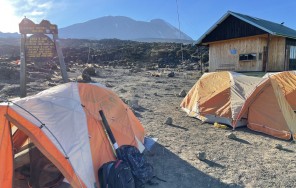
Climbing Kilimanjaro along the Marangu route is one of the most popular choices. This route is quite long (68 km), allowing smooth …
2500 $
group
Oh. Tanzania
Travel and rest in Tanzania
A Brief History of Tanzania
Tanzania is a country located on the east coast of Africa. Its history is full of different cultures, influences and events that have had a significant impact on the formation of its modern appearance.
Ancient Roots: The territory of Tanzania has been home to a variety of ethnic groups for millennia, including the Maasai, Swahili, Chaga and others. They developed in conditions of agriculture, hunting and cattle breeding. The first documented references to Tanzania were to Arab merchants who searched for elephants, gems and slaves.
The period of Arab and Portuguese influence: In the 8th and 9th centuries, Arab merchants began to interact closely with the region, leading to the emergence of Islam in the region. In the 16th century, Portugal took control of the coastal areas but was ousted by the Arabs.
Colonial time: In the late 19th century, Tanzania became an object of interest to European colonial powers. As a result of the Berlin conference in 1885, the territory of Tanganyika was annexed to German East Africa, and Zanzibar became a British protectorate. After World War I, Germany lost its colonies and Tanganyika came under a UN mandate under British administration.
Movement towards independence: After World War II, a national independence movement began in Tanganyika. In 1961, it became an independent state under the leadership of Julius Nayrere, who became the country’s first prime minister and then president.
Joining Zanzibar: In 1964, Tanganyika merged with the island of Zanzibar to form Tanzania. This led to the creation of a republic under the leadership of Nairer.
Modern history: In the years that followed, Tanzania went through a period of socialist experiments, such as the nationalization of industry and the collectivization of agriculture. In the late 20th century, the country moved to market reforms and lobbied for multiparty democracy.
Economic development: Modern Tanzania faces challenges such as poverty alleviation, lack of infrastructure, and challenges in education and health. However, the country also possesses resources such as natural wealth and tourism, which represent potential for future development.
Thus, the history of Tanzania embodies the diversity of cultures, colonial transformations, the struggle for independence and the desire for economic development in the modern world.
Main activities, religion and interests of local people in Tanzania
In Tanzania, the main employment of the population is agriculture, which occupies a significant part of the labor force. Agriculture is dominated by small family businesses, and most farmland is used to grow food for its own needs. The main cultivated plants are coffee, tea, cotton, sesame, potatoes, corn and bananas.
Fishing is also an important sector of the economy, especially on the islands of Zanzibar and Pemba, where locals fish for seafood and fish processing.
In recent years, tourism has developed, which is also becoming an important source of income for the country. Tanzania is rich in national parks such as the Serengeti, Ngorongoro, Tarangire and Kilimanjaro, making it an attractive destination for safari and ecotourism.
The religious landscape in Tanzania is diverse. The main religions are Islam and Christianity, with Islam prevalent in coastal areas and islands, and Christianity in the interior. In addition, there are also a small number of people who profess traditional beliefs and Buddhism.
As for the interests of the local population, they are usually related to family support, agriculture, religious duties and social relations. Many Tanzanians are interested in preserving nature and the environment, given the richness of flora and fauna in their country. Cultural activities, music, dance and sports also play an important role in the lives of the local population.
Interesting places and attractiveness of Tanzania
Tanzania is an amazing country with an incredible variety of natural beauties and cultural riches, making it an attractive destination for travel and tourism. Here are some of the main reasons why Tanzania deserves the attention of travelers:
Safari and National Parks: Tanzania is famous for its spectacular safaris and unique wildlife watching opportunities. National parks such as the Serengeti, Ngorongoro, Tarangire and Mikombe offer unique experiences with hippos, elephants, lions, giraffes, zebras and many other species of animals.
The Great Rift Dol: This unique geographical site extends across eastern Africa, including Tanzania. Here you can observe magnificent natural phenomena such as Lake Tanganyika and Manyara, as well as explore the beauty of Kilimanjaro, the highest mountain in Africa.
Zanzibar and Pemba Islands: Tanzania includes not only the continental part, but also an archipelago consisting of the islands of Zanzibar and Pemba. These islands are famous for their white beaches, warm Indian ocean, and unique culture and architecture, combining African, Arab, Indian and European influences.
Cultural heritage: Tanzania has a rich history and cultural heritage. Visitors can immerse themselves in the world of traditional Maasai culture, visit local markets and villages where locals preserve their traditions, music and dance.
Adventures: For lovers of outdoor activities in Tanzania, unique opportunities are provided for hiking, bicycle safari, diving, snorkeling, as well as climbing Kilimanjaro - one of the most exciting and popular mountaineering routes in the world.
In general, Tanzania offers a unique experience for tourists, combining adventures in the wild, immersion in cultural heritage and relaxation on beautiful beaches.
In Tanzania, you will be welcomed. private guides And they'll offer you a copy. individual toursand travel agencies of the country of Tanzania, will offer their services and organize tour Interesting excursions for travelers.
Transport accessibility and comfort, accommodation and food in Tanzania
Tanzania offers a variety of transportation, restaurants and accommodation options, from economy class to luxury. Here is an overview of the different levels of service in the country:
Transport:
Public transport: In Tanzanian cities such as Dar es Salaam and Arusha, buses, dolmushi (route taxis) and mototaxis are available. They are more affordable and affordable options for moving around the city.
Taxi: There are taxis in major cities and tourist areas, which can be a bit more expensive but provide more comfortable conditions and amenities.
Car rental: For those who prefer greater independence in moving, car rental services are available.
Restaurants:
Expensive restaurants: Major cities such as Dar es Salaam and Arusha have high-end restaurants offering international and local cuisine with fine dining. Examples: The Waterfront in Dar es Salaam, The Boma in Arusha.
Middle class: In most cities, you can find mid-range restaurants and cafes that offer a variety of menus at more affordable prices. Examples: Karambezi Café in Dar es Salaam, The Blue Heron in Arusha.
Street food and local cafes: In Tanzania, street food and local cafes are very popular, where you can try authentic dishes at lower prices.
Hotels and other accommodation:
Luxury hotels and resorts: Tanzania has many luxury hotels and resorts on the coast and nature reserves. Examples: Four Seasons Safari Lodge Serengeti, Meliá Serengeti Lodge.
Mid-range and boutique hotels: There are also many mid-range hotels and boutique hotels offering comfortable accommodation at more affordable prices. Examples: DoubleTree by Hilton Dar es Salaam - Oyster Bay, Rivertrees Country Inn in Arusha.
Guesthouses and hostels: For budget travelers, guest houses and hostels are available, offering inexpensive accommodation. Examples: Jambo Inn in Mosi, Zanzibar Coffee House in Stonetown Zanzibar.
These diverse options help to meet the needs of different categories of tourists, giving them the opportunity to choose the best value for money depending on their preferences and budget.
What to see in Tanzania
Tanzania is known for its amazing natural and cultural attractions that attract tourists from all over the world. Here are some of the main attractions and information about transport accessibility:
Serengeti National Park: It is one of the most famous national parks in the world, known for its large-scale migrations of savannah animals such as zebras, gazelles and elephants. The park is located in northern Tanzania and is accessible through domestic flights from cities such as Arusha and Dar es Salaam, as well as through car excursions from the surrounding cities.
Ngorongoro National Park: This unique volcanic crater is home to a variety of wildlife species, including large herds of herbivores and many predators. The park is located in the northern part of the country and can be visited by taking a guided tour from Arusha or Dar es Salaam.
Machame route to Mount Kilimanjaro: Kilimanjaro is the highest mountain in Africa and one of the most popular climbing sites. Machame route is considered one of the most picturesque and adventure. To access the starting point of the route, you can use public transport or a taxi from Arusha.
Zanzibar Island: Zanzibar is an archipelago in the Indian Ocean that is famous for its beautiful beaches, crystal clear waters and rich cultural heritage. The island is accessible through regular flights from Dar es Salaam or Arusha, as well as ferries from the port of Dar es Salaam.
Stonetown on the island of Zanzibar: Stonetown is the historic center of Zanzibar, where you can see narrow streets, ancient buildings, markets and souvenir shops. Stonetown is well served by public transport, taxis and pedestrian areas.
Lake Tanganyika: It is the second largest and deepest lake in the world, located on the border of Tanzania, Zambia, Burundi and the Democratic Republic of the Congo. Lake Tanganyika offers excellent opportunities for diving and snorkeling, as well as for relaxing on its beaches.
These attractions provide amazing opportunities to explore the nature and culture of Tanzania. Transport accessibility depends on the specific destination, but in most cases they are available through public transport, tourist bus tours or rental cars.
Holidays, cultural life and activities in Tanzania
Tanzania has a number of festivals, festivals and cultural events that attract both locals and tourists. Here are some of them and the time of their implementation:
New Year's Day (January 1): Like many other countries in the world, the New Year in Tanzania is celebrated cheerfully and brightly, especially in major cities and tourist areas.
Maasai Mara: Migration of zebras and wildebeest (December to March): This annual event takes place in the Serengeti National Park, when huge herds of zebras and wildebeest cross the Mara River in search of fresh pastures.
Spirit Junt Music Festival in Zanzibar (January): This festival in Stonetown on the island of Zanzibar presents a variety of music, from traditional African to modern world.
Dar es Salaam International Beer Festival (February): This festival gathers beer lovers from all over the world and presents various beers, musical performances and entertainment.
Sousi Pussy Music Festival in Zanzibar (February): Another music event on the island of Zanzibar, this festival features live performances by local and international musicians.
Morning trip to Dar es Salaam Carnival Market (April): This annual carnival offers entertainment, music, dance and cultural exhibitions on the city streets.
Festival of Cultural and Tourist Potential in Arusha (August): This festival in Arusha celebrates Tanzania’s cultural diversity and includes traditional dances, songs, craft work and culinary activities.
Ngorongoro Truck Festival (September): It is an annual event in Ngorongoro, where local tribes hold traditional festivals including camel races and festive rites.
This is just a brief overview of the various events that occur in Tanzania throughout the year. Depending on the interests of travelers, you can always find something fascinating and interesting to visit in this amazing country.
What weather is best for traveling to Tanzania
Tanzania is located on the equator, and is mainly characterized by three types of climate: tropical, savanna and desert. Depending on the region, season and altitude, the climate can vary slightly. Here is a general overview of the climate at different times of the year in Tanzania:
Rainy season (April - May and November - December):
It rains in most parts of Tanzania at this time of year. This is the period when the air becomes more humid and hot.
Air temperatures are usually between 25°C and 30°C, but may be higher in wetter areas.
At this time of year, the ocean waters can also be somewhat cooler, making snorkeling and swimming less enjoyable.
Dry season (June - October and January - March):
The dry season is the most popular time to travel to Tanzania.
At this time of year, the air becomes drier and cooler, with less rainfall and clear skies.
The air temperature usually ranges from 20°C to 28°C, depending on the region and altitude.
Ocean waters are becoming warmer and more suitable for swimming and snorkeling.
The best time to travel to Tanzania depends on your preferences and activities. However, the dry season, which falls between June and October, is considered the most preferred time to visit the country, especially if you are interested in safaris and visiting national parks, as this is when animals gather at watering holes, which makes them easier to observe. If you prefer a warm climate for relaxing on the beach, then the rainy season can be suitable for visiting the islands of Zanzibar and Pemba.
Language of communication, traditions, customs and laws in Tanzania
There are several official languages in Tanzania, but Swahili (or Kiswahili) and English are the most widely spoken languages.
Swahili: It is a language that is widely used in the daily communication of the local population. It is one of the official languages of Tanzania and is often used in public places, markets, commerce and everyday life.
English: English is the second official language of Tanzania and is widely used in official and business situations, in the tourism industry, in hotels, restaurants, etc. Most tourist destinations and staff in hotels and travel agencies speak English.
With regard to traditions, customs and laws:
Respect for local culture: It is important to respect local culture and traditions. For example, some societies may have strict rules of politeness and etiquette.
Clothes: Wear modest clothing, especially when visiting religious sites and villages. In public places, such as restaurants and shops, clothing standards may be less conservative, but too open or provocative clothing should be avoided.
Photography: It is important to respect the local population and ask permission before photographing people, especially in villages and markets.
Nutrition and food management: The right hand should be used when eating (in some cultures, the left hand is considered obscene). It should also be remembered that some local dishes can be spicy.
Compliance with local laws: Travelers must comply with local laws and regulations. This includes prohibitions on the use of drugs, weapons and illegal activities.
Charity: A culture of charity and aid to the poor is often practiced in Tanzania. Travelers can contribute to the local community through donations or volunteering.
Observing these tips will help you make your trip to Tanzania enjoyable and hassle-free, while also allowing you to better understand and appreciate the local culture and customs.
The main dialogues for traveling in Tanzania
Here are some basic Swahili words and phrases that can come in handy when traveling to Tanzania:
Habari – Hello (a general welcome question that can be used for greeting).
Khabari for asubuhi? (Literally: "How's your evening?")
- Thank you.
Caribou (Caribou) - Welcome (Response to greeting, used to express the joy of greeting).
Field (field) - Everything is fine (answer to the question of how things are).
Hapana Asanti - No, thank you.
Tafadhali (Tafadhali) - Please (used to invite or suggest something).
Safi (safee) - Good (used in response to a question if you agree with the sentence).
Pole Hari (Pole Hari) - It's okay.
Habari Unilizur - How are you doing?
Jambo - Hello (used in some parts of the country)
QUAHERI - Goodbye.
Quaco field - Have a good day.
Safari njema (safari njema) - Good luck (literally: "Good way").
I'll see you later (used for goodbye).
Now let's imagine a short Swahili dialogue with a translation:
Dialogue:
You: Khabari!
Local: Khabari for asubuhi? Caribu Tanzania!
You: Asanti! Khabari Unisur?
Local resident: Khabari field field. Tafadhali, bring me a cup of tea.
You: Paule, now.
Translation:
You: Hey!
Local resident: How are you? Welcome to Tanzania!
You: Thank you! How are you?
Local resident: It's okay. Please bring me a cup of tea.
You: Okay, now.
These simple phrases and words will help you communicate better with the locals and immerse yourself in the local culture during your trip to Tanzania.
What dishes, medicines and gifts are popular in Tanzania
There are many unique products, souvenirs and remedies in Tanzania that can be wonderful memorable gifts or important for your health. Here are a few of them:
Kilaguna (Kilaguni): It is a traditional Tanzanian drink made from the boiled and fermented juice of palm trees. It is known for its unique taste and can be useful for dehydration.
Marula oil: Marula oil is extracted from the fruit of marula, a tree growing in Tanzania. It is rich in antioxidants and fatty acids, which makes it an excellent tool for skin and hair care.
Savannah Honey: Tanzanian savannah areas are rich in honey, which is extracted from wild bees. This honey is considered more natural and useful than regular honey.
Maasai Jewelry: The Maasai are one of the largest tribes in Tanzania, and their traditional decorations such as bracelets, necklaces and earrings can be a wonderful souvenir and add exotic to your image.
Tanzanite jewelry: Tanzania is a major producer of tanzanite, a rare gemstone found only in the country. Tanzanite jewelry can be a wonderful and valuable gift.
Local spices and tea: Tanzania is famous for its fragrant spices and tea. A set of local spices or bags of Tanzanian tea can be a great gift for friends and family.
Traditional masks and crafts: Unique traditional masks, paintings, wood and fabric products are produced in different parts of Tanzania. These items can be an interesting and decorative souvenir.
Maasai blankets (shuka): These are traditional blankets used by Maasai tribes. They can be bright and colorful, ideal for a picnic or as a decorative element in the home.
The choice depends on your preferences and interests, but any of these items will make your trip to Tanzania more vivid and memorable.
What to cook for a safe holiday in Tanzania
Safety while holidaying in Tanzania can generally be assessed as good enough, but there are still a number of precautions that tourists should take into account. Here are some tips and recommendations:
Documents: When traveling to Tanzania, tourists must carry a passport valid for the entire period of stay, as well as a visa if necessary for their citizenship. Some tourist regions may also require special passes or entry permits.
Insurance: It is recommended to purchase health insurance that covers medical expenses and emergency medical care if necessary. It is also useful to have travel cancellation insurance or baggage loss insurance.
Emergency services: In Tanzania, emergency services can be called by the following numbers:
Police: 112
Medical assistance/ambulance: 115
Fire service: 114
Connected mobile operators: There are several mobile operators operating in Tanzania, including Vodacom, Airtel, Tigo and others. Tourists can purchase a local SIM card on arrival in the country to access local communication.
Duration of stay without leaving the country: In accordance with Tanzanian rules, the maximum length of stay of a tourist in the country without the need to leave is 90 days. After this period, if the tourist plans to stay longer, he must contact the local office of the migration service to renew the visa or obtain a permit.
As in all countries, tourists should observe basic safety measures, such as keeping valuables safe, avoiding walking alone in the dark, and following local laws and regulations. In general, Tanzania is a relatively safe holiday destination, and following basic precautions will help you avoid problems and enjoy your vacation.
Local currency and customs regulations in Tanzania
The currency of Tanzania is called the Tanzanian Shilling (TZS). U.S. dollars are often accepted in the country, especially in tourist areas and large cities, but it is better to pay in local currency to avoid misunderstandings with the rate and cheating.
The rate of the Tanzanian shilling to the US dollar can fluctuate, but is usually around 2,000-2200 TZS per $1. Please refer to current sources of information for accurate information about the current exchange rate.
Regarding customs regulations when entering and leaving Tanzania, here are some basic rules:
Declaration of goods: Upon entering Tanzania, tourists must complete a customs declaration stating all goods in their possession, including money, valuables, electronics and other items. Upon departure, a completed declaration may also be required.
Exports of funds: When exporting from the country an amount exceeding the equivalent of $ 10,000, tourists must declare these funds in the customs declaration.
Prohibited items: In Tanzania, it is illegal to import or export drugs, weapons, pornography and other illegal items. There are also restrictions on the import of medicines and food.
Souvenirs: When importing and exporting souvenirs such as antiques, cultural and historical artifacts, care must be taken to ensure that they are not protected by law and do not require a special permit to be imported or exported.
Personal items: In general, personal items required for travel, such as clothing, personal items and a small amount of medicine, usually do not require special declaration.
These are only general instructions, and it is recommended to check the current customs rules and requirements in Tanzania from the local customs authorities or on official websites before traveling.
The site uses a web analytics service
Yandex Metrics
using cookie technology to make the site more convenient. You can prevent the processing of cookies in the browser settings.
Details in Privacy policy.