





 Cherie Yvette
Visit and visit Budapest in Hungary! History of Budapest Budapest, the capital of Hungary, has a rich history...

A visit to the Herend Manufactory is an opportunity to touch the secrets of making elite handmade porcelain, revered all over the …

Evening car and walking tours around the city are completely different impressions. I recommend these excursions as additional, a …

Excursion to Budapest 3 hour, auto-pedestrian (stops at Pest and Buda). During this tour you will get acquainted with the sigh …

Sightseeing, car and walking tour of the main sights of the capital. Mount Gellert: At the top of the mountain stands the Statue …

Hungary, although a small country, has different charms. Many people know it from the beautiful capital Budapest, many appreciate …

In the last decade, the Jewish Quarter of Budapest has been the most visited part of the city, attracting attention not only for i …

The meeting place is Wereshmarty Square, by Café Gerbaud. We'll walk from there. To the famous Chain Bridge. After admiring the br …

Group excursions, individual excursions, transfers, thematic tours, photo shoots,
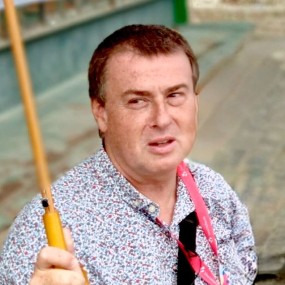 Guide license
Budapest as in the palm of your hand: observation decks of BudaBuda from the height of history: a walk through the Buda …

I will be glad to invite you to an unforgettable meeting with Budapest and Hungary, to discover their history and legend …

I teach at the Hungarian higher state courses for the training of guides, guides, which means that I need to own all the …

I offer individual tours on my car. At the moment, I have a Mercedes E200 passenger car (it will be very convenient for …
Budapest, the capital of Hungary, has a rich history dating back over a thousand years. The city was formed in 1873 by combining three settlements: Buda, Obuda and Pest, located on both banks of the Danube River. Buda and Obuda were on the west bank, while Pest was on the east.
During the Middle Ages, Buda became a major royal city, and Obuda served as an important trading and craft center. In the 16th and 17th centuries, the city became the scene of events of Turkish rule, as a result of which part of the territory came under the control of the Ottoman Empire.
In the 19th century, Budapest became a center of culture, education and industry. During this period, the city became a major European center with historic buildings such as Buda Castle, Voroshmarty Market Square, Parliament and other architectural landmarks.
In the 20th century, Budapest witnessed various historical events, including the Hungarian Revolution of 1956. After that, the city continued its development as an important cultural, economic and political center of Hungary.
Today Budapest is a wonderful combination of antiquity and modernity, attracting tourists with its architecture, culture, thermal springs and beautiful views of the Danube River.

Budapest, a Hungarian jewel, is a fascinating combination of historical splendor and modern inspiration, making it an ideal destination for tourists. Here are some attractive features of the city:
Architectural wealth: Budapest impresses with its architectural masterpieces. Buda Castle, Parliament, St. Stephen’s Cathedral and other historic buildings provide a unique opportunity to plunge into the rich history of the city.
Danube River: The Danube River, which divides the city into two parts (Buda and Pest), creates a fascinating panorama. A walk along the promenade or a romantic cruise on the Danube will provide an unforgettable experience.
Thermal springs: Budapest is known for its thermal springs. A visit to thermal baths, such as Gellert or Szecheny, provides an opportunity to relax in a unique atmosphere and enjoy the healing properties of natural waters.
Cultural Events: The city is rich in cultural events including festivals, exhibitions and museums. The National Gallery, the Museum of Fine Arts and other institutions offer a rich program for art connoisseurs.
Magnificent cuisine: Hungarian cuisine impresses with its diversity and taste. Guests can enjoy a wealth of local dishes such as goulash, lecho and sweet desserts in cozy restaurants and cafes.
Active night rest: Budapest comes alive at night. The variety of bars, clubs and restaurants, especially in the Ruinbara and Vác districts, provide an opportunity for guests to enjoy the city’s nightlife.
The harmonious combination of cultural heritage, natural beauty and modern entertainment makes Budapest an attractive destination for tourists, offering them an unforgettable experience and experience.
Budapest has many amazing sights, representing the historical, cultural and architectural heritage of the city. Here are some key locations and approximate distances from the city centre:
Parliament of Hungary (Országház): This majestic parliamentary complex, located on the banks of the Danube in the Pest area, is one of the most outstanding architectural landmarks. Distance from the city center: about 2-3 km.
Buda Castle (Budavári Palota): On the west bank of the Danube in the Buda area is this historic castle, which is a magnificent ensemble of architecture and history. Distance from the city center: about 2-3 km.
St. Stephen's Cathedral (Szent István-bazilika): This large Catholic cathedral is located in the heart of Pest and is one of the national symbols. Distance from the city center: about 1-2 km.
National Museum of Hungary (Magyar Nemzeti Múzeum) Located in the center of Pest, this museum is a rich collection of Hungarian history and culture. Distance from the city center: about 1-2 km.
Zeppelinka Bridge (Széchenyi Lánchíd): One of the most famous bridges across the Danube, connecting the districts of Buda and Pest. Distance from the city center: approximately 1 km.
Voroshmarty Market Square (Vörösmarty tér): The central square in Pest, where fairs and events are often held. Distance from the city center: directly in the center.
Budapest is known for its good transport infrastructure, which makes it easier to move between different attractions.

Budapest has a continental climate, which means characteristic four seasons with pronounced temperature differences. Here is a brief overview of the climate throughout the year:
Spring (March-May):
Summer (June - August):
Autumn (September to November):
Winter (December to February):
Budapest is suitable for travel at any time of the year, depending on your preferences. In summer you can enjoy warm days and outdoor cafes, and in winter - the atmosphere of Christmas markets. Spring and autumn are periods with a milder climate and smaller tourist crowds.

Budapest offers a variety of accommodation options, from budget hotels to luxury hotels, which allows you to meet different budgets and preferences. Here is the general picture of the level of prices and quality of service:
Budget options (up to 50 euros per night):
Middle class (50-150 euros per night):
Suite (150 euros or higher per night):
The general level of service in Budapest is usually high, regardless of the price category. Many hotels strive to offer guests high standard hospitality, including quality service, friendly staff and a variety of additional services.
It is important to remember that prices and service levels can vary depending on the specific hotel, season and promotions. It is recommended to read reviews and make reservations in advance to get the best possible experience of staying according to your expectations.

When visiting the city of Budapest and other places in Hungary, it is useful to observe certain traditions, customs and laws to respect the local culture and avoid misunderstandings. Here are a few recommendations:
Greeting:
Clothes:
Hospitality:
Tip:
Language:
Photos:
Public transport:
Laws:
Knowing and respecting local traditions will help make your stay in Budapest enjoyable and hassle-free.

Budapest is rich in various events, holidays and festivals throughout the year. Here are some popular events that may interest visitors:
Budapest Wine Festival (Budapest Wine Festival) It is usually held in September at Budaest Castle. This event provides a unique opportunity to taste a variety of Hungarian wines, enjoy cultural events and beautiful views of the city.
Budapest International Music Festival (Budapest International Documentary Festival) This festival, usually held in January, is dedicated to documentary films and presents works by domestic and foreign directors.
Spa Beer Festival (Budapest Beer Spa Festival) Held in July, this festival brings together a love of beer and thermal springs. Visitors can enjoy a beer while bathing in thermal baths.
Budapest Night of Museums (Budapest Night of Museums) Once a year, usually in June, the city's many museums open their doors overnight, offering visitors unique events, exhibitions and excursions.
Budapest Design Week (Budapest Design Week) Design Festival, which is held annually in September. Works by Hungarian and international designers are presented.
Capital Circus of Budapest Festival: The traditional circus art event takes place in February and attracts artists from different countries.
Budapest Fashion Week (Budapest Fashion Week) The annual event in the spring, which presents collections of domestic and international designers.
Budapest Christmas Market (Budapest Christmas Market) From the end of November to the end of December, the city turns into a fabulous place with Christmas markets, where you can buy gifts, enjoy mulled wine and the atmosphere of the holiday.
When planning a trip to Budapest, it is worth checking the calendar of events to enjoy the local culture and unique events that take place at different times of the year.

When traveling to Budapest, it is helpful to know some basic words and phrases in Hungarian. Here are a few keywords and expressions that may come in handy:
Note that in Hungary, many people, especially in touristic places, speak English, but knowing a few phrases in the local language is always appreciated and creates a positive impression.
Hungary is famous for its rich culture, including in the field of cooking. Here are some unique and useful things you can bring from Budapest:
Don’t forget to check out local markets, shops and art galleries for unique items and gifts.
Budapest is considered a relatively safe city for tourists, but as in any other place, some precautions should be taken. Here are some general tips:
Dangers on the streets: Budapest is usually a safe city, but as in any major city, one should be vigilant on deserted streets, especially at night. Avoid suspicious areas and keep an eye on your belongings.
Transport: Public transport in Budapest is safe and convenient. However, try to avoid crowds and watch your belongings in transport.
Fraud: As anywhere else, beware of fraudulent practices. For example, beware of unscrupulous taxi drivers, watch your valuables, and avoid street beggars.
Nightlife: There can be plenty of fun in the evening and night in Budapest, but caution should also be taken. Do not leave your drinks unattended or follow strangers.
Documents required for travel to Hungary
Passport: For citizens of most countries, a passport is a mandatory document. Make sure you have a valid passport that is valid for at least a few months after your intended travel completion date.
Visa: Depending on your nationality and purpose of visit, you may need a visa. Citizens of many countries, including the European Union and the United States, can visit Hungary without a visa for a certain period.
Insurance: It is recommended to have insurance that covers medical expenses and other emergencies during the trip.
It is always best to check the current requirements before traveling on the official websites of consulates and embassies.
Create a query and local guides will offer you the best options