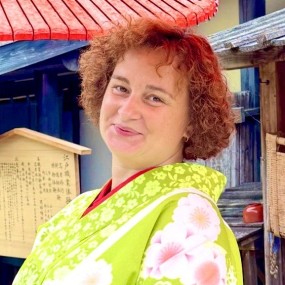
Independent travel to Japan in the city of Hakone!
History of the emergence of the city of Hakone
Hakone is a beautiful resort town in Japan, located in the northwestern part of Kanagawa Prefecture, about 80 kilometers west of Tokyo. This city is known for its picturesque natural landscapes, thermal springs, historical sights and cultural heritage.
Nature and Geography: Hakone is located in the foothills of Mount Fuji and near the Hakone volcano of the same name. This region is famous for its hot springs, lakes and beautiful mountains. Important natural sites include Lake Ashino-ko and Touno-mi.
Hot Springs: The city is famous for its thermal springs, which make it a popular place for relaxation and healing. Many hotels and resorts offer their guests the opportunity to enjoy traditional Japanese bathing in hot springs.
Temples and Shrines: Hakone has a rich historical heritage represented by temples and sanctuaries. For example, Hakone Jingu is one of the most visited sanctuaries dedicated to the goddess of the sea and safe swimming.
Art and Museums: The city is famous for its numerous museums and art galleries. One of the most famous museums in Hakon is the Open Air Museum of Modern Art, which offers unique outdoor installations and sculptures.
Transport: To enjoy the beauty of Hakone, tourists can use the Hakone Circuit Pass. This provides access to a variety of modes of transport, including trains, cable cars, ferries and buses, allowing you to travel comfortably throughout the city.
Hakone is also famous for its traditional festivals and events. One of the most famous is Hakone Ekimatsuri, a festival dedicated to Japanese art and crafts.
Cultural attraction: Cultural attractions include the opportunity to sample traditional Japanese cuisine, as well as visiting traditional Japanese gardens where guests can enjoy seasonal flowers and landscape.
Overall, Hakone is a wonderful blend of nature, culture and history, making it an attractive destination for tourists looking to enjoy a unique experience of the Japanese way of life.
How to have fun in the city of Hakone
The city of Hakone in Japan is an exciting and unique tourist area that promises travelers an unforgettable experience combining natural beauty, traditional Japanese culture and amazing opportunities for relaxation. Here are some attractive features that make Hakone a magnet for tourists:
Hakone is famous for its hot springs, offering a unique opportunity to plunge into traditional Japanese baths. Rest in thermal resorts guarantees relaxation, healing and recovery after long journeys.
Natural beauty: Surrounded by picturesque mountains and lakes, Hakone offers breathtaking views and opportunities for walking along scenic trails. Lake Ashi and the surrounding landscapes create unique and unique moments for nature lovers.
Arts and Culture: Hakone Museums and Galleries reveal to visitors the amazing world of contemporary art, sculpture and traditional Japanese works. The Open Air Museum of Modern Art offers unique and interactive displays.
Transportation Infrastructure: The Hakone Circuit Ticket system ensures the convenience of moving between the main attractions of the city. Trains, cable cars, ferries and buses make traveling in Hakon easy and affordable.
Traditional Japanese charms: Travelers have the opportunity to immerse themselves in the traditional Japanese way of life by visiting temples and shrines, trying authentic Japanese cuisine and enjoying tea in traditional tea houses.
Events and festivals: Various festivals such as Hakone Ekimatsuri add authenticity and fun to the trip, providing participants with a unique opportunity to immerse themselves in Japanese culture and traditions.
Luxury hotels and resorts: Hakone offers a variety of accommodation options, including luxury hotels overlooking mountains or lakes, making staying here unique and comfortable.
The city of Hakone not only satisfies the curiosity of tourists, but also provides unique opportunities for full immersion in the diversity of Japanese culture, nature and recreation. u
The city of Hakone offers a variety of accommodation options, from luxury resorts to more budget-friendly options. Here are some examples of different levels of hotels and other accommodations:
1. Luxury resorts:
Hakone Ginrin Cohen: This luxury resort provides exquisite rooms overlooking the mountains and the lake. The resort also includes a spa with thermal springs and upscale restaurants.
Fujiyama Ono Eklesia Hakone: This resort offers luxurious rooms with its own thermal baths, as well as a restaurant with traditional Japanese and French cuisine.
2. Mid-range hotels:
Hakone Pax Ince: This hotel is located near Hakone-Yumoto Station and offers comfortable rooms, a restaurant and thermal baths.
Hakone Millennial: The hotel offers comfortable rooms and a rich breakfast, as well as access to art gardens, making it attractive to art lovers.
3. Saving options and guest houses:
Hakone Guesthouse Tent: This budget option provides tent-style rooms with shared amenities. This is a great place for those looking for inexpensive accommodation options.
Ryugu In Hakone: Guesthouse with cozy rooms and shared cuisine, offering a welcoming atmosphere and affordable prices.
4. Traditional rookans:
Hakone Ginkow: This ryokan provides traditional Japanese rooms with tatami and futons. Guests can enjoy an authentic Japanese lifestyle experience.
Sohaku-In Hakone: Rjokan with cozy rooms, thermal baths and a beautiful garden so that guests can fully immerse themselves in the traditional atmosphere.
Regardless of budget and preferences, Hakon has a variety of accommodation options, making this city attractive to a wide range of tourists.
Attractions in Hakon
The city of Hakone in Japan has many unique and exciting attractions, providing tourists with a diverse experience of nature, art, culture and recreation. Access to these places is provided by various modes of transport.
Lake Ashi (Ashi-no-ko): Lake Ashi is one of the most famous natural sites in Hakon. Access to the lake is provided by ferries and cruise ships offering panoramic views of the mountains and volcanoes. Buses also connect various points around the lake, providing convenient access.
The Hakone Shrine: This historic temple is dedicated to the goddess of the sea and safe navigation. It is located at the foot of Mount Campu Takao and is accessible by train or bus. After visiting the temple, tourists can enjoy beautiful views of Lake Ashi.
Open Air Museum (Hakone Open Air Museum) This unique museum provides open areas with modern sculptures and installations. Access is provided by walking routes from Koeno-kuri-hakone station.
Mount Komagatake: Komagatake volcano provides panoramic views of Fuji and Lake Ashi. The ascent to the top is provided by the Hakone-Ropei cable car, as well as the Hakone-Tozan steep railway.
Goto Museum of the Foot of Vulcan (Goto Suma): This museum is dedicated to the study of volcanoes and is located in the Sosuva area. Access is provided by buses from various parts of Hakone.
Ozuku Red Gate (Hakone Checkpoint) It is a reconstructed historical site that was part of Tokaido, an ancient road between Edo (Tokyo) and Kyoto. Access is provided by buses and trains.
Transportation in Hakon includes trains, buses, cable cars, ferries and cruise ships. The Hakone Free Pass gives tourists unrestricted access to many of these modes of transport, making travel around the city convenient and efficient.
Events and entertainment in Hakon
Hakone offers a variety of events and festivals throughout the year, attracting tourists with its unique cultural heritage and natural beauties. Here are some popular events:
Hakone Ekiden: This relay marathon takes place annually on January 2-3. Teams of students from various universities are part of this emotional race, representing their universities and creating an atmosphere of rivalry and support.
Sakura in Hakone Sakura: In spring, usually in April, Hakone comes to life thanks to cherry blossoms. Beautiful cherry trees bloom in different parts of the city, creating magnificent scenery. This is the perfect time to walk and picnic under the flowering trees.
Hakone Matsuri: This festival takes place in May and includes parades, traditional dances, musical performances and a vibrant fire show. The festival is designed to celebrate the cultural heritage of Hakone and attract the attention of tourists.
Fireworks at Hakone Fireworks: In summer, usually in July or August, enchanting fireworks are held on Lake Ashi. This magnificent spectacle attracts thousands of spectators, creating a unique atmosphere of the holiday.
Art festivals and exhibitions: In different seasons, Hakone hosts various art festivals and exhibitions, such as the Hakone Open Air Museum of Modern Art and exhibitions of contemporary and traditional Japanese artists.
Traditional tea ceremonies: In the various Hakone tea houses and gardens, you can participate in traditional tea drinking ceremonies, offering a unique opportunity to immerse yourself in Japanese culture.
Given the variety of events and festivals, Hakone attracts tourists at any time of the year, providing an opportunity to enjoy the diversity of Japanese culture and nature.
Weather conditions for travel in Hakon
The city of Hakone has a temperate climate with distinct seasons. Here is a general characteristic of the climate at different times of the year:
Spring (March-May):
Temperature: In the spring, the air temperature in Hakon varies from a pleasant 10°C to 20°C, and the waters begin to fill up the cherry blossoms.
Weather: Spring is the perfect time to visit when nature comes to life and cherry blossoms create beautiful scenery.
Summer (June - August):
Temperature: In summer, temperatures rise from 20°C to 30°C. August can be wet.
The weather: In summer, rains are not uncommon, and Lake Ashi acquires a fresh and green appearance. Festivals and salutes are held during this period.
Autumn (September to November):
Temperature: In autumn, the temperature gradually decreases, varying from 15 ° C to 25 ° C.
The weather: This season is marked by beautiful autumn leaves, especially in the vicinity of Lake Ashi. Autumn is also a great time to visit.
Winter (December to February):
Temperature: In winter, temperatures range from 0°C to 10°C, sometimes sub-zero temperatures.
Weather: Snow falls in Hakon in winter, creating beautiful snow-capped landscapes. This season attracts fans of winter sports.
Best season to visit: The best time to visit Hakone is spring (March - May) and autumn (September - November). During these periods, the climate is milder, nature is diverse and provides ideal conditions for walking, visiting Lake Ashi and enjoying thermal springs. However, each season in Hakon has its own unique advantages, and the timing depends on the traveler’s preferences.
Language of communication, traditions and customs in Hakon
Language of communication: The official language in Japan is Japanese. In most tourist places and hotels, understanding English is quite common. However, knowing basic phrases in Japanese can be helpful and appreciated by locals.
Traditions and customs:
Politeness and respect: The Japanese attach great importance to courtesy and respect. Greetings and thanksgiving (konichiva and arigato) are considered obligatory.
Shoe removal: In many houses, temples, as well as in some restaurants and hotels, shoes are removed before entering. Slippers are usually provided for indoor use.
Cleanliness rules: In public places it is important to keep clean. There are no trash cans on the streets, so it is recommended to carry a small bag to collect garbage and throw it away in the appropriate places.
Silence on public transport: In trains and buses, it is customary to maintain silence, avoid loud conversation on a mobile phone and use headphones to avoid disturbing others.
Laws and regulations:
Tobaco: Smoking is prohibited on the streets in some areas, including many tourist destinations. Follow the smoking ban instructions.
Trash: In Japan, it is important to properly separate garbage. Follow the rules and throw the garbage in the appropriate containers.
Compliance with traffic rules: Cross the road only at pedestrian crossings, otherwise it can lead to a violation of the rules.
Prohibition of alcohol in public places: Some public places, such as parks and streets, prohibit the use of alcohol. Before drinking alcohol in public places, it is better to clarify the rules in a particular region.
Best season to visit: Depending on your preferences, the best time to visit Hakone can vary. Spring (April-June) offers beautiful views of cherry blossoms, summer (July-August) - clear days and enchanting salutes, autumn (September-November) - bright autumn leaves, and winter (December-February) - beautiful snow and the opportunity to enjoy hot springs in the cold season.
Popular language phrases and dialogues for travel in Hakon
Understanding basic local words and phrases will help you feel more comfortable when traveling to Hakone, Japan. Here are some useful words and phrases with their transcription and translation into Russian:
)の) (Konnichiwa)
Hey.
(Arigatou)
Thank you.
(Ohayou gozaimasu)
Good morning.
)の) (Konbanwa)
Good evening.
) (Hai)
Yes.
) (Iie)
No.
(Onegaishimasu)
Please, please (used when requested)
)の (Sumimasen)
Excuse me
(Ogenki desu ka)
How are you?
(Ikura desu ka)
How much does it cost?
大) (O-mizu o kudasai)
Give me some water, please.
(Toire wa doko desu ka)
Where's the toilet?
O-kaikei onegaishimasu (O-kaikei onegaishimasu)
Please, check.
(Shitsurei itashimasu)
Sorry (used when entering or leaving the room)
(Otsukaresama deshita)
Thank you for your hard work (pronounced after completing a task or work)
Doko ka osusume no resutoran arimasu ka
Can you recommend a good restaurant?
(Tasukete kudasai)
Help me, please.
Knowing these phrases will help you communicate more easily with locals and make your stay in Hakon more enjoyable and hassle-free.
What to try and what souvenirs and gifts to bring from the city of Hakone
The city of Hakone in Japan offers unique and interesting opportunities to buy souvenirs, enjoy delicious food and purchase local remedies. Here are some options for what to bring from a trip to Hakon:
Souvenirs:
Hakone-yaki: Traditional ceramics from Hakone, often in the form of tea cups, vases and ornaments.
Hakone-manga: Lacquered products, including caskets, trays and jewelry.
Art from the open air of the Hakone Open-Air Museum: Art reproductions and souvenirs inspired by the works of the museum.
Food:
Hakone Manju: Traditional sweet cakes, often in the form of local symbols or natural objects.
Hakone-soba: Local hot dishes using soba noodles made from buckwheat grown in the region.
Kuro-tamago eggs on Lake Ashi: Eggs boiled in the hot springs of Lake Ashi give them a black color and are considered a symbol of longevity.
Medications:
Thermal products: Creams, lotions and soaps based on minerals from thermal springs.
Japanese herbal teas: Many shops offer local herbal blends that are considered healthy.
Art products:
Works of art by local artists: The Open Air Museum of Modern Art offers unique souvenirs related to the works of artists exhibited on its territory.
Traditional kimonos and accessories:
Kimono and Geta shoes: Shops offer traditional Japanese clothes and shoes that can be bought as a stylish souvenir.
When shopping in Hakon, pay attention to local characteristics and traditions to choose authentic and unique souvenirs that will remind you of your trip to this beautiful Japanese city.
What to have for a safe holiday in the city of Hakon
The city of Hakone, like all of Japan, is a relatively safe place for tourists. However, it is recommended to follow general precautions, as in any other place. Here are some safety tips and information:
Documents:
It is important to have a valid passport.
Copies of important documents (passports, insurance, visas) can be useful in case of loss or theft.
Insurance:
It is recommended to obtain health insurance, which covers the cost of treatment in the event of illness or injury.
Emergency services:
Police: 110
Ambulance and Fire Service: 119
Mobile operators:
Japan has a well-developed mobile phone system. You can purchase a SIM card or rent a mobile Wi-Fi router for the convenience of Internet communication.
Popular mobile operators: NTT Docomo, SoftBank, au by KDDI.
Duration of stay:
Depending on your country, visa requirements may vary. Citizens of many countries are allowed to stay in Japan without a visa for up to 90 days for tourist purposes. However, check the current rules at the Japanese consulate or embassy before traveling.
Emergency situations:
If you lose your passport, contact the nearest embassy or consulate of your country.
If you are facing any emergency, contact your local tourist information centers or emergency services for help.
Compliance with basic safety rules, awareness of your surroundings and attention to your belongings will help make your stay in Hakon safe and enjoyable.
The site uses a web analytics service
Yandex Metrics
using cookie technology to make the site more convenient. You can prevent the processing of cookies in the browser settings.
Details in Privacy policy.


 Guide license

 Guide license